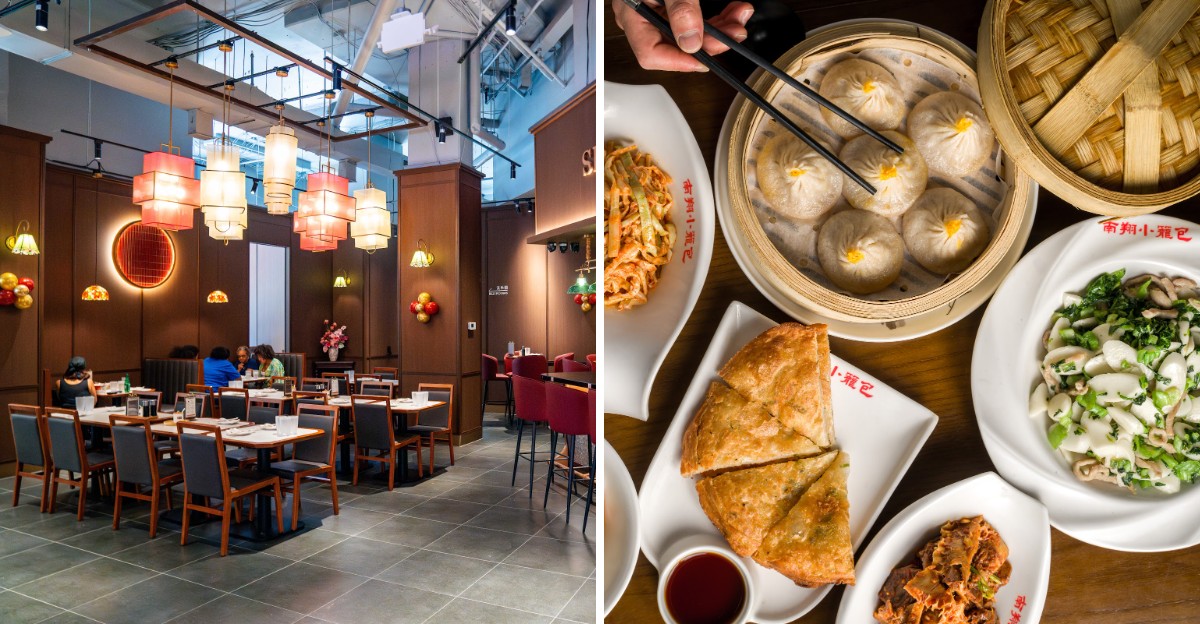
Soup dumplings are not easy to get right. The wrapper has to be thin enough to bite through but strong enough to hold the broth.
The filling needs to be seasoned just so, and the steam has to be timed perfectly. This Maryland restaurant has figured it out, and the soup dumplings are the main event.
You can watch them arrive at the table, steaming and delicate, each one a small package of flavor. The rest of the menu holds its own, but the dumplings are what keep people coming back.
Locals have their orders memorized, and visitors often leave planning their next visit. A reminder that some dishes are worth seeking out.
The kind of meal that makes you slow down and pay attention.
A Shanghai Classic Finds a Home by the Potomac
History tastes better when it comes in a bamboo basket. Soup dumplings, called xiao long bao, first appeared in the Nanxiang district of Shanghai in the mid-1800s.
The name means little basket buns, which makes sense once a steamer lands on the table.
Nan Xiang carries that story forward in a way that feels personal. The brand started in Flushing, New York, in 2006, and it slowly built a loyal following of dumpling fans.
Maryland got its first taste when a Bethesda location opened in October 2025, and National Harbor followed as the second stop in the state.
So what makes these dumplings special? Each one has a paper-thin wrapper that somehow holds a pool of savory broth plus a tender filling.
Cooks pinch the top into neat folds, often more than a dozen per dumpling, before steaming them until they turn glossy and soft. Tricky work.
Very worth it.
The magic comes from a jellied broth that gets hidden inside with the meat. When the heat hits, it melts into soup, which is why the first bite should always be careful.
A burned tongue is a rookie mistake that nobody forgets.
Knowing the backstory makes each basket more fun to eat. A dish that started in a small corner of Shanghai now shows up steaming hot near the Potomac River.
Pretty good travel record for a dumpling, and it makes every bite feel connected to more than 150 years of kitchen skill passed from hand to hand.
Watching the Dumpling Makers at Work
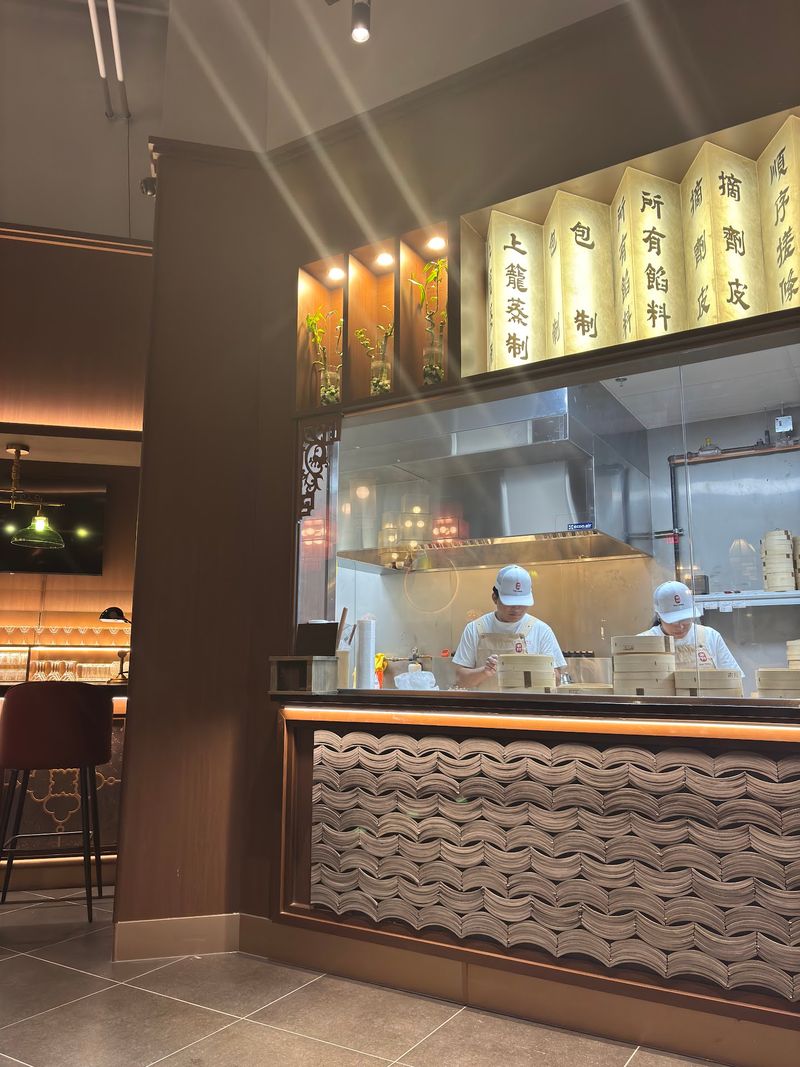
Some restaurants hide the kitchen, but this one puts it on stage. The open-kitchen design lets guests watch chefs fold soup dumplings throughout the day, and it quickly becomes the best free show at National Harbor.
Hands move fast behind the glass. A small circle of dough gets a spoonful of filling, then fingers pinch and twist until a neat little crown forms on top.
The whole thing takes seconds, yet it looks impossible to copy at home.
Kids tend to press closer for a better look, and honestly, grown-ups do the same. Seeing the work up close changes how the food tastes.
Every dumpling on the plate suddenly feels less like a menu item and more like a tiny handmade gift.
Here is a handy tip for anyone waiting on a table. Spend those minutes near the kitchen window instead of scrolling on a phone.
Watching the rhythm of rolling, filling, and folding makes the wait fly by.
The view also shows how fresh everything is. Dumplings are not sitting around in a freezer waiting for orders.
They are shaped right there, steamed, and carried out while the broth inside is still bubbling hot.
Curious diners can even count the pleats on their own dumplings after watching the chefs. It turns dinner into a fun little game.
Sharp eyes might notice how evenly spaced the folds are, which says a lot about the practice and patience behind each one of them.
The Lucky Six Sampler and Its Rainbow of Flavors
Can’t decide on one flavor? Good news, nobody has to.
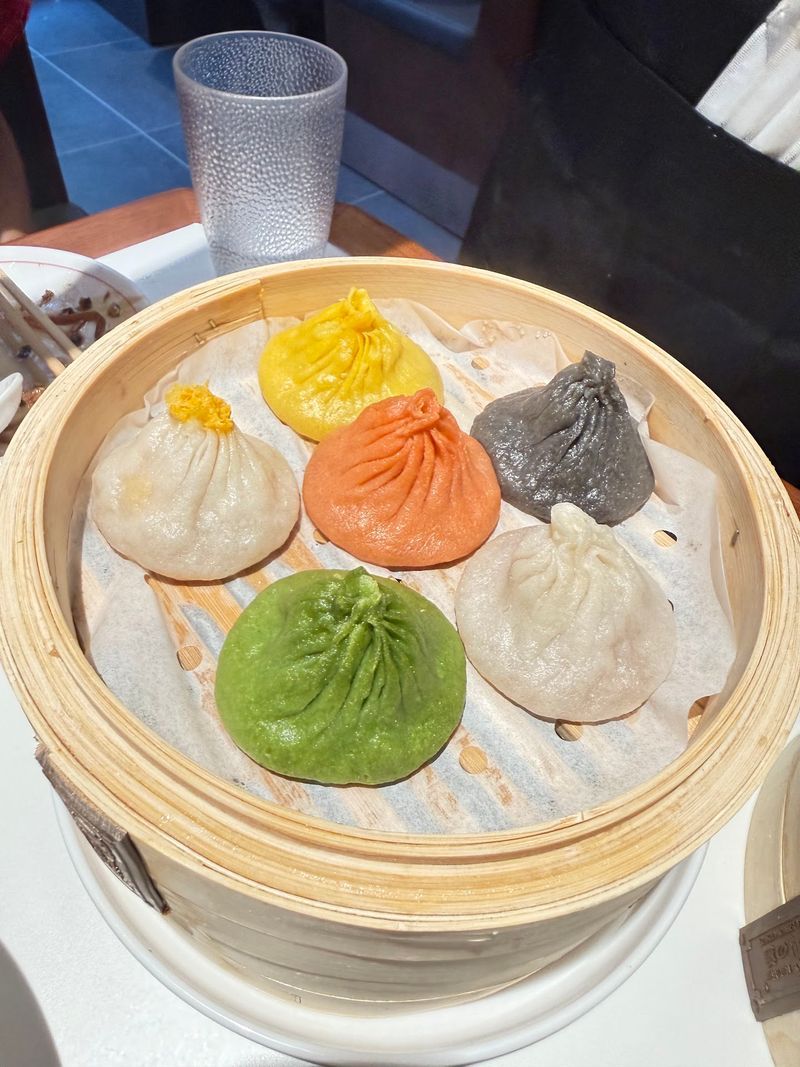
The Lucky Six sampler brings a colorful basket of different soup dumplings, and it might be the smartest first order on the whole menu.
The colors look almost like candy. Each wrapper gets its shade from natural ingredients rather than fake dyes, which is a nice touch that many diners appreciate.
Snapping a photo before eating is basically required.
Inside the basket, flavors change with every bite. The full soup dumpling lineup includes original pork, crab and pork, chicken, truffle, scallop, abalone, and vegetable options, and the sampler gives a quick tour through several of them.
The luffa dumpling, made with a type of gourd, often surprises people with its fresh, light crunch.
Sharing makes this even better. Pass the basket around, let everyone pick a color, then compare notes.
Arguments about the best one are part of the fun.
Truffle and pork tends to win fans for its earthy, rich taste. Crab and pork is another crowd favorite, with a sweet, savory broth that tastes a little like the seaside.
Some folks prefer the simple original pork, and that is fine too.
A smart move is to use the sampler as a guide. Taste each one, find a favorite, then order a full basket of that flavor next.
Think of it as a delicious test drive that helps plan the rest of the meal and maybe the next visit as well.
How to Eat a Soup Dumpling Without Wearing It
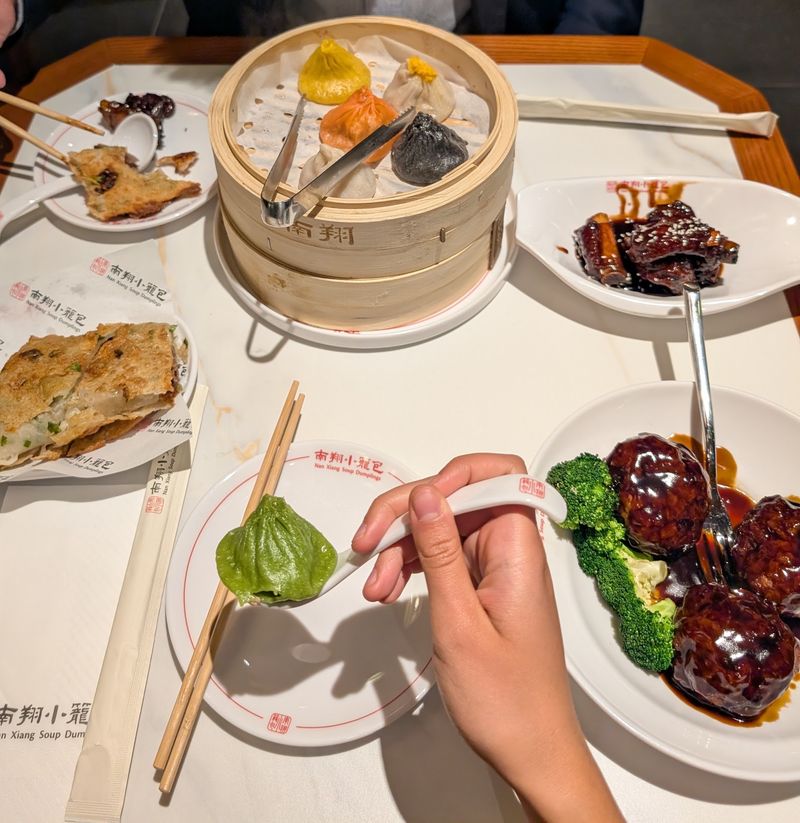
Nobody warns first-timers about the splash. One eager bite, and hot broth can land right on a shirt.
A little technique saves both dignity and laundry.
Start by gently lifting a dumpling from the top knot with chopsticks. Pull slowly, because the skin is thin and tears easily if yanked off the steamer liner.
Set it into a soup spoon right away so the broth has somewhere safe to go.
Next comes the most important step. Nibble a tiny hole in the side and let some steam escape.
Then sip the broth carefully, since it arrives very hot straight from the kitchen.
Tables here come stocked with soy sauce, vinegar, and chili oil. Black vinegar is the classic partner for xiao long bao, adding a tangy kick that cuts through the richness of the pork.
A drop of chili oil adds a friendly bit of heat for those who like it.
After sipping, eat the rest of the dumpling in one or two bites. Chew slowly.
Enjoy the way the soft wrapper, juicy filling, and leftover broth all come together.
Families with kids may want to let dumplings cool for a minute before handing them over. Cutting a small slit with a spoon edge also helps release heat faster.
With a bit of practice, anyone can eat these like a pro, and it quickly becomes a skill worth showing off to friends.
Dim Sum Detours Worth Taking
Soup dumplings may run the show, yet the supporting cast deserves real applause. The dim sum section is packed with small plates that make sharing easy and fun.
Pan-fried pork buns are a standout. They arrive with crispy, golden bottoms and fluffy tops, and inside sits a juicy pork filling that also holds a bit of soup.
Diners who love crunch will likely order a second round.
Wontons get a bold makeover here. Pork and vegetable wontons come dressed in a spicy peanut sauce that is nutty, a little sweet, and warm on the tongue.
Messy? A bit.
Delicious? Absolutely.
For something lighter, shrimp potstickers bring a crisp edge and a tender seafood center. Siu mai, the open-topped dumplings that look like little flowers, are another classic that pairs well with a steamer of xiao long bao.
A good plan for groups is to order several dim sum plates first, then add soup dumplings in the middle of the meal. That way the table stays busy and nobody fills up too fast.
Pacing matters when the menu is this tempting.
Picky eaters often find a safe favorite in this part of the menu, too. Crispy textures and familiar flavors make these plates easy wins for kids and cautious eaters.
Everyone else gets to explore, which keeps the whole table happy from the first basket to the last crumb on the plate.
Noodles, Rice Cakes and Comfort in a Bowl
Hungry after the dumplings? That happens more often than people admit.
Luckily, the noodle and rice section is ready to finish the job.
Braised beef noodle soup is the cozy choice for chilly days by the river. Tender chunks of beef sit in a deep, savory broth with chewy noodles that soak up every bit of flavor.
It is the kind of bowl that makes the world feel quieter for a while.
Scallion oil noodles take a simpler path. Fragrant green onions get cooked in oil until they turn sweet and toasty, then everything is tossed with springy noodles.
Plain-looking. Surprisingly addictive.
Seafood stir-fried udon offers thick, bouncy noodles with plenty of wok flavor, and chicken udon has its own fan club too. Stir-fried rice cakes are another Shanghai favorite worth trying, with a soft, chewy texture that kids tend to love.
Chef’s specialties round out the heartier side of the menu. Shanghai-style sweet and sour spare ribs bring sticky, tangy bites, while black pepper beef adds a peppery punch.
These dishes work well as shared plates in the center of the table.
A useful tip is to pick one noodle dish, one rice dish, and one specialty for a group of three or four. Add soup dumplings and dim sum, and the meal feels complete.
The menu includes pictures, which makes choosing much easier for anyone new to Shanghainese cooking and unsure of the names.
Breakfast All Day, Shanghai Style
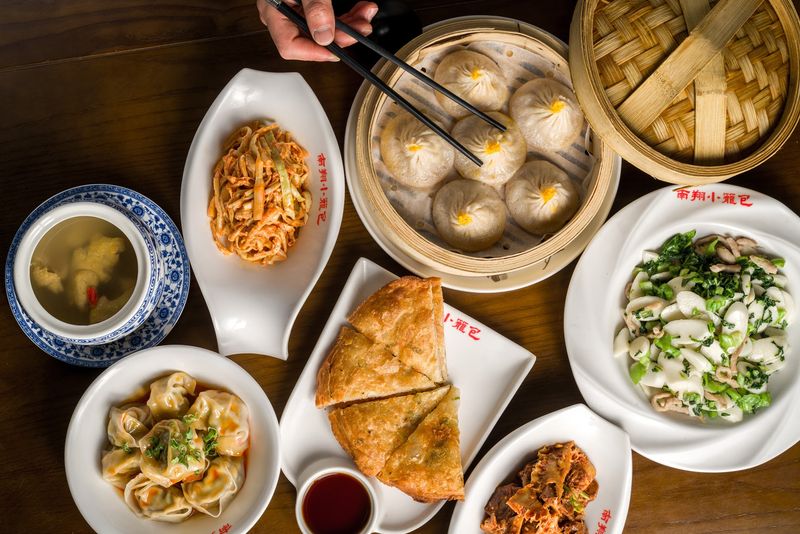
Breakfast at dinnertime might sound odd, but it works beautifully here. An all-day breakfast menu serves traditional Chinese morning foods from opening until close.
The classic pairing is fried dough sticks with warm soybean milk. The dough sticks are long, golden, and crispy on the outside with an airy middle.
Dunk them into the soy milk and they soften just enough to become pure comfort.
Scallion pancakes are flaky, chewy, and full of green onion flavor. They make an easy starter for any meal, no matter the hour.
The version topped with sliced beef is a popular upgrade, rolled up with savory meat and sauce for a hearty bite that some compare to a beefy twist on Peking duck.
Families on the go will appreciate this menu. A mid-morning shopping trip at National Harbor can end with a warm, filling meal that does not feel heavy.
Late risers win too.
Soybean milk may be new for some guests, so give it a try with an open mind. It tastes mild and slightly nutty, with a smooth texture.
Kids who like milk usually warm up to it quickly.
These dishes offer a peek into how many people in Shanghai start their day. Eating them feels like a small cultural lesson served on a plate.
Plus, pairing crunchy dough sticks with a basket of soup dumplings might just be the tastiest combo in the building.
A Harborside Dining Room Built for Lingering
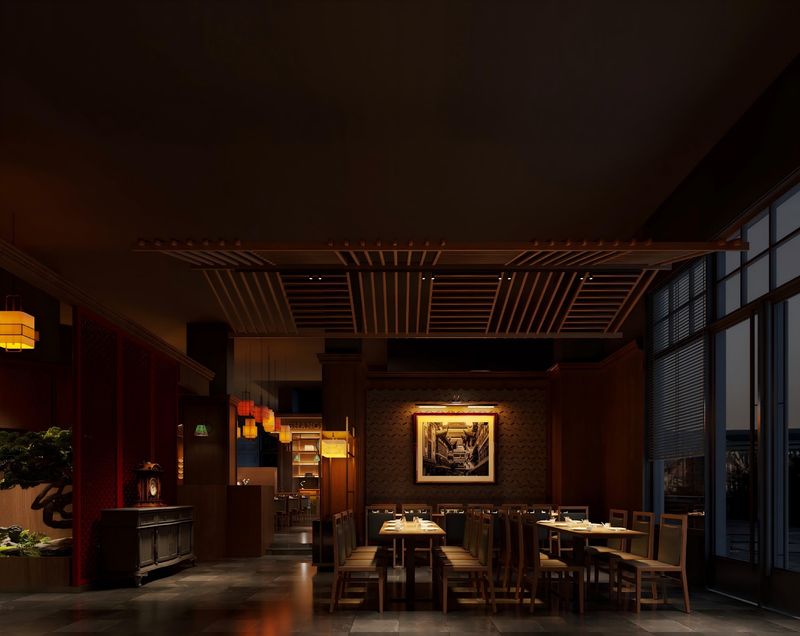
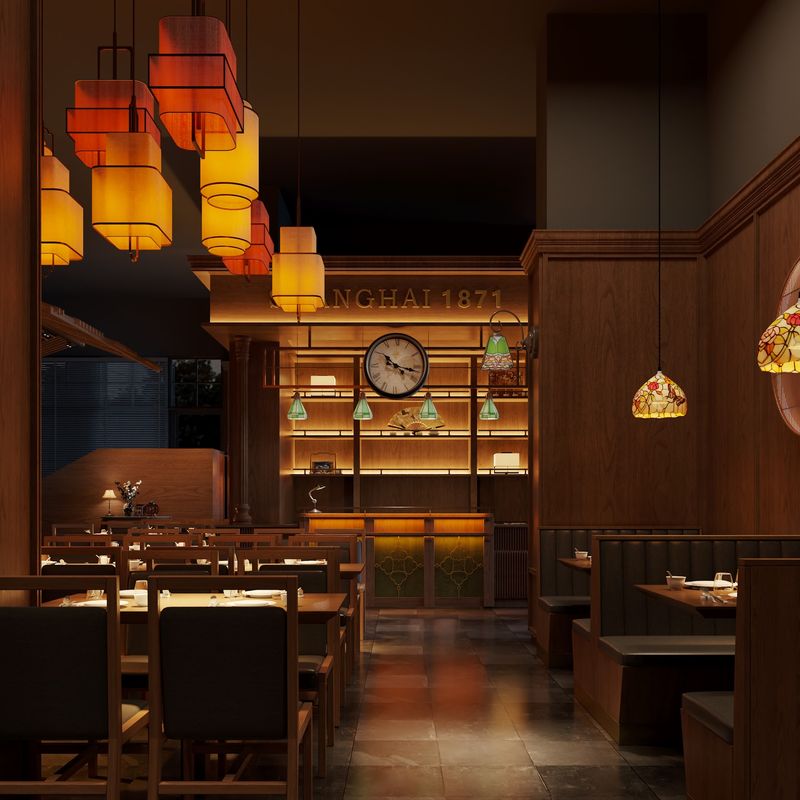
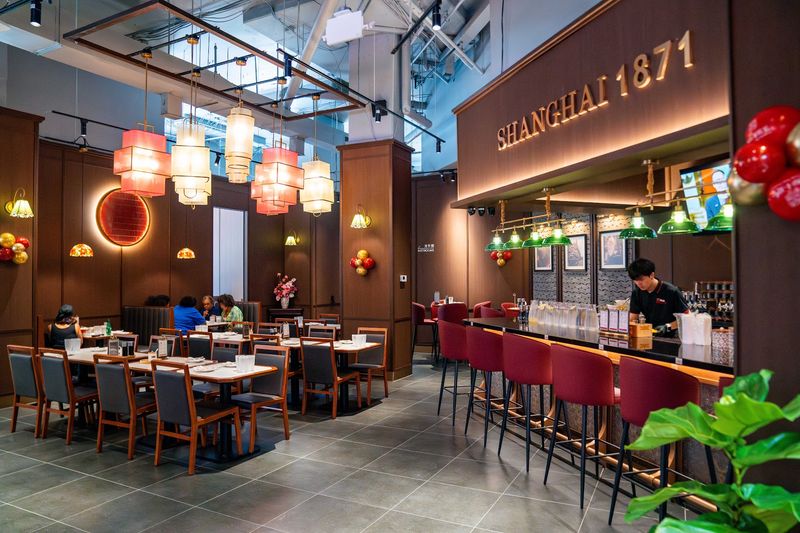
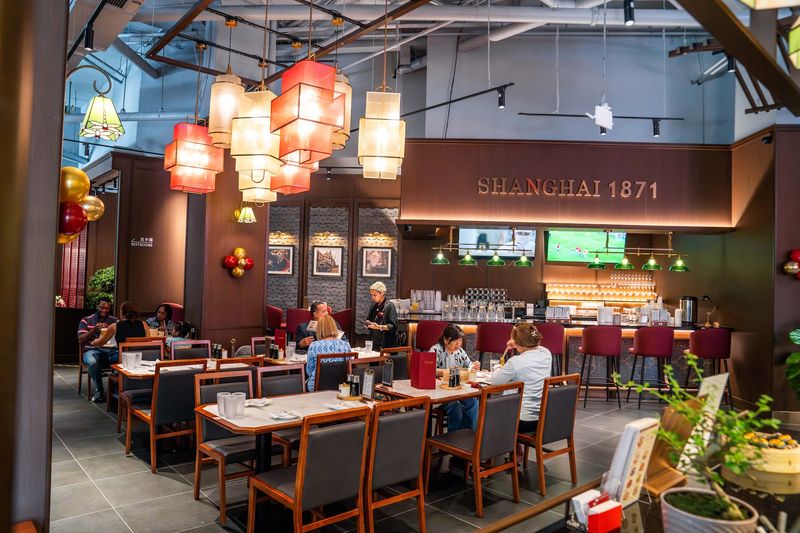
Good food tastes even better in a room that feels calm. The National Harbor dining room mixes modern style with traditional Chinese touches, and soft music keeps the mood relaxed.
The space is big. Spread across about 6,000 square feet, the restaurant seats around 160 guests, with both indoor tables and an outdoor patio that looks out over National Harbor.
On a pleasant evening, patio seats are the ones to grab.
Find it at 180 American Way, Oxon Hill, MD 20745, right in the middle of the harbor’s shops and waterfront walkways. Doors open daily from 11 AM to 10 PM, so lunch, dinner, and snack stops all fit into a visit.
Weekends can get busy, so arriving early or joining the waitlist ahead of time is a smart move.
One fun detail catches younger guests by surprise. Small robot servers roll through the room carrying trays, while the human staff handles the warm welcomes and menu help.
Kids tend to find the robots hilarious.
The entrance and decor set a welcoming tone before the first dish arrives. Lighting feels cozy, and the open kitchen adds energy without making things loud.
It suits families, friends, and date nights equally well.
After eating, stroll along the harbor to walk off those dumplings. The waterfront views make a great ending to the meal.
Then again, leaving without planning a return visit for more xiao long bao might be the hardest part of the whole trip.
