One unexpected traffic rule is all it takes to make a familiar drive feel a little less familiar. That is part of what makes this Maryland law so surprising for out-of-state drivers.
At first, it sounds like the kind of road rule people would assume they already understand well enough without giving it much thought. Then the details start to matter, and what seemed minor suddenly feels a lot more important than expected.
That is what gives this law its pull as a travel story. It is not the kind of thing most visitors are actively thinking about while mapping out a trip, booking a stay, or planning their next stop along the road.
It catches people because it seems ordinary on the surface, but the way it can affect drivers is what really gets attention. By the time many visitors realize this is not just another forgettable highway technicality, the surprise has already done exactly what makes the law worth reading about.
The Maryland Road Rule That Surprises Visitors Fast

You know that quick breath you take when you see lights pop on the shoulder and your brain flips from cruise to careful? Maryland grabs that moment and stretches it because the rule here is not a polite suggestion, it is a clear move.
You either shift one lane away or slow to a safe, thoughtful speed that matches the mess in front of you.
This is where out-of-state habits get exposed, since a lot of places focus on police or fire first while Maryland widens the net. Flashing hazards, tow booms, bucket trucks, and state crews all count, and that means your decision tree starts earlier than usual.
If there is no room to move, the slow-down is not a backup plan, it is the plan.
Picture the shoulder like a thin workspace with noise, grit, and wind, and the logic clicks because inches matter. You are not losing time, you are buying someone else a margin they cannot create alone.
Maryland builds that expectation into the rhythm of the drive so the surprise comes once, and the habit sticks.
Why Flashing Lights Matter More Than Drivers Expect

Those little bursts of amber do more than yell caution, they mark a live workspace that shifts by the second. In Maryland, the signal means everything from a tow strap tightening to a crew reading the wind near the guardrail.
That glow is not decoration, it is a working boundary asking you to widen the lane with your decision.
Out on I-95 or crawling across the Bay Bridge approaches, you can feel how one driver’s early lane change encourages the next car to follow. Suddenly the shoulder has breathing room, and the people standing there can hear themselves think.
If you cannot slide over, you back off the throttle and give them a cushion they can trust.
Here is the part that sticks after a day in Maryland traffic. You stop reading the lights like a category and start reading them like a person’s safety.
That flip in your head makes you calmer at night, quicker to ease off in rain, and better company for everyone sharing the road.
The Move Over Part Sounds Easy Until Traffic Gets Tight
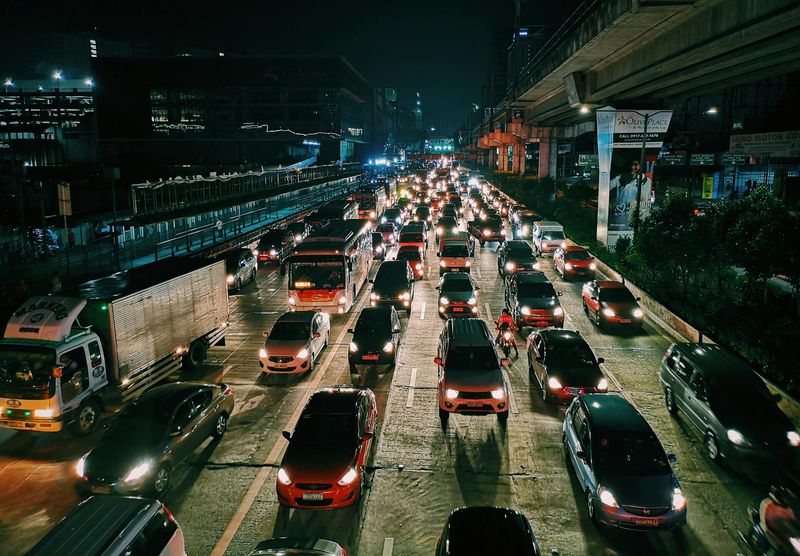
On an open stretch, moving over feels like a simple gesture, but then the beltway squeezes and your mirrors fill with steel. That is when you realize Maryland’s rule is built for real life, not perfect gaps.
You signal early, nudge for space, and if it will not come, you bring your speed down in a steady, predictable way.
Think about the crew on that shoulder hearing every tire hiss and feeling the wind slap from each passing car. Your slow-down is not a shrug, it is relief made visible.
The point is to create a quieter blast of air and a safer slice of time.
It helps to plan a beat ahead. When your eyes spot the first reflection of an amber strobe, start building your move because the earlier you act, the less drama you invite.
And if the lane will not open, own the slow because that is the lawful, decent answer.
Why Slowing Down Still Counts When Moving Over Is Not Safe
Everyone loves the clean lane change, but sometimes the cars boxing you in will not play along. Maryland plans for that exact moment by saying slow to a safe speed that fits the rain, the curve, and the crowd.
It is not theater, it is physics meeting courtesy on the shoulder.
Safe speed is not a magic number, it is a thoughtful choice you make with your eyes up. You ease off early, hold a smooth line, and avoid jerky moves that spook the next lane.
That predictable calm is what keeps workers upright and traffic manageable.
If you want a mental trick, imagine you are the one fitting a jack under a bent rim with spray kicking off the tires nearby. Would you rather feel a roaring blast or a measured breeze?
Slowing down is you choosing that humane breeze, and Maryland writes that choice right into the law so nobody has to guess what the decent option looks like when a lane change is impossible.
The Kind Of Law Out-Of-State Drivers Often Read Too Narrowly
It is easy to land in Maryland thinking this is the classic emergency-only rule, because that is how plenty of places frame it. Then you see a garbage truck working the curb with hazards going, or a utility pickup staging cones, and the expectation hits harder.
The lights are the signal, not the badge on the door.
Visitors sometimes freeze up trying to remember a list, which is why the flashing cue matters so much. If it is stopped, standing, or parked with warnings lit, you treat it like a living work zone.
Move when you can, slow when you must, and keep the flow composed.
The beauty of this approach shows up on rough weather days when shoulders turn messy and timing gets tight. You are not gambling on categories, you are simply responding to lights that warn you real people are inches away from steel.
Maryland keeps that simple and broad so you can react quickly without flipping through mental flashcards.
How A Routine Highway Moment Can Turn Serious Quickly
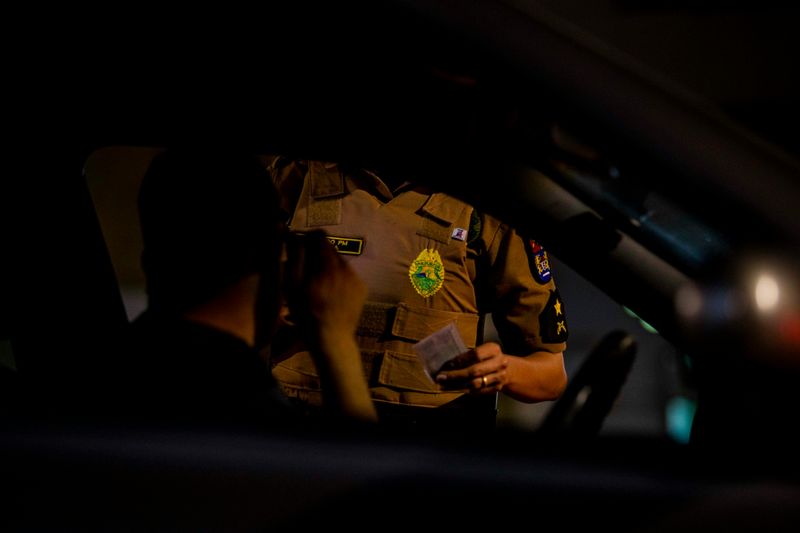
Nothing looks dramatic at first, just a sedan squatting on the shoulder with blinkers pulsing like a heartbeat. You pass scenes like that every day until a gust grabs a door or a tool slips onto the lane line.
The distance you give them is the difference between a scare and a story nobody wants.
Maryland treats that ordinary scene like a fragile moment because it often is. You picture a family waiting inside, a tow operator watching mirrors, and a service tech wrestling a cable.
Then you open a gap, or you slow, and suddenly the risk curve softens.
This is why the expectation covers all warning signals, not just uniforms. The road is loud, the margin is thin, and the math punishes tiny mistakes.
Give them space, or give them time, and you turn a close call into a calm fix while the rest of traffic breathes a little easier.
Why This Rule Covers More Than Just Police Stops

The old mental picture starts with a cruiser and blue lights, but Maryland extends the shield to anyone working that edge of asphalt. Tow operators, utility teams, maintenance crews, waste collection trucks, and DOT units deserve the same breathing room.
The risk comes from speed and proximity, not the patch on a sleeve.
Once you widen your lens, the pattern gets obvious. Any job that puts a person near the fog line lives on borrowed inches, and your lane change or slow-down buys those inches back.
You do not need to memorize categories when you can read the strobes and respond.
Drive from Baltimore to the Eastern Shore and you will see the full cast in a single afternoon. Every one of those scenes needs the same respect, the same early signal, and the same calm pedal.
Maryland writes that into the culture of the road so the habit becomes durable even when traffic feels cranky and space is scarce.
The Safety Logic Gets Clear Once You Picture The Shoulder
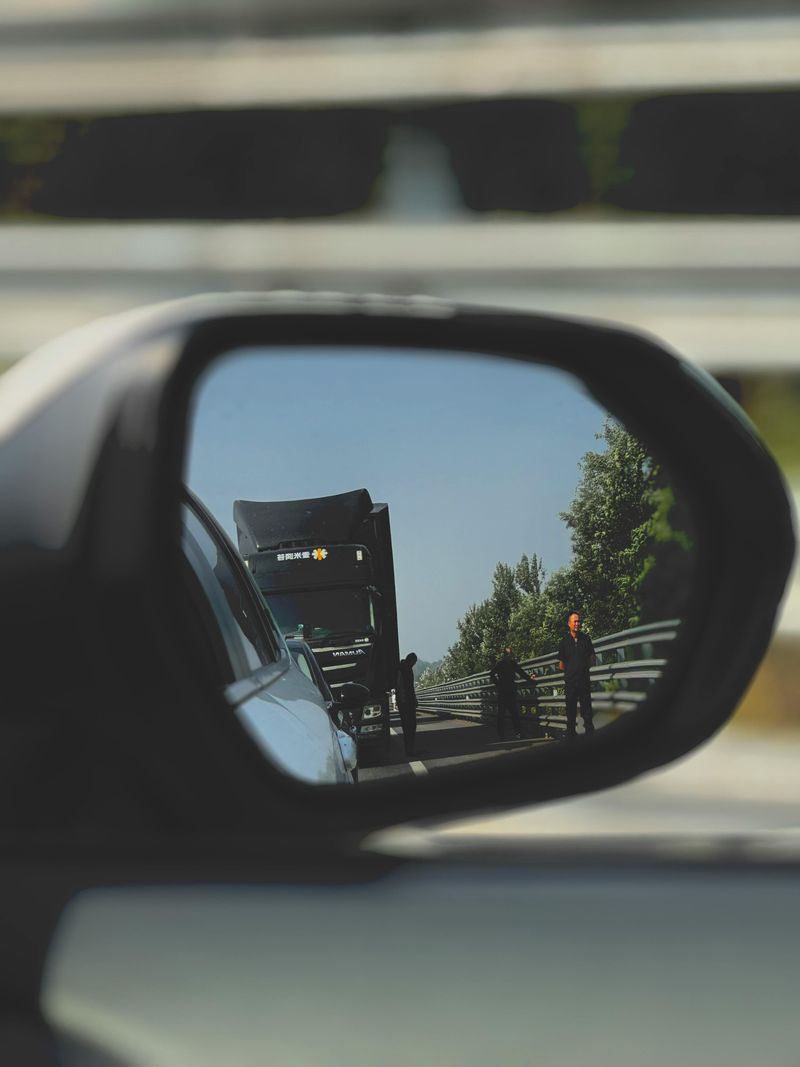
Stand in your mind on the gravel lip between white paint and rumble strip, and the whole rule makes instant sense. The wind off a passing truck yanks at clothing and tools, and mirrors feel like they are grazing your elbow.
That is the workspace people are trying to survive.
From the driver seat, it looks roomy, but the shoulder shrinks fast when a jack, a door, and a human body share it. Your lane change turns the noise down, while a steady slow-down trims the blast if the lane is blocked.
Either move is a simple kindness with outsized payoff.
After a few days driving in Maryland, you start spotting these risks earlier on curves and hills. You lift sooner, you signal wider, and your car becomes a buffer others can follow.
That is how one clear rule turns into a road culture that actually feels calmer during the messy moments.
Maryland Makes This One Hard To Brush Off
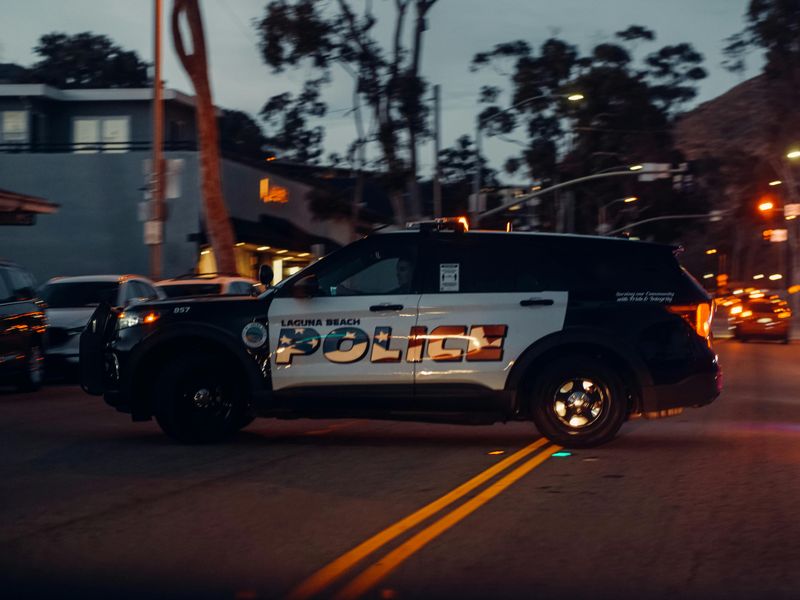
You notice the messaging on boards, the reminders in the driver manual, and the tone from local news after a close call. Maryland treats this like a community safety habit, not a footnote you memorize for a test.
That consistency makes it harder to shrug when the lights hit your windshield.
There is also the simple fact that enforcement exists, and that keeps attention from drifting. But even without thinking about consequences, the human math is persuasive.
If your family were changing a tire at night, would you want the passing car to float over or back off?
I like how this shifts your driving rhythm across the whole state. The early signal, the steady lift, and the clean return feel calm, not fussy.
It is a small choreography that gives strangers a safer minute, and you get to carry that habit home after the trip.
The Move Over Law That Can Change A Road Trip Mood Fast

Nothing flips the vibe in the car faster than a set of strobes ahead and a quick check of space to the left. You go from playlists to planning, and the car gets quiet in a good way.
That calm decision to move or slow becomes part of the trip’s rhythm.
Maryland rewards that early attention with smoother flow because fewer drivers get surprised at the last second. When everyone follows the cue, the shoulder feels less like a danger line and more like a controlled workspace.
That mood shift sticks with you long after the mile marker drops from view.
Take the habit past the state line and you will notice how it lowers your stress on crowded corridors everywhere. The earlier eyes, the gentle inputs, and the respect for flashing lights make you a steadier travel partner.
It is one of those small rules that quietly travels with you, changing how a whole road day feels.
Dear Reader: This page may contain affiliate links which may earn a commission if you click through and make a purchase. Our independent journalism is not influenced by any advertiser or commercial initiative unless it is clearly marked as sponsored content. As travel products change, please be sure to reconfirm all details and stay up to date with current events to ensure a safe and successful trip.
