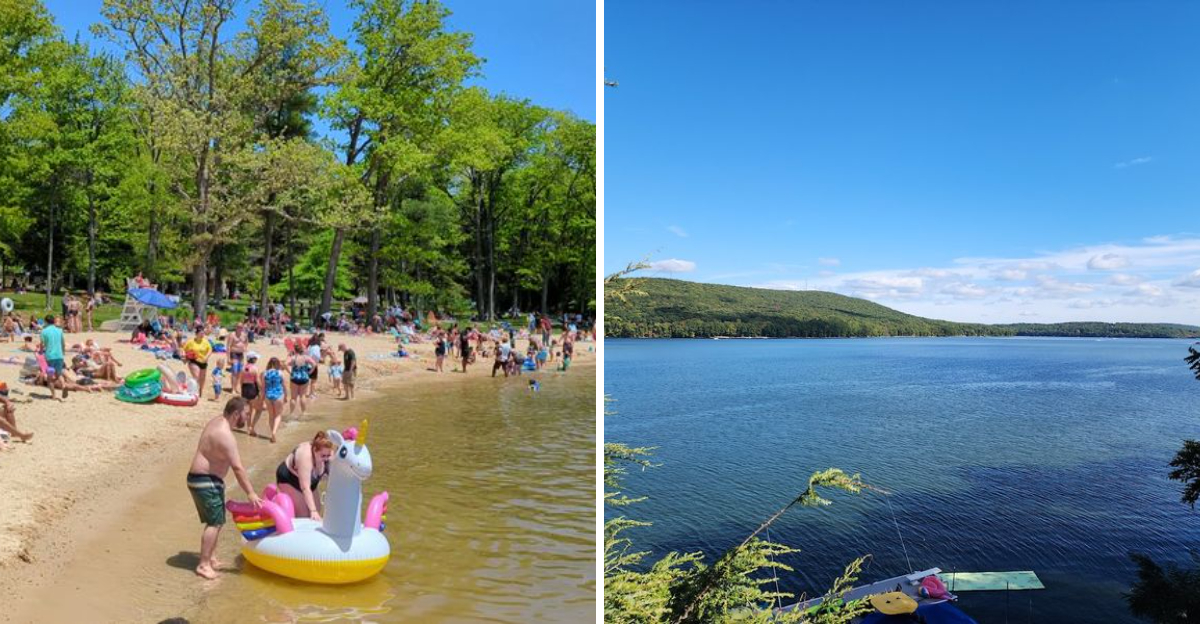
Every local has a memory of this place from before. When it was quiet, peaceful, and easy to enjoy.
Now the crowds show up every summer, and the debate is real. Did tourists change it too much?
Or is it still worth the trip? The water is still beautiful, the sunsets still amazing, and the food still solid.
But the traffic is worse, the parking is harder, and the lines are longer. Locals have strong opinions on both sides.
Some have stopped going. Others have learned to navigate the busy season.
Visitors keep coming because they love it. The debate continues, and everyone has a point.
That is the reality of a once quiet Maryland spot. More people, more opinions, and a changing landscape that locals cannot stop discussing.
The Growth That Snuck Up on Everyone
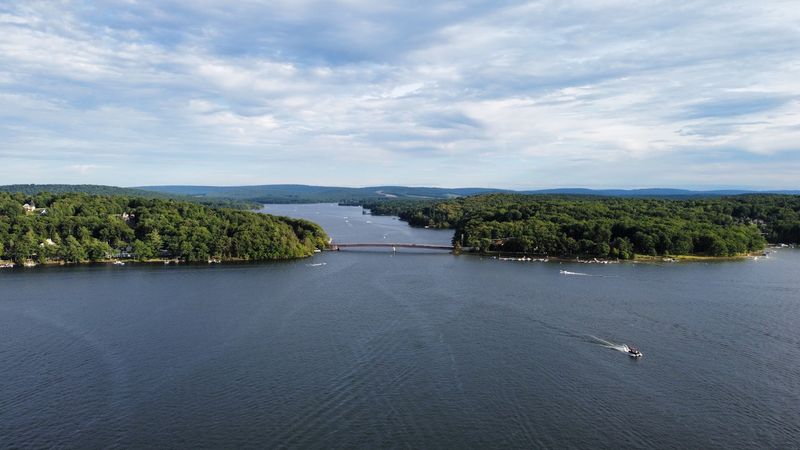
Most places do not change overnight. Deep Creek Lake is a good example of how slow, steady growth can quietly reshape a community before anyone really notices what has happened.
For years, Garrett County relied on the lake as its economic backbone. Visitors came, stayed a weekend, and left money behind at local shops, marinas, and restaurants.
That exchange felt balanced for a long time.
Then the numbers started climbing. Tourism at Deep Creek Lake began growing at a rate that outpaced Maryland’s overall tourism trends.
More cabins went up. More vacation rentals appeared on every booking platform imaginable.
The roads that once felt empty on a Tuesday suddenly had real traffic on them.
Projections suggested thousands of new housing units, many built specifically for vacationers, would be added to the area by 2030. That kind of development puts pressure on everything from road infrastructure to public sewer systems.
Garrett County is a rural area, and rural infrastructure was not designed with that scale of demand in mind.
Locals who have lived here for decades started noticing the shift in small ways first. Parking spots that used to be easy to find were suddenly gone on summer weekends.
Familiar trails felt more crowded. The quiet that once defined the place started feeling harder to hold onto.
Understanding this growth pressure is the starting point for any honest conversation about Deep Creek Lake today. The debate is real, and it is rooted in numbers that are hard to argue with.
Water Quality and What the Data Actually Shows
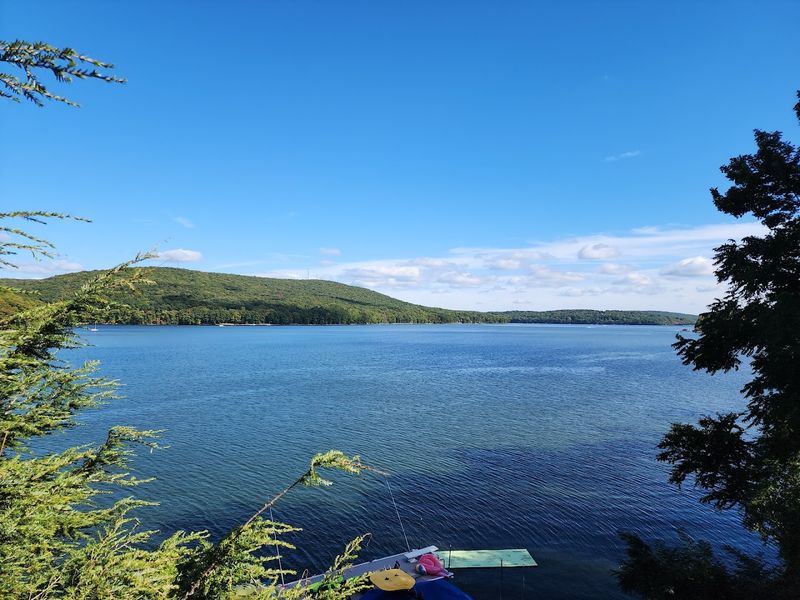
The lake itself is quietly keeping score. Scientists and environmental monitors have been tracking Deep Creek Lake’s water quality for years, and the data coming out of recent studies is worth paying attention to.
Nutrient levels, specifically nitrogen and phosphorus, have been increasing in certain areas of the lake. These nutrients feed algae growth, and rising algae levels have already been documented, particularly in the shallow southern coves where water moves more slowly.
Water clarity is also declining. That might sound like a minor cosmetic issue, but reduced clarity is often one of the earliest signs that a lake’s ecosystem is under stress.
Bottom dissolved oxygen levels in deeper areas have been dropping during summer months, which affects the fish and other aquatic life that depend on those cooler, oxygen-rich zones.
Water temperatures have risen as well. Combined with everything else, the picture that emerges is one of a lake that is being asked to absorb more than it comfortably can.
Boat traffic during peak season stirs up sediment from the lakebed, and shoreline erosion adds more material to the water column.
The Deep Creek Watershed Foundation and Maryland’s Department of Natural Resources have been active in monitoring these trends. Their work matters because without consistent data, it is impossible to make informed decisions about what protections the lake actually needs.
None of this means the lake is beyond saving. It does mean the window for action is open right now, and staying aware of these changes is the responsible thing to do.
Shoreline Erosion, Boat Wakes, and a Problem Hiding in Plain Sight
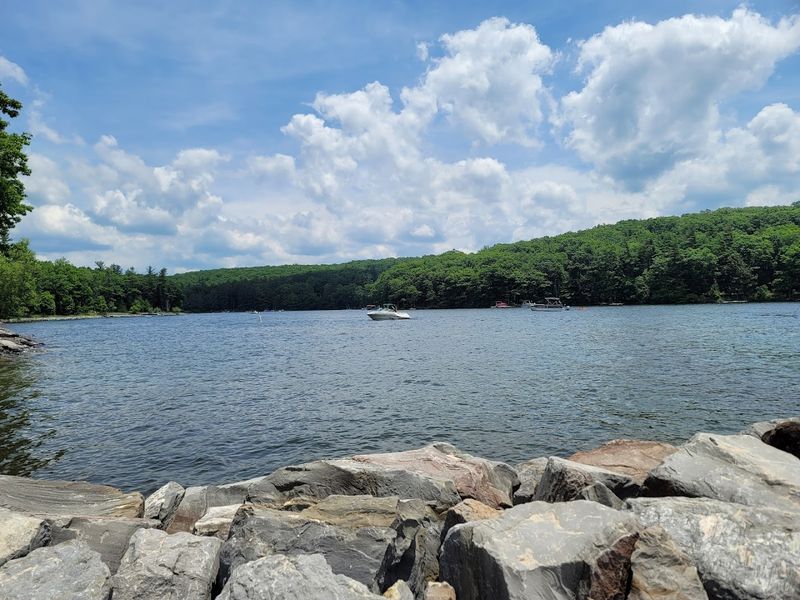
Spend any time near the water at Deep Creek Lake during peak season and you will notice the boat traffic. Pontoon boats, ski boats, and personal watercraft move across the surface in a near-constant parade on busy summer weekends.
It looks fun, and honestly, it is fun.
But the cumulative effect of all those boat wakes hitting the shoreline, hour after hour, day after day, adds up to something significant. Shoreline erosion has been identified as one of the major environmental issues facing the lake.
Each wave that slaps against an unprotected bank loosens soil and sends it sliding into the water.
Sedimentation from that erosion clouds the water and smothers the aquatic plants and insects that fish depend on for food. It is a slow, grinding process that does not make headlines but does real damage over time.
Areas that were once stable banks are now visibly worn down in several spots around the lake.
High boat traffic during peak seasons has been specifically flagged as a factor that worsens both erosion and sedimentation. The connection between recreational boating and shoreline health is not always obvious to visitors, which makes education an important part of the solution.
Some homeowners along the shoreline have started installing natural buffers, things like native plantings and bioengineered bank stabilization, to slow the process. These approaches work, but they require individual buy-in and community coordination to make a meaningful difference at scale.
The shoreline is not just scenery. It is the boundary between the lake’s ecosystem and everything surrounding it.
The Water Level Debate That Got Political
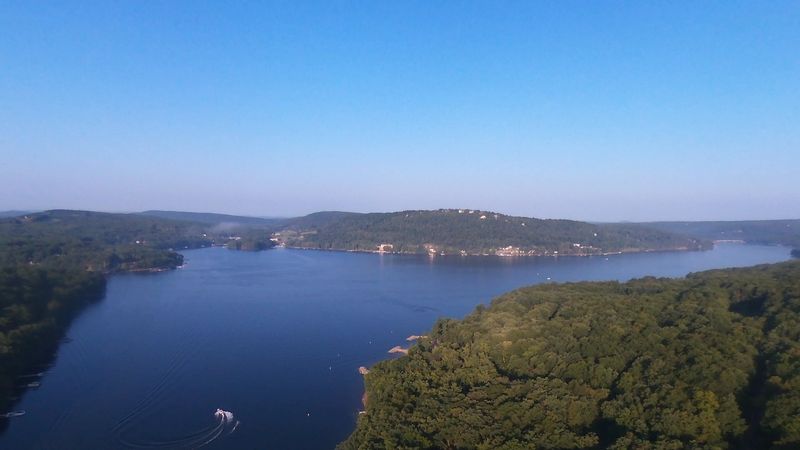
Not all of the debates around Deep Creek Lake stay in the realm of environmental science. Some of them end up in the Maryland General Assembly, and the water level question is a perfect example of how complicated this place has become.
Deep Creek Lake is a man-made reservoir, created by a dam built for hydroelectric power generation. The company that operates the dam has historically managed water levels based on power generation needs, which do not always line up with what recreational users, property owners, or fisheries managers want.
A proposed bill in early 2024 would have potentially lowered the lake’s water levels. The response from the community was swift and pointed.
Tourism-dependent businesses, whitewater rafting outfitters downstream, and fishing guides all raised concerns about what lower water levels would mean for their livelihoods and the health of the fisheries.
The debate exposed something important about Deep Creek Lake: it is not just a natural body of water. It is a managed resource with multiple competing interests pulling on it at the same time.
Power generation, recreation, property values, and ecological health do not always want the same thing.
Efforts are now underway to develop what planners call a fair water use tool, a framework for balancing all of those interests in a more transparent and equitable way.
It is slow work, but it reflects a growing recognition that the old way of managing the lake by default is not going to hold up under the pressures the area now faces.
Invasive Species and the Quiet Threat Beneath the Surface
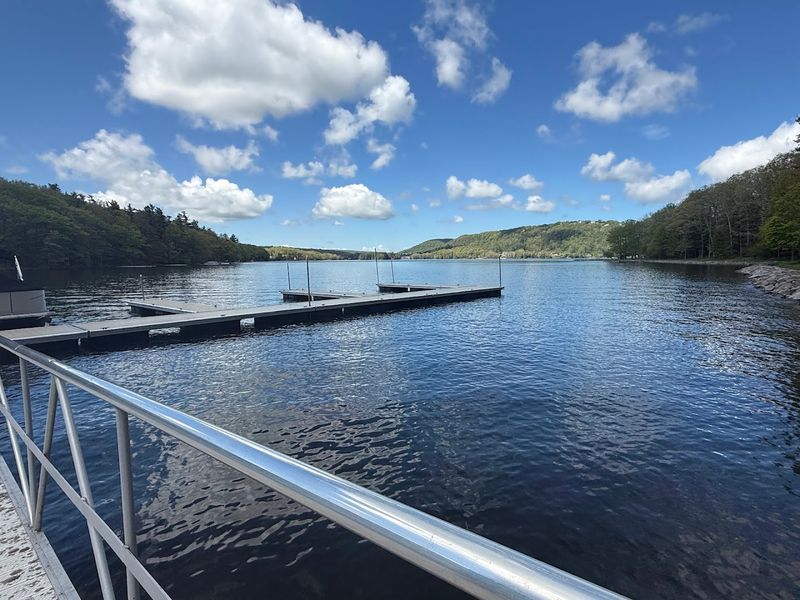
There is a threat at Deep Creek Lake that most visitors never think about, and it does not announce itself with noise or obvious damage. Aquatic invasive species are one of the most serious long-term risks to the lake’s ecological health, and they travel in surprisingly ordinary ways.
Hydrilla, an aggressive aquatic plant, and zebra mussels, a filter-feeding mollusk, are among the species that managers are working hard to keep out of the lake. Both have caused devastating damage to other water bodies across the United States.
Hydrilla can form dense mats that choke out native plants and make boating and swimming difficult. Zebra mussels can alter an entire lake’s food web within a few years of becoming established.
The most common way these species spread is on boats, trailers, and gear that move between water bodies without being properly cleaned. A boat that fished one lake on Saturday and launches at Deep Creek on Sunday can carry invasive hitchhikers without the owner ever knowing.
Prevention programs and boat inspection stations are part of the response. Signage at boat launches reminds users to clean, drain, and dry their equipment before and after each use.
These are simple steps, but they require consistent participation from every single person using the water.
The fact that Deep Creek Lake has not yet experienced a major invasive species outbreak is a success worth protecting. Keeping it that way depends on informed, cooperative behavior from the large and growing number of people who visit each year.
What Tourism Actually Means for Garrett County
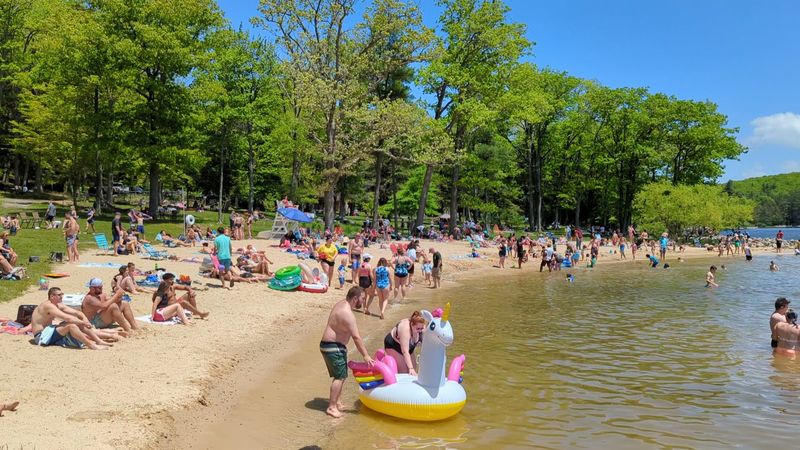
It would be easy to frame tourism as the villain in this story, but that framing misses something essential about how Garrett County actually works. The economy here is not diversified the way a city economy is.
Tourism is not a supplement to other industries; for many families in the area, it is the industry.
The revenue generated by visitors to Deep Creek Lake supports jobs in hospitality, food service, retail, construction, and property management. Local restaurants stay open because summer weekends are busy.
Marinas employ mechanics, rental staff, and instructors. Real estate and vacation rental management support entire extended families in some cases.
Garrett County is one of Maryland’s more rural and economically modest counties. Without the lake and the visitors it draws, the financial picture for many residents would look very different.
That reality sits at the heart of why the growth debate is so emotionally charged.
When someone raises concerns about overdevelopment or environmental degradation, they are not wrong to do so. But the person whose livelihood depends on a full rental calendar is not wrong either.
Both perspectives are grounded in real stakes, and the tension between them is genuinely difficult to resolve.
The goal that most thoughtful people in the area seem to share is sustainable tourism, the kind that keeps the lake healthy enough to keep attracting visitors over the long term. Getting there requires honest conversation, better planning, and a willingness to accept some limits.
None of that is simple, but the alternative is worse.
Community Groups Stepping Up to Protect the Lake
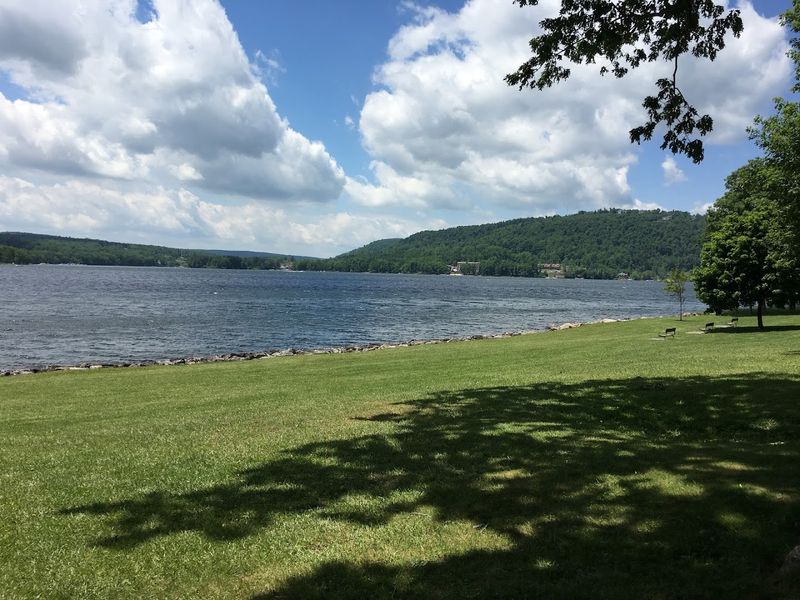
One of the more encouraging parts of this story is that the people who care most about Deep Creek Lake are not just talking about the problems. They are showing up with tools, data, and plans.
The Deep Creek Watershed Foundation has become a central player in efforts to monitor and protect the lake’s health. The organization works on water quality testing, shoreline restoration projects, and community education.
Their presence means there is an organized, science-based voice in conversations that might otherwise be dominated by short-term economic interests.
Maryland’s Department of Natural Resources is also actively involved, running monitoring programs and working with stakeholders on management strategies. The collaboration between state agencies and local organizations gives the effort more reach and credibility than either could have on its own.
Homeowners along the shoreline are being encouraged to plant native vegetation buffers, reduce fertilizer use, and manage stormwater runoff from their properties.
These individual actions, multiplied across hundreds of shoreline properties, can make a measurable difference in nutrient loading and erosion rates.
Businesses in the area are increasingly aware that the lake’s health is directly tied to their long-term viability. A lake with declining water quality and eroding banks is not a destination people will keep returning to.
That self-interest, when aligned with environmental values, can be a powerful motivator for change.
Community stewardship is not glamorous work. It does not trend online.
But it is the kind of sustained, unglamorous effort that actually determines whether places like Deep Creek Lake survive their own popularity intact.
Can Deep Creek Lake Find Its Balance Again
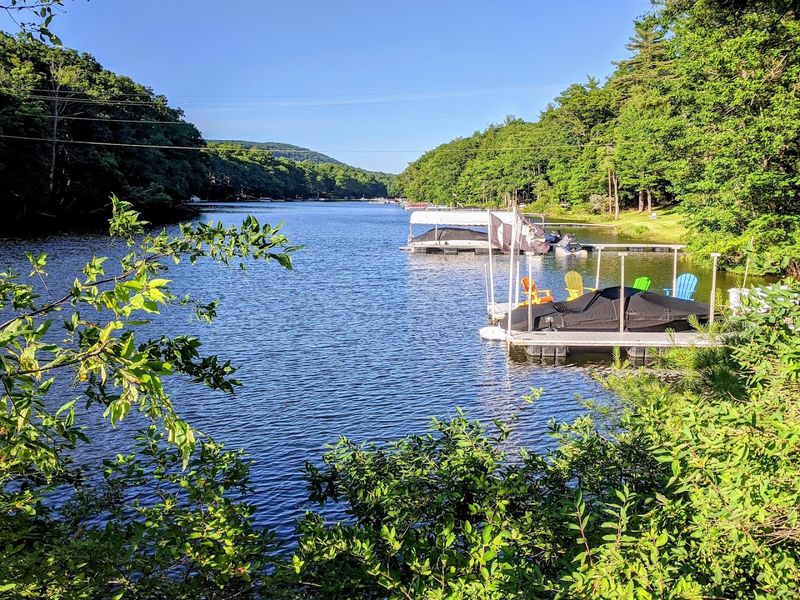
The question hanging over Deep Creek Lake right now is not whether tourism has changed the place. It clearly has.
The real question is whether the change has gone too far, and whether it is still possible to find a version of this destination that works for everyone.
The honest answer is that nobody knows for certain. What is clear is that the old model, where growth was treated as automatically good and environmental concerns were secondary, is not going to work going forward.
The data on water quality, erosion, and development pressure makes that plain enough.
There are reasons for genuine optimism. The organizations doing conservation work here are serious and well-organized.
State and local government are paying attention in ways they were not a decade ago. And many of the visitors who come to Deep Creek Lake are not indifferent to its health.
They come because they love it, and love can be redirected into stewardship with the right encouragement.
For anyone planning a visit, being a thoughtful guest matters more than it might seem. Clean your boat before launching.
Stay on marked trails. Support local businesses that operate with a conservation mindset.
Small choices add up across thousands of visitors.
Deep Creek Lake is still one of the most genuinely beautiful places in Maryland. The forested ridgelines, the wide open water, the unhurried pace of a lake morning, these things are still here.
Keeping them here for the next generation is a shared responsibility, and it starts with being honest about what is at stake.
