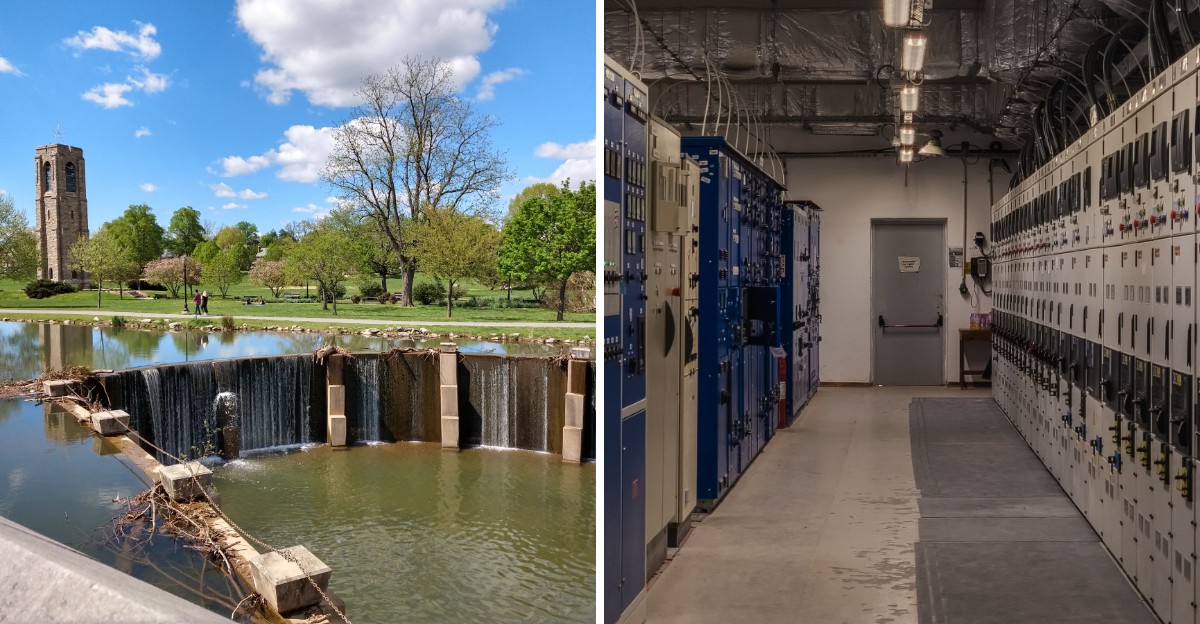
A deal that promised school upgrades and a new recreation building was rejected after residents raised objections. Worth $110 million in proposed community benefits, it became another flashpoint in Maryland’s growing dispute over data centers.
More than 21,000 residents signed a petition challenging an expanded development zone. The state’s highest court later blocked the referendum, so those signatures never became a public vote.
You can understand why the debate has become heated. Supporters see tax revenue and community investments.
Opponents raise concerns about electricity use, environmental effects, and industrial buildings near homes. I find it striking how the same development can represent opportunity to one neighbor and a serious concern to another.
New data center applications are paused until July 2027, although previously approved projects can continue. For residents watching construction move forward, that distinction matters.
A Former Aluminum Plant Became Ground Zero For This Fight
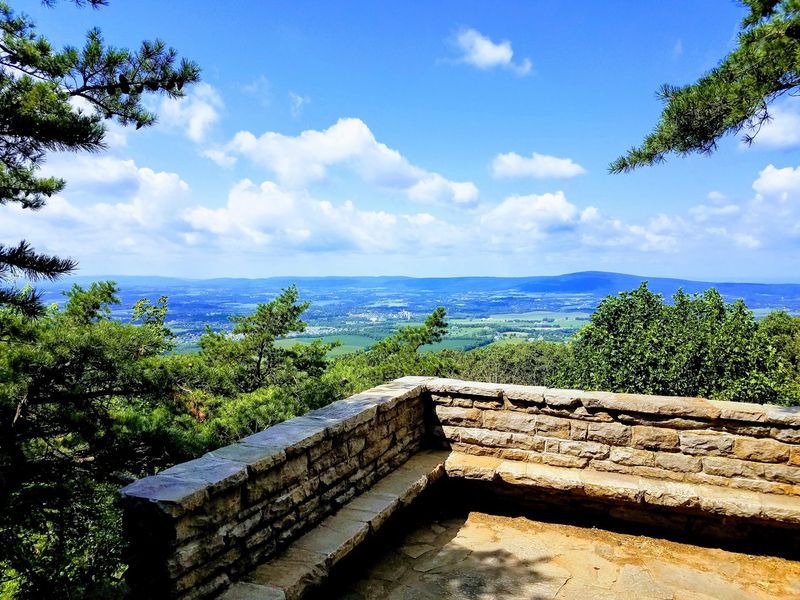
Old factory land rarely stays quiet forever. In Frederick County, MD, the former Alcoa Eastalco Works site near Adamstown is now home to Quantum Frederick, a data center campus spanning about 2,100 acres.
That number is hard to picture. It covers more ground than many small towns, and it sits in a county known for farms, orchards, and wide views of the mountains.
Here’s the twist that worries neighbors. The old plant site is classified as a brownfield, which means it has a history of environmental contamination.
Digging, grading, and building on that soil raise fair questions about what gets stirred up.
Residents want to know how the ground and water will be protected. They want clear testing, open reports, and someone accountable if problems appear.
Those requests sound reasonable, and they have shaped much of the local conversation.
Construction on several buildings is already moving forward. Approved projects keep rolling, even while other parts of the debate stay unsettled.
If you live nearby, it helps to follow county planning notices and environmental filings. They’re dry reading, sure.
Still, they tell you more about the land next door than any rumor at the grocery store ever will.
Neighbors Organized Faster Than You Might Expect
Grassroots energy runs strong here. Several groups stepped up to challenge data center growth, including the Frederick County Data Center Referendum Committee, Envision Frederick County, and the Sugarloaf Alliance.
Each group brings its own focus. Some watch zoning rules closely.
Others care deeply about protecting the Sugarloaf Mountain area and its rural landscape.
Organizers such as Elizabeth Bauer and Steve Black became familiar names in the effort. They helped turn scattered worries into public comments, petition drives, and steady pressure on county leaders.
The developers on the other side are big players. Residents have challenged projects tied to Quantum Loophole, Catellus, Aligned Data Centers, and Amazon Web Services.
That’s a tough lineup for volunteers working evenings and weekends.
So how do regular people keep up? Mostly by splitting the work.
One person reads ordinances, another tracks meeting agendas, and someone else handles flyers and social media updates.
Want to get involved in your own community? Start small.
Attend one public hearing, read one staff report, and ask one clear question. Local government listens more closely when a room fills with people who actually did their homework.
Power And Water Top The Worry List
Data centers are hungry machines. They gulp electricity around the clock and often need large amounts of water to keep servers cool.
For Frederick County residents, that raises a simple question. Where does all that power and water come from, and who pays for it?
Many locals fear rising utility bills. When demand jumps, new power lines and grid upgrades may follow, and those costs can trickle down to households.
Nobody wants a surprise on the monthly electric bill because of a building they never asked for.
Water is the other big concern. Wells, streams, and public systems all have limits.
Neighbors worry that heavy use during dry summers could squeeze supplies for homes and farms.
There’s also the strain on roads and local services. Construction trucks, new substations, and added infrastructure change how a quiet area feels and functions.
A practical tip for any homeowner? Keep an eye on public utility commission notices and rate cases in Maryland.
Those filings often reveal how big projects affect everyday customers. Understanding them helps you speak up with facts instead of guesses.
Diesel Generators Near Schools Hit A Nerve
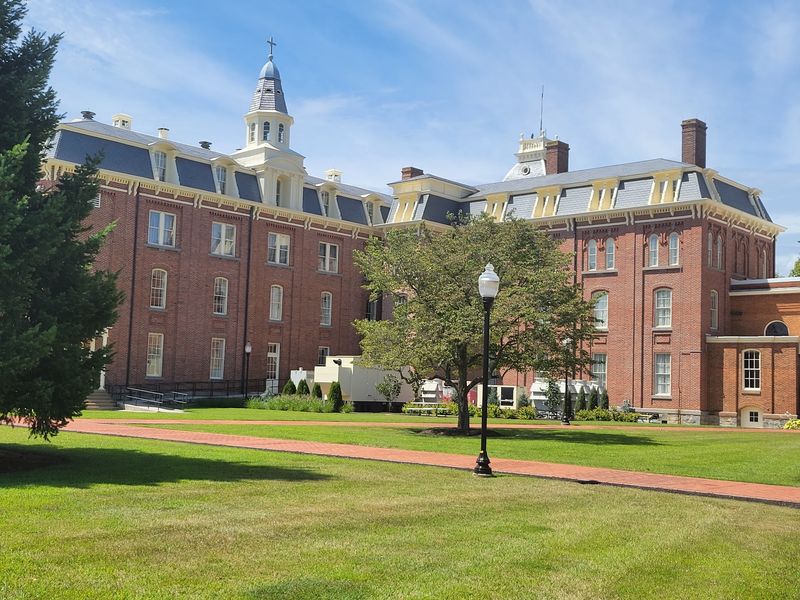
Backup power sounds harmless until you count the generators. Large data centers often rely on rows of diesel units, ready to kick on when the grid falters.
Testing those machines creates noise and air emissions. For families living close by, that’s not an abstract issue.
It’s the sound outside the bedroom window.
Concerns grow sharper near sensitive places. Residents have pointed to nursing homes and schools, including Carroll Manor Elementary in Adamstown, as spots that deserve extra protection.
Kids spend long days at school, and older adults in care homes may have health conditions. Parents and caregivers understandably want clean air and a calm setting for both groups.
Noise matters too. A constant hum might seem minor on paper, yet it can wear on people over months and years.
So what can neighbors do? Ask about setbacks, the distance required between equipment and homes.
Ask how often generators get tested and at what times of day. Ask about air permits from state regulators.
Clear answers build trust. Vague ones usually build more yard signs.
Farm Country Is Part Of The Identity Here
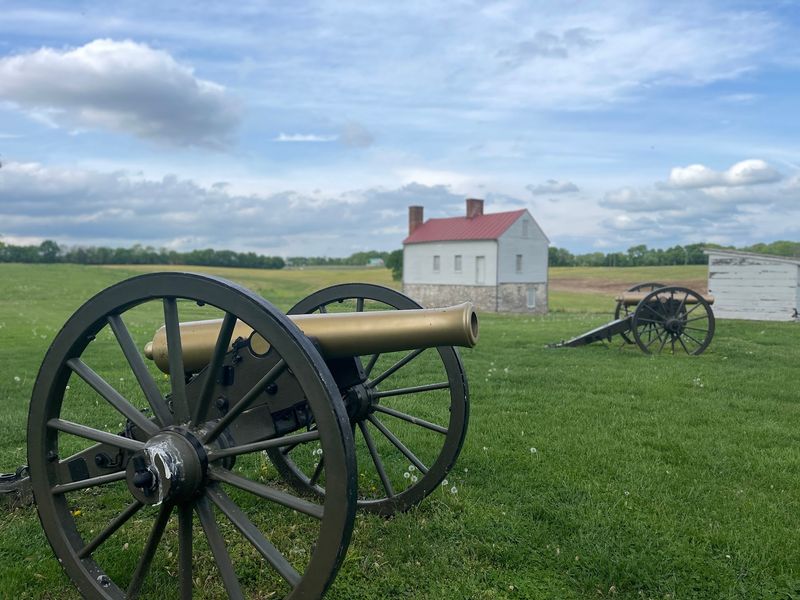
Red barns, cornfields, and a mountain on the horizon. That picture captures much of what people love about southern Frederick County.
Residents argue that data center sprawl could chip away at that rural character. Once farmland turns into industrial campuses, it rarely goes back.
The county holds deep agricultural roots. Families have worked land here for generations, and many newer residents moved specifically for open space and quiet roads.
Critics say converting agricultural land for massive server buildings changes more than the view. It affects wildlife habitat, local farm businesses, and the scenic drives that bring visitors to the region.
Supporters of growth point to tax revenue and jobs. That tension sits at the heart of the debate, and it’s not an easy balance.
Still, many neighbors feel the rural side deserves a louder voice. They want firm boundaries that keep industry in defined zones rather than creeping toward farms and the Sugarloaf area.
Love the countryside? Support local farms, visit orchards, and learn about land preservation programs in Maryland.
Protecting open land often starts with people simply showing they value it.
One Vote Added Nearly 1,000 Acres To The Map
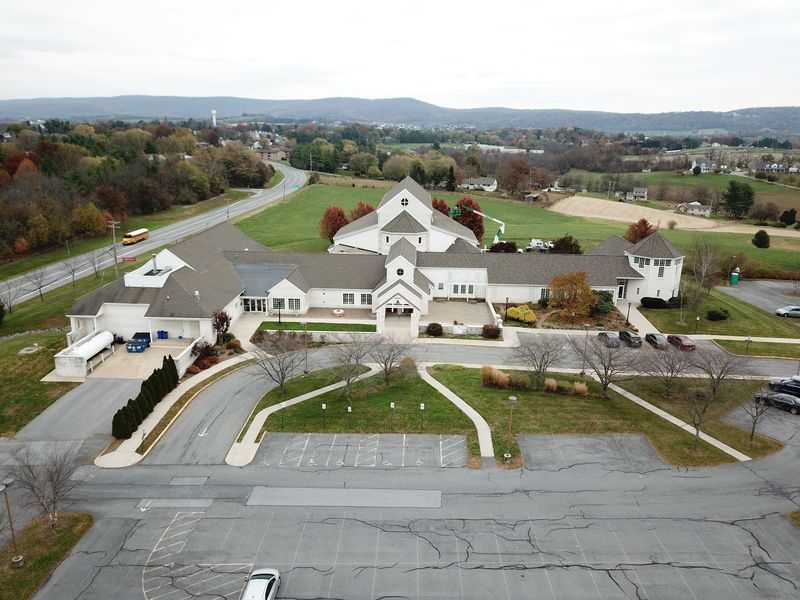
December 2025 changed the temperature of this debate. The Frederick County Council approved Ordinance 26-01-001, expanding the data center development zone by nearly 1,000 acres.
For opponents, that vote felt like a turning point. An already huge footprint suddenly got bigger.
The move did not come out of nowhere. County Executive Jessica Fitzwater had set up a Data Centers Workgroup back in June 2023 to study the industry’s effects on the county.
Even so, many residents felt public input and oversight fell short. They argued the expansion moved ahead before the community fully understood what it meant for traffic, utilities, and the environment.
Zoning votes can seem boring. Lines on a map, numbered ordinances, long hearings.
But those lines decide what can be built next to homes for decades.
Here’s a useful habit for anyone in Maryland. Sign up for county council agenda alerts.
Many counties post agendas online days before meetings.
Reading them early gives you time to submit written comments. Plenty of people miss their chance simply because they heard about a vote after it happened.
Petitions Piled Up, Then The Courts Stepped In

Over 22,000 signatures. Volunteers gathered that many in March 2026 to push for a referendum on the expanded zoning plan.
Collecting signatures is grueling work. It means standing outside stores, knocking on doors, and explaining an ordinance to strangers in under a minute.
The goal was straightforward. Let Frederick County voters decide whether the larger data center zone should stand.
Then came the legal turn. In June 2026, a state judge ruled the zoning ordinance was not subject to a public referendum under the county charter.
The Maryland Supreme Court upheld that decision.
For organizers, the ruling stung. Thousands of signatures could not force a ballot question on this issue.
Still, the petition drive was far from wasted. It showed county leaders just how many people cared, and that kind of message lingers long after the court papers are filed.
A lesson for any community group? Check your county charter early.
Rules about what can and cannot go to referendum vary widely. Knowing them upfront can save months of effort and point you toward the strongest path forward.
A Pause Button, A Rejected Deal, And A Lawsuit
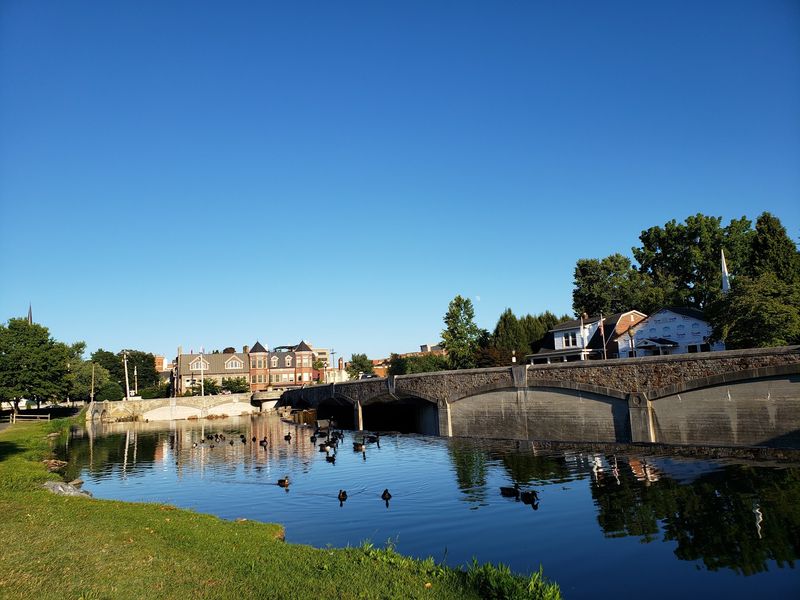
After the court ruling, the county executive hit pause. In July 2026, Jessica Fitzwater issued an executive order halting new data center applications until December 31, 2026, pending a state impact study.
That pause later stretched to July 1, 2027. It does not stop projects that already have approval, so construction on parts of the Quantum Frederick campus continues.
September brought another twist. Fitzwater rejected a proposed $110 million community benefits agreement from Quantum Maryland after public outcry.
Why would anyone turn down that much money? Residents argued the deal could limit the county’s future power to regulate the industry.
Many felt long-term control mattered more than a big check.
The developer pushed back hard. As of October 2026, Quantum Maryland filed a lawsuit against the county and Fitzwater, claiming she unlawfully suspended an approved zoning ordinance for political gain.
So the story now sits partly in a courtroom. Residents, officials, and the company all wait to see how judges view the pause.
Following the case through local news coverage keeps you informed without needing a law degree.
Your Ballot Might Be The Next Big Chapter
Elections have a funny way of reflecting kitchen table arguments. In Frederick County, data centers have become a major issue shaping upcoming local races.
Candidates are being asked direct questions. Where do they stand on zoning limits, generator rules, water protection, and community benefits deals?
That puts real power back in residents’ hands. Even though the referendum did not happen, voters still choose the leaders who write and approve these rules.
Paying attention now pays off later. Read candidate questionnaires, attend forums, and compare answers on growth and the environment.
Look past slogans and check how people actually voted on past ordinances.
It’s also smart to talk with neighbors who see things differently. Some value the tax revenue and jobs.
Others focus on rural land and health. Honest conversations often reveal more common ground than shouting matches online.
Maryland has watched this fight closely, and other communities may borrow lessons from it. What happens here could influence how counties across the region handle future data center proposals.
One vote won’t fix everything. Yet thousands of informed votes can shift a county’s direction in a big way.
