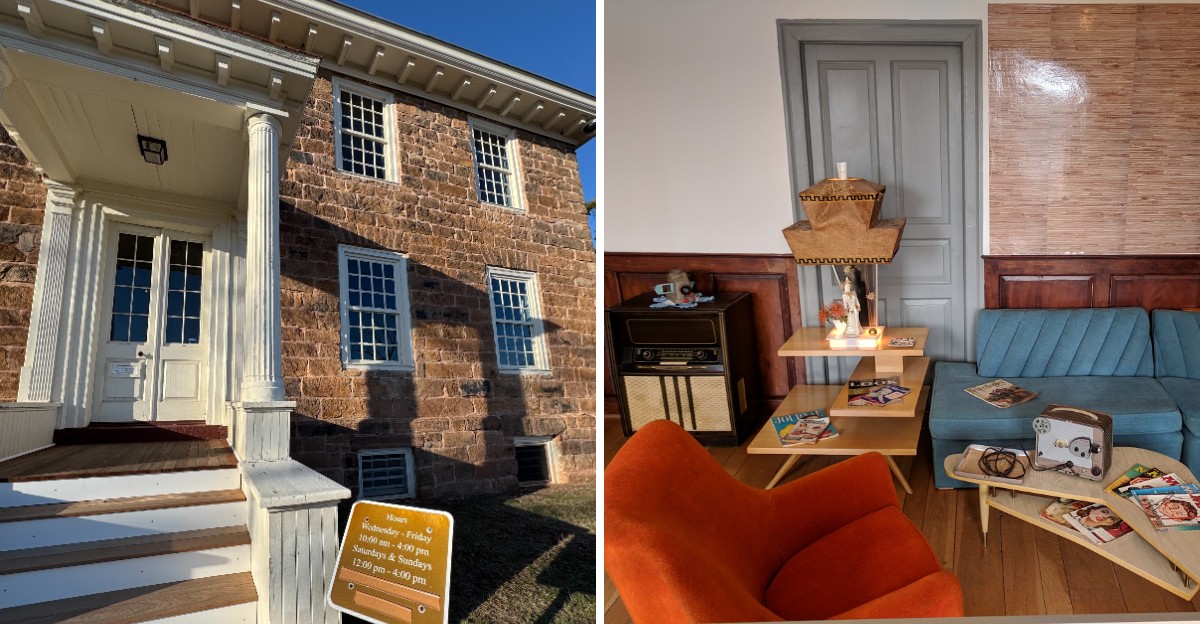
A whole river port once bustled below this stone house, and now almost nothing of it remains. Warehouses, docks, and merchant homes simply vanished.
Only two buildings from that busy town still stand today.
This one went up in 1741 for a wealthy merchant with Dutch roots. He built it on a bluff so he could keep an eye on his business along the water.
Some of the original floorboards and windowpanes are still there.
I love that a house can outlast the town it was built to watch over. It feels like the last guest at a party who refuses to go home.
And in New Jersey, a place packed with old buildings, that story still stands out.
So what happened to the rest of the town? And why did this house make it?
A Merchant Built It High So He Could Watch His Money Float By
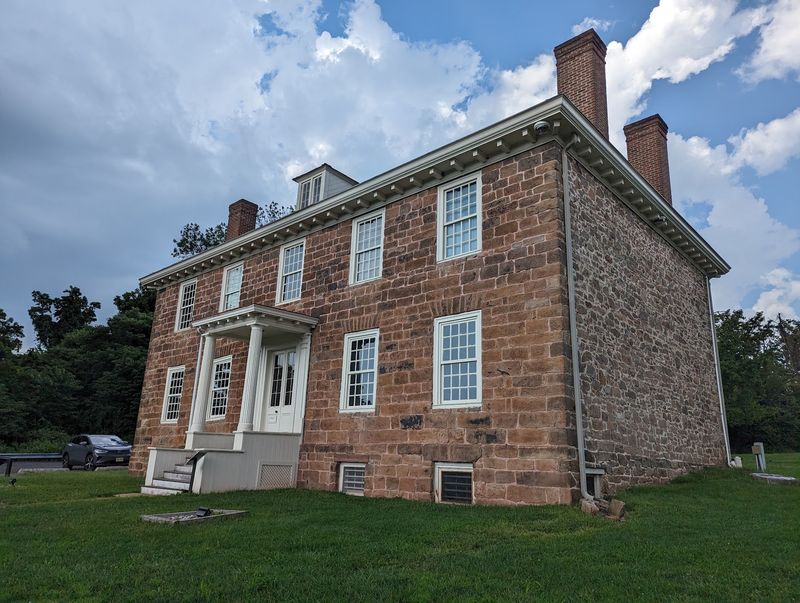
Cornelius Low had a smart reason for picking this spot. The Cornelius Low House sits on a bluff overlooking the Raritan River, right where his business happened.
Low was a wealthy merchant of Dutch ancestry. He finished this house in 1741, and from up high, he could keep tabs on the boats and goods below.
Think of it as an 18th-century security camera, just made of stone.
His business life centered on Raritan Landing, a busy port community along the river. Farmers and traders moved goods through the area, and Low was one of its leading businessmen.
A home on the bluff showed off his success too.
I like how practical the whole idea feels. He didn’t just want a pretty house.
He wanted one that worked as hard as he did.
Today, that same perch gives the house its striking look from the outside. The building still commands its spot above the valley, even with modern roads nearby.
It’s easy to see why a merchant would choose it.
When you visit, take a moment outside before heading in. Try to picture the river traffic Low once watched.
The view makes the history click in a way no sign can.
The Town Below Disappeared, And Only Two Buildings Lived To Tell
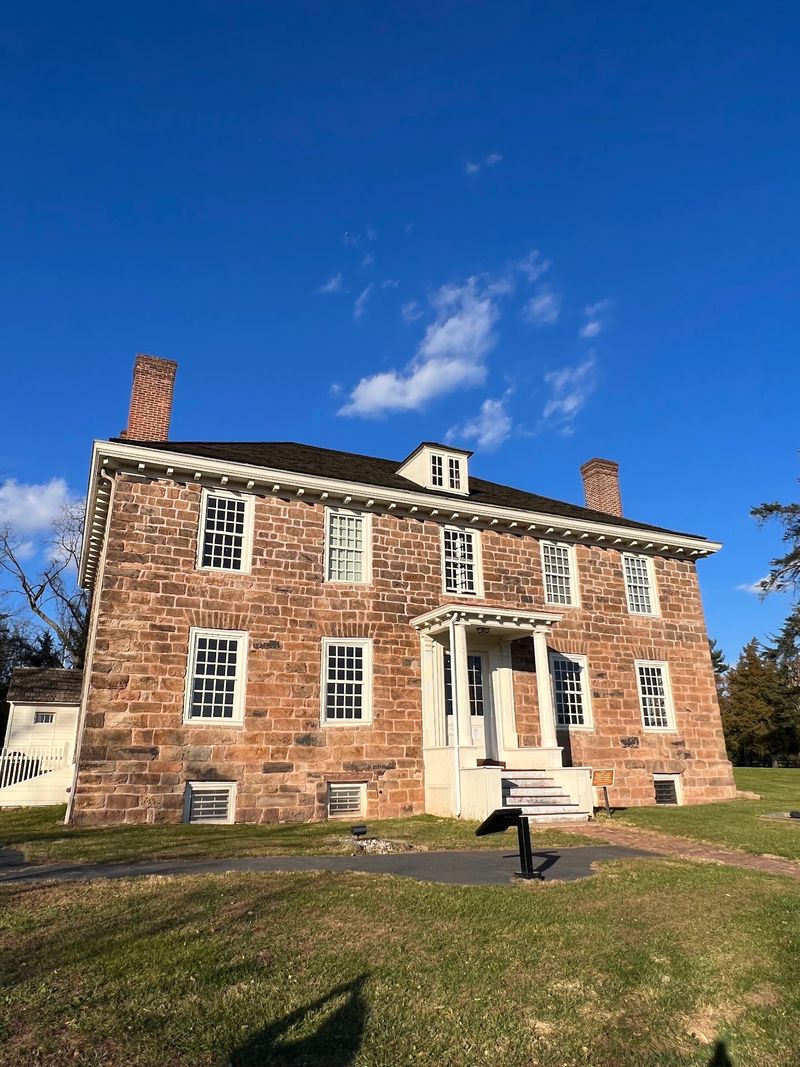
Raritan Landing sounds like a place you could drive to today. You can’t, because the town is gone.
It thrived as a port community from about 1720 to 1835.
For more than a century, this riverside spot was a lively trading hub. Goods moved in and out along the Raritan, and merchants like Cornelius Low did well here.
Then things started to fall apart.
Severe flooding battered the low-lying town. The upheaval of the American Revolution also took a toll on the community.
By the mid-1800s, Raritan Landing had faded away almost completely.
That’s what makes the Cornelius Low House so special. It’s one of only two structures left from the entire town.
Every other home, shop, and warehouse is lost to time.
I can’t imagine a busy neighborhood just slipping off the map like that. Yet here’s the proof, sitting quietly on River Road.
The house is basically the town’s last witness.
Knowing this changes how you look at the building. It isn’t just an old home in New Jersey.
It’s a rare clue to a whole community that most people have never heard of.
Georgian Good Looks That Still Turn Heads After Nearly Three Centuries
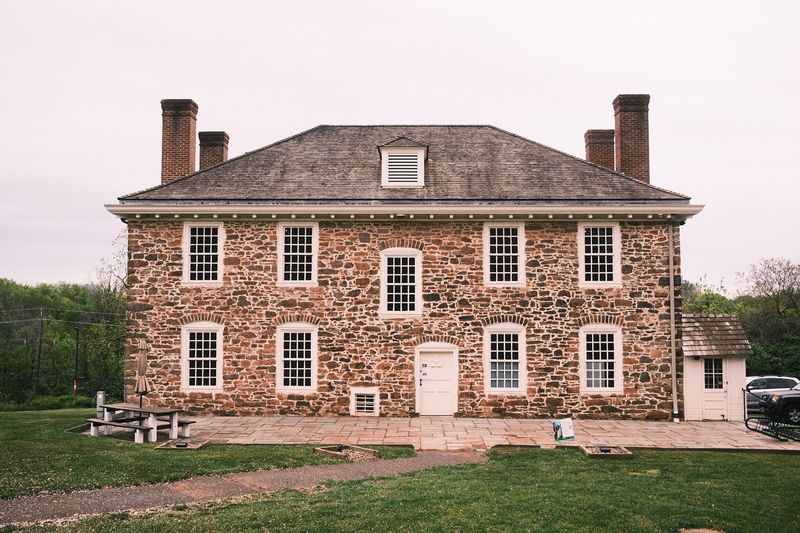
Symmetry was the height of fashion in 1741. The Cornelius Low House shows it off beautifully, standing as one of the finest surviving examples of Georgian architecture in New Jersey.
Georgian style is all about balance and order. Windows line up neatly, and the front feels calm and proper.
It was the colonial way of saying, I’ve made it.
The house was built of stone, which helps explain how it has lasted so long. Solid walls tend to stick around while wooden neighbors fade.
In this case, that sturdiness paid off big time.
Architecture is the reason the house earned national recognition. It joined the National Register of Historic Places on May 27, 1971.
It also holds state historic status, which is a nice double honor.
The house was also known historically as Ivy Hall. That name has a cozy, storybook ring to it.
Honestly, it sounds like a place where someone would host a fancy tea.
Bring a camera and walk around the outside slowly. Notice how the lines and windows work together.
Even if you’re not an architecture fan, the design is hard to ignore.
Look Down, Look Close, And Spot The Original Details
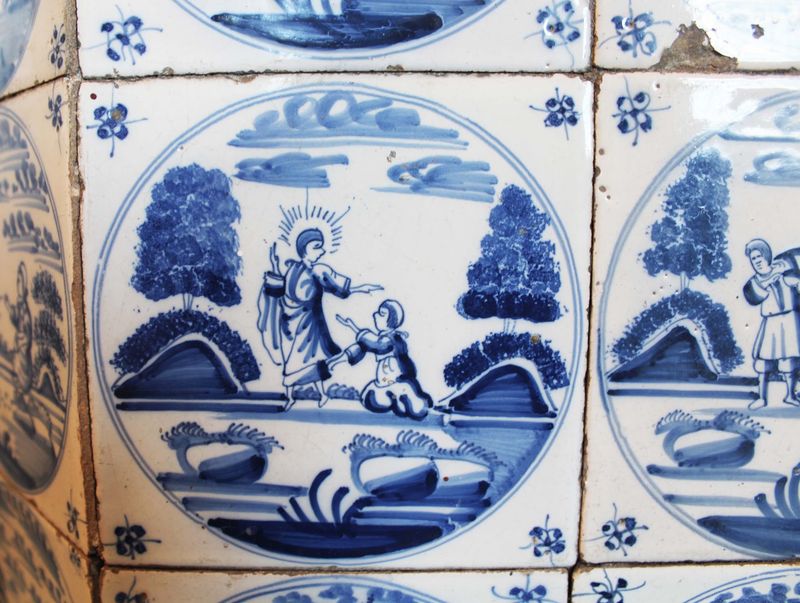
Some of the floorboards under your feet were laid in the 1700s. That alone is enough to make you step a little more carefully.
The Cornelius Low House keeps many of its original features. Along with old floorboards, it still has original windowpanes.
Glass that has watched the world change for centuries is pretty wild to think about.
Then there are the fireplaces. They hold 18th-century Delft tiles, a nod to the Dutch roots of the Low family.
Delft tiles are known for their classic look, often painted in blue and white.
These details are easy to miss if you rush. Many people focus on the exhibits and forget the building is an artifact too.
Give your eyes a minute to wander.
A fun idea for families is to turn it into a scavenger hunt. Can you find the old windows?
Who can spot the tiles first?
Little touches like these make history feel real. A textbook can tell you about colonial life.
A tile someone placed by hand nearly 300 years ago tells you so much more.
Loyal To The King, And The House Got A Pass
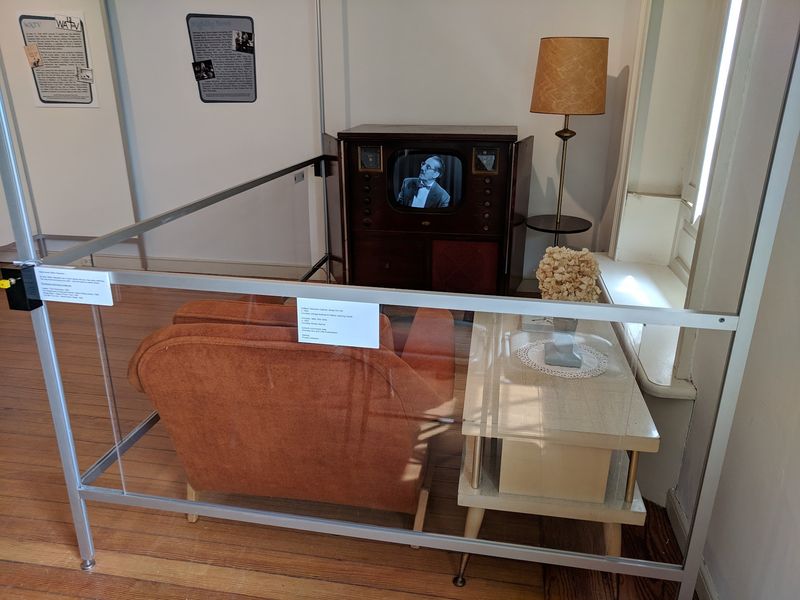
Here’s a twist worth sharing at dinner. During the American Revolution, British forces reportedly spared the Cornelius Low House.
Why would they leave it alone? The story points to Cornelius Low himself.
He stayed loyal to the King of England right up until 1777.
That loyalty put him on one side of a very divided community. Neighbors in Middlesex County did not all agree about the fight for independence.
Some families even split over it.
The museum explores that tension in its exhibit Caught in the Crossfire: Divided Loyalties in Middlesex County. It looks at how complicated the Revolution was right here in New Jersey.
The exhibit is scheduled to run through December 2028.
I believe stories like this make history more honest. Not everyone was a hero in a tricorn hat waving a flag.
Real people faced hard choices and tricky loyalties.
It’s a little ironic too. The house survived partly because its owner sided with the losing team.
Without that choice, this last clue to Raritan Landing might be gone. History sure has a sense of humor.
A County Rescue Mission Gave The Old House A Second Act
Old houses don’t stay standing by luck alone. Someone has to step in, and for the Cornelius Low House, that someone was Middlesex County.
The county bought the property in 1979. Then came a major restoration project that wrapped up in 1996.
That’s a lot of years of careful work.
Restoring a home from 1741 is no quick paint job. Crews had to protect what was original while making the building safe for visitors.
It’s a bit like fixing a priceless watch without breaking a single gear.
Today, the house is officially known as the Cornelius Low House/Middlesex County Museum. The county runs it as a local heritage museum.
That means the public gets to enjoy a piece of history that could have been lost.
I like that a local government decided this house mattered. Lots of old buildings around the country weren’t so lucky.
This one got a full comeback story.
Next time you hear people grumble about public projects, remember places like this. A restoration effort turned a fading relic into a welcoming New Jersey museum.
Not a bad use of time at all.
Every Visit Can Feel New Thanks To Rotating Exhibits
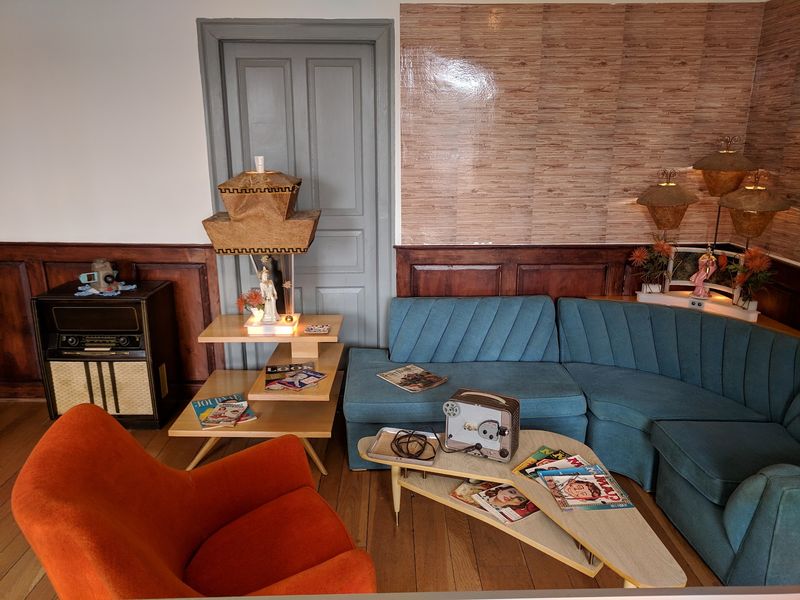
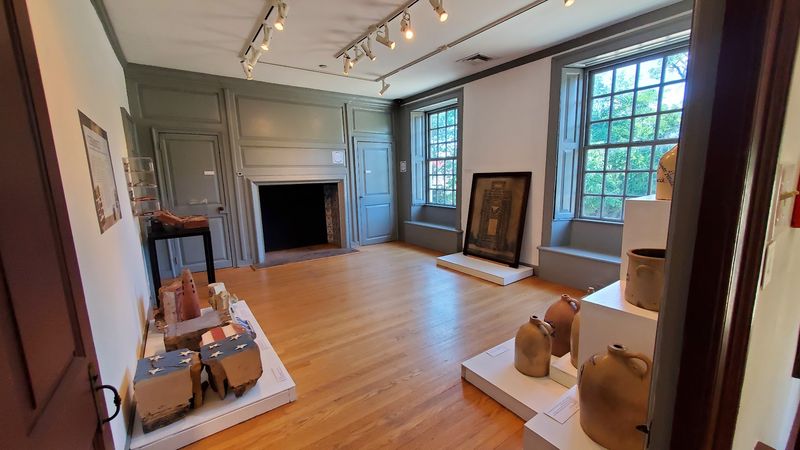
Ready for a museum that changes its outfit? The Cornelius Low House hosts rotating exhibits on New Jersey history, so the inside doesn’t stay the same forever.
Exhibits fill rooms across two floors of the house. Topics shift over time, which gives you a reason to return.
One visit might focus on the Revolution, while a later one could cover something totally different.
The current headliner is Caught in the Crossfire: Divided Loyalties in Middlesex County. It digs into the Revolution and how it split local communities.
With a run through December 2028, you have plenty of time to catch it.
Keep in mind the exhibits don’t always recreate the Low family’s daily life. The house serves as a county history museum rather than a furnished period home.
Knowing that ahead of time helps you enjoy it for what it is.
The building and the exhibits work as a team. You learn about the region while standing inside a piece of it.
That’s a pretty great combo.
Plan on a relaxed visit. It’s a manageable size, so you won’t need an entire day to explore.
Free Admission Makes This An Easy Yes For Your Weekend
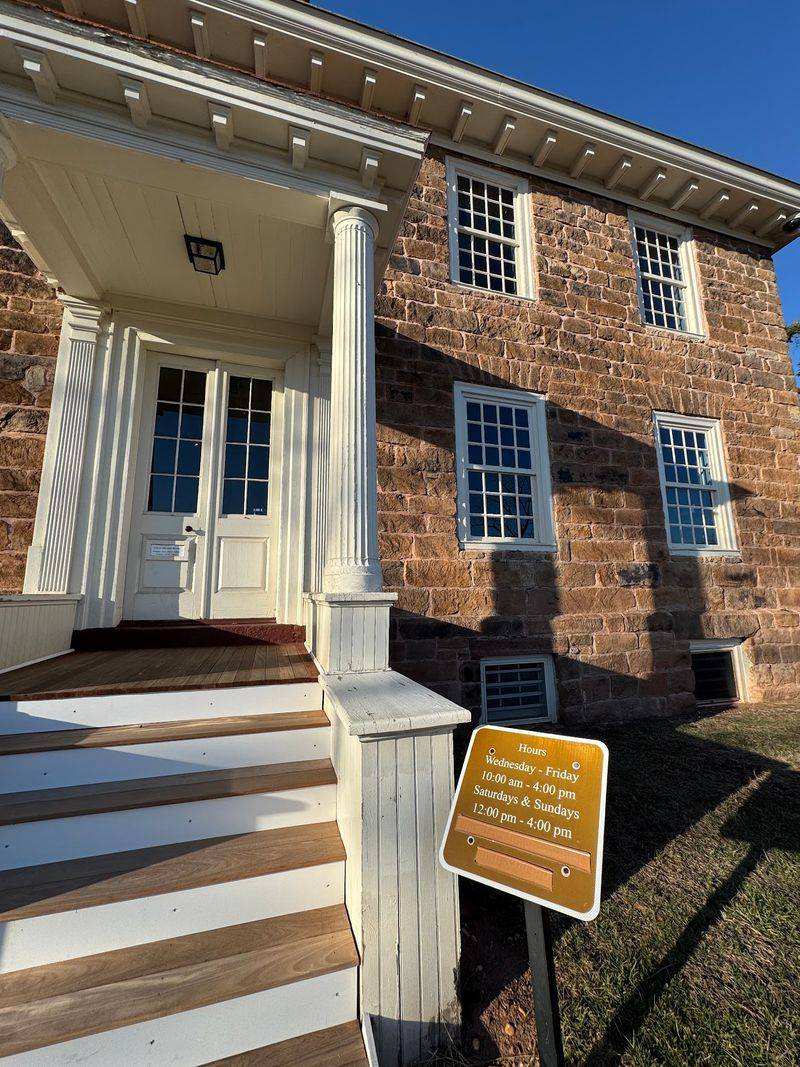
Good news for your wallet first. Admission to the Cornelius Low House is free.
You’ll find it at 1225 River Rd, Piscataway, NJ 08854. The museum is open Wednesday through Sunday, generally from 10 a.m. to 4 p.m.
Schedules can change, so check before you head out.
Accessibility gets real attention here. The first floor is wheelchair accessible, and accessible parking is available on-site.
A video of the second floor is offered for visitors who can’t take the stairs.
That video is a thoughtful touch. Nobody has to miss the upstairs exhibits just because of steps built in 1741.
Colonial builders weren’t exactly thinking about elevators.
The house sits close to the Rutgers University area. That makes it a handy side trip if you’re already visiting campus.
Families touring colleges might enjoy a quick history break.
A free, easygoing stop like this is perfect for curious kids. Nobody feels pressure to stay all day to get their money’s worth.
You can explore, ask questions, and head out whenever you’re ready. Honestly, that’s my favorite kind of outing.
Pack A Snack And Keep The History Lesson Going Next Door
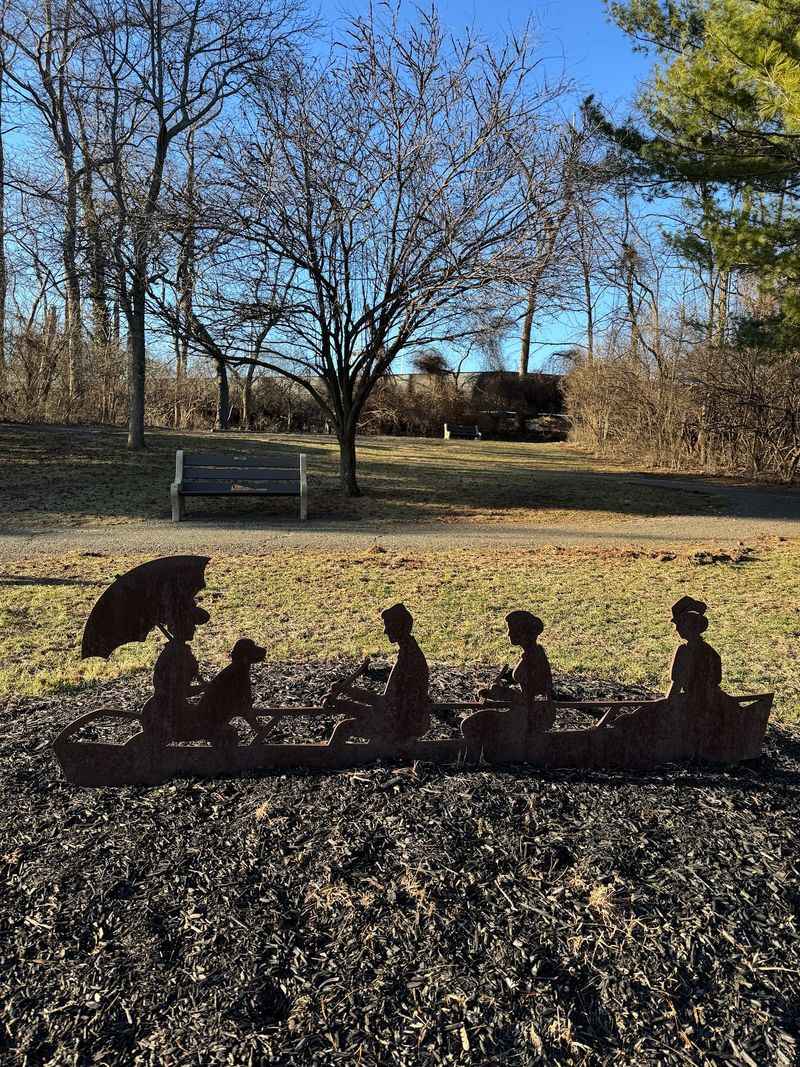
Picnic fans, this part is for you. The Cornelius Low House includes a picnic area, so you can bring lunch and enjoy the grounds.
Eating outside next to a house from 1741 just feels right. It gives you time to talk about what you saw inside.
Kids especially might have plenty of questions after learning about a town that vanished.
Once lunch is done, there’s more history close by. East Jersey Old Town Village is nearby, and it also tells the story of the Raritan Valley.
Pairing both stops makes for a fuller day.
The two places fit together nicely. One gives you a real survivor from Raritan Landing.
The other helps paint a bigger picture of life in the region long ago.
I believe the best history trips mix learning with a little downtime. A sandwich in the shade and a short walk can make the whole day better.
Nobody needs a nonstop lecture.
So grab a blanket and some snacks. Spend the afternoon exploring this corner of New Jersey.
The last clue to a lost river town is waiting, and it’s still got stories to share.
