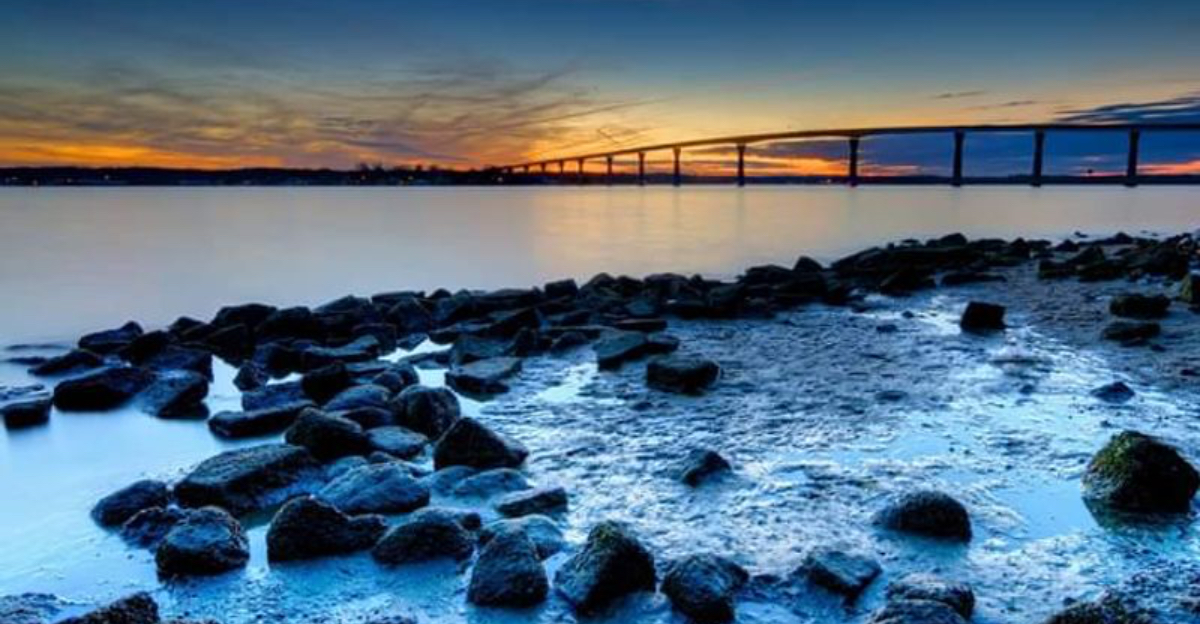
You feel it the moment your fins slice into Maryland’s brackish water, a hush that turns the Chesapeake into a living archive of stories waiting to surface.
These wrecks are not just metal and timber, but time capsules that reveal trade routes, wartime decisions, storms, and stubborn grit.
Visibility shifts with tide and season, yet the silhouettes are unmistakable, pulling you toward ribs and rivets where history settled quietly on the bottom.
If you crave mood, mystery, and honest maritime character, this collection of Maryland sites will keep you suiting up for one more dive.
1. Mallows Bay Ghost Fleet, Nanjemoy
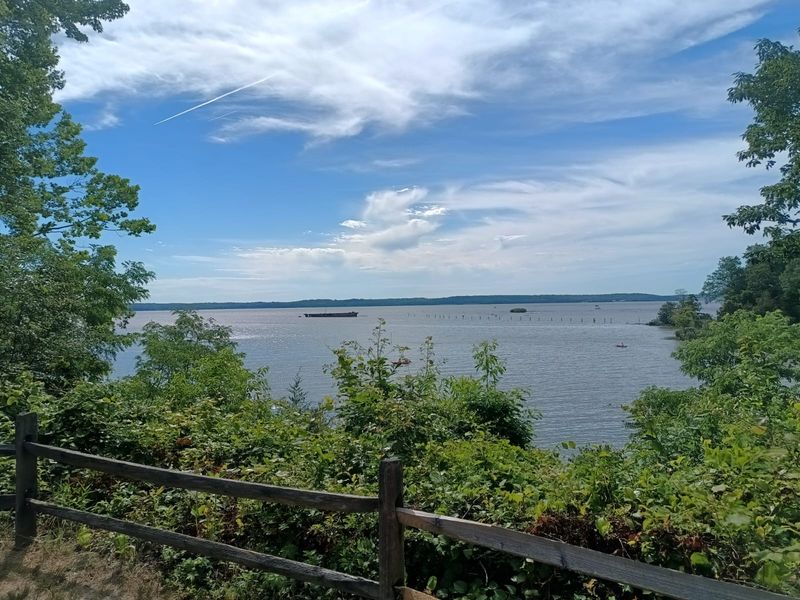
The day starts still at Mallows Bay, where wooden ribs lean out of the Potomac like fossils reclaimed by the tide.
You follow the channel edges, and the first outline rises, a curve of hull kissed by eelgrass.
Osprey circle above, and the air smells faintly of marsh and old pine.
The Ghost Fleet gathers here, born from a wartime shipbuilding sprint that ended with scrapping and scuttling near Maryland’s shore.
Underwater, frames cradle silt and smallmouth bass, while blue crabs tuck into creases that once held boilers and bulkheads.
Light threads through slats, flickering across timbers that feel less abandoned than adopted.
Kayakers drift over cormorant perches, but you fin slowly between beams to avoid stirring the fine bottom.
Visibility changes with rain and wind, so patient descents pay off when silhouettes sharpen.
Interpretive signs topside help you map what lies below, turning each timber into a labeled memory.
This is archaeology you can feel, not just read.
You hear distant traffic fade behind the reeds, and the soft rush of tide sets the rhythm.
Every pass reveals another fastening, another notch, another clue.
Surface intervals stretch easily when sunlight catches the wood and turns it copper.
Birdsong trades places with the muffled hush of your regulator.
You leave careful wake, thankful for protected status that keeps this watery museum intact.
2. USS Buchanan Wreck, Point Lookout Vicinity
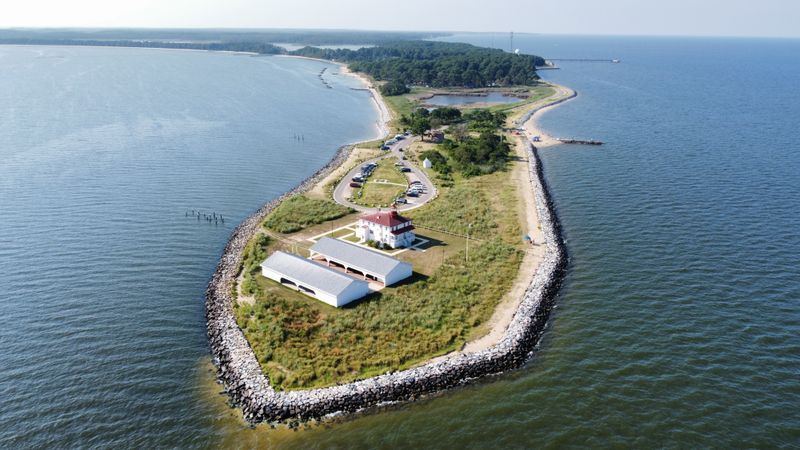
South of the Patuxent mouth, the bay gathers energy and pushes currents across scattered steel near Point Lookout.
You drop through a thin thermocline and meet weathered plating that once rode high on salt spray.
The steel breathes in and out with your bubbles, alive with periwinkles and shy perch.
This site tied to the USS Buchanan sits as fragments shaped by heavy water and time on Maryland’s open reach.
Sections lie low, so you track edges by compass and watch your silt discipline closely.
Cloud the bottom and the wreck vanishes to a ghost of outlines and guesswork.
Summer brings kinder visibility, though spring green can tint everything like a bottle.
Autumn sometimes settles the water and reveals the wreck’s stronger contours.
You kneel on sand patches, not plating, to protect the structure and your view.
Finger sponges and barnacled seams mark where frames still hold.
The site rewards slow observers who read scours and ripples for shape clues.
Nothing here shouts, yet nothing feels ordinary.
Safety means watching boat traffic and honoring local guidance on approach.
Surface support improves both navigation and recovery from shifting wind.
You ascend with the lighthouse in sight, a quiet marker for a hard leaning past.
3. Seven Foot Knoll Area Wrecks, Chesapeake Entrance
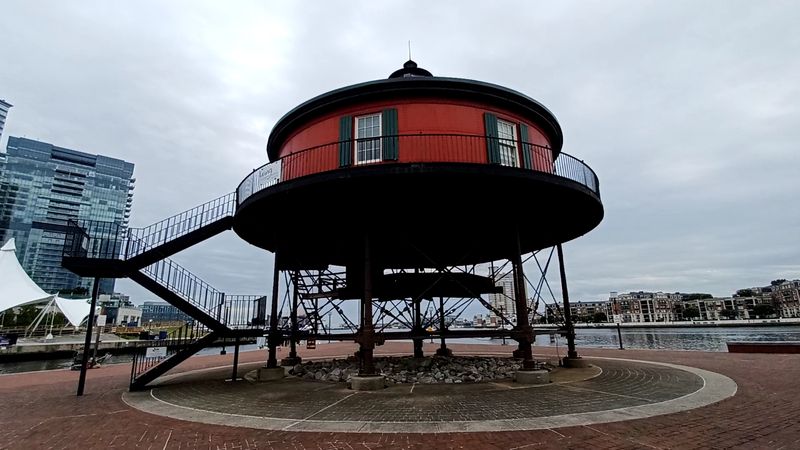
The approach feels wide open near the entrance, where tides pull clear ocean taste into Maryland’s bay water.
You set on a shot line and ease down to scattered wreckage that hides in sand swells.
Sound carries far, and hull shapes reveal themselves inch by inch.
Old trading vessels left bones here, ferried by storm, salvage, and shifting channels across decades.
Steel and timber mix in an accidental gallery that rewards careful finning.
Flatfish blink from pits while mussels roughen every edge.
Spoil mounds sculpt passages that tempt you forward, but surge asks for slow breathing.
Finding the main piece can depend on recent weather and tide phases.
You keep your compass honest and your depth steady as the bottom lifts and dips.
Each pass sharpens your mental map and shrinks the site to familiar ground.
The open horizon makes you small, yet the details feel intimate.
Crab tracks cross plating like hieroglyphs that rewrite daily.
A good plan includes a visible flag, local notices, and room for changing seas.
This is a place to practice restraint and enjoy incremental discovery.
You surface to long light and the red wink of the lighthouse standing patient and sure.
4. H.M.S. Transport Remains, Tangier Sound
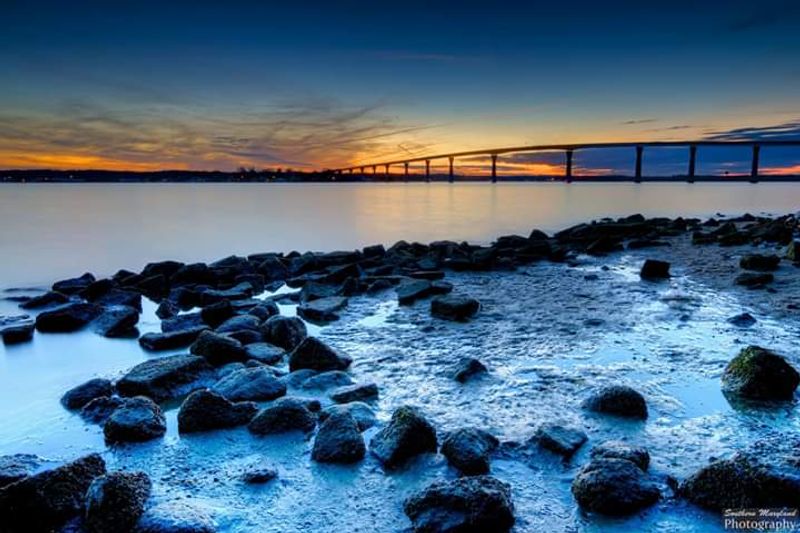
Tangier Sound holds secrets close, and you feel that hush when the boat settles behind a low island.
The water tastes brackish and sweet, and the bottom slips from shells to pudding soft silt.
Timbers rise faintly among oyster clumps like ribs exhaled by the bay.
A colonial era transport is remembered here through scattered wood and iron that season gently in Maryland’s softer water.
You hover above iron fastenings and study trunnels tucked beside barnacle collars.
Blue crabs lift claws and back off like slow gatekeepers.
Everything happens unhurried, so you breathe long and let the scene reveal itself.
Reading grain, cut marks, and pegs turns the wreck into a measured story.
Currents can feel whimsical, slipping past marsh points and easing away.
Good timing makes the water settle into a friendly green that favors detail.
Straying fins stir silt clouds, so you trim carefully and float rather than plant.
The site lives as a quiet archive, protected by distance and patience.
Bald eagles sometimes sit on snag tops and watch you work the line.
Oystercatchers whistle and disappear into the reeds when you surface.
You leave nothing but bubbles and take a steady memory shaped like weathered oak.
5. Chester River Barge Wreck, Kent Island Side
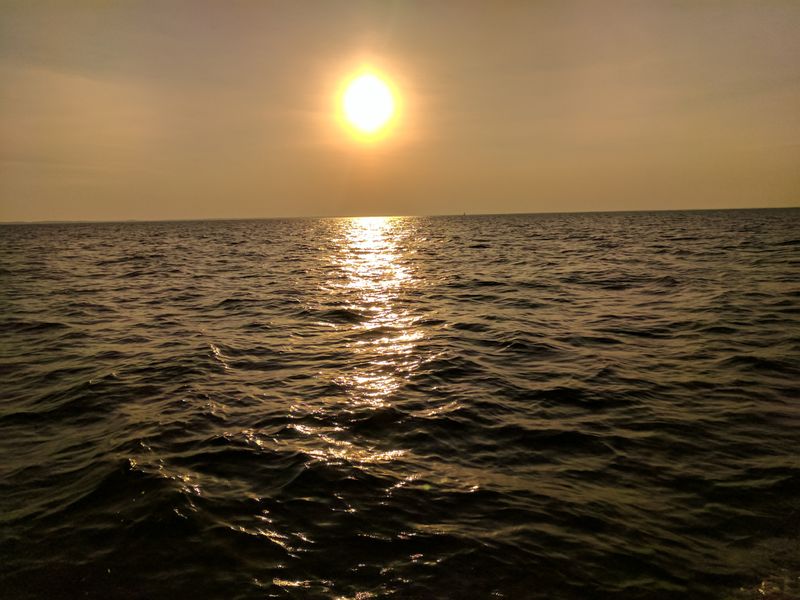
The Chester River turns quieter as you ease along the Kent Island side and line up with a shallow wreck.
Old barge planks slump into the riverbed and stack layers like a deck of worn cards.
Fish skitter between seams and vanish into the wooden maze.
Working this site feels like tiptoeing through a workshop left mid task by Maryland’s watermen.
Rivets, cleats, and knees crouch under algae soft light.
Freshwater pulses thin the salt and change the feel of every surface.
You choose slow fin strokes and keep hands off the brittle edges.
Visibility ranges from friendly to fleeting depending on rain upstream.
The reward is texture, not drama, and it stays in your head long after.
Bluegill flash beside toadfish that grumble under the hull.
Shadows bend around your light and stretch the lines of the wreck.
Every turn offers another pocket of detail that asks for quiet attention.
Mark your exit route before settling into the channels beneath supports.
The river can slide you sideways without announcing itself.
You finish with woodgrain etched into memory, a simple story told well by the water.
6. Sharps Island Light Area Wreckage, Eastern Bay
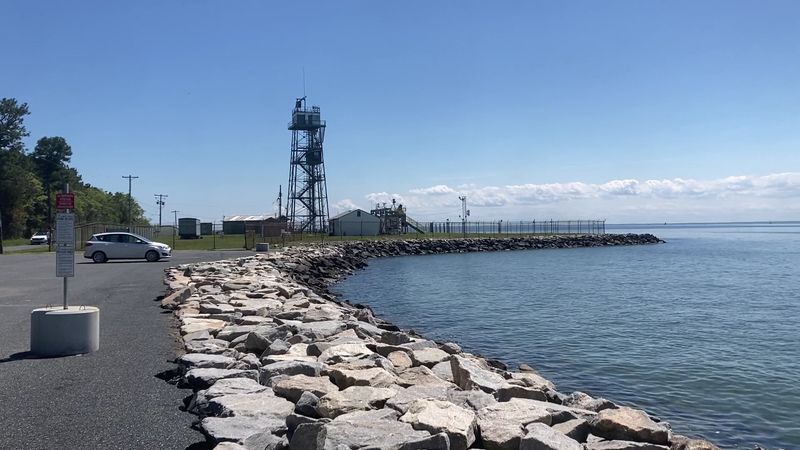
Sharps Island Light leans like a stubborn landmark, and the bottom nearby holds scattered wreckage that tracks old routes.
You drop on slack tide and watch sand ripple into scalloped lines around plates and beams.
Schools of striped fish thread the gaps and settle when your bubbles quiet.
The debris sits like crumbs from shifting storms, reminders of vessels that met hard luck in Maryland’s shoals.
Metal edges bloom with mussels and tunicates in layered armor.
Sea nettles drift past in season and ask for mindful positioning.
You move deliberately to keep the site from disappearing behind your fins.
Compass headings help you rejoin the anchor without guesswork.
Find one recognizable plate and the rest arranges itself into a path.
Light slips gray and green as clouds move over the light’s red skin.
On calm days the water clarifies just enough to reward search patterns.
This is a dive built from patience, small wins, and careful notes.
Boat traffic hums in the distance like a steady metronome.
Your ascent mirrors your entry, measured and unrushed.
You surface beneath the tilted tower, feeling the pull of routes that still matter.
7. Tolchester Scow Remains, Upper Chesapeake
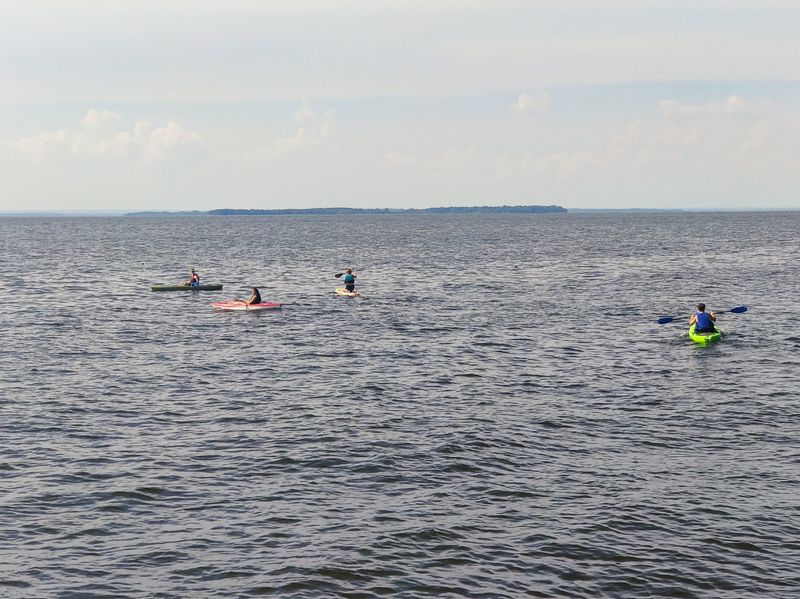
Up the bay, the water carries a tea color that sets a softer stage for old working craft.
Near Tolchester, a scow’s bones rest in quiet water that warms quickly on clear days.
Gulls argue overhead while current brushes silt across the frames.
You slide in and meet broad planking that once hauled heavy loads through Maryland’s trade routes.
The wood smells faintly sweet when you surface, memory clinging to neoprene.
Underwater, the wreck feels generous, low, and readable to calm divers.
Sun rays ladder down and pick out nail heads and seam tar.
Small crabs scuttle like punctuation across every joint.
Stirring the bottom erases lines that only return after you drift away.
You trace the outline, sketching in your head as you go.
The structure invites you to slow down and respect gravity’s work.
Lilting waves remind you that nothing stays fixed here for long.
A simple plan with a clear turnaround makes the visit clean.
Surface with a sense of craft and labor preserved in soft water.
The site leaves you quieter than when you arrived, in the best way.
8. Susquehanna Flats Snagged Hull, Head of the Bay
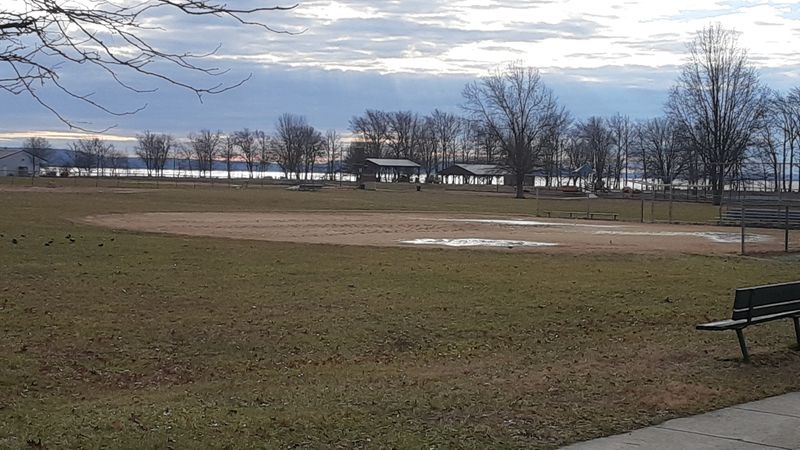
At the head of the Chesapeake, the river writes its final chapter across the Susquehanna Flats.
Shallows stretch wide and bright, with patches of hull hiding among grasses and sand tongues.
You move like a heron here, slow and deliberate over fragile bottom.
The snagged hull fragment sits in calm water that welcomes careful divers during kind weather in Maryland.
Fish pulse through grass in quick bursts, then vanish on a dime.
Sunlight paints the boards and turns grain into contour maps.
Every kick risks a plume, so trim matters more than muscle.
Your gauge feels almost unnecessary in this easy water.
This is a place to practice awareness and appreciate small architecture.
Nails, scarfs, and mortises tell how the boat carried itself when whole.
Birdlife fills the soundtrack and keeps you present.
You time your visit for gentle wind and kinder clarity.
Exit routes are simple, but anchoring with care protects the grass beds.
You finish with an intact sense of place and purpose.
The Flats teach humility better than any stern lecture could.
9. Honga River Packet Boat Wreck, Hoopers Island
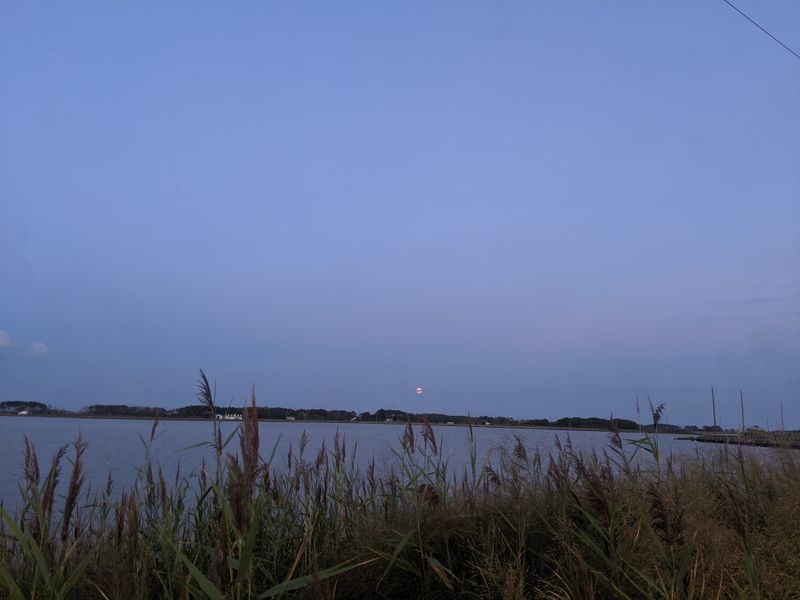
The Honga River feels like a side conversation the bay forgot to end, guarded by the workboats of Hoopers Island.
A packet boat outline rests near a bend, slumped but legible under a thin veil of green.
You breathe slow and let the current steer your inspection run.
Frames, keelson, and fasteners draw a clean diagram of utility that belonged to Maryland watermen.
Small shrimp flicker in your light and then retreat under planks.
Red algae draw soft lines where ribs once pushed tall.
You hover a palm’s width above the surface and read the boat like a blueprint.
There is no rush because the river does not rush you.
Visibility dips and returns with tiny wind shifts from the marsh.
Patience turns the wreck from rumor to recognition.
Your exit follows the same slack water, gentle and sure.
Back on the boat, gulls sound like laughter you almost understand.
You look back across the marsh and feel the site settle inside you.
The packet boat keeps its dignity by refusing spectacle.
You thank it by leaving quietly, gear clinking like a promise kept.
10. Tred Avon Sidewheel Steamer Debris, Oxford
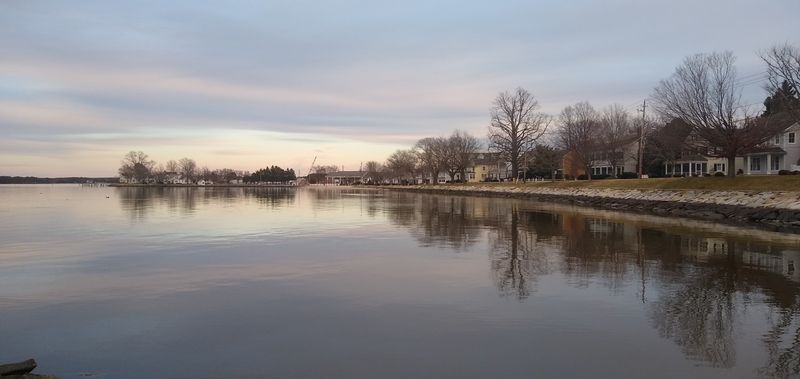
Oxford wears its maritime history like a well loved sweater, and the Tred Avon keeps a gentle cadence nearby.
Sidewheel pieces lie quiet under silt, suggestive rather than showy in this sheltered water.
Hull fragments share space with iron hints of paddles and machinery.
You follow a subtle trail of shapes that sketch a steamer’s outline along Maryland’s storied river.
Catfish hover in shade and slide away when your light finds them.
The site prefers a thoughtful diver who enjoys earning each detail.
Wind and tide can muddy the picture, then clear it moments later.
Patience works better than muscle here every single time.
You focus on trim and gentle hands, giving the past some room.
Each rivet head looks like a breadcrumb leading onward.
Before long the pattern clicks and the vessel returns in your mind.
The town’s calm drifts across the surface like friendly punctuation.
Safety means slow boating and clear signals around moorings.
Your ascent mirrors the quiet tone, precise and easy.
Oxford’s skyline greets you, and the story rides back with you to shore.
Dear Reader: This page may contain affiliate links which may earn a commission if you click through and make a purchase. Our independent journalism is not influenced by any advertiser or commercial initiative unless it is clearly marked as sponsored content. As travel products change, please be sure to reconfirm all details and stay up to date with current events to ensure a safe and successful trip.
