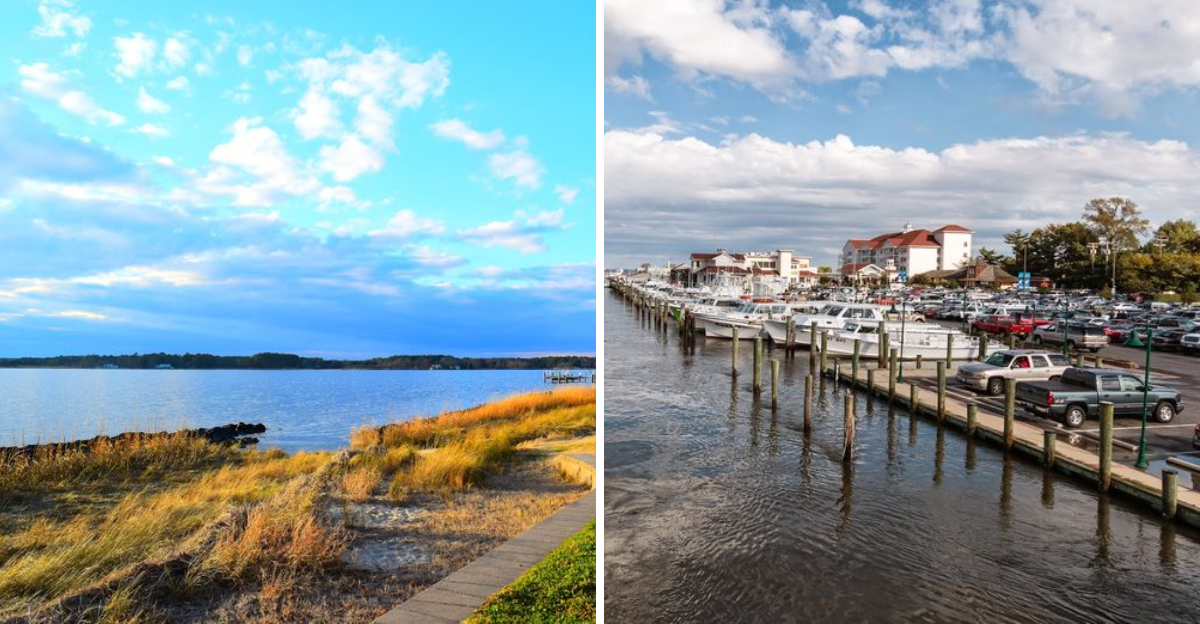
Maryland has always had this quiet magic about it, from the salty breeze rolling off the Chesapeake Bay to the sleepy little towns that felt like they belonged to everyone who called them home. Lately, though, something has shifted.
More visitors than ever are discovering these hidden gems, and while that sounds wonderful on the surface, the locals tell a very different story. Some weekends, you can barely recognize the places that once felt so personal and unhurried.
I’ve heard residents describe watching their favorite lunch spots turn into hour-long waits and their peaceful streets become parking nightmares.
These towns deserve to be celebrated, but they also deserve an honest conversation about what happens when too many people fall in love with the same place at once.
1. Ocean City
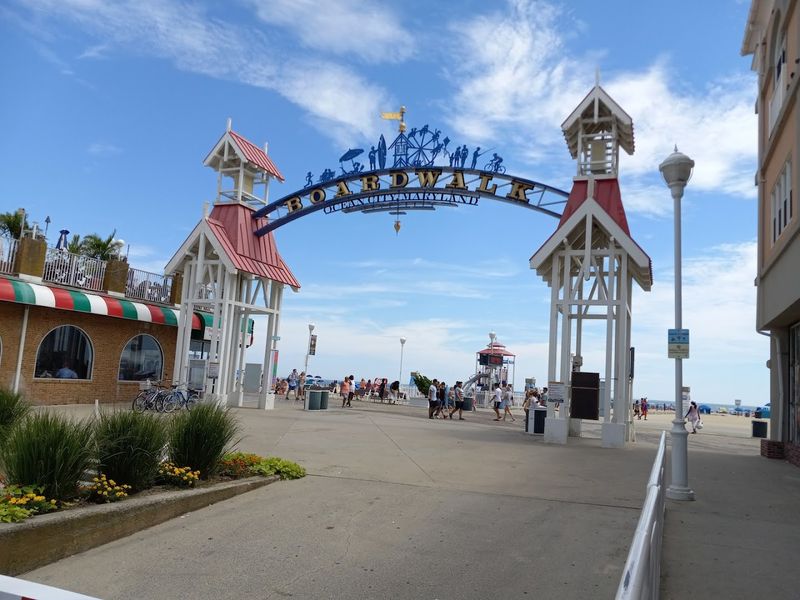
Few places in Maryland experience a transformation quite as dramatic as Ocean City does every summer. The permanent population hovers around 7,000 people, but on a busy holiday weekend, that number can explode past 300,000.
That kind of surge changes everything about how a place feels and functions.
Locals talk about dreading the summer months rather than enjoying them. Simple errands that once took twenty minutes can stretch into hours.
Parking becomes a battle, restaurants become loud and rushed, and the beach itself turns into a wall-to-wall blanket situation with barely any sand visible.
What was once a laid-back coastal town now runs almost entirely on tourist energy from Memorial Day through Labor Day. The businesses that serve year-round residents have slowly been replaced by shops and attractions catering to visitors passing through for the weekend.
Many longtime residents have started scheduling their grocery runs and appointments around tourist traffic just to survive the season.
There is still genuine beauty here, especially in the off-season when the ocean air is crisp and the boardwalk belongs to the locals again. But during peak summer, Ocean City is a completely different animal, and not always in a good way.
2. St. Michaels
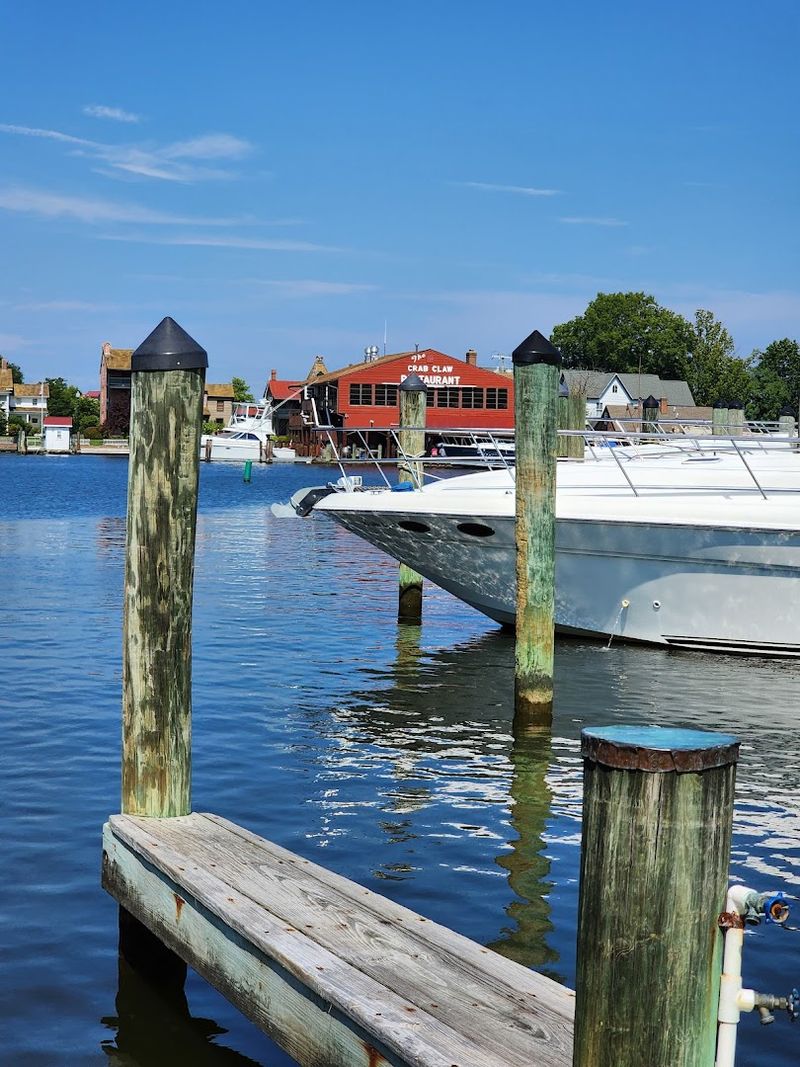
St. Michaels used to be the kind of place where you could wander down to the harbor on a Saturday morning and actually find a quiet bench. Now, weekends bring a steady flood of visitors from the DC and Baltimore metro areas, and the town’s narrow streets fill up faster than anyone expected.
Residents have noticed that a quick trip to the post office or the local market can now take twice as long on weekends. The social rhythm of the town has shifted noticeably.
Familiar faces are harder to spot when the streets are packed with people snapping photos and looking for brunch spots.
The Chesapeake Bay Maritime Museum draws a steady crowd, and the waterfront restaurants stay booked solid through the warmer months. That economic activity is genuinely helpful, but it comes with real trade-offs for people who actually live there year-round.
There is something bittersweet about watching a town you love become someone else’s weekend destination. St. Michaels still holds its old-world Eastern Shore charm in the early mornings before the crowds arrive, but by noon on a sunny Saturday, that quietness is long gone and the locals know it.
3. Annapolis
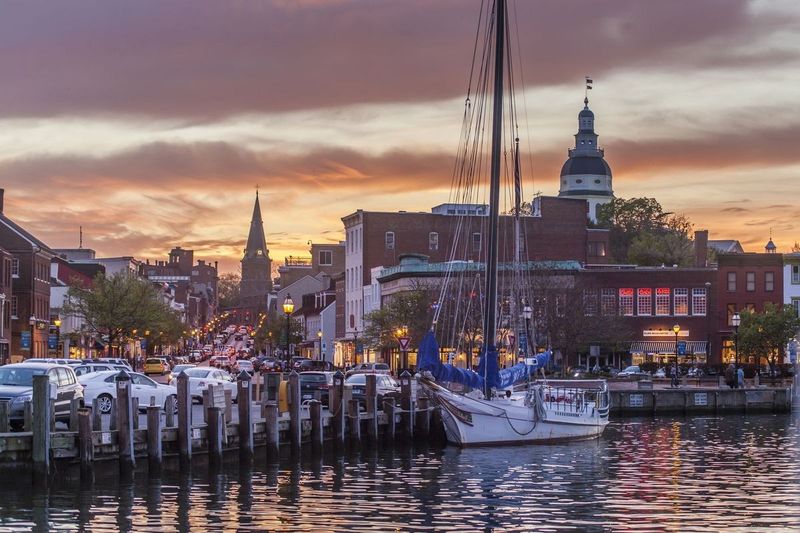
Annapolis carries centuries of history in its brick sidewalks and colonial architecture, and that history is exactly what draws millions of visitors every year.
The city has become one of the most-visited small cities on the East Coast, and the pressure that comes with that attention is felt in very real ways by the people who live there.
Long-time residents, particularly in the historic district, have watched their neighborhood change in ways that go beyond simple crowding. Housing costs have climbed as the area becomes more desirable for short-term rentals and vacation properties.
Some families who have lived in Annapolis for generations are finding it harder to stay.
The waterfront area around City Dock gets especially intense during summer weekends and sailing events. Traffic backs up for blocks, parking becomes almost impossible, and the local character of certain neighborhoods starts to feel like a backdrop for someone else’s vacation photos.
Balancing preservation with the demands of millions of visitors is genuinely difficult. City planners are constantly navigating that tension, and residents are left hoping that what makes Annapolis special does not get polished away in the process of making it more accessible to everyone passing through.
4. Chesapeake Beach
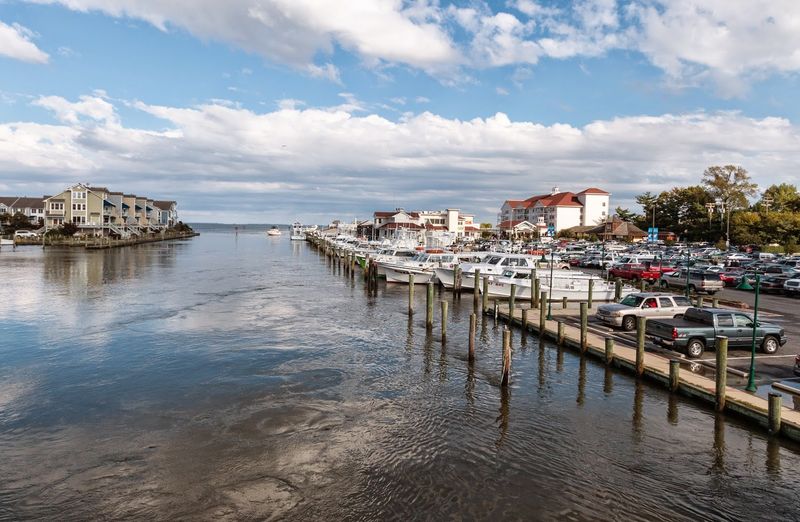
Chesapeake Beach is a small town with a big seasonal personality problem. With a year-round population of just over 6,000 people, the town was never built to handle the summer crowds that now descend on it every year.
Marinas overflow, the boardwalk gets shoulder-to-shoulder busy, and local restaurants book up days in advance.
Residents who used to enjoy spontaneous waterfront evenings now have to plan ahead just to get a table at their favorite spot. The casual, unhurried quality that made Chesapeake Beach feel like a true community has been slowly replaced by the logistics of managing tourist seasons.
The town sits along a beautiful stretch of the western Chesapeake shoreline, and that natural setting is genuinely hard to resist. Day-trippers from the DC suburbs discovered it a few years back, and word spread quickly.
Now the parking lots fill up by mid-morning on summer weekends and the narrow roads through town get backed up in ways that feel completely out of proportion to the size of the place.
Year-round residents have started seeking out quieter corners of the county just to find the peace they used to have right outside their front doors. The off-season still offers glimpses of the old Chesapeake Beach, but summers have become a test of patience.
5. Solomons Island
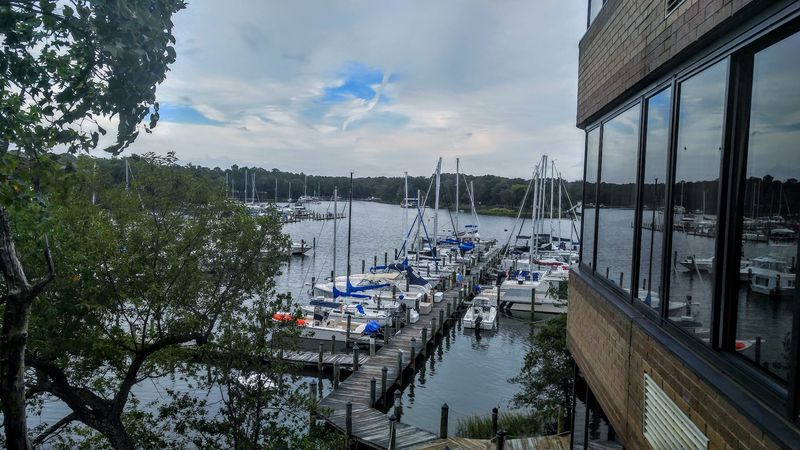
Solomons Island sits at the southern tip of Calvert County where the Patuxent River meets the Chesapeake Bay, and that location is both its greatest gift and its growing challenge. The views here are legitimately stunning, and the boating culture is deeply woven into the identity of the place.
Unfortunately, those same qualities have made it a magnet for visitors who don’t always treat it like a community rather than a destination.
Boat traffic in the summer months has become almost overwhelming. The marinas fill up with transient vessels, the waterfront restaurants run long waits, and the roads through the tiny island get gridlocked on sunny weekends.
Locals who once enjoyed relaxed afternoons by the water now have to navigate the chaos just to access their own backyard.
There is a genuine maritime history here that sometimes gets lost in the shuffle of tourism. The Calvert Marine Museum does excellent work preserving that story, but the broader town experience has shifted toward accommodating visitors rather than sustaining the community that built it.
People who have lived on Solomons Island for decades describe a quiet grief about what the place is becoming. The bones of the old island are still there, but they get harder to see beneath the seasonal crowds every year.
6. Cambridge
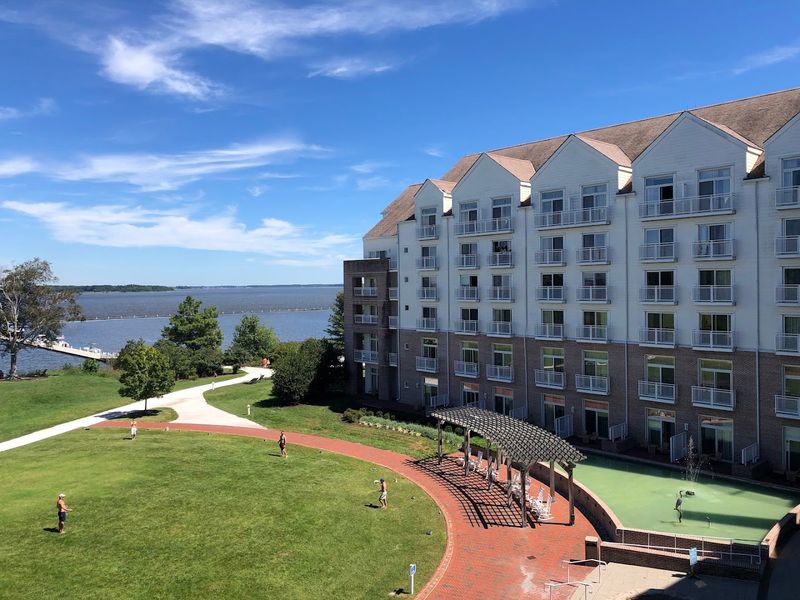
Cambridge went through a real revitalization in recent years, and in many ways it has been a success story. New restaurants opened along the waterfront, murals went up across downtown buildings, and the Choptank River waterfront became a genuine gathering spot.
But success brought something unexpected: a pace of life that longtime residents no longer recognize.
The slower, more deliberate rhythm that defined Cambridge for decades has been replaced by weekend energy that feels borrowed from somewhere else entirely.
Trendy eateries and craft food spots have drawn crowds from across the region, and the downtown area that once felt intimate now feels like it is performing for an audience.
Long-term residents describe a kind of homesickness for the town that used to exist before the renovation wave hit. The community spirit is still there in pockets, but it competes now with the noise and appetite of visitors who arrive on Saturday and leave by Sunday evening without really connecting to what Cambridge actually is.
There is real pride in how far the city has come economically, and that should not be dismissed. But the locals who remember what it felt like before the crowds arrived carry a complicated mix of gratitude and loss that is worth paying attention to.
7. Oxford
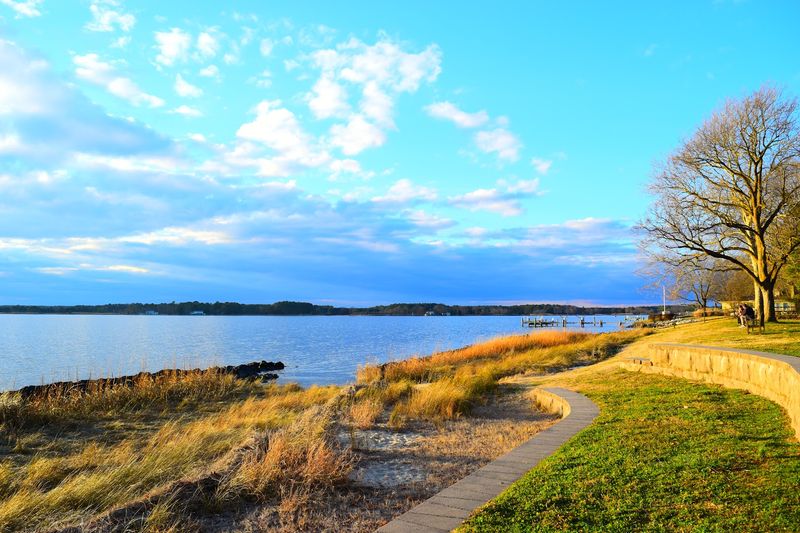
Oxford might be one of the smallest towns on this list, but it carries one of the heaviest burdens when it comes to tourist pressure relative to its size. The town has fewer than 700 permanent residents, and its historic streets and working waterfront have an almost cinematic quality that draws visitors from far away.
The Oxford-Bellevue Ferry, one of the oldest privately operated ferries in the country, has become something of a tourist attraction in itself. That kind of attention is flattering, but it also means that a town built for a few hundred people is regularly absorbing visitor numbers it was never designed to handle.
The narrow roads through Oxford were not built for the volume of cars that show up on summer weekends. Residents find their driveways blocked, their yards treated like photo backdrops, and their quiet streets turned into slow-moving processions of sightseers.
The intimacy that makes Oxford special is precisely what gets eroded when too many people try to experience it at once.
There is still magic in Oxford, especially on a quiet Tuesday morning when the light hits the water just right and the streets belong to the people who actually live there. Weekends in summer, though, tell a different story entirely.
8. Kent Island
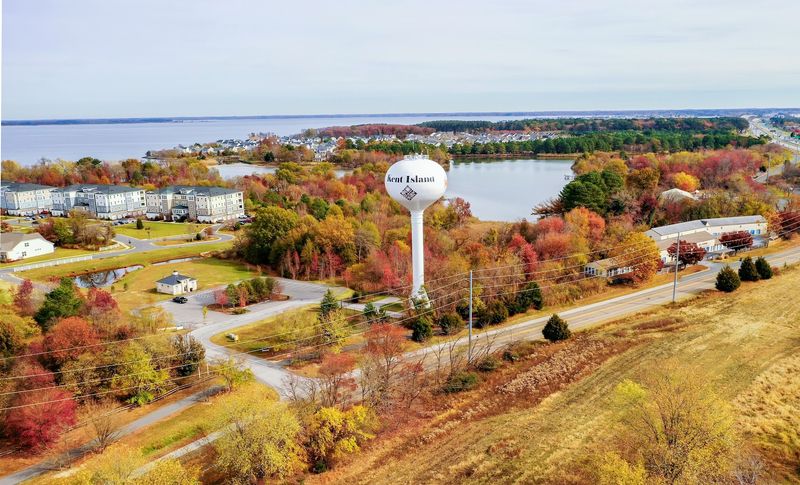
Kent Island has the geographical misfortune of sitting right at the base of the Chesapeake Bay Bridge, which means it is literally the first piece of the Eastern Shore that millions of visitors encounter every summer.
That position has turned this once-quiet island community into a thoroughfare rather than a destination in its own right.
The traffic backing up from the bridge on summer weekends is legendary among Maryland drivers. What should be a peaceful island community instead functions as a pressure valve for the bridge congestion, with frustrated travelers stopping at every available gas station, restaurant, and marina along the main road.
Residents who have lived on Kent Island for years describe the summer months as something to be endured rather than enjoyed.
The waterfront spots that locals once claimed as their own are now packed with people who are either killing time waiting for traffic to clear or treating the island as a quick pit stop on the way to Ocean City.
The natural beauty of the island, with its creeks, crabbing spots, and bay views, still exists if you know where to find it. But the main corridors of Kent Island have taken on a distinctly transient quality that feels at odds with the tight-knit community that calls it home year-round.
9. Betterton
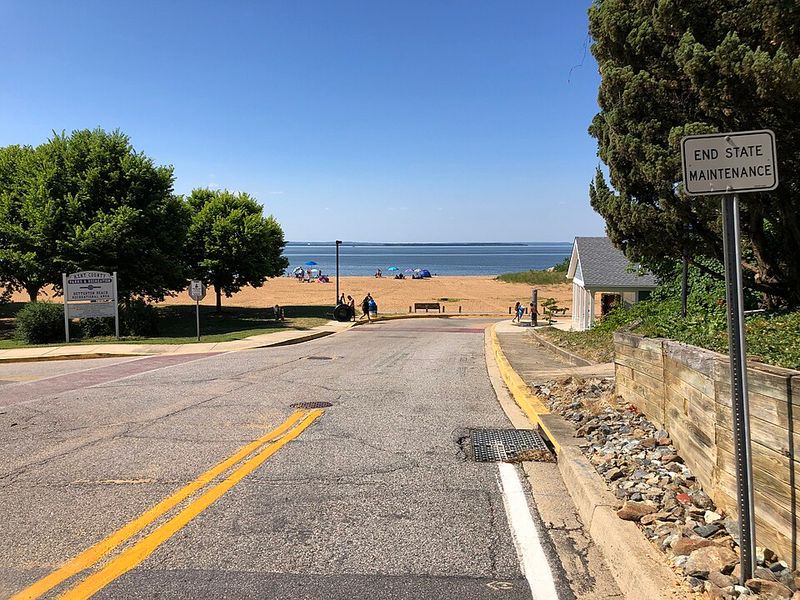
Betterton is the kind of place that most Marylanders have never heard of, which is exactly why the locals there treasure it so much.
Hidden into the upper reaches of the Chesapeake Bay in Kent County, this tiny beach town has a sandy swimming beach that draws summer visitors who have grown tired of the chaos at more well-known spots.
For years, Betterton operated in blissful obscurity. The beach was never crowded, the parking lot rarely full, and the atmosphere was genuinely relaxed in a way that felt almost old-fashioned.
Then the word got out, as it always does.
Social media posts and travel blogs started naming Betterton as a hidden gem alternative to Ocean City, and suddenly the hidden part became less true. Summer weekends now bring more cars than the small beach area was ever designed to accommodate.
The peace that defined the place has become harder to find.
Locals who have been coming to this beach their entire lives now find themselves sharing it with strangers who treat it like a discovery rather than a community resource. The town itself is so small that even modest increases in visitor numbers feel enormous.
Betterton is still worth visiting, but it is slowly losing the quiet identity that made it special in the first place.
