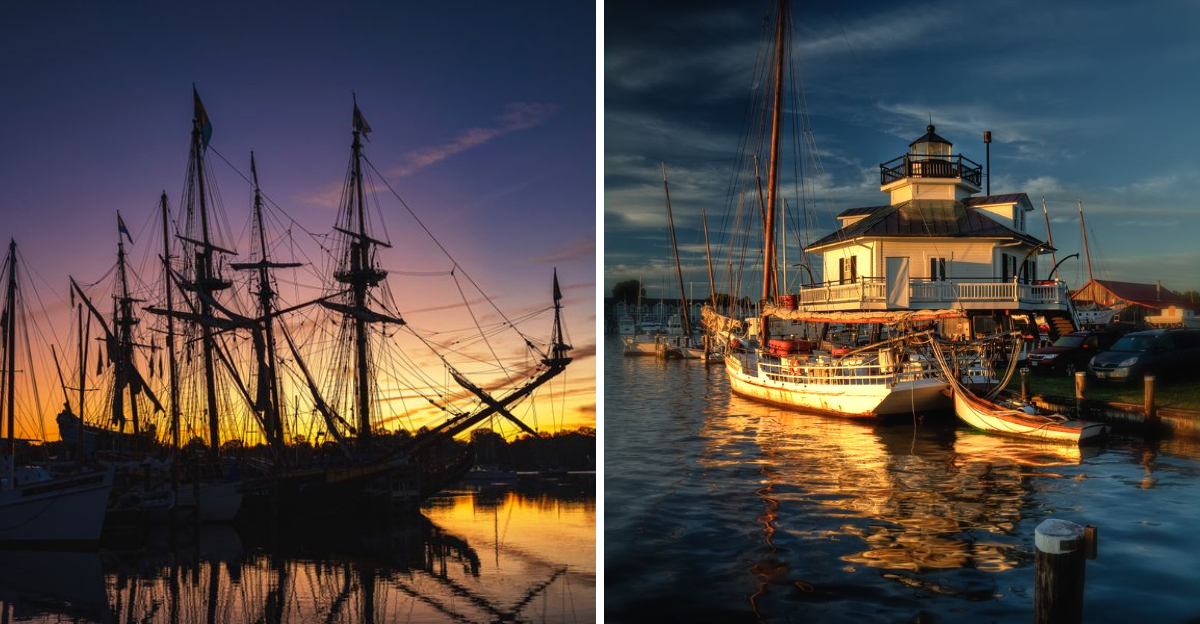
Maryland’s landscape tells stories that span centuries, from colonial settlements to Civil War battlegrounds.
Scattered across this mid-Atlantic state are towns where cobblestone streets remember the footsteps of founding fathers and brick buildings still wear the patina of time.
These communities haven’t just preserved their past in museums; they’ve woven history into their everyday rhythm, creating places where visitors can touch, explore, and truly feel what life was like generations ago.
Whether you’re drawn to maritime heritage along the Chesapeake Bay or colonial architecture in riverside villages, Maryland’s historic towns offer authentic glimpses into America’s formative years.
1. St. Mary’s City
Before Annapolis claimed the spotlight, St. Mary’s City held the honor of being Maryland’s first capital.
Founded in 1634 by English settlers seeking religious freedom, this waterfront community became a groundbreaking experiment in tolerance.
Catholics and Protestants lived side by side here at a time when such coexistence seemed impossible elsewhere in colonial America.
Today, the entire town functions as an outdoor museum where history breathes through reconstructed buildings and archaeological sites.
Costumed interpreters portray 17th-century residents, demonstrating skills like blacksmithing, cooking over open hearths, and tending tobacco crops.
The reconstructed State House stands where colonial leaders once debated laws that would shape Maryland’s future.
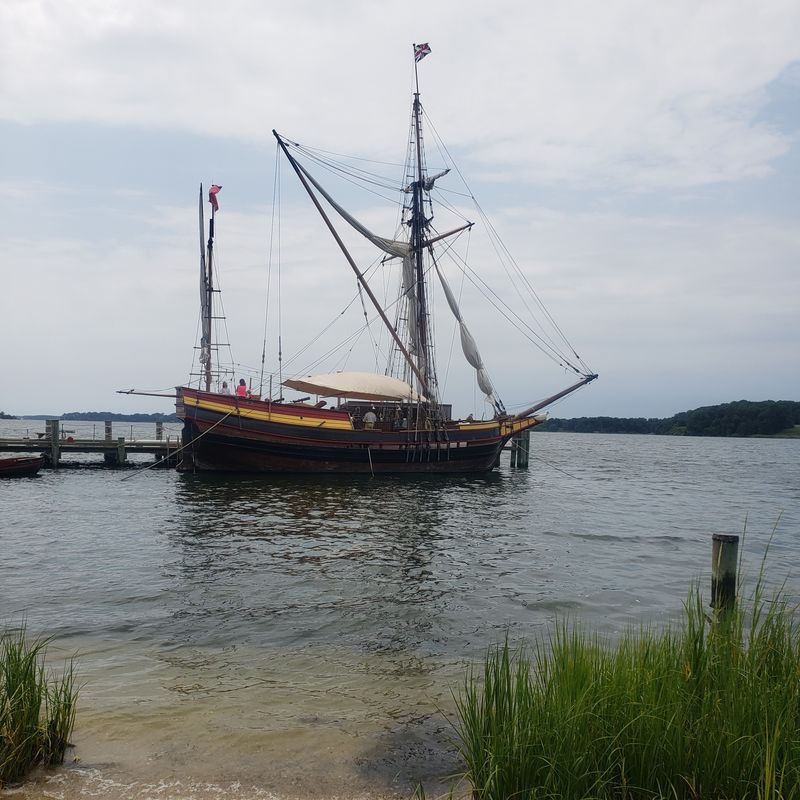
A full-scale replica of the Dove, one of the original ships that brought settlers here, floats at the dock.
Visitors can climb aboard and imagine the treacherous Atlantic crossing that brought those first colonists to Maryland’s shores.
Archaeological excavations continue uncovering artifacts from the original settlement, and researchers regularly make discoveries that rewrite our understanding of early colonial life.
The site of Maryland’s first brick chapel lies beneath protective structures, preserving foundations where some of America’s earliest religious freedom took root.
Woodland trails wind through areas where Yaocomaco Indians once lived, acknowledging the land’s pre-colonial inhabitants.
St. Mary’s College of Maryland campus borders the historic area, blending education with preservation.
Unlike typical museums with roped-off displays, St. Mary’s City invites hands-on exploration.
You can touch reproduction tools, smell period cooking, and truly experience what daily existence meant for Maryland’s founding generation.
2. Pocomoke City
Locals proudly call Pocomoke City the ‘Friendliest Town on the Eastern Shore,’ and that warmth extends to how they share their community’s layered past.
Nestled along the Pocomoke River, this small city punches above its weight when it comes to historical significance.
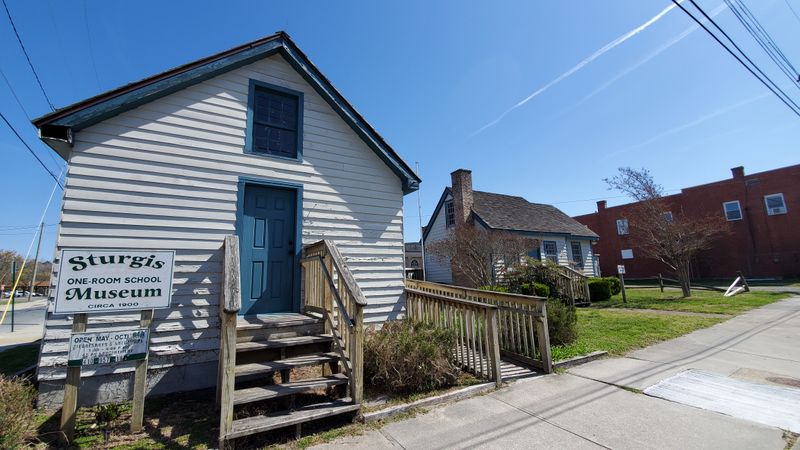
The Sturgis One Room School Museum stands as a powerful testament to African American education during segregation.
Built in 1910, this modest schoolhouse served Black children for decades, and today its preserved classroom tells stories often missing from mainstream history books.
Desks still sit in rows, chalkboards display period lessons, and photographs of students remind visitors that education was hard-won for many Maryland families.
The Delmarva Discovery Museum occupies the historic Costen House, a beautiful 1901 structure that once belonged to a prominent local doctor.
Exhibits here explore the region’s natural and cultural heritage, from cypress swamps to Native American settlements.
Downtown’s historic district features buildings from the late 1800s when Pocomoke City thrived as a lumber and shipping center.
The Pocomoke River, one of the deepest rivers for its width in the United States, provided transportation routes that made this town economically vital.
Cypress trees draped with Spanish moss create an almost Southern atmosphere along the riverbanks.
The Mar-Va Theater, a 1927 Art Deco gem, still shows movies and hosts performances in its beautifully restored auditorium.
Walking tours reveal Victorian homes where river captains and lumber barons once lived.
Pocomoke City may be small, but its commitment to preserving all aspects of its history, especially stories of resilience and community, makes it genuinely special.
3. Chestertown
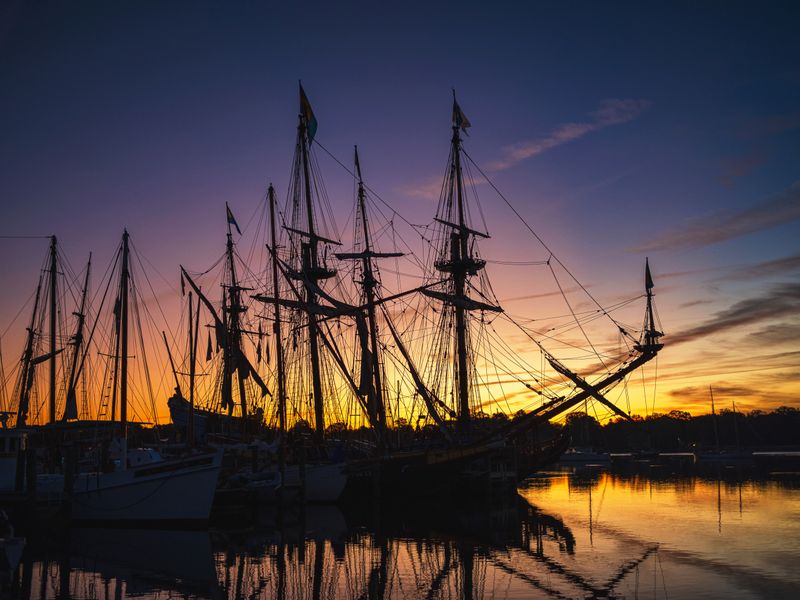
Walking through Chestertown feels like stepping onto a movie set, except everything here is genuinely old.
Established way back in 1706, this Eastern Shore gem once rivaled Annapolis as Maryland’s most important port.
Ships loaded with tobacco and grain departed from its wharves, carrying Maryland’s bounty to markets across the Atlantic.
Colonial-era homes still stand along Water Street, their brick facades weathered by nearly three centuries of Chesapeake weather.
Every May, the town erupts in celebration during the Chestertown Tea Party Festival, commemorating a rebellious act from 1774 when locals dumped British tea into the Chester River.
Unlike Boston’s more famous tea party, Chestertown’s protest often gets overlooked in history books, but residents here keep the memory alive with reenactments and period costumes.
Washington College, founded in 1782, adds youthful energy to streets lined with 18th-century architecture.
George Washington himself served on the college’s board of visitors, lending his name and reputation to the institution.
The Imperial Hotel, built in 1903, welcomes visitors seeking accommodation with genuine historic character.
Downtown shops occupy buildings that once housed merchants serving clipper ship captains and river traders.
Fountains Park provides riverside views where those colonial vessels once docked.
Local restaurants serve Chesapeake specialties in dining rooms where conversations about independence once echoed.
Chestertown doesn’t just preserve history; it lives within it, making every visit feel like a journey backward through time without sacrificing modern comfort.
4. Frederick
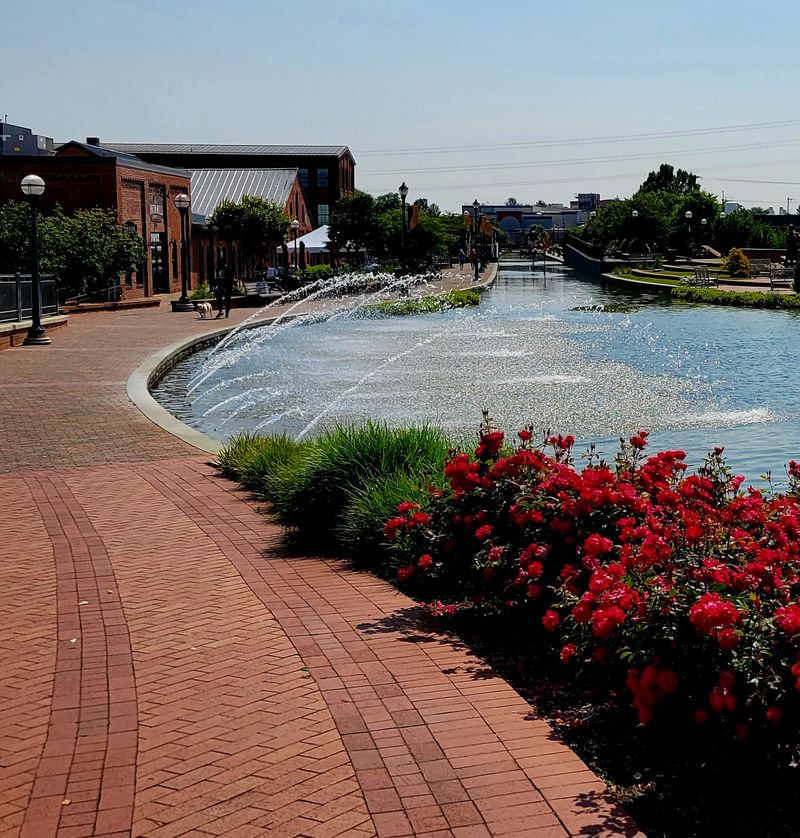
Frederick balances its rich colonial heritage with a vibrant modern arts scene, creating a town where history enthusiasts and contemporary culture lovers both find plenty to explore.
Schifferstadt, built in 1758, stands as Frederick’s oldest surviving structure.
This German Colonial farmhouse, with its massive sandstone walls and medieval construction techniques, represents architectural traditions settlers brought from the Rhine Valley.
Walking through Schifferstadt’s rooms, you notice how German immigrants adapted European building methods to Maryland’s climate and available materials.
Downtown Frederick’s historic district sprawls across fifty blocks, filled with buildings that witnessed pivotal Civil War moments.
Both Union and Confederate troops marched through these streets, and several battles raged nearby.
The National Museum of Civil War Medicine occupies a period building and reveals the gruesome yet fascinating medical practices of the 1860s.
Surgical instruments, hospital tents, and detailed exhibits show how doctors learned to treat unprecedented numbers of wounded soldiers.
Carroll Creek Park winds through downtown, its public art installations and bridges connecting historic neighborhoods.
The Weinberg Center for the Arts, housed in a 1926 movie palace, hosts performances in a gorgeously restored auditorium.
Frederick’s restaurant scene thrives in renovated historic buildings where diners enjoy meals surrounded by exposed brick and original wooden beams.
Antique shops line Market Street, their inventories including Civil War relics, colonial furniture, and vintage treasures.
Mount Olivet Cemetery contains graves of Francis Scott Key and Barbara Fritchie, figures immortalized in American poetry and legend.
Frederick proves that historic preservation doesn’t mean freezing a town in amber; instead, it can provide a foundation for continued growth and creativity.
5. Port Tobacco Village

Port Tobacco Village tells a story of rise and fall that reads like a cautionary tale about changing fortunes.
Once Maryland’s second-largest town and a bustling colonial port, it now exists as a quiet village where history whispers through sparse remaining structures.
In its heyday during the 1700s, ships crowded the Port Tobacco River, loading tobacco bound for European markets.
Wealthy planters built grand homes here, and the town courthouse handled legal matters for Charles County.
Then the river began silting up, ships couldn’t reach the docks, and Port Tobacco’s economic foundation crumbled.
By the early 1900s, the once-thriving port had become a near-ghost town.
The reconstructed courthouse now serves as a museum, its exhibits explaining both the town’s glory days and its decline.
Costumed interpreters share stories about colonial life, including darker chapters involving the slave trade that fueled tobacco plantation wealth.
Archaeological excavations continue revealing foundations of buildings lost to time and neglect.
Researchers carefully unearth pottery shards, pipe stems, and everyday objects that help reconstruct how ordinary people lived centuries ago.
The One-Room Schoolhouse, relocated to the site, shows how rural Maryland children received education in the 1800s.
Nature has reclaimed much of where Port Tobacco once sprawled, with trees growing where busy streets once ran.
This makes visiting Port Tobacco a unique experience, requiring imagination to picture the vanished town.
Historical markers guide visitors through what remains, pointing out where important buildings stood.
Port Tobacco Village reminds us that even prominent places can fade, making preservation efforts elsewhere all the more important.
6. St. Michaels
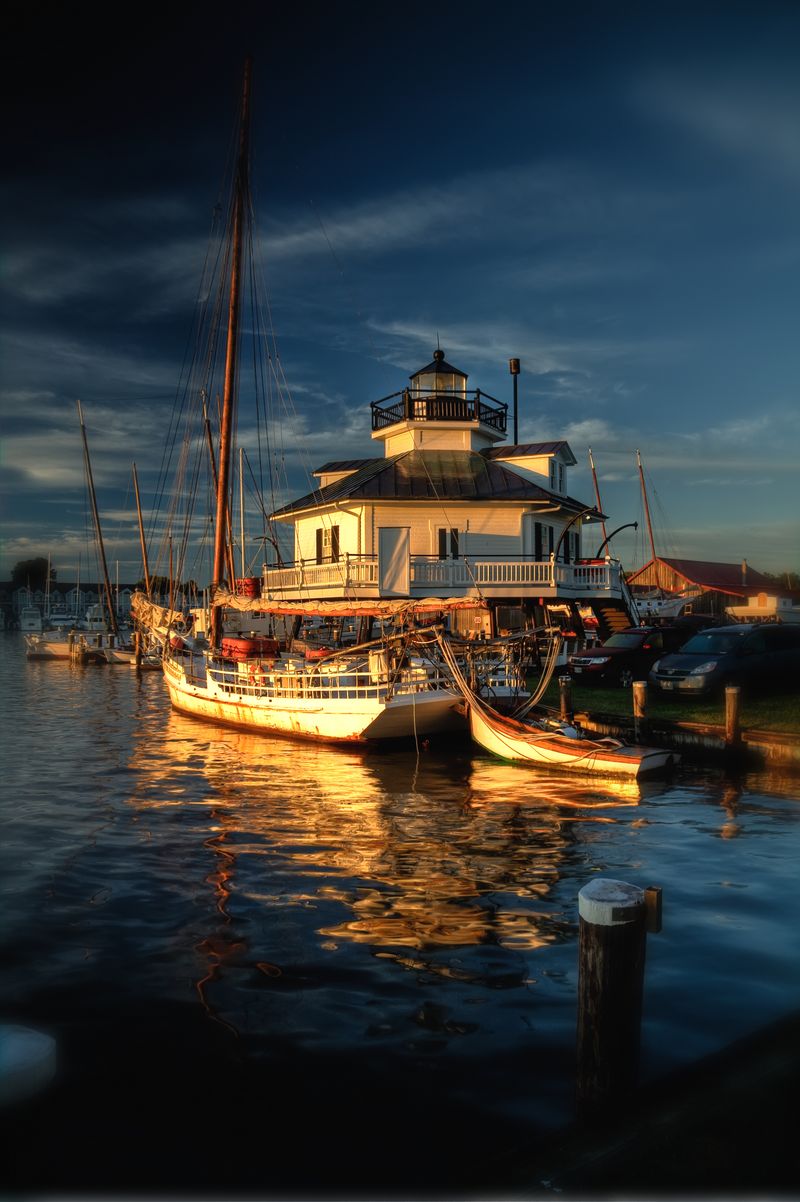
Perched on a narrow strip of land jutting into the Chesapeake Bay, St. Michaels earned its nickname ‘The Town That Fooled the British’ during the War of 1812.
According to local legend, residents hung lanterns in treetops and darkened their homes during a British naval attack, causing cannonballs to overshoot the town.
Whether entirely true or embellished over time, the story captures St. Michaels’ clever spirit.
The Chesapeake Bay Maritime Museum sprawls across eighteen waterfront acres, preserving the bay’s boatbuilding and oystering heritage.
Historic vessels float at the docks, including skipjacks, the traditional sailboats watermen used for oyster dredging.
The museum’s working boatyard continues building and restoring wooden boats using traditional methods passed down through generations.
Hooper Strait Lighthouse, relocated to the museum grounds, lets visitors climb inside an actual screwpile lighthouse that once guided ships through treacherous waters.
Downtown St. Michaels features beautifully maintained 18th and 19th-century homes, many now operating as bed and breakfasts.
Talbot Street’s shops occupy historic buildings where ship chandlers and merchants once sold supplies to captains.
The town’s location makes it a popular sailing destination, and modern yachts anchor alongside historic vessels.
Restaurants serve Chesapeake classics, especially oysters harvested from nearby waters using methods that haven’t changed much in a century.
St. Mary’s Square Museum, housed in a building from the 1860s, displays artifacts from the town’s maritime past.
Walking tours reveal architectural details and stories about families who built their lives around the bay’s rhythms.
St. Michaels successfully balances tourism with preservation, welcoming visitors without losing its authentic waterman’s town character.
7. Berlin

Berlin’s claim to fame includes being named ‘America’s Coolest Small Town’ by Budget Travel magazine, but this Eastern Shore community earned its charm long before any awards.
The entire downtown district appears frozen in the Victorian era, with elaborate architecture from the late 1800s lining Main Street.
Painted ladies, those colorful Victorian homes with intricate trim work, create a postcard-perfect streetscape.
Many recognize Berlin from the movie ‘Runaway Bride,’ which filmed several scenes along these historic streets.
The Atlantic Hotel, built in 1895, continues welcoming guests in elegantly restored rooms that balance period charm with modern amenities.
Its restaurant serves contemporary cuisine in dining rooms where Victorian travelers once enjoyed meals during their railroad journeys.
Berlin grew as a railroad town, and that heritage remains visible in its linear layout following the tracks.
Independent shops fill historic storefronts, offering antiques, handmade crafts, and vintage finds.
The Globe Theater, dating to 1937, shows movies in an Art Deco setting that feels like stepping back to cinema’s golden age.
Berlin’s commitment to preservation extends beyond buildings to include cultural traditions and community events.
The town hosts Victorian-themed festivals where residents dress in period costumes and demonstrate 19th-century crafts.
Calvin B. Taylor House Museum occupies an 1832 home filled with local history exhibits and period furnishings.
Tree-lined residential streets showcase more Victorian architecture, from modest workers’ cottages to elaborate merchant mansions.
Berlin’s location near Assateague Island makes it popular with beach-goers, but the town’s historic character gives visitors reasons to linger beyond their shore trips.
Everything feels authentic here, not manufactured for tourists but genuinely preserved by residents who value their heritage.
8. Cambridge
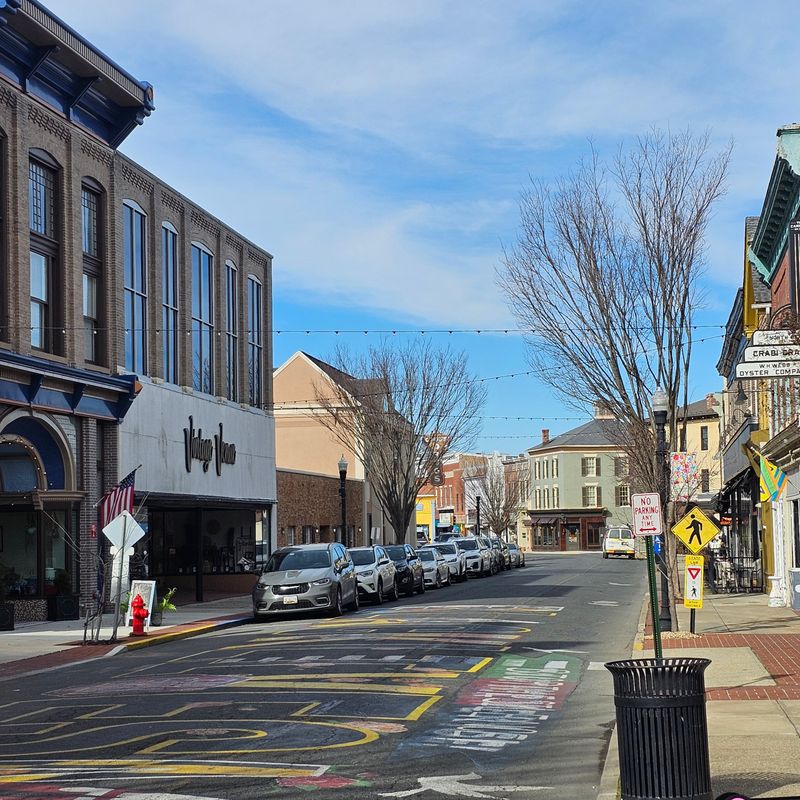
Cambridge sits where the Choptank River widens toward the Chesapeake Bay, a location that determined the town’s destiny as a maritime center.
Shipbuilding, oystering, and crabbing built Cambridge’s economy and shaped its cultural identity.
High Street’s historic district features buildings spanning three centuries, their architectural styles documenting how the town evolved.
The Harriet Tubman Museum and Educational Center honors Cambridge’s most famous native daughter.
Born into slavery in nearby Dorchester County, Tubman escaped and then repeatedly risked her life guiding others to freedom via the Underground Railroad.
Her courage and determination inspire visitors who follow the Harriet Tubman Underground Railroad Byway through landscapes she knew.
Cambridge’s waterfront has been beautifully restored, with historic buildings now housing art galleries, seafood restaurants, and maritime businesses.
The Choptank River Lighthouse, a replica of a screwpile design, serves as a focal point for the waterfront park.
Long Wharf Park provides access to the river and commemorates the working waterfront that sustained generations of Cambridge families.
The Dorchester Center for the Arts occupies a renovated industrial building, connecting creative expression with historic preservation.
Sailwinds Park offers walking paths along the water where skipjacks and workboats once crowded the docks.
Antique shops and vintage stores fill downtown buildings, their inventories reflecting the area’s long history.
Cambridge Creek flows through town, its banks lined with homes dating back to when sea captains needed water access.
The town balances honoring its maritime heritage with acknowledging difficult historical truths about slavery and segregation.
Cambridge shows how historic towns can embrace their complete stories, celebrating achievements while not ignoring painful chapters.
9. Havre de Grace
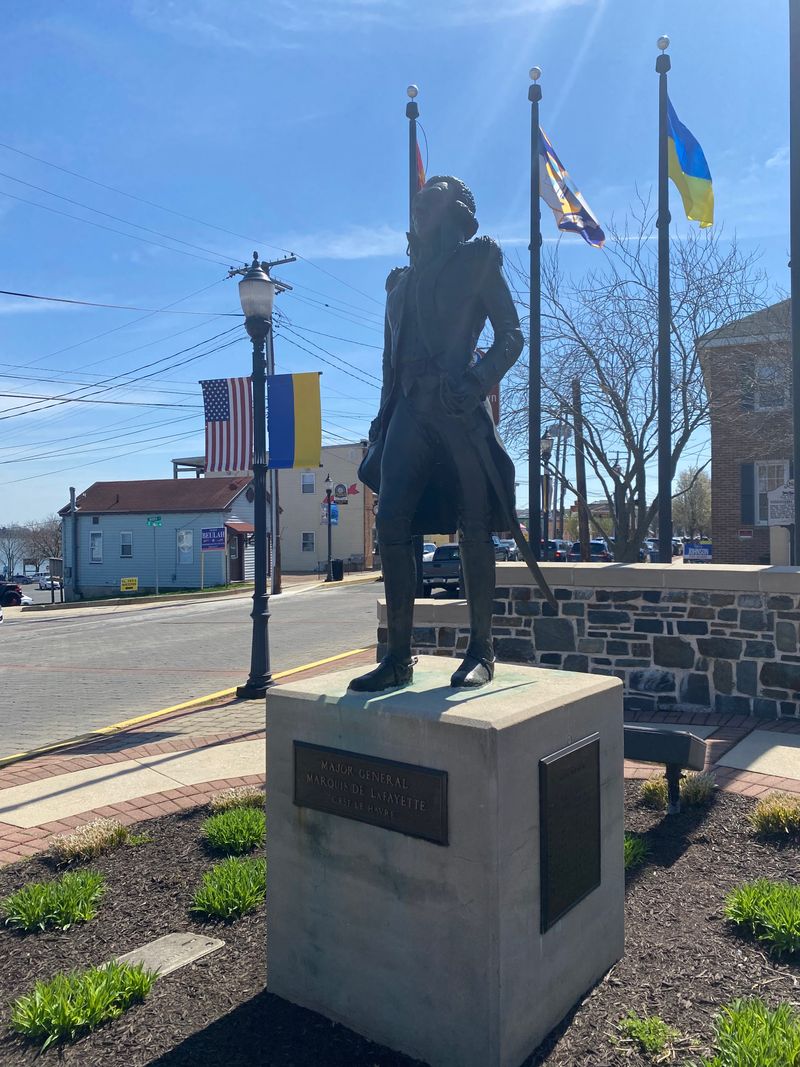
Havre de Grace occupies one of Maryland’s most strategic locations, where the Susquehanna River flows into the Chesapeake Bay.
This geography made the town militarily important during the War of 1812, when British forces attacked and burned much of it.
Lieutenant John O’Neill single-handedly defended the town from his position at the Potato Battery, firing a cannon until British marines captured him.
His bravery earned him a sword from the citizens of Havre de Grace and a permanent place in local lore.
Concord Point Lighthouse, built in 1827, stands as Maryland’s oldest continuously operated lighthouse.
John O’Neill served as its first keeper, living in the keeper’s house with his family and maintaining the beacon that guided ships through dangerous waters.
Visitors can climb the lighthouse’s narrow spiral stairs for views across the bay and river confluence.
The Havre de Grace Decoy Museum celebrates the art form that developed from practical waterfowl hunting tools into collectible folk art.
Master carvers transformed chunks of wood into realistic ducks and geese, and their creations now command impressive prices from collectors.
The museum displays hundreds of decoys, from working models to elaborate decorative pieces.
The Susquehanna Museum at the Lock House interprets the Susquehanna and Tidewater Canal, which once connected Havre de Grace to Pennsylvania’s coal regions.
The lock system allowed boats to navigate elevation changes, and the restored lock house shows how lock keepers and their families lived.
The waterfront promenade extends along the bay, connecting parks, museums, and marinas.
Historic homes line Union Avenue, their architecture reflecting the wealth that canal traffic and bay commerce generated.
Havre de Grace successfully transformed from a working port to a destination that honors its maritime heritage while welcoming visitors.
10. Ellicott City
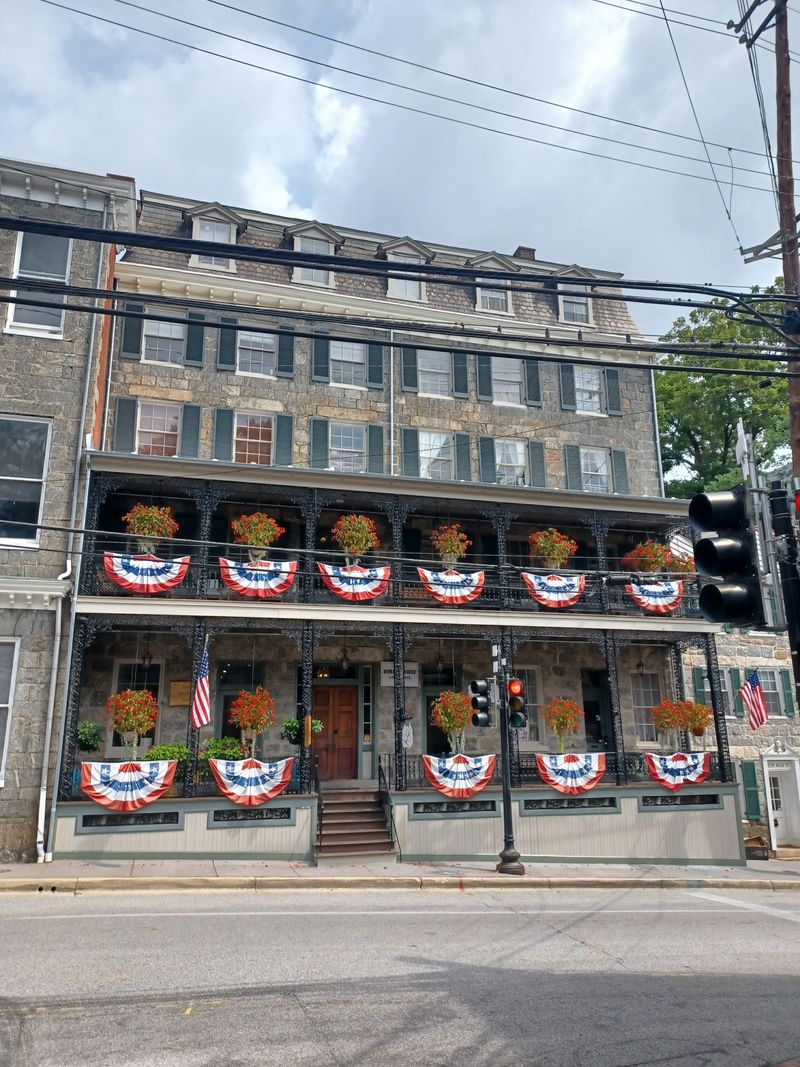
Ellicott City climbs steep hills along the Patapsco River, its historic district clinging to slopes so dramatic that buildings seem stacked atop one another.
Three Quaker brothers, the Ellicotts, founded the town in 1772 to harness the river’s power for their flour mills.
Their mills became some of the largest in the country, grinding grain from surrounding farms into flour shipped worldwide.
The B&O Railroad Museum’s Ellicott City Station, built in 1831, holds the distinction of being the oldest surviving railroad station in America.
The Baltimore and Ohio Railroad’s arrival transformed Ellicott City from a mill town into a transportation hub connecting western Maryland to Baltimore’s port.
Today the station houses exhibits about early American railroading, including a replica of the Tom Thumb locomotive.
Main Street follows the narrow valley floor, with stone buildings from the 1700s and 1800s now containing antique shops, restaurants, and boutiques.
The street’s steep grade and tight curves create a distinctive character unlike anywhere else in Maryland.
Devastating floods in 2016 and 2018 damaged many historic buildings, but the community rallied to rebuild and restore their beloved downtown.
The Patapsco Female Institute ruins crown a hilltop, the massive stone walls of this 1830s girls’ school creating a romantic, Gothic atmosphere.
Ellicott City’s historic district includes over 200 structures on the National Register of Historic Places.
Walking tours reveal stories about the Ellicott family, Civil War events, and the town’s evolution through different economic eras.
The steep topography that made building here challenging also preserved the historic district from modern development.
Ellicott City demonstrates how communities can honor history while adapting to contemporary needs, rebuilding after disasters while maintaining historic character.
Dear Reader: This page may contain affiliate links which may earn a commission if you click through and make a purchase. Our independent journalism is not influenced by any advertiser or commercial initiative unless it is clearly marked as sponsored content. As travel products change, please be sure to reconfirm all details and stay up to date with current events to ensure a safe and successful trip.
