History lovers are always looking for the next great site. Something with stories, artifacts, and a sense of the past.
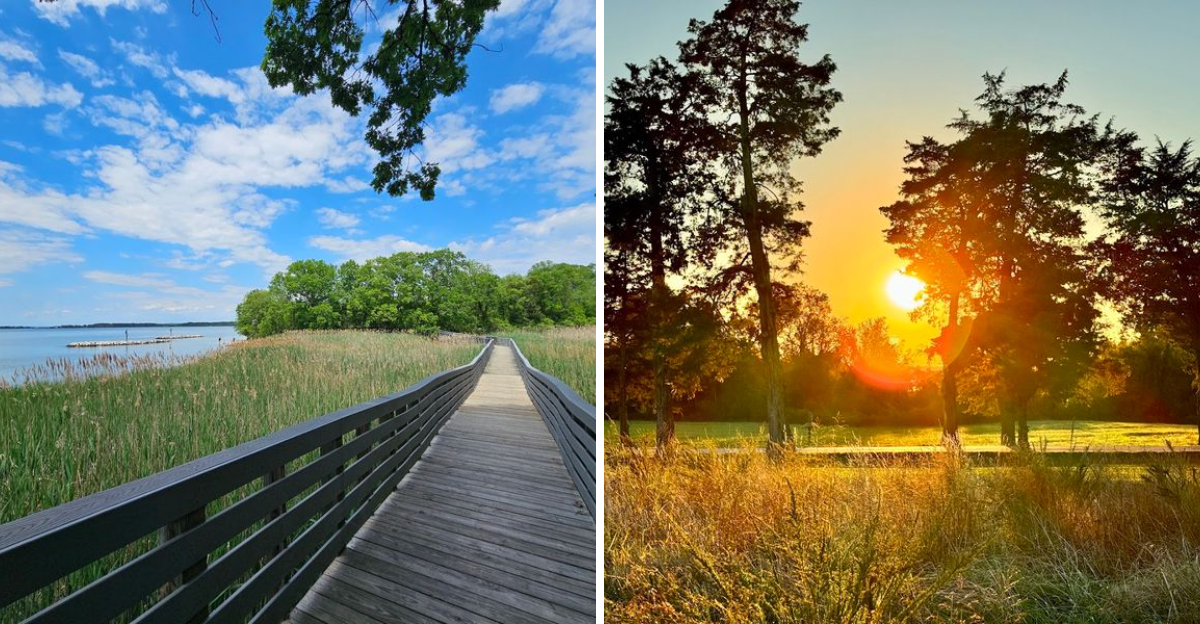
This Maryland park delivers all of that, plus it is stunningly beautiful. Rolling fields, water views, and trails that wind through centuries of history.
You can explore museum exhibits, walk along the Patuxent River, and imagine what life was like here long ago. The park is peaceful and uncrowded, even on weekends.
Families love the open space. History buffs appreciate the depth of the exhibits.
And anyone who loves a beautiful outdoor setting will want to stay all day. That is the magic of a Maryland park that does it all.
History, beauty, and a secret worth discovering.
A Landscape That Carries 9,000 Years of Human History
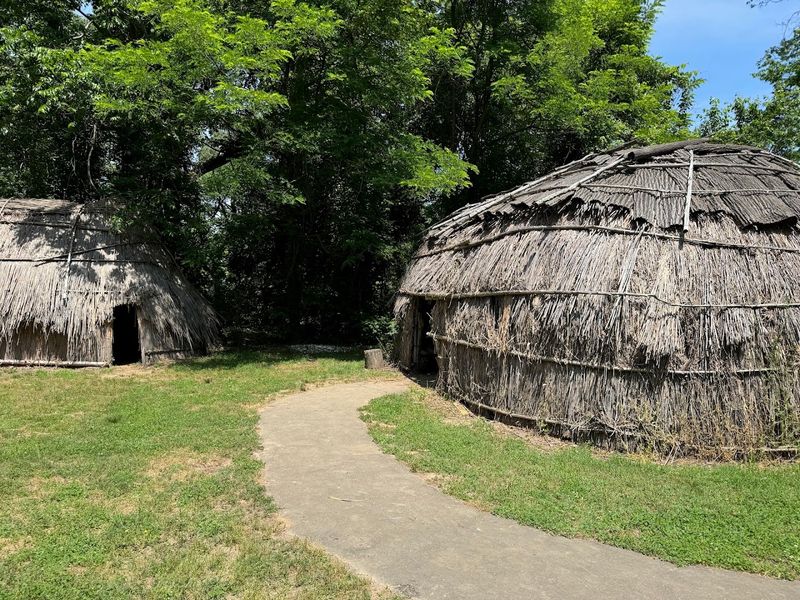
The ground beneath your feet at Jefferson Patterson Park is not just soil. It holds nearly 9,000 years of continuous human occupation, making it one of the most archaeologically rich parcels of land in all of Maryland.
That fact alone sets this place apart from almost every other park you have ever visited.
Native American communities lived and thrived along the Patuxent River here for thousands of years before European contact. Evidence of their presence, from tools to hearths to pottery fragments, has been carefully documented across dozens of recorded sites throughout the property.
The sheer depth of history layered into this landscape is genuinely humbling.
The park’s timeline does not stop with Indigenous history. Colonial-era settlers, Civil War activity, and the personal history of the Patterson family all left their marks here too.
Each era adds another chapter to a story that feels almost too big for one piece of land to hold.
Visiting with even a small awareness of that history changes how you experience the place. A simple walk along the river trail becomes something more reflective.
The meadows feel less like open fields and more like open pages of a very long, very human story. You start noticing things differently, the way the land slopes toward the water, the old fence lines, the quiet spots that seem to invite you to pause.
It is the kind of place that rewards curiosity. The more you look, the more the landscape seems to offer back.
Maryland Archaeological Conservation Laboratory, a Hidden Gem Within the Park
Most state parks do not come with a fully operational archaeology lab, but Jefferson Patterson Park is not most state parks.
The Maryland Archaeological Conservation Laboratory, known as MAC Lab, sits on the property and serves as the state’s primary facility for the conservation and curation of archaeological collections.
It is, without exaggeration, one of the most fascinating places in Maryland that most people have never heard of.
The MAC Lab houses millions of artifacts recovered from sites across the state. Everything from prehistoric stone tools to colonial-era ceramics to Civil War relics passes through here for cleaning, analysis, and long-term storage.
The scale of the collection is staggering once you start to understand what it represents.
Visitors can take guided tours of the facility during special events and open days throughout the year. Watching conservators carefully work on fragile objects under magnification is the kind of thing that makes history feel immediate and real, not distant or dusty.
You realize these are not just old things. They are physical evidence of real people who lived real lives.
The lab also plays an important educational role, hosting programs for students and researchers from around the region. Its presence on the park grounds reinforces the idea that Jefferson Patterson is not just a pretty outdoor space.
It is an active, working center for historical knowledge.
If the lab is open during your visit, do not skip it. It will likely be the most unexpectedly memorable part of your day.
Walking Trails That Balance Nature and History Perfectly
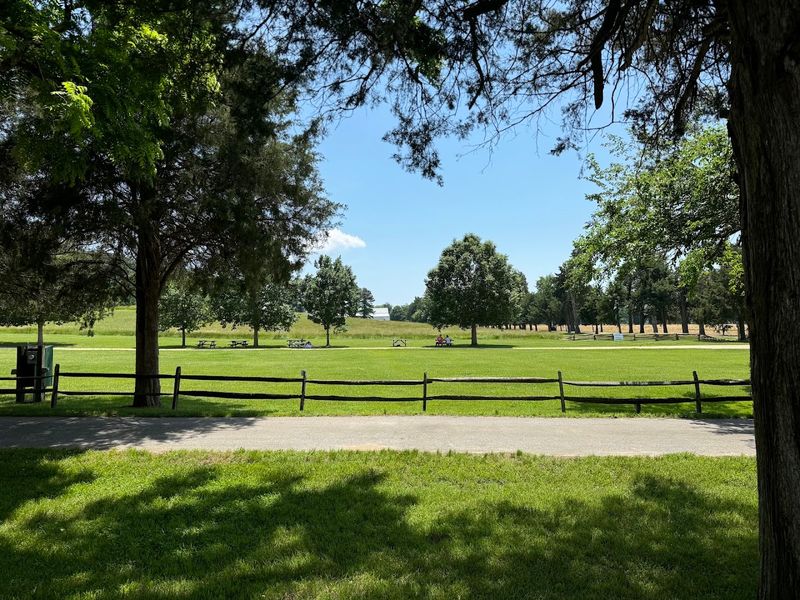
The trail system at Jefferson Patterson Park is one of those rare setups that manages to feel both easy and rewarding at the same time. The paths wind through open meadows, along wooded edges, and down toward the river, offering a range of scenery that keeps the walk interesting from start to finish.
Several trails are specifically designed to guide visitors past archaeological and historical points of interest. Interpretive signs along the way explain what happened at each location, from ancient Native American campsites to colonial homestead remnants.
It is the closest thing to a living history lesson you can get while also getting fresh air and light exercise.
The terrain is mostly flat and accessible, which makes the park a welcoming destination for families with younger kids, older visitors, or anyone who just wants a pleasant walk without a major physical challenge.
That said, the longer loop trails do offer enough variety to keep more seasoned walkers engaged for a solid hour or two.
Wildflower plantings along several trail sections add bursts of color during spring and summer, and the managed meadows attract butterflies and pollinators in impressive numbers. It feels less like a maintained park path and more like something that grew naturally in exactly the right direction.
The trails are free to use and generally well-marked, so getting turned around is not really a concern. Just bring comfortable shoes and give yourself more time than you think you need.
You will want to linger.
The Patuxent River Views Are Genuinely Breathtaking
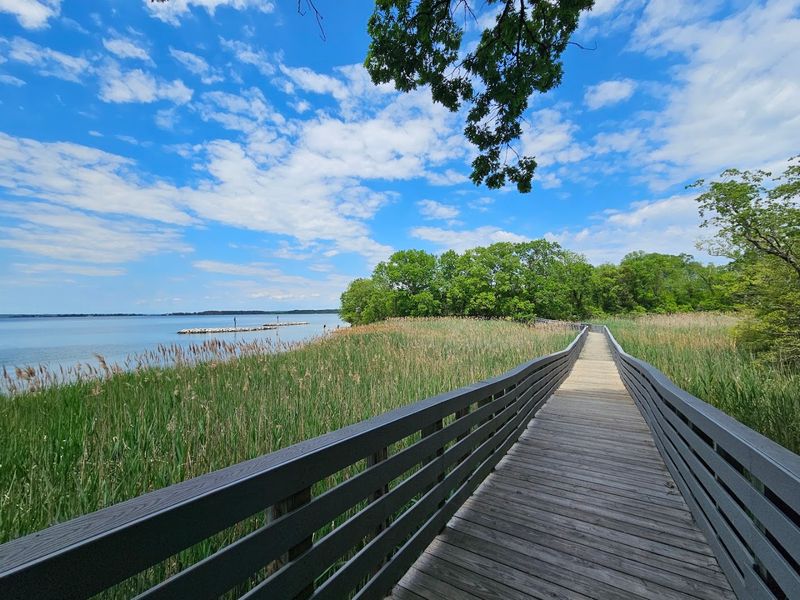
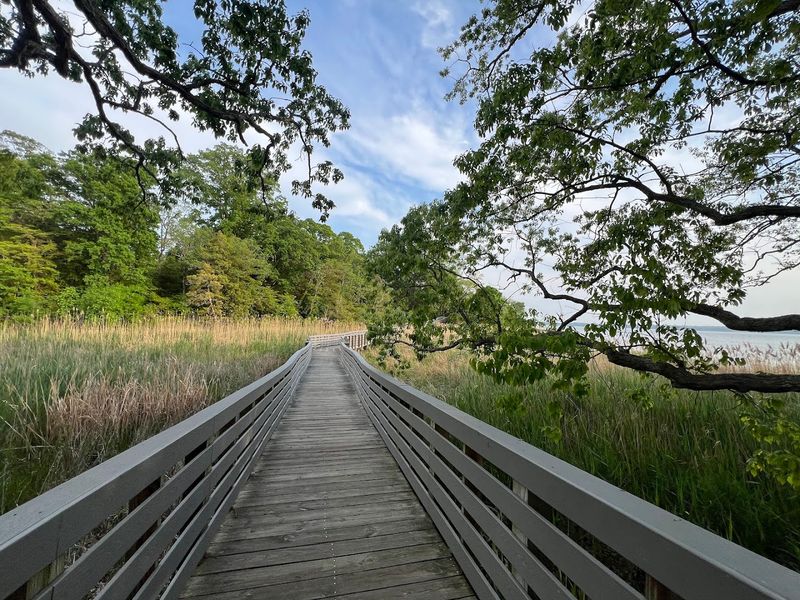
There is a specific moment along the river trail at Jefferson Patterson Park where the tree line opens up and the Patuxent River stretches out in front of you, wide and calm and almost mirror-flat on a still morning. It is the kind of view that makes you stop walking mid-step.
The Patuxent is one of Maryland’s most important rivers, and from this vantage point, you understand why people have been drawn to its banks for thousands of years. The water moves quietly here, edged by tall grasses and old trees that lean toward the surface like they are listening to something.
Herons stand motionless in the shallows, and osprey circle overhead with an unhurried confidence that feels infectious.
The park’s location along the river is not just scenic, it is ecologically significant. The Patuxent estuary supports a wide variety of bird and aquatic species, and the park’s protected shoreline helps preserve that habitat.
Birdwatchers show up here regularly, and for good reason.
Sunrise visits hit differently. The light comes in low across the water, turning everything gold and soft, and the park is usually quiet enough at that hour that you genuinely feel like you have found something private.
Even on busier weekend afternoons, the river views maintain a kind of calm that the rest of the world seems to have misplaced.
Bring a camera, or just bring your eyes. Either way, the Patuxent will not disappoint you.
The Battle of St. Leonard Creek Connection That Most Visitors Miss
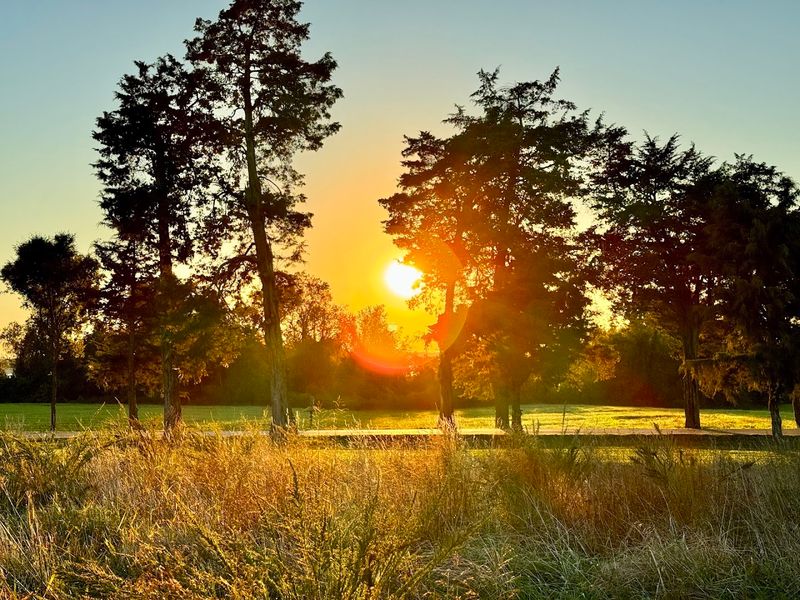
Not far from the park’s main grounds, one of the most significant naval engagements of the War of 1812 played out on the very waterway you can see from the river trail.
The Battle of St. Leonard Creek happened in June of 1814, when American Chesapeake Flotilla forces clashed with British naval vessels on the Patuxent River just adjacent to what is now the park.
The flotilla, commanded by Commodore Joshua Barney, used the creek as a refuge and staging point during a tense standoff that lasted several weeks. The engagement was part of a broader British campaign that would eventually lead to the burning of Washington, D.C.
Understanding that context makes standing at the riverbank feel genuinely charged with historical weight.
The park offers interpretive materials and programming that help connect visitors to this chapter of American history. It is the kind of story that does not make it into most textbooks, which makes discovering it here feel like finding something genuinely overlooked.
Archaeology conducted in and around the park has even turned up physical evidence related to this period, including materials associated with British and American military activity. The past is not just remembered here.
In some cases, it is still being uncovered.
History enthusiasts who make the trip specifically for the archaeological angle often end up equally captivated by the War of 1812 connections. It adds a dramatic layer to the visit that most people do not expect when they pull into the parking lot.
Family-Friendly Programming That Actually Keeps Kids Engaged
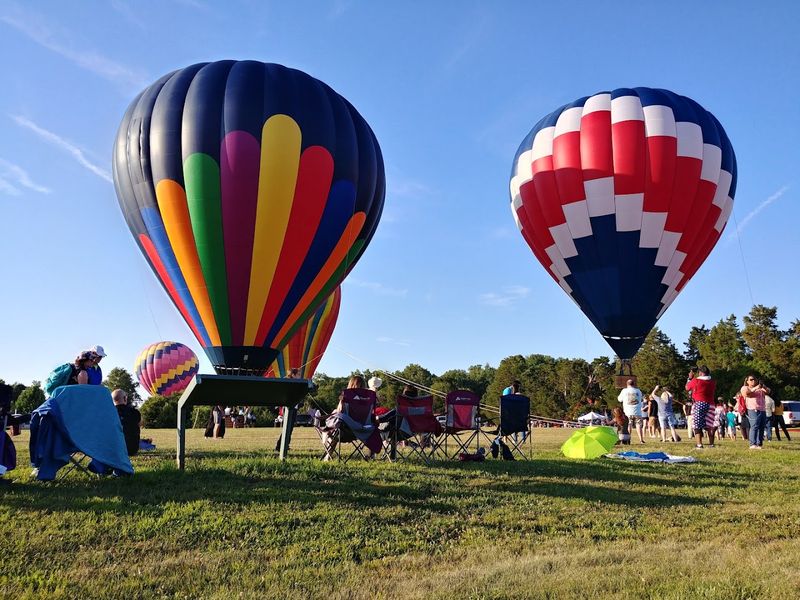
Getting kids genuinely excited about history is not always easy, but Jefferson Patterson Park has figured out a way to do it without making anyone feel like they are in a classroom.
The park runs a rotating schedule of family-oriented programs throughout the year, covering everything from hands-on archaeology activities to nature-based education and seasonal festivals.
The annual Archaeology Day event is one of the most popular draws, bringing in demonstrations, interactive digs, and educational stations that let visitors of all ages try their hand at understanding how archaeological work actually happens.
Kids who show up skeptical tend to leave asking when they can come back.
That kind of genuine engagement is hard to manufacture, and the park’s programming team has clearly put real thought into making it feel authentic.
Beyond the organized events, the open landscape itself is naturally engaging for younger visitors. Wide meadows give kids room to roam, the river provides endless visual interest, and the interpretive trail signs offer just enough information to spark questions without overwhelming anyone.
The park also partners with schools and educational groups for field trips, giving students access to the MAC Lab and on-site archaeological resources that simply do not exist anywhere else in the state.
Teachers who bring classes here often report that the experience sticks with students in a way that textbook learning rarely achieves.
For families looking for a day out that feels genuinely enriching rather than just entertaining, Jefferson Patterson Park hits a balance that is surprisingly hard to find.
The Patterson Family Estate and Its Surprisingly Fascinating Legacy
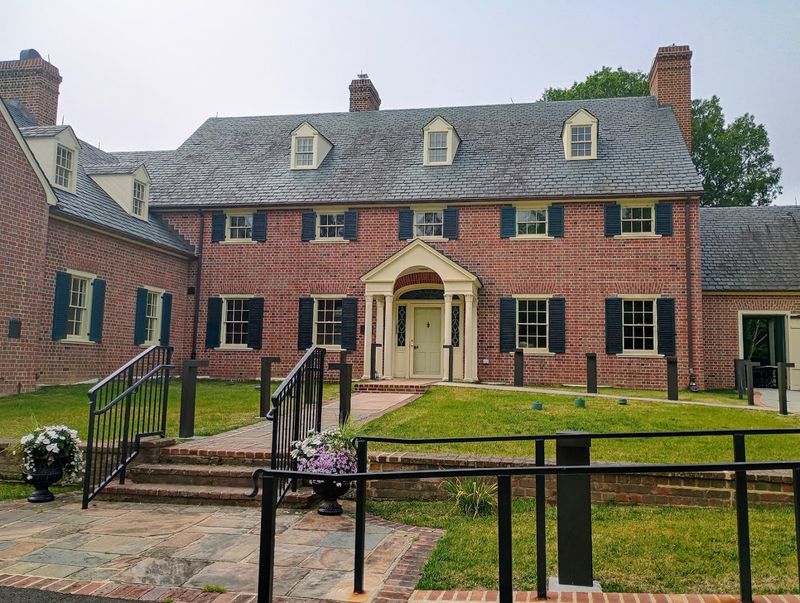
The park carries the name of Jefferson Patterson, a diplomat and businessman who, along with his wife Ava, owned and farmed this land for much of the twentieth century.
Their decision to preserve the property and eventually donate it to the state of Maryland is the reason any of this exists today, and that story is worth knowing before you arrive.
Jefferson Patterson had a career that took him around the world, including significant diplomatic postings, but the Patuxent River farm was clearly where his heart stayed.
The family maintained the agricultural character of the property while also recognizing the extraordinary archaeological value of what lay beneath the fields and along the riverbanks.
Ava Patterson played an equally important role in the property’s preservation. Her commitment to ensuring the land would remain protected and accessible to the public shaped the legal arrangements that eventually transferred ownership to the state.
The result is a park that feels personal in a way that most public lands do not.
Some of the original farm structures still stand on the property, giving the landscape a layered quality where agricultural history sits alongside ancient archaeology and natural beauty.
Walking past the old buildings adds a different kind of texture to the visit, something more recent and more intimate than the prehistoric timelines the park is famous for.
The Pattersons could have sold the land for development. The fact that they did not is something worth appreciating every time you walk these grounds.
Wildflower Meadows and Native Plant Landscapes Worth the Drive Alone

One thing that catches a lot of first-time visitors off guard is just how beautiful the meadows are at Jefferson Patterson Park.
The property features extensive native plant landscapes and managed wildflower meadows that shift dramatically with the seasons, offering a completely different visual experience depending on when you visit.
Spring brings early bloomers that carpet the open fields in soft yellows and whites. Summer pushes things into full color, with black-eyed Susans, coneflowers, and native grasses creating scenes that feel almost too picturesque to be a state-managed park.
The pollinator activity during peak bloom is remarkable, with bees, butterflies, and hummingbirds moving through the meadows in constant, quiet motion.
The native plant focus is intentional and ecologically meaningful. The park works to restore and maintain plant communities that reflect what the Patuxent River landscape looked like before large-scale agricultural and urban development reshaped the region.
It is conservation work that also happens to look spectacular.
Fall brings its own rewards, with seed heads catching the low afternoon light and the meadow grasses turning warm shades of amber and gold. Even in winter, the structural beauty of the dormant plant communities gives the landscape a spare, honest quality that dedicated nature lovers tend to appreciate.
Photography enthusiasts make regular trips here specifically for the meadow shots, and it is easy to understand why. The light, the color, and the openness combine in ways that feel effortless but are clearly the result of careful, sustained land management.
Practical Tips for Getting the Most Out of Your Visit
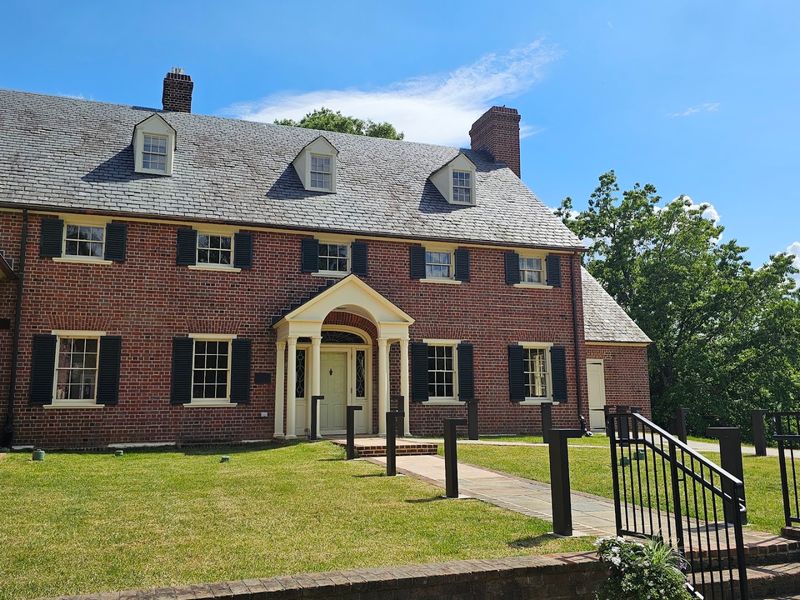
A little planning goes a long way at Jefferson Patterson Park, and a few simple tips can make the difference between a good visit and a genuinely great one.
The park is open seasonally, generally from mid-April through mid-October, so checking the official schedule before you go is worth the two minutes it takes.
Admission to the park grounds is free, which is one of the more pleasant surprises for first-time visitors. Parking is available on site, and the lot is large enough to handle busy weekend days without becoming a stressor.
Arriving in the morning on weekdays tends to give you the quietest, most relaxed experience.
Comfortable walking shoes are a must. The trails are not difficult, but they do cover a range of terrain, and you will want to be comfortable if you plan to explore the full property.
Sunscreen and water are also worth packing, especially during summer visits when the open meadow sections offer little shade.
The MAC Lab and museum facilities have their own schedules for tours and open events, which are listed separately on the park’s official website. If you want to see the lab, plan your visit around one of those scheduled opportunities rather than showing up and hoping for the best.
Dogs are welcome on leash, which makes the park a solid option for visitors traveling with pets. The river views are just as good from a dog’s height, and the trails are wide enough that leashed pets do not feel like a logistical challenge.
Address: 10515 Mackall Rd, St Leonard, MD 20685.
