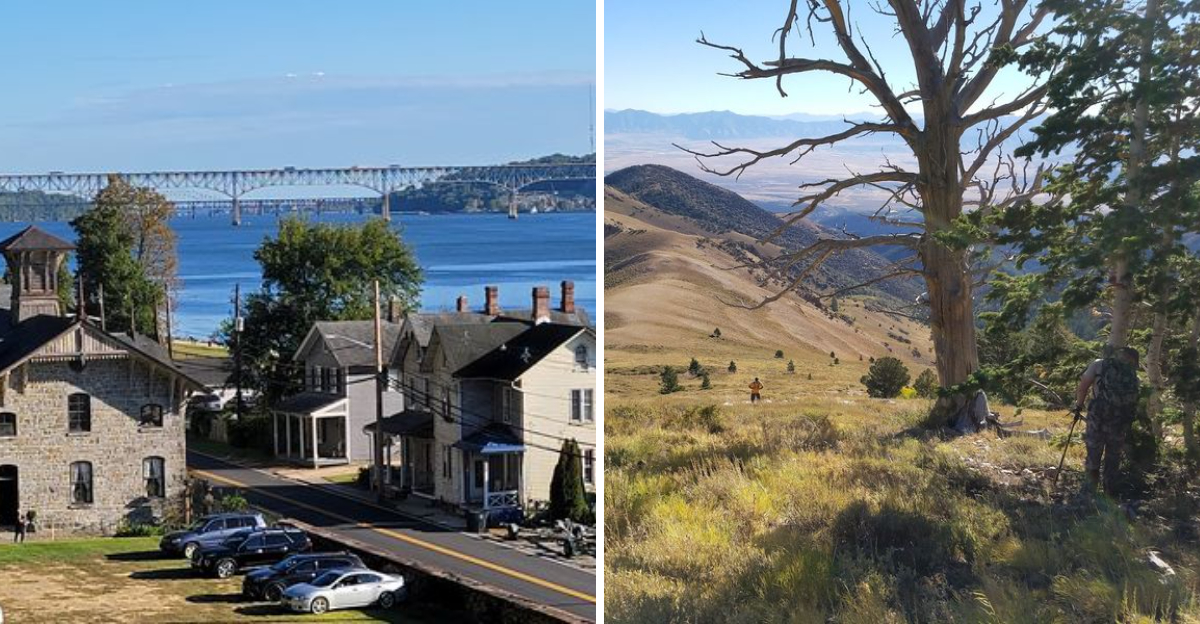
Everyone knows the popular towns. The ones with the busy main streets and the traffic jams on weekends.
But Maryland is full of tiny little villages that most people drive right past without a second glance. A handful of houses, maybe a small church, and a whole lot of quiet.
No stoplights, no chain stores, just peace and old fashioned charm. You might find a general store that has been there for a hundred years or a dirt road that leads to a river.
Locals know these places exist. Tourists never find them.
That is what makes them so special. That is the beauty of Maryland’s hidden villages.
Secret, peaceful, and waiting for someone curious enough to go looking.
1. Highland
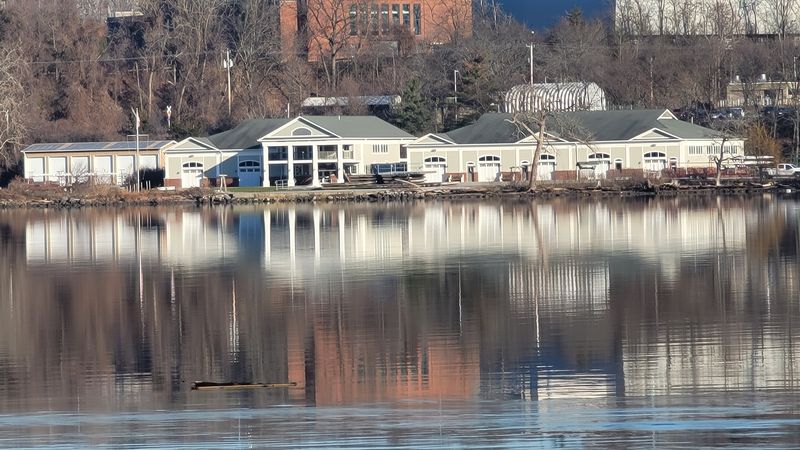
Highland sits in Howard County like a well-kept secret, a small rural community that feels genuinely removed from the suburban sprawl creeping in from every direction around it.
The landscape here is all gentle hills and open farmland, with old stone walls threading between properties that have been in the same families for generations.
There is a peacefulness to the place that you notice almost immediately upon arrival.
The roads through Highland are narrow and shaded by tall oaks, the kind of roads that slow you down without any signs telling you to. Horse farms dot the countryside, and you can often spot riders moving through the fields on quiet mornings.
It has that rare quality of feeling both lived-in and untouched at the same time.
What makes Highland particularly interesting is how it manages to stay low-key despite being relatively close to major population centers. People here seem to actively choose the slower pace, and that energy is contagious.
Spend an afternoon wandering the back roads and you will start to understand why residents guard this community so carefully.
The seasonal changes here are especially beautiful. Spring brings blooming dogwoods along the roadsides, while autumn turns the whole area into a canvas of amber and red.
Highland is not a destination with a single attraction to check off a list. It is more of a mood, a feeling you carry with you long after you have driven back to wherever you came from.
2. Darlington
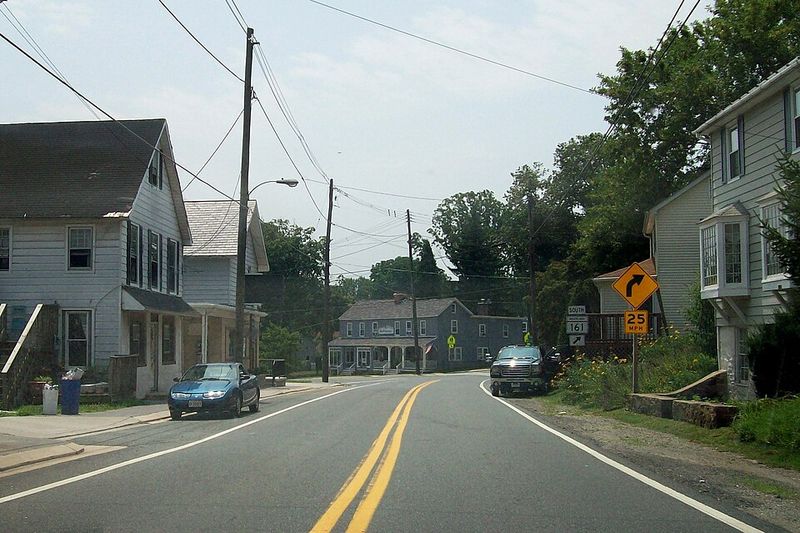
Perched above the Susquehanna River in Harford County, Darlington is one of those places that seems to exist slightly outside of regular time. The village is small, with a population that barely registers on most maps, but its setting is extraordinary.
The river valley stretches out below in wide, silver curves, and the surrounding hills are thick with trees that change dramatically with each season.
Historic stone buildings anchor the village center, some of them dating back to the 18th century, giving Darlington a texture that newer communities simply cannot manufacture. The Susquehanna State Park wraps around much of the area, offering trails that wind through forests and down toward the riverbanks.
It is the kind of outdoor access that feels genuinely wild rather than managed.
What I appreciated most about Darlington was how little it seemed to be performing for visitors. There are no gift shops or staged photo opportunities.
The village just exists, quietly and confidently, on its ridge above the river. Locals go about their days with a kind of easy familiarity with their surroundings that is genuinely enviable.
The Rock Run Historic Area, located within the nearby state park, adds another layer of depth to a visit here. An 18th-century grist mill, a tollhouse, and several other preserved structures bring the region’s industrial and agricultural past into clear focus.
Darlington is the kind of stop that stays with you not because of one dramatic moment but because of the steady accumulation of small, beautiful details.
3. Berkley Crossroads
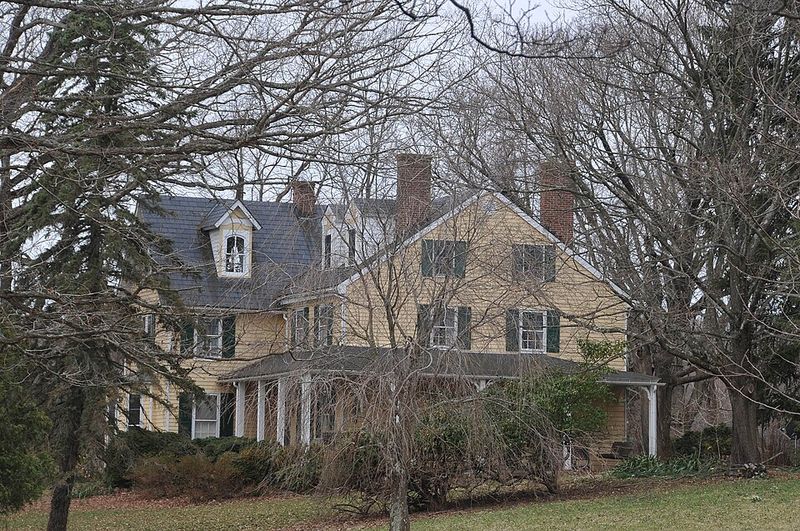
Berkley Crossroads is the kind of place you might blink and miss if you are not paying attention, which is exactly what makes it worth seeking out. Located in Frederick County, this tiny community sits at the intersection of rural roads that cut through some of the most open farmland in the region.
There are no traffic lights, no chain restaurants, and no crowds.
The crossroads itself is surrounded by wide, flat fields that stretch toward distant tree lines, giving the whole area a big-sky feeling that is unusual for this part of Maryland.
Corn and soybean fields dominate the landscape in summer, and the quiet is so complete that you can hear the wind moving through the crops from the roadside.
It is genuinely restorative in a way that is hard to articulate.
Small communities like Berkley Crossroads serve as reminders that Maryland is far more agricultural than its reputation suggests. Frederick County has fought hard to preserve its farmland, and places like this are the living proof of that effort.
The community feels like it belongs to the people who live there, not to any tourism agenda.
Visiting here means embracing the absence of obvious attractions. The draw is the landscape itself, the quality of the light across open fields in late afternoon, the sound of a distant tractor, the smell of freshly turned earth in spring.
Berkley Crossroads asks nothing of you except to slow down and pay attention, and that is a surprisingly generous offer.
4. Port Deposit
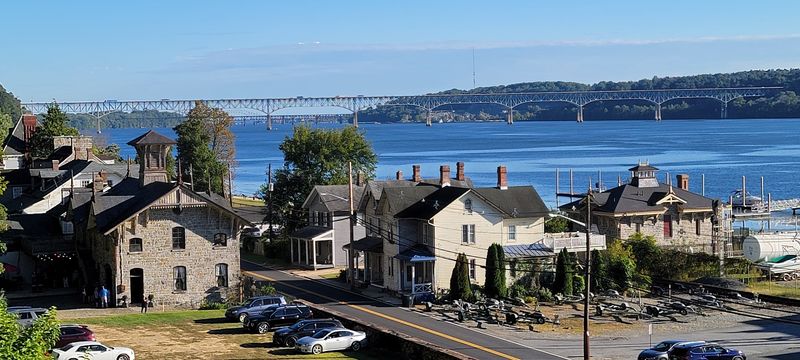
Port Deposit clings to a narrow strip of land between a dramatic granite bluff and the wide Susquehanna River, and that geography alone makes it one of the most visually striking small communities in Maryland.
The town was once a major port for lumber and goods moving down the river, and the ambition of that era is still visible in the solid granite buildings that line the main street.
Some of these structures date to the early 1800s and have barely changed since.
The sheer rock face rising behind the buildings gives Port Deposit an almost theatrical quality. Streets climb steeply up the hillside, and some parts of town are accessible only by foot on narrow paths cut into the stone.
It is a layout that feels more like a European river town than anything typically associated with rural Maryland.
Paw Paw Park, hidden along the riverfront, offers a quiet spot to sit and watch the Susquehanna move past at its own unhurried pace. The river here is wide and muscular, and on calm days the reflections of the opposite shore shimmer across the surface in long, broken lines.
It is an easy place to spend an hour doing absolutely nothing productive.
Port Deposit has seen economic hardship over the decades, but there is a resilience here that is genuinely moving. The community holds onto its identity with real determination, and the historic architecture has been preserved with obvious care.
For anyone interested in early American river commerce, this town is a rare and underappreciated find.
5. Chevy Chase Village
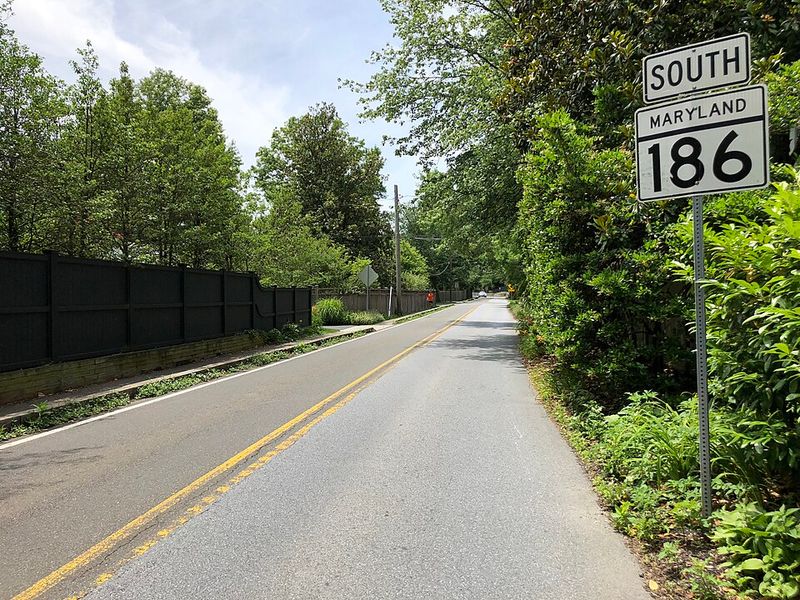
Chevy Chase Village occupies a peculiar and fascinating niche in the Maryland landscape. It is a tiny incorporated village surrounded almost entirely by suburban development, yet it has managed to preserve a distinct identity that sets it apart from the neighborhoods pressing in on all sides.
The village covers less than half a square mile, but within that compact space it maintains its own government, its own character, and its own quiet confidence.
The residential streets here are beautifully shaded by mature trees that form canopies over the sidewalks in summer, creating a dappled, almost dreamlike quality to afternoon walks.
The homes are primarily early 20th-century architecture, with wide porches and generous yards that reflect a time when residential design prioritized comfort and community over square footage and resale value.
What surprises most first-time visitors is how calm it feels given its proximity to Washington, D.C. The village sits right on the Maryland border with the capital, yet the noise and pace of the city seem to dissolve as soon as you cross into its limits.
There is a deliberate quality to the quietness here, as if the village has been carefully tended to maintain exactly this atmosphere over many decades.
Chevy Chase Village is not wild or rugged or historically dramatic in the way that some of Maryland’s other hidden corners are. Its appeal is more subtle, rooted in the idea that a small, well-loved community can hold its own identity even in the shadow of a major city.
That is a quiet kind of achievement worth noticing.
6. Grantsville
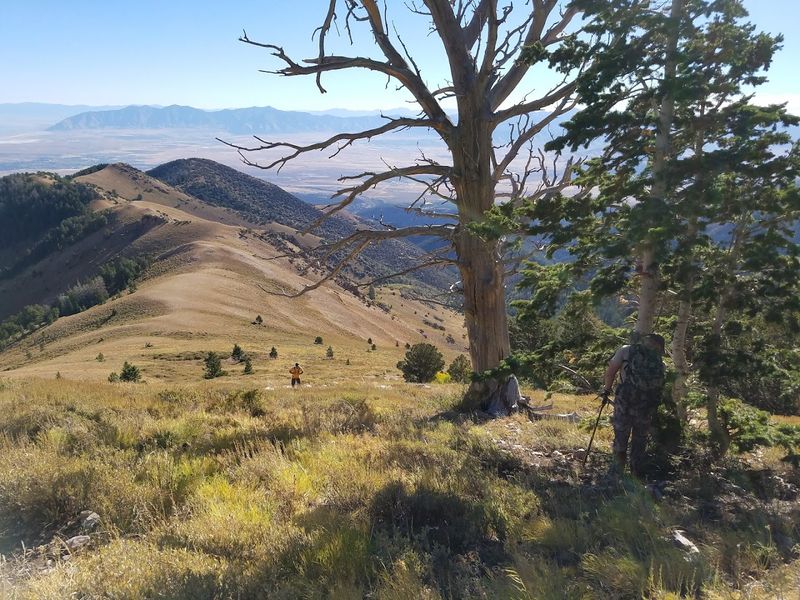
Nestled in the Appalachian highlands of Garrett County, Grantsville carries the kind of quiet dignity that only comes from centuries of self-reliance. The village sits along what was once the National Road, the historic route that carried settlers westward, and that legacy still shapes the character of the place.
Old buildings line the main stretch with a no-fuss honesty that feels refreshing.
The surrounding landscape is genuinely stunning. Dense forests climb the hillsides in every direction, and the air carries that cool, clean sharpness typical of high-elevation Maryland.
Casselman River State Park is nearby, and the 1813 Casselman Bridge, one of the oldest single-span stone arch bridges in the country, is an easy short walk from the village center.
Grantsville has a strong Amish and Mennonite community presence that gives it a distinctive rhythm. Horse-drawn buggies are a common sight on the roads, and the pace of life here is genuinely unhurried in a way that feels almost foreign if you are used to city living.
That contrast is part of what makes it so memorable.
I found myself lingering here longer than planned, partly because the scenery kept pulling my attention and partly because the village simply did not seem to want me to rush.
There is real craft culture here too, with local artisans working in woodworking and quilting traditions that have been passed down through families for generations.
Grantsville rewards anyone willing to take it slowly.
7. Jerusalem Mill Village
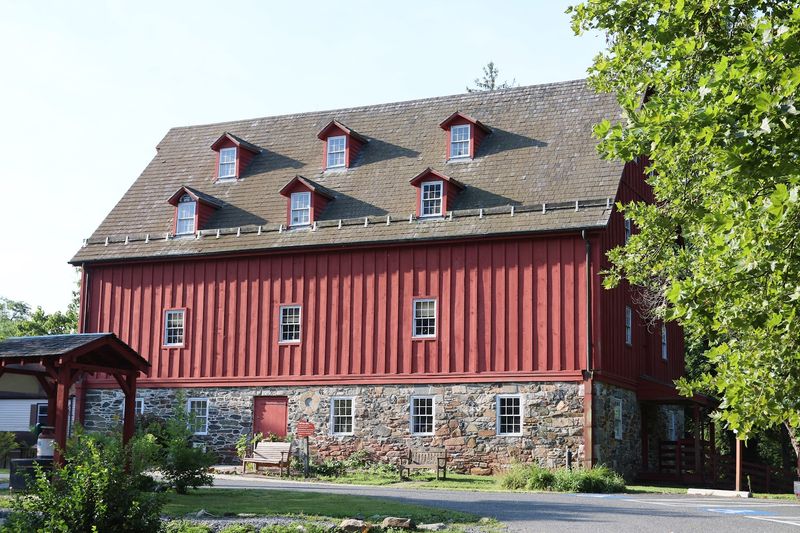
Jerusalem Mill Village feels like a place that time simply forgot to update, and that is entirely to its credit.
Hidden inside Gunpowder Falls State Park in Harford County, this small cluster of 18th-century stone buildings sits beside a creek that still runs with the same easy persistence it had when the original mill was built around 1772.
The setting is genuinely atmospheric, especially on overcast mornings when the stone walls seem to absorb the gray light.
The mill itself is the centerpiece, a solid structure that once ground grain for the surrounding farming community and later served various industrial purposes. The village also includes a blacksmith shop, a gun shop, and several residences that together paint a remarkably complete picture of rural colonial life.
It is a living museum in the truest sense, not polished for tourists but preserved with real historical integrity.
Gunpowder Falls runs alongside the village, and its banks are accessible via trails that wind through dense forest in both directions. The sound of the water is constant and genuinely soothing.
I spent a long time just sitting near the creek, watching the current move around mossy rocks, and found it surprisingly difficult to leave.
The village hosts occasional living history events and is maintained by a dedicated volunteer group that clearly cares deeply about keeping the site honest and educational.
Jerusalem Mill is the kind of hidden gem that history enthusiasts dream about finding, a place where the past does not feel performed but simply present, patient, and quietly alive.
Address: 2812 Jerusalem Road, Kingsville, Maryland
8. Croom
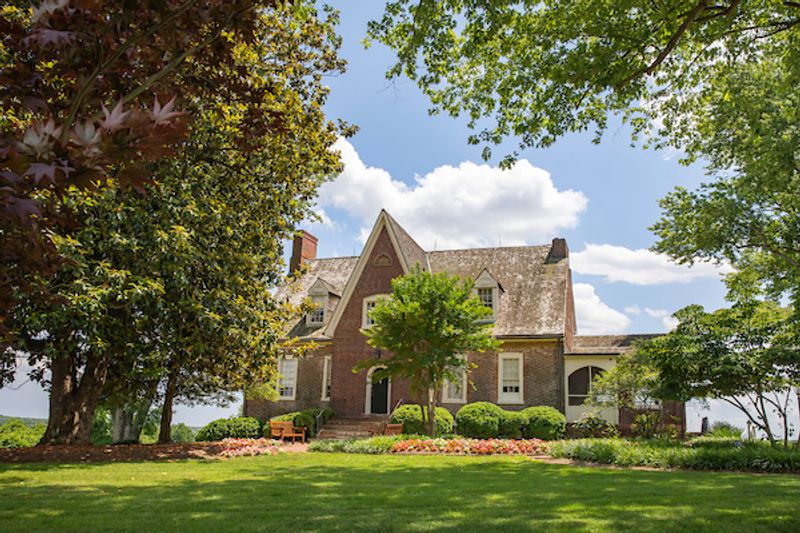
Croom is the kind of name that barely appears on most Maryland maps, and that anonymity is part of its appeal. Located in southern Prince George’s County, this rural community sits within a landscape shaped by the Patuxent River and the forests that line its banks.
The area has a low, wide quality to it, all flat bottomlands and dense tree lines stretching toward water you can sometimes hear before you see.
Merkle Wildlife Sanctuary and the Patuxent River Park both fall within or near the Croom area, making it a genuine destination for anyone who wants to experience Maryland’s natural side without a crowd.
The sanctuary is particularly well known for its population of Canada geese, and during migration season the sky above the fields can fill with thousands of birds at once.
That spectacle is both noisy and completely extraordinary.
The community itself is quiet and spread out, with farmsteads and woodlands alternating along the roads in a pattern that has changed little over the past century.
Old tobacco barns, some still standing with their ventilation slats intact, dot the landscape and serve as quiet monuments to the agricultural history that shaped this part of the state for generations.
Croom rewards visitors who come without a fixed agenda. There are trails to walk, riverbanks to sit beside, and a quality of rural silence that is increasingly rare this close to the Washington metropolitan area.
It is a place that asks you to pay attention to small things, and the small things here are genuinely worth your time.
9. Catoctin Furnace
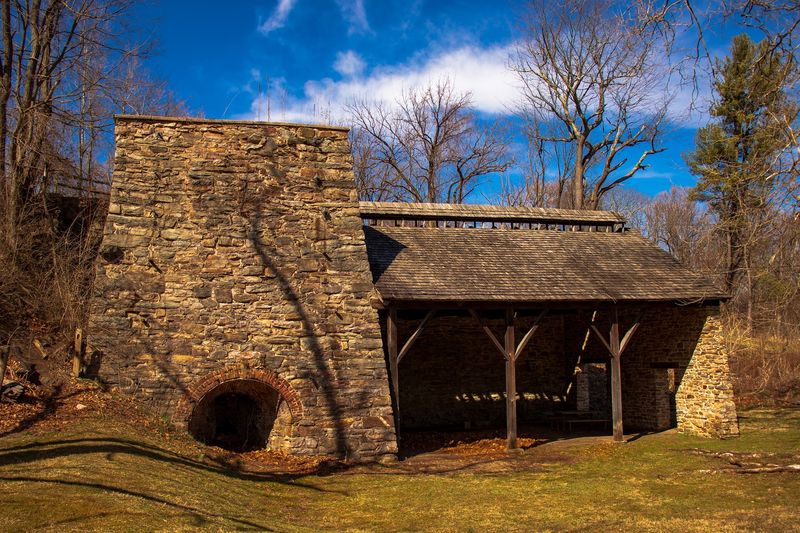
Few places in Maryland carry as much industrial history in such a compact and evocative setting as Catoctin Furnace. Located in Frederick County near Thurmont, this former iron-making village operated from 1776 well into the 19th century, supplying iron products during the Revolutionary War and beyond.
The stone furnace stack still stands in the woods, dark and imposing, surrounded by trees that have grown up around it over generations of disuse.
The furnace complex was once a self-contained community with workers’ houses, a store, a school, and all the infrastructure needed to support an isolated industrial operation deep in the Catoctin Mountains.
Walking through the remaining structures gives you a vivid sense of how demanding and organized that life must have been.
There is real weight to the place, a physical and historical gravity that is hard to shake.
Archaeological work at the site has uncovered evidence of the community of workers who lived and labored here, including African American ironworkers whose stories are now being told with increasing care and detail. That layer of history adds significant depth to what might otherwise feel like a simple ruin.
Catoctin Furnace is not just about iron production. It is about people.
The surrounding landscape is beautiful in all seasons, with forested trails connecting the furnace site to the broader Cunningham Falls State Park system nearby. Autumn is particularly spectacular, when the hillsides ignite in color and the stone ruins take on a warm, glowing quality in the afternoon light.
This is a stop that lingers in the memory.
Address: 12705 Catoctin Furnace Road, Thurmont, Maryland
