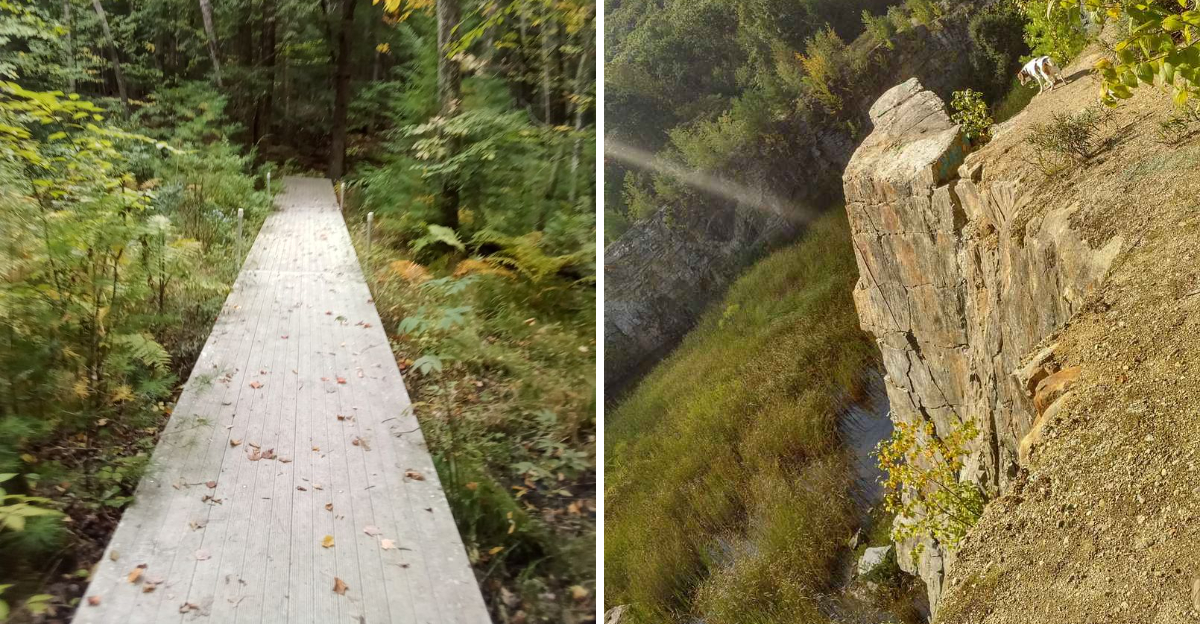
Tucked away in Northampton’s woods, Mineral Hills Quarry feels like a secret waiting to be rediscovered.
Once a hub of stone and industry, today it’s a playground of mossy ledges and winding trails.
The ruins whisper stories of hard labor while offering hikers a surprisingly peaceful escape.
Every turn reveals textures of rock and greenery that make the past feel alive in the present.
It’s the kind of quirky stop that blends history with adventure, perfect for a visit more than once.
Where to find the quarry remains within Mineral Hills Conservation Area
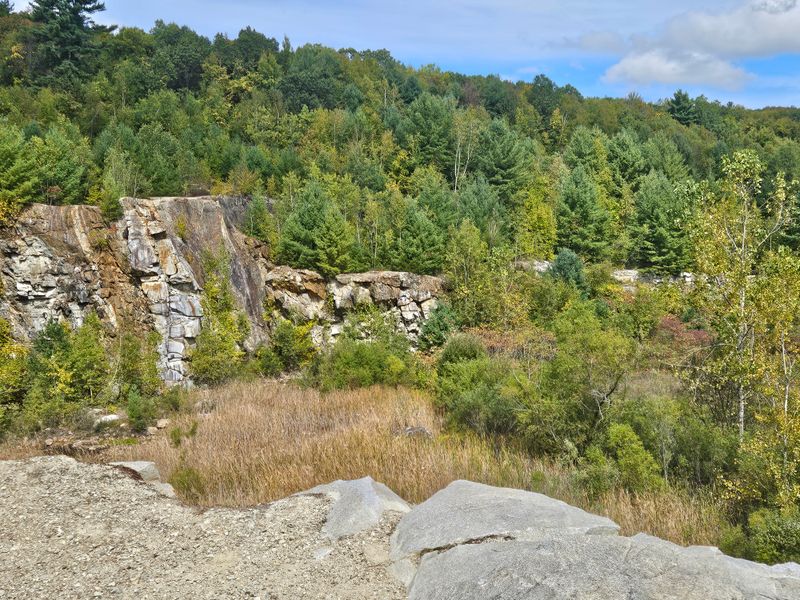
The Mineral Hills Conservation Area anchors the hunt, and the old quarry traces sit uphill from shaded trail junctions marked by modest wooden posts and blazes.
You follow paths that rise gently from the lower lot near Sylvester Road, then angle along a ridge where rock shelves step down like weathered stairs.
The terrain nudges you left toward shallow cuts and scattered tailings, with the most distinct ledges appearing after a short, steady climb.
Stone here tells its own story, with flat faces showing tool scars in spots, while lichen spreads across broken edges like slow green paint.
Look for man made alignments in the rubble, since angular piles collect below drops where blocks were once pried and hauled.
A small clearing opens just enough for sunlight to warm the granite, and the sudden brightness makes veins and crystals pop underfoot.
The quarry is not roped off as a showpiece, so what you notice comes from patient scanning and careful footsteps.
That pace suits the mood, because the place feels half wild and half worked, a Massachusetts blend of history and forest recovery.
You will not find big machinery on display, but you can track movement by the way rock fragments feather outward from former extraction spots.
The quiet lets birdsong draw a loose map, with thrush calls rising from wetter pockets and woodpeckers tapping near snag filled edges.
Morning and late afternoon deliver the clearest contours as raking light defines every cut and ledge.
Bring sturdy shoes with tread, keep to marked lines, and step on solid surfaces, because loose scree shifts quickly under weight.
A simple loop allows you to approach from above and below, which helps your eye read slopes and benches in context.
The quarry remains are subtle yet satisfying, especially when you give them time to reveal their layered shapes and weathered textures.
Know before you go, hours, parking, and access details
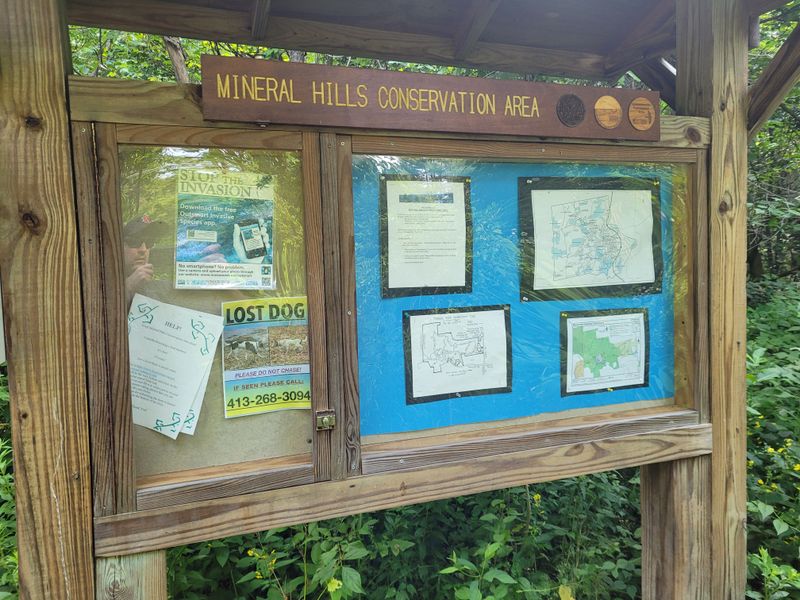
The quarry lies within the public Mineral Hills Conservation Area, which is open daily from 6 AM to 8 PM under posted rules that support wildlife and trail care.
Arrive early on weekends when the lot can fill fast, because hikers, dog walkers, and birders share the same compact pull in near the entrance.
Parking is free, and signs ask you to pack out trash and keep noise down so the woods can remain calm for everyone.
Trails feel informal but marked enough for confident navigation, with arrows and blazes guiding you toward ridge features and quarry ledges.
A paper map from local land stewards and a phone GPS track work well together, especially at small junctions where paths braid around roots.
Cell service varies by carrier in these hills, so download your map ahead of arrival if you rely on a screen to orient.
Seasonal closures are rare, though storms can drop branches that briefly block sections until volunteers cut and clear.
Winter brings hard packed snow that turns ledge approaches slick, and microspikes can make the difference between easy footing and awkward slides.
Spring mud lingers in shaded gullies where meltwater collects, and sticking to center tread helps prevent trail widening.
Summer heat builds under the canopy, yet breezes along the ridge feel pleasant, especially at overlooks where light cuts through.
Fall crowds gather for color, and leaf cover can hide holes, so stepping carefully protects ankles and the forest floor.
Leashed dogs are generally welcome per local rules, with owners asked to yield on narrow segments and avoid sensitive side paths.
Bikes are less common here than at bigger networks, though you may meet a few riders near the wider base trails.
Respect stonework and do not pry for souvenirs, because the quarry tells its story best when left undisturbed for future visitors.
Safety on ledges, rock cuts, and seasonal conditions
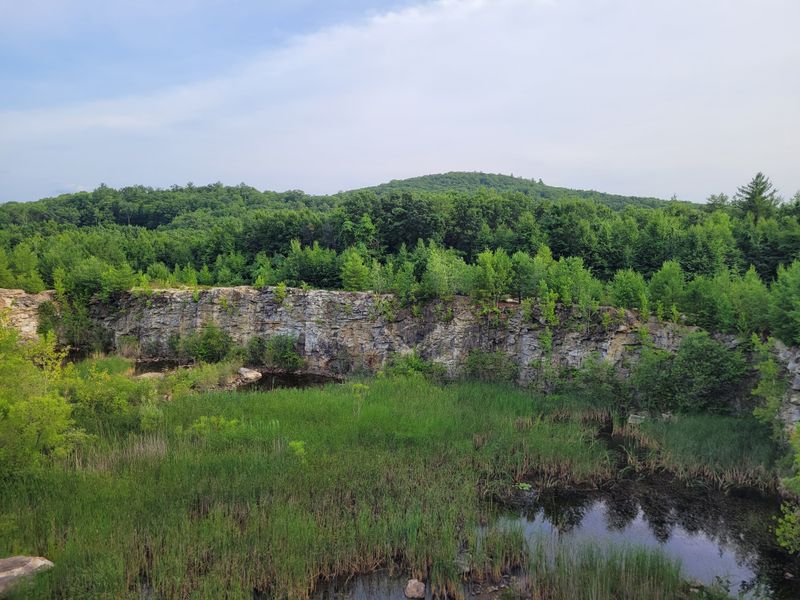
Ledge edges crumble in places, so keeping a step back gives you a stable stance and a better view of the quarry geometry below.
Loose gravel collects on sloped plates where boots can skate, and testing each move with a trekking pole adds simple security without slowing the rhythm.
Rain makes lichen slick, and even dry days leave shaded seams damp, so friction changes quickly when you move between sun patches.
Helmet use is uncommon for hikers here, yet any clambering near walls warrants conservative choices and three points of contact at all times.
Kids enjoy scrambling the lower benches, and a grownup spot from below turns risky moves into playful moments with plenty of margin.
In summer, watch for heat and ticks in the understory, with light clothing, repellent, and regular checks keeping things straightforward.
Black flies emerge in late spring, and a head net turns a buzzing annoyance into a minor background detail while you explore.
Winter transforms shallow cuts into ice pans, and microspikes or screws on boots make short work of the glazed surfaces.
Snow hides voids by wind packed drifts, and probing with a pole can prevent a leg drop between stacked fragments.
Thunderstorms move fast in Massachusetts hills, and retreating to tree line away from exposed shelves reduces lightning risk.
Carry a small first aid kit with bandages and tape for simple scrapes from sharp edges or brambles along trail margins.
Let someone know your plan, because even a short loop can stretch if you linger at viewpoints or pause for photos and notes.
Stay on durable rock or established tread to protect moss carpets and small ferns that reclaim quarry floors over decades.
Respect temporary closures after heavy weather, since volunteers and city crews need time to assess hangers and downed limbs.
Reading the stone, geology and quarrying history in plain view
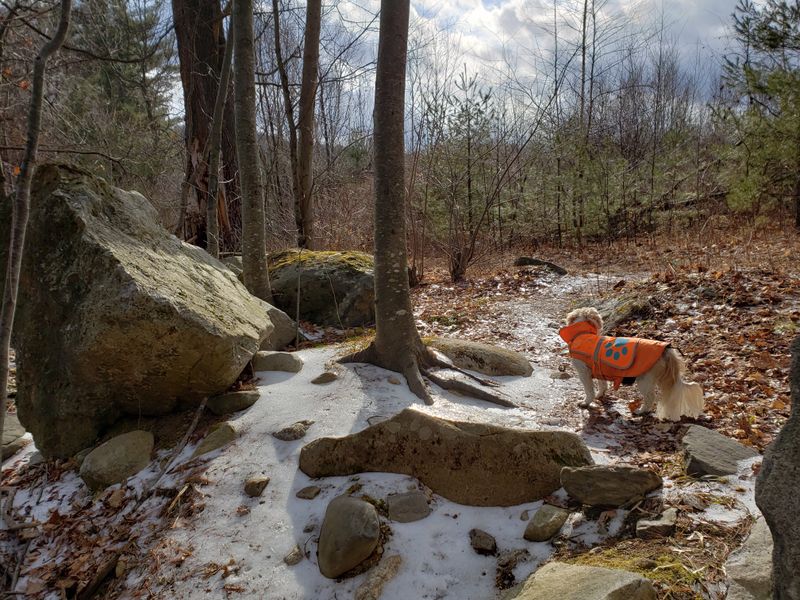
The exposed faces reveal granite with scattered quartz stringers, and the bright veins catch light that helps you pick out texture quickly.
Look closely and you may notice linear scars where hand drilling once set feathers and wedges to split blocks along clean planes.
Tool marks run in tidy rows on some ledges, and those patterns differ from irregular fractures caused by freeze and thaw over time.
Layers of lichen act like a clock that you read by coverage and maturity, with older colonies softening otherwise sharp chisels in the stone.
Tailings near the base form small fans that record work sequence, because waste fell in arcs that mirror each split and lift.
Massachusetts quarries supplied building stone across the region, and this site fits a local pattern of modest operations feeding nearby projects.
Block sizes here suggest local transport rather than long haul shipments, and the gentle grades toward valleys support that practical approach.
Rusty remnants are scarce, yet the shape of benches hints at staged platforms where crews pried, cribbed, and levered slabs across skids.
Natural joints set the quarry plan more than any blueprint, and workers followed the easiest breaks to save time and tools.
Quartz sparkles under a low sun, and that glitter feeds a simple joy while also guiding your eye along structural lines.
In wet weather, runoff paints thin films that darken the rock, and contrast helps you trace each seam with crisp confidence.
Bring a pocket lens to study mineral grains without removing anything, honoring leave no trace ethics and site preservation.
Reading stone becomes a quiet game, and victory feels like understanding rather than collecting or conquering anything here.
Walk away with a mental map instead of souvenirs, because the story lives best in place for the next curious visitor.
Trail choices that lead to the best quarry viewpoints
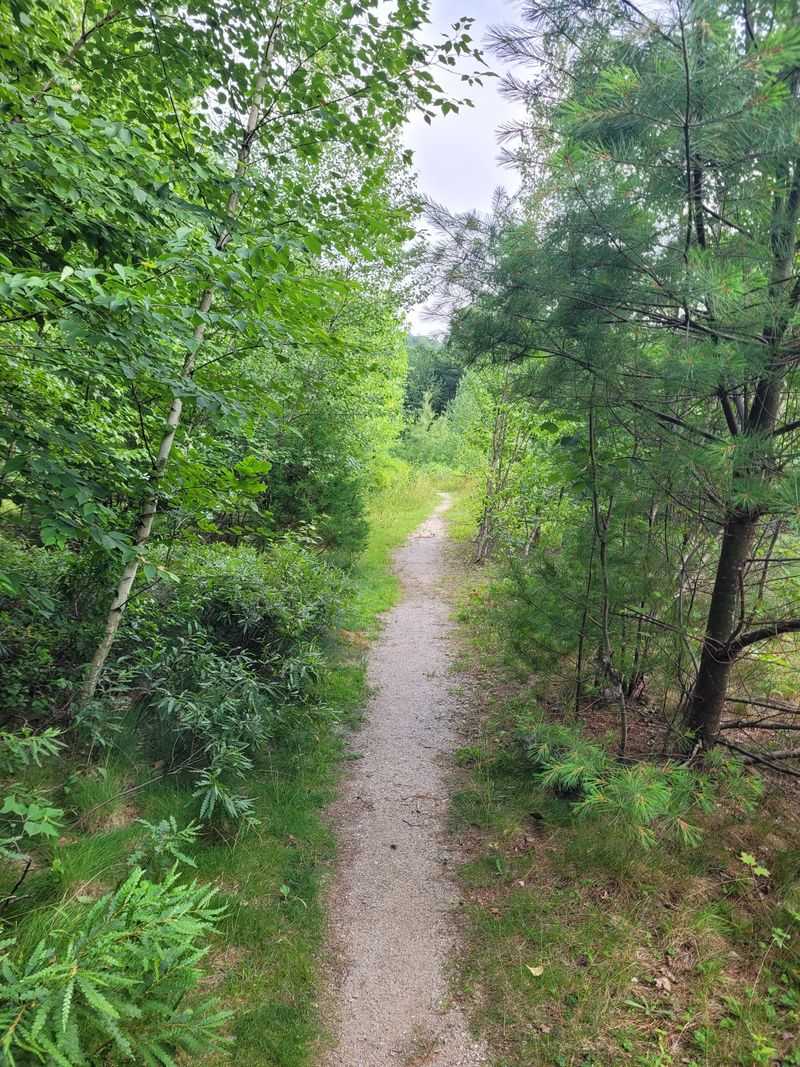
Multiple loops wind through Mineral Hills, and a steady climb toward the ridge sets you up for side paths that reach the quarry shelves.
Take the higher line first, because seeing the cut from above makes the terraces click, and later you can drop to the floor for scale.
Switchbacks appear where the slope steepens, and each turn reveals new angles on ledges that step across the hillside in broken tiers.
Short spurs peel off to rocky nubs that offer filtered views of the valley, and these perches help you spot the best rock features ahead.
In leaf off seasons the sightlines stretch further, so winter and early spring make navigation easier when branches lose their cover.
The lower routes pass through damp pockets where ferns thrive, and the soft ground contrasts nicely with the firm quarry benches.
Look for faint tracks made by frequent visitors heading to photogenic corners, yet avoid braiding by staying on durable lines.
Natural wayfinding works here, since the quarry geometry pulls you along edges where texture and color change with every step.
If time is short, a compact out and back still touches the highlight ledges, though a full loop rewards with varied perspectives.
Sun angle shapes every view, and late day warmth reveals orange tones in the stone that mornings leave cool and blue.
Carry a small sit pad if you like to linger, because rock benches make comfortable pauses that invite sketching or quiet notes.
Birdsong often centers at junctions where habitat shifts, so your ears can confirm you are near an opening or ledge break.
This is a Massachusetts hill walk with quarry flavor, and the balance of forest shade and rugged stone feels just right.
Finish with a gentle descent that returns you to the lot satisfied, unhurried, and ready to share directions with the next curious hiker.
Respecting the site, leave no trace at a former work landscape
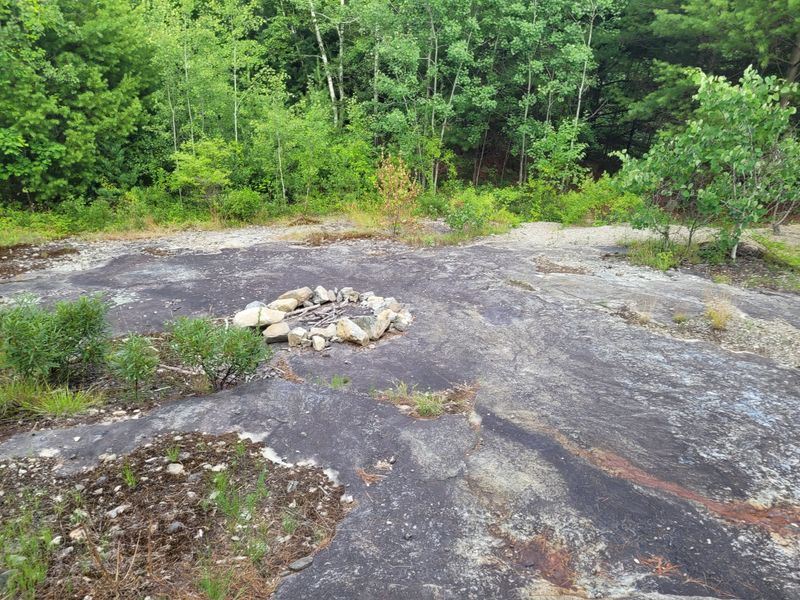
This quarry reads like an open air gallery, and your choices shape how well the exhibit lasts for the next round of explorers.
Stay on durable surfaces where rock and packed soil can handle traffic, and skip the fragile moss patches that hold moisture and life.
Carry out everything you bring, including tiny corners of tape or wrappers, because small bits linger longest and spoil the scene.
Leave stones where you find them, and let drill marks remain as evidence rather than souvenirs that vanish into junk drawers.
Keep voices low in the ledges, since sound bounces in odd ways that can unsettle wildlife and fellow visitors nearby.
Dogs on leash tread more predictably, and that steadiness reduces slips on thin ledges where sudden pulls throw off balance.
Resist building cairns on benches, because stacked rocks confuse navigation and shift habitat for insects and small plants.
Lunch breaks fit best at established clearings, and those spots collect fewer crumbs that attract animals to risky habits.
Brush boots before and after the hike, which helps prevent seed hitchhikers from moving invasive species between trail systems.
Winter visits leave crisp tracks that mark preferred lines, so stepping wisely now pays off when thaw arrives and mud appears.
Photography works without moving anything, and a slow walk lets light do the arranging as clouds pass and angles change.
Graffiti erases stories carved by time, so carry a marker for journals rather than stone and resist the urge to sign the rock.
Share directions and tips, not exact off trail coordinates, because spreading pressure evenly protects the most sensitive corners.
Quarry history rests in place, and careful footsteps keep the tale alive for Massachusetts visitors who come with patient eyes.
Season by season, how the quarry changes through the year
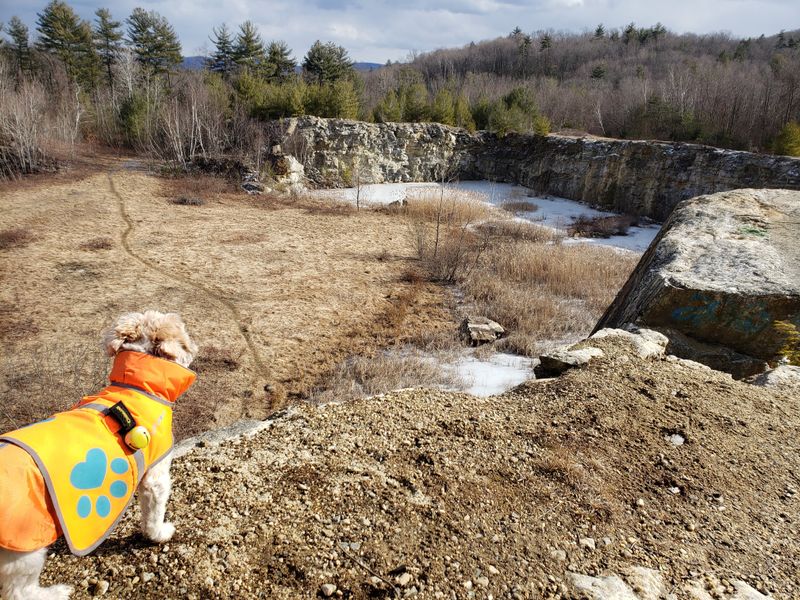
Winter strips the canopy and sharpens sightlines, turning every ledge into a clean silhouette that sketches the quarry steps against the sky.
Snow drapes benches with soft curves, and that simple blanket emphasizes the straight tool lines etched in the darker stone below.
Ice can sheet over shallow pans, and the blue shine contrasts with tan leaves and gray bark that frame the quarry in quiet tones.
Spring brings runoff that darkens the rock, and rivulets draw temporary maps that trace natural joints with glistening ink.
Ferns unfurl in damp pockets, while chorus frogs and thrushes wrap the quarry in sound that makes the space feel freshly alive.
Wildflowers pop along edges where sun reaches, and careful feet keep petals intact while cameras lean in from stable spots.
Summer delivers dense shade and warm air, and the stone radiates heat that fades quickly once clouds slide across.
Morning visits slip past heat and crowds, giving you first light that reveals quartz sparkles and tiny spider webs on shelves.
Afternoons fill with soft breezes, and the forest hum merges with distant city sounds that barely touch this quiet pocket.
Autumn blows crisp air through the hills, setting sugar maples and oaks ablaze while ledges frame brilliant leaf carpets below.
Angles of light grow lower, which adds drama to textures and turns small seams into bold lines across the quarry face.
Cool evenings arrive early in Massachusetts, so an extra layer makes lingering at viewpoints pleasant and unhurried.
Each season rewrites the quarry mood without changing the bones, and your photos will read like chapters rather than duplicates.
Return often and you will notice new details every time, because slow observation unlocks this place more than any single visit can.
Photography tips for capturing stone textures and forest light
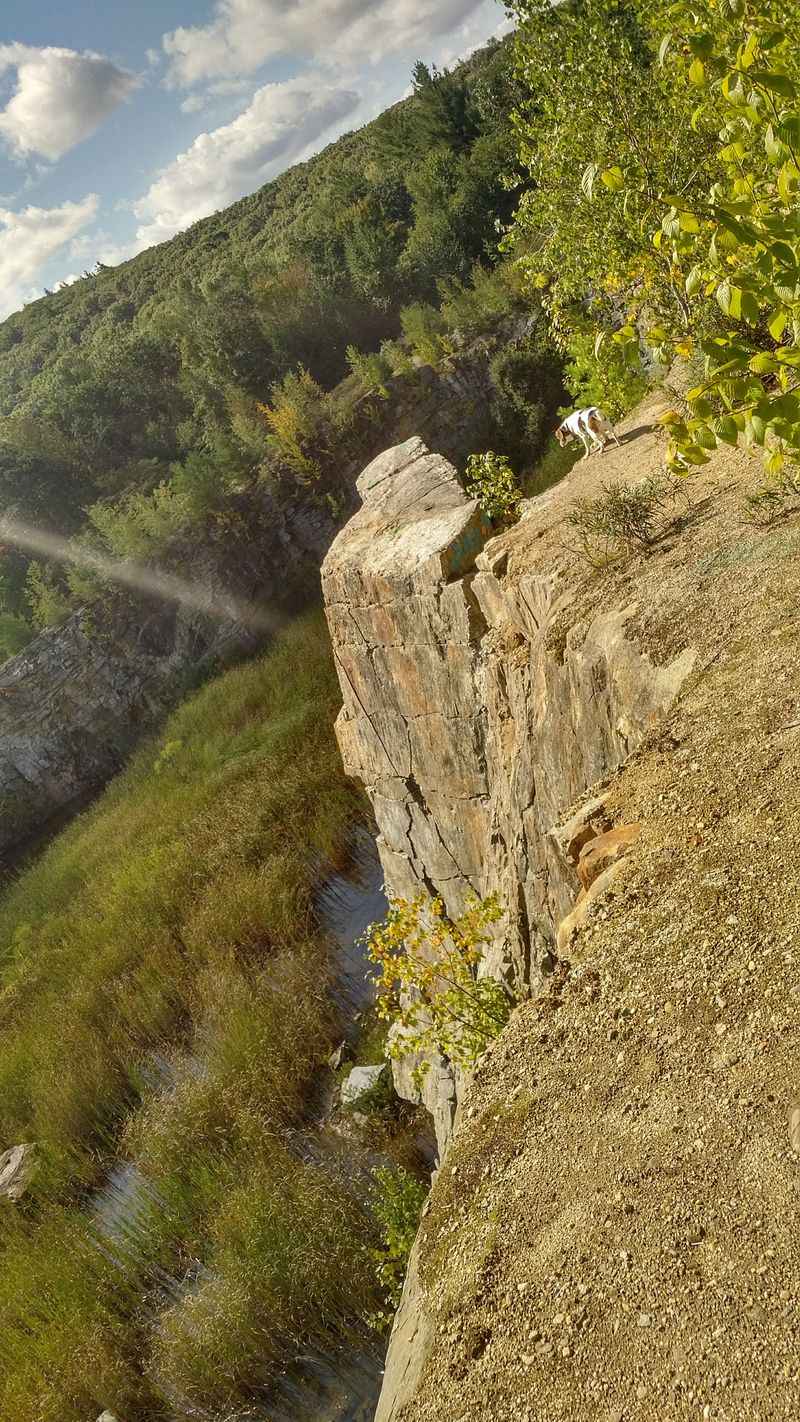
Raking light near sunrise or late afternoon reveals grooves, crystals, and subtle drill rows that flat midday sun can hide.
Set white balance to shade or cloudy for warmer tones on granite, then fine tune later without pushing colors past natural.
A small tripod steadies slow shutter shots in dim woods, and a beanbag works when legs feel awkward on uneven benches.
Polarizers tame glare on wet rock, though spinning too far can mute reflections that help define edges and depth.
Focus a third into the scene for layered ledges, keeping aperture around f eight to hold texture while avoiding noisy extremes.
Manual exposure locks the look as light shifts, and a quick bracket covers tricky contrast between bright sky and dark cuts.
Phones handle this well with RAW capture enabled, and tapping to expose for midtones keeps both highlights and shadows usable.
Watch your footing when framing low angles, since crouching near ledges invites slips if gravel rolls under heels.
Include scale with a hat or notebook on a bench, which reads clearly without placing a person in sensitive spots.
Step back for context shots that show forest, trail, and quarry geometry together, then move in close for crystal rich abstracts.
Wind moves leaves across shadows, and waiting for a calm pocket sharpens edges that would otherwise blur at longer times.
Review images in shade to judge exposure honestly, because bright sun on screens tricks your eyes into underexposing.
Carry a lens cloth for pollen and mist, which gather fast during spring and fall in Massachusetts.
Leave stones as you found them, and let composition, patience, and light tell the story rather than rearranging the scene.
Nearby comforts, trailhead essentials, and confirmed addresses
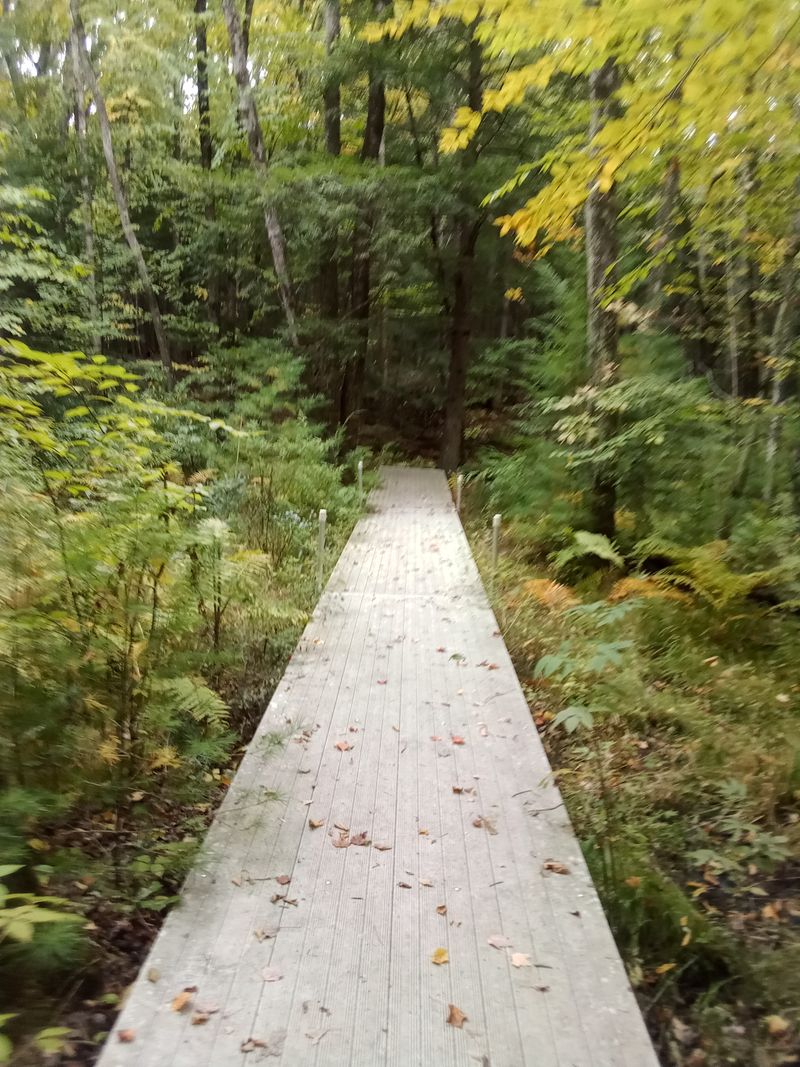
Before or after your hike, a quick stop in downtown Northampton makes logistics easy and keeps the day relaxed and fun.
Northampton Coffee at 269 Pleasant St, Northampton, MA 01060 offers a calm room with generous seating and friendly staff who know regulars by name.
The bright windows and sturdy tables work well for maps and notes, and the quiet hum of conversation fades into a steady backdrop.
In cool weather, the interior stays warm and welcoming, while summer mornings bring soft light that feels perfect for planning routes.
For a simple meal, Paul and Elizabeth’s at 150 Main St, Northampton, MA 01060 serves thoughtful dishes in a relaxed space with dependable service.
The dining room feels airy and comfortable, and the staff keeps the pace smooth so you can linger without watching the clock.
If you want a quick takeout option, Local Burger at 16 Main St, Northampton, MA 01060 packs orders efficiently and provides steady portions.
Seating runs casual and family friendly, and the counter team moves fast even when the line stretches toward the door.
Parking downtown includes metered spots and garages, and a short walk connects these addresses to lively blocks with shops and murals.
Restrooms at these locations are for customers, which makes a small purchase a practical move before you head for the hills.
Back at the trailhead area, services are minimal, so plan your water, snacks, and last minute needs while you are in town.
These confirmed addresses help you stage the day efficiently, and they line up neatly along routes toward the conservation area.
Massachusetts towns do convenience well, and Northampton keeps things friendly without losing its creative spark.
With a steady plan and a hot drink, you can shift from city energy to quiet ledges in minutes and enjoy both worlds.
Local lore and community stewardship around Mineral Hills
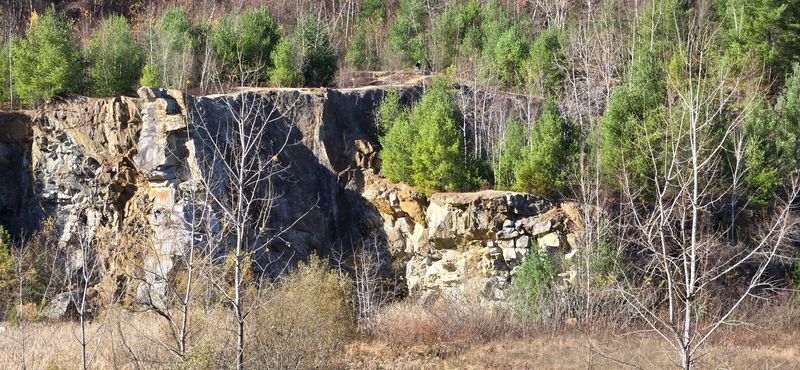
Local hikers talk about faint chisel echoes on still mornings, a labeled rumor that adds charm without claiming any supernatural proof.
Families pass along stories of workers who walked in from nearby farms, a tradition that frames the quarry as humble and hardworking.
Volunteer crews still meet for seasonal cleanups, and their efforts keep corridors open so ledges remain easy to approach and admire.
Neighbors trade tips about easier approaches for new hikers, while longtime visitors remember when certain spurs were rougher and less defined.
Community groups share updates on trail maintenance days, and those postings encourage fresh hands to join with tools and good humor.
School outings sometimes visit for geology lessons, and students leave with sketches that link textbook terms to rock you can touch.
Photographers organize small walks that focus on texture and light, and the shared results inspire others to explore mindfully.
Birders add their sightings to regional lists, and those notes help track seasonal rhythms that shape the soundscape around the quarry.
Winter users report ice conditions that inform safe choices, while spring reports flag muddy stretches where patience protects the tread.
Local businesses occasionally support stewardship with donations, and that simple help translates into better signage and safer crossings.
Guides remind everyone that the quarry sits within a living forest, so respect for habitats outranks any desire for shortcuts.
Massachusetts conservation culture prizes access paired with care, and this hill shows how both values thrive side by side.
Share your own observations with kindness, and credit volunteers who clear limbs and repair washouts after storms.
The lore will keep growing as people return, and each careful visit adds a small chapter to the story unfolding in these quiet ledges.
Dear Reader: This page may contain affiliate links which may earn a commission if you click through and make a purchase. Our independent journalism is not influenced by any advertiser or commercial initiative unless it is clearly marked as sponsored content. As travel products change, please be sure to reconfirm all details and stay up to date with current events to ensure a safe and successful trip.
