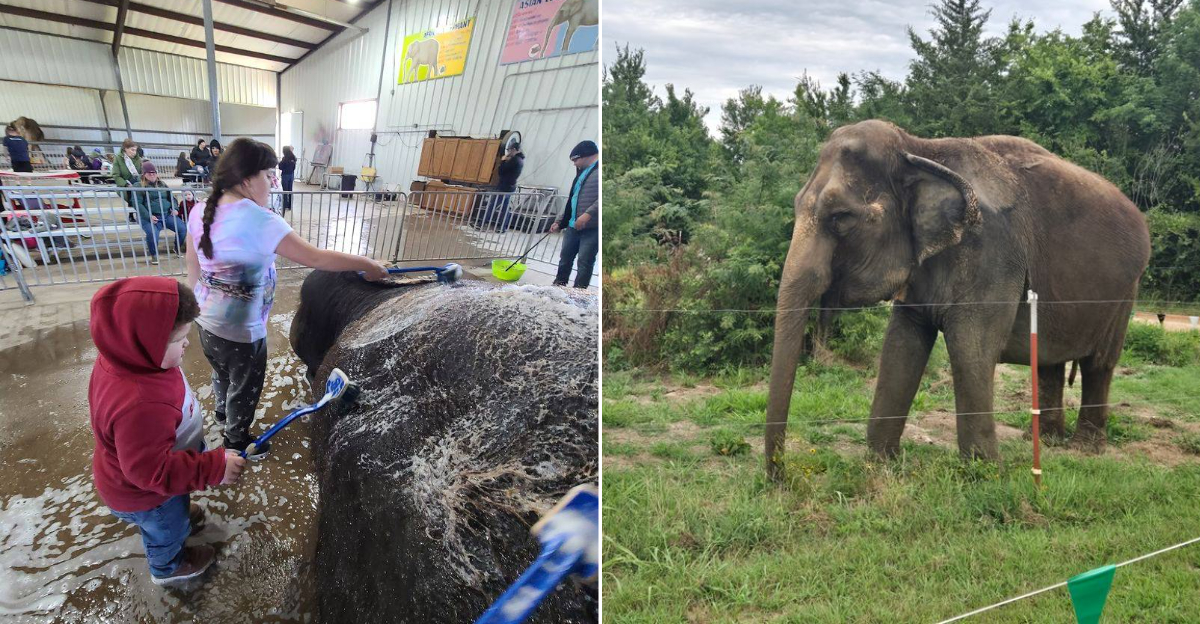
A gentle giant extends its trunk through the fence, and you forget about everything else. That is the feeling at an Oklahoma sanctuary that shelters the country’s second-largest herd of Asian elephants.
Many of these majestic animals spent their lives performing in circuses. Now they roam pastures and receive specialized care in their retirement years.
Visitors can watch them wander, interact with them up close, and learn about their remarkable intelligence. The foundation was established in the early nineteen nineties to protect these endangered creatures.
It has become a place of peace and purpose for elephants that once traveled the country. For anyone who has ever wanted to stand beside one of the world’s most extraordinary animals, this sanctuary offers an experience that stays with you forever.
Oklahoma is home to something truly special, a place where giants find their rest.
A Heartfelt Mission Rooted In Hugo
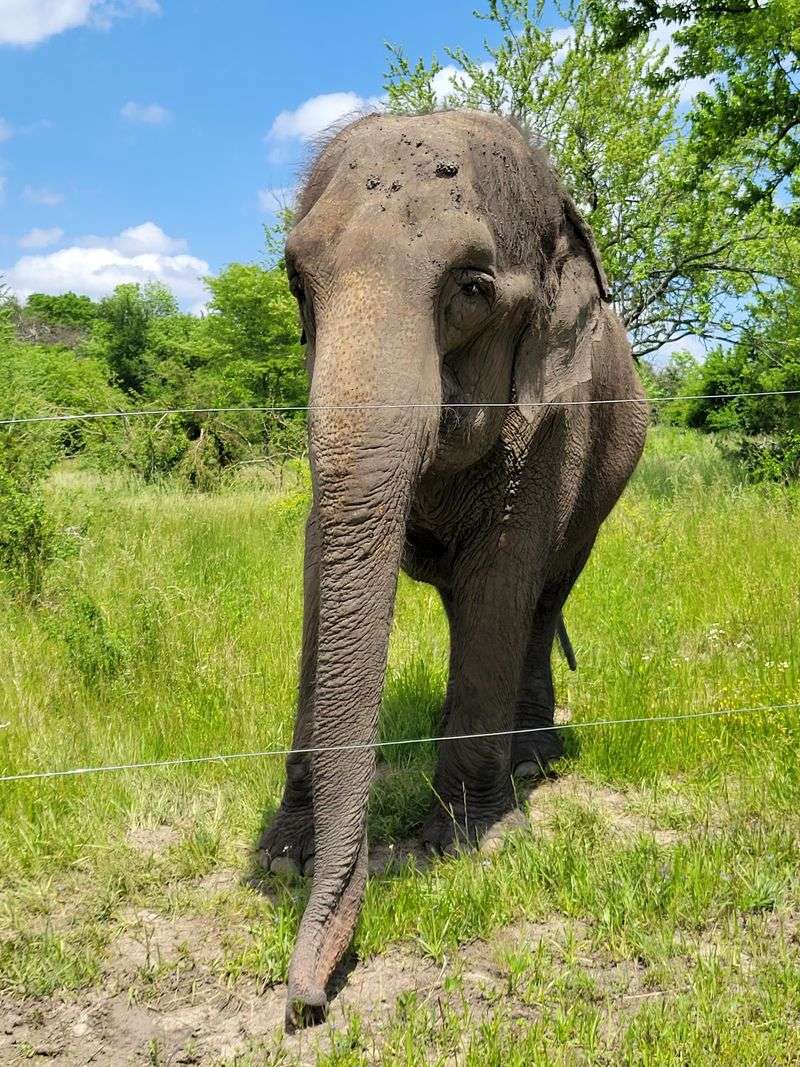
Every now and then you run across an organization that clearly exists for one reason and one reason only, and that is exactly what is happening in Hugo. The Endangered Ark Foundation was created to help secure the future of Asian elephants in North America, and everything on the property circles back to that single goal.
The work splits into a few big pieces that all support each other. There is retirement care for elephants who have finished working lives, there is public education so visitors understand what endangered really means, and there is a long-term preservation effort aimed at helping the species survive.
What I find genuinely interesting is how unglamorous a lot of that work is. Caring for animals this large takes constant attention, physical labor, and a level of planning most of us never think about when we picture a sanctuary.
The foundation has been at this since the early nineties, which means the staff has decades of hands-on knowledge behind them. That kind of history shows up in how the herd is managed and how confidently the team talks about elephant behavior.
If you care about conservation at all, seeing it happen in rural Oklahoma feels surprisingly moving.
Finding Your Way To The Gentle Giants
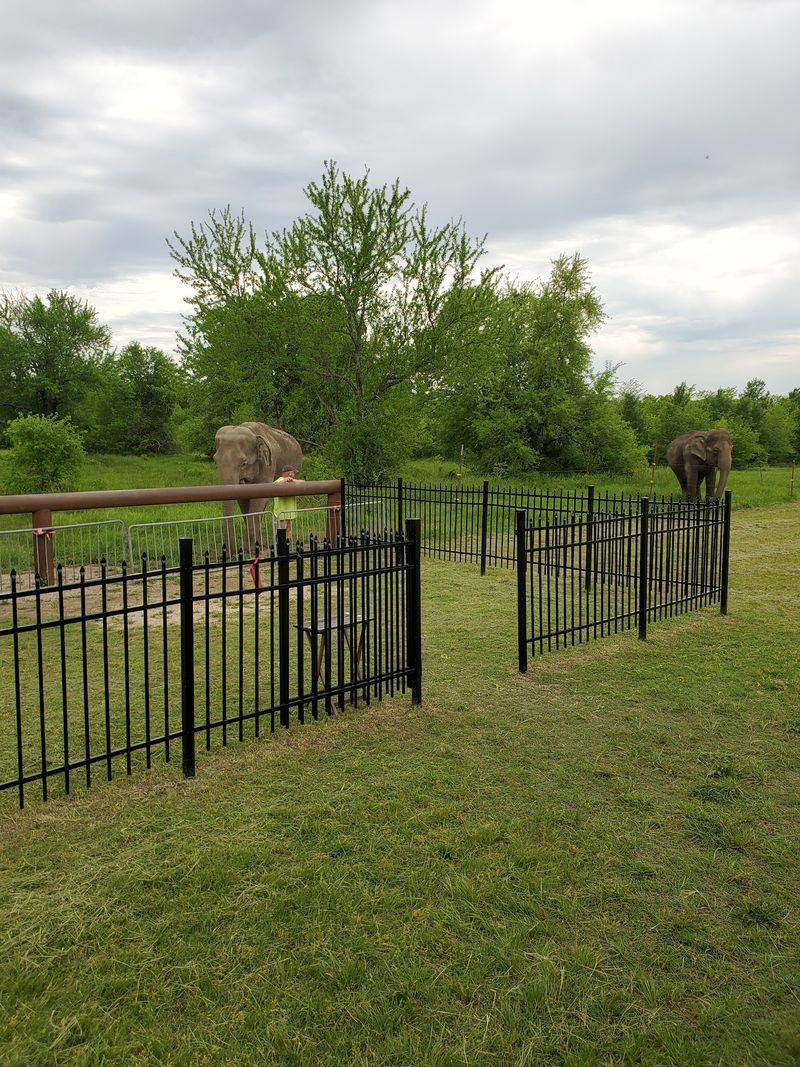
Getting here takes a little intention, and that is honestly part of what makes the trip feel worthwhile. You will find the sanctuary at 2657 E 2070 Road, Hugo, OK 74743, out where the roads get quiet and the pace slows down considerably.
Here is the part you absolutely cannot skip, though. Visits happen by appointment only, so showing up unannounced simply will not work, and reaching out ahead of time is the single most important thing you can do before planning your day.
Why the appointment rule? It comes down to the animals, because a working sanctuary runs on routines for feeding, bathing, and care, and random foot traffic would throw all of that off.
The drive itself is pleasant if you enjoy backroads and open country, with plenty of farmland and pine stretches along the way. Southeastern Oklahoma has a completely different feel than the western half of the state, greener and hillier than most people expect.
Give yourself extra time on the road, keep an eye on your directions since cell service can be spotty out there, and treat the whole thing as a slow, unhurried outing rather than a quick stop.
A Herd That Ranks Among The Nation’s Largest
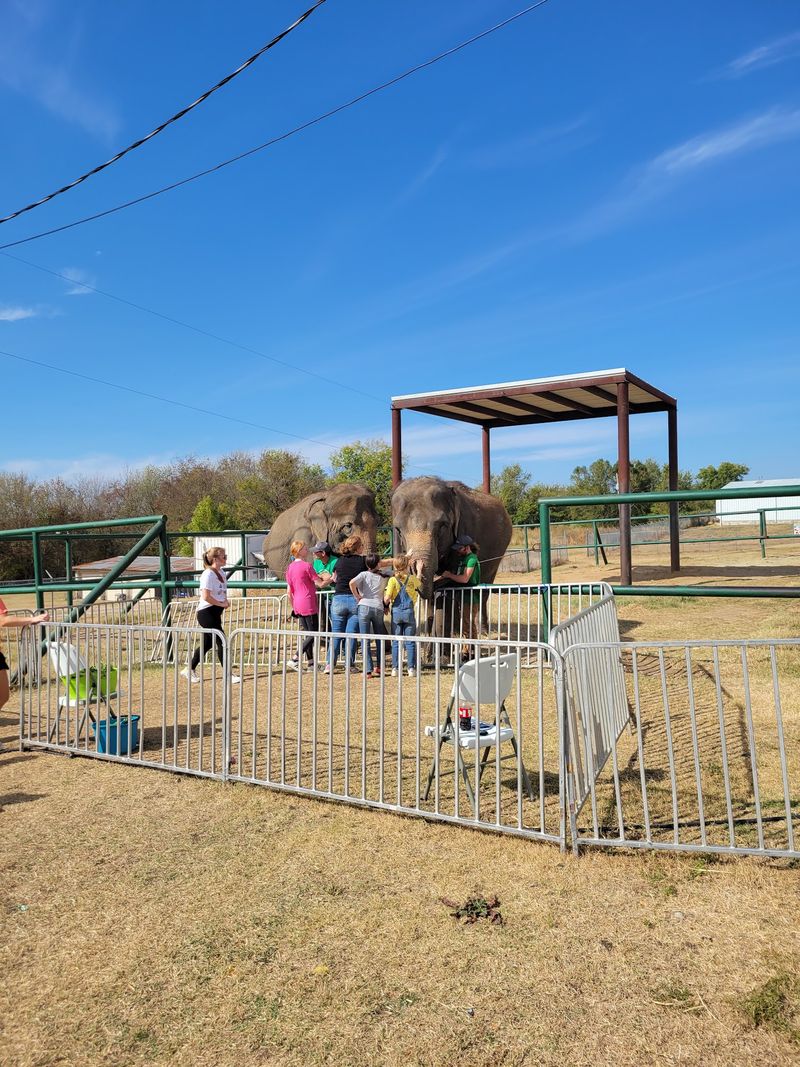
Picture several Asian elephants sharing the same pasture, and you have a rough idea of what makes this place stand out nationally. The herd living here ranks among the very largest in the United States, which is not something you would guess from looking at a map of Oklahoma.
Most of these elephants arrived after long careers with circuses, so their retirement here is a genuine change of pace. They have room, routine, familiar caretakers, and companionship from other elephants who understand their world.
Something people often forget is how social these animals are. Asian elephants form real bonds, recognize each other, and communicate constantly, so keeping a group together matters far more than simply providing space.
Each elephant has its own temperament too, and the staff can tell you which ones are curious, which ones are laid back, and which ones have strong opinions about mealtime. Those little personality details stick with you longer than any statistic could.
Standing near an animal this size does something to your sense of scale. Photos never quite capture the presence, the slow movements, or the sheer weight of a creature that can look right back at you with obvious intelligence.
Bath Time, Pedicures, And Daily Care
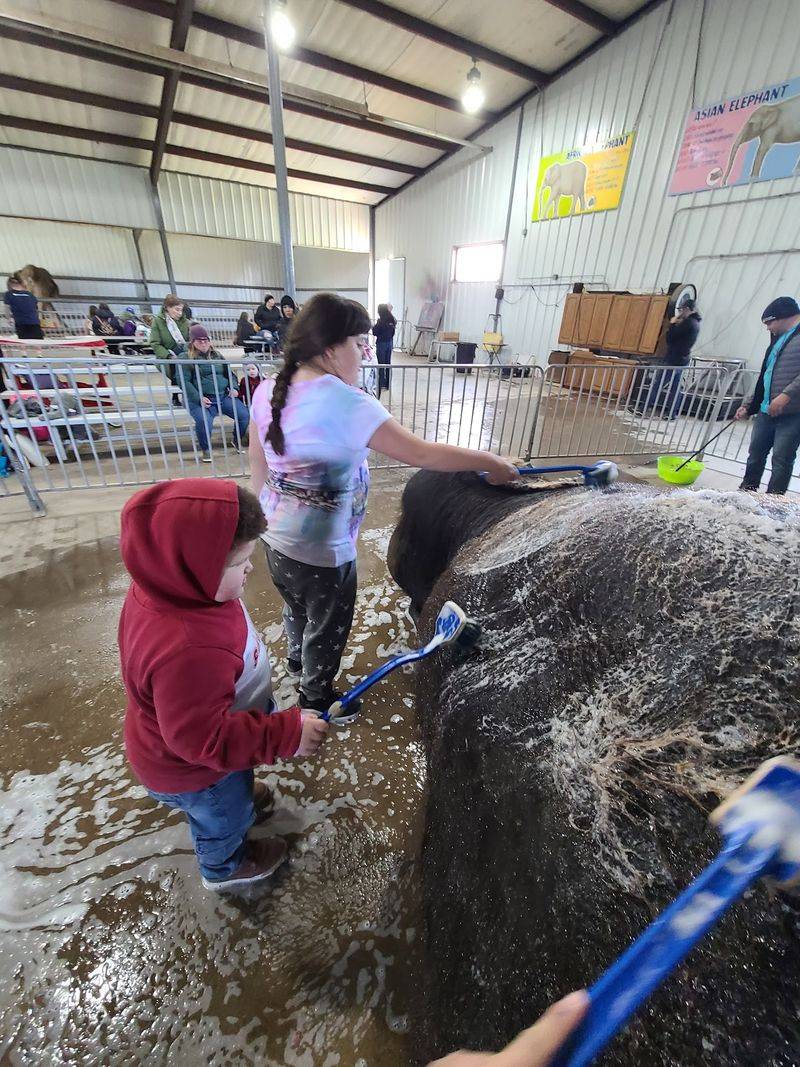
Ever wondered what it takes to keep an elephant clean and healthy? The answer involves a whole lot more scrubbing than you would imagine, because the elephants here receive thorough baths as part of their daily routine.
Foot care is the other big one, and it might be the most important job on the property. Elephants get regular pedicures because their feet carry an enormous amount of weight, and healthy feet directly affect how comfortable and mobile an elephant stays over the years.
Think about it for a second. Every step an animal that size takes puts pressure on those pads and nails, so trimming, cleaning, and inspecting them is preventive medicine rather than a spa treatment.
The caretakers also watch for changes in appetite, skin condition, and behavior, since elephants are not exactly good at telling you when something feels off. Consistency in the daily schedule helps the staff notice problems early.
Learning about all of this shifts how you see the sanctuary. It stops being a place where you look at animals and becomes a place where you understand the enormous, unending workload behind keeping a herd of Asian elephants healthy in Oklahoma.
The Famous Elephie Selfie
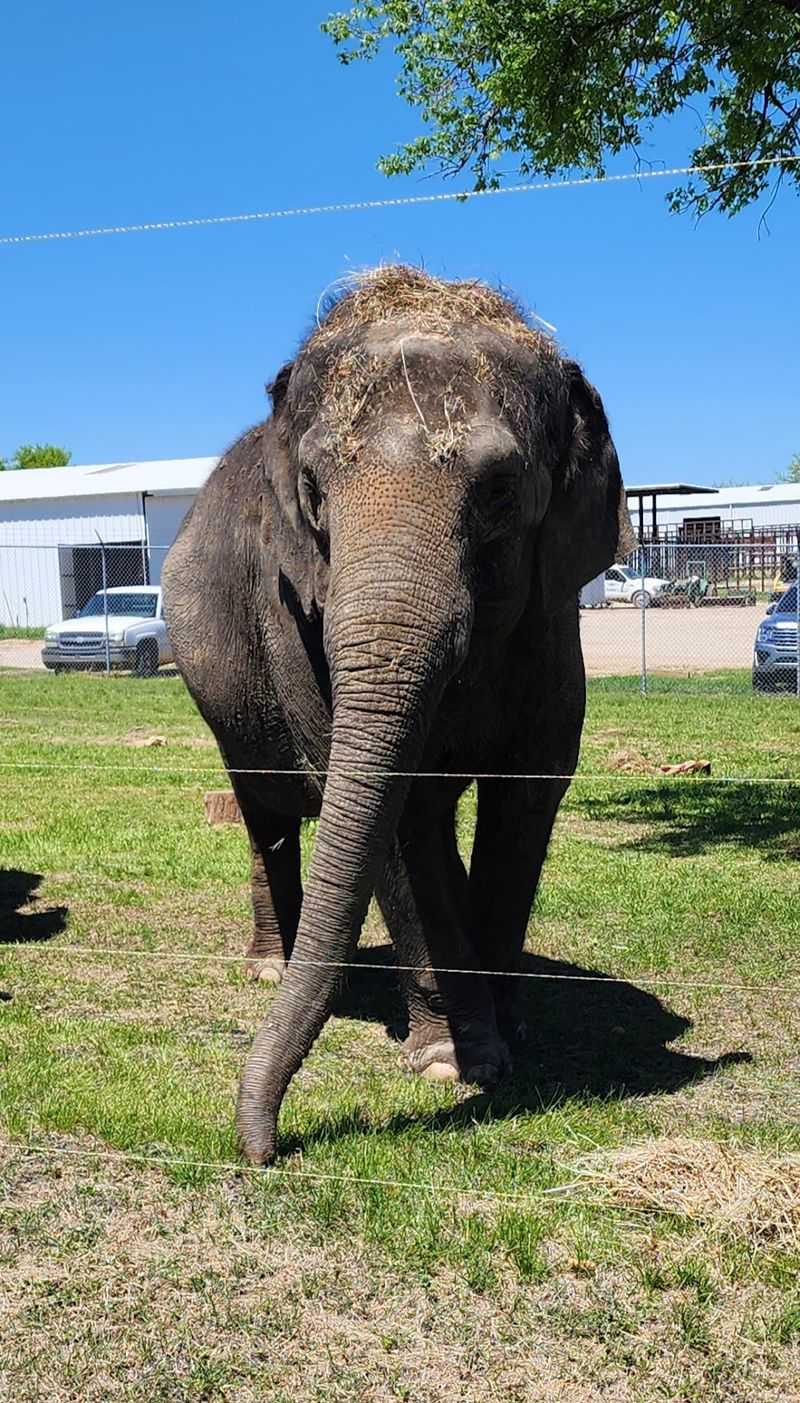
Okay, this is the part everyone talks about afterward. The sanctuary offers what they call an Elephie Selfie, which is exactly what it sounds like, a photo opportunity with one of the elephants.
Interactive educational demonstrations are woven into the tours as well, so the photo moment comes attached to actual learning rather than being a standalone gimmick. You see how the elephants respond to their caretakers and how much trust exists between them.
Getting that close to an animal of this size is a strange feeling in the best way. Your brain sort of struggles to process the scale until you are standing right there.
A few practical notes worth keeping in mind. Charge your phone before you arrive, because a dead battery at the exact wrong moment would be genuinely painful, and follow every instruction the staff gives about where to stand and how to move.
Calm behavior matters here. Loud noises and sudden movements are not great around elephants, so keeping your voice down and your motions slow helps everyone, including the animals.
The photo becomes one of those pictures you show people for years afterward.
Big Barns Built For Big Residents
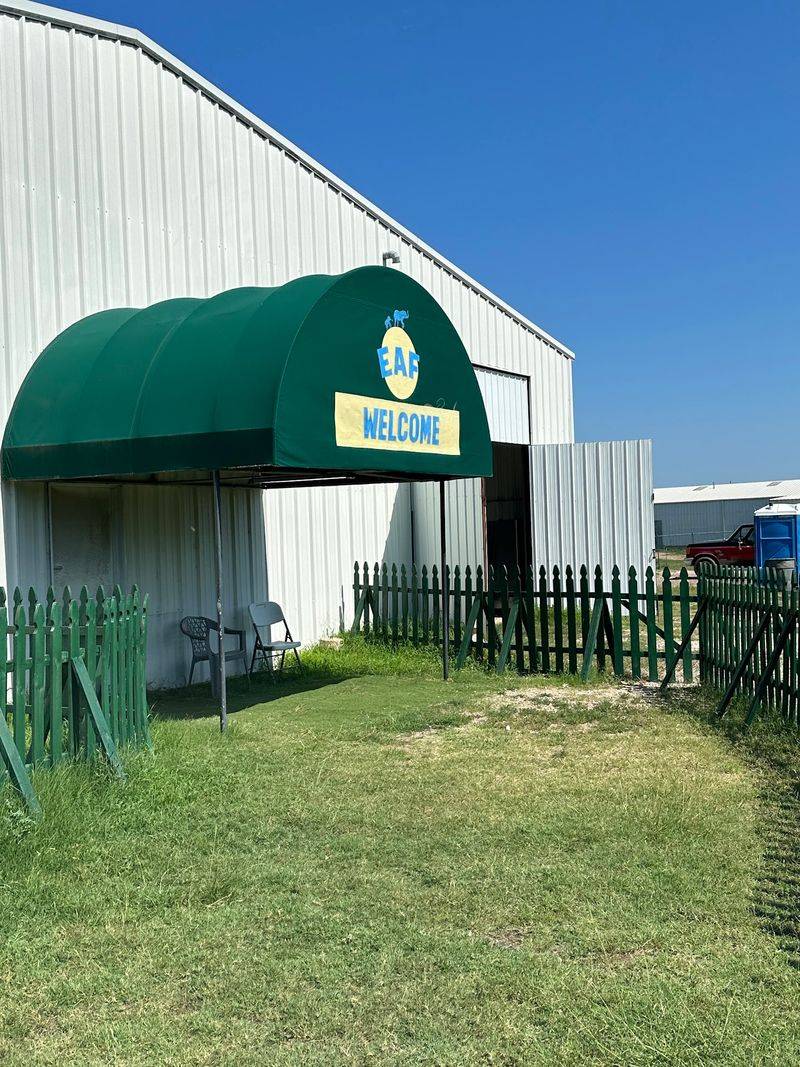
Housing an animal that weighs several tons requires buildings most of us have never stepped inside. The sanctuary has two large barns designed specifically for the herd, and they serve as shelter whenever the weather turns rough.
Heat is a big deal during colder Oklahoma months, since Asian elephants come from warm climates and do not handle cold snaps well. The heated space keeps the herd comfortable when temperatures drop.
There are also dedicated areas built for elephants with special needs, which matters when you have animals of different ages and health situations sharing one property. Older elephants sometimes need different flooring, different access, or quieter surroundings.
A separate space exists for expecting mothers too, which tells you something about how seriously the foundation takes breeding and the survival of the species. Elephant pregnancies last far longer than most people realize, so that preparation is no small thing.
Walking near structures like these gives you a real sense of the infrastructure involved. It is not just fences and fields, it is engineering, planning, and constant maintenance built around the daily needs of the largest land animals in Asia.
Ask your guide about the barns if the topic comes up.
Feeding A Herd With Serious Appetites
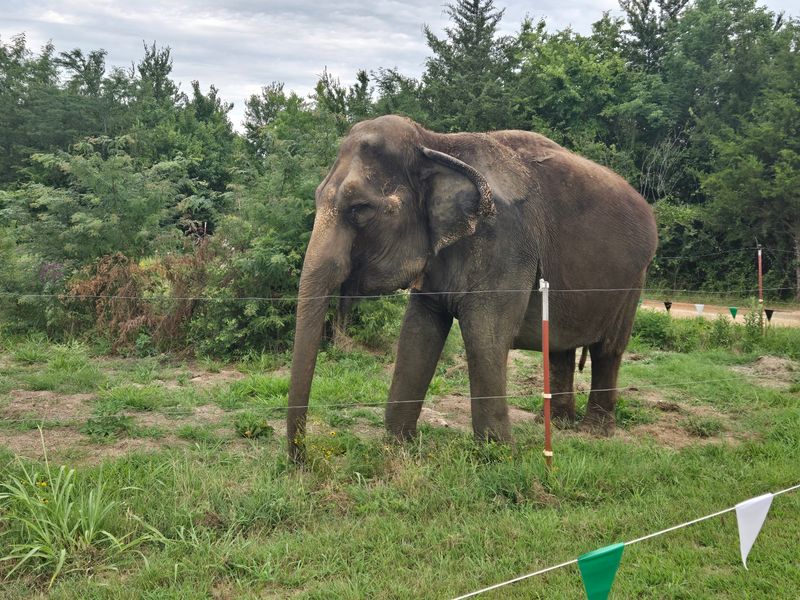
The grocery bill here would make your head spin. Each elephant works through bales of hay and pounds of sweet feed every single day, and that is before you factor in anything else.
Fruits and vegetables show up as treats, and those are apparently very well received by the herd. Watching an elephant handle a piece of produce with its trunk is one of those small moments that makes the whole visit worthwhile.
Water is the other constant. The elephants get watered many times throughout the day, and that becomes especially critical when Oklahoma summers turn brutally hot and humid.
All of this happens on a schedule, because elephants thrive on routine and the staff needs to track exactly how much each animal is eating and drinking. Changes in appetite can be an early warning sign of something bigger.
If you have ever kept livestock or even a very large dog, you understand the basic idea, just multiplied by an almost comical factor. The hay alone requires storage space, delivery planning, and money that has to come from somewhere.
Supporting the foundation directly helps cover those daily costs, which is worth thinking about before you leave.
Decades Of Preservation Work Behind The Scenes
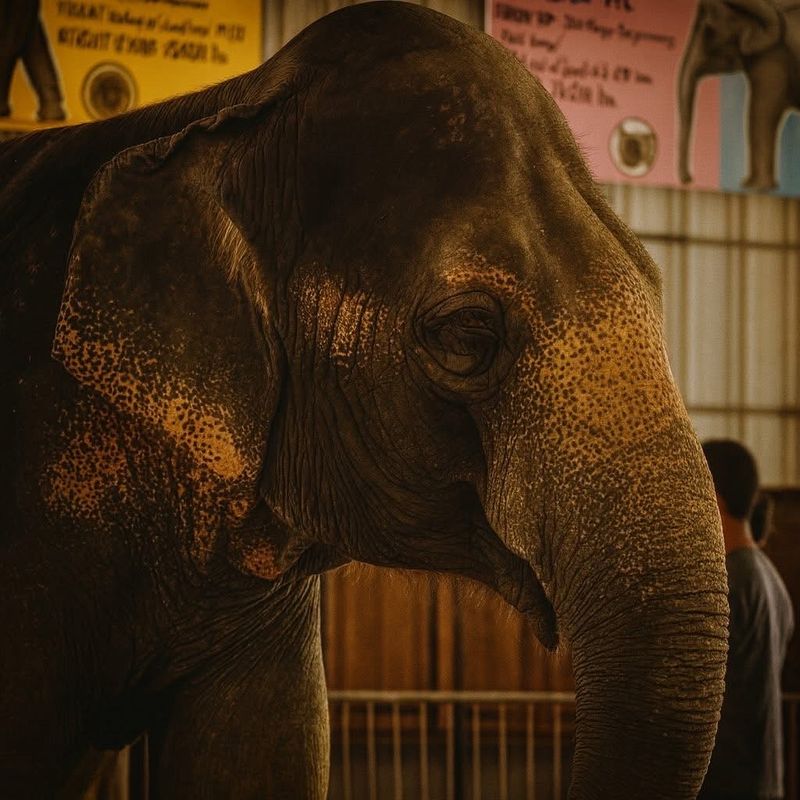
Since the early nineties, this foundation has been chipping away at a problem that most people never think about, which is the shrinking number of Asian elephants left in the world. Providing a comfortable home is only part of what they do.
The larger goal involves actually increasing the population through careful breeding and long-term herd management. That work happens slowly, quietly, and over the course of many years rather than seasons.
Asian elephants face habitat loss and other pressures across their native range, so populations in North America play a role in keeping the species going. Sanctuaries like this one become part of a much bigger conservation picture.
What sticks with me is the patience required. You cannot rush an elephant pregnancy, you cannot rush trust between animals and caretakers, and you certainly cannot rush the growth of a herd.
Every visitor who buys a tour and every person who donates helps fund that slow work. It is a rare setup where showing up and paying attention genuinely contributes to something meaningful.
Oklahoma might be the last state you would associate with elephant conservation, and yet here it is, quietly doing the work year after year.
Why This Trip Sticks With You
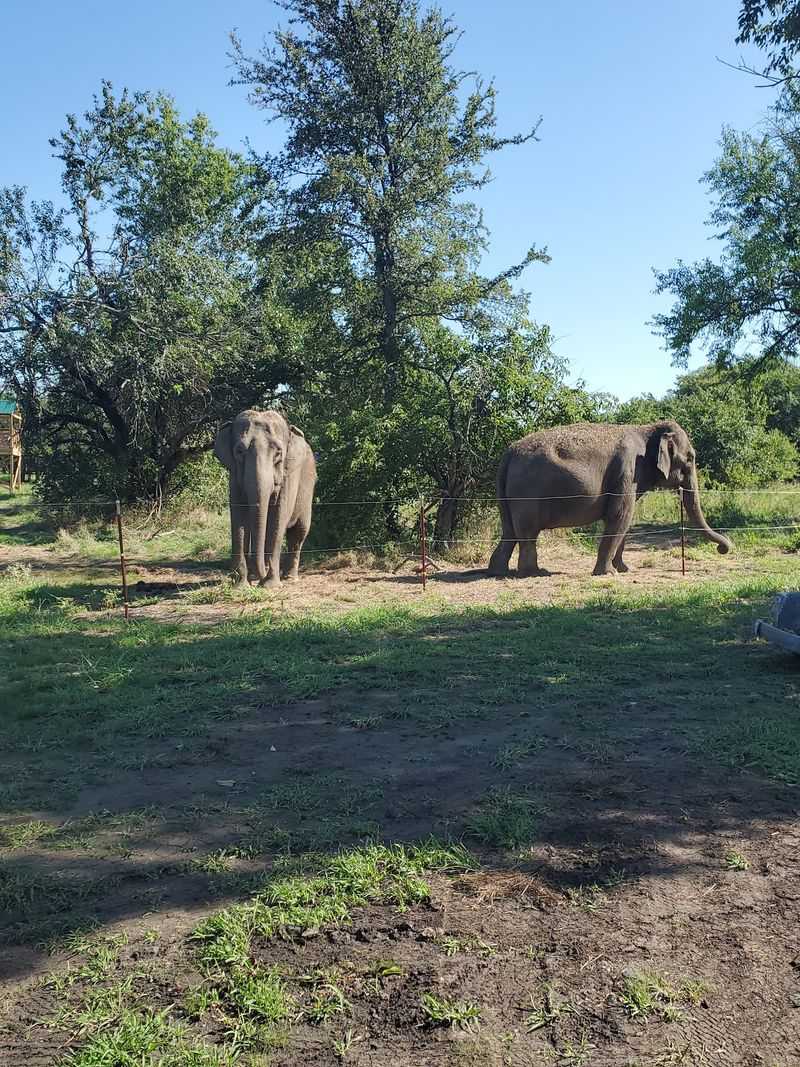
Some trips fade after a week, and then there are the ones you keep bringing up at dinner months later. A visit here lands firmly in that second category, mostly because standing near an Asian elephant rewires how you think about wildlife.
The combination of education and genuine access is what does it. You are not looking at animals through thick glass in a crowded building, you are outdoors, hearing real information from people who know these elephants individually.
Families tend to get the most out of it, since kids remember experiences like this far longer than they remember any museum. Adults usually leave thinking harder about conservation than they did when they arrived.
Plan the visit properly, call ahead for your appointment, and give yourself enough time to actually absorb what you are seeing rather than rushing off to the next thing. Pair it with a slow drive through the surrounding countryside if you can.
Southeastern Oklahoma has plenty of quiet charm to offer alongside the sanctuary itself. Between the elephants, the open landscape, and the small-town feel of Hugo, you end up with a day that feels completely unlike a typical road trip stop.
