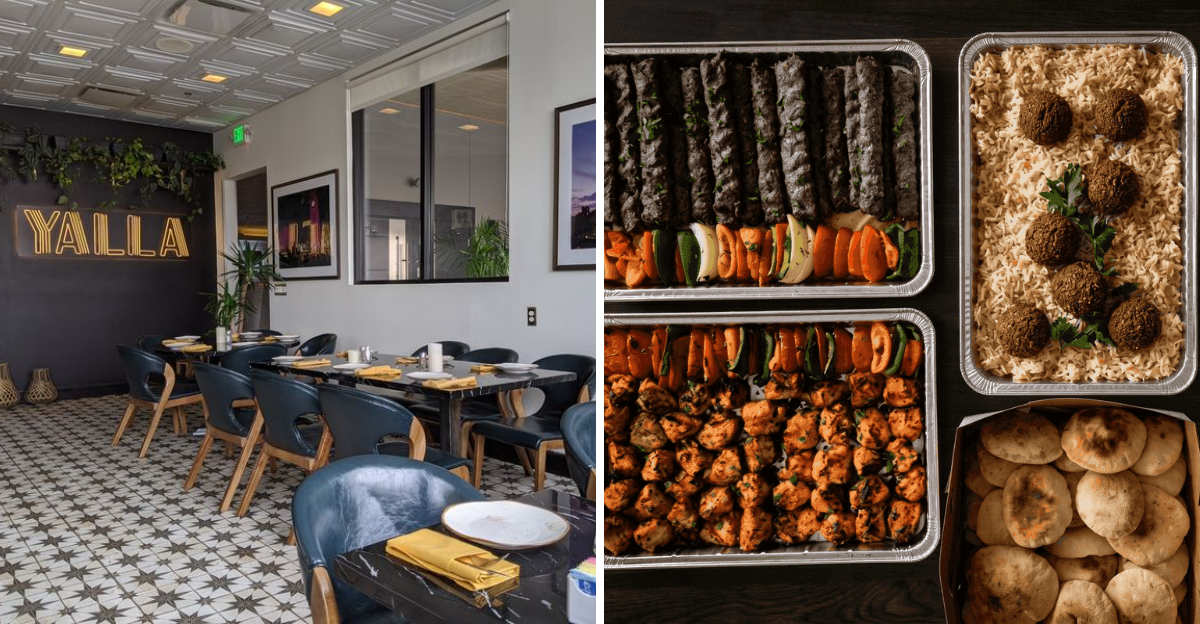
Some menus encourage restraint. This Texas Mediterranean restaurant hands you hummus, baba ghanoush, muhammara, stuffed grape leaves, falafel, flatbreads, shawarma, kabobs, and sizzling mixed grills and basically watches restraint leave the building.
The shared-plate section alone is enough to turn dinner into a table-wide negotiation, especially when fried cauliflower, cabbage rolls, cheese pies, and several different dips are all making equally convincing arguments.
Larger mixed grills pile chicken kabob, kafta, beef tenderloin, and other meats together, while family-style options give groups even more permission to stop pretending everyone is ordering individually.
Texas has plenty of restaurants where picking one entrée is simple, but this is more of a “clear some table space and start passing plates” situation, which is considerably more fun anyway.
The Fakhoury Family Story Behind the Kitchen
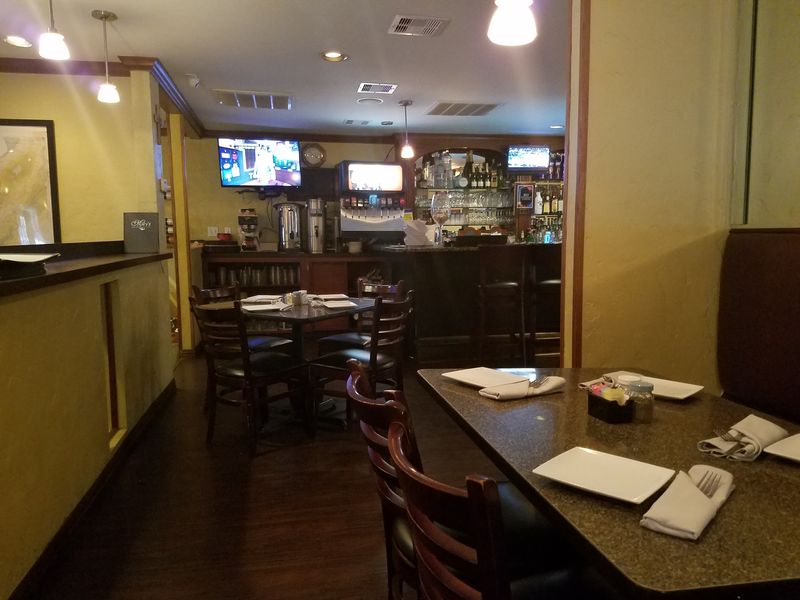
Back in January 2005, a family from northern Lebanon opened a restaurant with a simple goal: cook the food they grew up eating and share it with Houston. Two decades later, the Fakhoury family is still running the place.
Siblings Jimy, Nano, and Mira Fakhoury guide the culinary direction, and their fingerprints show up in nearly every dish. Recipes come from home kitchens in North Lebanon rather than a corporate playbook, which explains why the seasoning tastes personal rather than standardized.
Family ownership changes how a restaurant feels. Staff members recognize regulars, dishes stay consistent year after year, and there is a sense that someone actually cares whether the hummus tastes right on a slow Tuesday afternoon.
The stated mission is straightforward. Every guest should leave having genuinely enjoyed the visit and tasted something authentic.
That kind of goal sounds simple until a restaurant tries to keep it going through twenty years of Houston competition.
Visitors curious about Lebanese food often find this a comfortable starting point. Staff members answer questions about unfamiliar dishes without making anyone feel out of place, and recommendations tend to be honest rather than pushy.
Worth knowing: North Lebanon cooking leans on bright lemon, garlic, olive oil, and herbs rather than heavy heat. Diners nervous about spice usually discover the flavors are bold but gentle.
Understanding the family behind the food makes the meal more meaningful, and it explains why so much of the menu tastes handmade.
Mezze Spreads Worth Building a Meal Around
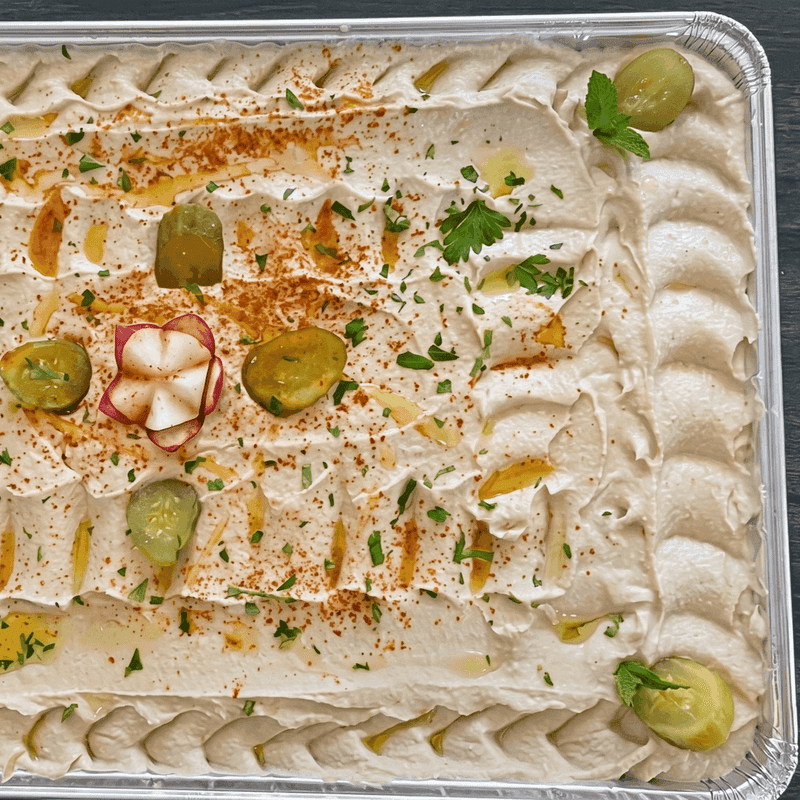
Ordering just one dip here is nearly impossible, and honestly, nobody should try. The mezze section is built for sharing, and a table covered in small bowls is the whole point.
Hummus arrives as mashed chickpeas blended with fresh lemon juice and tahini, finished with a pour of olive oil. The texture stays smooth without turning pasty, and the lemon keeps it from feeling heavy.
Baba ghannouj takes a different route. Eggplant gets fire-roasted first, which gives the dip a smoky depth that pairs beautifully with lemon and olive oil.
Fans of grilled flavors usually gravitate toward this one.
Labne deserves attention too. Thick yogurt cheese, tangy and cool, garnished with olive oil, works as a refreshing counterweight to anything grilled or fried on the table.
Then there is toum, the garlic spread that regulars talk about constantly. Fluffy, sharp, and unapologetically garlicky, it turns grilled chicken and beef into something addictive.
A practical tip: order two or three dips rather than one large portion of a single spread. Variety makes the pita go further and gives everyone at the table something different to reach for.
Warm bread is essential here. Tearing pieces and scooping is part of the ritual, and it slows the meal down in the best way.
Diners who arrive hungry sometimes fill up on dips alone. Pacing matters when the rest of the menu is this long.
Hot Shared Plates That Disappear Fast
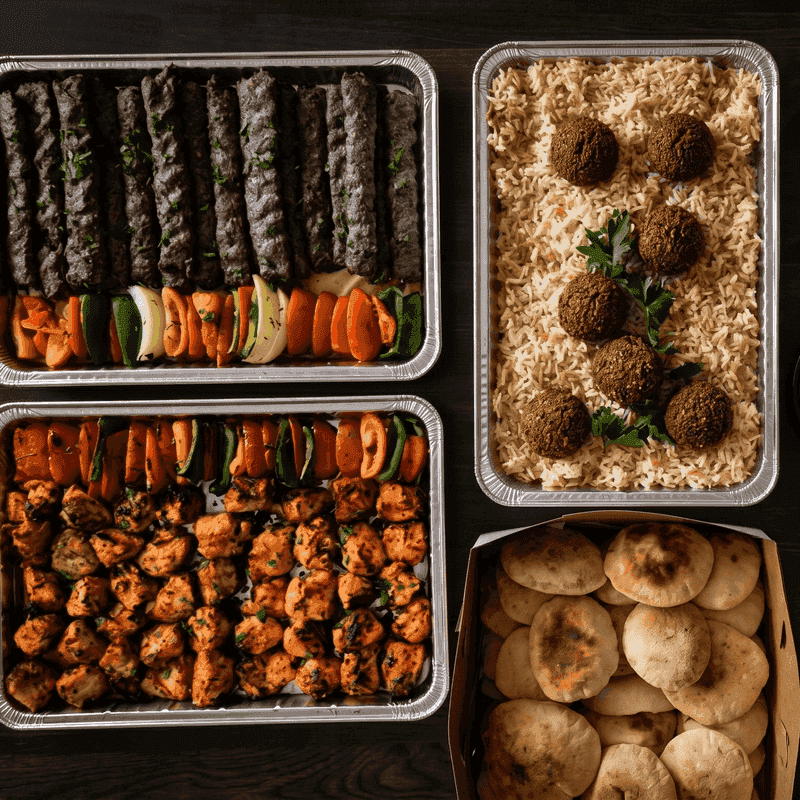
Some appetizers vanish before the entrees ever reach the table. The hot shared plates fall firmly into that category.
Falafel leads the pack, made from ground garbanzo and fava beans mixed with fresh herbs, then deep-fried until crisp. Tahini sauce comes alongside for dipping, and vegetarians tend to order a second round.
Kibbi shows off real technique. Oval shells of ground beef get stuffed with minced meat, sautéed onions, and pine nuts before frying, creating a crunchy outside and a savory, slightly sweet center.
Stuffed grape leaves are rolled and simmered with spiced beef and rice. A vegetarian version exists as well, which makes mixed groups easier to feed.
Halloumi cheese arrives with that signature squeaky bite, while fried cauliflower florets served with tahini convert plenty of cauliflower skeptics.
Sausage lovers should look at maqanik, a sautéed beef sausage, and sujok, a mildly hot homemade fried beef sausage with a bolder kick.
Indecisive tables have an easy solution. The Mary’z Sampler bundles falafel, kibbi, pies, and grape leaves onto one plate, which removes the pressure of choosing.
Fun detail: kibbi is often called Lebanon’s national dish, and versions of it appear across the region in raw, baked, and fried forms.
Ordering strategy suggestion: pair one fried item with one lighter dish so the table does not tilt too heavy before the grill arrives.
Flatbreads Baked to Order and Best Shared Warm
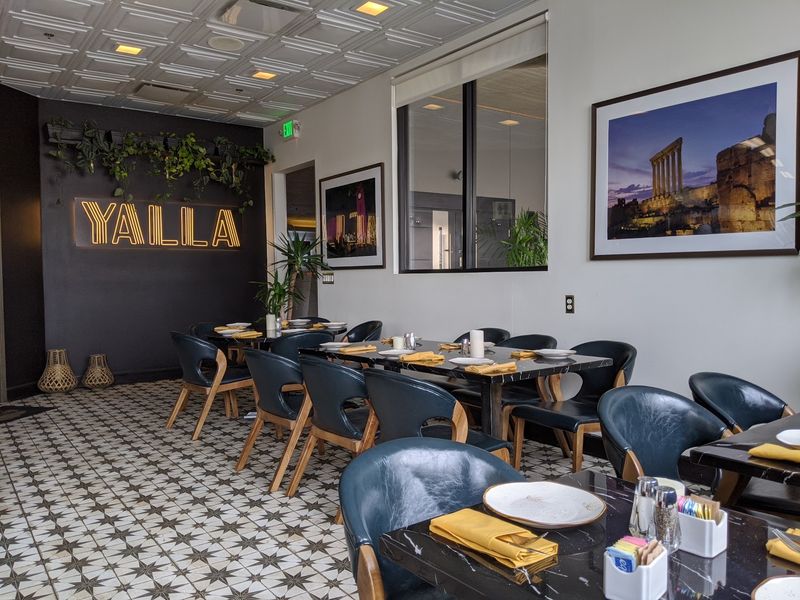
Fresh bread from an oven changes everything about a meal. Lebanese flatbreads here are baked to order, so they land on the table still hot and slightly puffed at the edges.
Zaatar flatbread keeps things herbal and earthy, spread with thyme mixed with sesame seeds, sumac, and olive oil. Sumac brings a lemony tang that wakes up the whole bite.
Meat flatbread, known widely as lahm bel ajeen, gets topped with ground beef mixed with diced onions and tomatoes. It eats like a thin, savory Lebanese pizza without the heaviness.
Cheese lovers head straight for the jebne version, which combines grated Akkawi and Halloumi. Akkawi melts into a mild, stretchy layer while halloumi adds saltiness and body.
Undecided groups have a clear winner in the Trio Flatbread. One zaatar, one cheese, and one meat arrive together, letting everyone compare favorites without committing to a single flavor.
Timing tip: flatbreads taste dramatically better within the first few minutes. Slice and pass immediately rather than letting them cool while other plates arrive.
A small piece of history: zaatar has been eaten across the Levant for centuries, and many families still swear their own blend is superior to everyone else’s.
Pairing them with a cool dip like labne or a crisp salad balances the richness nicely and keeps the meal moving forward.
Salads That Bring Crunch and Brightness
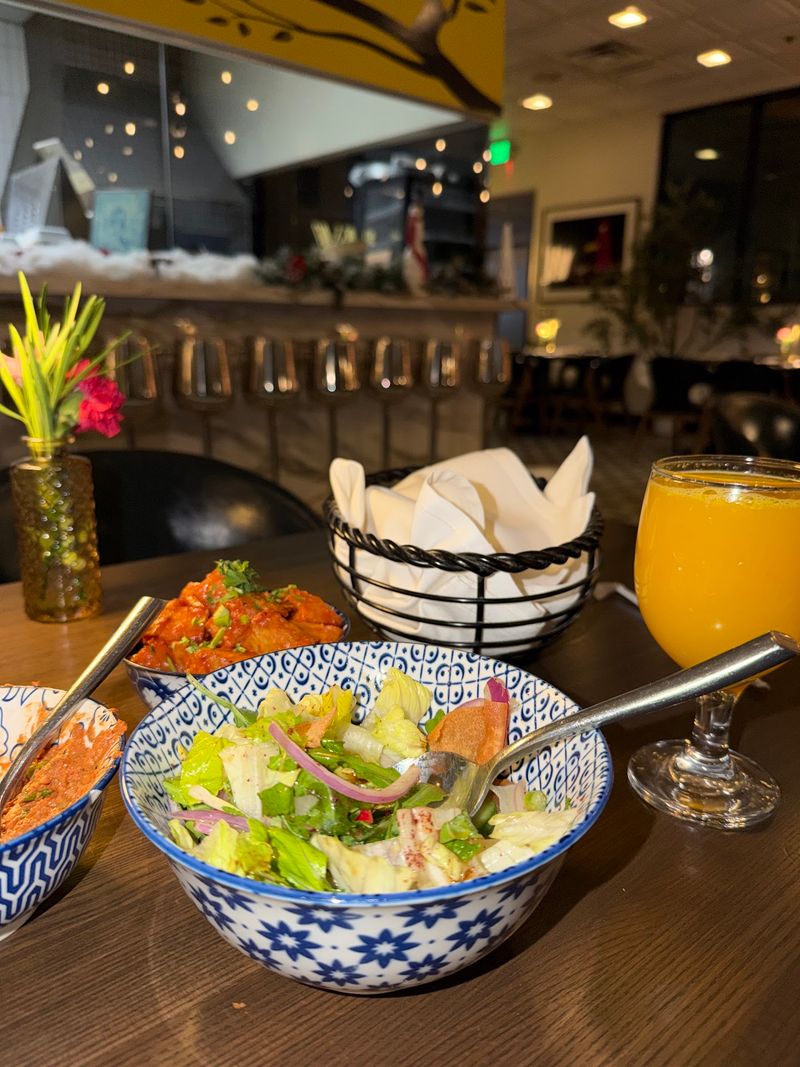
Anyone who thinks salad is the boring part of a Mediterranean meal has not eaten a proper fattoush. Toasted pita pieces stay crunchy against fresh vegetables, and the dressing carries a citrusy snap.
Tabouli follows a different philosophy. Parsley dominates, with bulgur playing a supporting role alongside tomato, lemon, and olive oil.
The result tastes almost aggressively fresh, in the best possible sense.
Greek salad rounds out the section for guests wanting something familiar, built on crisp vegetables and briny accents.
Produce quality matters here, since the kitchen handpicks fresh ingredients daily. Salads reveal that commitment faster than almost any other dish, because there is nowhere for tired vegetables to hide.
Practical advice for larger groups: order one salad early and let it sit in the middle of the table. It resets the palate between fried appetizers and grilled meats.
Vegetarian diners often build entire meals from salads, dips, falafel, and flatbread without touching the entree section at all.
Little known detail: tabouli is traditionally considered a herb salad in Lebanon rather than a grain salad, which is why the parsley-to-bulgur ratio leans so heavily toward green.
Squeezing extra lemon over any of these is completely acceptable and generally encouraged.
Salads may not be the headline attraction, but skipping them means missing the balance that makes a long Mediterranean meal feel light rather than overwhelming.
Grilled Entrees and the Legendary Mixed Platter
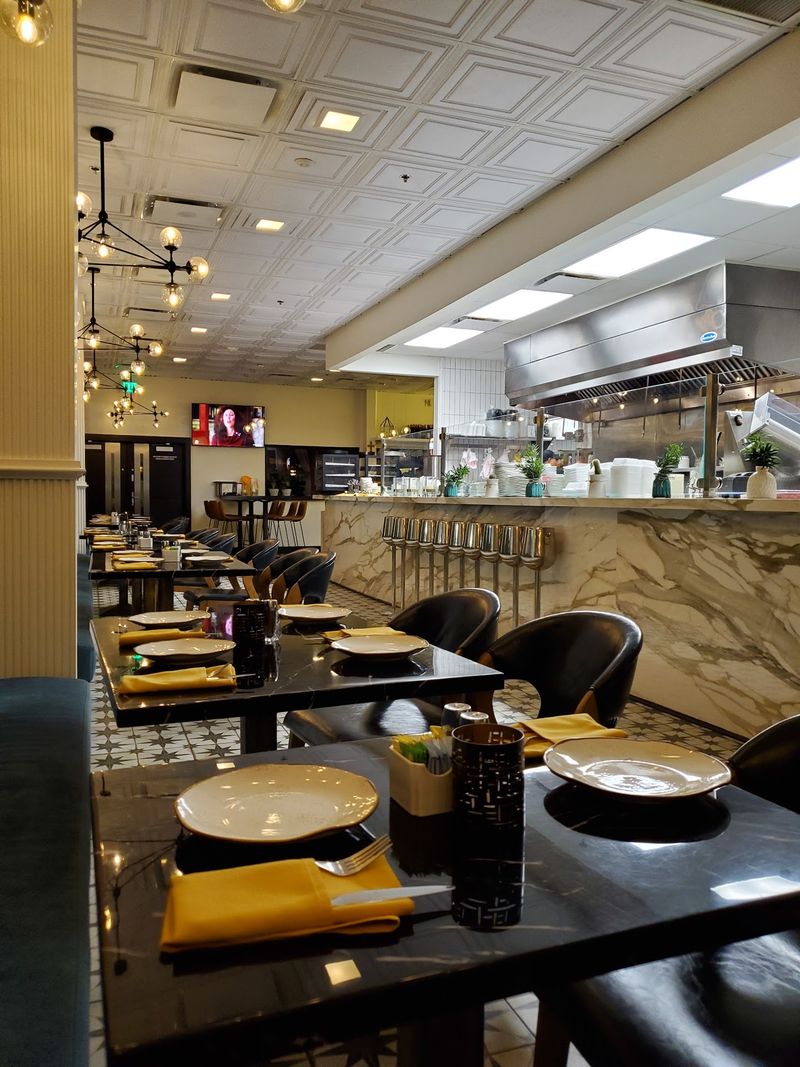
The smell hits before the plate does. Charcoal, spices, and marinated meat drifting across the dining room have convinced more than a few undecided guests to change their order.
Mixed Grill Platter is the centerpiece, designed for two diners and loaded with tenderloin kabob, shish tawook, and kafta kabob. Sharing it lets people sample three preparations without ordering three entrees.
Shish tawook features grilled boneless organic chicken breast pieces, marinated until tender. Pair it with toum and the combination becomes hard to stop eating.
Kafta kabob takes finely ground beef blended with chopped onions, parsley, and spices, then broils it and serves it over rice. The parsley keeps it from tasting heavy.
Shawarma stands as a house specialty, built from thinly sliced boneless chicken and beef with the seasoning layered in.
Beyond the standards, lahm meshwe delivers juicy grilled beef tenderloin, while a grilled snapper filet arrives with sautéed vegetables for guests wanting seafood.
Lamb chops and grilled Lebanese quail appear for diners hunting something less common. Quail in particular is a traditional favorite that rarely shows up on American menus.
Ordering note: entrees come generously portioned, so tables that loaded up on mezze should consider splitting a platter rather than ordering individually.
Rice underneath the meat soaks up juices and seasoning, making it worth eating rather than pushing aside.
Desserts With Nuts, Cream, and Nostalgia
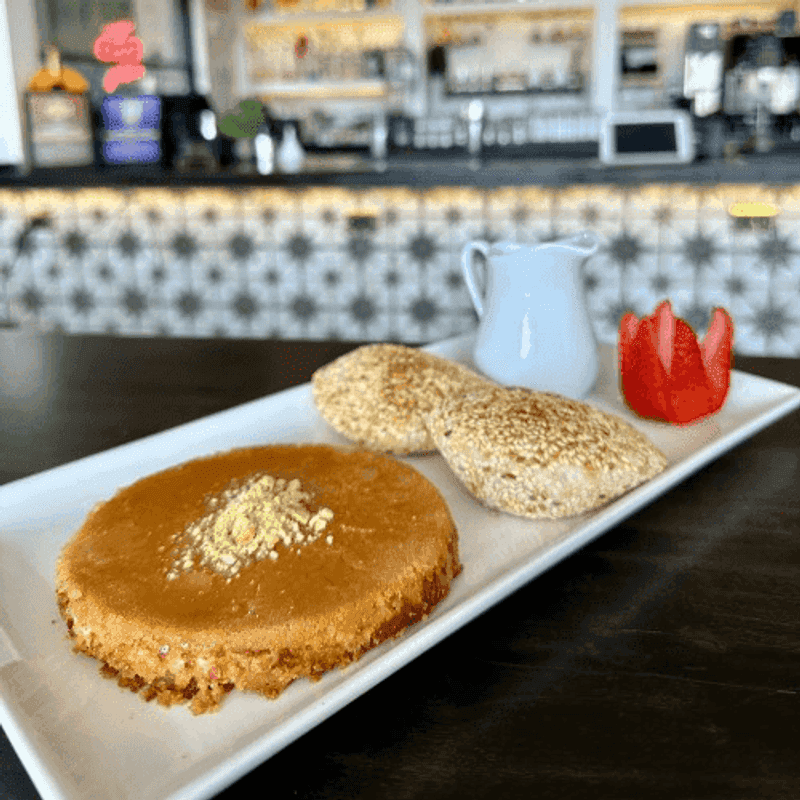
Room for dessert seems impossible after a mezze marathon, and yet plates keep getting ordered anyway.
Baklava arrives with a choice of walnut, pistachio, or cashew filling. Each version changes the personality of the pastry: walnut leans earthy, pistachio tastes floral and rich, cashew turns buttery and mild.
Layers of thin pastry and syrup mean a small piece goes a long way, which makes baklava ideal for sharing at the end of a big meal.
Kashta Bel Kashta offers something less familiar to many American diners. Kashta ice cream meets kashta pudding, creating a cool, milky dessert that feels lighter than it sounds.
Kashta with Banana adds fresh fruit to that same creamy base, balancing sweetness with a softer texture.
For anyone unsure where to start, splitting one baklava order and one kashta dessert across the table covers both the crisp and the creamy ends of the spectrum.
Historical tidbit: kashta is a clotted cream traditional across the Levant, often perfumed with orange blossom or rose water and used in pastries throughout the region.
Pairing dessert with strong coffee or tea is common practice and cuts through the sweetness nicely.
Groups celebrating birthdays or milestones frequently end the night here, turning the last course into the part of the evening people actually remember.
Planning the Visit for the Best Experience
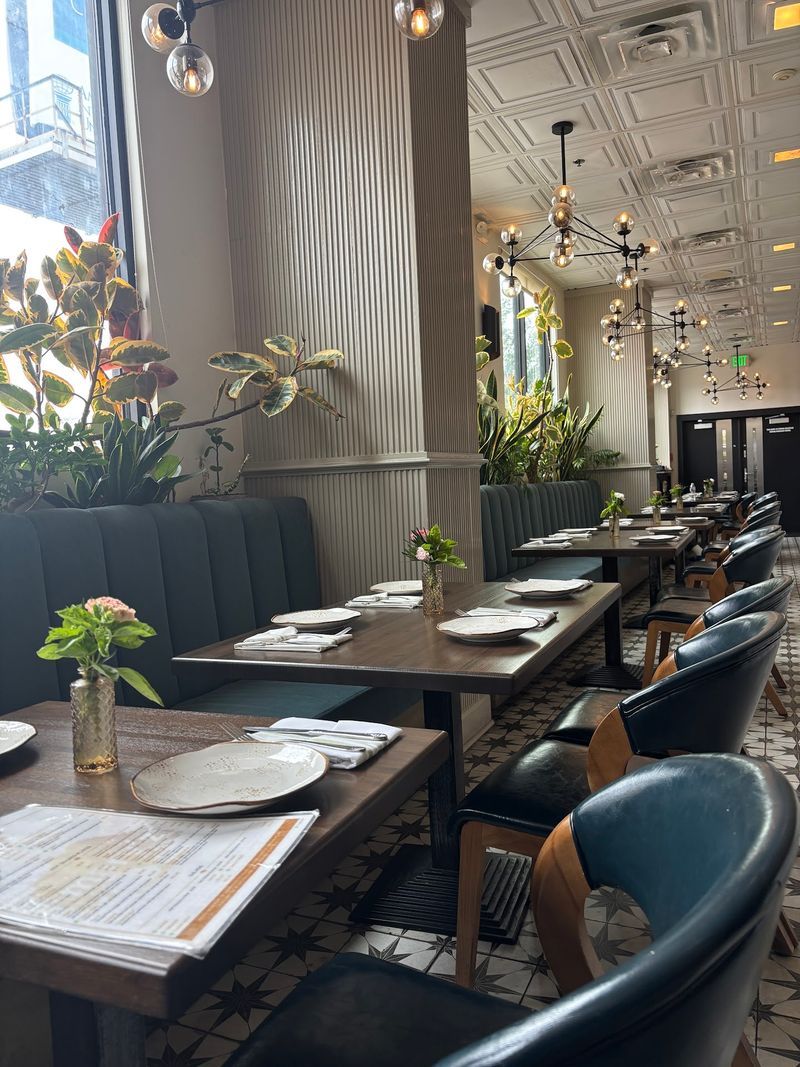
A little planning turns a good meal into a smooth one. Reservations are available, which helps considerably on busy weekend evenings when the dining room fills up.
Parking causes stress at plenty of Houston restaurants, but valet service is offered here alongside regular parking, removing one common headache.
Dress code sits comfortably at nice casual. Jeans work fine, though guests celebrating something special often dress up slightly, and neither choice feels out of place.
The atmosphere adapts to different occasions. Weekday lunches run relaxed, dinners with friends stretch longer, and celebrations take on more energy.
Some sources note live entertainment on certain evenings, which changes the mood considerably.
Ordering advice for first timers: start with two dips, one flatbread, and one hot appetizer, then add a shared grill platter. That sequence covers the menu’s strengths without overwhelming the table.
Larger groups benefit most from this style of eating. Passing plates around encourages conversation and lets everyone taste more than they could order alone.
Takeout and delivery options exist through several platforms for anyone wanting the food at home, though the flatbreads genuinely taste best fresh from the oven.
Arriving hungry is strongly recommended, and pacing the meal makes the experience far more enjoyable than rushing through it.
Located in the Galleria area, the spot works well as a stop before or after shopping.
Address: 5825 Richmond Ave, Houston, TX 77057
