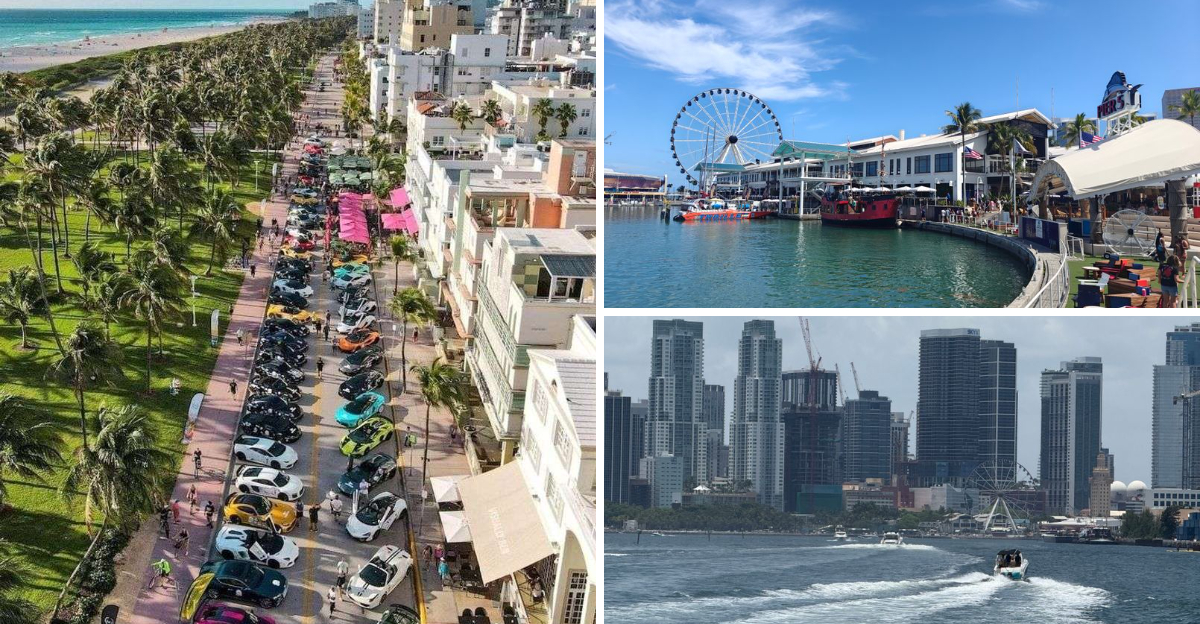
Miami shimmers along Florida’s southeastern coast like a jewel dropped into turquoise waters, where the Atlantic Ocean kisses sandy shores and palm trees sway in the subtropical breeze.
This vibrant city draws millions of visitors each year with its Art Deco architecture, world-famous beaches, pulsating nightlife, and cultural fusion that blends Latin American flavors with American energy.
Yet beneath the glossy tourism brochures and Instagram-perfect sunsets, local residents face a growing challenge as their beloved neighborhoods transform under the weight of constant visitor traffic.
Some communities that once offered peaceful retreats or authentic cultural experiences now struggle with overcrowding, rising costs, and a loss of the character that made them special in the first place.
This content reflects personal experiences, observations, and information available at the time of writing.
Descriptions and evaluations are inherently subjective and may vary depending on timing, season, conditions, and individual preferences.
Circumstances can change, and experiences may differ for each reader.
1. Wynwood
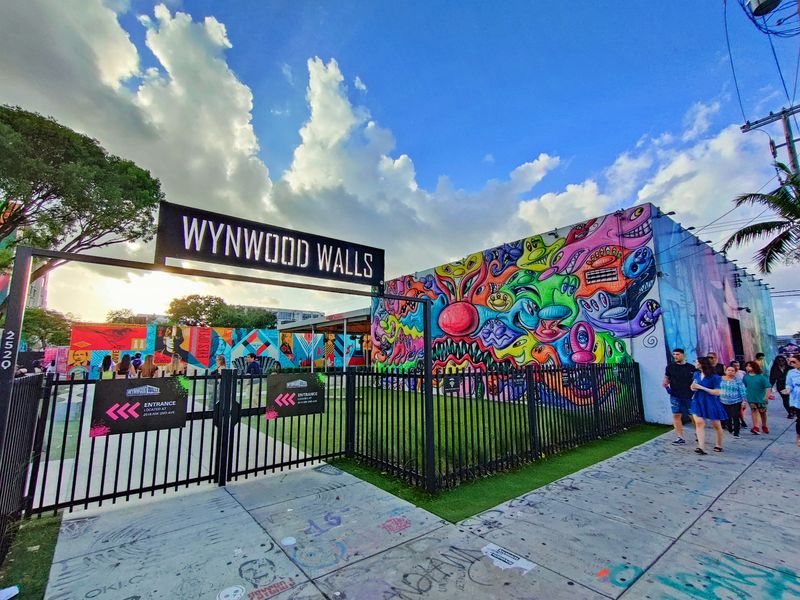
Artists and creatives first transformed this former warehouse district into an outdoor gallery during the early 2000s, creating something truly special from abandoned industrial spaces.
Wynwood’s explosion in popularity has turned what was an authentic artistic community into something closer to an outdoor shopping mall with a paint job.
The famous Wynwood Walls, located at 2520 NW 2nd Avenue, draws enormous crowds daily, with tour buses unloading hundreds of visitors who pose against every available mural.
Local artists who once worked in affordable studios have been priced out as landlords recognized the neighborhood’s tourism potential and raised rents accordingly.
The galleries and studios that gave Wynwood its soul have been replaced by overpriced boutiques and restaurants that target visitors rather than the community.
Weekend traffic jams make it nearly impossible for residents to navigate their own streets, especially during the monthly art walks that now feel more like music festivals.
What used to be a place where you could wander freely and discover hidden artistic gems has become a choreographed experience with designated photo spots and guided tours.
The craft breweries and trendy eateries that line the streets charge tourist prices, making casual hangouts financially unrealistic for many locals.
Parking enforcement has become aggressive, with tickets appearing within minutes of expiration as the city capitalizes on the visitor influx.
The neighborhood’s grittier, more authentic edges have been smoothed over and sanitized, losing the raw creative energy that originally attracted people.
Many original Wynwood supporters feel the neighborhood has become a victim of its own success, transformed from a grassroots art movement into a branded tourist attraction.
Still, glimpses of the old Wynwood persist in the side streets and smaller galleries where dedicated artists continue creating despite the changes swirling around them.
2. South Beach
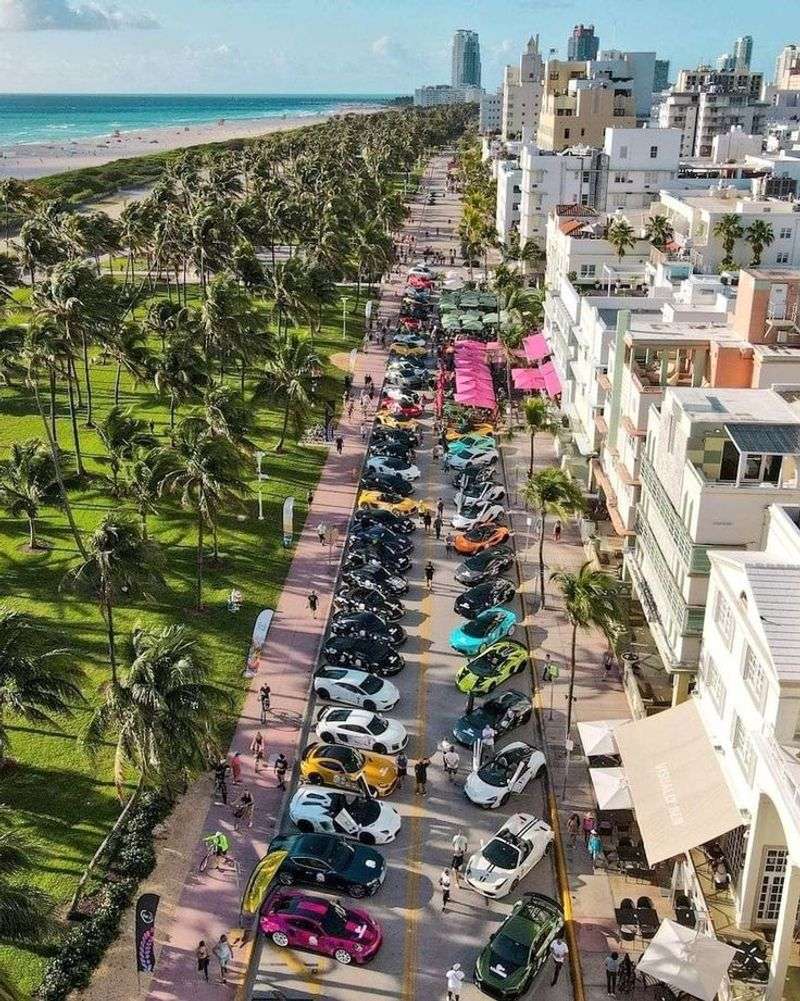
Once a quiet residential area where families strolled along uncrowded shores, South Beach has morphed into Miami’s most recognized tourist destination.
The neighborhood’s famous Art Deco Historic District along Ocean Drive attracts waves of visitors who pack the sidewalks from sunrise to well past midnight.
What locals once cherished as a walkable beachfront community has become an endless parade of rental scooters, open-air party buses, and tourists stopping mid-sidewalk for photos.
The beaches themselves, stretching from Fifth Street to around 15th Street, become nearly impossible to navigate during peak season.
Finding a quiet spot to lay a towel feels like a competitive sport, with every square foot of sand claimed by visitors who arrive early and stay late.
Many longtime residents have abandoned their beloved beach altogether, choosing instead to drive north to quieter stretches.
Traffic congestion along Collins Avenue and Washington Avenue creates gridlock that turns a simple grocery run into an hour-long ordeal.
Parking has become so scarce and expensive that locals joke about needing a second mortgage just to visit their own neighborhood shops.
The restaurant scene, while impressive, caters almost exclusively to tourists with inflated prices that push out the casual eateries locals once frequented.
Noise levels have skyrocketed as nightclubs and bars compete for attention, making peaceful evenings on residential balconies a distant memory.
The constant construction of new hotels and luxury condos adds to the chaos, with cranes dotting the skyline and construction noise beginning before dawn.
Despite these challenges, South Beach remains undeniably beautiful, with its pastel-colored buildings and ocean breezes still capable of taking your breath away on those rare quiet mornings.
3. Little Havana
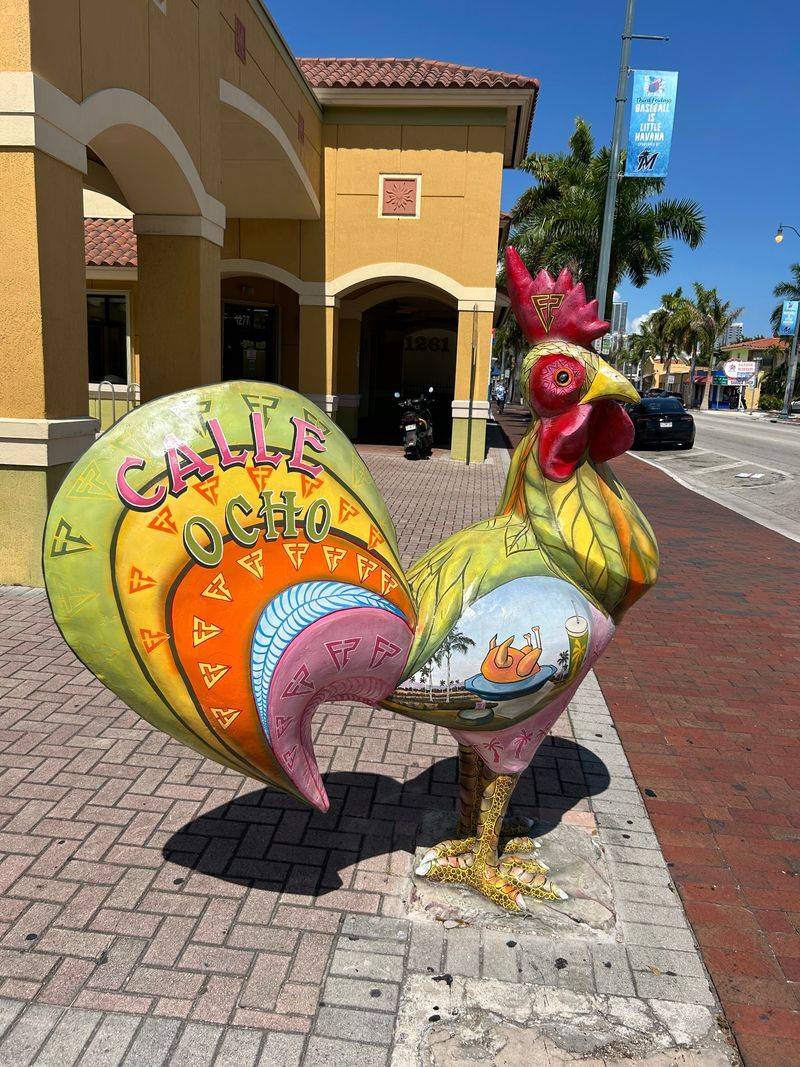
Calle Ocho, the heart of Little Havana along Southwest 8th Street, once served as the genuine cultural center for Miami’s Cuban exile community.
Families gathered at cafeterias for café con leche, elders played dominoes in Maximo Gomez Park at 801 SW 15th Avenue, and Spanish conversations filled the air with authentic energy.
Tourism has gradually transformed this living neighborhood into something resembling a theme park version of Cuban culture.
Tour groups now crowd the sidewalks, stopping at designated photo opportunities while guides share simplified versions of the community’s complex history.
The famous domino players in the park have become unwilling performers, with tourists constantly interrupting games to snap photos without asking permission.
Many traditional Cuban restaurants have been replaced by establishments that serve watered-down versions of classic dishes at inflated prices.
The cigar shops, while still present, increasingly cater to tourists seeking souvenirs rather than locals looking for quality tobacco products.
Longtime residents feel their neighborhood has been commodified, with their culture packaged and sold to visitors who spend a few hours before moving on.
The annual Calle Ocho Festival, once a community celebration, has grown so large that many locals avoid the area entirely during the event.
Real estate prices have climbed as developers recognize the neighborhood’s appeal, pushing out families who have lived there for generations.
The sense of community that once defined Little Havana has been diluted as tourist-focused businesses replace family-owned shops.
Traffic congestion makes simple errands frustrating, especially when tour buses block narrow streets while passengers disembark for photo opportunities.
Despite these pressures, pockets of authentic Cuban culture survive in the side streets where locals still gather, speaking Spanish and maintaining traditions away from tourist eyes.
4. Coconut Grove
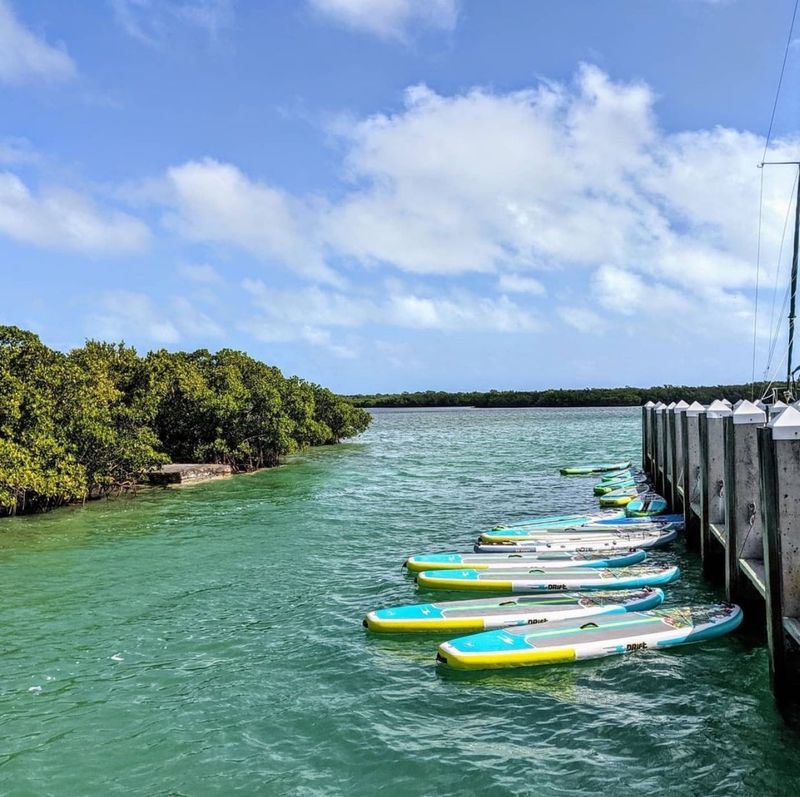
Bohemian artists and free spirits once claimed Coconut Grove as their sanctuary, creating Miami’s oldest continuously inhabited neighborhood.
The Grove, as locals call it, offered a laid-back atmosphere where you could browse independent bookstores, sip coffee at sidewalk cafes, and enjoy the waterfront without fighting crowds.
That peaceful character has eroded as tourism and development have reshaped the neighborhood into a bustling commercial district.
CocoWalk, the outdoor shopping and entertainment complex at 3015 Grand Avenue, draws massive crowds that spill onto surrounding streets and overwhelm local infrastructure.
The waterfront areas, particularly around Peacock Park and the marina, have become so congested that residents avoid them during peak visiting hours.
Parking has reached crisis levels, with visitors filling every available space and leaving locals circling endlessly or paying premium rates at commercial lots.
The independent shops and galleries that gave the Grove its artistic soul have largely disappeared, replaced by chain stores and restaurants.
Weekend brunches at local favorites now require reservations made days in advance, and even then, you’ll wait in lines filled mostly with tourists.
The neighborhood’s famous banyan trees still provide shade along the streets, but the tranquil walks beneath them have been replaced by dodging selfie-takers and tour groups.
Sailing and boating, once accessible activities for local residents, have become expensive tourist excursions as marinas cater to visitors with deeper pockets.
The annual Coconut Grove Arts Festival, while beautiful, has grown so large that it essentially shuts down the neighborhood for an entire weekend.
Many longtime Grove residents feel their neighborhood has lost its quirky, artistic identity in exchange for generic commercial appeal that could exist anywhere.
Yet early mornings still offer glimpses of the old Grove, when mist rises from the bay and the streets briefly belong to locals again.
5. Brickell
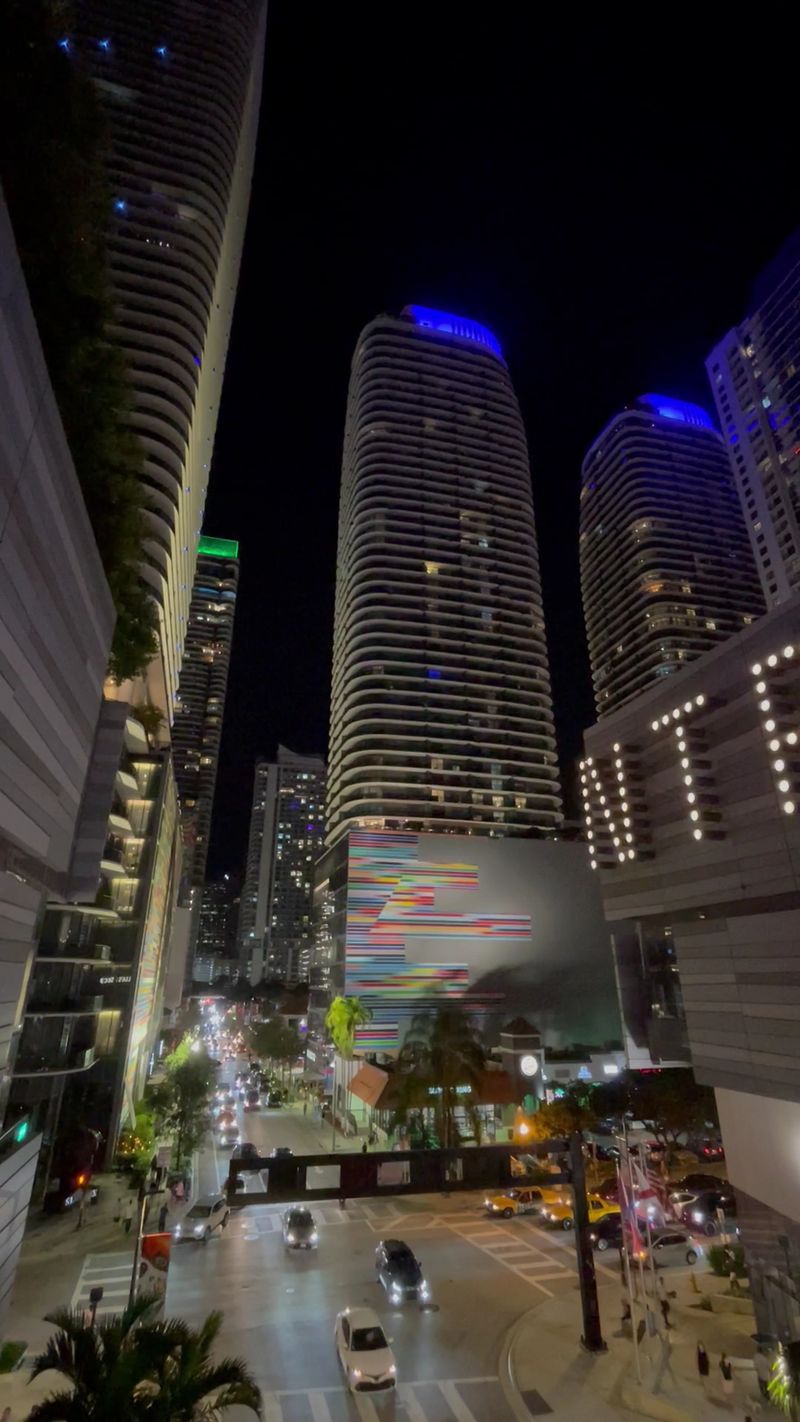
Glass towers pierce the sky above Brickell, creating a Manhattan-like skyline that has earned this neighborhood the nickname Miami’s Financial District.
What began as a residential and business community has exploded into a dense urban environment where tourists and short-term vacation renters now outnumber permanent residents.
The rise of Airbnb and vacation rentals has fundamentally changed the character of Brickell’s residential towers.
Buildings that once housed stable communities now operate partially as informal hotels, with rolling suitcases constantly clicking through lobbies and unfamiliar faces changing weekly.
This transient population has strained building amenities, with pools and gyms overcrowded by visitors who treat them like hotel facilities rather than shared community spaces.
Brickell Avenue and the surrounding streets experience gridlock throughout the day as tourists unfamiliar with the area navigate alongside commuters and delivery vehicles.
The restaurants and bars along the waterfront at Brickell City Centre have become tourist destinations, with prices reflecting their appeal to visitors rather than locals.
Mary Brickell Village, located at 900 South Miami Avenue, transforms into a packed entertainment district on weekends, with noise levels making nearby residential living challenging.
The Metromover stations become overwhelmed during peak tourist seasons, with visitors struggling to understand the system while locals try to commute efficiently.
Grocery stores and pharmacies, essential services for residents, have been squeezed out by high rents, forcing locals to travel outside their neighborhood for basic necessities.
The sense of community that residents tried to build has been undermined by the constant turnover of short-term renters who have no investment in the neighborhood.
Building management companies struggle to maintain quality of life for permanent residents while accommodating the demands of vacation rental operators.
Despite the challenges, Brickell’s waterfront still offers stunning views of Biscayne Bay, especially at sunset when the water reflects the colors of the sky between the towers.
6. Design District
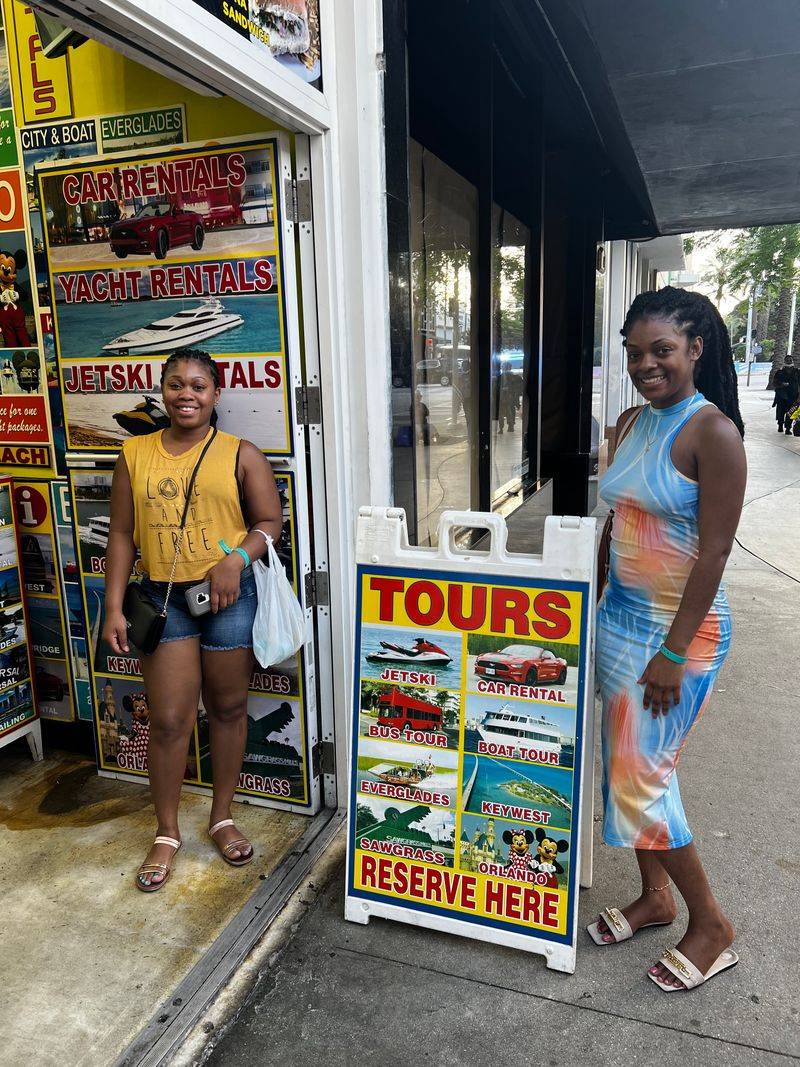
Industrial warehouses and wholesale furniture showrooms once filled this neighborhood, serving practical purposes for Miami’s interior design trade.
Visionary developers recognized potential in the area and transformed it into a high-end shopping and dining destination that attracts wealthy tourists from around the world.
The Design District’s evolution represents a double-edged sword for locals who appreciated the neighborhood’s transformation but now find themselves priced out of enjoying it.
Luxury boutiques from brands like Dior, Gucci, and Louis Vuitton line the streets, creating an outdoor shopping experience that feels exclusive rather than welcoming.
The prices in these stores and the surrounding restaurants reflect tourist expectations rather than local budgets, making casual browsing or dining feel financially uncomfortable.
Public art installations dot the neighborhood, but tourists constantly crowd them for Instagram photos, making it difficult to appreciate the works peacefully.
The Institute of Contemporary Art at 61 NE 41st Street offers free admission, yet even this cultural space feels overrun during peak seasons with tour groups moving through galleries.
Parking has become nearly impossible to find and prohibitively expensive when you do, with most spaces reserved for shoppers at the luxury retailers.
The neighborhood that was supposed to celebrate design and creativity now feels sterile and commercial, with every element carefully curated for maximum appeal to wealthy visitors.
Local artists and designers who once found affordable studio space here have been completely pushed out by skyrocketing rents.
The restaurants, while offering impressive cuisine, charge prices that make them special-occasion destinations rather than neighborhood spots.
Security guards at many establishments create an atmosphere that feels unwelcoming to anyone not arriving in expensive clothing or luxury vehicles.
The Design District has become beautiful but exclusionary, a neighborhood that locals admire from a distance rather than feeling any genuine connection to or ownership of.
7. Bayside
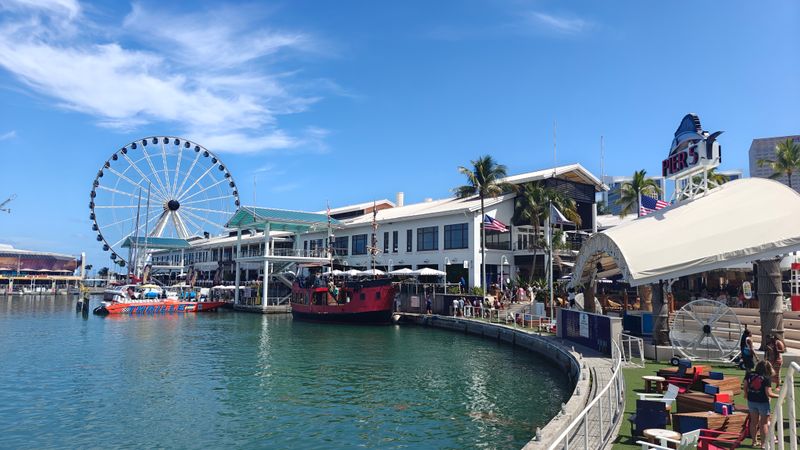
Biscayne Bay sparkles beside Bayside Marketplace at 401 Biscayne Boulevard, where the waterfront location promises beautiful views and ocean breezes.
This open-air shopping and entertainment complex has become one of Miami’s most tourist-saturated locations, with cruise ship passengers flooding the area daily.
Locals who once enjoyed the waterfront promenade now avoid Bayside entirely, knowing that navigating the crowds requires patience they’d rather spend elsewhere.
The shops inside primarily sell tourist trinkets and souvenirs, with few offerings that appeal to residents looking for quality goods or unique finds.
Restaurants surrounding the marketplace charge inflated prices for mediocre food, banking on the constant stream of tourists who won’t return to complain.
Street performers and vendors create a carnival atmosphere that some find entertaining but locals experience as overwhelming noise and aggressive solicitation.
The marina, while beautiful, has become a launching point for tourist activities like boat tours and jet ski rentals that create constant noise and water traffic.
Bayfront Park, which sits adjacent to Bayside, should offer a peaceful green space but instead feels like an extension of the tourist zone.
The park hosts frequent events and festivals that, while culturally valuable, make it impossible for locals to use the space for simple relaxation or exercise.
Traffic around Bayside creates a nightmare scenario, with tour buses, taxis, and ride-share vehicles constantly circling and blocking intersections.
The entire area feels designed for people passing through rather than those who live in Miami, with every element optimized for quick tourist transactions.
Security concerns have increased as the crowds attract pickpockets and scammers who target distracted visitors, making locals feel unsafe in their own city.
Early morning offers the only respite, when joggers and dog walkers can briefly reclaim the waterfront before the daily tourist invasion begins again.
8. Lincoln Road
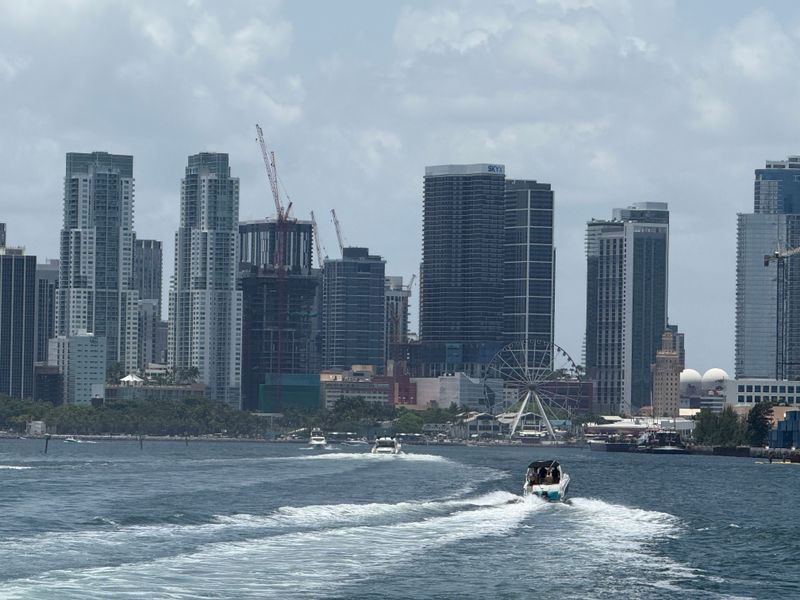
Morris Lapidus designed Lincoln Road as a pedestrian mall in the 1960s, creating an open-air shopping street that was ahead of its time.
The mile-long promenade between Alton Road and Washington Avenue once served as a gathering place where locals shopped, dined, and socialized in a relaxed atmosphere.
Mass tourism has transformed Lincoln Road into a congested outdoor mall where finding a table at a sidewalk cafe requires strategic timing and luck.
The shops have shifted from local boutiques to international chains and tourist-focused stores selling beachwear and souvenirs at premium prices.
Restaurants along the road have learned to maximize profits from one-time tourist customers rather than building relationships with regular local patrons.
The quality of food at many establishments has declined as owners realized tourists prioritize location and atmosphere over culinary excellence.
Street performers and vendors create a constant spectacle that can be entertaining but becomes exhausting for anyone trying to simply walk from point A to point B.
The crowds make social distancing impossible and turn a casual stroll into an obstacle course of selfie-takers, stopped groups, and wandering tourists.
Weekend evenings bring such dense crowds that locals avoid the area entirely, knowing that even walking through becomes an exercise in frustration.
The beautiful architecture and design elements that make Lincoln Road special get lost in the chaos of commercial activity and human congestion.
Parking in the surrounding garages costs more per hour than many locals earn, creating a financial barrier to accessing their own neighborhood.
The sense of community that once defined Lincoln Road has evaporated, replaced by a transient population that changes completely every few days.
Despite everything, the road still offers moments of beauty, particularly in the architectural details and the way afternoon light filters through the palm trees overhead.
9. Key Biscayne
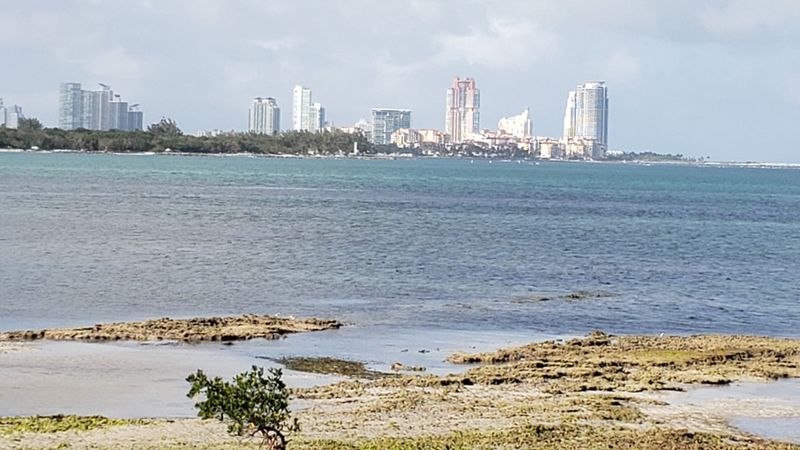
A barrier island accessible only by the Rickenbacker Causeway, Key Biscayne once offered residents a genuine escape from mainland Miami’s intensity.
The island’s beaches, particularly at Crandon Park at 6747 Crandon Boulevard and Bill Baggs Cape Florida State Park at 1200 South Crandon Boulevard, rank among Florida’s finest.
That natural beauty has become both blessing and curse as tourists discovered these pristine shores and began arriving in overwhelming numbers.
Weekend traffic on the causeway creates backups that can trap residents on or off the island for hours, turning a simple bridge crossing into a major ordeal.
The beaches themselves become so packed during peak season that finding parking requires arriving at dawn, and the sand disappears under a carpet of towels and umbrellas.
Crandon Park’s facilities, designed for reasonable visitor numbers, strain under the pressure of thousands of daily tourists during high season.
Restrooms run out of supplies, trash bins overflow, and the natural environment suffers from the constant foot traffic across dunes and vegetation.
The island’s few restaurants and shops have raised prices to tourist levels, making casual dining or shopping expensive for locals who live there year-round.
Cyclists and joggers who once enjoyed the scenic causeway now navigate through tourist traffic and distracted drivers stopping to take photos of the bay views.
The village atmosphere that made Key Biscayne special has been compromised by the daily influx of visitors who treat the island as a day-trip destination.
Short-term vacation rentals have proliferated in residential buildings, bringing the noise and disruption that comes with constantly changing temporary residents.
Many longtime island residents feel their community has been invaded, with their quiet paradise transformed into just another overcrowded Miami tourist attraction.
Early mornings and weekdays still offer glimpses of the island’s magic, when the beaches lie nearly empty and the water sparkles in peaceful turquoise perfection.
Dear Reader: This page may contain affiliate links which may earn a commission if you click through and make a purchase. Our independent journalism is not influenced by any advertiser or commercial initiative unless it is clearly marked as sponsored content. As travel products change, please be sure to reconfirm all details and stay up to date with current events to ensure a safe and successful trip.
