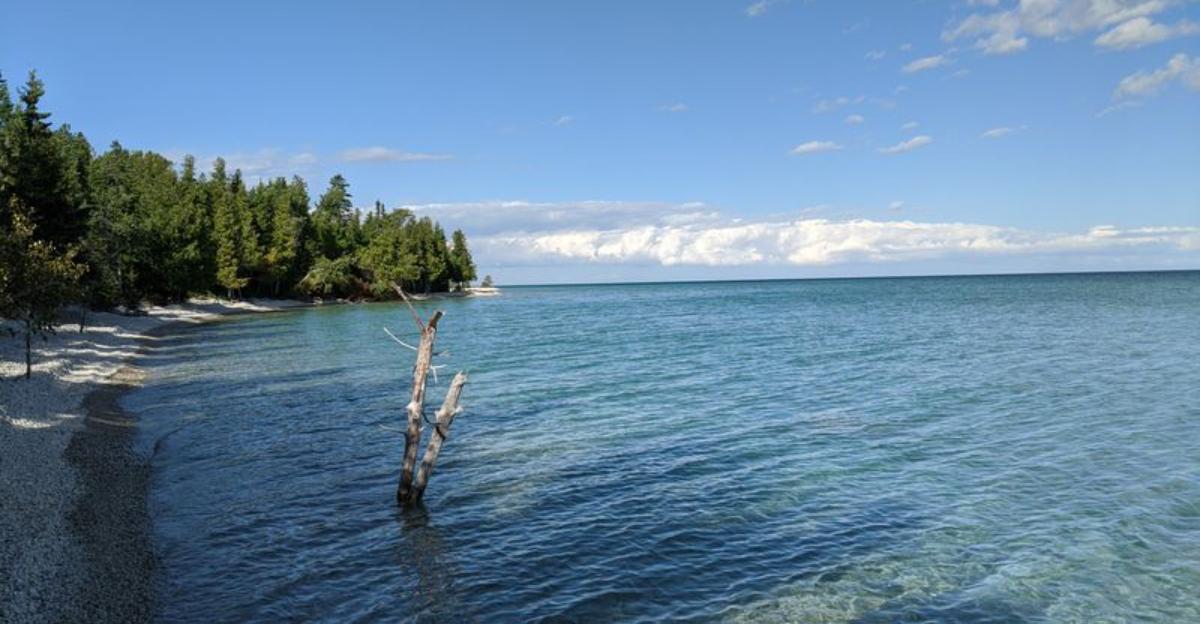
Michigan sits surrounded by four of the five Great Lakes, creating a unique geography that gives the state more coastline than any other state except Alaska.
Scattered across these massive freshwater seas are hundreds of islands, each with its own story and character.
Some of these islands feel like they belong in a fantasy novel rather than the American Midwest, with towering limestone formations, crystal-clear turquoise waters, and landscapes that seem almost too beautiful to be real.
From remote wilderness retreats to historic tourist destinations, Michigan’s islands offer experiences that surprise even longtime residents.
Whether you’re looking for adventure, relaxation, or just a chance to see something truly extraordinary, these seven islands prove that you don’t need to travel across oceans to find paradise.
Each one possesses qualities that make visitors do a double-take, wondering if what they’re seeing can possibly exist in the Great Lakes region.
Get ready to discover Michigan islands that challenge everything you thought you knew about the state’s natural beauty.
1. Mackinac Island
Stepping onto Mackinac Island feels like traveling back to the 1890s, when horses clip-clopped down dirt roads and life moved at a gentler pace.
No cars have been allowed on this island since 1898, making it one of the few places in America where the internal combustion engine never took over.
Instead, visitors and residents rely on bicycles, horse-drawn carriages, and their own two feet to get around.
Located in the straits between Michigan’s Upper and Lower Peninsulas, this island has become famous for its fudge shops, Victorian architecture, and the massive Grand Hotel with its 660-foot-long front porch.
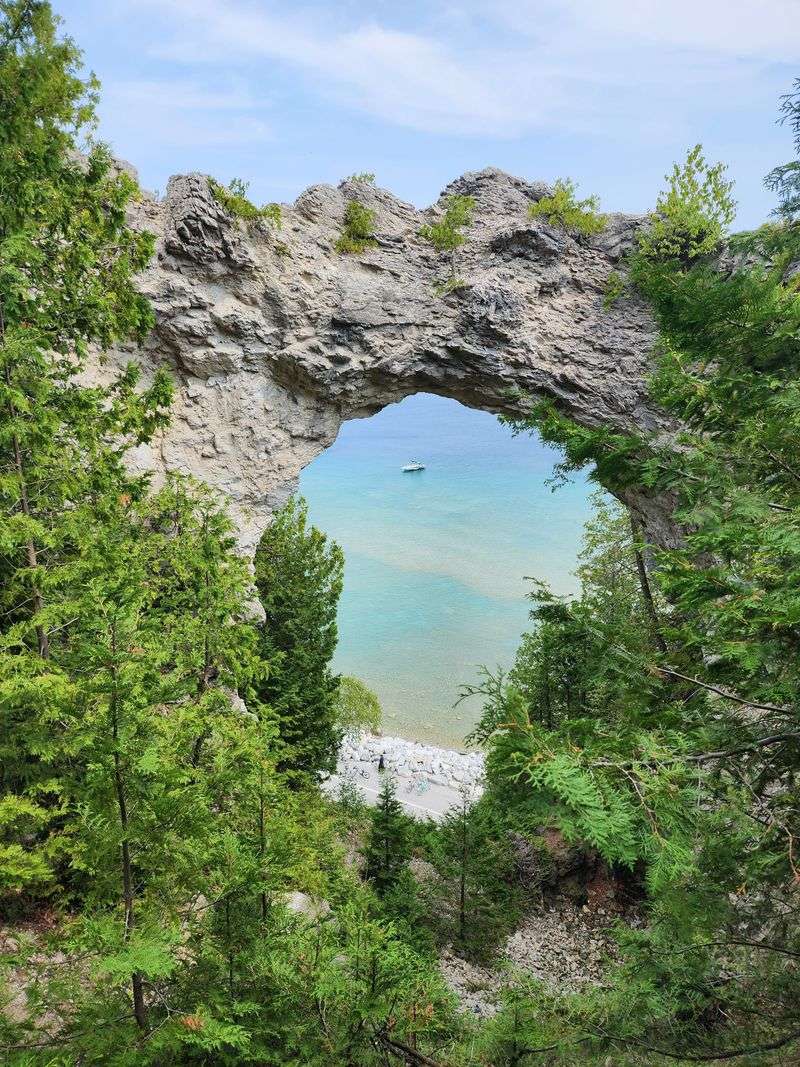
The island’s natural beauty rivals its historic charm, with limestone bluffs rising dramatically from the shoreline and Arch Rock standing as a natural stone bridge 146 feet above the water.
Fort Mackinac sits high on a bluff overlooking the harbor, preserved as it looked during the War of 1812.
Eighty percent of the island is protected as Mackinac Island State Park, Michigan’s first state park established in 1895.
Biking the eight-mile loop around the island takes you past stunning lake views, hidden coves, and forests that seem untouched by time.
The island’s permanent population of around 500 swells to thousands during summer months when tourists arrive by ferry.
You can visit the Butterfly House, explore caves along the shoreline, or simply enjoy fudge from one of the many shops lining Main Street.
The combination of preserved history, natural wonders, and car-free tranquility creates an atmosphere that genuinely feels like stepping into another world entirely.
2. Isle Royale
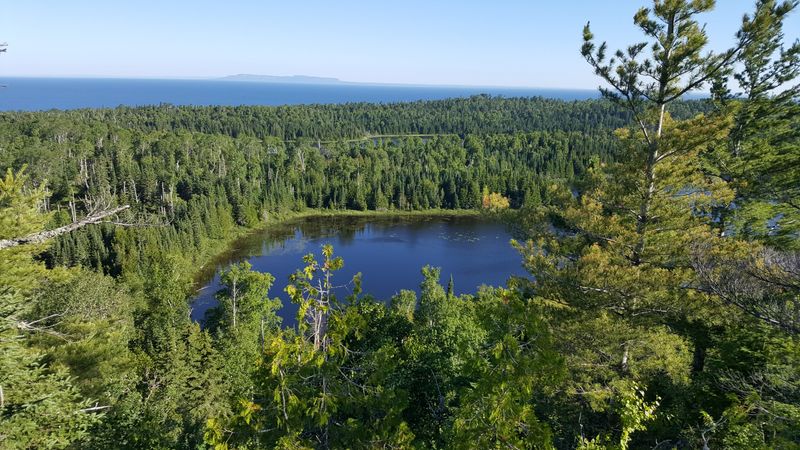
Floating in Lake Superior closer to Canada than to Michigan’s mainland, Isle Royale represents one of America’s most remote and least-visited national parks.
Getting there requires either a seaplane or a multi-hour ferry ride, which keeps crowds thin and wilderness experiences authentic.
This 45-mile-long island is actually an archipelago of about 400 smaller islands, creating a maze of waterways perfect for kayaking and canoeing.
The island hosts one of the longest-running predator-prey studies in the world, tracking wolves and moose populations since 1958.
Wolves nearly disappeared from the island in recent years, but a relocation project brought new wolves from the mainland to restore balance to the ecosystem.
Moose swim between islands and graze in wetlands, often allowing hikers to observe them from surprisingly close distances.
The park contains 165 miles of hiking trails that wind through thick boreal forests, along rocky coastlines, and past inland lakes so clear you can see thirty feet down.
Greenstone Ridge Trail runs the length of the island, offering backpackers a challenging multi-day adventure through pristine wilderness.
Ancient copper mining pits dot the landscape, evidence that Native Americans mined here thousands of years ago.
Because the island closes completely from November through mid-April due to harsh winter conditions, it remains remarkably undeveloped.
There are no roads, no cars, and limited cell phone service, creating a true escape from modern life.
Watching the northern lights dance over Lake Superior from a rocky shore, with wolf howls echoing through the forest, creates memories that feel almost dreamlike in their intensity.
3. Beaver Island
Once ruled by a self-proclaimed king who crowned himself monarch of a Mormon colony, Beaver Island has one of the strangest histories of any place in Michigan.
James Strang declared himself king in 1850 and ruled the island until his assassination six years later, leaving behind a legacy that still fascinates historians.
Today, this largest island in Lake Michigan is home to about 600 year-round residents who enjoy a laid-back lifestyle that feels worlds away from mainland Michigan.
The island stretches 13 miles long and 6 miles wide, with enough space for exploration but small enough to feel intimate and manageable.
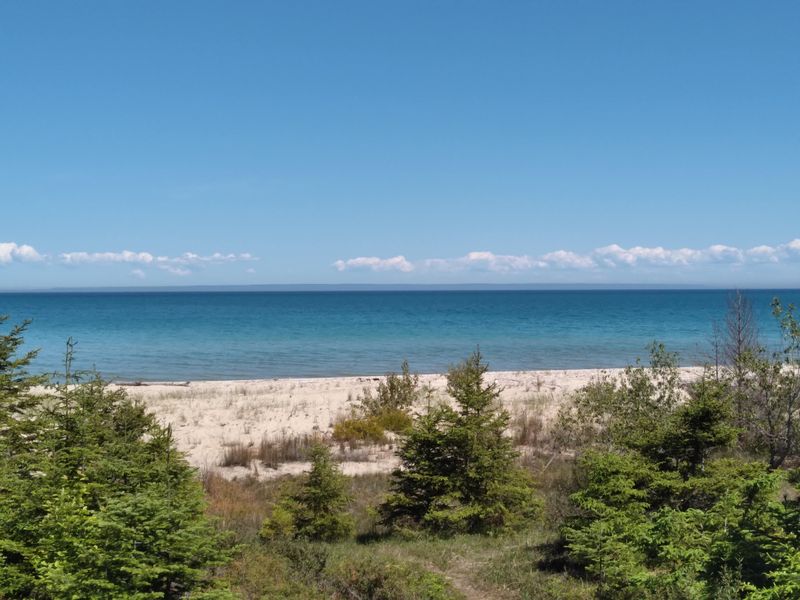
Sandy beaches with Caribbean-blue water line much of the shoreline, creating scenes that look more like tropical destinations than the Great Lakes.
Two lighthouses guard the island’s shores, and both can be visited for stunning views across Lake Michigan.
The island’s interior features dense forests, inland lakes perfect for quiet paddling, and roads where you might not see another car for miles.
St. James, the island’s only town, has a charming collection of shops, restaurants, and the fascinating Mormon Print Shop Museum.
You can rent bicycles, mopeds, or cars to explore, though many visitors find walking or biking the most enjoyable way to experience the island’s peaceful atmosphere.
Spring and fall bring incredible bird migrations, with thousands of birds stopping to rest on their journeys.
Local fishermen still work the waters around the island, and you can often buy fresh whitefish or lake trout right off the boats.
The combination of quirky history, natural beauty, and genuine small-island community makes Beaver Island feel like a secret that only lucky travelers discover.
4. South Manitou Island
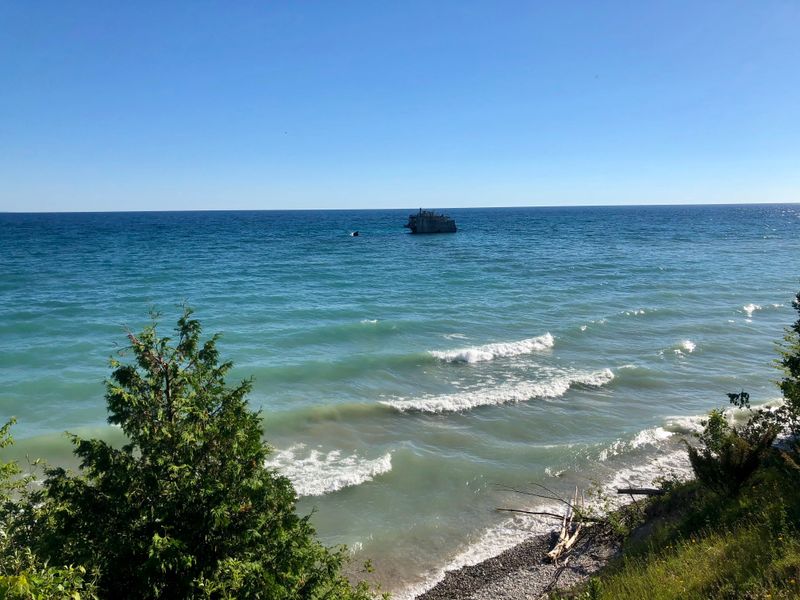
Giant cedars that were already ancient when Columbus reached America still stand on South Manitou Island, creating a forest that feels primeval and sacred.
Some of these trees measure over 17 feet in circumference and tower more than 90 feet high, remnants of the vast old-growth forests that once covered the Great Lakes region.
The Valley of the Giants trail takes you through this magical forest where sunlight filters through the canopy and the air smells rich with cedar.
Part of Sleeping Bear Dunes National Lakeshore, this island sits about 16 miles offshore from the mainland and can only be reached by passenger ferry.
The island once served as a crucial refueling station for steamships traveling Lake Michigan, and ruins of the old village and lighthouse still stand as reminders of that busy era.
South Manitou Lighthouse, built in 1871, rises 100 feet and can be climbed for panoramic views of the island and surrounding waters.
Perhaps the island’s most photographed feature is the Francisco Morazan shipwreck, a 246-foot freighter that ran aground in 1960 and still sits partially submerged off the southern shore.
Massive sand dunes on the island’s western side create landscapes that look like miniature deserts, with sand blown into perfect ripples by constant winds.
Backcountry camping is allowed at designated sites, giving visitors the chance to fall asleep to waves and wake to stunning sunrises over Lake Michigan.
White-tailed deer roam the island freely, often approaching campsites with curious boldness.
The island’s beaches feature some of the clearest water in the Great Lakes, with visibility often exceeding 30 feet.
Walking these shores, exploring ancient forests, and standing beside a rusting shipwreck creates a sense of timelessness that few places can match.
5. Drummond Island
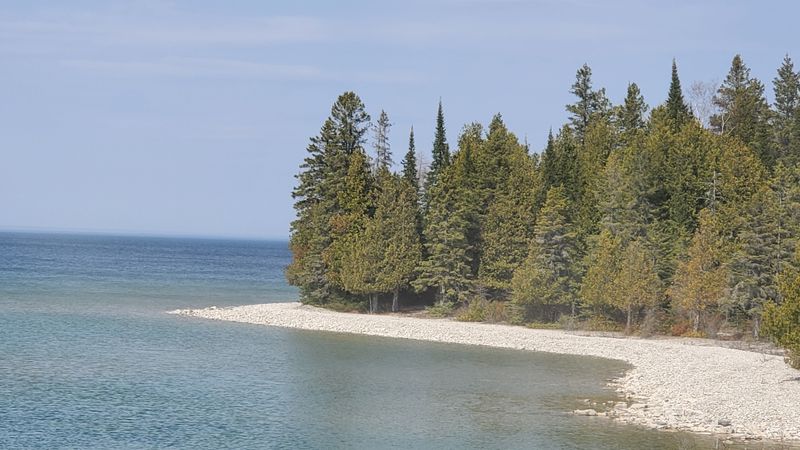
Sitting at the very top of Michigan’s eastern shore, Drummond Island is so far north that it nearly touches Canada, separated only by the narrow waters of the North Channel.
This island has earned a reputation as an off-roading paradise, with over 100 miles of trails winding through forests, along shorelines, and over rocky terrain.
Every Fourth of July weekend, thousands of ATV and dirt bike enthusiasts descend on the island for what has become one of the Midwest’s largest off-road gatherings.
But Drummond offers much more than motorized recreation, with limestone shorelines that create otherworldly landscapes of flat rock shelves extending into crystal-clear water.
Maxton Plains, a unique alvar ecosystem found in only a few places worldwide, covers parts of the island with flat limestone pavement supporting rare plants.
The island’s forests contain a mix of northern and southern tree species, creating diverse habitats that support abundant wildlife.
Black bears, coyotes, and even the occasional wolf roam the interior, while eagles and ospreys nest along the shores.
Fossil hunting along the beaches yields ancient marine creatures preserved in limestone, reminding visitors that this area once lay beneath a tropical sea.
A car ferry runs year-round from the mainland, making Drummond accessible even in winter when ice roads sometimes form to nearby islands.
The island has about 1,000 year-round residents who embrace the remote lifestyle and harsh winters.
Kayaking the island’s many bays and coves reveals hidden beaches, sea caves, and waters so clear you can watch fish swimming below your boat.
The combination of rugged wilderness, unique geology, and genuine frontier atmosphere makes Drummond Island feel like Michigan’s last wild frontier, where adventure awaits around every corner.
6. Charity Island
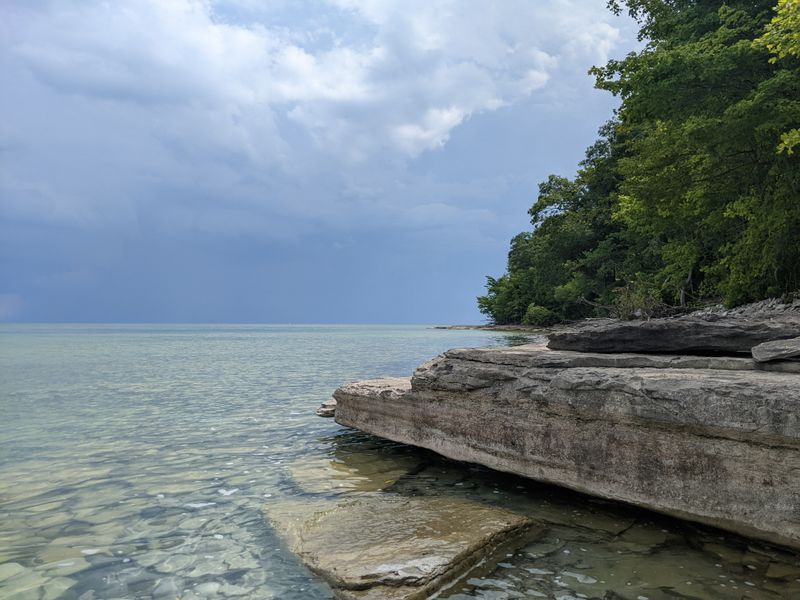
Barely more than a speck in Saginaw Bay, Charity Island consists of just 21 acres of land dominated by a historic lighthouse that has warned ships away from dangerous shoals since 1857.
The island sits about five miles from the nearest mainland shore, creating a sense of isolation that feels profound despite being relatively close to civilization.
For decades, the lighthouse fell into serious disrepair after being abandoned by the Coast Guard, with the tower crumbling and outbuildings collapsing.
A dedicated group of volunteers formed the Charity Island Transport Company and has spent years painstakingly restoring the lighthouse and keeper’s house.
Today, visitors can take boat tours to the island during summer months, walking the same grounds that lighthouse keepers and their families once called home.
The isolation these keepers endured becomes clear when you stand on this tiny island surrounded by nothing but water in all directions.
Winters were especially harsh, with ice sometimes cutting the island off from supplies for months at a time.
Stories tell of keeper’s wives giving birth on the island with only their husbands to assist, and children growing up with the lighthouse as their entire world.
The island’s small size means you can walk its entire perimeter in less than 30 minutes, exploring the rocky beaches and sparse vegetation.
Birds use Charity Island as a resting spot during migrations, and during peak times, the island can be covered with thousands of birds.
The restored lighthouse tower can be climbed, offering views across Saginaw Bay that help visitors understand why this location was so crucial for navigation.
Standing alone on this tiny island, listening to waves and wind, creates a powerful connection to the hardy souls who once lived here year-round, making Charity Island feel like a portal to Michigan’s maritime past.
7. Bois Blanc Island
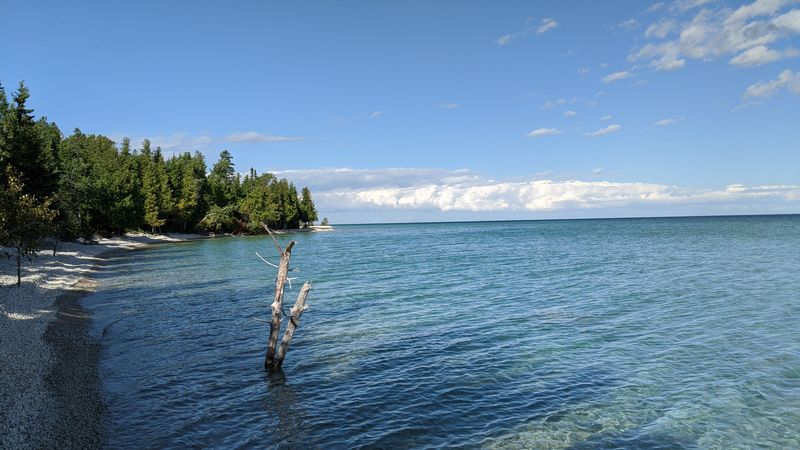
Locals call it Bob-Lo, and this island near Mackinac represents the opposite of its famous neighbor’s tourist-packed streets and fudge shops.
While Mackinac welcomes thousands of visitors daily, Bois Blanc remains quietly undeveloped, with just a couple hundred seasonal residents and almost no tourist infrastructure.
The island stretches about 12 miles long and 6 miles wide, but has only about 40 miles of roads, most of them dirt tracks that wind through dense forests.
No hotels, no restaurants, and no shops greet arriving ferry passengers, just a dock and wilderness waiting to be explored.
Most people who come here own small cottages tucked into the woods or along remote stretches of shoreline.
The island’s interior holds several inland lakes where you might paddle an entire afternoon without seeing another person.
White-tailed deer are so abundant that encountering them becomes routine rather than remarkable.
Hawks Creek flows through the island’s center, creating wetlands that attract waterfowl and wading birds.
The island’s southern shore faces the Straits of Mackinac, offering views of passing freighters and the Mackinac Bridge in the distance.
Lighthouse Point on the island’s eastern tip features a historic lighthouse that has guided ships since 1867.
Fossils embedded in the limestone beaches date back hundreds of millions of years, when warm seas covered this region.
The island’s lack of development means truly dark skies at night, with the Milky Way visible in stunning detail during clear summer evenings.
For visitors seeking solitude and a genuine wilderness experience, Bois Blanc delivers something increasingly rare in modern Michigan: a place where nature still dominates and human presence remains minimal, creating an island that feels forgotten by time itself.
Dear Reader: This page may contain affiliate links which may earn a commission if you click through and make a purchase. Our independent journalism is not influenced by any advertiser or commercial initiative unless it is clearly marked as sponsored content. As travel products change, please be sure to reconfirm all details and stay up to date with current events to ensure a safe and successful trip.
