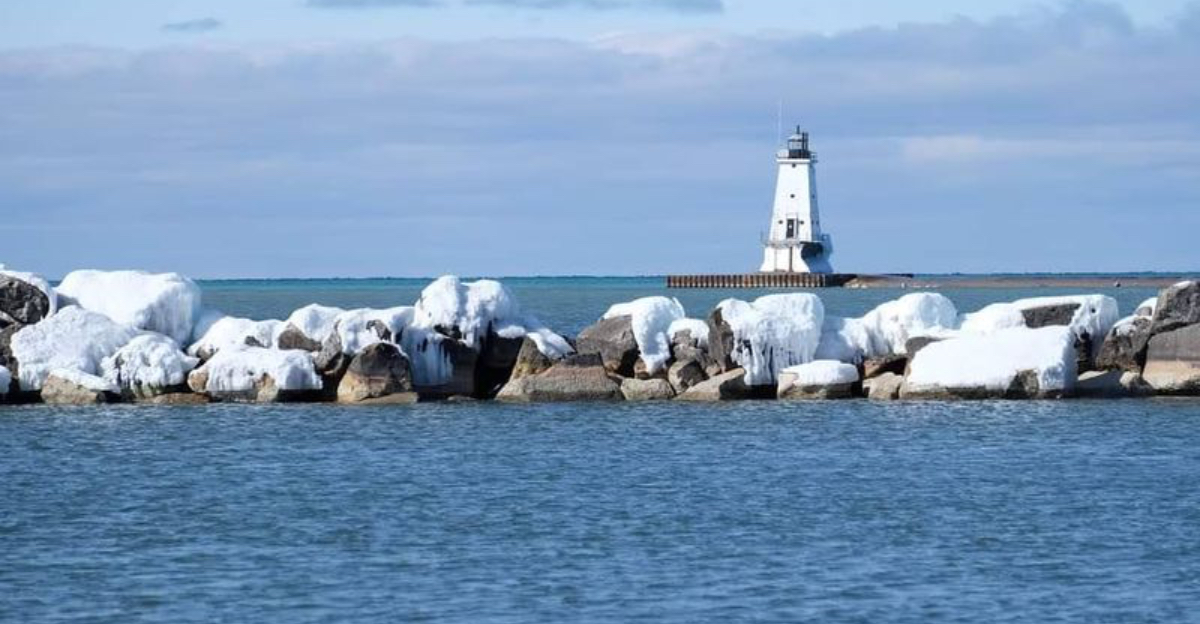
Winter transforms Michigan’s shoreline communities into wonderlands where frozen waves meet snow-dusted streets.
The Great Lakes frame these villages with dramatic backdrops that shimmer under winter skies, creating scenes straight from a storybook.
When snow blankets the historic buildings and quiet harbors, these lakeside towns reveal a charm that warm-weather visitors never witness.
From cozy cafes with lake views to frozen lighthouses standing sentinel against icy waters, these destinations prove that Michigan’s beauty reaches its peak when temperatures drop.
1. Charlevoix
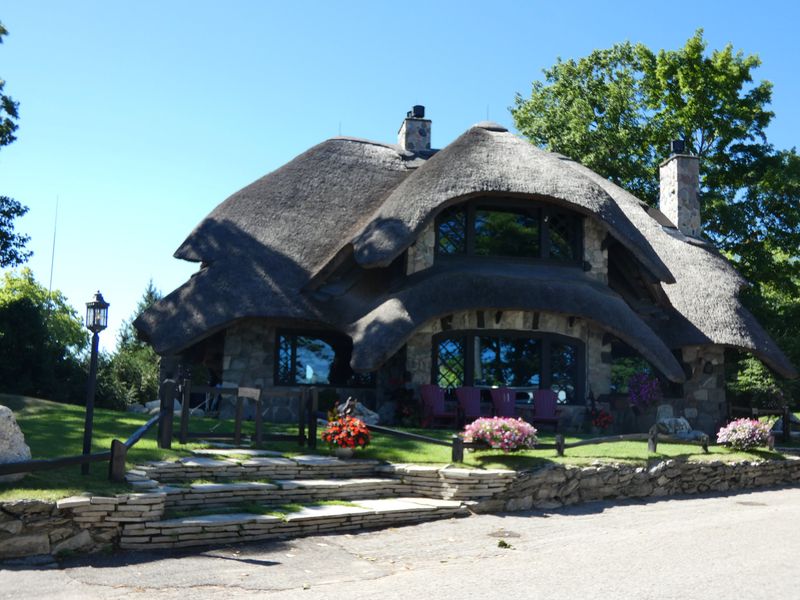
Charlevoix sits where Lake Michigan meets Lake Charlevoix, creating a double dose of waterfront magic when winter arrives.
The famous mushroom houses designed by Earl Young look even more whimsical with snow piled on their curved roofs and stone facades.
Downtown streets lined with boutiques and galleries become pedestrian-friendly winter paths where shoppers duck into warm storefronts between browsing.
The South Pier Lighthouse stands as a frozen sentinel, often encased in layers of ice that build up from crashing waves throughout the season.
Photographers travel from across the state to capture this natural ice sculpture that changes daily with weather conditions.
Bridge Street offers lake views from restaurant windows where diners watch snow squalls move across the water while enjoying locally sourced meals.
The historic district maintains its summer charm but gains a quieter, more intimate atmosphere when tourist crowds thin out.
Cross-country skiing trails wind through nearby parks, giving active visitors ways to explore beyond the village center.
Local shops stay open through winter, offering handmade goods and regional specialties perfect for gift shopping.
The marina transforms into a still life of boats wrapped for winter, their covered forms creating sculptural shapes against the snowy backdrop.
Evening walks along the waterfront reveal a different kind of beauty as streetlights reflect off snow and ice.
Community events throughout winter months keep the village lively despite cold temperatures.
Bed and breakfasts offer cozy accommodations with fireplaces and lake views that showcase winter’s dramatic weather patterns.
This northern Michigan gem proves that lakeside living remains appealing even when the water freezes solid.
2. Frankfort
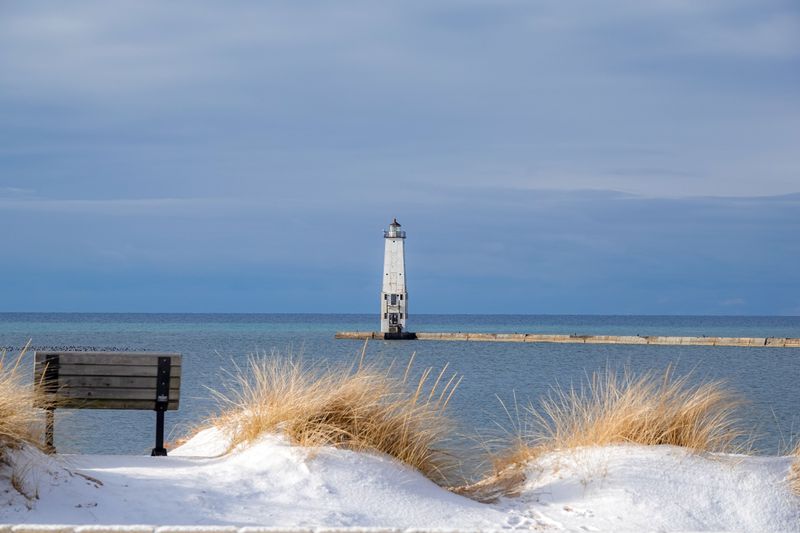
Frankfort’s protected harbor on Lake Michigan creates a natural gathering spot that looks particularly striking under snow.
The village stretches along Betsie Bay, where calm waters freeze into smooth sheets that contrast with the rougher lake beyond the breakwater.
Main Street runs just blocks from the waterfront, making it easy to combine shopping excursions with beach walks.
The North Breakwater Lighthouse becomes a winter attraction as ice formations build around its base and spray freezes mid-splash.
Local coffee roasters provide warm refuges where visitors thaw out while planning their next outdoor adventure.
Betsie Valley Trail offers groomed paths for winter hiking and snowshoeing right from the village edge.
The beach takes on an otherworldly quality when ice chunks pile up along the shore like scattered diamonds.
Historic buildings from Frankfort’s lumber era gain extra character with icicles hanging from their eaves and snow outlining architectural details.
Small galleries and craft shops stay open year-round, showcasing work from regional artists who draw inspiration from the surrounding landscapes.
The public beach access points remain open, allowing visitors to experience Lake Michigan’s winter moods safely.
Restaurants serve hearty comfort food that tastes even better after a cold walk along the waterfront.
Sunset viewing becomes a winter ritual as the low angle of light creates spectacular color shows over the frozen lake.
The village maintains a working waterfront atmosphere even in winter, with fishing boats and maritime businesses continuing operations.
This combination of natural beauty and small-town authenticity makes Frankfort a destination worth braving the cold to experience.
3. Grand Haven
Grand Haven’s famous boardwalk and musical fountain may hibernate for winter, but the village itself comes alive with seasonal charm.
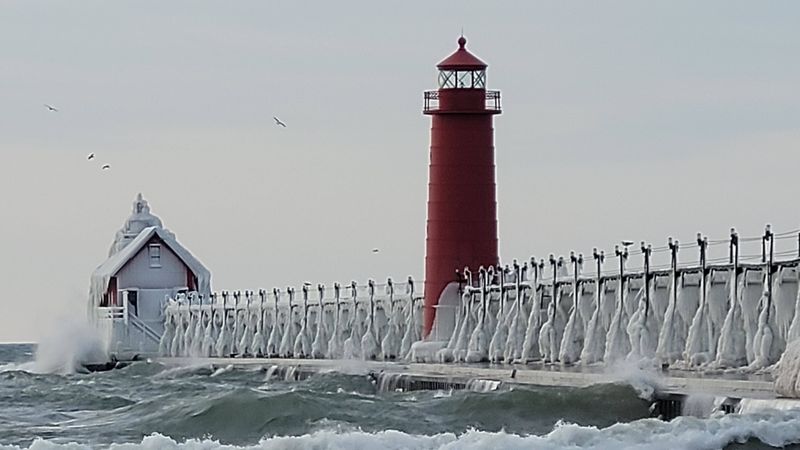
The iconic red lighthouse and catwalk become one of Michigan’s most photographed winter subjects when waves freeze them into elaborate ice sculptures.
Washington Avenue runs through downtown with locally owned shops that decorate their windows with winter displays and twinkling lights.
The beach transforms into a vast white expanse where brave souls walk among ice formations that resemble abstract art installations.
Harbor Island provides sheltered spots to watch winter storms roll in across Lake Michigan without facing the full force of the wind.
The boardwalk remains accessible for winter strolls, offering unobstructed views of the coastline in its most dramatic seasonal state.
Local breweries and restaurants keep their patios heated, allowing diners to enjoy waterfront views even in cold weather.
The Grand River flows through town, its banks lined with snow-covered trees that frame views of boats moored for winter.
Chinook Pier extends into the channel, giving anglers and sightseers a vantage point to experience the meeting of river and lake.
Downtown buildings maintain their historic character while housing modern businesses that cater to year-round residents and winter visitors alike.
The State Park beach area offers miles of undisturbed shoreline perfect for solitary winter walks and nature observation.
Community events like winter markets and holiday celebrations keep the village socially active throughout the coldest months.
Accommodations range from waterfront hotels to cozy inns, many offering special winter packages that include local dining credits.
This balance of natural spectacle and small-town warmth makes Grand Haven unforgettable when snow falls.
4. Leland
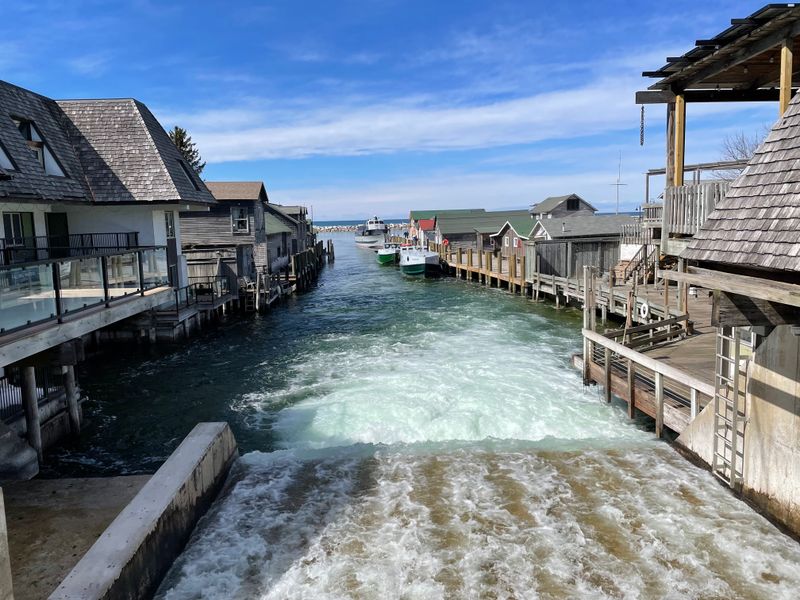
Leland’s historic Fishtown district looks like it stepped out of a vintage postcard when snow covers its weathered fishing shanties.
These working buildings along the Leland River have housed commercial fishing operations for generations, maintaining authentic character that modern developments lack.
The small harbor where the river meets Lake Michigan freezes into interesting patterns that change with tides and temperatures.
Shops in converted fish houses sell smoked fish, local crafts, and maritime antiques that reflect the village’s ongoing connection to the water.
The public dock area provides close-up views of ice formations without requiring long hikes to remote locations.
Main Street climbs gently uphill from the waterfront, lined with galleries and cafes that welcome visitors seeking warmth and refreshment.
The village sits at the base of the Leelanau Peninsula, surrounded by rolling hills that show off their contours beautifully under snow.
Nearby wineries remain open for tastings, offering a contrast to the outdoor cold with cozy tasting rooms and regional vintages.
The beach north of the harbor stretches for miles, its sand dunes creating dramatic shapes when covered in white.
Local residents embrace winter with outdoor activities like ice fishing and cross-country skiing in surrounding areas.
The small size of Leland makes it easy to explore on foot, with most attractions within a short walk of each other.
Sunset views from the harbor show the sun dropping into Lake Michigan, painting the sky in colors that reflect off snow and ice.
Accommodations include small inns and vacation rentals that provide home-base comfort for exploring the wider Leelanau region.
This combination of working waterfront history and natural beauty creates an authentic Michigan experience.
5. South Haven
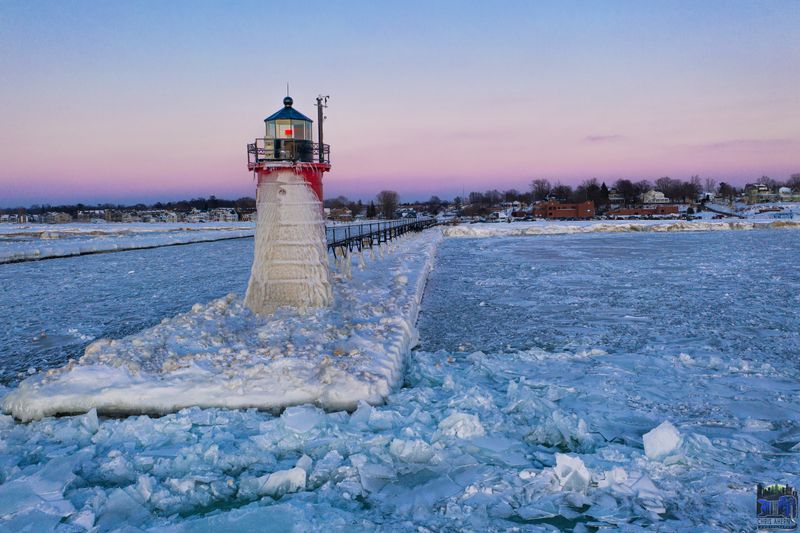
South Haven’s red lighthouse stands at the end of a long pier that becomes an adventure to reach when ice and snow cover its length.
The village curves around a natural harbor where the Black River empties into Lake Michigan, creating protected waters that freeze into smooth skating surfaces.
Downtown Phoenix Street runs parallel to the waterfront, its storefronts housing antique shops, bookstores, and eateries that stay busy year-round.
The beach stretches north and south from the harbor, its broad expanse of sand becoming a canvas for wind-sculpted snow drifts.
Maritime Museum buildings preserve the area’s shipping and fishing heritage, offering indoor exploration options when weather turns harsh.
The North Beach area features high dunes that provide elevated viewpoints over the frozen lake and snow-covered shoreline.
Local bakeries and cafes serve hot beverages and fresh pastries that taste especially good after a cold walk along the waterfront.
The harbor channel remains partially open for winter boat traffic, creating interesting contrasts between dark water and surrounding ice.
Kal-Haven Trail begins in town, offering a rail-trail path perfect for winter hiking and snowshoeing through wooded areas.
Shops selling beach gear in summer switch to offering warm clothing and local crafts during colder months.
The South Pier extends far into the lake, its lighthouse often photographed with dramatic ice buildups from wave spray.
Vacation rentals and hotels offer lake views that showcase winter’s ever-changing weather patterns and light conditions.
Community events throughout the season include art fairs and seasonal markets that draw visitors from across the region.
This southwest Michigan destination proves that beach towns maintain their appeal even when swimming season ends.
6. Suttons Bay
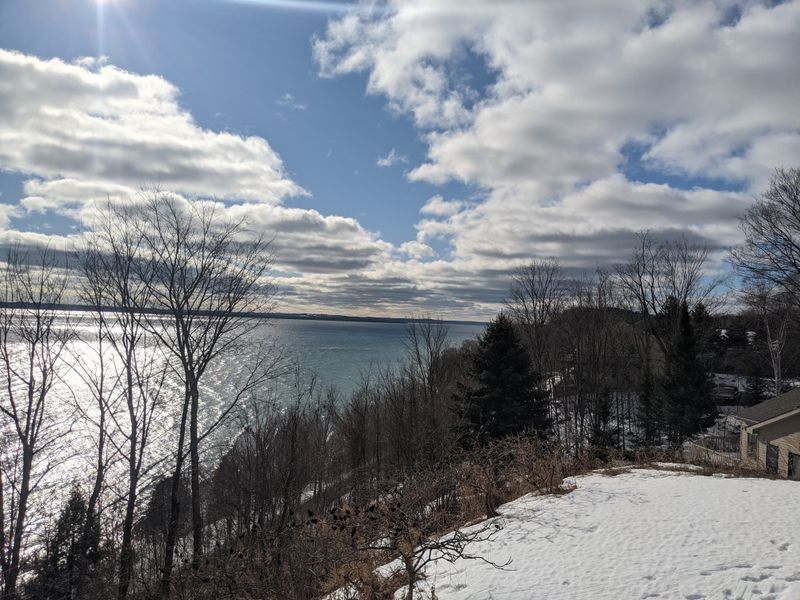
Suttons Bay sits on the Leelanau Peninsula’s eastern shore, where Grand Traverse Bay creates a more sheltered waterfront than open Lake Michigan.
The village’s compact downtown centers on St. Joseph Avenue, lined with galleries, wine tasting rooms, and farm-to-table restaurants that emphasize regional ingredients.
The bay freezes solid in most winters, allowing brave souls to walk far from shore on the ice surface.
Surrounding cherry orchards and vineyards create a patchwork landscape that looks striking under snow, with bare vines and trees standing in geometric rows.
The public marina transforms into a winter still life with boats covered and stored, their shapes creating interesting forms against the snowy backdrop.
Local wineries keep their tasting rooms open year-round, offering a warm retreat where visitors sample wines while watching snow fall over vineyard views.
The village maintains a thriving arts community with galleries showcasing paintings, pottery, and crafts inspired by the surrounding landscapes.
Small parks along the waterfront provide benches and viewing areas where people can appreciate the bay’s winter beauty comfortably.
The community supports local farms and food producers, with shops selling regional products year-round rather than just during tourist season.
Nearby Sleeping Bear Dunes National Lakeshore offers winter recreation opportunities just a short drive from the village center.
Accommodations range from historic inns to modern rentals, many offering views of the bay and surrounding hills.
The village’s location on the peninsula means stunning sunset views over the water throughout winter months.
Local restaurants emphasize seasonal cooking, with menus featuring comfort foods perfect for cold weather dining.
This combination of culinary culture and natural beauty makes Suttons Bay a sophisticated yet approachable winter destination.
7. Ludington
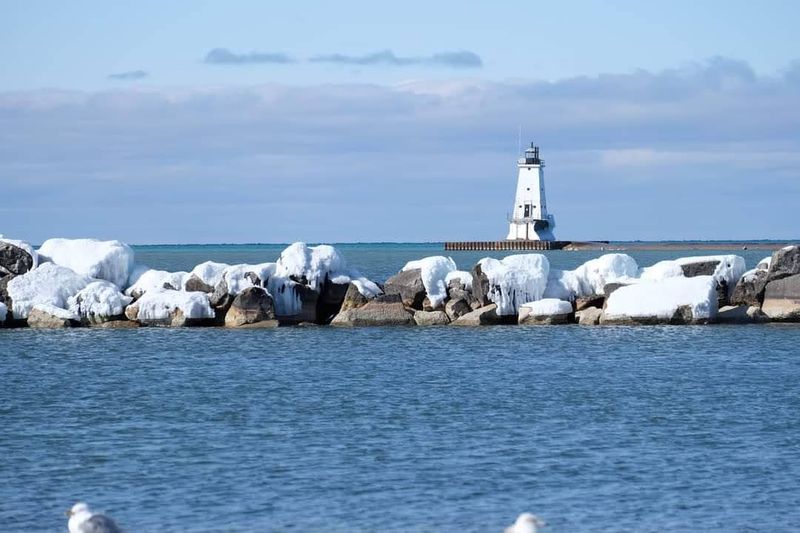
Ludington anchors the mid-Michigan coastline where Lake Michigan meets miles of pristine beach and towering sand dunes.
The Big Sable Point Lighthouse stands several miles north of town, accessible via a winter hike through snowy dunes that rewards visitors with spectacular isolation.
Downtown Ludington maintains a working waterfront atmosphere with car ferry service continuing year-round to Wisconsin across the lake.
Stearns Park sits right in town, offering immediate beach access where winter waves crash against ice-covered breakwalls.
The harbor area includes shops and restaurants with water views, many staying open through winter to serve local residents and visiting snowmobilers.
Ludington State Park encompasses vast stretches of undeveloped shoreline where winter visitors can walk for hours without seeing another person.
The park’s trail system remains open for cross-country skiing and snowshoeing, winding through forests and along the coastline.
Hamlin Lake sits just inland from Lake Michigan, its frozen surface popular with ice fishermen throughout winter months.
The North Breakwater Lighthouse stands at the end of a pier that becomes treacherous but beautiful when coated in ice.
Historic buildings downtown reflect the village’s lumber and shipping heritage, their brick and stone construction looking particularly solid under snow.
Local shops sell maritime antiques, regional crafts, and outdoor gear appropriate for winter lake activities.
The beach extends for miles in both directions from town, its width and emptiness in winter creating a sense of vast solitude.
Accommodations include historic hotels, modern motels, and vacation rentals that provide comfortable bases for winter exploration.
This combination of natural wilderness and small-town infrastructure makes Ludington ideal for visitors seeking both adventure and comfort during Michigan winters.
8. Petoskey
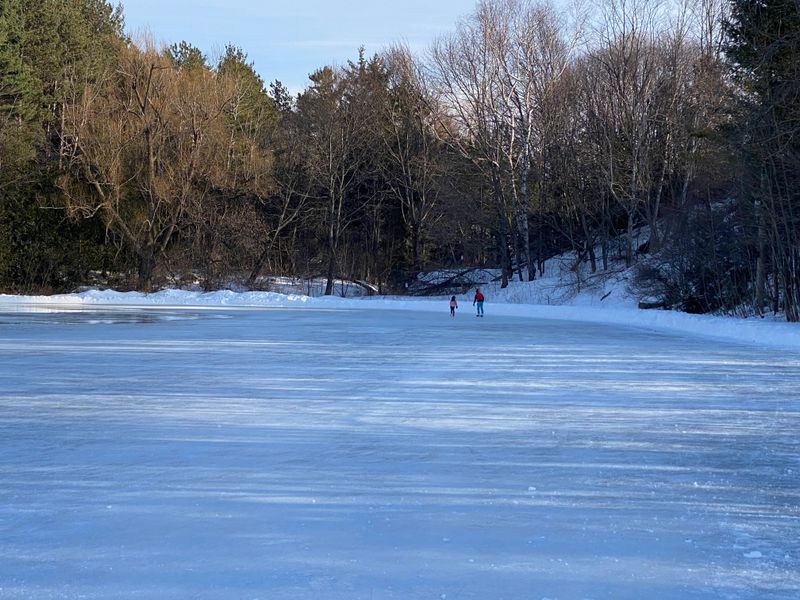
Petoskey’s Gaslight District glows with Victorian charm amplified by snow covering its historic brick buildings and decorative streetlights.
The village curves along Little Traverse Bay, part of Lake Michigan’s northeastern reaches where protected waters create gentler winter conditions.
Lake Street runs parallel to the waterfront, lined with boutiques, galleries, and restaurants housed in buildings dating back to the resort town’s nineteenth-century heyday.
The public waterfront park includes the famous Petoskey stone beach where collectors search for fossils even in winter months.
Magnus Park extends along the shoreline with walking paths that remain accessible year-round, offering views across the bay to Harbor Springs.
The bluff above downtown provides elevated viewpoints where the full sweep of the bay and surrounding hills becomes visible.
Local shops specialize in regional products including Petoskey stone jewelry, handmade furniture, and artwork inspired by northern Michigan landscapes.
The Bear River flows through town, its banks lined with businesses and crossed by footbridges that frame pretty winter scenes.
Nearby ski resorts keep the village lively throughout winter with visitors who appreciate the combination of outdoor recreation and downtown sophistication.
Historic hotels and inns maintain their grand architecture and period details while offering modern comfort for winter guests.
The community embraces winter with events and activities that celebrate the season rather than merely enduring it.
Restaurants range from casual cafes to fine dining establishments, many emphasizing locally sourced ingredients and regional culinary traditions.
The bay freezes partially in most winters, creating interesting ice formations along the shoreline that change throughout the season.
This blend of natural beauty, historic architecture, and cultural vitality makes Petoskey a premier northern Michigan destination regardless of season.
Dear Reader: This page may contain affiliate links which may earn a commission if you click through and make a purchase. Our independent journalism is not influenced by any advertiser or commercial initiative unless it is clearly marked as sponsored content. As travel products change, please be sure to reconfirm all details and stay up to date with current events to ensure a safe and successful trip.
