
Michigan’s Amish communities live by traditions that shape every part of daily life, from the tools they use to the way a household is run.
For visitors, the beauty and simplicity of these towns often take center stage, yet many travelers miss the quiet rules that keep these homes functioning smoothly.
Household laws around electricity, privacy, and shared labor may seem unfamiliar, and misunderstandings can happen without anyone meaning harm.
Learning these rhythms not only shows respect but also deepens the experience of exploring Amish country.
With a little awareness, every visit becomes more thoughtful, informed, and genuinely connected.
Household Practices Guided by Church District Rules
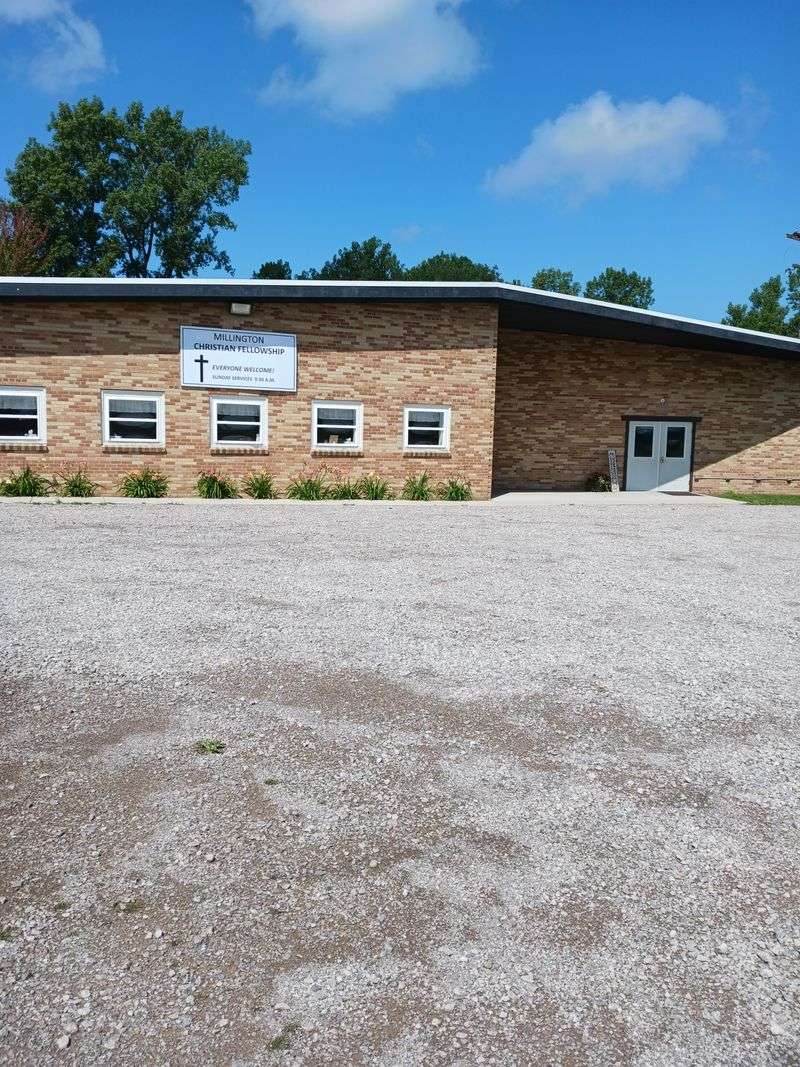
Michigan holds many Amish settlements, yet no single rulebook explains how every household works.
Each church district sets an Ordnung, a mix of written and spoken guidance that shapes home life from dawn to dusk.
You will notice that choices about lamps, fabrics, and even porch railings can signal which district a family belongs to.
This district based approach helps communities preserve unity, while allowing local bishops and ministers to respond to changing needs.
Variation appears in small details, such as window styles or wash day equipment, which might look unusual if you expect uniform standards.
Even nearby districts can diverge because traditions grow through local decisions rather than statewide directives.
Understanding the Ordnung matters if you plan a respectful visit, since behavior at the doorstep is shaped by those rules.
Simple gestures, like asking before taking photographs of buildings, reflect sensitivity to how households protect privacy.
Michigan law provides the larger framework, but the texture of daily life follows the district rather than the map.
That is why one lane might display a row of kerosene lanterns, while the next leans on battery powered lamps for chores.
In practice, the Ordnung guides work rhythms, Sabbath expectations, and the tools that remain outside the home.
Visitors who give space for difference often find conversations flow more easily, even across cultural boundaries.
Local markets and roadside stands can offer gentle introductions, where small signs hint at the district’s preferences.
Those details are not accidents, they are the lived expression of a church community choosing consistency over convenience.
When you travel across Michigan, remember that each district’s Ordnung shapes household routines in ways you may not see at first glance.
Electricity Restrictions That Surprise First Time Visitors
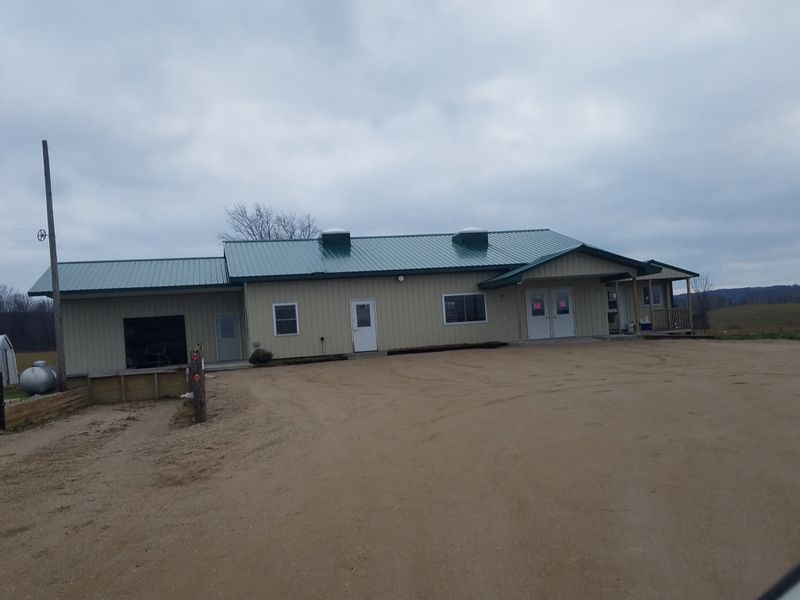
First time visitors to Michigan’s Amish country often expect the same approach to electricity in every home.
Old Order households typically avoid grid power, yet the details change from district to district.
You might see propane lighting in one settlement, while another permits batteries for limited chores.
Generators can appear in work spaces for practical reasons, though many families keep them away from living areas.
Refrigeration sometimes relies on gas or ice, a choice that balances food safety with religious commitments.
These decisions are not loopholes, they are negotiated standards that aim to protect simplicity and community harmony.
Misunderstandings arise when people assume technology rules are universal across Michigan.
In reality, each district works out boundaries through counsel, tradition, and the everyday demands of home life.
Lighting choices shape bedtime, gatherings, and reading habits, so small differences matter.
A single battery pack might support barn chores, while the kitchen stays free of electric outlets.
If you step inside a shop with humming tools, do not assume the same permission extends to the house next door.
Households keep clear lines so that convenience does not quietly replace conviction.
Respect grows when visitors ask before flipping a switch or setting a device to charge.
Michigan’s variety reflects a larger story, one where faith communities adapt carefully without losing their center.
Look for clues in lantern hooks, window placement, and the absence of cords, and let those quiet choices guide your expectations.
Transportation Limits That Influence Household Life
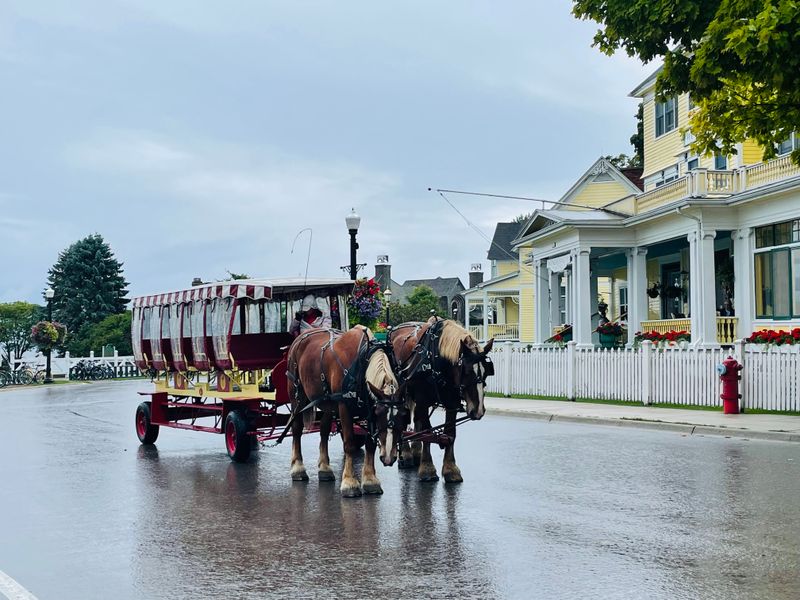
Travel in Michigan’s Amish communities relies on horse drawn buggies, and that rhythm sets the pace for household routines.
Grocery trips become planned events, and social calls stretch across careful routes that respect daylight and weather.
You will notice reflective materials and lighting on buggies, a safety requirement for Michigan roads that complements church guidance.
Some visitors confuse personal discipline with state law, yet the two work side by side to keep families visible and safe.
At home, the barn stands at the center of movement, linking chores, schooling rides, and community gatherings.
Distance shapes how often errands happen, which also influences pantry planning and garden size.
Hired drivers can be used in certain circumstances, often for medical visits or long deliveries, depending on district norms.
That arrangement does not erase the horse’s importance, it simply solves problems that the buggy cannot.
Footpaths and shoulder lanes become familiar routes, and neighbors often plan visits around predictable travel windows.
Even the placement of hitching posts hints at how a home receives guests or supports church meetings.
Michigan’s seasons add another layer, because snow and mud change travel options and timelines.
Patience, planning, and a strong sense of place keep households running despite distance.
Visitors should slow down on rural roads, give buggies room, and avoid sudden passes on hills.
Remember that every buggy ride links a family to school, worship, or work, not just a scenic outing.
Seeing transportation as a household anchor helps explain why daily life unfolds at a steady, purposeful pace.
Building Standards That Blend State Law and Church Rules
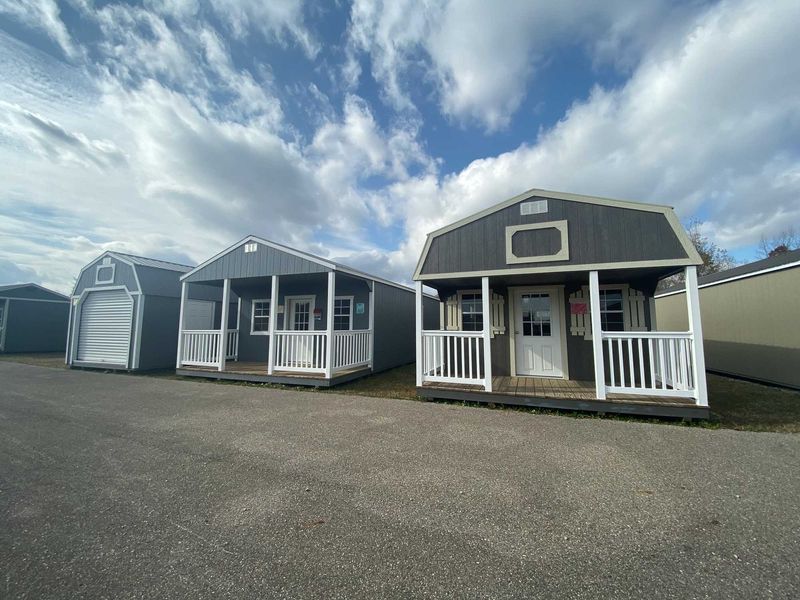
Amish homes in Michigan must respect state building codes, even as church districts set their own interior standards.
The result is a careful blend, where inspectors look for safety and structure, while the Ordnung guides simplicity and materials.
You might encounter plain floors, minimal fixtures, and a focus on natural light instead of electrical outlets.
Inside, choices about plumbing, lighting, and finishes often follow district expectations rather than popular trends.
Outside, the house meets code on fundamentals like structure and exits, keeping families safe without changing values.
Barns and shops follow similar patterns, balancing local rules with the tools needed for farm and craft work.
Windows, porches, and rooflines usually emphasize function, and ornament stays restrained by tradition.
In some districts, certain manufactured materials are avoided to preserve modest appearance and durability.
When additions are needed, homeowners consult both authorities and church leaders to keep the home consistent.
This step by step approach lowers conflict and keeps neighborhoods working smoothly across seasons.
Visitors who tour shops may notice modern tools in work areas while living rooms stay intentionally plain.
That contrast comes from boundaries that separate livelihood from daily home life.
Michigan communities invest in craftsmanship, which shows in trim work, joinery, and clever storage solutions.
Even without flashy finishes, the spaces feel sturdy, designed for family and community use.
Seeing the partnership between state code and church rules helps explain why these houses feel both familiar and distinct.
Technology Boundaries That Vary by Community
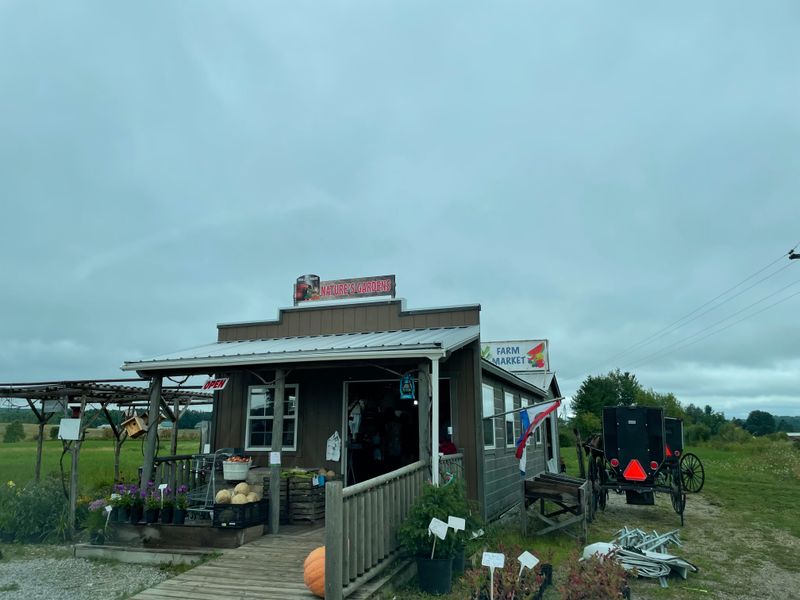
Technology use in Michigan’s Amish communities does not follow one script, it unfolds through district level boundaries.
Some settlements permit phone shanties at the edge of the property, keeping devices away from the home’s center.
Others allow solar panels for limited tasks, such as powering a fence charger or a small light in a shop.
Work tools may run on air compressors or generators, while the kitchen remains free of powered appliances.
These lines are not always obvious to visitors, especially when a business relies on devices that homes reject.
Think of it as a fence that defines spaces, rather than a blanket yes or no.
Decisions arise from church counsel and community experience, which means change tends to be slow and deliberate.
What looks like inconsistency is usually a local solution to a shared challenge.
Households protect family time and conversation by keeping distractions outside living rooms and bedrooms.
Meanwhile, shops adopt practical tools that support income without reshaping domestic life.
Michigan’s variety reflects different histories, migrations, and relationships with neighbors.
Once you see the pattern, the placement of a shed or the absence of a cord tells a clear story.
As a guest, ask before charging a phone or plugging in equipment at a farm stand.
Small courtesies keep relationships warm and prevent accidental offense.
Respecting these boundaries opens doors to conversations that explain the why behind each careful choice.
Education Laws That Affect Household Rhythm
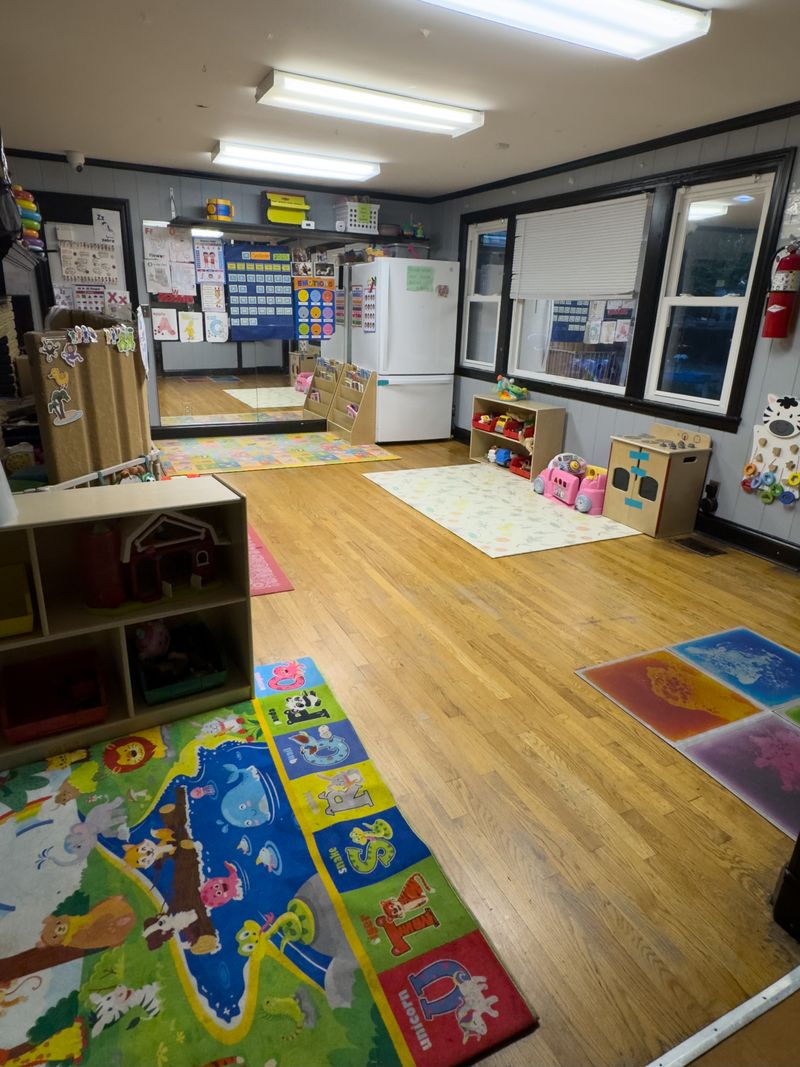
Michigan law generally requires students to attend school until about age 18, but Amish communities usually stop formal schooling after 8th grade in their own one-room schoolhouses, a practice protected under the Constitution.
After formal classes end, learning flows into home and farm, where skills grow through daily tasks and mentorship.
Visitors sometimes expect a path that mirrors high school schedules, yet the rhythm shifts toward practical instruction.
One room schoolhouses center reading, arithmetic, writing, and community values that support family life.
Teachers often come from within the community, keeping lessons grounded in local needs and pace.
Classrooms feel focused and quiet, with simple desks, chalkboards, and carefully chosen materials.
Back home, afternoons might include garden work, woodworking basics, or sewing that supports the household.
As teens mature, apprenticeships and shop time replace extracurriculars, building confidence and competence.
This pathway rests on the belief that responsibility grows best through real tasks and shared outcomes.
Michigan families coordinate calendars around harvests, church days, and market runs rather than sports seasons.
That different structure can surprise outsiders who expect standardized milestones and transcripts.
Yet the system maintains strong literacy and numeracy while preparing youth for community roles.
Conversations with parents and teachers often highlight how education fits values rather than steering them.
Respect for the school’s boundaries, including photography limits, keeps students comfortable.
Seeing the whole picture helps visitors appreciate why learning here looks steady, useful, and closely tied to home.
Household Roles Rooted in Longstanding Tradition
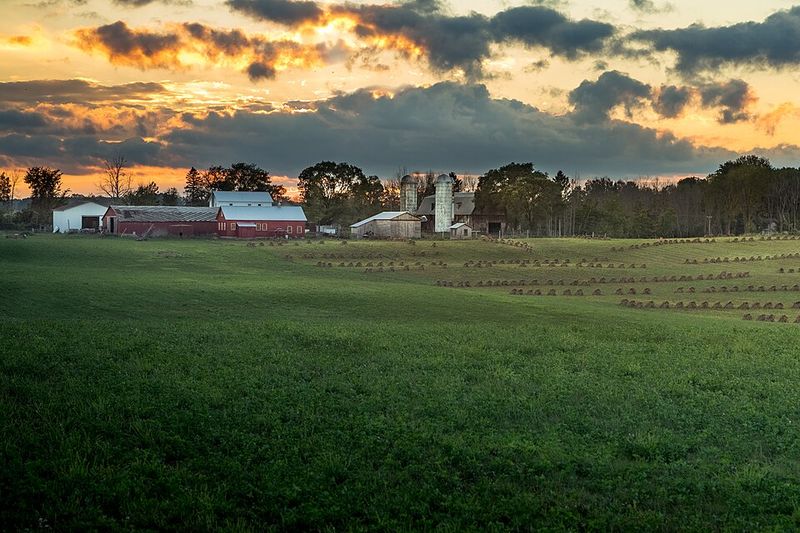
Daily life inside an Amish home in Michigan follows patterns built on cooperation, skill, and shared identity.
Cooking, quilting, gardening, and woodworking link generations, with techniques taught by patient hands and watchful eyes.
Visitors sometimes see only charming tasks, missing how faith and community shape the meaning behind them.
Household roles often flow from tradition, yet flexibility appears when health, season, or business needs change.
Children learn early to contribute, which turns chores into steady stepping stones toward adulthood.
Workspaces are arranged for purpose, with tools stored neatly and surfaces kept open for projects.
Conversation anchors the day, especially during shared tasks that keep the home humming.
Clotheslines, wood bins, and quilt frames reveal the pace of a week more than any calendar does.
Michigan’s winters invite indoor crafts, while warmer months pull families toward gardens and barns.
Roles reflect reverence for simplicity, not nostalgia, and that difference matters.
Hospitality feels quiet and thoughtful, with attention to privacy and modesty at the doorstep.
When guests understand boundaries, visits become comfortable and unhurried.
Photographs of interiors are best avoided unless permission is clear and specific.
Respect keeps trust intact, which means questions are welcomed and stories are shared.
What holds the household together is not just routine, it is a living agreement about how to care for one another.
Animal Care Practices Regulated by State Guidelines

Amish farms in Michigan operate under the same livestock and animal welfare laws that apply across the state.
Permits, veterinary care, and manure management follow regulations that safeguard animals and waterways.
Visitors sometimes assume traditional communities stand apart from oversight, but that is not the case.
Barn design often reflects both church preferences and practical standards for ventilation and cleanliness.
Water access, fencing, and shelter placements are organized to protect herds through changing seasons.
Feed storage and waste handling are managed to prevent spoilage and runoff, protecting the farm and neighbors.
When herds travel on roads, reflective gear and careful routing support safety and visibility.
Local extension offices sometimes provide guidance that fits both regulations and plain farming methods.
Michigan’s climate encourages sturdy shelters and thoughtful winter planning for bedding and water supply.
The daily routine of milking, feeding, and grooming becomes a steady measure of time in each household.
Community networks help during illness or storm damage, keeping animals cared for when one family struggles.
Record keeping can be simple, yet it still meets the requirements for inspections and health checks.
Visitors who tour a farm should ask before entering barns and respect biosecurity requests at the gate.
Small steps, like using boot covers, protect animals as much as people.
Seeing regulation and tradition work together offers a clearer picture of how Michigan farms sustain both values and viability.
Health Care Decisions That Are More Nuanced Than Assumed

Health care in Michigan’s Amish communities involves a blend of community support and participation in state regulated services.
Families often begin with home remedies or midwives, then seek clinics or hospitals when conditions require more care.
Visitors may believe technology avoidance means refusing treatment, yet decisions are usually case by case.
Transportation plans, costs, and trust in providers all shape how and when help is sought.
Community funds and church networks often assist with bills, keeping burdens manageable during long recoveries.
Preventive care can include checkups and vaccinations when families and districts agree it is appropriate.
Privacy is valued, so you might not hear much about medical choices even during friendly conversations.
Michigan’s health systems work with interpreters and liaisons who understand plain culture and practical needs.
Clinics near settlements learn to schedule around church days and harvest seasons to reduce conflicts.
Emergency situations bring quick cooperation, with neighbors coordinating drivers and childcare.
Home equipment remains simple, but necessary devices are accepted when they protect life and function.
Providers who explain options clearly tend to build lasting relationships across years.
As a visitor, avoid assumptions, and let families describe what feels right for them.
Respectful listening turns uncertainty into useful guidance, which helps everyone navigate hard moments.
Michigan’s mosaic of practices shows how faith and medicine can work together without losing either voice.
Visitor Awareness Gaps That Persist Across the State

Many visitors arrive in Michigan with tidy assumptions about Amish life, and the reality proves more varied.
District rules shape homes, tools, and routines, so two neighboring households might look and feel different.
State laws also matter, setting guardrails for roads, schools, buildings, farms, and health care.
Confusion grows when people mistake those laws for church rules or vice versa.
Photography, electricity, and transportation are common friction points because expectations travel faster than facts.
Asking before snapping a photo or entering a work area can prevent unintentional offense.
Short conversations at farm stands often unlock helpful context about hours, boundaries, and visit guidelines.
Michigan’s size means customs shift with geography, history, and local leadership.
Reading signs, noting lighting choices, and observing hitching setups reveal more than a brochure can.
Patience on rural roads shows care for families who trust horses rather than engines.
When mistakes happen, a simple apology and a step back usually restore ease.
Guided tours, when available, can bridge gaps without intruding on private spaces.
Respect leads to invitations, and invitations lead to understanding that outlasts a single trip.
If you carry that approach across Michigan, each stop becomes a chance to learn rather than judge.
Leave with a deeper sense that difference here is not disorder, it is the careful work of faith lived at home.
Dear Reader: This page may contain affiliate links which may earn a commission if you click through and make a purchase. Our independent journalism is not influenced by any advertiser or commercial initiative unless it is clearly marked as sponsored content. As travel products change, please be sure to reconfirm all details and stay up to date with current events to ensure a safe and successful trip.
