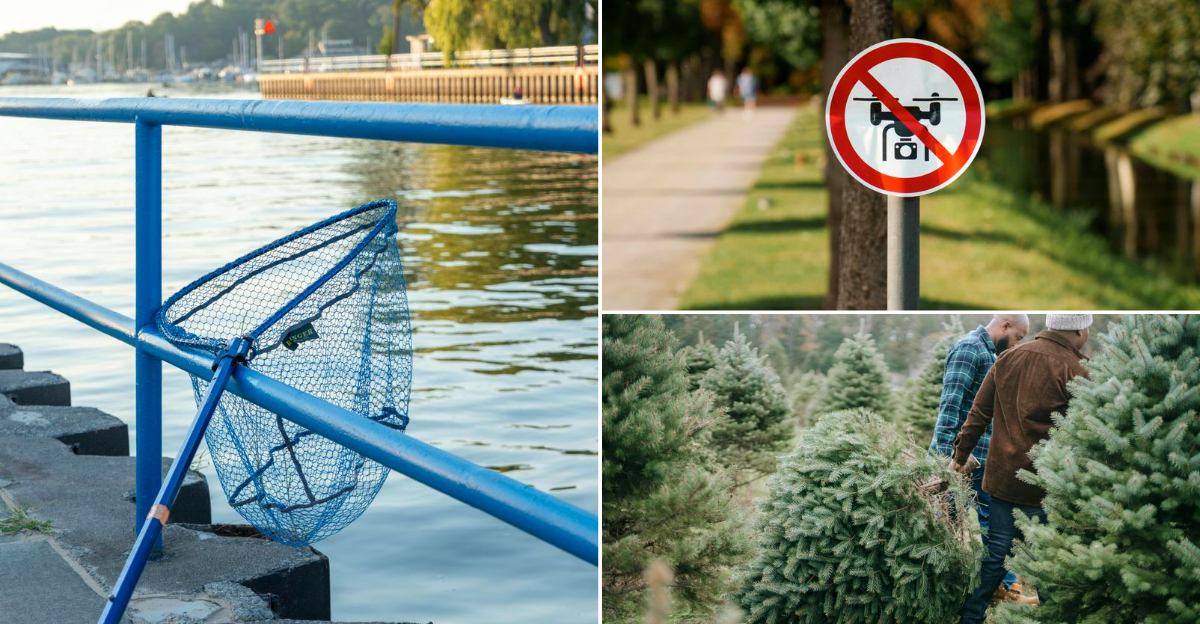
Did you know Michigan still has laws that can make you pause mid-road trip? Beyond the lakes and lighthouses, there is a whole layer of rules that quietly shape daily life, and some of them feel straight out of another era.
A few are rooted in tradition, others in safety, and a handful exist because someone once pushed things a little too far. These laws are not dusty trivia either.
Many are still enforced, and they can catch visitors and locals off guard if they are not paying attention.
From Sunday car shopping limits to wildlife and drone rules, Michigan’s legal quirks say a lot about how the state balances history, safety, and common sense.
If you like odd facts with real world consequences, these Michigan laws are worth knowing.
1. Car Dealerships Can’t Sell Cars On Sunday

This one always catches people fresh off a weekend errand spree. In Michigan, licensed dealers have to keep the showroom quiet on Sunday, which sounds old school until you feel the calm.
You can still browse lots, walk around vehicles, and read window stickers, but you will not be driving home with new plates that day. The rule dates back to so called blue laws meant to protect workers and keep competition fair among dealers.
It changes how people plan purchases in a subtle way. Saturday becomes test drive day, and Sunday becomes the thinking day.
You sleep on the numbers, call family, and second guess yourself before signing anything. That pause can be helpful when you are making a big financial decision.
If you need something urgent, service departments that are not sales focused may still operate. Used private sales are also not affected.
But for dealerships, the sales desk stays closed. So if your road trip plans include buying a car on a Sunday, Michigan will force you to wait.
2. Leaving A Child Unattended In A Vehicle Is Illegal If It Poses Risk

I know the quick dash inside feels harmless. Michigan law says if there is risk, a child alone in a vehicle is a hard no, and honestly that tracks with common sense.
Heat and cold swing hard in this state. A car can turn into an oven in minutes or drop to unsafe temperatures fast in winter.
Even something as simple as a child playing with the gear shift or locks can become dangerous. The law focuses on risk, not a strict time limit, which makes it flexible and realistic.
If you are traveling, plan stops as a team effort. One adult runs inside while the other stays with the kids.
Even solo travelers can use reminders or tricks like leaving a phone or wallet in the back seat to trigger a second check.
Michigan weather changes fast, and windows barely help when sun or wind decides to flex. This law is less about punishment and more about preventing tragedies that have happened too many times.
3. Pointing A Laser Or Similar Beam At An Aircraft Is A Felony
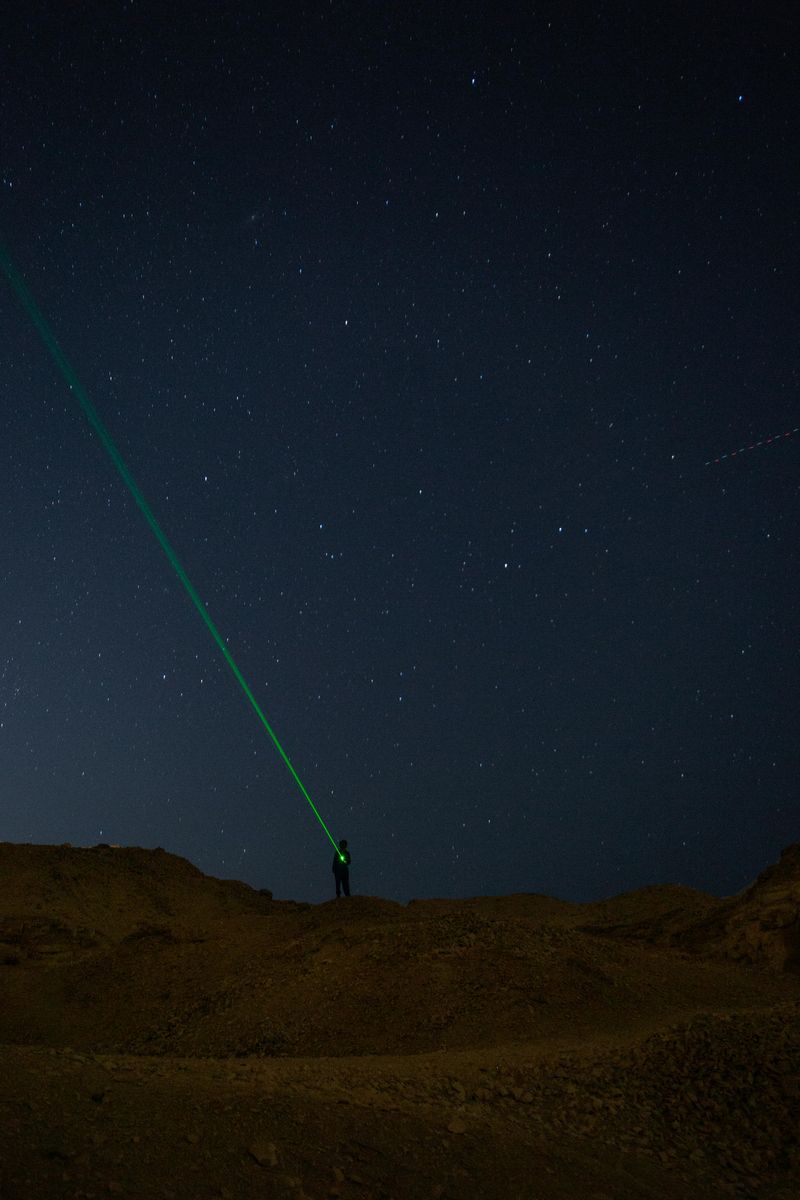
This is not a prank zone. Michigan treats aiming a laser at an aircraft as a felony because pilots need clean eyes, not surprise disco lights.
Lasers can travel miles and still hit a cockpit with enough intensity to distract or temporarily blind a pilot. During takeoff or landing, even a moment of disorientation can be dangerous.
That is why this rule carries serious penalties and federal agencies also take it seriously.
Think about approach paths over cities like Detroit, Grand Rapids, or small regional airports. A single beam from a backyard or rooftop can ripple into a cockpit instantly.
Even handheld pointers can flare off glass and create dangerous glare.
If you buy a high powered laser for astronomy or presentations, keep it pointed at the ground or sky away from flight paths. Do not test range toward aircraft.
The consequences are real and not treated as a joke. Michigan and federal authorities track laser incidents closely, and people have been charged for what they thought was harmless fun.
4. Dog Tethering Has Specific Requirements (Length And Collar Rules)

This rule reads like a checklist and it matters if you travel with a pup. Michigan sets standards for tether length, collar fit, and access to basics so dogs do not end up stuck, injured, or stressed.
A tether must allow the dog to move normally, reach shelter, and access food and water. Choke chains or unsafe collars are discouraged or prohibited in certain situations.
The idea is that tethering should never trap or harm the animal.
I have seen yards where lines wrap every post and tree, turning a simple setup into a hazard. A swivel stake or long run line can make a huge difference.
Shade is also required when weather demands it, and water must be available.
If you are road tripping with a dog and stopping at cabins or campsites, check local rules. What feels temporary to you still counts as tethering.
Michigan takes animal welfare seriously, and this law exists to prevent neglect disguised as convenience.
5. You Can’t Interfere With Someone Lawfully Hunting Or Fishing
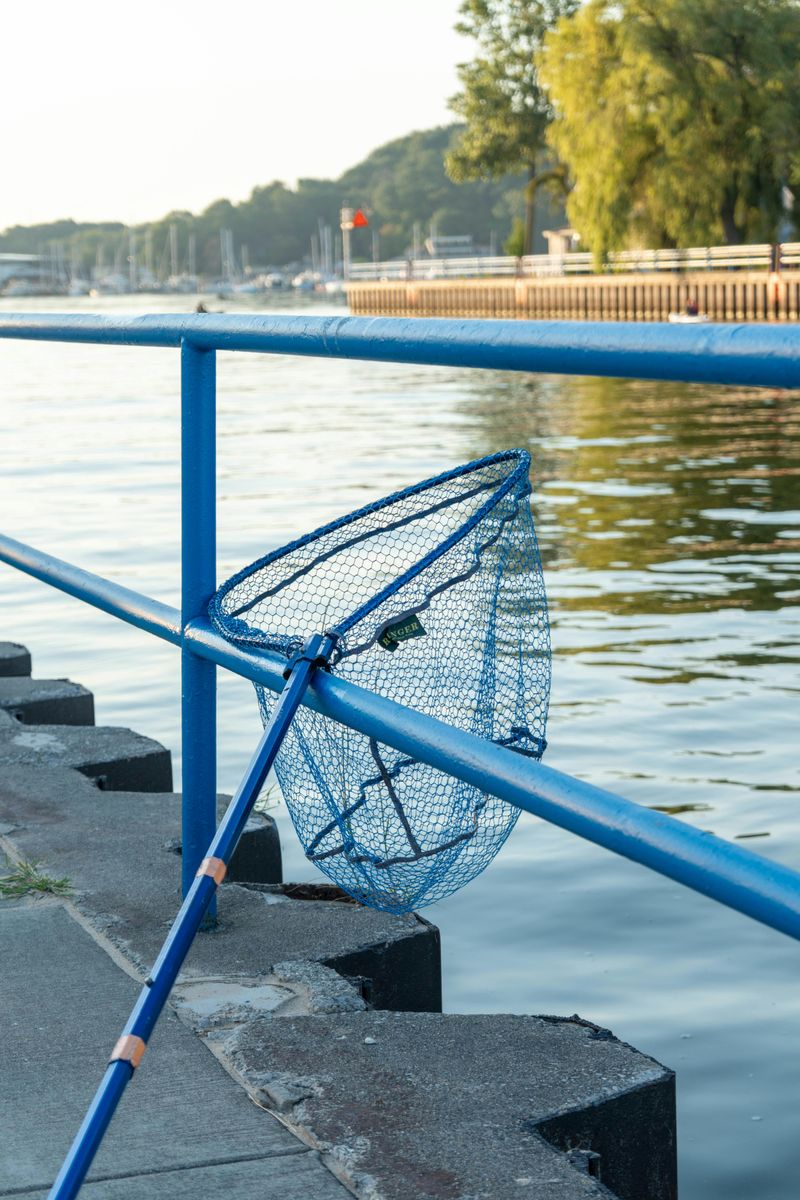
Trail etiquette is not just about who gets the right of way. Michigan law says you cannot harass or sabotage lawful hunting or fishing, which keeps the peace when seasons get busy.
That means no scaring animals on purpose, no messing with gear, and no intentionally disrupting someone who is following the rules. It protects both hunters and anglers from harassment and keeps outdoor recreation civil.
Michigan has strong outdoor traditions, and tensions can rise when people with different views share the same space. This law creates boundaries so everyone can enjoy the outdoors safely.
If you cross paths with anglers on the Au Sable or hunters in state land, the best move is simple courtesy. A nod, a wave, and moving along keeps everyone comfortable.
The woods feel better when people respect each other’s space and activities.
6. Using A Drone To Take Game Or Fish Is Prohibited
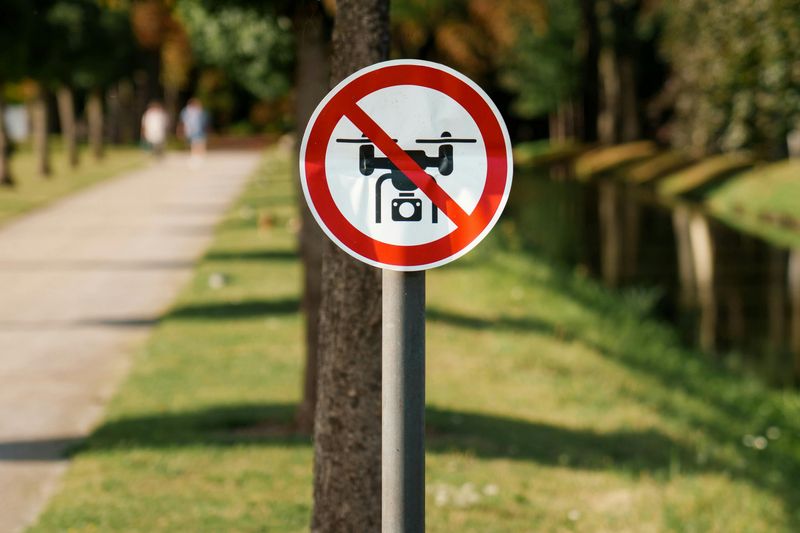
Drones are fun until they turn into an unfair advantage. Michigan shuts that down by banning drones for taking game or fish, which keeps the chase human and fair.
Using a drone to locate animals, herd them, or scout fishing spots crosses ethical and legal lines. Wildlife laws aim to maintain fair chase principles, where skill, patience, and knowledge matter more than technology.
You can still use drones for photography where allowed, but hunting or fishing assistance is off limits. Some areas ban drones entirely to protect wildlife and visitor experience.
If you are packing a drone for your Michigan trip, check local regulations before flying. Parks, wildlife areas, and municipalities all have their own rules.
It is better to enjoy aerial views responsibly than to risk fines or confiscation for crossing into hunting assistance territory.
7. Spotlighting Animals With An Artificial Light Is Restricted

Night drives in farm country bring that urge to scan the fields. Michigan limits spotlighting wildlife because bright beams can disrupt animals and enable illegal hunting.
Spotlighting can temporarily freeze animals, making them easy targets. That is why the state restricts it heavily, with only narrow exceptions for landowners or specific situations.
Even casual wildlife viewing with high powered lights can raise eyebrows if you are near hunting areas or private land. Law enforcement may assume intent to hunt illegally.
If you love night wildlife watching, stick to low impact observation methods and follow park rules. Binoculars, quiet driving, and patience go a long way.
Michigan nights are full of movement, but bright beams can turn curiosity into a legal problem quickly.
8. Sand Dune Mining Requires A Permit In Great Lakes Dune Areas
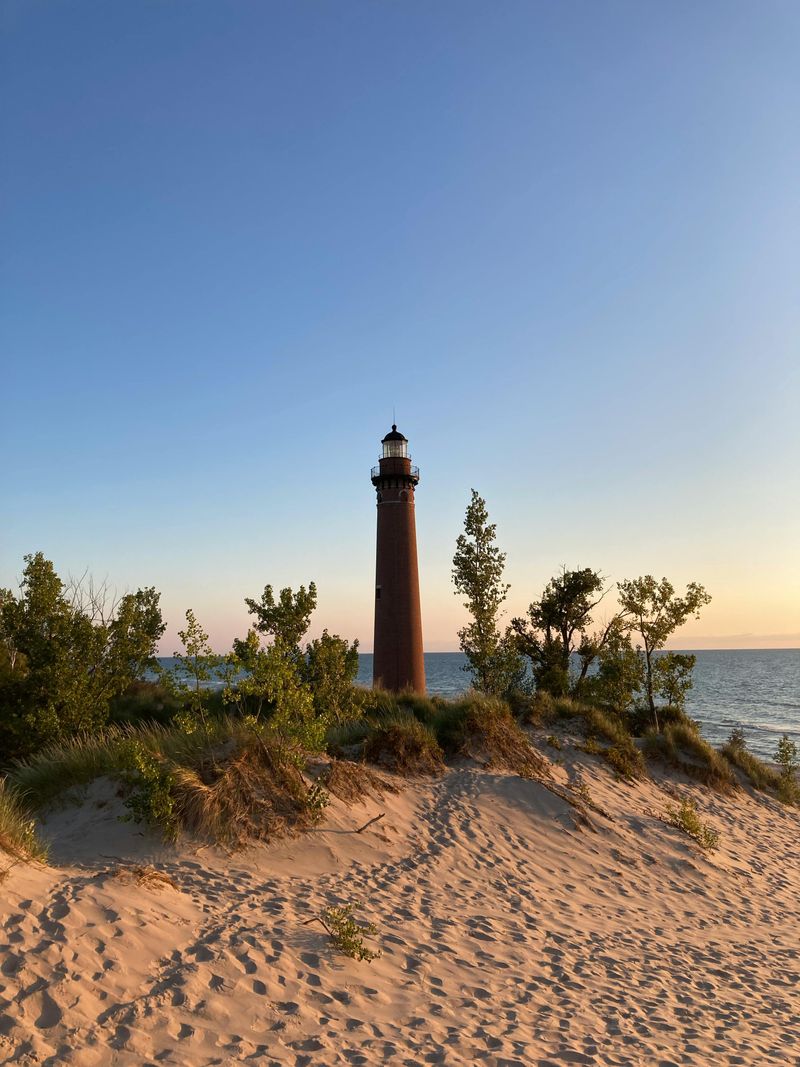
Those big dune faces along Lake Michigan look timeless. Michigan guards them with permit rules for any sand mining in critical zones, and that protection runs deep.
Great Lakes dunes are fragile ecosystems that support rare plants and wildlife. Removing sand changes wind patterns, destroys habitats, and reshapes shorelines.
What looks like an endless pile of sand is actually a living system.
Historically, dune mining caused massive environmental damage, so Michigan created strict protections. Today, permits are required for any extraction, and many areas are fully protected.
For visitors, this means no digging, collecting sand, or altering dunes in protected areas. Even small disturbances can add up when thousands of people visit each year.
Respecting the dunes helps keep Michigan’s coastline wild and beautiful for future generations.
9. Cutting Or Moving “Christmas Trees” Without Proof Of Ownership Is Illegal

This is the law that ruins any late night lumberjack fantasy. In Michigan, you need proof of ownership or permission before cutting or hauling those picture perfect evergreens.
Roadside trees, forest land, and even abandoned looking lots often belong to someone or to the state. Cutting a tree without permission counts as theft and environmental damage.
The term Christmas tree shows how common the temptation is around the holidays.
Tree farms, national forests, and private land all have their own rules. Some allow cutting with permits, others do not.
Even fallen trees may be protected depending on location.
If you want a real Michigan tree, buy from a farm or get a proper permit. It supports local growers and avoids legal trouble.
That perfect conifer on the shoulder is not free, no matter how festive it looks.
10. Damaging Or Removing Vegetation In Mackinac Island State Park Is Banned Without Permission
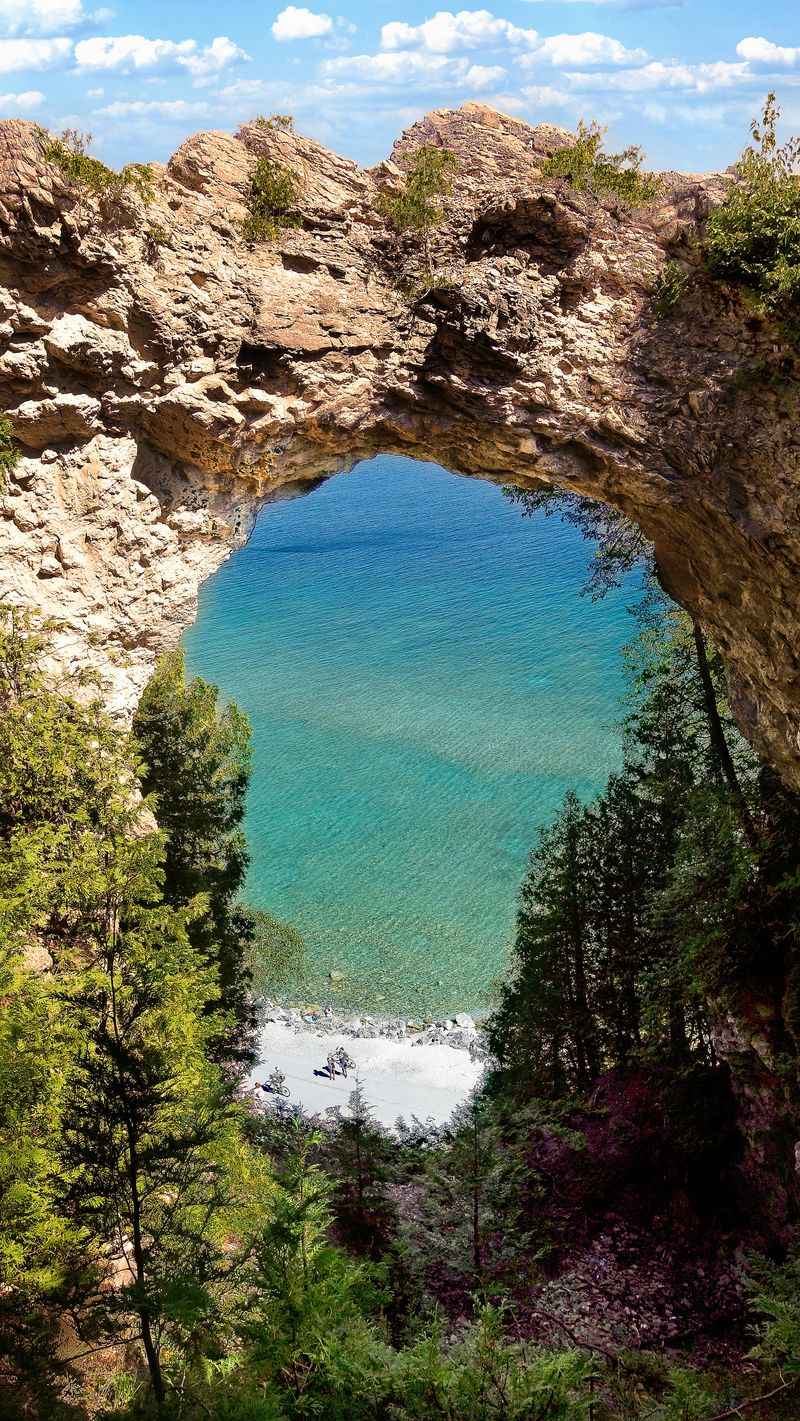
Mackinac Island already feels like stepping sideways in time. The park rules keep that vibe by protecting plants, so no picking, cutting, or digging without permission.
The island’s ecosystems are delicate and historically significant. Native plants stabilize bluffs, protect shorelines, and maintain the island’s classic landscape.
Removing even small amounts of vegetation can accelerate erosion.
It is tempting to grab a leaf, flower, or branch as a souvenir, but that is exactly what the law prevents. The goal is to keep the island looking and functioning as it has for generations.
Stick to photos and memories. Trails, overlooks, and gardens offer plenty to admire without touching.
Mackinac Island’s charm depends on preservation, and these rules help maintain that postcard look everyone loves.
11. Taking Or Possessing Endangered Or Threatened Species Is Restricted

This one is straight guardrail energy. Michigan says hands off endangered or threatened species unless a real permit says otherwise, and that includes parts and pieces too.
The list changes as science evolves. Some species rebound, others become more vulnerable.
The law protects animals, plants, and even artifacts connected to these species. Collecting feathers, shells, bones, or plants can be illegal depending on the species and location.
Permits exist for research, education, and conservation, but casual collection is not allowed. Even well meaning souvenirs can cause legal trouble.
If you are exploring Michigan’s wild areas, admire rare species from a distance. Photography is encouraged, but physical interaction is not.
Protecting endangered species helps preserve biodiversity and ensures future travelers can experience the same wildlife.
12. Dumping Or Leaving Litter On Land Or Water Is Prohibited

Nothing kills a quiet beach walk like a plastic bag doing laps. Michigan bans dumping and littering on land or water, and that covers the sneaky stuff left beside bins too.
This includes trash, construction debris, yard waste, and even items that seem biodegradable. Wind and water carry litter far beyond where it is dropped, harming wildlife and ecosystems.
Great Lakes currents move debris across state and international borders, making cleanup difficult. Wildlife can ingest or become entangled in trash, and shorelines lose their natural beauty.
Michigan enforces anti litter laws with fines and cleanup responsibilities. Many parks and communities also run volunteer cleanup programs, highlighting how big the problem can be.
If you pack it in, pack it out. A small bag for trash in your car or backpack makes it easy.
Keeping Michigan clean is a shared responsibility, and the state takes it seriously for good reason.
Dear Reader: This page may contain affiliate links which may earn a commission if you click through and make a purchase. Our independent journalism is not influenced by any advertiser or commercial initiative unless it is clearly marked as sponsored content. As travel products change, please be sure to reconfirm all details and stay up to date with current events to ensure a safe and successful trip.
