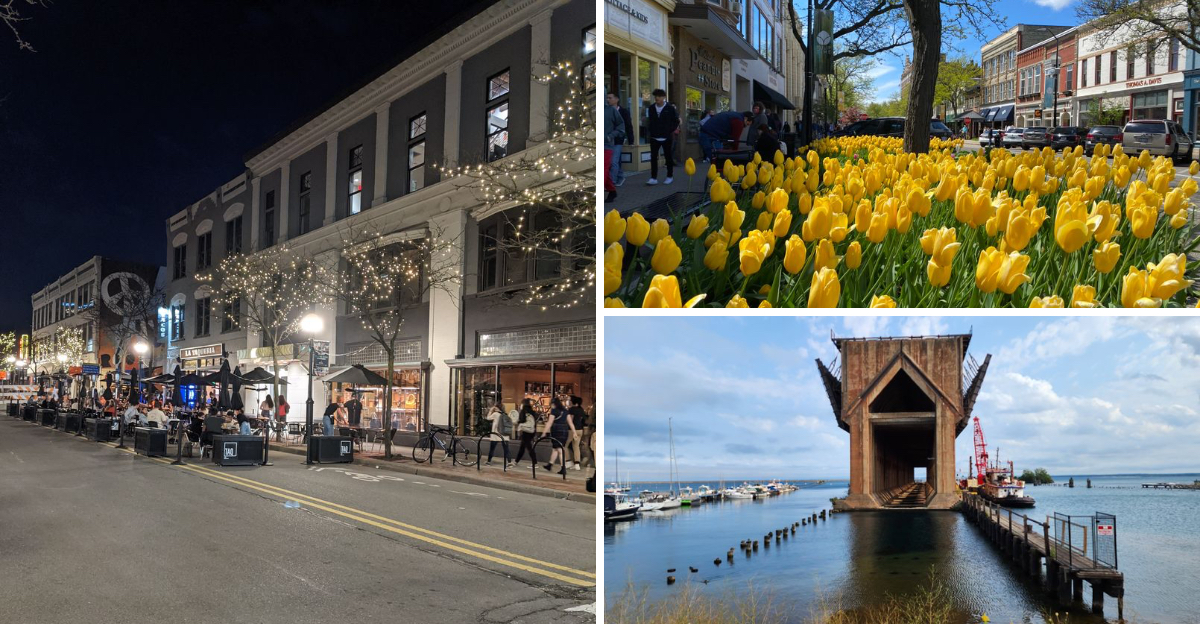
Michigan offers more than just Detroit and Grand Rapids when it comes to vibrant city living.
Scattered across the state are mid-sized cities that blend urban amenities with small-town charm, creating communities where residents enjoy cultural attractions without overwhelming crowds.
These cities provide affordable housing, strong job markets, excellent schools, and easy access to Michigan’s stunning natural landscapes, making them ideal for families, young professionals, and retirees alike.
1. Ann Arbor: Where Education Meets Innovation
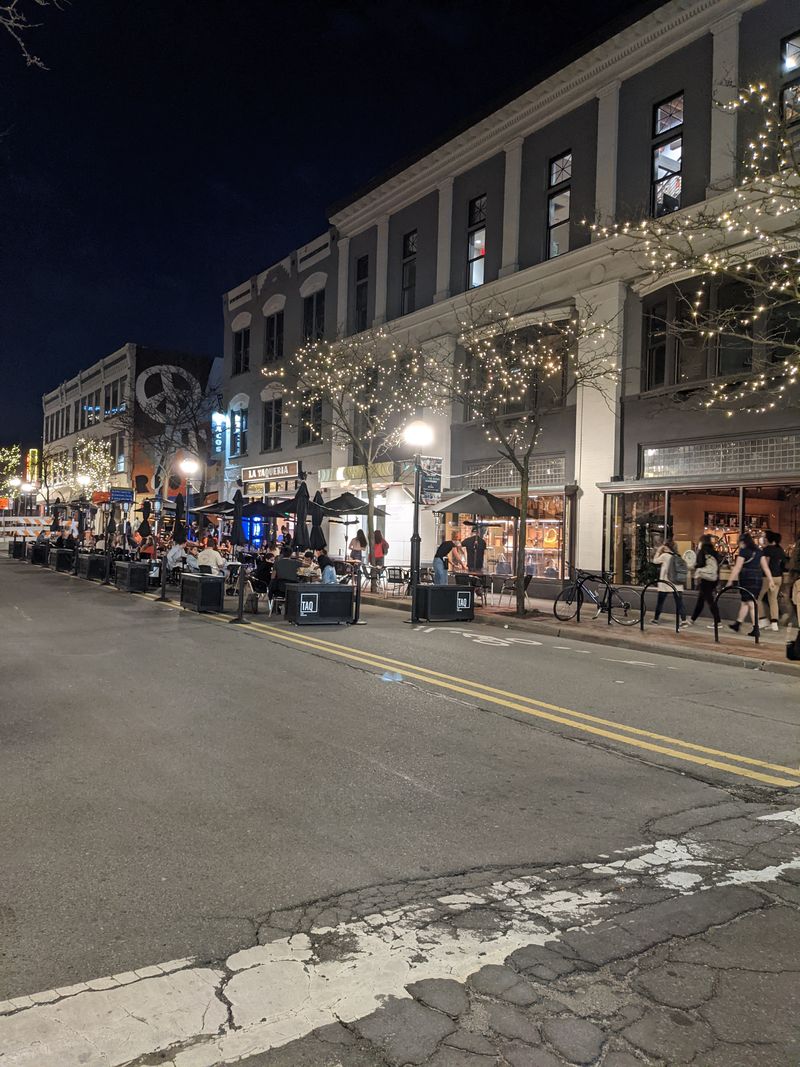
Home to the University of Michigan, Ann Arbor pulses with intellectual energy and creative spirit that transforms this city into something truly special.
Students, professors, and professionals mingle in coffee shops and bookstores, creating conversations that spark new ideas and ventures.
The downtown area features tree-lined streets filled with independent boutiques, art galleries, and restaurants serving cuisine from around the world.
Music lovers find endless entertainment at venues ranging from intimate clubs to the grand Michigan Theater, where films and concerts draw enthusiastic crowds year-round.
Ann Arbor’s commitment to green spaces shows in its extensive park system, with the Huron River winding through town and offering kayaking, fishing, and peaceful walking trails.
The city’s farmers market bursts with local produce, artisan cheeses, and handcrafted goods every Saturday, bringing the community together in a celebration of regional flavors.
Tech companies and healthcare facilities provide diverse employment opportunities beyond the university, making the economy surprisingly resilient.
Neighborhoods range from historic homes near campus to modern developments on the outskirts, offering housing options for various budgets and lifestyles.
Cultural festivals celebrating everything from film to folk art fill the calendar, ensuring residents always have something new to explore.
The school system ranks among Michigan’s finest, attracting families who value educational excellence.
Ann Arbor manages to feel both cosmopolitan and welcoming, proving that a city can embrace growth while maintaining its distinctive character and community spirit.
2. Traverse City: Cherry Capital With Year-Round Appeal
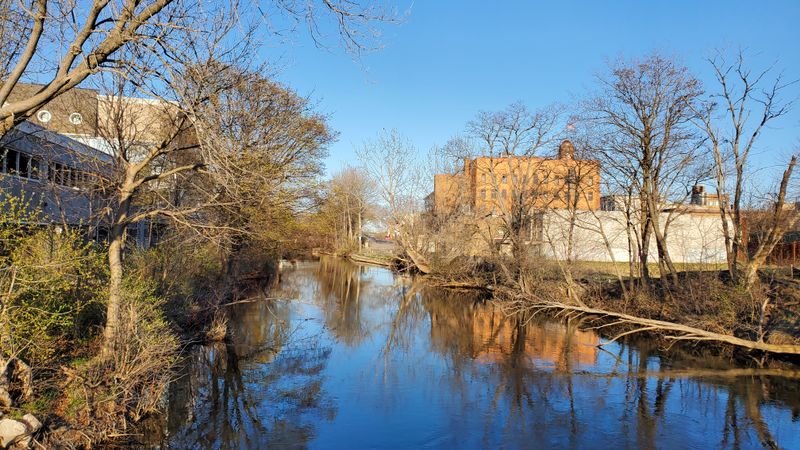
Perched on the shores of Grand Traverse Bay, this northern Michigan gem transforms with the seasons while maintaining its relaxed, welcoming atmosphere.
Cherry orchards surround the city, painting the landscape with white blossoms each spring and providing the fruit that made Traverse City famous nationwide.
Downtown streets buzz with activity as locals and visitors browse galleries, sample wines at tasting rooms, and dine at restaurants emphasizing farm-to-table freshness.
The bay itself becomes a playground for sailing, paddleboarding, and swimming during warm months when beaches fill with families enjoying the crystal-clear water.
Winter brings cross-country skiers and snowshoers to nearby trails, while downhill enthusiasts head to surrounding resorts for excellent runs with stunning views.
The film festival held each summer attracts cinema enthusiasts and industry professionals, adding a touch of Hollywood glamour to this lakeside community.
Wineries dot the surrounding peninsulas, offering tours and tastings in settings that showcase the region’s agricultural heritage and natural beauty.
Housing options range from historic neighborhoods near downtown to newer developments with water views, accommodating different preferences and price points.
The healthcare system serves not only Traverse City but the entire northern region, providing quality medical care and stable employment.
Schools benefit from community support and involvement, creating educational environments where students thrive academically and socially.
Traverse City proves that a smaller city can offer big-city culture and recreation while preserving the friendly, unhurried pace that makes Michigan living so appealing.
3. Kalamazoo: Brewing Culture and Educational Excellence
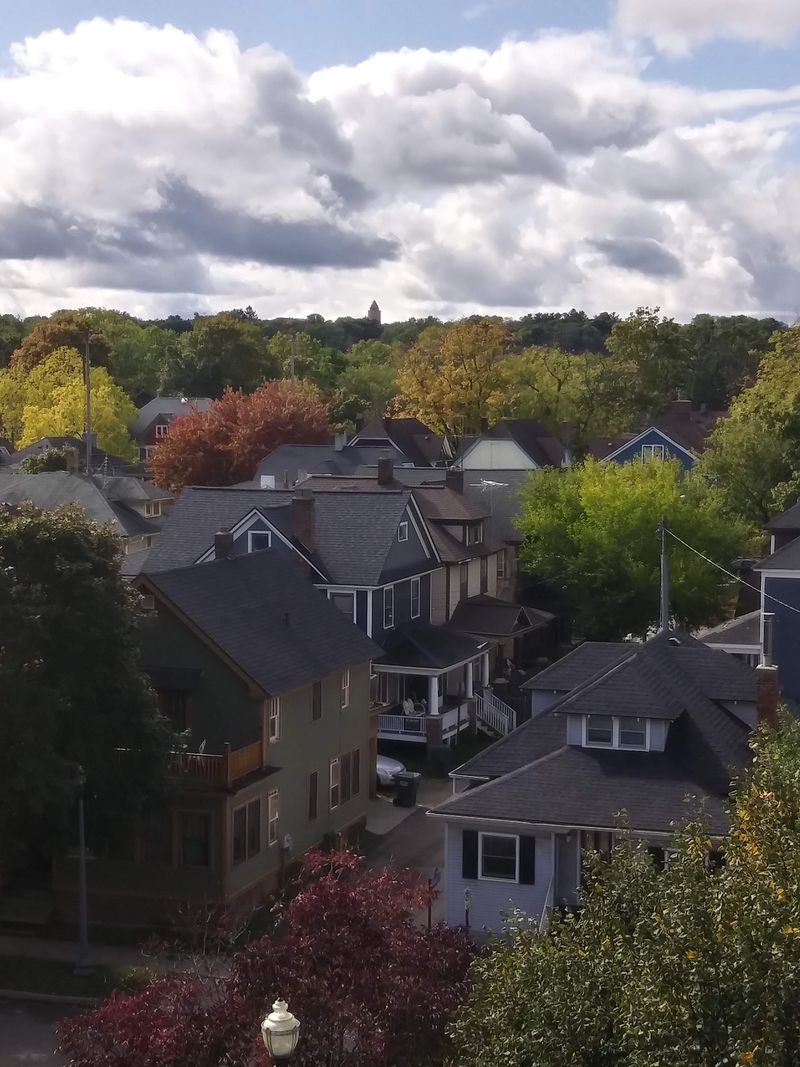
This southwestern Michigan city has reinvented itself as a hub for craft beverages, education, and community-focused living that attracts diverse residents.
Multiple colleges and universities call Kalamazoo home, infusing the city with youthful energy and ensuring a steady stream of cultural events and performances.
The promise of free college tuition for public school graduates through the Kalamazoo Promise has transformed the community, drawing families who prioritize education.
Downtown has experienced remarkable revitalization, with former industrial buildings now housing breweries, restaurants, and creative businesses that give the area authentic character.
The Kalamazoo River flows through town, providing greenway trails perfect for biking, running, or simply enjoying nature without leaving the urban environment.
Music venues ranging from small clubs to larger theaters host touring acts and local bands, creating a vibrant nightlife scene for residents of all ages.
Museums and art centers offer programming that engages children and adults alike, fostering appreciation for history, science, and creative expression.
Neighborhoods feature a mix of architectural styles, from Victorian homes in established areas to contemporary designs in developing sections of the city.
The job market benefits from pharmaceutical companies, educational institutions, and manufacturing firms that provide employment stability and career advancement opportunities.
Parks scattered throughout Kalamazoo offer playgrounds, sports fields, and quiet spaces where families gather for picnics and recreation.
The city’s commitment to sustainability shows in its support for farmers markets, local food initiatives, and environmental conservation efforts that preserve Michigan’s natural resources for future generations.
4. Midland: Chemical Innovation Meets Natural Beauty
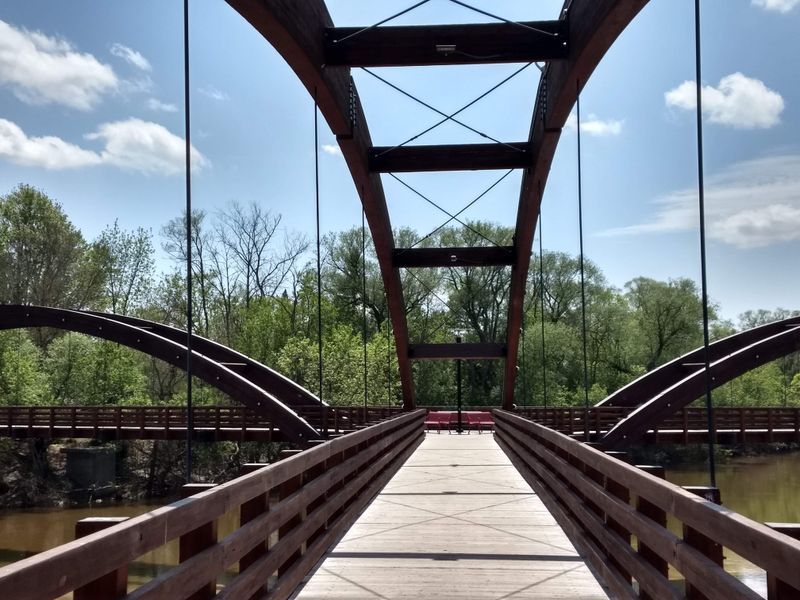
Built by the Dow Chemical Company, Midland has evolved into a community that balances industrial prosperity with impressive cultural amenities and outdoor recreation.
The Tridge, a unique three-way footbridge, serves as the city’s iconic landmark and gathering spot where the Chippewa and Tittabawassee rivers meet.
Dow Gardens spans 110 acres of meticulously maintained landscapes, offering residents and visitors a stunning botanical experience with seasonal displays that rival much larger cities.
The Alden B. Dow Home and Studio showcases the architectural genius of Frank Lloyd Wright’s son, demonstrating how design can harmonize with natural surroundings.
Cultural institutions like the Midland Center for the Arts present theater productions, concerts, and art exhibitions that enrich community life throughout the year.
Science-focused attractions engage young minds and spark curiosity about chemistry, technology, and innovation in ways that make learning genuinely exciting.
The city’s extensive trail system connects neighborhoods, parks, and natural areas, encouraging active lifestyles and providing safe routes for walking and cycling.
Housing remains remarkably affordable compared to other Michigan cities with similar amenities, making homeownership accessible for middle-class families.
Schools benefit from strong community investment and partnership with local businesses, creating educational programs that prepare students for future careers.
The economy’s foundation in chemical manufacturing has diversified to include healthcare, education, and service industries that provide employment stability.
Midland demonstrates how a city shaped by industry can cultivate beauty, culture, and quality of life that makes residents proud to call it home.
5. Marquette: Upper Peninsula’s Urban Outpost
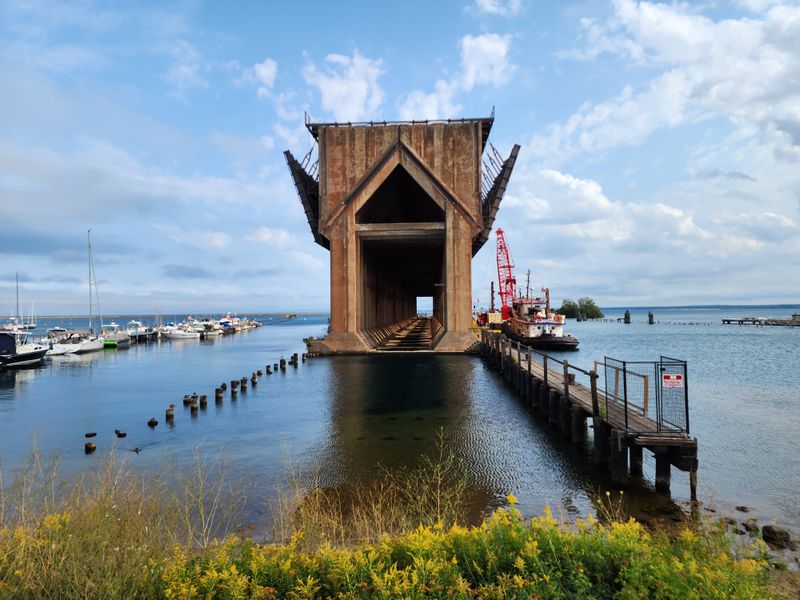
Nestled on Lake Superior’s southern shore, Marquette combines rugged natural beauty with surprising urban sophistication rarely found in Michigan’s Upper Peninsula.
The city serves as the region’s commercial and cultural center, offering amenities that make year-round living comfortable despite the area’s remote location and heavy snowfall.
Northern Michigan University brings thousands of students who contribute energy, diversity, and economic vitality to this lakeside community.
Outdoor enthusiasts find paradise here, with hiking trails leading to waterfalls, rocky shorelines perfect for exploration, and ski hills that receive abundant natural snow.
Downtown streets feature locally owned shops, coffee roasters, and restaurants that emphasize regional ingredients and create a distinct sense of place.
The ore docks stand as industrial monuments to Marquette’s mining heritage, reminding residents of the resources that built this Upper Peninsula hub.
Lake Superior dominates the landscape and the lifestyle, providing stunning views, cool summer breezes, and endless opportunities for boating and fishing.
The arts community thrives despite the city’s size, with galleries, performance spaces, and festivals that celebrate regional creativity and talent.
Housing costs remain reasonable, allowing residents to afford homes with water views or wooded settings that would be unattainable elsewhere in Michigan.
Healthcare facilities serve the entire Upper Peninsula, making Marquette essential for medical services and providing stable employment for many residents.
The school system adapts to the community’s unique needs, offering programs that prepare students for both college and careers in regional industries that sustain the local economy.
6. Holland: Dutch Heritage and Lakeside Living
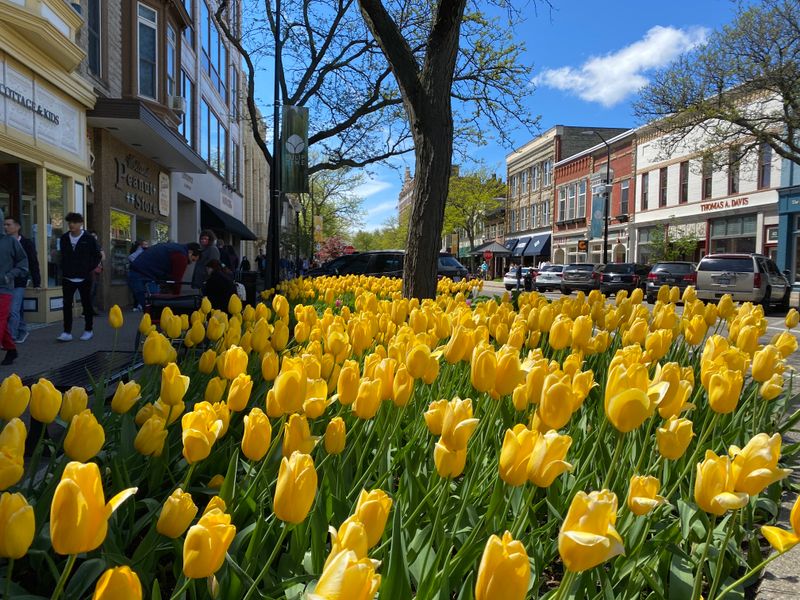
Tulips, windmills, and Lake Michigan beaches define this western Michigan city where Dutch traditions blend seamlessly with modern American life.
Each spring, millions of tulips bloom throughout the city during the Tulip Time festival, transforming streets and parks into colorful displays that attract visitors from across the country.
The working windmill called De Zwaan stands as the only authentic Dutch windmill in the United States, grinding flour and serving as a beloved community symbol.
Lake Michigan beaches stretch along the city’s western edge, offering soft sand, clean water, and spectacular sunsets that rival any coastal destination.
Downtown Holland has maintained its charm while adding contemporary restaurants, breweries, and shops that appeal to both residents and tourists.
The manufacturing sector provides economic stability, with companies producing everything from office furniture to industrial equipment that ships nationwide.
Hope College contributes to the city’s cultural life through concerts, lectures, and athletic events that engage the broader community beyond campus.
Neighborhoods reflect the city’s evolution, from historic districts with Dutch-inspired architecture to newer developments near the lakeshore and surrounding countryside.
Parks and nature preserves protect dunes, forests, and wetlands, giving residents easy access to Michigan’s diverse ecosystems and outdoor recreation opportunities.
The school system emphasizes both academic achievement and character development, reflecting community values that prioritize education and personal growth.
Holland demonstrates how a city can honor its heritage while embracing change, creating a community where tradition and progress coexist in harmony along the beautiful shores of Lake Michigan.
7. Portage: Suburban Comfort With Urban Convenience
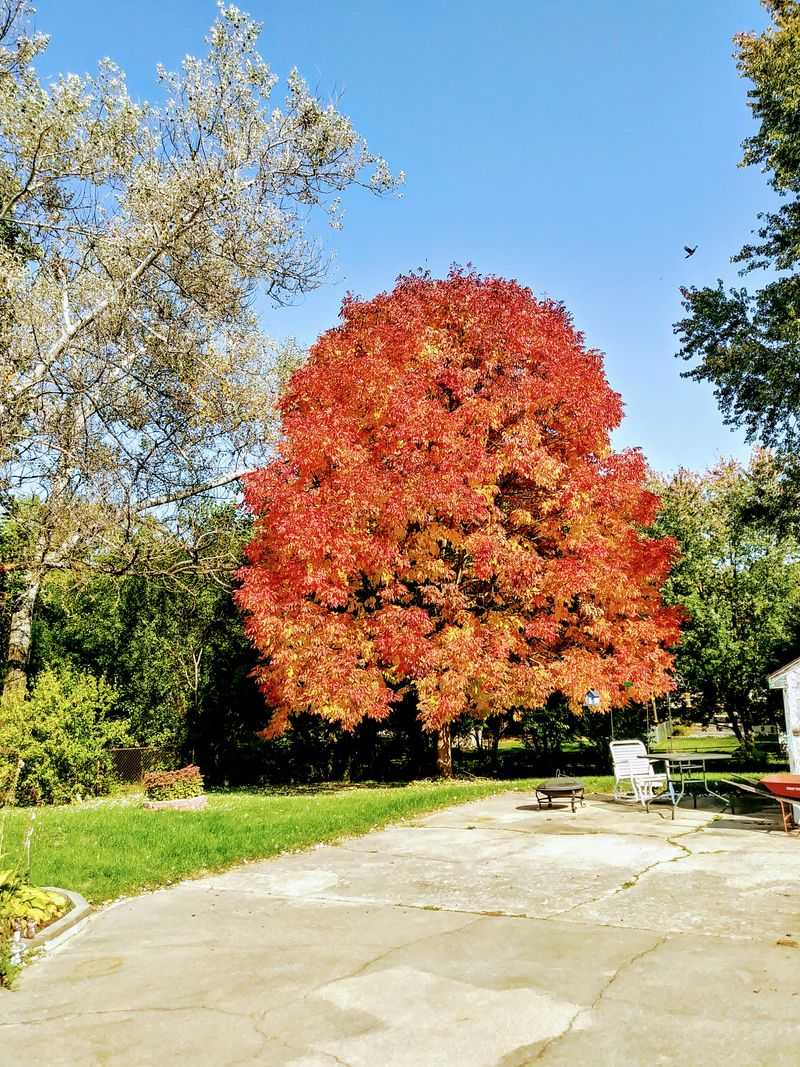
Situated south of Kalamazoo, Portage offers the quiet comfort of suburban living while providing easy access to urban amenities and employment centers.
Families appreciate the city’s focus on safety, quality schools, and well-maintained neighborhoods that create ideal environments for raising children.
Three lakes within city limits provide recreation opportunities right in town, where residents fish, paddle, and enjoy waterfront parks throughout the warmer months.
The commercial corridors offer shopping, dining, and entertainment options that eliminate the need to travel far for everyday needs or special occasions.
Portage’s location along major highways makes commuting simple, connecting residents to jobs throughout southwestern Michigan without long travel times.
Parks and trails crisscross the city, creating a network of green spaces where people walk dogs, ride bikes, and enjoy outdoor activities close to home.
The community center serves as a hub for recreation programs, fitness activities, and social events that bring neighbors together and strengthen community bonds.
Housing options range from starter homes perfect for young families to larger properties for those seeking more space and established neighborhoods.
The library system provides not just books but also technology access, educational programs, and community gathering spaces that serve diverse resident needs.
Local government emphasizes responsive services and careful planning, ensuring that growth occurs thoughtfully without sacrificing the qualities that make Portage attractive.
Schools consistently rank among the best in the region, drawing families who prioritize educational quality and want their children to thrive academically and socially in supportive environments.
8. Muskegon: Lakefront Revival and Outdoor Paradise
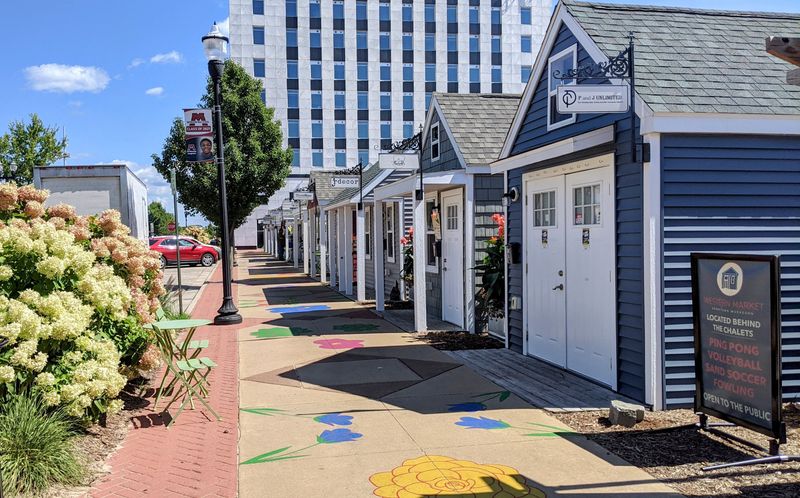
Once known primarily for lumber and manufacturing, Muskegon has transformed into a lakefront destination that celebrates outdoor recreation and community renewal.
Miles of Lake Michigan shoreline provide beaches, dunes, and parks where residents enjoy swimming, volleyball, and sunset watching throughout the summer season.
The Lakeshore Trail connects neighborhoods to the waterfront, creating a scenic route for walking, running, and cycling that showcases the city’s natural assets.
Downtown revitalization has brought new life to historic buildings, with breweries, galleries, and locally owned businesses replacing vacant storefronts and creating vibrant gathering spaces.
Muskegon Lake serves as a protected harbor for boaters and a popular spot for fishing, water sports, and enjoying Michigan’s maritime culture.
The arts community has flourished, with theaters, music venues, and public art installations adding cultural richness to this working-class city.
Museums preserve the area’s industrial heritage while also showcasing contemporary art and regional history that educates residents and visitors alike.
Housing affordability stands out as a major advantage, with home prices significantly lower than in other lakefront communities across the state.
The job market has diversified beyond traditional manufacturing to include healthcare, education, and tourism-related employment that provides economic stability.
Schools serve a diverse population and work to provide quality education despite economic challenges that face many post-industrial Michigan cities.
Muskegon proves that cities can reinvent themselves, transforming from industrial centers into communities that leverage natural beauty and cultural assets to create appealing places to live and raise families.
9. Battle Creek: Cereal City Finding New Purpose
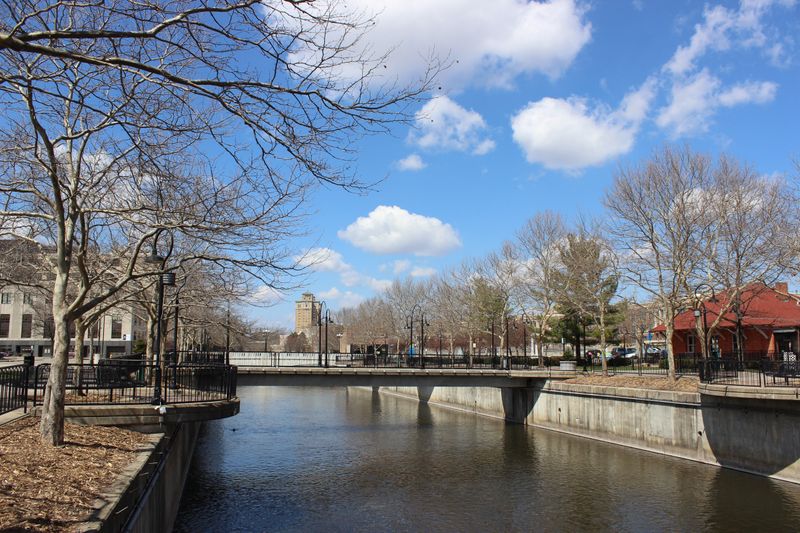
Famous as the birthplace of breakfast cereal, Battle Creek has worked to diversify its identity and economy while honoring the legacy that made it nationally known.
The Kellogg Company’s presence still shapes the city, but healthcare, defense, and logistics industries now provide employment opportunities beyond food manufacturing.
Linear parks follow the Kalamazoo River through town, offering miles of trails where residents walk, jog, and bike while enjoying natural scenery within the urban environment.
The downtown area features historic architecture that tells the story of the city’s prosperous past, with ongoing efforts to attract new businesses and residents to the core.
Leila Arboretum provides 72 acres of gardens, walking paths, and green space where families gather for picnics and children explore nature close to home.
Cultural institutions like the Art Center and various performance venues offer programming that enriches community life and provides entertainment throughout the year.
Neighborhoods range from historic districts with character-filled homes to newer subdivisions on the city’s edges, accommodating various preferences and budgets.
The cost of living remains notably affordable, making Battle Creek attractive for those seeking homeownership and quality of life without financial strain.
Schools face challenges common to many Michigan cities but work to provide educational opportunities that prepare students for success beyond graduation.
The community’s location between Detroit and Chicago along major transportation routes positions it well for logistics and distribution businesses that bring employment.
Battle Creek demonstrates resilience, adapting to economic changes while building on its strengths to create a community with renewed purpose and optimism about the future.
10. Bay City: Historic Port With Authentic Character
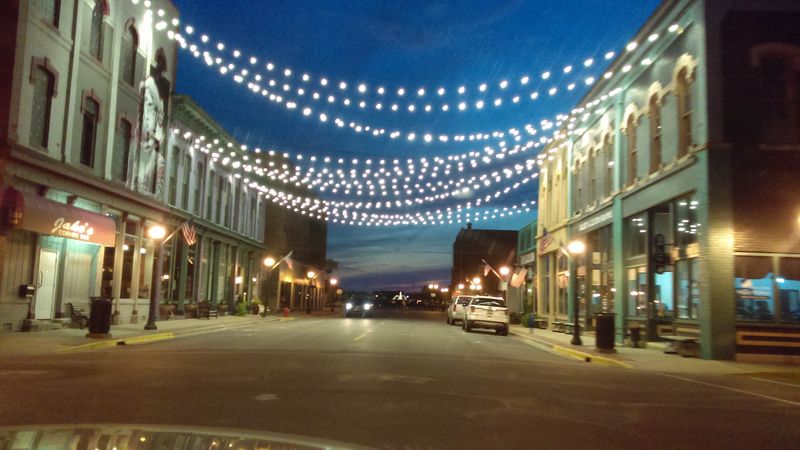
Where the Saginaw River meets Lake Huron, Bay City preserves its Victorian-era architecture and maritime heritage while creating a welcoming community for modern residents.
The downtown historic district features beautifully restored buildings housing antique shops, restaurants, and businesses that give the area authentic charm rarely found in Michigan cities.
Riverfront parks and walkways provide spaces where residents gather for festivals, concerts, and simple enjoyment of the water that has always defined this community.
Tall ships occasionally visit during summer months, reminding residents of the city’s connection to Great Lakes shipping and the lumber industry that built the region.
The arts scene thrives with galleries, studios, and performance spaces that showcase regional talent and provide cultural experiences for residents of all ages.
Bay City State Park offers beaches, camping, and nature trails just minutes from downtown, giving residents easy access to outdoor recreation and natural beauty.
Housing costs remain remarkably affordable, with historic homes available at prices that allow families to own distinctive properties with character and craftsmanship.
The school system serves a diverse population and benefits from community support that helps provide quality education despite economic challenges.
Local businesses emphasize the importance of shopping locally, creating a downtown where independent stores thrive and community connections strengthen.
The job market includes healthcare, manufacturing, and service industries that provide employment stability for residents throughout the region.
Bay City shows that smaller Michigan cities can maintain their identity and charm while adapting to changing times, creating communities where history and progress walk hand in hand along the waterfront.
Dear Reader: This page may contain affiliate links which may earn a commission if you click through and make a purchase. Our independent journalism is not influenced by any advertiser or commercial initiative unless it is clearly marked as sponsored content. As travel products change, please be sure to reconfirm all details and stay up to date with current events to ensure a safe and successful trip.
