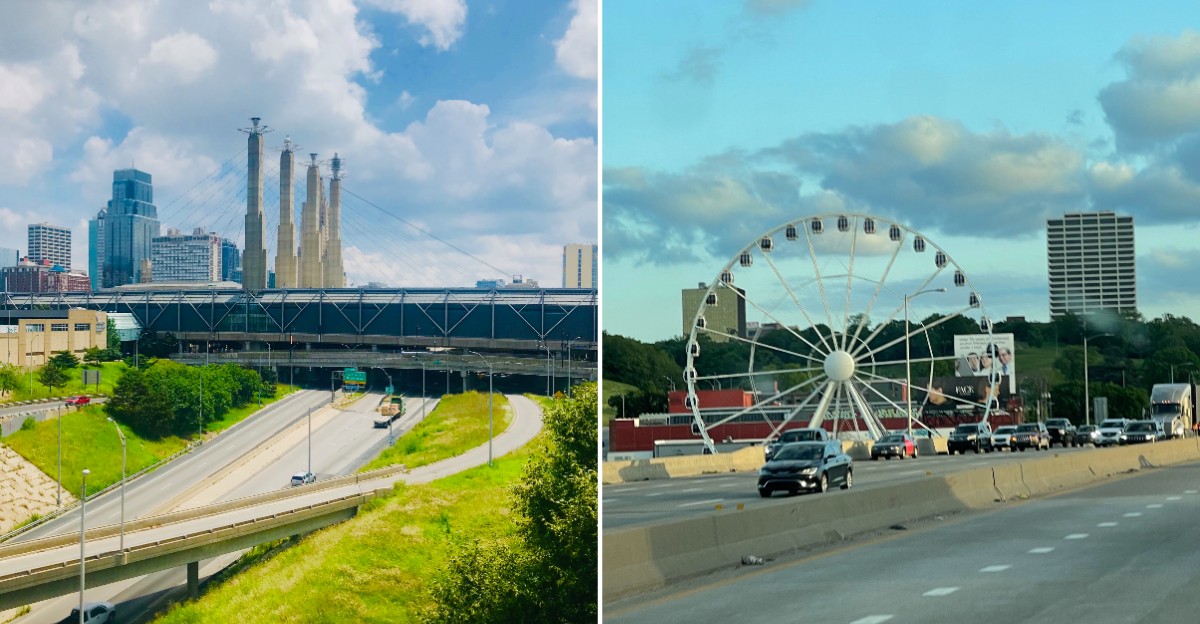
Brand-new homes with skyline views are listing for around a million dollars on hills where families once bought houses for a small fraction of that. That jump is hard to wrap your head around.
The neighborhood sits on bluffs just west of downtown. Colorful murals cover walls, and Mexican bakeries and taquerias line the main streets.
Generations of Mexican American families have called these blocks home for about a century.
Now cranes and fresh siding share the view with older bungalows. I like the new energy, but I can’t imagine watching my property tax bill climb while my paycheck stays put.
This corner of Missouri is facing a big question many cities know well. Who gets to stay when a beloved place suddenly becomes the hot address?
A Century Of Family Roots Runs Deep On These Bluffs
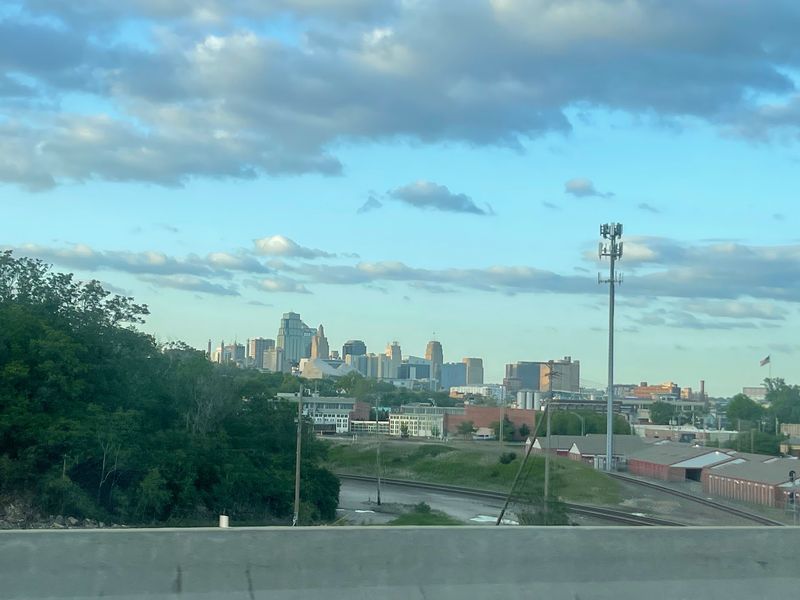
Long before anyone called it trendy, the Westside neighborhood of Kansas City, Missouri, was a working-class landing spot. Mexican immigrants arrived in the early 1900s, many working for the railroads and nearby industries.
Families built churches, shops, and social clubs that still shape daily life here. Our Lady of Guadalupe Shrine became a spiritual anchor for the community over the decades.
That history matters because it explains the worry today. When a neighborhood is built by grandparents and great-grandparents, leaving it feels like losing part of your family story.
The Westside has survived tough moments before. Highway construction in the mid-1900s cut through the area and removed homes and businesses.
Residents rebuilt and kept their community together anyway.
Neighborhood groups like the Westside Housing Organization have worked for years to keep homes affordable and well kept. Their work shows how much people care about staying put.
So when you hear longtime residents speak up at city meetings, remember the roots behind those voices. They aren’t against change.
They simply want to be part of whatever comes next, not pushed out of the picture.
Rising Property Taxes Are The Worry Nobody Can Ignore
Owning your home outright should feel like freedom. For many longtime Westside owners, though, the yearly tax bill has become the scary piece of mail.
Property taxes in Jackson County are based on assessed values. When nearby homes sell for big numbers, assessments can rise, and so can the bill.
Jackson County saw sharp assessment increases in recent years, sparking frustration across the region. Neighborhoods with fast-rising prices, like the Westside, felt that pressure strongly.
Seniors on fixed incomes face the hardest choices. Their house may be worth more on paper, but that money isn’t in their pocket.
If you live in a changing area, a few steps can help. You can appeal your assessment if it seems too high, and you can ask about senior or disability tax relief programs.
Missouri has passed laws allowing counties to offer property tax credits that freeze bills for some older homeowners. Checking whether you qualify is time well spent.
Small actions won’t solve everything. Knowing your options, though, can be the difference between staying in a family home and feeling forced to sell.
Those Skyline Views Come With A Big Price Tag
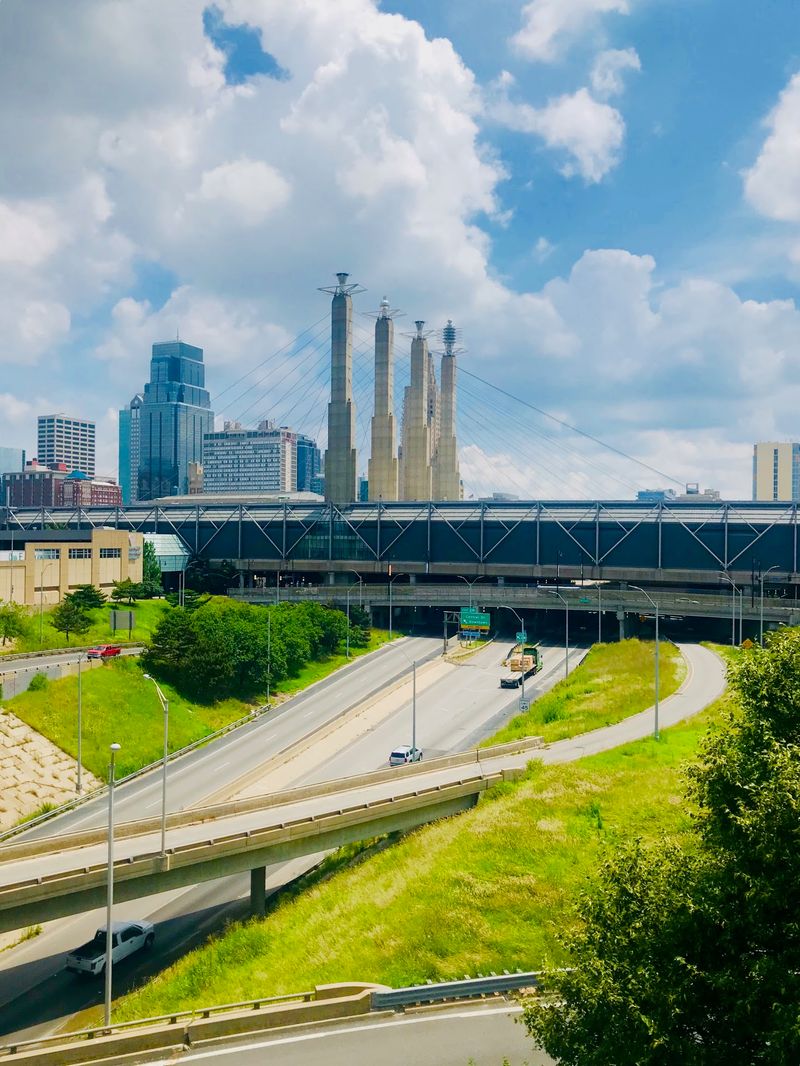
Location is the whole secret here. The Westside sits on high ground right next to downtown and the Crossroads Arts District, with views that real estate agents dream about.
Builders noticed. Newer modern homes and townhomes now rise on empty lots and in place of older houses, some priced near or above a million dollars.
Rooftop decks are a common feature on these new builds. From up there, the downtown towers look close enough to touch, and that’s a powerful selling point.
For buyers, the math feels simple. You get quick access to jobs, restaurants, and entertainment without the long suburban commute.
For neighbors in older homes, the math looks very different. High-dollar sales nearby can push up how the county values every house on the block.
That doesn’t mean new homes are bad. Fresh construction can fill vacant lots and bring in new neighbors who support local shops.
Still, it helps to understand both sides. A gorgeous view for one family can mean a tougher budget for the family next door, and that tension is now part of the neighborhood’s daily conversation.
Renters Feel The Squeeze First
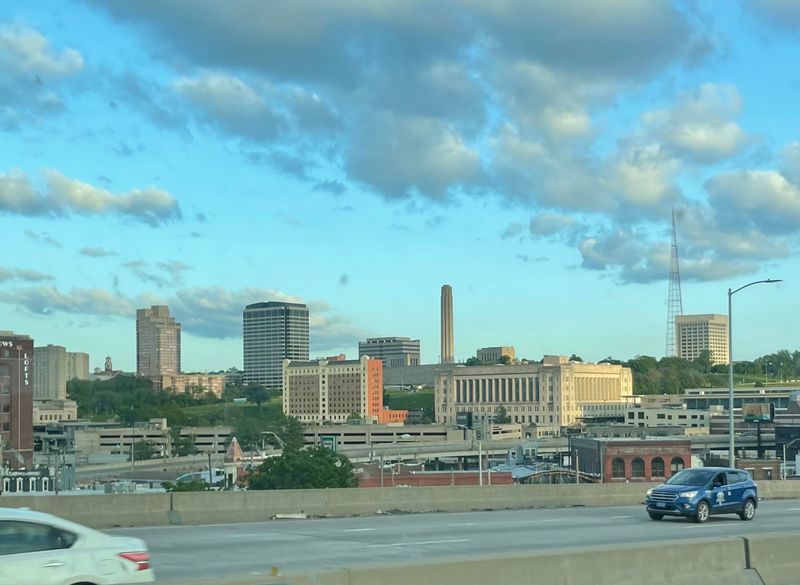
Homeowners at least have some control. Renters often have none when a landlord decides a property could earn more.
As prices climb in the Westside, older rentals can be sold, fixed up, and rented again at much higher rates. Sometimes they’re torn down for new homes instead.
That leaves families searching for something affordable nearby. Kids may have to change schools, and workers may face longer trips to their jobs.
Kansas City has taken steps to help tenants. The city created a Tenants’ Bill of Rights in 2019, and it has expanded legal help for renters facing eviction.
Groups such as KC Tenants have also pushed for stronger protections across the city. Their efforts have made renter rights a bigger topic at City Hall.
If you rent, learning your rights is smart. Keep copies of your lease, save rent receipts, and ask questions before signing anything new.
Neighbors can help, too. Sharing information about housing programs and local legal aid may keep a family on the same block they love, close to friends, church, and familiar faces.
Southwest Boulevard Still Tastes Like Home
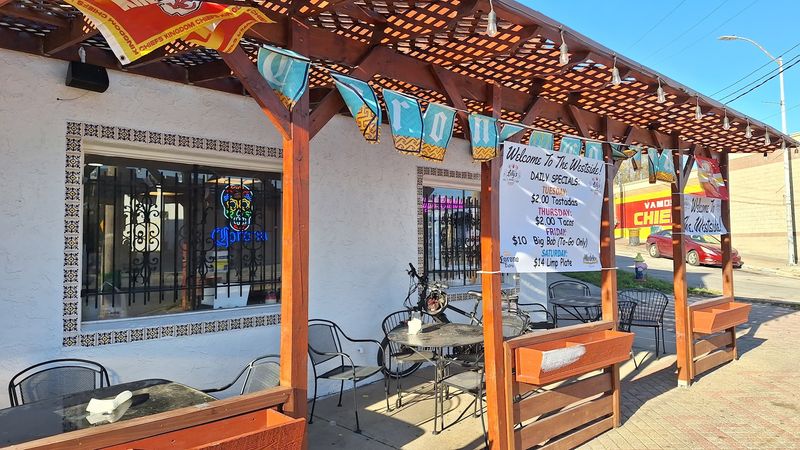
Hungry yet? Southwest Boulevard, which runs through the neighborhood, has long been one of Kansas City’s best-known stretches for Mexican food.
Family-run spots have fed generations here. Places like Los Alamos Market y Cocina and the long-running Westside favorites help keep the area’s flavor alive.
Local bakeries, markets, and taquerias also give the neighborhood a lived-in feel. These businesses are more than places to grab lunch.
They’re gathering spots where people catch up and celebrate.
Change brings new customers, which can be good news for these shops. More foot traffic often means more sales.
Rising rents can hurt small businesses, though. When a lease jumps, a beloved family restaurant might struggle to keep its doors open.
Want to help a neighborhood keep its character? Spend your money with the people who built it.
Order a meal from a family-owned spot, buy pan dulce from a local bakery, and tell friends where you went. Supporting longtime businesses is one easy, tasty way anyone can help the Westside stay true to itself while it grows.
Murals Tell The Story Better Than Any Sign
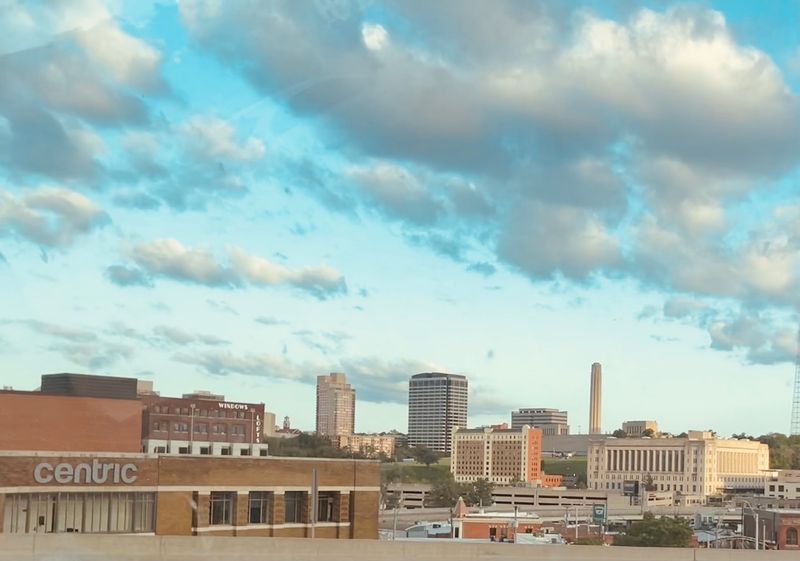
Walls do the talking in the Westside. Bright murals celebrate Mexican American culture, family, faith, and local history across buildings in the neighborhood.
These artworks are a big part of what makes the area feel unmistakable. You can’t mistake these streets for a generic subdivision.
Many murals were created by local artists with deep ties to the community. Their work shows the pride residents feel about where they come from.
As new homes go up, some people worry about losing that identity. Modern boxy buildings don’t always match the colorful spirit of the older blocks.
Art can help bridge the gap. When newcomers learn the stories behind the murals, they understand the neighborhood they joined.
A friendly tip for anyone exploring: take your time. Walk slowly, notice the details, and respect private property while snapping photos.
Better yet, look up the artists and the meaning behind each piece. A painted wall might honor a community leader, a cultural tradition, or a shared struggle.
Knowing those stories turns a quick stroll into a real lesson about why this place matters so much.
Close To Downtown Means Developers Keep Calling
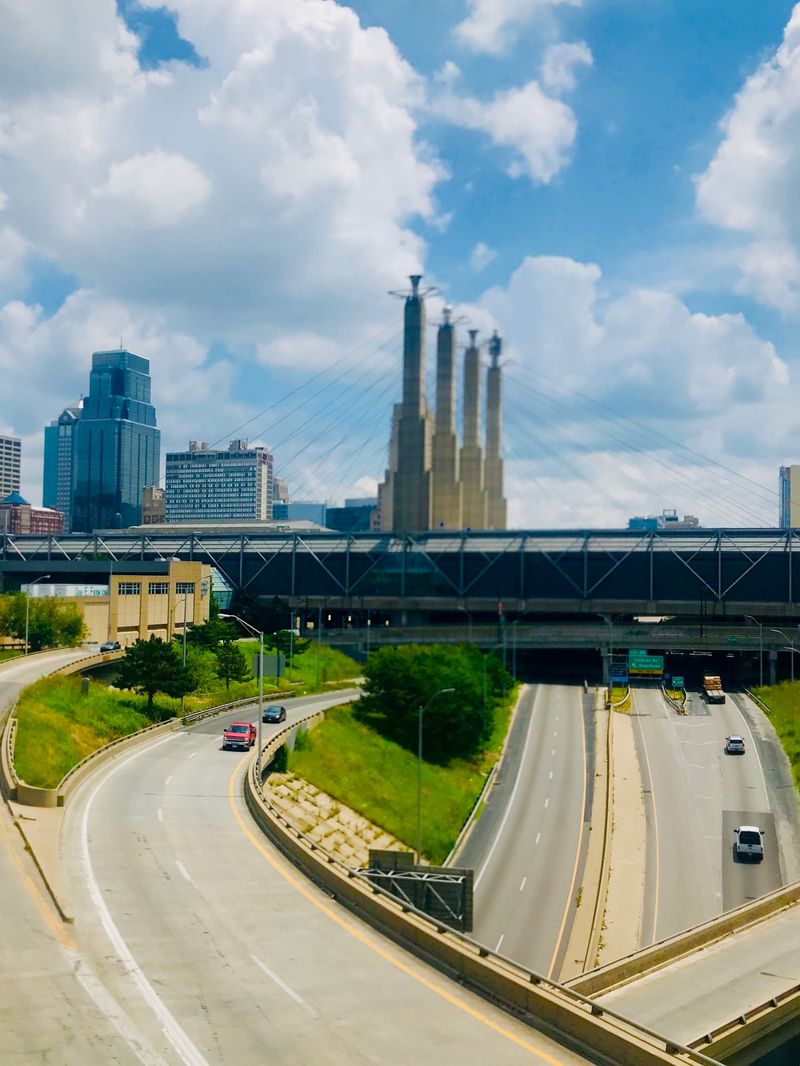
Ask any real estate agent about the Westside, and the word closeness comes up fast. The neighborhood sits minutes from downtown, the Crossroads, and the West Bottoms.
The Kansas City Streetcar has also boosted interest in nearby central areas. Easy access to jobs and nightlife makes neighborhoods close to the core extra appealing.
That popularity sends a steady stream of offers to owners. Some residents get letters or calls asking if they’d sell their homes.
Cash offers can be tempting, especially for owners facing repair bills or higher taxes. Selling isn’t wrong, and it can bring real financial relief.
Before accepting, though, slow down. Compare the offer with what similar homes have sold for, and consider talking with a trusted real estate professional.
It also helps to think about where you’d move next. Prices across central Kansas City have risen, so a sale might not stretch as far as you hope.
Making an informed choice protects your family. Whether you stay or sell, knowing the real value of your home puts you in charge of the decision instead of the buyer knocking at the door.
Neighbors Are Fighting To Keep Housing Within Reach
Plenty of residents aren’t waiting around for someone else to fix things. Community groups in the Westside have spent years working on affordable housing.
The Westside Housing Organization has built and repaired homes and helped residents with home improvements. Its work aims to keep longtime families in place.
Other approaches are getting attention, too. Community land trusts, for example, keep land in shared ownership so homes stay affordable for future buyers.
Kansas City has also created a Housing Trust Fund to support affordable projects. Funding is limited, but it gives neighborhoods another tool.
Residents can get involved in simple ways. Attend neighborhood association meetings, share your views on new projects, and stay informed about zoning changes.
Showing up matters more than you might expect. City leaders pay attention when a room fills with neighbors who care about their streets.
Change in a popular area is almost certain. The real question is who shapes it.
When longtime residents take part in the planning, new growth has a much better chance of welcoming everyone instead of replacing the people who made the Westside special.
Newcomers Can Be Great Neighbors With A Little Effort

Moving into a new home is exciting, and nobody should feel guilty about wanting a great place to live. Still, joining an established neighborhood comes with a chance to do it well.
Start by saying hello. A simple introduction to the family next door can build trust faster than any welcome sign.
Learn some history before you settle into your routine. Visit local landmarks, read about the neighborhood, and appreciate what came before your house.
Shop and eat locally whenever you can. Your dollars help keep longtime businesses open and show respect for the community’s roots.
Get involved in neighborhood events and meetings. Listening to longtime residents helps you understand their concerns about rising costs.
Little gestures go far. Shoveling a senior neighbor’s sidewalk or joining a cleanup day says you care about the block, not just your own lot.
The Westside has welcomed new people for generations, starting with the immigrant families who built it. Newcomers who arrive with curiosity and kindness can help write the next chapter, one where million-dollar homes and longtime families share the same Missouri hillside comfortably.
