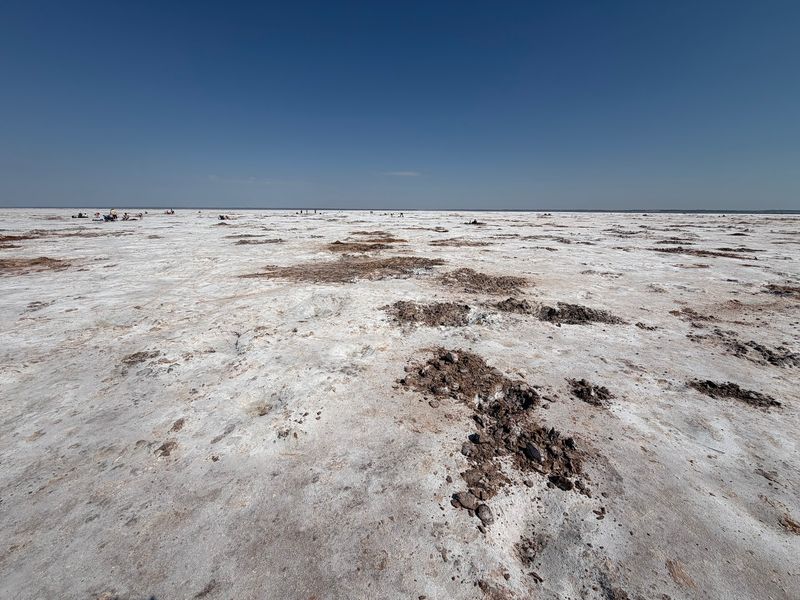
Picture a flat, white stretch of ground in Oklahoma that looks like nothing at all from the car window. Then you kneel down, scoop away a little salty dirt, and spot the glassy edge of a crystal that took ages to grow.
It costs nothing to try, and grown-ups tend to get just as hooked as the kids. Pack a shovel and some curiosity, because this quiet patch of prairie holds a treasure you can actually take home.
A Salt Flat Hiding in North-Central Oklahoma
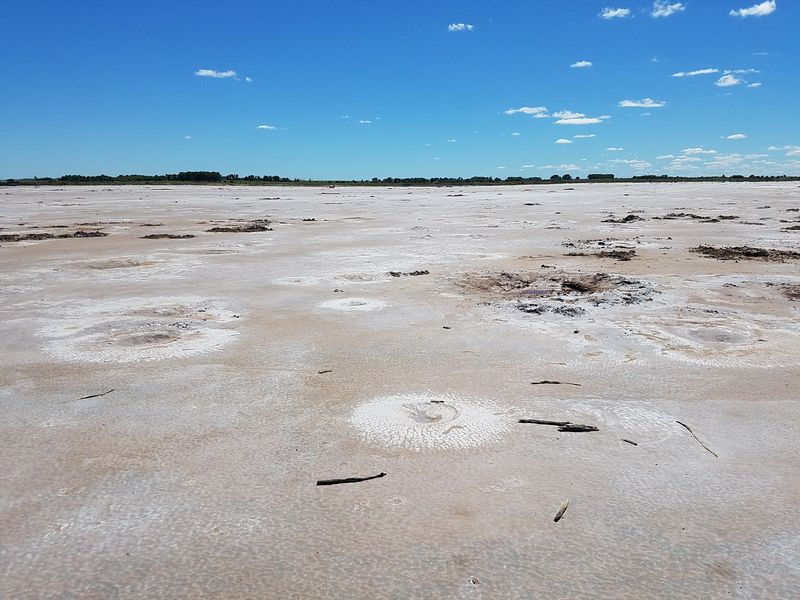
Out where wheat fields meet open sky, the ground suddenly turns pale and shiny like a frozen lake. That surprise is the Salt Plains National Wildlife Refuge, a sprawling federal refuge in Alfalfa County, near the small town of Jet.
Established in 1930, the refuge was set aside so migratory birds and other wildlife would have a safe place to rest and feed. Today it also hosts one of the most unusual free activities in the state.
Visitors can dig for hourglass selenite crystals, a formation found nowhere else on Earth, and they happen to be Oklahoma’s official state crystal.
The salt flat itself covers roughly 11,000 to 12,000 acres. Standing on it feels a little like visiting another planet, with flat white ground stretching toward a lake that seems to melt into the horizon.
Many folks show up expecting a quick stop and end up staying for hours. Some come for birds and never quite leave the dig site.
Others treat the crystals as the main event and save the trails for later.
Either way, it is a spot that tends to surprise people who assumed northwest Oklahoma was all highway and grassland.
Ancient Seas and Tribal Salt Traders
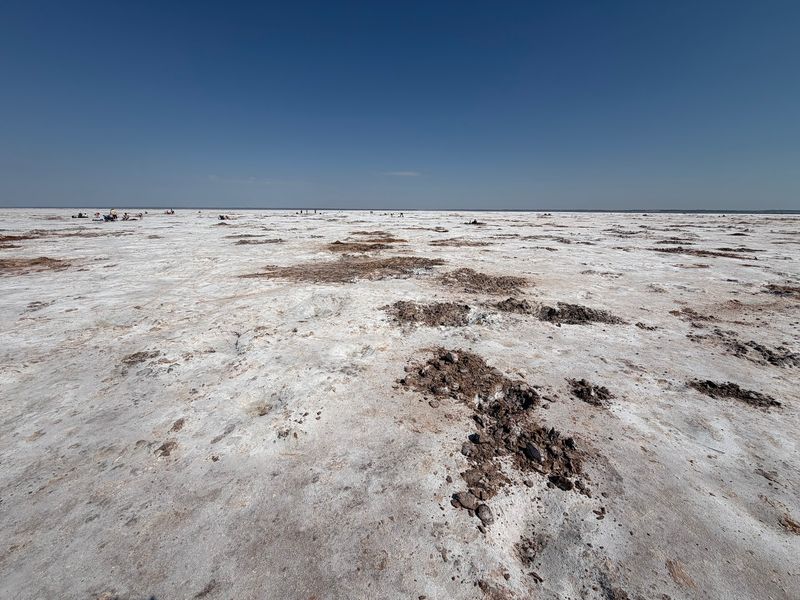
Millions of years ago, a shallow inland sea washed over this corner of Oklahoma. Each time the water pulled back and dried up, it left salt behind, layer after layer.
Nature never really stopped that work. Salty groundwater still flows just under the surface, refreshing the white crust and feeding the slow growth of selenite crystals beneath your boots.
In a sense, every crystal you pull out is part of an ongoing story rather than a leftover relic.
People valued this place long before maps carried its name. Native nations including the Osage, Kiowa, and Wichita used the salt flats to preserve meat and as a trade good worth carrying great distances.
Large game animals were drawn to the minerals too, so the area served as an important hunting ground.
Knowing that history changes how the flat looks. What first seems empty becomes a working landscape that fed and supported communities for generations.
Fun bit to share on the drive home: the crystals form from gypsum and saline water. Their brownish tint comes from iron oxide trapped inside as they grow in the reddish soil, which is why freshly cleaned pieces can look like smoky glass.
Hourglass Selenite You Can Hold
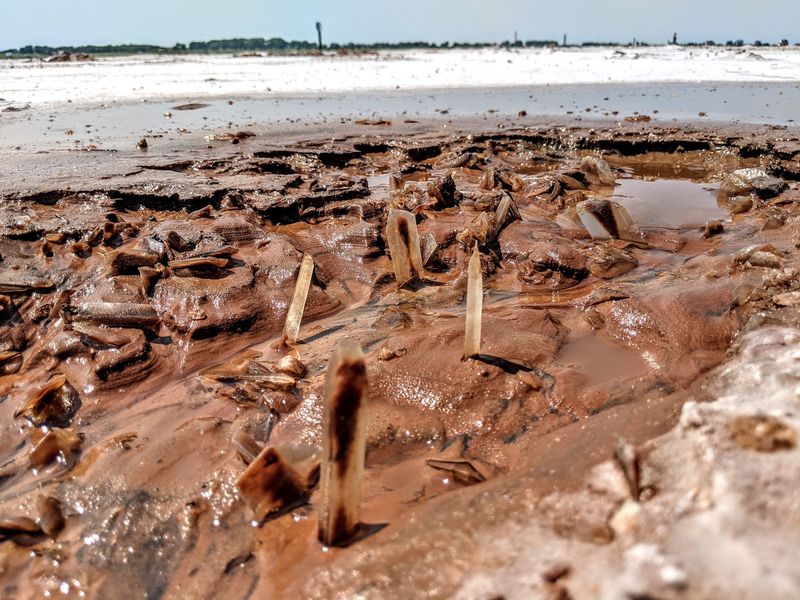
Hold one up to the light and you will see it: a dark hourglass shape suspended inside clear, glassy crystal. That pattern is what makes Salt Plains selenite famous among rock lovers.
Sizes vary quite a bit. Some pieces are small, flat fragments resting just under the surface, while bigger clusters usually take more patient digging.
Late in the season, one family reported mostly 1-inch to 2-inch crystals and vowed to return earlier next year for a shot at larger finds.
Visitors frequently mention how easy it is to find something. Many people come home with a bucket of pretty pieces after very little effort, which makes the trip satisfying even for first-timers.
Fair warning, though. The crystals can be surprisingly sharp, and more than one digger has nicked a fingertip within minutes.
A pair of gloves solves that problem nicely.
Because the pieces are flat, they hide well in loose dirt. Sifting with your hands, or watching for little points and edges as soil falls away, often works better than simply staring at the ground.
Once rinsed, they sparkle beautifully on a windowsill and make great conversation starters.
Digging Tricks That Actually Work
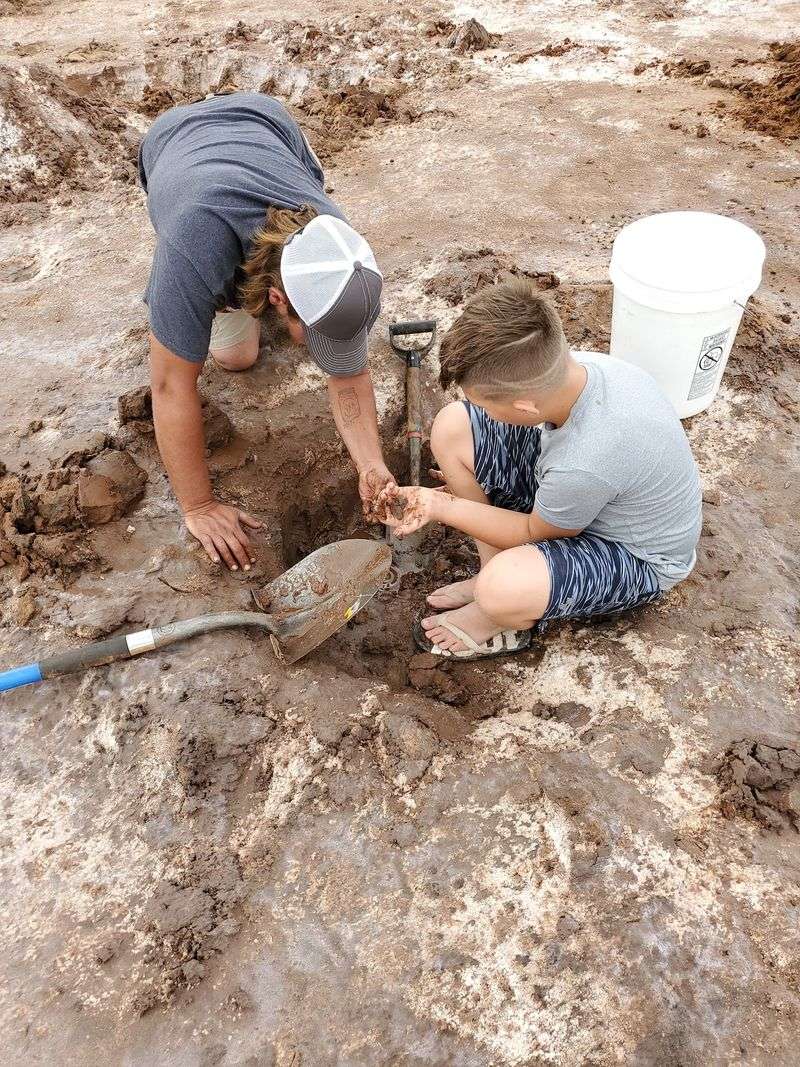
Water is the secret weapon. Pour some around the edges of a freshly dug hole and the muddy walls tend to reveal crystals that were invisible a moment earlier.
Holes rarely need to be deep. Most diggers stay within about two feet, and plenty of good pieces sit much closer to the surface than that.
One adult visitor shared a smart method. Push a shovel into the ground, and if it meets resistance or makes a crunchy sound, slow down and loosen that area carefully.
Then sift the dirt by hand rather than chopping through it, since rough shoveling can snap fragile pieces.
Bring a few sizes of tools if you can. A small hand trowel helps with delicate work, while a bigger shovel speeds up the early digging.
Rules are simple and generous. Each person may usually collect up to ten pounds of crystals plus one large cluster per day for personal use, though selling them is not allowed.
Here is a pleasant twist: leave your hole open when you finish. Those little pits can become handy habitat for wildlife, including nesting snowy plovers, so skipping the cleanup actually helps.
Trails, Marsh Boardwalks and 300 Bird Species
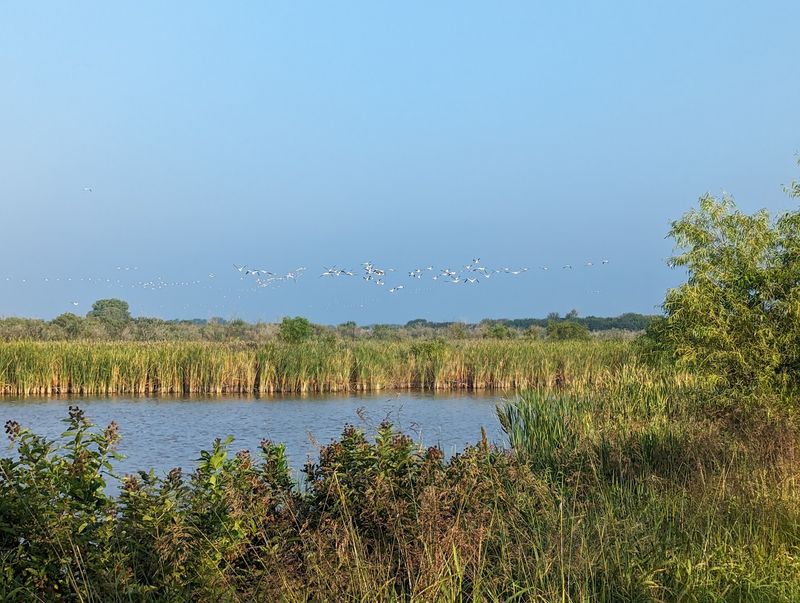
Crystals grab the headlines, but birders know a different side of the refuge. More than 300 bird species have been recorded here, from sandhill cranes to bald eagles.
Five hiking trails are typically open daily. The Sandpiper Nature Trail and the Big Marsh boardwalk and overlook come up often in visitor stories, praised as short, peaceful, and well kept.
Prefer to stay in the car? The Harold F.
Miller Auto Tour Route winds through the refuge, and travelers regularly spot deer along the way. One visitor even met an armadillo on a post-dig stroll.
Timing matters for wildlife watching. Early morning tends to bring the most birds, warm afternoons can reveal turtles and snakes, and evenings may produce surprising numbers of deer.
An observation deck overlooking the salt flat is usually accessible year-round. That makes the refuge worth a trip even outside digging season, especially for photographers chasing big skies and migrating flocks.
A good plan many folks follow: start at the marsh, swing by the visitor center, drive the auto tour, then finish with a couple of hours of crystal hunting. It turns a quick errand into a full and memorable day.
Wide-Open Fun for Every Generation
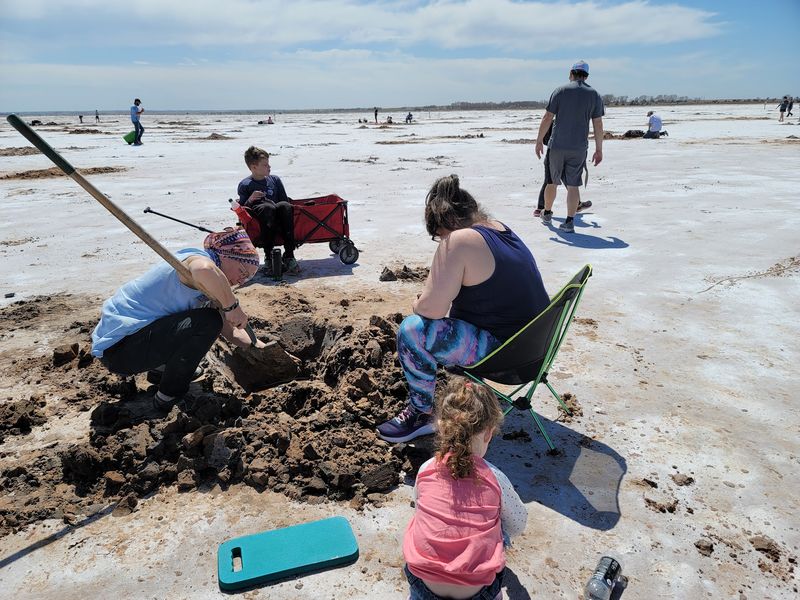
Grown-ups, consider yourselves warned. Adults regularly admit they had just as much fun as the kids, kneeling in the dirt and shouting when a crystal turns up.
The mood out on the flat is relaxed and friendly. On opening day, one parent and daughter noted how respectful and courteous everyone was, even with crowds of families spread across the dig area.
Grandparents seem especially fond of it. One family brought grandkids and great-grandkids, and every generation had a ball searching side by side.
Hobbyists love it too. A hunter who came looking for birds ended up digging for two straight days, calling it a perfect stop for anyone who enjoys treasure hunting.
That said, the open ground is rugged. Some visitors feel it may not suit very young children or anyone unsteady on their feet, since there are holes, mud, and sharp crystal edges everywhere.
For many, the real reward is the scenery. The serene emptiness of the flat leaves people genuinely awestruck, and the quiet is a nice break from busy city life in Tulsa or Oklahoma City.
Season Dates, Costs and the Road In
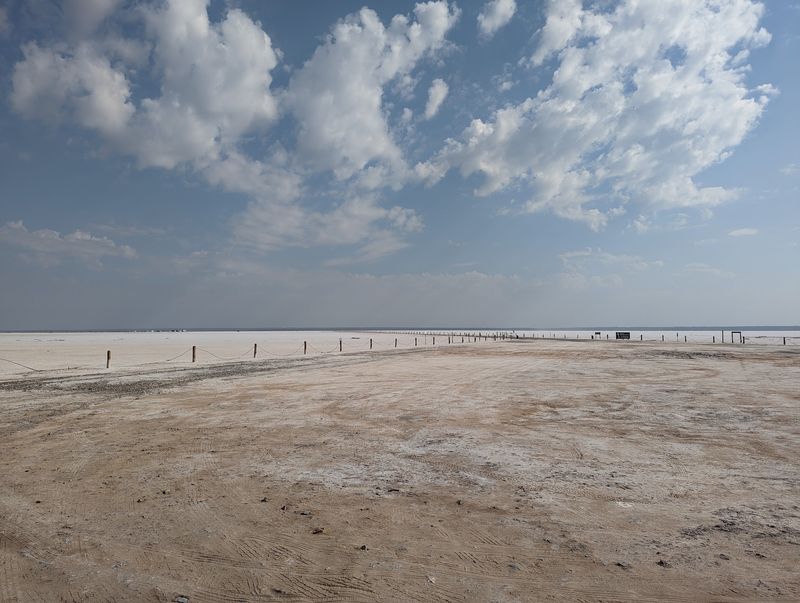
Best news first: digging is free. That price tag alone makes this one of the most budget-friendly day trips in Oklahoma.
The dig season typically runs from April 1 through October 15, sunrise to sunset. Outside those dates the area closes to protect migrating wildlife, including endangered whooping cranes.
The designated dig zone, usually 5 to 15 acres marked by bright orange signs, rotates each year.
Getting there takes some patience. Roads into parts of the refuge are dirt and gravel, bumpy and dusty, though visitors say a regular sedan generally handles them fine.
Facilities are basic. A simple vault-style restroom may sit about a mile before the dig area, but there is no running water, and nowhere nearby to buy food or drinks.
During a government shutdown in October 2025, restrooms were reportedly closed, so plan for the unexpected.
Questions about current conditions can go to the refuge at 580-626-4794. The official site at fws.gov is also worth checking before you leave.
Nearby Salt Plains State Park offers cabins and camping for anyone wanting to stretch the adventure into a weekend.
Packing Smart, Then Heading Home Happy
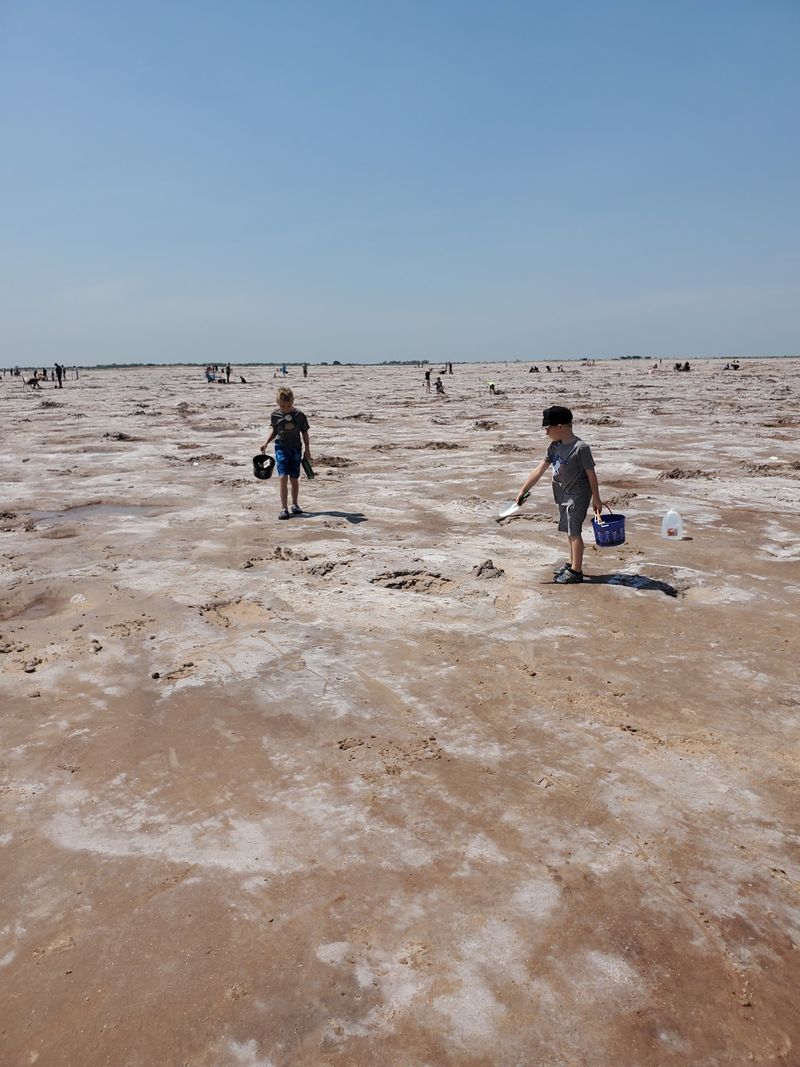
Think of the flat as a beach without shade, snacks, or showers. Pack accordingly and the day becomes pure fun.
Water tops every list, and lots of it. You will need it for drinking under the hot Oklahoma sun, for revealing crystals in your holes, and for rinsing off afterward.
Hats, sunglasses, sunscreen, and bug spray earn their spot too.
Seasoned diggers suggest shovels, a bucket, gloves, something to kneel or sit on, and chairs with shade canopies. Wind can be fierce, so weigh down loose items and tie your hat on.
Clothing deserves a thought. The red soil may refuse to wash out, so wear things you would not miss, and bring towels plus a full change of clothes, socks, and shoes.
Before driving off, rinse salt from your vehicle to help prevent corrosion. Expect some salt inside the car anyway.
So is it worth the trip? For a free, hands-on outing packed with history, wildlife, and real treasure, most people say absolutely.
You may leave salty and sunburned, yet carrying crystals that will spark stories for years.
