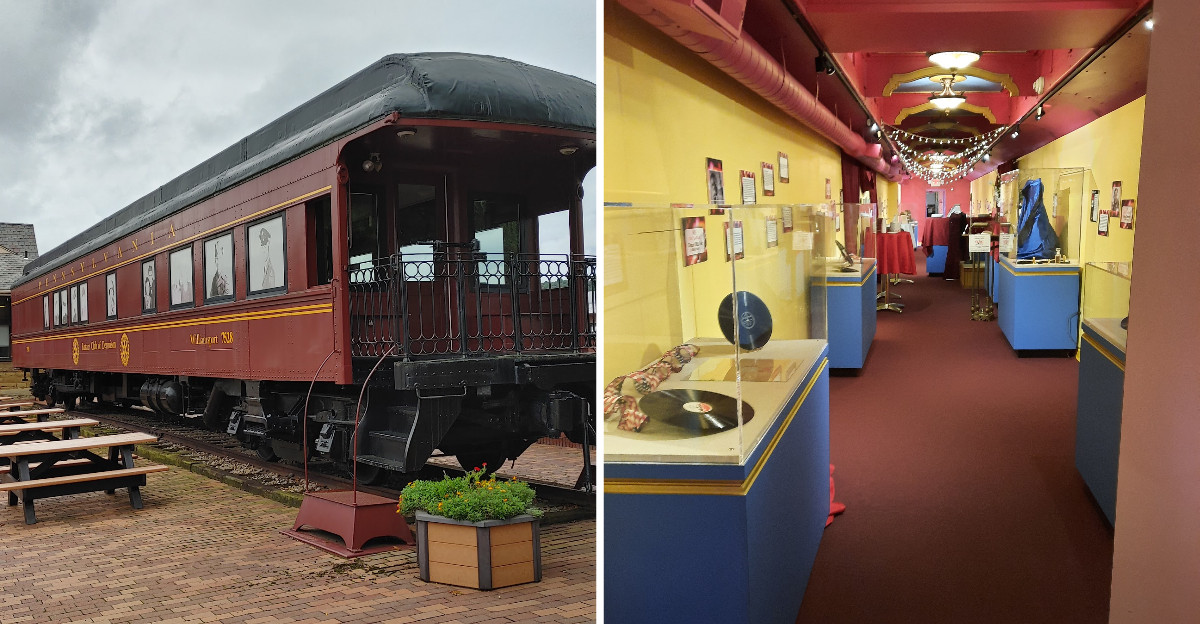
Warm coffee and a cookie were the greeting at a small Ohio depot, and the gesture meant more than I understood at the time. Driving into this quiet village, a simple train museum was the expectation, maybe a few old engines and some faded photographs.
Instead, the story of a town that fed 1.3 million soldiers during World War II, day and night, for four straight years, unfolded room by room. Local volunteers, mostly women, met every troop train with sandwiches, pie, and a friendly smile.
Soldiers loved the place so much they gave it a nickname that still makes me grin: Dreamsville, U.S.A. By the time the coffee was gone, the brick depot and the people who made it famous had me completely hooked.
Ohio keeps stories like this one tucked in its small towns, waiting for curious travelers to walk through the door.
A Water Stop That Changed Everything
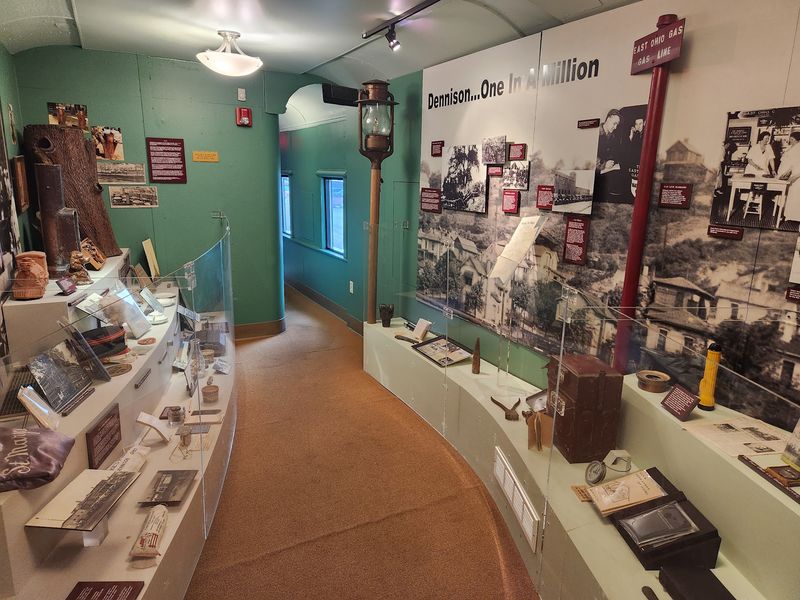
My first clue about why Dennison mattered came from a simple map on the museum wall. The town sits almost exactly halfway between Pittsburgh and Columbus on the old Pennsylvania Railroad line.
Back when steam engines ruled the rails, trains needed to stop and refill their water tanks, and Dennison was the spot where they did it. Every steam train on this route had to pause here, whether it carried coal, passengers, or soldiers heading off to war.
That one practical need turned a small railroad village into a place millions of people would remember for the rest of their lives.
The depot itself was built in 1873, and you can still feel its age in the creaky floors and tall windows. Railroad workers once filled the town, repairing engines and keeping the line moving.
Honestly, I loved imagining the hiss of steam and the clang of metal echoing across these tracks.
If you enjoy history, spend a few minutes studying the early railroad displays before rushing ahead to the war exhibits. They explain how the tracks built the town in the first place.
Without that water tank, the famous canteen story might never have happened at all.
How One Woman Started a Canteen
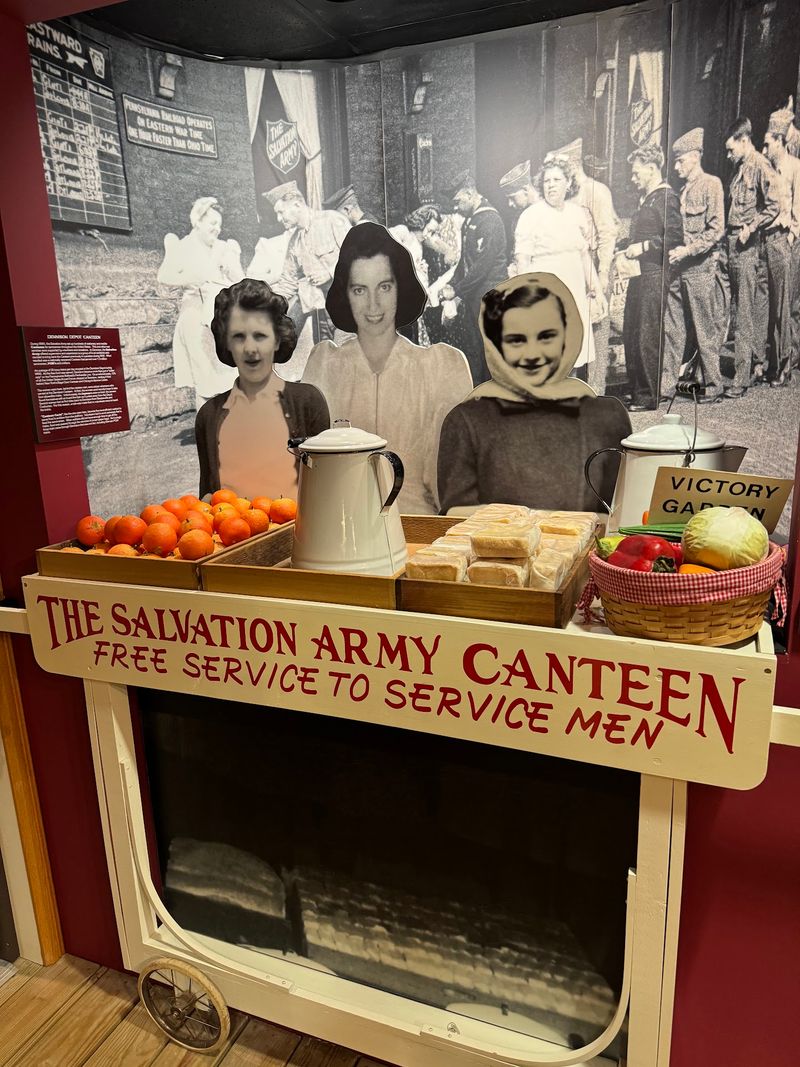
Big stories sometimes start with one person saying, we should do something. In Dennison, that person was Lucille Nussdorfer, who helped organize the Dennison Depot Salvation Army Servicemen’s Canteen in 1942.
The first day of service was March 19, 1942, just a few months after the United States entered World War II. Local folks saw young soldiers passing through on crowded troop trains, often tired, hungry, and far from home.
Instead of just waving from the platform, they decided to bring food right to them. The Salvation Army later supported the effort, which helped it grow into something huge.
What amazed me was how quickly the idea caught on. Neighbors baked, donated, and signed up for shifts without anyone paying them a cent.
It started small, yet it soon became the third-largest railroad canteen in the entire nation.
Inside the museum, the displays about the canteen’s beginnings are worth reading slowly. They show how ordinary people turned kindness into a daily habit.
I left thinking about how one good idea, shared with friends, can grow bigger than anyone expects. That lesson works just as well today as it did back then.
Around the Clock for Four Years
Picture a kitchen that never closes, not even on Christmas morning. From March 1942 until April 8, 1946, the Dennison canteen stayed open 24 hours a day, seven days a week.
Troop trains did not keep neat schedules, so volunteers had to be ready at any hour. A train might roll in at noon or at three in the morning, and someone was always waiting with coffee.
Some days brought train after train packed with young men, and the helpers simply kept going. I got tired just reading about it, to be honest.
The museum does a great job showing how this worked. Photos and exhibits reveal the rush of a train arriving, with only minutes to hand out food before the whistle blew again.
It must have been loud, busy, and a little chaotic in the best way.
Here is a helpful tip: plan at least two hours for your visit so you can really soak up these details. There is a short film near the start that sets the scene nicely.
Watching it first makes the rest of the exhibits hit harder, especially when you realize nobody took a night off for four years.
Nearly 4,000 Volunteers from Eight Counties
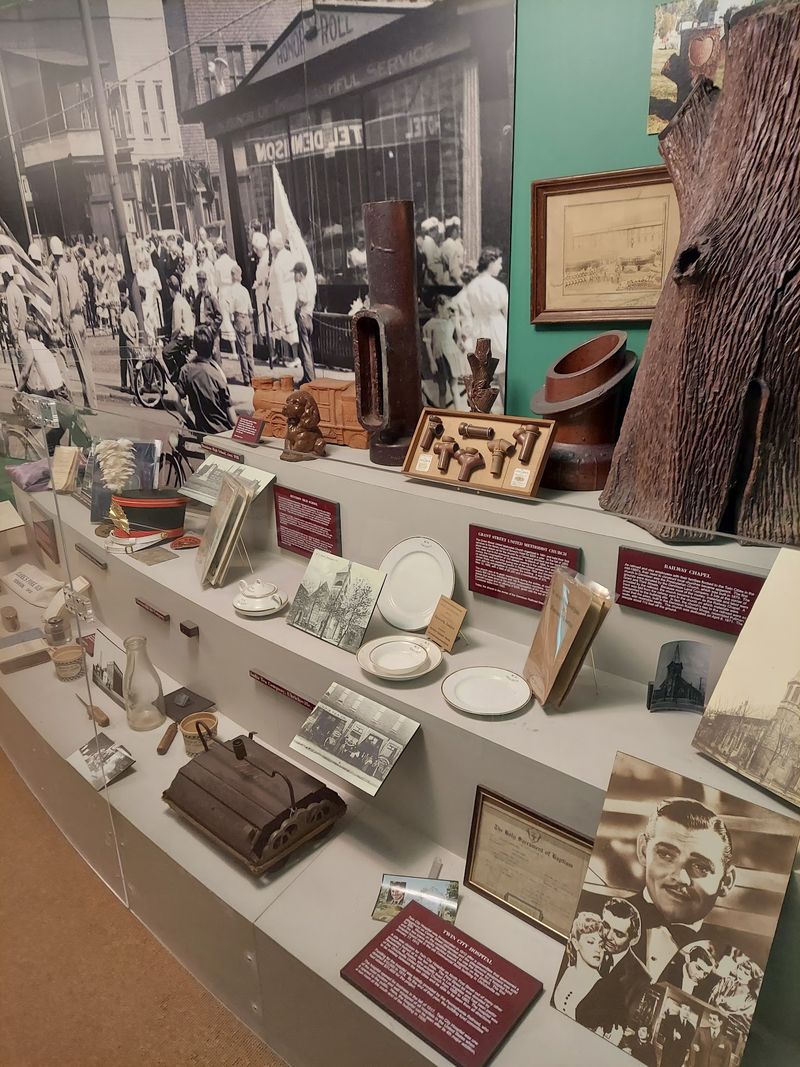
Numbers usually bore me, but these ones stopped me cold. About 3,987 volunteers ran the canteen, and together they gave 601,520 hours of their time.
Most of the helpers were women from Dennison and nearby towns across eight Ohio counties. Many had husbands, sons, or brothers serving overseas, so feeding someone else’s boy probably felt personal.
They juggled jobs, families, and wartime rationing, yet still showed up for their shifts. Churches, clubs, and school groups often pitched in too, bringing homemade treats by the basketful.
When you do the math, it is almost hard to believe. Six hundred thousand hours is like one person working nonstop for more than 68 years.
Spread across thousands of neighbors, though, it became possible.
I found myself lingering over the photos of these women in their aprons, smiling while balancing trays. The museum treats them with real respect, and that feels right.
If you visit with kids, point out how teamwork made such a giant job doable. It is a simple message they can carry home, and it might even inspire a family volunteering day of your own.
Small efforts really do add up when enough people join in.
Sandwiches, Pie, and a Taste of Home
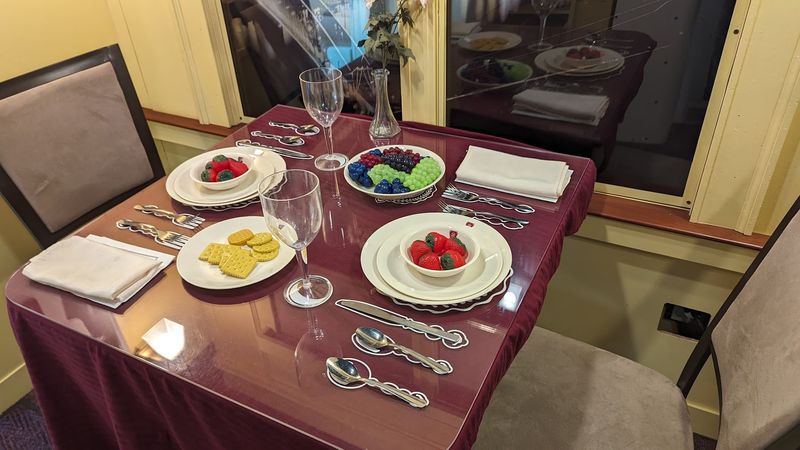
Honestly, the menu made my stomach growl. Soldiers stepping off the trains in Dennison could grab free coffee, sandwiches, pies, cakes, cookies, and donuts.
The goodies did not stop there. Volunteers also handed out fruit, gum, candy bars, lollipops, and magazines to help pass the long ride.
Around the holidays, soldiers even received Christmas packages, which must have been a sweet surprise for someone spending December on a crowded train.
All of this happened during rationing, when sugar, butter, and coffee were limited for families at home. People saved and shared so the soldiers could have a treat.
That kind of sacrifice shows up in every exhibit about the food.
My favorite part is that the tradition lives on today. When you arrive at the museum, staff still offer visitors a free cup of coffee and a cookie in the lobby.
It is a small, friendly nod to the past, and it made me feel instantly welcome. Take a moment to enjoy it before starting your tour.
That bite of cookie connects you, in a tiny way, to more than a million soldiers who were once handed something similar on this same spot.
Why Soldiers Called It Dreamsville
Out of all the stops along the rails, why would soldiers pick this little town to dream about? The answer, as far as I can tell, comes down to how people made them feel.
For a few short minutes, young men heading to war got warm food, kind words, and friendly faces. Many were scared, homesick, or simply worn out from days of travel.
Dennison gave them a break that felt like home, and they never forgot it. Word spread from train to train, and the town earned the nickname Dreamsville, U.S.A.
The canteen served about 1.3 million soldiers in total. That was roughly 13 percent of all service members who traveled by troop train during the war, which is a staggering share for one small village.
I think the name fits perfectly. Food fills your stomach, but kindness sticks with you much longer.
As you explore the exhibits, notice how often the word comfort shows up. The museum reminds visitors that emotional support mattered just as much as the sandwiches.
It is a sweet reminder that a smile can travel farther than any train, and Dennison proved it over and over again.
Exhibits Tucked Inside Real Train Cars
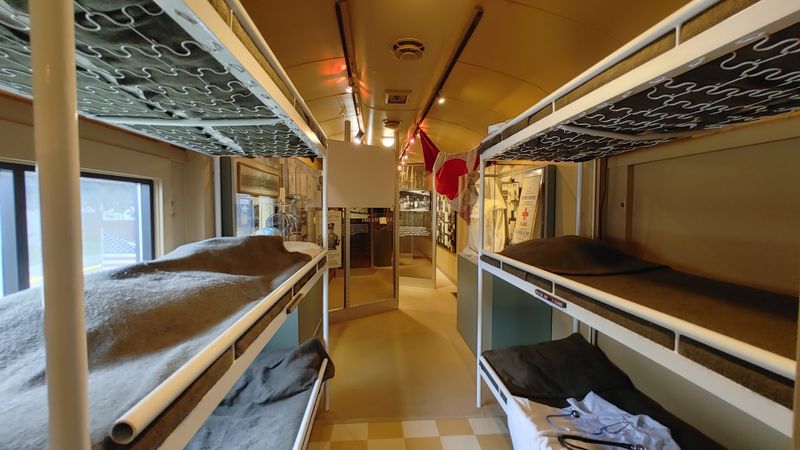
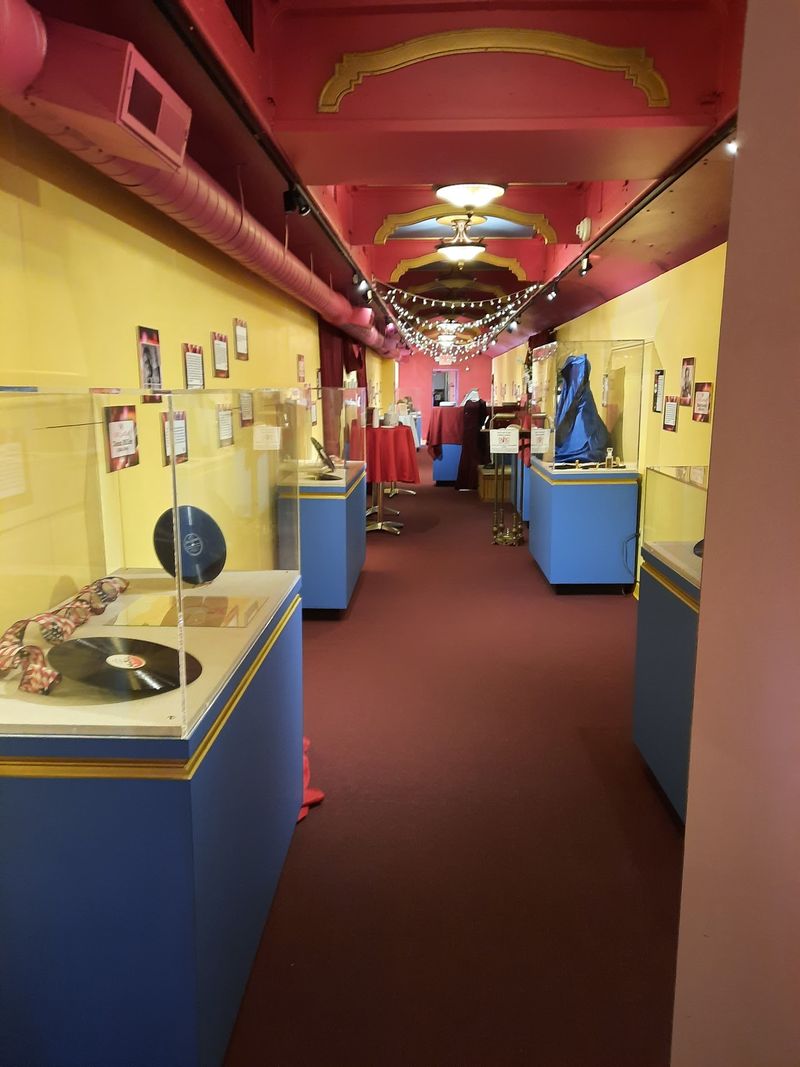
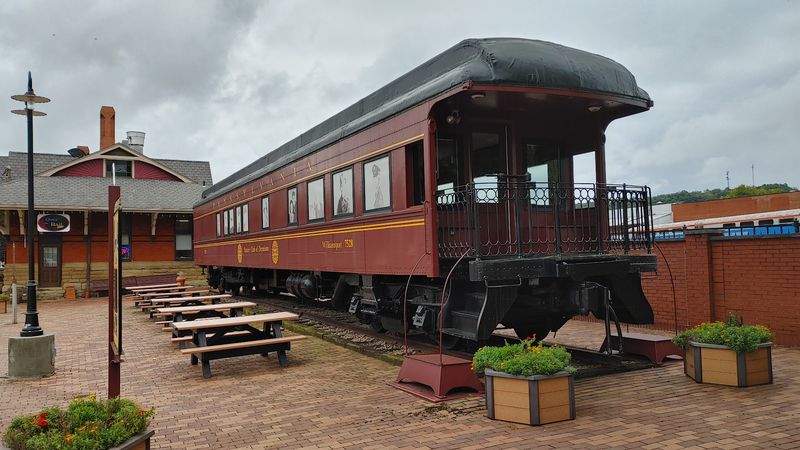
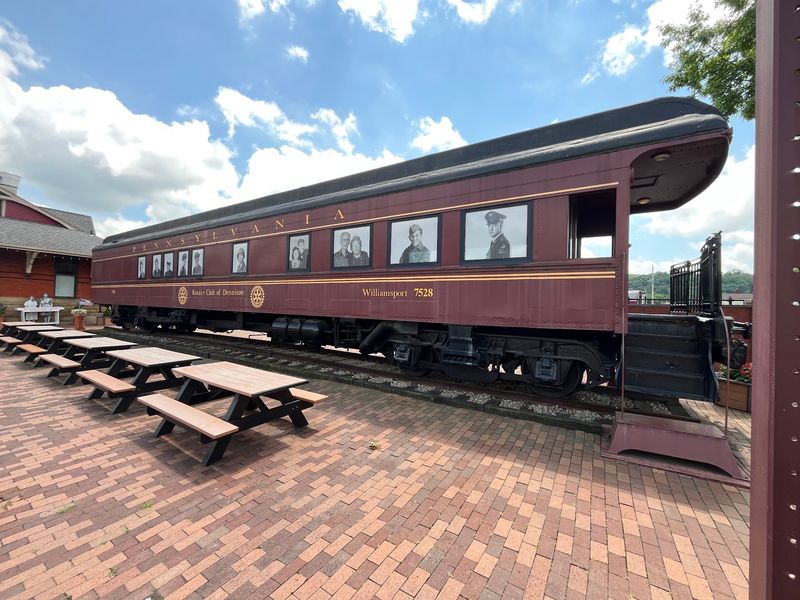
Fair warning, you will end up walking through a whole string of railroad cars here. Much of the museum sits inside actual passenger cars lined up beside the depot, and each one tells a different part of the story.
Some cars show how the war changed life for families back home. Others are set up like troop train cars, so you get a sense of how crowded and cramped those journeys were.
The standout for me was the hospital car, set up to show how medical staff cared for wounded soldiers on the move.
You will also spot a steam engine outside, which is great for photos. Inside, a large model train display keeps younger visitors happy while grown-ups read the signs.
The train car section can accommodate walkers and wheelchairs, and there is even a restroom along the route.
Here is my advice: wear comfy shoes and do not rush. Families should grab the scavenger hunt, because it keeps kids searching for details they might otherwise miss.
I picked up a copy myself and had more fun than I care to admit. It turns a history lesson into a game, and everyone wins.
Planning Your Own Trip to Dennison
By the time I left, I was already plotting a return trip. The museum is open Tuesday through Friday from 10 AM to 5 PM, Saturday from 11 AM to 4 PM, and Sunday from 11 AM to 3 PM.
It is closed on Mondays, so plan around that.
Weekday visits tend to feel calm and roomy, which is perfect if you like to read every sign. Parking is on the street across from the main entrance.
Give yourself about two hours, though history lovers could easily stay longer.
The museum also runs special train rides and seasonal events throughout the year. Around the holidays, the Polar Express ride is a huge hit with families, and it books up fast.
Other excursions and railroad celebrations pop up too, so check the website before you go.
Do not skip the gift shop, which has plenty of train toys, shirts, and keepsakes. Grab your free coffee and cookie, take your time, and let the stories of Dreamsville sink in.
This is one small town that truly left a big mark on history.
Address: 400 Center Street, Dennison, Ohio 44621
