A quilt can tell you who made it. Sometimes it can tell you what they believed was worth saving.
That is what makes this Indiana museum so much more interesting than a room full of pretty blankets. Its National Historic Landmark status reflects the importance of quilting as history, craft, and cultural record, while the collection gives visitors a chance to see those stories in fabric instead of textbooks.
The building itself is wonderfully unassuming, which only makes the discovery more satisfying. Then come the unexpected connections outside: James Dean, Garfield, a historic mansion with lunch, riverside walking, and a winter spectacle involving millions of lights.
The whole visit becomes a reminder that small towns can hide surprisingly large stories.
Lunch Inside a Rescued Mansion
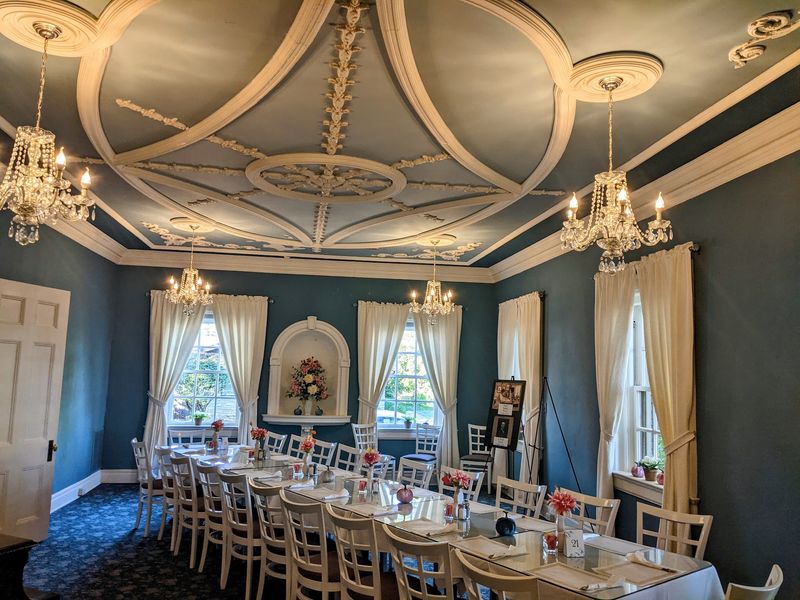
Few towns can say a group of determined women saved one of their grandest homes, but Marion can. The Wilson-Vaughan Hostess House sat abandoned in the 1940s until local women stepped in and gave it a second life as a gathering place.
Their idea still works beautifully.
The mansion stands at 723 West Fourth Street, and it shows off the polished style of the early 1900s. Back then, homes like this hosted dinner parties and afternoon teas all the time.
Grand rooms and careful details make it easy to picture those fancy evenings.
Here is the fun part, since on many weekdays the house opens for lunch. Light dishes arrive in a setting far fancier than a typical sandwich stop.
Napkins in laps, please.
After eating, wander into Peggy’s Boutique, the gift shop tucked inside the home. It keeps the same lunchtime hours, which makes browsing an easy add-on.
Small gifts from a historic mansion make for a better souvenir than a keychain from a gas station.
The house also hosts weddings, cultural events, and community functions throughout the year. Call ahead to confirm lunch days, since private events sometimes fill the calendar.
A reservation keeps the visit stress-free.
Pair the stop with a morning at the quilt museum for a full day of early 1900s style. Both homes tell stories of Marion’s boom years, when natural gas brought money, big dreams, and even bigger houses.
A Yellow House That Changed Quilting Forever
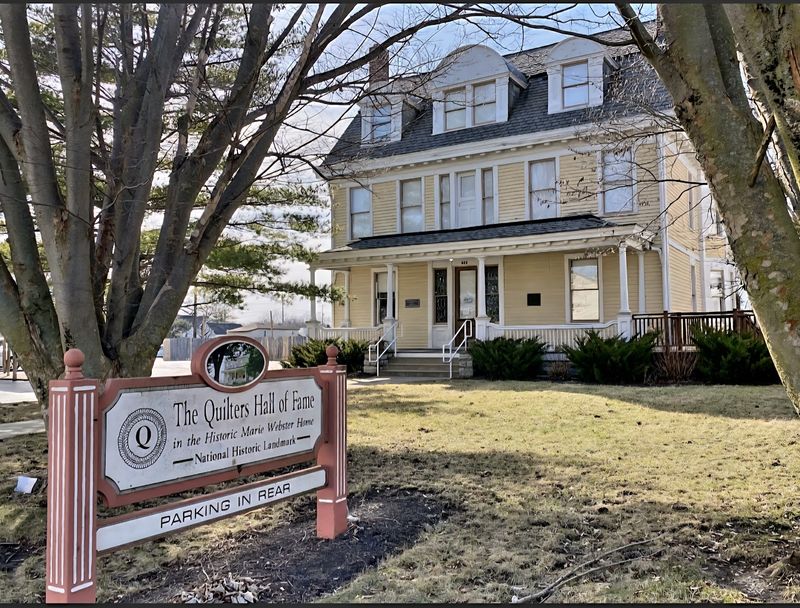
Plenty of museums sit inside big modern buildings, but Marion keeps its crown jewel in a cheerful yellow house built in 1902. The Colonial Revival home at 926 South Washington Street once belonged to Marie Webster, a designer who helped turn quilting from a simple chore into true art.
Her elegant floral patterns still look fresh today.
Webster published patterns in the Ladies’ Home Journal and wrote a 1915 book called Quilts, Their Story, and How to Make Them. That book sparked a quilting revival across the country.
Her home earned National Historic Landmark status in 1993, and it is also recognized as a Landmark of Women’s History.
Inside, original features from Webster’s time remain, mixing Victorian charm with the clean lines of the Arts and Crafts style. Exhibits rotate several times a year, so repeat visits bring new quilts, both historic and modern.
Each display explains the designer, the stitcher, and the story behind the pattern.
Curious hands are welcome too. A makerspace with sewing machines and tools lets beginners try the craft, and the annual Celebration invites guests to sew Quilt of Valor blocks for service members.
Check the museum website for current hours before heading over.
Save a few minutes for the garden out back. Memorial bricks line the ground there, and the quiet space makes a lovely spot to think over everything just seen.
It also ranks as the largest quilt museum in Indiana.
Where a Rebel Got His Start
Back in 1931, a baby boy named James Dean was born right here in Marion. He would grow up to become one of Hollywood’s most famous faces, starring in films like Rebel Without a Cause and East of Eden.
Not bad for a kid from Grant County.
Most fans know about Fairmount, the nearby town where Dean spent his boyhood years on a family farm. Marion, though, holds the honor of being his birthplace.
A memorial downtown at the intersection of Fourth and McClure Street marks the spot.
The memorial is simple and small. It will not take long to see, yet it carries a surprising weight, since the person honored there changed how movies showed young people and their feelings.
A quiet moment here goes a long way.
Dean made only three major films before his death at age 24, but his cool style and restless energy still inspire actors and artists. Seeing the place where his story began makes that legacy feel close and real.
Grab a photo at the memorial corner, then take time to explore the blocks around it. Downtown Marion has a mix of older brick buildings that hint at the city’s busy past.
There is no need to rush back to the car.
Movie buffs might enjoy watching one of his films the night before. That famous brooding look on screen makes the memorial visit even more meaningful.
Hunting for a Lasagna-Loving Cat
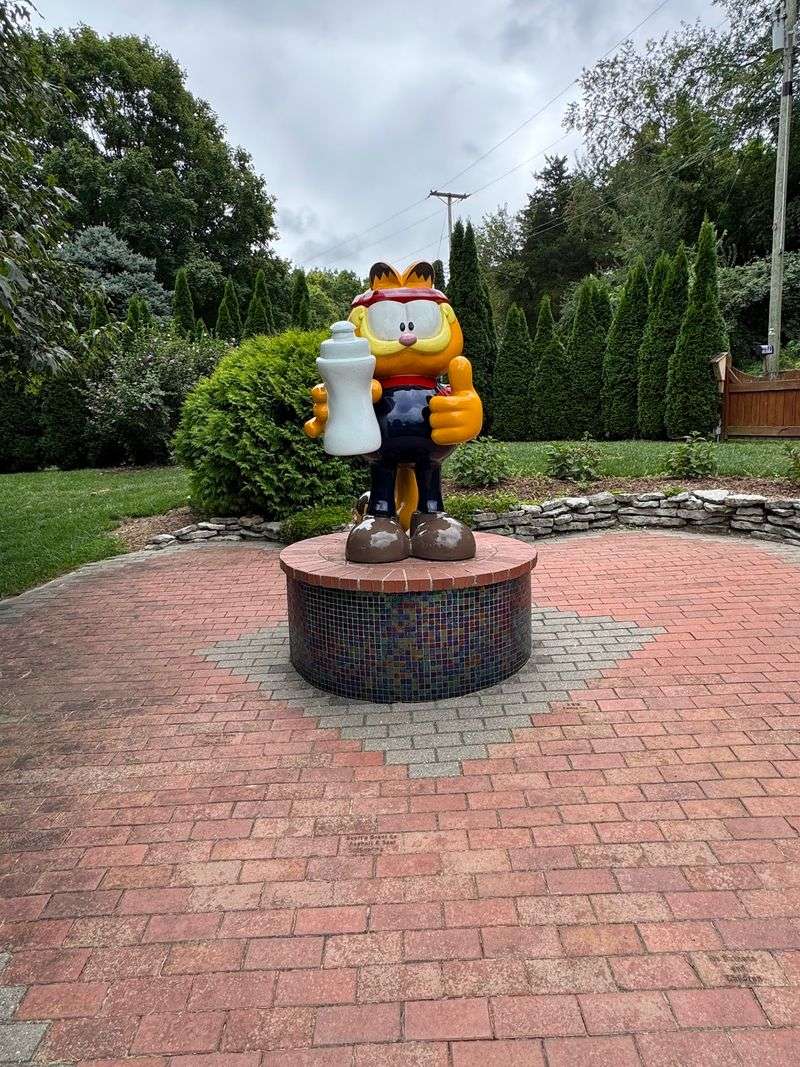
Somewhere in Marion, a big orange cat is waiting for a photo. Jim Davis, the creator of the Garfield comic strip, grew up in Grant County, and the area honors him with the Grant County Garfield Trail.
Fourteen colorful fiberglass statues of the famous feline are spread across the county.
Three of those statues live inside Marion city limits. Each one strikes a different pose or wears a theme tied to its location, so no two look alike.
One even sports workout gear at Matter Park, which is funny considering Garfield famously hates exercise.
Kids love turning the trail into a scavenger hunt. Adults tend to enjoy it just as much, even if they pretend otherwise.
It is a clever way to see different corners of town that might otherwise get skipped.
Before setting out, look up a trail map from the local visitor bureau to find exact statue spots. Keep a phone charged for photos, because every Garfield deserves its close-up.
A checklist adds bragging rights for anyone who finds them all.
Fun fact, Garfield first appeared in newspapers in 1978 and became one of the most widely syndicated comic strips in the world. That is a pretty impressive career for a cat who mostly naps and eats lasagna.
Grant County clearly knows how to raise creative minds.
The trail works any time of year. Just remember that Garfield would never approve of a Monday visit.
Slow Steps Along the Mississinewa
Morning light on moving water has a way of slowing everything down. Marion’s Mississinewa River Walk offers exactly that, with a freshly paved path stretching about 2.25 miles along the riverbank.
Walkers, joggers, and cyclists all share the route.
The trail winds through green spaces at the water’s edge. Observation overlooks pop up along the way, perfect for resting tired legs or watching the current drift past.
Birds often flit through the trees nearby, adding a soft soundtrack.
Marion was built along this river, so the path offers a view of the waterway that shaped the city. The name Mississinewa comes from a Miami word often linked to the idea of falling water.
That little detail makes the walk feel richer.
Several public parks sit within walking distance, which makes it easy to turn a short stroll into a longer outdoor day. Pack a water bottle and some snacks.
Wear sneakers with good grip, especially after rain.
Early mornings tend to be the calmest, while late afternoons bring a warm glow across the water. Either time works for a quiet break between museum visits.
Cyclists should ride at a friendly pace and give walkers space on busy days.
After hours of history and quilts, fresh air feels like a reward. The River Walk shows a gentler side of Marion, one that moves at the speed of the river itself.
Nobody needs a ticket for this kind of peace.
Matter Park Really Does Matter
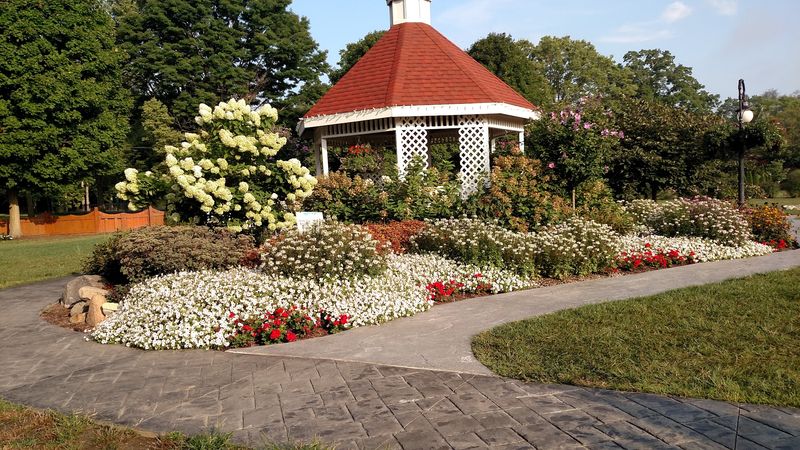
Picnic blankets, tennis rackets, fishing poles, and holiday lights all find a home at Matter Park, Marion’s oldest and largest public green space. The park grew during the city’s boom days around the turn of the century.
Today it feels like the town’s shared backyard.
A paved loop circles through the grounds, making it easy to drive or walk past everything. Tennis and pickleball courts keep active folks busy, while a new playground gives kids plenty of room to climb.
Fishing ponds offer a calmer option for patient types.
The Gardens of Matter Park deserve their own slow lap. They have earned several Proven Winners Signature Garden designations, an honor given to only a handful of professional gardens each year.
Bright blooms and neat beds make this spot a photographer’s dream.
Summer brings a busy calendar, including Cruisin’ in the Park in June and a Fourth of July celebration. Classic cars, families, and lawn chairs fill the space on those days.
Arrive early for good parking.
Winter might be the real showstopper, though. The Walkway of Lights turns the park into a glowing drive-through path about two and a half miles long, sparkling with more than two million lights.
Hot cocoa in the cupholder is highly recommended.
Look for the Garfield statue in workout gear while exploring. It ties the park neatly into the county trail and adds a laugh to any visit, no matter the season.
Gas Boom Secrets in an Old Carnegie Library
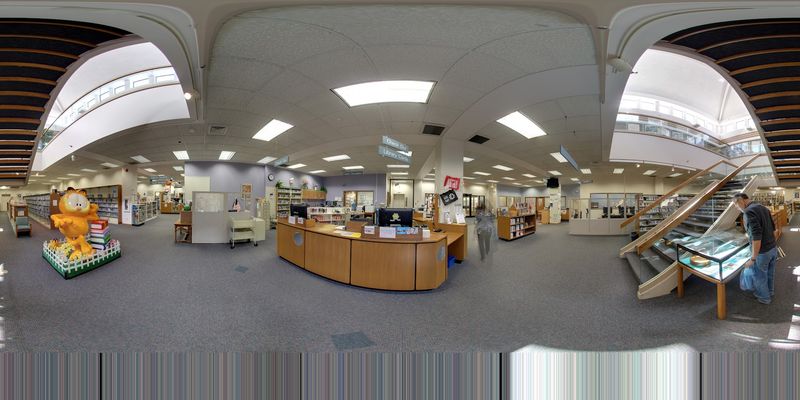
Natural gas once poured out of the ground around Marion, and that discovery in the 1880s changed everything. Factories sprang up, glassmaking boomed, and the town grew fast.
The Marion Public Library Museum tells that story in rich detail.
The museum sits inside the historic Carnegie Library, a grand Beaux-Arts building from 1902. It served as the city’s public library until 1991 and reopened as a museum the next year.
The building’s classic design alone is worth a look.
Inside, shelves and cases hold glass made in local factories, antique electrical gadgets, and vintage clothing. A rare Crosley car built in Marion in 1952 grabs plenty of attention.
Tiny, boxy, and oddly charming, it looks nothing like today’s cars.
The interactive Made in Marion exhibit explains the boom and bust cycles that shaped Grant County’s industries. A patriotic exhibit with historical photos and uniforms adds another layer of local pride.
Both are easy to understand, even for younger visitors.
Family history fans should visit the Irene Reed Indiana History and Genealogy Department. Its special collections stay on site, so plan time to research rather than borrow.
Bringing names, dates, and old family notes can make the search much smoother.
This stop makes a smart finale for a Marion trip. After seeing quilts, mansions, and cartoon cats, the museum connects all the dots, showing how gas, glass, and grit built the city.
History rarely feels this personal.
