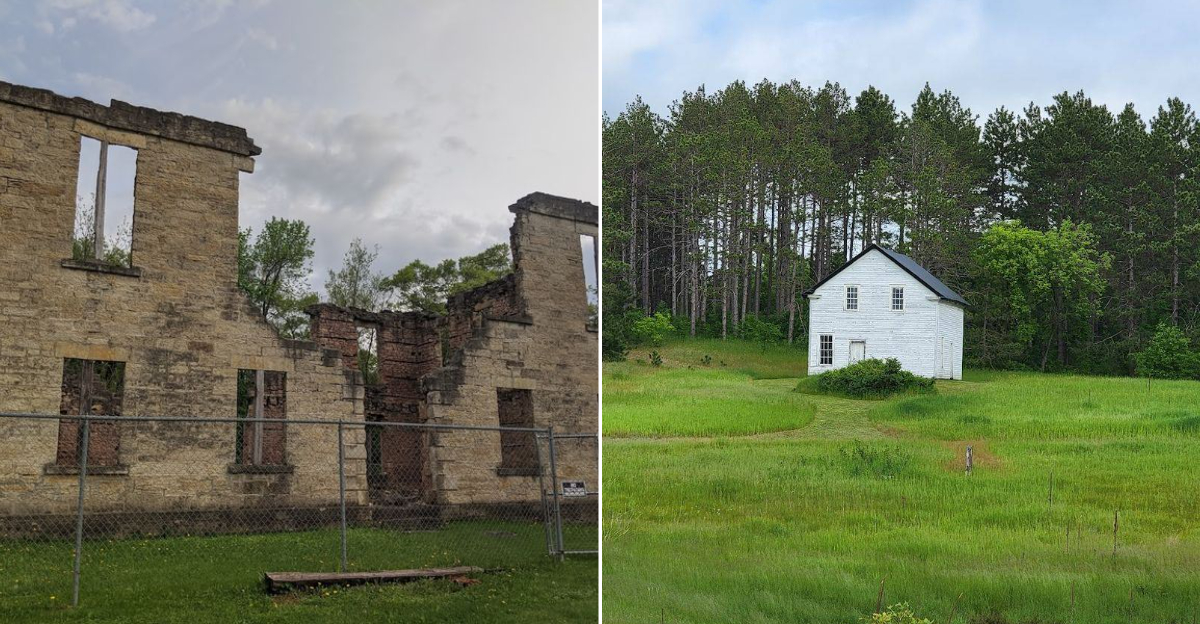
The church has no roof, the general store has no customers, and the only sounds are the wind and your own footsteps. These are the haunting remains of Minnesota’s forgotten places, ghost towns where time stopped when the railroad passed them by or the last ore train pulled out.
Scattered across the prairie and deep in the northern woods, you can still walk through these abandoned sites today, with no admission fee and no crowds. Some have a few crumbling buildings, others only stone foundations and a lonely cemetery.
Forestville, preserved as a 19th century village, tells the story of a community that faded when the train never came. Up north, the empty grain elevators of Radium rise like rusty skeletons.
Bring a camera, watch your step, and prepare to step into history that most people have never heard of. Here are six Minnesota ghost towns you can still visit, all free of charge.
1. Historic Forestville
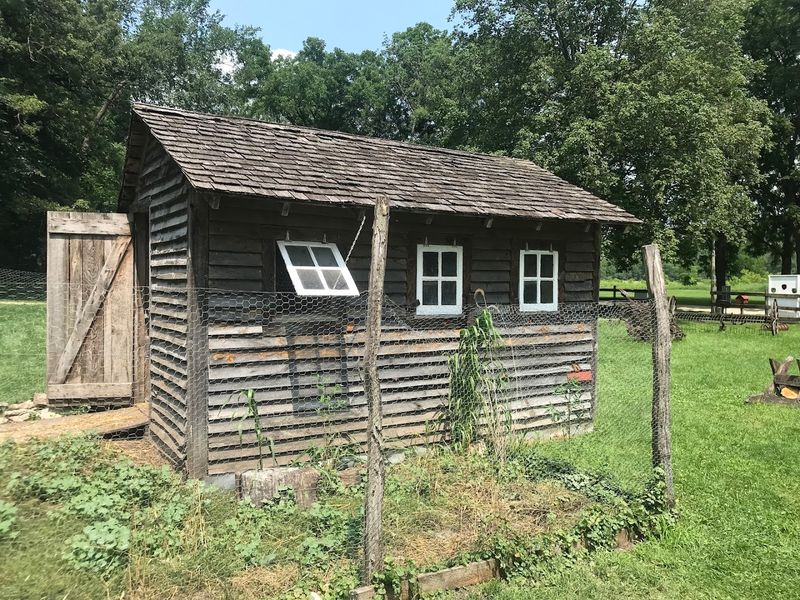
You know that feeling when a place seems almost too intact to be called a ghost town? That is what hits you at Historic Forestville, where the buildings still stand in a way that makes daily life feel close enough to touch.
Walking the grounds, you pass a general store, a schoolhouse, and homestead structures that make the whole village feel less vanished than gently hushed.
What I like here is that it does not rely on imagination alone, because so much of the old layout is still readable as you move from building to building. The setting in southeastern Minnesota adds to the mood, with woods, open space, and quiet roads making the place feel tucked away from modern noise.
If you enjoy seeing how a town actually worked, this one gives you a fuller picture than most.
The grounds are part of Forestville Mystery Cave State Park, so you can walk around without a separate admission fee, which keeps the visit easy and low-key. It is worth knowing that a Minnesota state park vehicle permit is typically required to park inside the park.
Once you are out on foot, though, the experience feels calm, open, and wonderfully unforced.
Come here when you want history that does not feel staged, even though the preservation is excellent. It is one of those places where you slow down without trying.
By the time you leave, the silence has done half the storytelling for you.
2. The Landing
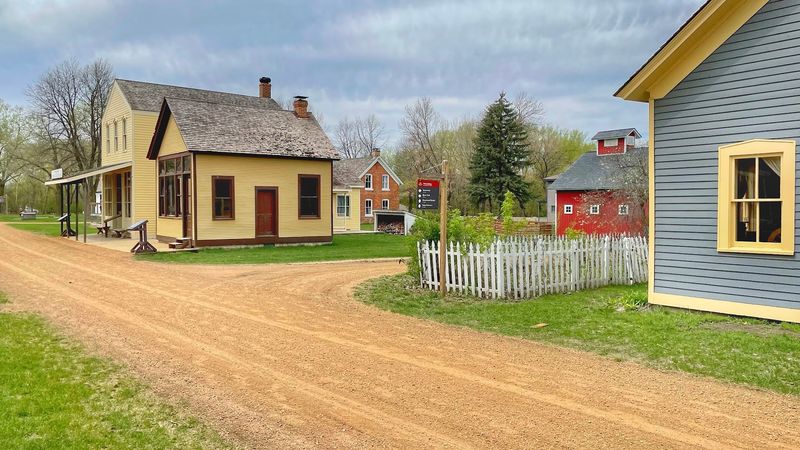
Sometimes you want a ghost-town feeling without scrambling through brush or guessing where the main street used to be. That is where The Landing really works, because the whole place lets you stroll past historic homes, a schoolhouse, and a general store arranged like a living town.
It feels approachable right away, and that makes it easy to settle into the rhythm of the place.
I know this one is a little different from a vanished town left exactly where it stood, but the effect is still there when you walk between the buildings and let the quiet do its thing. The streetscape gives you that same sense of stepping out of current time for a while.
Instead of rubble, you get a fuller picture of everyday life and how a community once fit together.
The best part is how simple the visit can be, because the grounds are open year-round from early morning until late evening and do not require admission. You can wander at your own pace, linger where you want, and treat it more like a long walk than a formal attraction.
That relaxed access makes it feel personal rather than managed.
If you are traveling around Minnesota and want somewhere atmospheric but easy, I would absolutely keep this on the list. It has structure, charm, and enough quiet corners to let your imagination wake up.
Not every ghostly place needs collapse to leave an impression.
3. Old Crow Wing
There is something especially satisfying about a place where you can still read the town in the ground beneath your feet. At Old Crow Wing, the old village layout remains surprisingly legible, so your walk starts to feel like tracing a community instead of just scanning for leftovers.
That makes the whole visit feel grounded and vivid in a way I really like.
Interpretive signs help a lot here, but the site never feels overexplained or crowded out by them. You can move slowly, look across the open land, and get a real sense of where buildings, streets, and gathering places once stood.
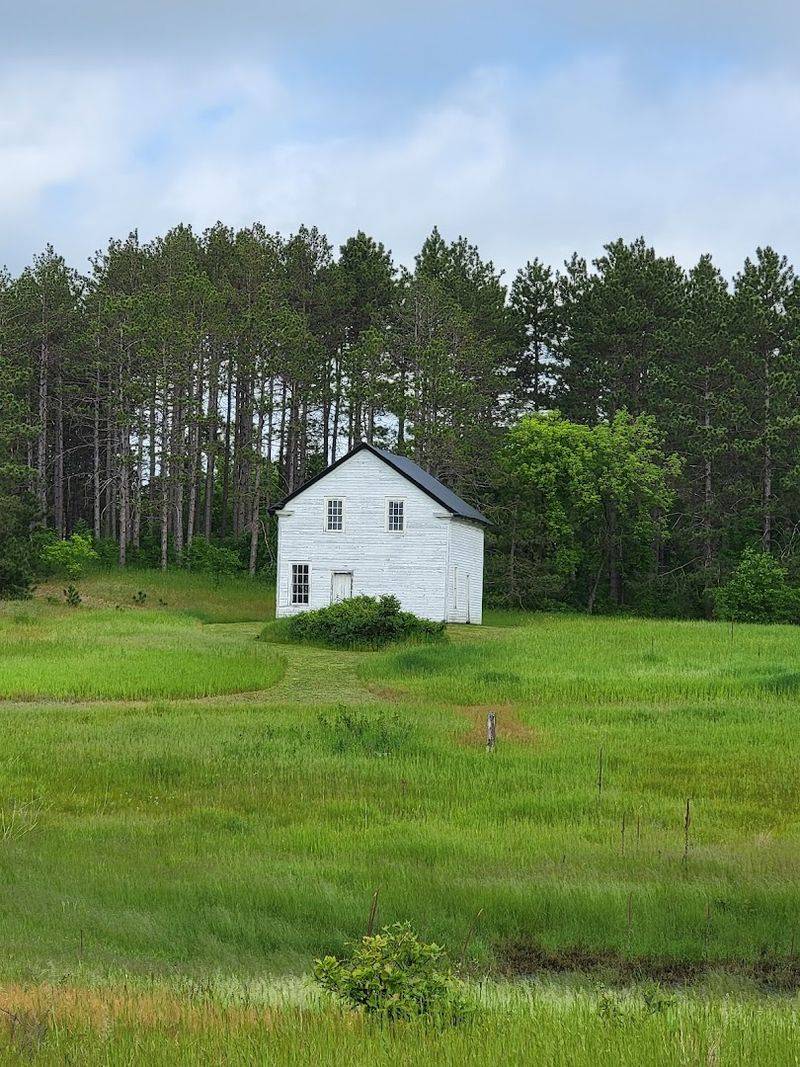
One of the biggest draws is the historic church on site, often noted as the oldest standing building outside the Twin Cities area, which gives the landscape a strong focal point.
This is one of those Minnesota places where access is mostly easy, though there is an important detail to know before you go. There is no separate admission fee to walk the grounds, but parking inside the state park area requires a Minnesota state park vehicle permit.
If you plan ahead, the visit still feels wonderfully straightforward.
I would come here when you are in the mood for a place that feels wide open but still deeply storied. It has that river-country quiet that makes you lower your voice without noticing.
Even after you leave, the shape of the old town tends to stay with you.
4. Wasioja
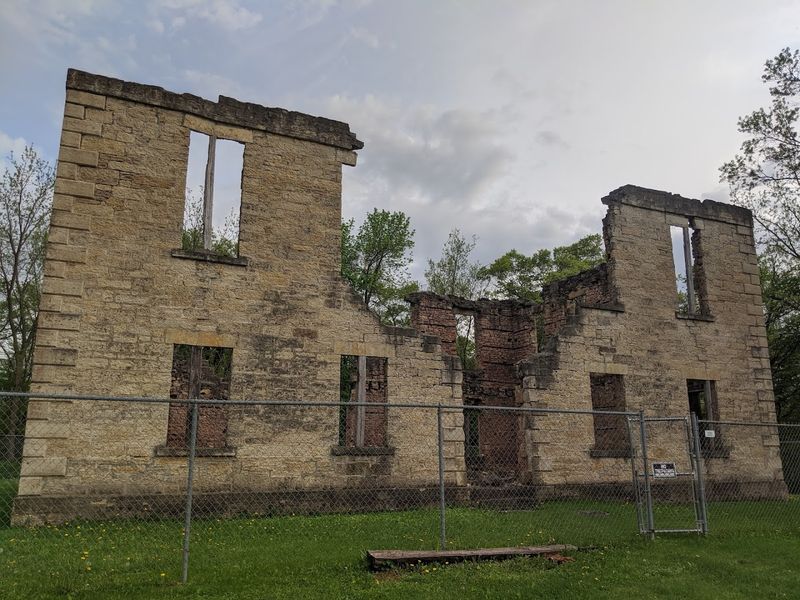
If you like ruins with a little drama to them, Wasioja has a way of pulling you in almost immediately. The old limestone remains here feel both sturdy and fragile, like they have decided to stay visible just long enough for you to notice what was once hoped for in this place.
Walking through the park, you can see why people linger longer than they meant to.
The standout pieces are tied to the old seminary and the recruiting station, and those remnants give the site a weight that goes beyond simple decay. Stone walls and partial structures still rise out of the landscape, which makes the town feel less erased than interrupted.
Because the grounds have been rehabilitated as a park, the setting is easy to explore without losing that haunted, unfinished mood.
I appreciate that Wasioja does not ask much from you besides a little curiosity and good walking shoes. There is no admission fee, and the site is open enough that you can wander without feeling boxed into a single route.
That freedom makes the history feel closer, almost conversational.
Among ghost-town stops in Minnesota, this one stands out for texture more than scale. The limestone catches the light beautifully, and the quiet settles in fast.
It is the kind of place where you find yourself staring at a wall and somehow seeing a whole town around it.
5. Grey Cloud Island
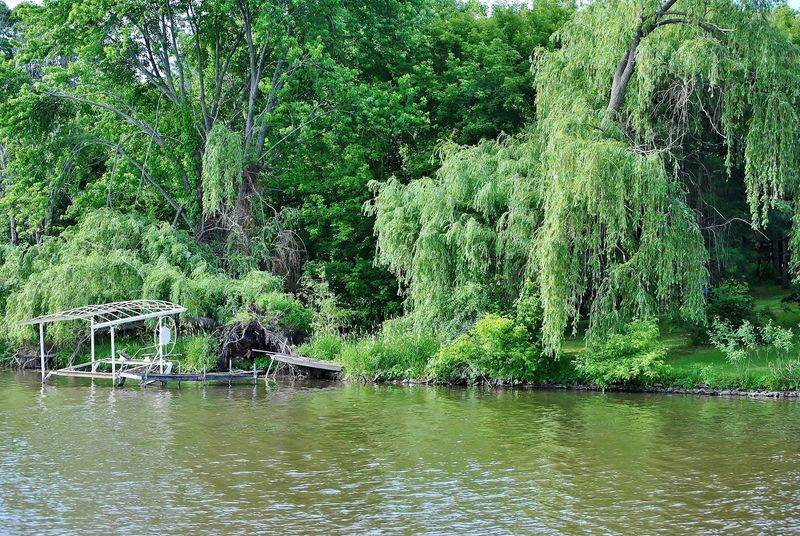
Some places do not need many standing buildings to feel loaded with presence, and Grey Cloud Island is exactly like that. The atmosphere does a lot of the work here, especially when you are walking near the limestone kiln ruins and the older sacred landscape that gives the island its deeper sense of age.
It is quiet in a way that feels layered rather than empty.
What stays with me most is the mix of histories folded into one small area. You have remnants tied to industry, ancient burial mounds that deserve real respect, and a cemetery that has earned a haunted reputation over the years.
Even if you are not drawn to ghost stories, the island still feels solemn and absorbing, like the land has a longer memory than the road does.
Public roads on the island are open to everyone, so you can explore without paying an admission fee. That said, it is the kind of place where slowing down matters, because the mood comes from paying attention to the details rather than rushing for a landmark.
A calm walk works better here than any checklist ever could.
I would recommend Grey Cloud Island to anyone who likes the stranger side of Minnesota history. It is less about one dramatic ruin and more about the whole setting pressing gently on your imagination.
By the end, even the silence feels inhabited.
6. Spina
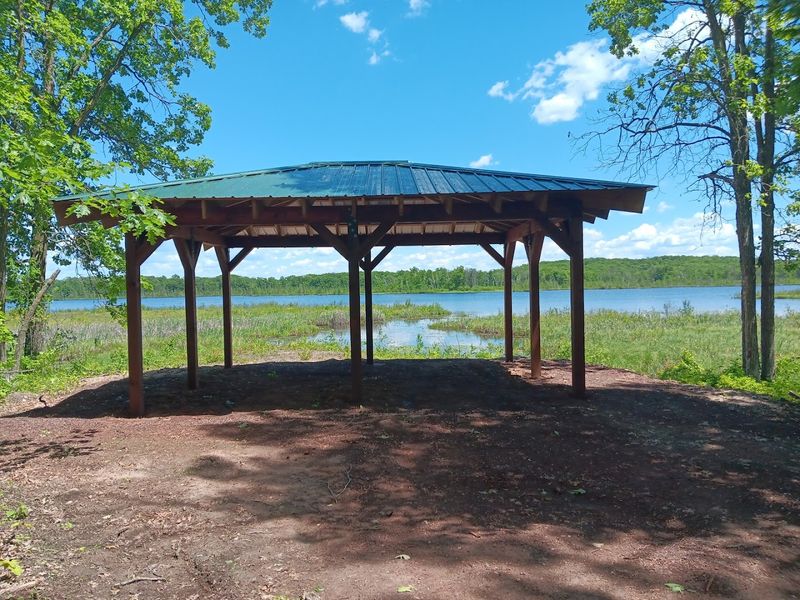
You know those places where the woods seem to be swallowing the past one root at a time? Spina has that feeling all over it, and it makes the walk feel half hike, half scavenger hunt.
The remains are mostly foundations and rusted relics, with young forest steadily closing in around them, so every trace feels like something you were lucky to catch in time.
This was another mining town, and that history still peeks through in rough, practical fragments rather than preserved buildings. You might find yourself stepping carefully around stones, noticing metal tucked into brush, or trying to picture streets where saplings now stand.
The off-trail nature of the exploration gives it a more intimate rhythm, because you are actively looking instead of passively receiving the story.
There is no admission fee, which is fitting because Spina feels more like discovered ground than curated destination. I would only suggest going in with realistic expectations, since this is not the place for big dramatic structures or polished signage.
The reward is the sense of uncovering something quiet and nearly forgotten.
Among Minnesota ghost towns, Spina really leans into that reclaimed-by-nature mood. It can feel eerie, but not in a loud way.
It is more like the land is whispering that the town was here, and then asking whether you noticed.
