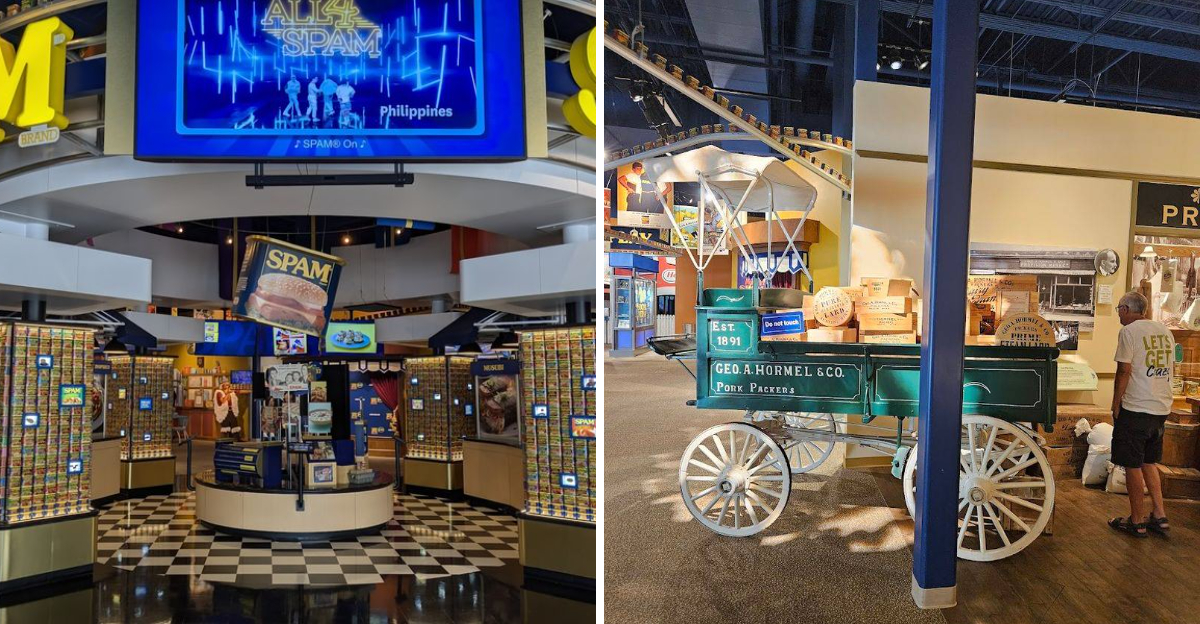
Spam. The meat in a can that launched a thousand jokes. Someone decided it deserved a whole museum. That someone was right.
People drive hours to get here. Hours. For canned meat. You walk in and suddenly you understand.
There are vintage ads. Giant cans you can pose with.
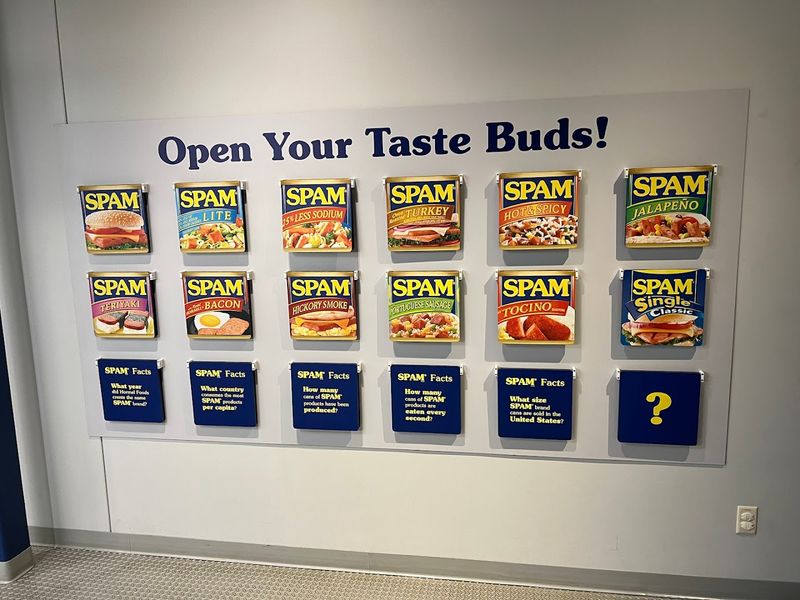
A wall of Spam varieties you never knew existed (Spam with bacon? Spam with cheese?).
Your friends back home will laugh when you tell them where you went. Then you will send them a photo of yourself wearing a Spam hat and they will get jealous.
The museum is free, which is both generous and hilarious. You learn about World War II, Hawaiian cuisine, and why this humble can became a global obsession.
By the end, you will have opinions about processed meat. Strong opinions.
You will also leave holding a can you did not plan to buy. That is how they get you.
A Free Museum That Actually Delivers
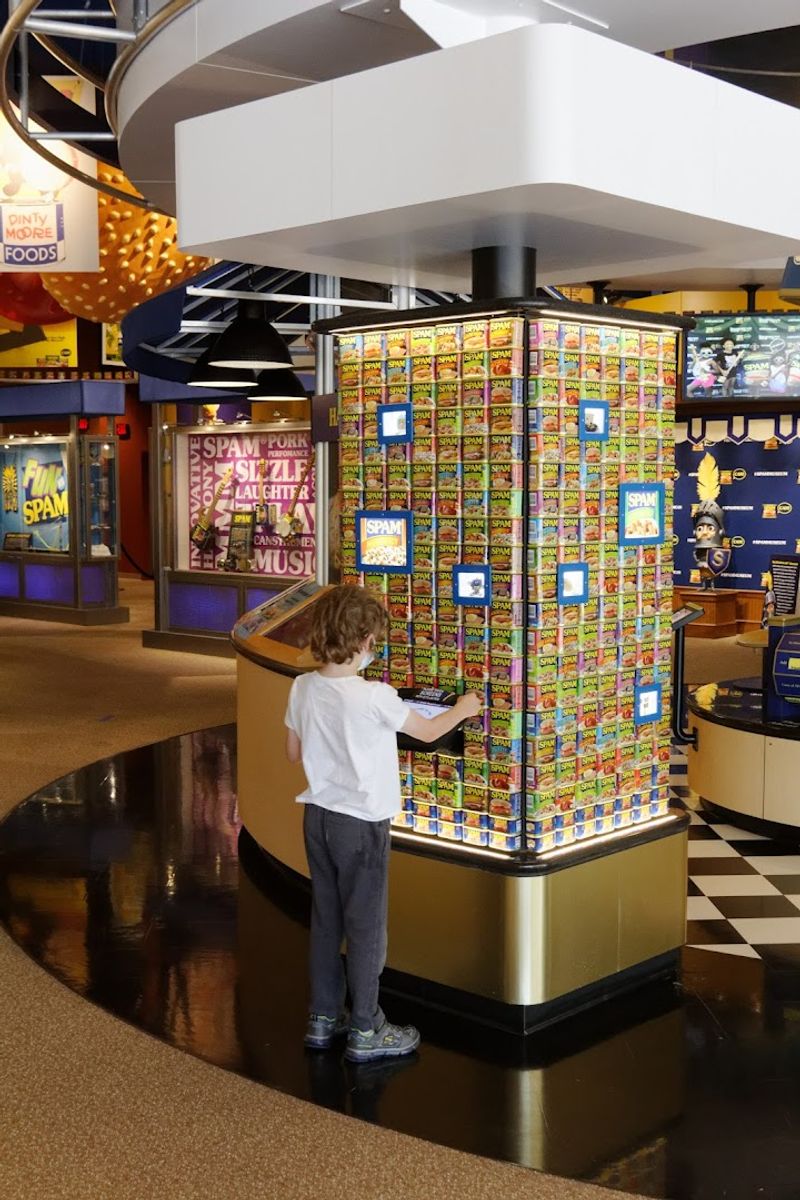
Walking in without paying a single cent already sets the mood. The SPAM Museum is completely free to enter, and that alone makes it stand out from most attractions on a road trip through Minnesota.
But the free admission is not even the best part. The museum is genuinely well-designed.
Exhibits are thoughtfully arranged, easy to navigate, and visually bold enough to hold your attention from the first display to the last.
Bright colors pop everywhere. The layout flows naturally from one section to the next, so you never feel lost or bored.
For families traveling on a budget, this is a real win. Kids enjoy the interactive screens placed at accessible heights, and adults find themselves reading every placard longer than expected.
It is one of those rare places where the experience far exceeds any expectation tied to its subject matter. You leave genuinely impressed, not just mildly entertained.
The Origin Story of an American Icon
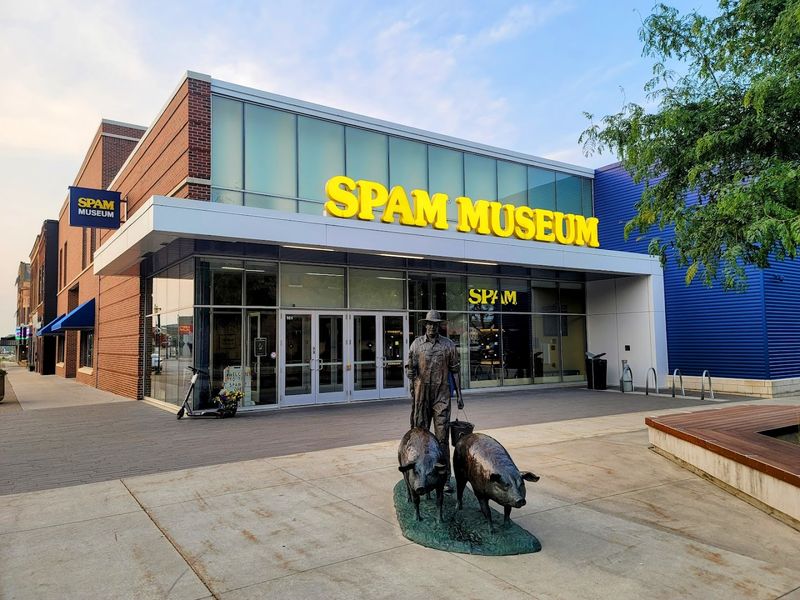
SPAM did not just appear on grocery shelves one day by accident. The story behind it is rooted in the Hormel company, which has called Austin, Minnesota home for generations.
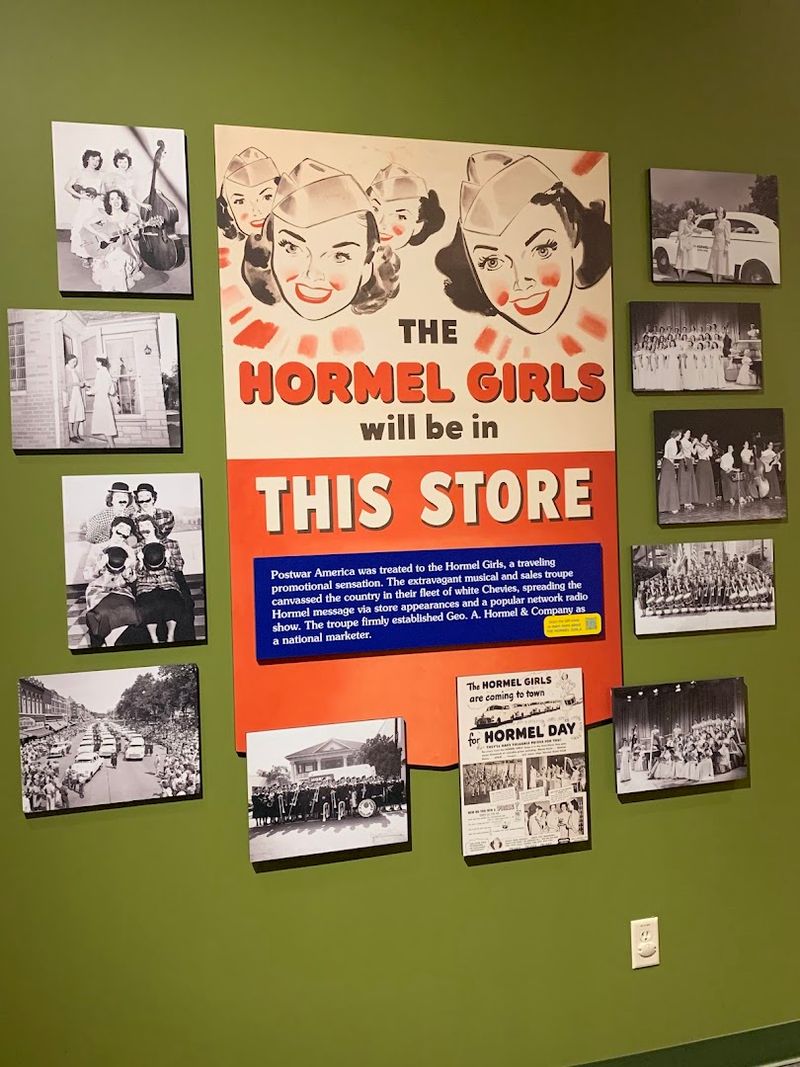
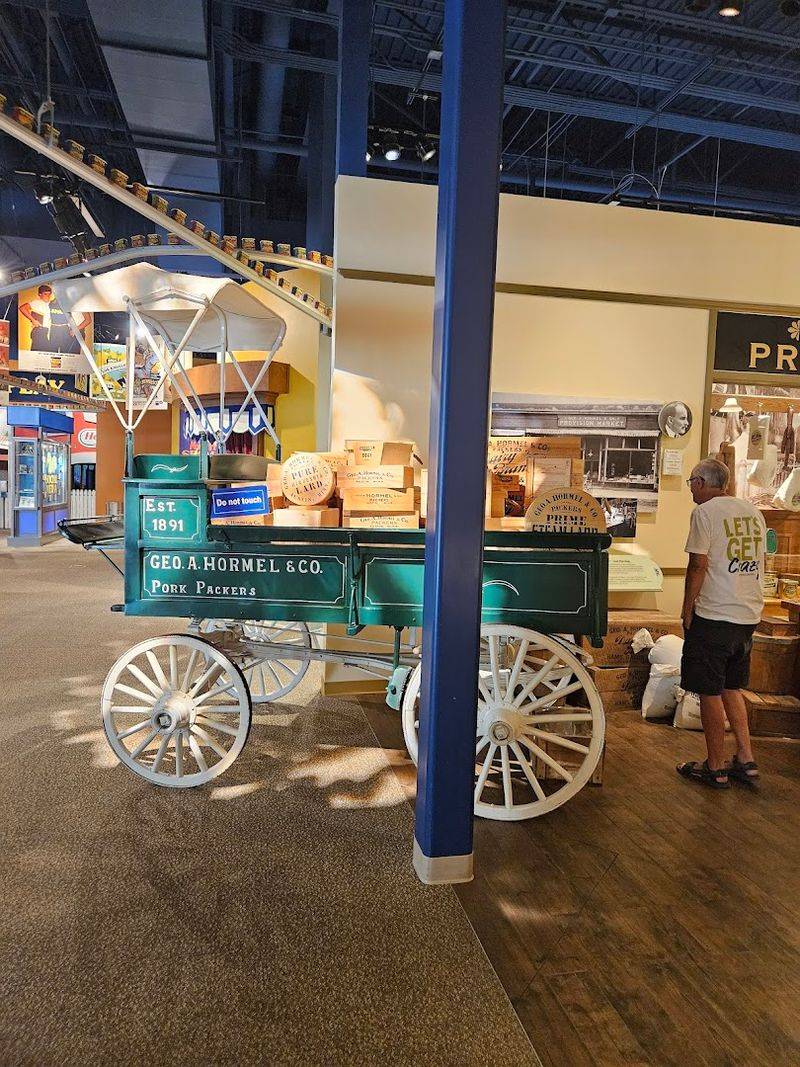
The museum walks you through how Hormel developed this canned meat product and what made it different from everything else on the market at the time. Old photographs, original packaging designs, and archival materials line the walls in the history section.
Seeing the earliest versions of the can side by side with modern packaging is oddly fascinating. The branding evolved, but the core product stayed remarkably consistent.
George Hormel built a company with a strong sense of community responsibility, and the museum highlights that story with care. Learning that Hormel has long supported employee education, including college funding for workers and their children, added a layer of respect I did not expect to feel toward a canned meat brand.
World War II and the Can That Fed a Generation
One section of the museum hit differently than the rest. The World War II exhibit puts SPAM’s role in military history front and center, and it is genuinely moving.
Soldiers relied on canned meat during the war because it traveled well and lasted long. SPAM became a staple in military rations, feeding troops across multiple theaters of conflict.
The museum traces troop movements in the Pacific and shows how the product followed American forces around the globe.
Reading about that connection gave the whole visit a new weight. This was not just a novelty food item.
It was a practical, portable protein source that mattered during one of history’s most demanding periods. The displays use maps, photographs, and artifacts to tell that story clearly.
It is the kind of exhibit that makes you pause and appreciate something you might have always dismissed as a punchline. History has a way of reframing things.
SPAM Around the World
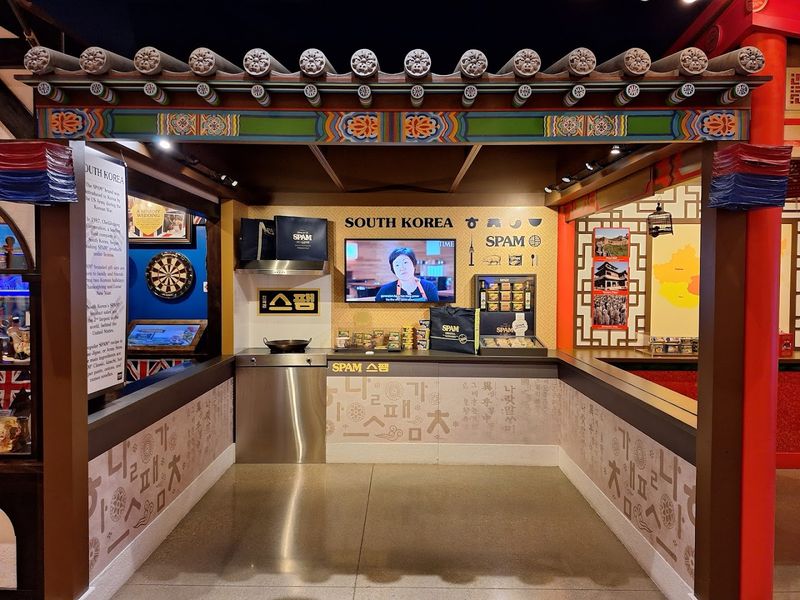
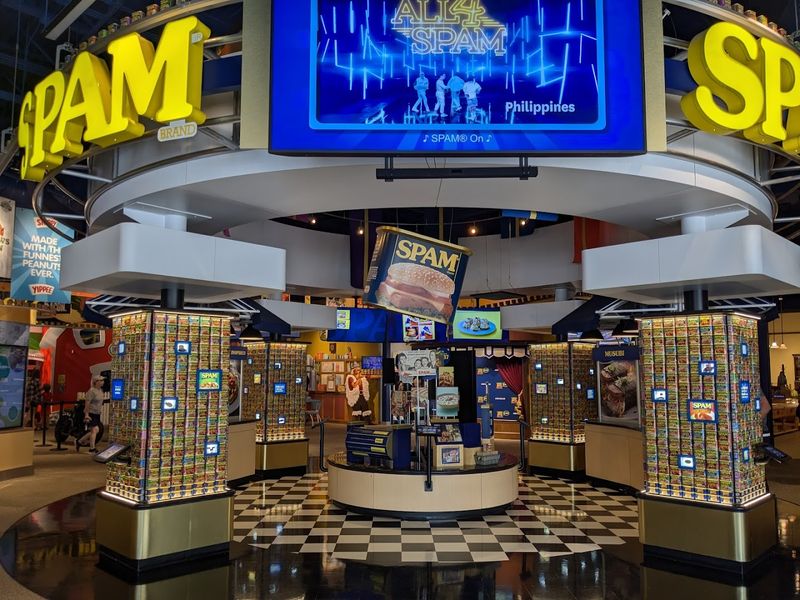
There is a section of the museum styled like a food market, with individual booths representing different countries where SPAM is popular. It is one of the most visually fun areas in the whole building.
Hawaii has one of the strongest connections to SPAM, and the exhibit reflects that with genuine depth. South Korea, Japan, and the Philippines each get their own spotlight too.
Seeing how different cultures have embraced and adapted SPAM into their own cuisines was genuinely eye-opening.
Each country’s booth feels distinct. The flavors, the cooking methods, and the cultural context all vary widely.
SPAM musubi from Hawaii looks nothing like the way it is prepared in parts of Southeast Asia. The museum does a solid job of showing that this product is not just an American curiosity.
It is a global food with deep roots in communities far beyond Minnesota. That perspective alone made the visit feel bigger than expected.
The Overhead SPAM Train That Steals the Show
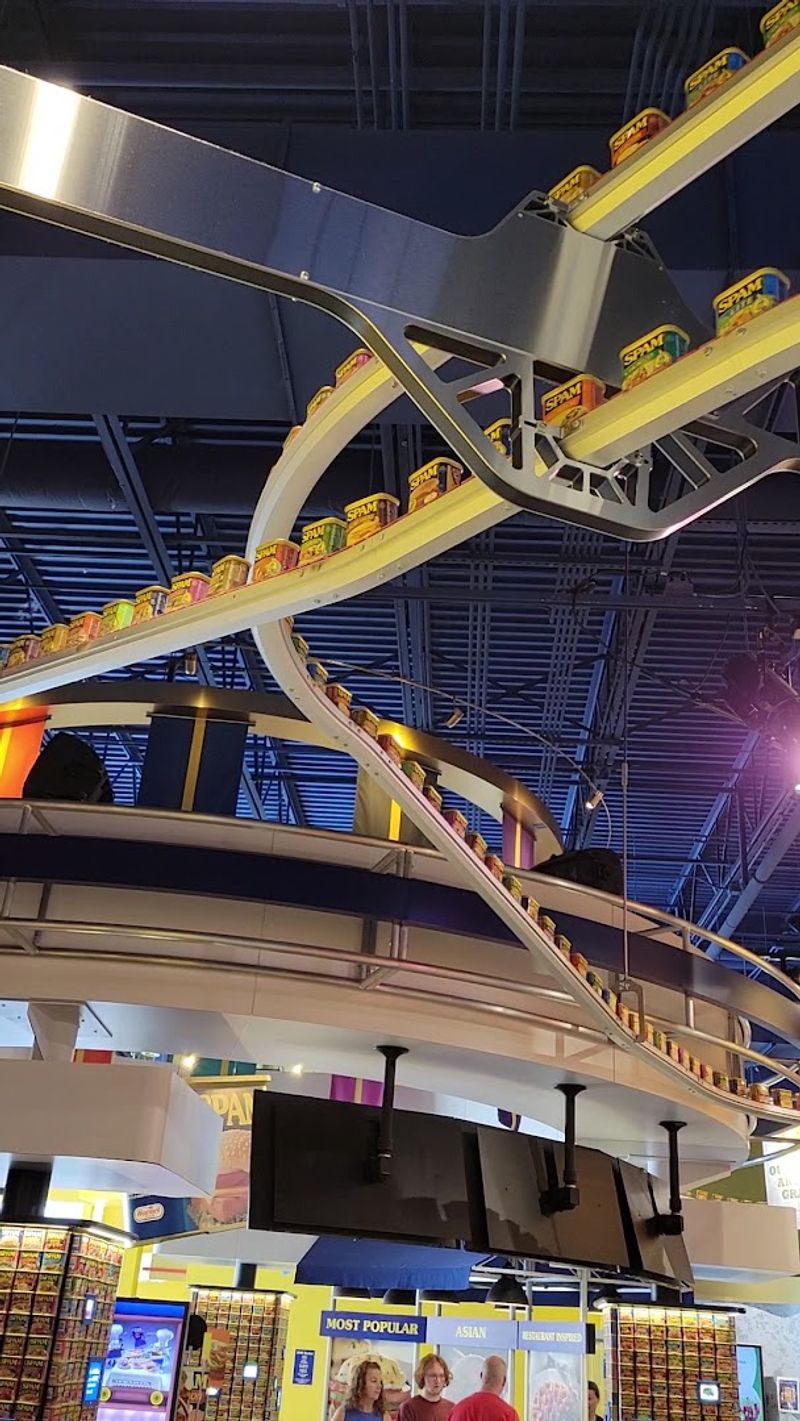
Nobody warned me about the overhead conveyor belt, and that made spotting it even better. A continuous loop of SPAM cans travels through the museum like a miniature production line suspended above your head.
It sounds quirky, and it absolutely is. But it also serves a purpose.
The moving cans reinforce the idea of production scale, of just how many units leave that factory every single day. Watching it loop around while you walk through the exhibits adds a constant, playful energy to the space.
Kids stare at it with wide eyes. Adults reach for their phones to take photos.
It is one of those design choices that could have felt gimmicky but instead lands as genuinely clever. The museum has a strong sense of humor about itself, and the train is a perfect example.
It owns the spectacle without apologizing for it, and that confidence makes the whole experience more enjoyable.
Free Samples That Keep Coming Back Around
At some point during the visit, a staff member appears with a tray of SPAM samples speared on pretzel sticks. It sounds simple, and it is.
But it is also one of the most memorable parts of the whole experience.
The pretzel sticks double as edible toothpicks, which is a small but brilliant touch. Different flavors rotate through the trays, so you might try smoked SPAM on one pass and maple SPAM on the next.
Both were better than expected.
Trying a flavor you have never seen in a grocery store is part of the fun. The museum stocks varieties that rarely appear on regular store shelves, and sampling them in this setting makes it feel like a genuine food discovery.
Staff members are warm and unhurried about the whole thing. They come around more than once, which means you have multiple chances to try something new.
It is a small touch that leaves a big impression.
Interactive Exhibits Built for All Ages
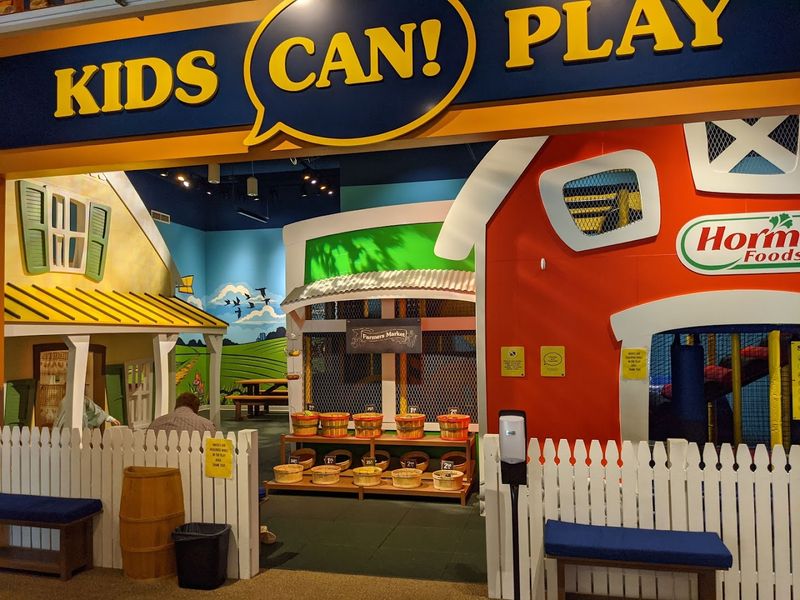
The interactive elements throughout the museum are genuinely well-executed. Touchscreens are placed at low heights so kids in strollers or wheelchair users can reach them easily.
That kind of thoughtful design is noticeable and appreciated.
Quiz stations pop up throughout the exhibits, testing your knowledge on SPAM history, flavors, and global reach. A play kitchen area gives younger visitors a hands-on space to engage with the theme in a way that feels natural and fun.
Assembling miniature SPAM cans kept kids occupied and delighted.
There is also a spot where you can find out what kind of SPAM personality you are, which sounds silly but pulls everyone in. Adults linger just as long as kids at these stations.
The museum clearly put thought into making the experience layered enough for different ages. Nothing feels dumbed down, and nothing feels too dense.
That balance is harder to achieve than it looks.
The Gift Shop Is a World of Its Own
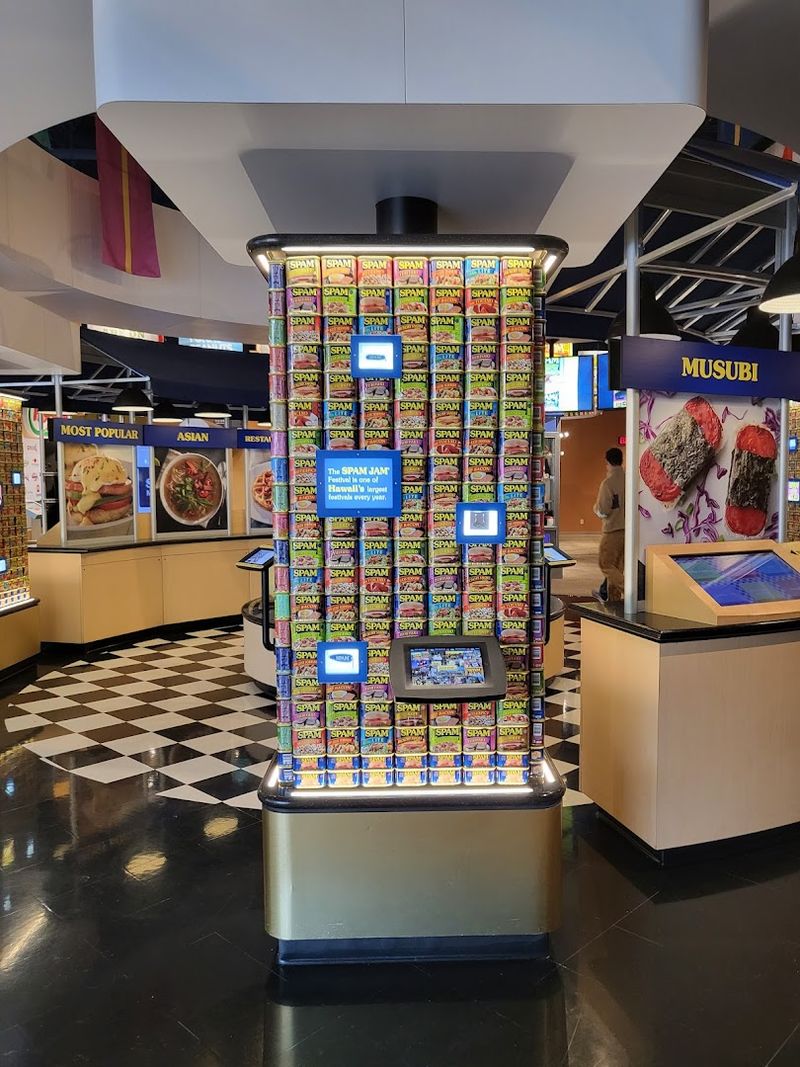
Leaving the gift shop empty-handed requires serious willpower. The store is packed with SPAM-branded items ranging from t-shirts and hoodies to kitchen accessories, novelty foods, and collectibles.
It is the kind of place where you pick something up as a joke and then genuinely want to keep it. A smashed penny machine near the entrance caught the attention of collectors immediately.
The variety of SPAM flavors available for purchase in the shop includes options you simply cannot find at a regular grocery store.
Staff members in the gift shop are happy to recommend local restaurants nearby that feature SPAM on their menus, which is a fun way to extend the experience beyond the museum walls. The shop took some visitors longer to browse than the museum itself, which says something.
It is curated with enough personality to feel like a destination rather than an afterthought. Budget a little extra time for it.
The Staff That Makes It All Work
A museum lives or dies by its people, and the SPAM Museum has genuinely great ones. From the front desk to the exhibit floor, every staff member comes across as warm, knowledgeable, and happy to be there.
Tour guides like those mentioned by visitors bring real storytelling energy to the experience. They share cool facts, personal anecdotes tied to the brand’s history, and enough humor to keep the mood light throughout.
Nobody hovers or rushes you, which makes the self-guided portions feel relaxed and enjoyable.
When visitors arrive close to closing time, staff members have been known to walk people through highlights via the front window rather than turning them away cold. That kind of hospitality sticks with you.
It reflects a genuine pride in the place and in what the museum represents for Austin as a community. Good service is easy to overlook when everything else is flashy, but here it is quietly one of the best parts.
Austin, Minnesota and the Free Bike Rentals
The museum does not just want you to see the exhibits and leave. Free bike rentals are available for visitors who want to explore the town of Austin after their tour.
That detail surprised me and made me genuinely smile.
Austin is a small town with a real sense of identity built around the Hormel company. The factory remains one of the largest employers in the area, and the community has clearly grown around that foundation with pride.
Riding through downtown gives you a feel for how tight-knit and genuine the place is.
Parking near the museum is easy and free, with plenty of space in the surrounding blocks. The museum sits right in the heart of downtown, making it easy to walk to nearby spots for a meal or a look around.
For road trippers cutting through southern Minnesota on Interstate 90, Austin is worth more than a quick stop. Give it a proper afternoon.
Address: SPAM® Museum, Austin, Minnesota
