A national park that most Americans cannot name, let alone find on a map. That is rare these days.
Minnesota has a watery wonderland tucked up against the Canadian border, hidden from the crowds that flock to Yellowstone and Yosemite. You can only reach large parts of it by boat, which keeps the casual tourists away.
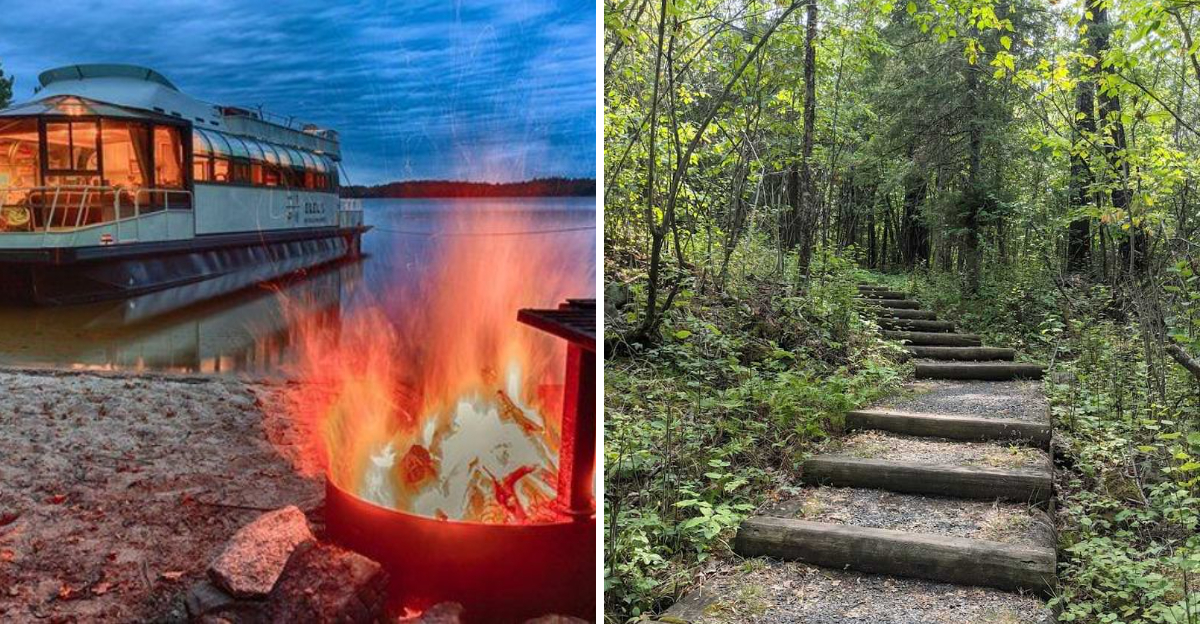
Houseboats drift slowly through interconnected lakes, offering a floating hotel experience that feels like a secret. Bald eagles sit in treetops like they own the place, because they basically do.
The night sky here is so dark that the Milky Way casts shadows on the water. No cell service, no souvenir shops every five feet, just rocks, pines, and endless quiet.
Locals want to keep it that way, but a secret this beautiful cannot stay hidden forever. Go now while you can still find a campsite without booking a year in advance.
A Park Built on Water, Not Land
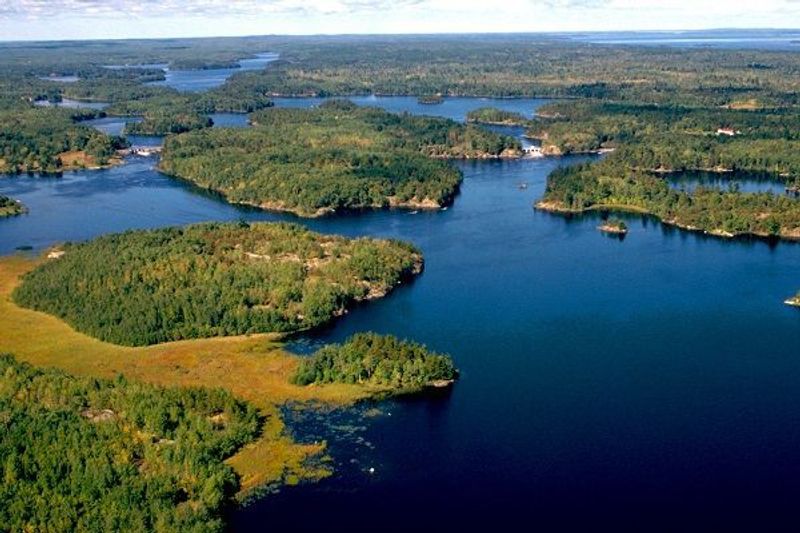
Most national parks are about trails you walk. Voyageurs flips that idea completely.
A huge portion of the park is only reachable by boat, making it one of the most unique parks in the entire country.
The park covers roughly 218,000 acres. About 40 percent of that is open water.
That means kayaks, canoes, pontoon boats, and houseboats are the real vehicles of exploration here.
Rainy Lake and Kabetogama Lake are the two largest bodies of water inside the park. Both stretch wide and deep, with dozens of islands dotting the surface.
Renting a boat from a local outfitter is easy and worth every penny.
First-timers are often surprised by just how much space there is. You can paddle for hours and barely see another person.
The water reflects the sky like a mirror, and the silence is the kind that actually settles into your bones.
The History Behind the Name
The name Voyageurs comes from the French-Canadian fur traders who paddled these same waterways hundreds of years ago. They were tough, skilled, and incredibly resourceful men who moved goods across the continent by canoe.
These traders were called voyageurs, meaning travelers in French. They used the lakes and rivers of this region as their highway long before roads existed.
Their routes connected remote wilderness to distant trading posts.
The park was established in 1975 to honor that history. It preserves not just the natural landscape but also the cultural memory of the people who first relied on these waters.
Ranger-led tours sometimes cover this fascinating backstory.
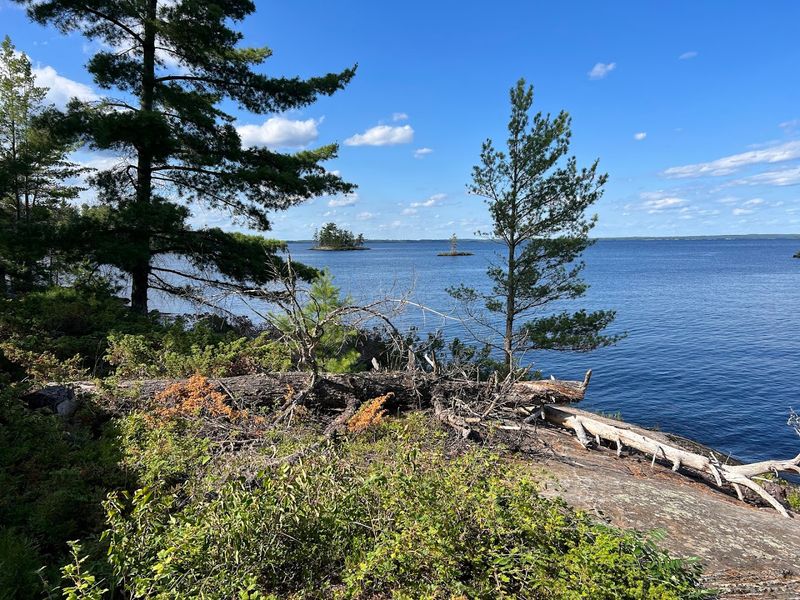
Standing on the shore of Rainy Lake, it’s easy to imagine those canoes cutting through the same still water. History feels very close here.
The land hasn’t changed much, and that connection to the past is part of what makes Voyageurs so quietly powerful.
Houseboats Are the Ultimate Way to Stay
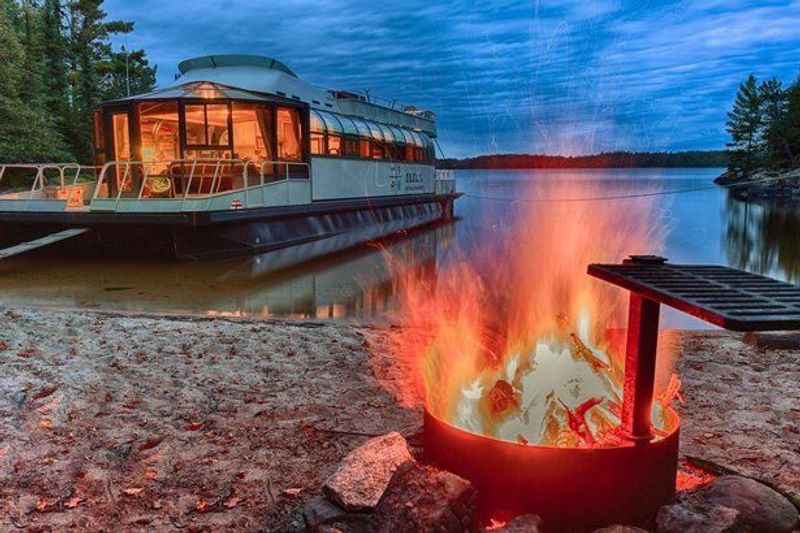
Staying on a houseboat in Voyageurs is one of those travel experiences that sounds too good to be true. It isn’t.
You literally sleep on the water, surrounded by trees and stars, with no neighbors in sight.
Several local rental companies offer houseboats in different sizes. Some sleep just four people.
Others can fit larger groups comfortably. You navigate the boat yourself, pick your own island, and anchor wherever you like.
Waking up to a mist-covered lake with coffee in hand is something you don’t forget quickly. The mornings are incredibly still.
Birds are usually the only sound for the first hour after sunrise.
Houseboats come stocked with basic gear, but packing your own bug spray is a must. Mosquitoes are very real here, especially near the shore.
Still, the trade-off for that kind of peace and privacy is absolutely worth a little extra preparation before you go.
The Night Sky Will Genuinely Surprise You
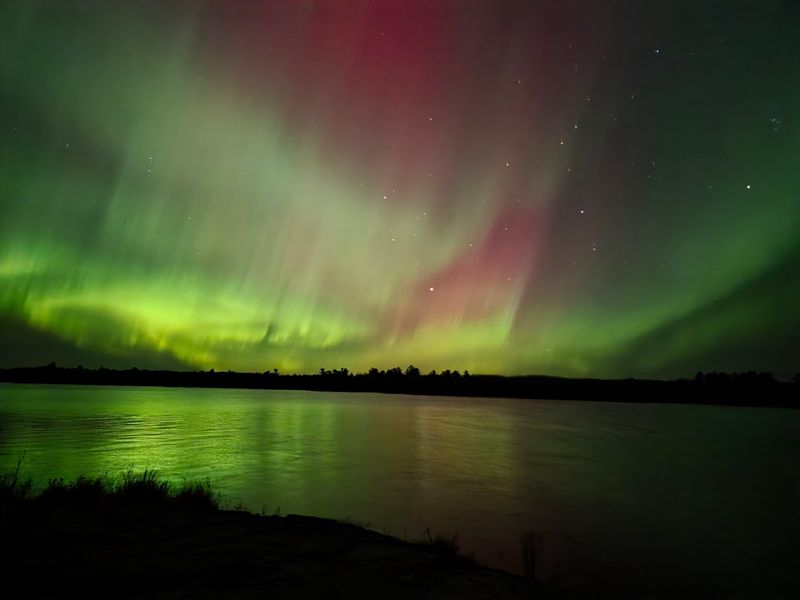
Voyageurs is a designated dark sky sanctuary. That title means light pollution here is almost nonexistent.
On a clear night, the Milky Way appears like a painted streak across the sky, vivid and almost unreal.
Visitors who camp on the islands or stay on houseboats often say the night sky alone was worth the trip. The stars are dense and layered.
Constellations you’ve only seen in books suddenly make perfect sense.
During certain times of year, the northern lights are visible from the park. The aurora borealis dances in green and sometimes purple above the tree line.
It’s not guaranteed, but checking forecasts and timing your trip can improve your chances.
Even without the aurora, sitting outside after dark with no city glow anywhere nearby is deeply calming. The reflection of stars on the still lake water doubles the effect.
It genuinely feels like floating in the middle of the universe.
Wildlife You Actually Get to See
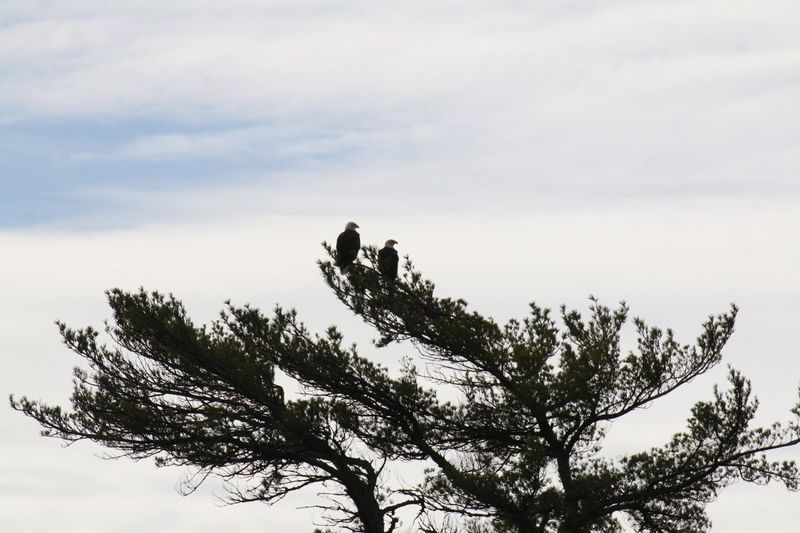
Wildlife spotting at Voyageurs feels less like a lucky accident and more like a reliable part of the experience. Bald eagles are spotted regularly, gliding low over the water or perched high in the pines.
The park is home to wolves, black bears, otters, and beavers. Seeing all of them in one trip isn’t guaranteed, but signs of their presence are everywhere.
Beaver dams appear along many of the quieter shorelines.
Loons are perhaps the most iconic sound of the park. Their calls carry across the water at dusk and dawn.
Hearing a loon for the first time in the wild is genuinely moving, especially when the sound echoes off the trees.
Birdwatchers find the park especially rewarding. Ospreys, herons, and various waterfowl are common sights throughout the warmer months.
Bringing binoculars makes a real difference. The park rewards patience and quiet movement more than almost anything else you can bring along.
Hiking Trails Worth the Effort
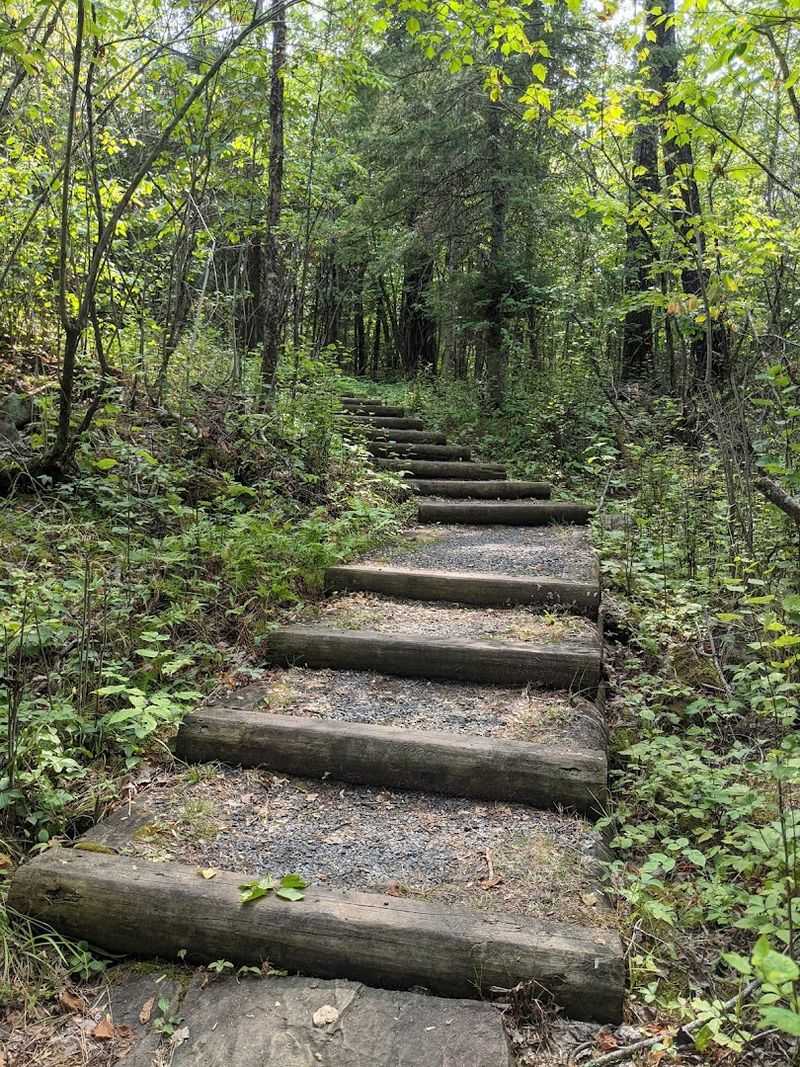
Voyageurs isn’t just about the water. The park has a solid network of hiking trails spread across its land portions.
Some are short and easy. Others push you harder and reward you with views that feel earned.
The Blind Ash Bay Trail near the Ash River Visitor Center is a local favorite. It runs about three miles and ends at an overlook with a sweeping view of the bay below.
The effort is moderate and very manageable for most hikers.
The Anderson Bay Loop is often described as the most scenic trail in the park. It winds through dense forest and opens up at several points along the water.
Fall colors on this trail are reportedly spectacular.
One important tip: check yourself for ticks after every hike. The trails can be overgrown in spots, especially in late summer.
Bug spray and long pants are smart choices. The trails feel wild in the best possible way, but preparation matters.
Kettle Falls Hotel: A Hidden Gem Deep in the Park
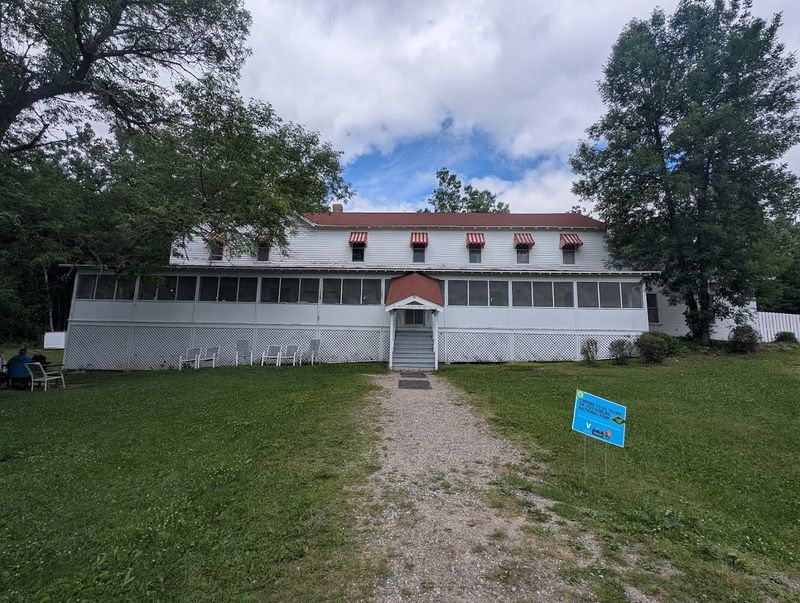
Getting to Kettle Falls Hotel requires a boat ride. There are no roads leading to it.
That remoteness is exactly what makes it so special and so worth the journey out there.
The hotel has been standing since the early 1900s. It sits right on the water near the international border with Canada.
Guests have reportedly stood on the porch and faced south into the United States while Canada sat directly behind them.
Ranger-led boat tours often include a stop at Kettle Falls. The rangers share stories about the hotel’s colorful past and the logging era that shaped this corner of Minnesota.
It’s a fascinating stop even for people who don’t stay overnight.
The surrounding landscape near Kettle Falls is breathtaking. Rocky shorelines, rushing water, and dense boreal forest frame the view in every direction.
This is one of those places that earns its reputation. The trip out there feels like a small adventure all on its own.
Winter Transforms the Park Completely
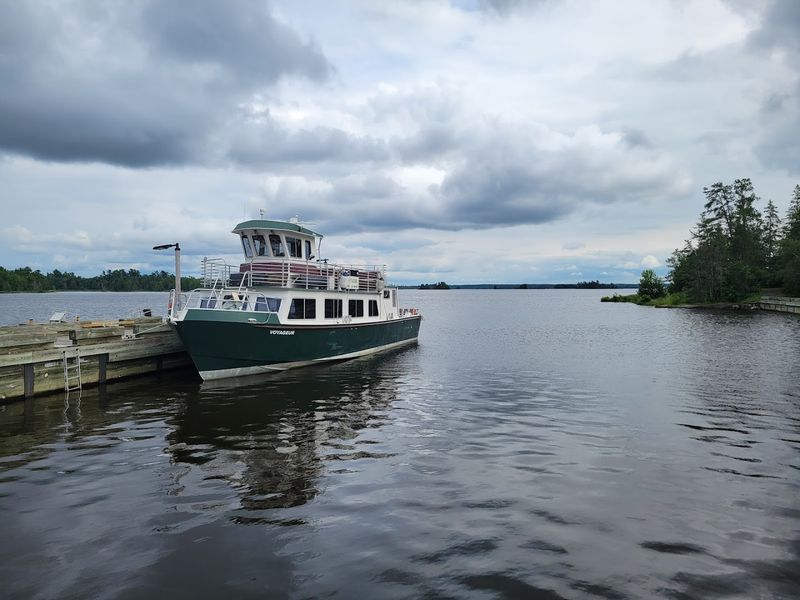
When the lakes freeze over, Voyageurs becomes an entirely different place. The same water that carries boats in summer turns into a solid, snow-covered highway for snowmobiles and ice fishing enthusiasts.
Ice fishing on Rainy Lake is a serious draw for winter visitors. Anglers set up fish houses directly on the frozen surface.
Walleye and northern pike are the main targets, and the fishing is genuinely productive.
Snowmobiling trails open up across the frozen lakes when conditions are right. Riding across a massive frozen lake surrounded by snow-covered pines is a wild and exhilarating feeling.
The park feels enormous in winter in a way that’s hard to describe.
Visitor numbers drop significantly in the colder months. That means even more solitude than usual.
One visitor described the winter landscape as utterly stunning, and that description holds up. Bundling up properly is essential, but the reward is a version of Voyageurs most people never get to experience.
The Three Visitor Centers Are All Worth Stopping At
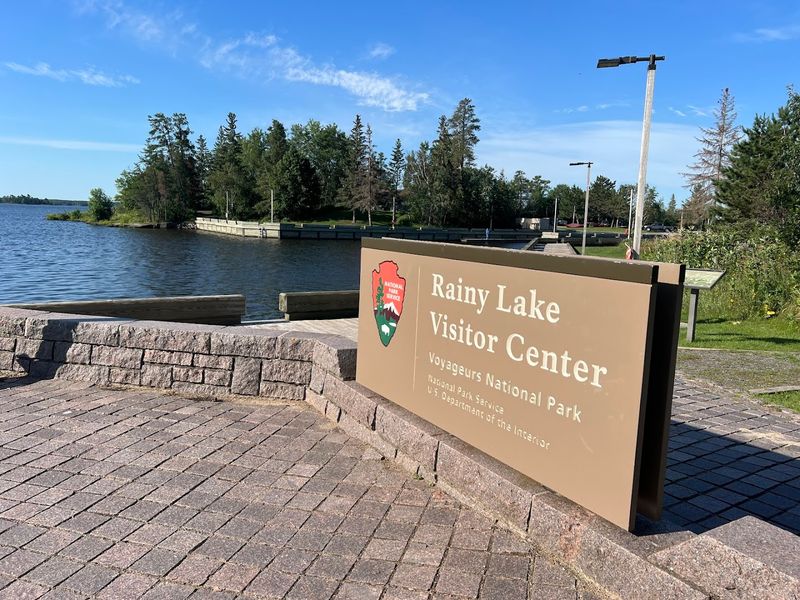
Voyageurs has three visitor centers spread across the park’s entry points. Each one has its own character.
The Rainy Lake Visitor Center is the largest and most comprehensive of the three.
Rainy Lake’s center offers exhibits on the park’s ecology, history, and wildlife. Rangers there are knowledgeable and genuinely enthusiastic about answering questions.
The videos shown inside give a solid overview before you head out to explore.
The Ash River Visitor Center is smaller but sits close to some of the best hiking in the park. Stopping there before hitting the Blind Ash Bay Trail gives you useful context and a chance to grab a trail map.
Kabetogama Lake Visitor Center rounds out the trio. It’s a good launching point for boat rentals and paddling adventures on that side of the park.
Staff at all three centers are consistently described as friendly and helpful. Visiting all three in one trip is very doable and adds real depth to the overall experience.
Ellsworth Rock Garden: The Park’s Strangest Surprise
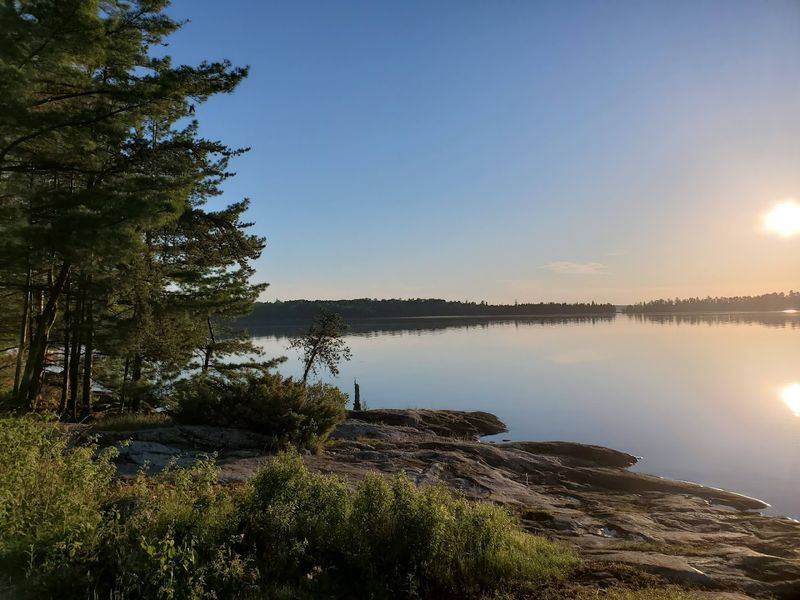
Hidden along the shore of Kabetogama Lake sits one of the most unexpected sights in any national park in the country. The Ellsworth Rock Garden is a sprawling collection of stone terraces, flower beds, and handmade sculptures created by a man named Jack Ellsworth decades ago.
Ellsworth spent summers building and tending this garden as a personal passion project. It covers a surprisingly large area of shoreline.
The combination of carved stone, wildflowers, and lake views creates a surreal and beautiful atmosphere.
The garden is only accessible by boat, which adds to its mystique. Most visitors say the trip takes about 90 minutes from the Ash River area.
The journey through the open lake water is part of the appeal.
Finding this place feels like stumbling onto something the park forgot to advertise. It’s quirky and human in a landscape that’s otherwise entirely wild.
The Ellsworth Rock Garden is a genuine highlight that catches almost every visitor completely off guard upon arrival.
