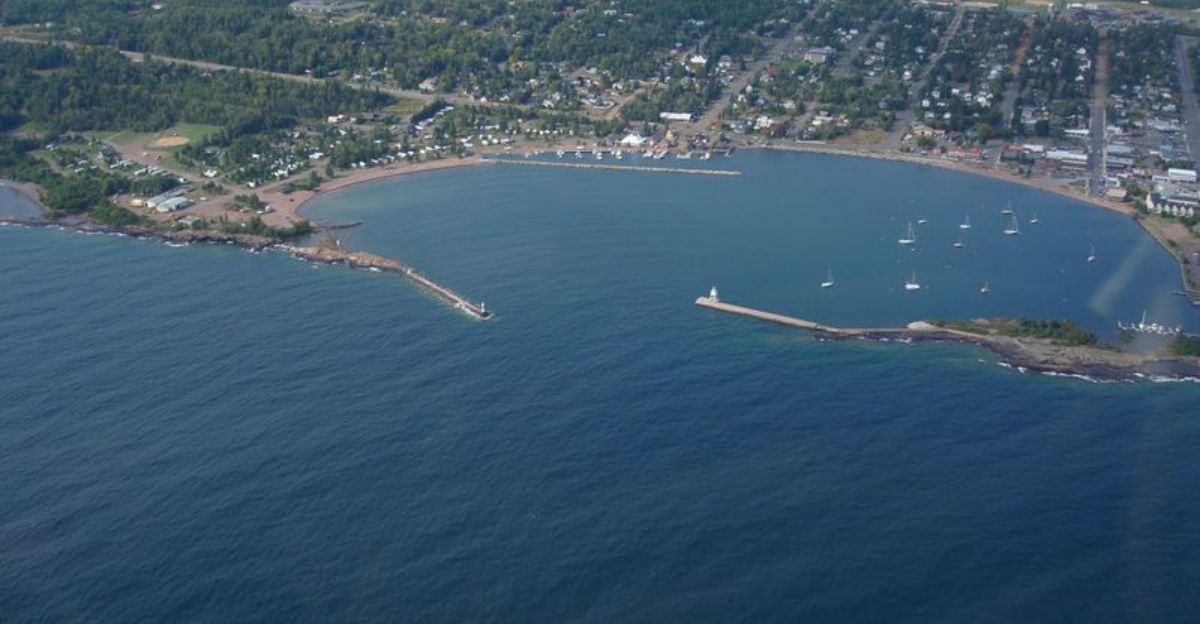
Minnesota’s lake country transforms dramatically when winter arrives, and the landscape shifts from bustling summer energy to quiet, snow-covered stillness.
Many small towns that thrive on warm-weather tourism find themselves in a seasonal slumber, with shops closing their doors and main streets growing quieter as temperatures drop.
These communities, though seemingly dormant, hold a special charm for those who appreciate the beauty of frozen lakes, snow-draped pines, and the peaceful solitude that winter brings.
1. Alexandria
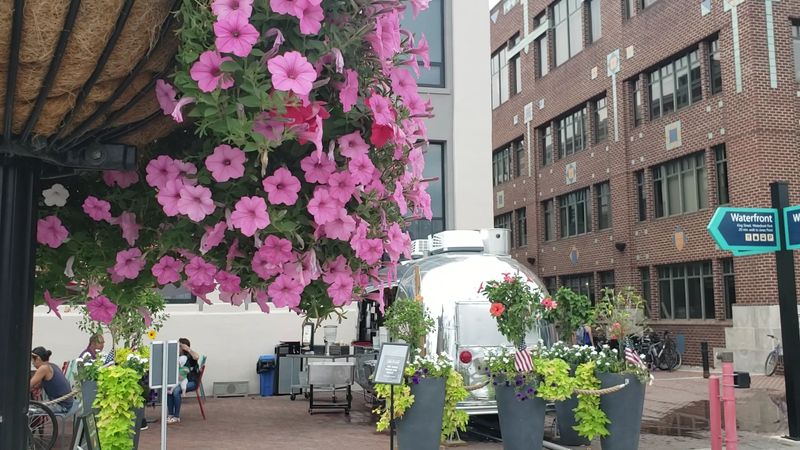
Summer crowds flock to Alexandria for its sparkling chain of lakes, but when the first serious snowfall arrives, this resort town quiets down considerably.
Many of the lakeside resorts, ice cream parlors, and gift shops that cater to vacationers close for the season, leaving the downtown area with a hushed, almost forgotten quality.
The marinas that buzz with boat traffic in July sit silent under blankets of snow, their docks pulled in and their buildings shuttered until spring.
Local residents appreciate the slower pace, reclaiming their town from the tourist rush and enjoying the peaceful winter landscape.
Some cafes and essential businesses remain open, but the energy shifts from outward hospitality to inward community.
Lake Agnes and Lake Winona freeze solid, their surfaces becoming blank canvases of ice and snow rather than playgrounds for swimmers and boaters.
The town’s famous Big Ole Viking statue stands watch over a much quieter main street, his presence a reminder of warmer days when visitors posed for photos.
Walking through Alexandria in January feels like stepping into a different world, one where the rhythm slows and the focus turns to survival and simplicity.
The seasonal closures reflect the economic reality of a town built on summer tourism, where keeping doors open through harsh winters simply doesn’t make financial sense.
Yet there’s a certain beauty in this hibernation, a chance to see the town as it truly is without the veneer of vacation appeal.
For those who venture here in winter, Alexandria offers solitude, striking scenery, and a glimpse into the quiet life of a lake town at rest.
2. Nisswa
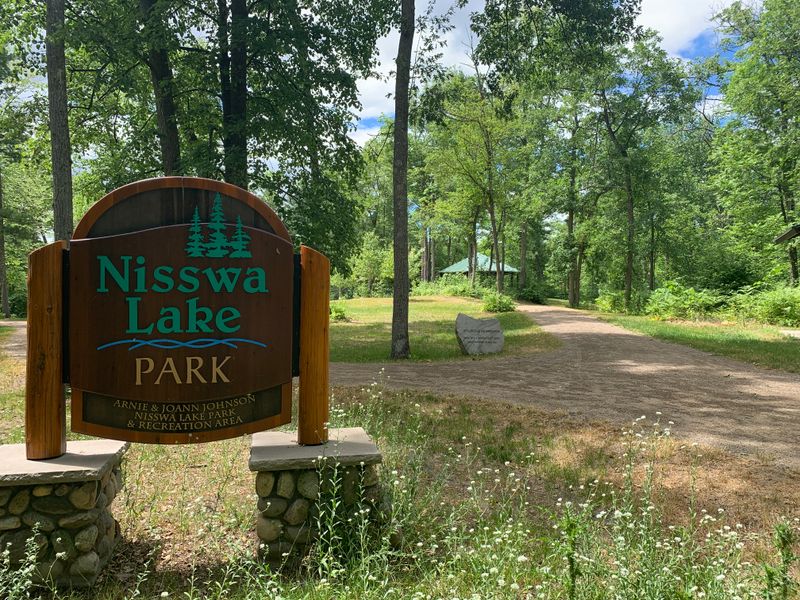
Nisswa earns its reputation as a charming summer destination with boutique shops, art galleries, and restaurants lining its picturesque main street.
When winter settles in, however, many of these establishments close their doors, leaving the town feeling like a stage set after the performance has ended.
The famous Paul Bunyan Trail, which brings cyclists and walkers through town during warmer months, sees far fewer visitors when snow covers the path.
Seasonal businesses that depend on the steady stream of cabin renters and lake visitors simply cannot sustain operations through the long, cold Minnesota winter.
The turtle races that draw crowds every Wednesday in summer are a distant memory when January arrives, and the streets grow quiet.
What remains open tends to be the year-round essentials: a grocery store, a hardware shop, and perhaps one or two restaurants serving the local population.
The lakes surrounding Nisswa freeze thick, and while some ice fishing enthusiasts venture out, the activity level drops dramatically from summer’s frenzy.
Walking through downtown Nisswa in winter reveals darkened storefronts with signs promising to return in spring, their windows displaying last season’s merchandise.
The town’s character changes entirely, from a bustling tourist hub to a sleepy village where residents know everyone they pass.
This seasonal rhythm has defined Nisswa for generations, with business owners accepting the winter slowdown as part of the trade-off for summer prosperity.
For travelers seeking authentic small-town Minnesota winter atmosphere, Nisswa delivers a hauntingly beautiful experience of closure and stillness.
3. Crosslake
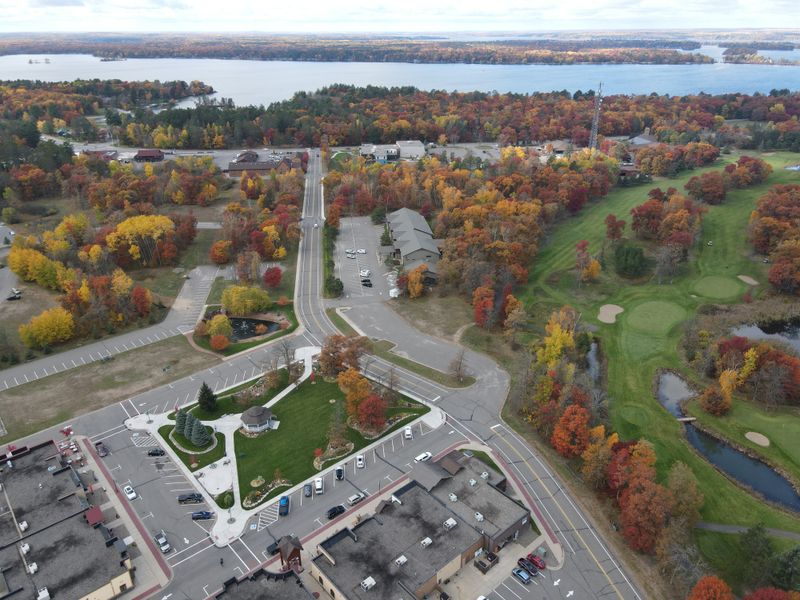
Crosslake sits at the junction of several pristine lakes, making it a paradise for boaters, anglers, and water sports enthusiasts when the weather cooperates.
Come November, the transformation begins as boat launches close, docks are removed, and lakeside resorts lock their doors for the season.
The town’s economy revolves around summer visitors, and maintaining full operations through winter simply isn’t viable for most businesses.
Restaurants that serve hundreds of diners on summer weekends often reduce hours dramatically or close completely until April.
The Whitefish Chain of Lakes, which gives Crosslake its appeal, becomes a vast expanse of frozen silence rather than a playground of activity.
Some ice fishing houses dot the frozen surfaces, but the energy and excitement of summer are replaced by stark, beautiful emptiness.
Gift shops that sell lake-themed souvenirs and resort wear have no reason to stay open when there are few visitors to browse their shelves.
The town’s permanent residents, numbering only a couple thousand, reclaim their community from the seasonal influx.
Pine trees surrounding the lakes stand heavy with snow, and the roads leading to vacation properties see minimal traffic.
This cycle of boom and bust defines life in Crosslake, where residents prepare all summer for the quiet months ahead.
The closed signs in windows tell a story of economic dependence on seasonal tourism and the harsh realities of northern Minnesota winters.
Yet for those who appreciate solitude and natural winter beauty, Crosslake in its dormant state offers a peaceful retreat from the world.
4. Detroit Lakes
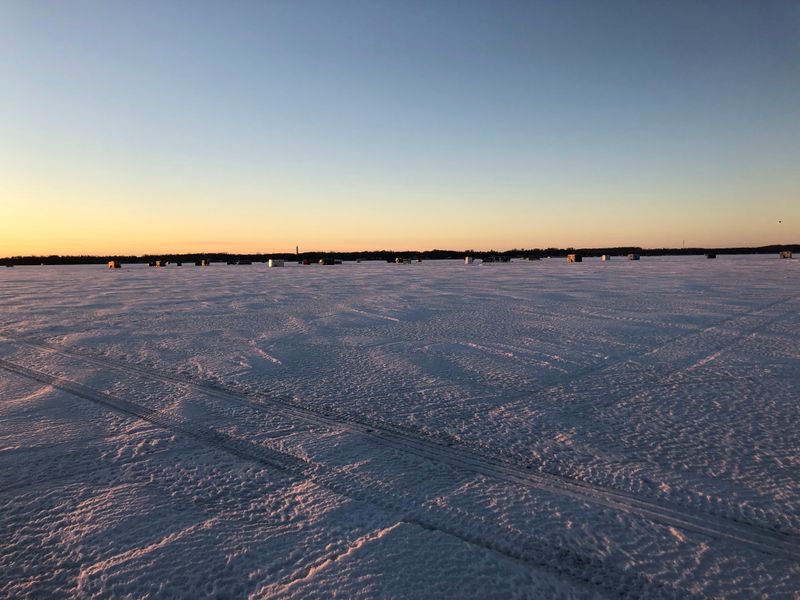
Detroit Lakes built its identity around being a summer destination, with sandy beaches, water activities, and a lively festival scene drawing thousands each year.
When winter arrives, the contrast is striking as beach concession stands close, boat rental shops shut down, and the waterfront grows eerily quiet.
The town’s famous beach, crowded with sunbathers and swimmers in July, becomes a windswept expanse of ice and snow by January.
Many of the motels, campgrounds, and vacation rentals that fill to capacity in summer close entirely or operate at minimal capacity during winter months.
The economic model here depends heavily on the short but intense summer season, making year-round operation impractical for many establishments.
Main Street still has some activity, with coffee shops and local restaurants serving the resident population, but the tourist-oriented businesses go dark.
The lakes that give the town its name freeze solid, their surfaces becoming highways for snowmobiles rather than playgrounds for boats.
Walking along the waterfront in winter reveals boarded-up snack bars and padlocked bathhouses, waiting patiently for warmer days.
The famous WE Fest grounds, which host massive summer concerts, sit empty and snow-covered, a stark reminder of seasonal extremes.
Residents adapt to this rhythm, often taking winter jobs elsewhere or simply hunkering down to wait out the cold months.
For visitors, Detroit Lakes in winter offers a chance to see a resort town stripped of its summer costume, revealing its quieter, more authentic self beneath the tourist veneer.
5. Grand Marais
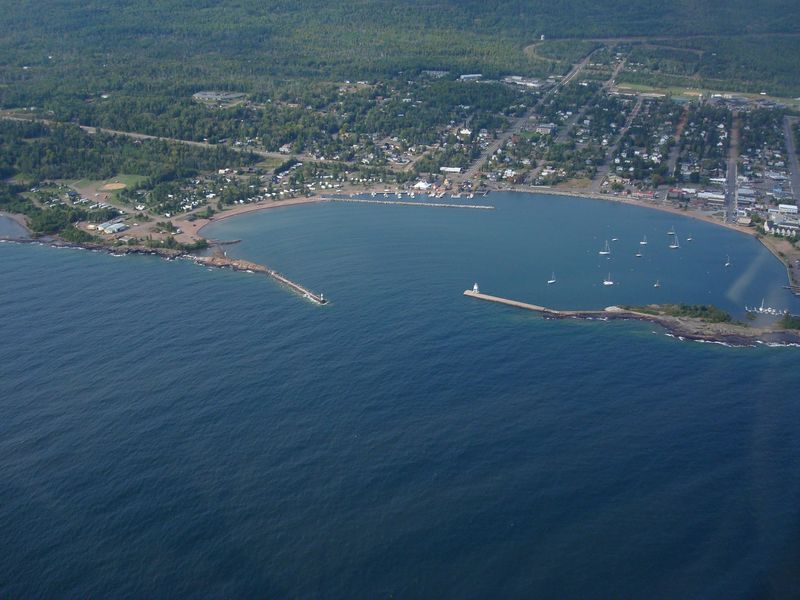
Grand Marais perches on the edge of Lake Superior, its harbor and artistic community drawing visitors throughout the warmer months.
Winter changes everything here, as many galleries, specialty shops, and seasonal eateries close their doors when the tourist flow dwindles.
The harbor, so picturesque in summer with sailboats and kayakers, becomes a frozen landscape where ice formations create otherworldly sculptures along the shore.
While some businesses do remain open to serve winter enthusiasts heading into the Boundary Waters or along the Gunflint Trail, the town’s energy shifts dramatically.
Many shop owners use the winter months to restock, travel, or simply rest after the exhausting summer season.
The famous Artists’ Point, crowded with photographers and sightseers in autumn, sees far fewer visitors when temperatures plunge and snow piles high.
Restaurants that thrive on tourist traffic often reduce their hours significantly or close for weeks at a time during the coldest months.
The lighthouse at the end of the breakwater stands sentinel over a much quieter scene, ice coating its structure and waves freezing mid-splash.
Local residents appreciate the return to normalcy after months of serving visitors, reclaiming their town and its natural beauty.
The seasonal closures reflect both economic necessity and the physical challenges of operating in such a harsh climate.
For those who brave the winter journey to Grand Marais, the reward is seeing this artistic haven in its most honest state, stripped of crowds and commercial bustle.
6. Pequot Lakes
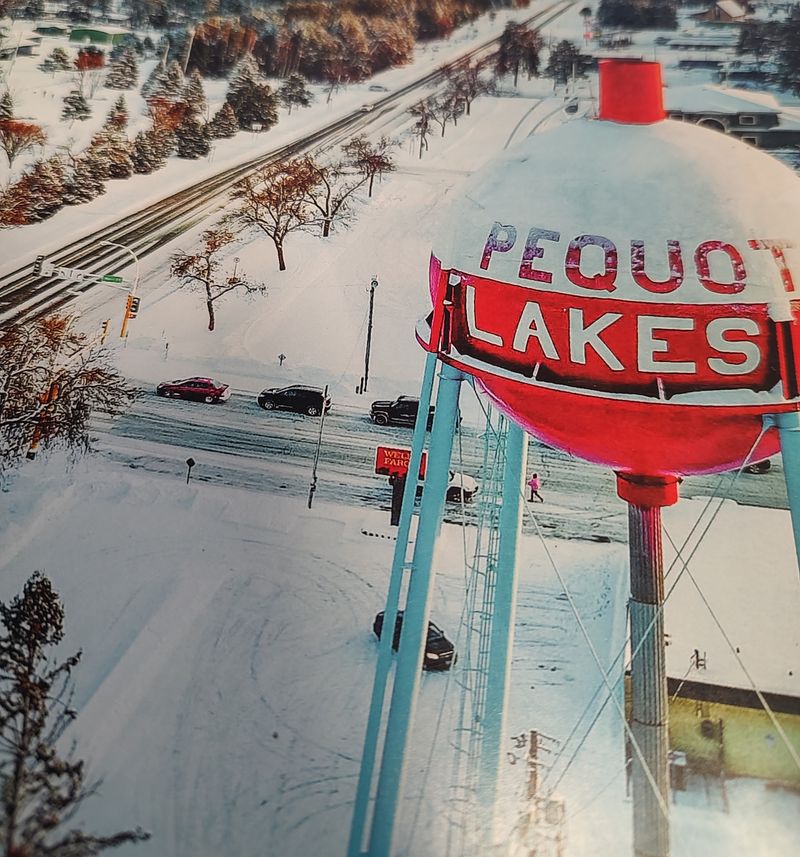
Pequot Lakes welcomes summer visitors with its chain of lakes and small-town charm, but winter tells a different story entirely.
The town’s seasonal businesses, from bait shops to ice cream stands, close up as soon as the leaves fall and temperatures drop.
The famous Paul Bunyan and Babe statues still greet visitors, but there are far fewer travelers stopping for photos when snow blankets the town.
Many of the resorts and cabin rentals that stay booked solid through summer sit empty and dark during the long winter months.
The local economy shifts from serving tourists to serving the small resident population, and businesses that cannot survive on that alone simply close.
The lakes freeze solid, and while some ice fishing occurs, the activity level cannot compare to summer’s boating and swimming crowds.
Downtown Pequot Lakes takes on a ghostly quality in January, with empty parking spaces and darkened storefronts outnumbering open businesses.
The seasonal rhythm here is accepted as simply the way things are, with residents and business owners planning their entire year around this reality.
Some establishments post signs indicating when they will reopen, while others leave their closure dates ambiguous, depending on weather and economic conditions.
Walking through town in winter feels like discovering a secret, seeing the place without its public face on.
The beauty of the frozen landscape remains, with snow-covered pines and pristine lake ice creating scenes of natural wonder.
For those seeking solitude and authentic Minnesota winter atmosphere, Pequot Lakes in its dormant state offers both in abundance.
7. Aitkin
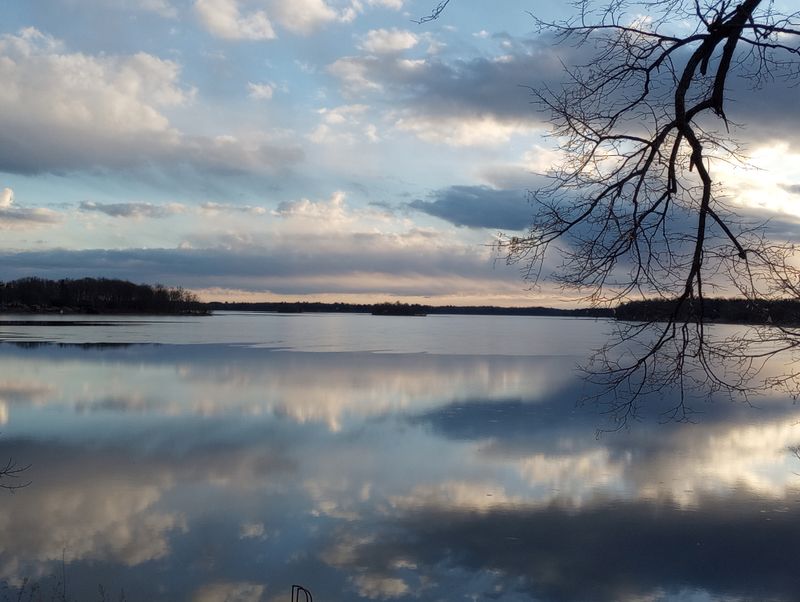
Aitkin sits along the Mississippi River, and while it is not as tourist-heavy as some Minnesota lake towns, it still experiences significant seasonal closures.
The town’s fishing resorts and river-related businesses depend on spring, summer, and fall visitors, closing when winter ice makes their services obsolete.
The famous Fish House Parade, a quirky winter event, provides a brief burst of activity, but otherwise, the town settles into quiet hibernation.
Many shops along the main street reduce hours or close entirely, their owners knowing that foot traffic drops dramatically once snow arrives.
The Mississippi River, so vital to the town’s identity, freezes solid and becomes a silent presence rather than a living, flowing force.
Aitkin’s residents are hardy folks who accept the seasonal closures as part of life in northern Minnesota, where survival sometimes matters more than commerce.
The town’s historic buildings, charming in any season, take on a different character when snow piles against their foundations and icicles hang from their eaves.
Visitors who arrive in winter will find a town that has turned inward, focusing on community rather than outsiders.
The surrounding forests and lakes offer winter recreation opportunities, but the town itself provides minimal services beyond basic necessities.
This seasonal closure pattern reflects economic realities and the simple fact that keeping doors open costs money that sparse winter traffic cannot justify.
For travelers seeking authentic small-town Minnesota winter experiences, Aitkin delivers a genuine glimpse into life when tourism fades and communities rely on themselves.
8. Brainerd
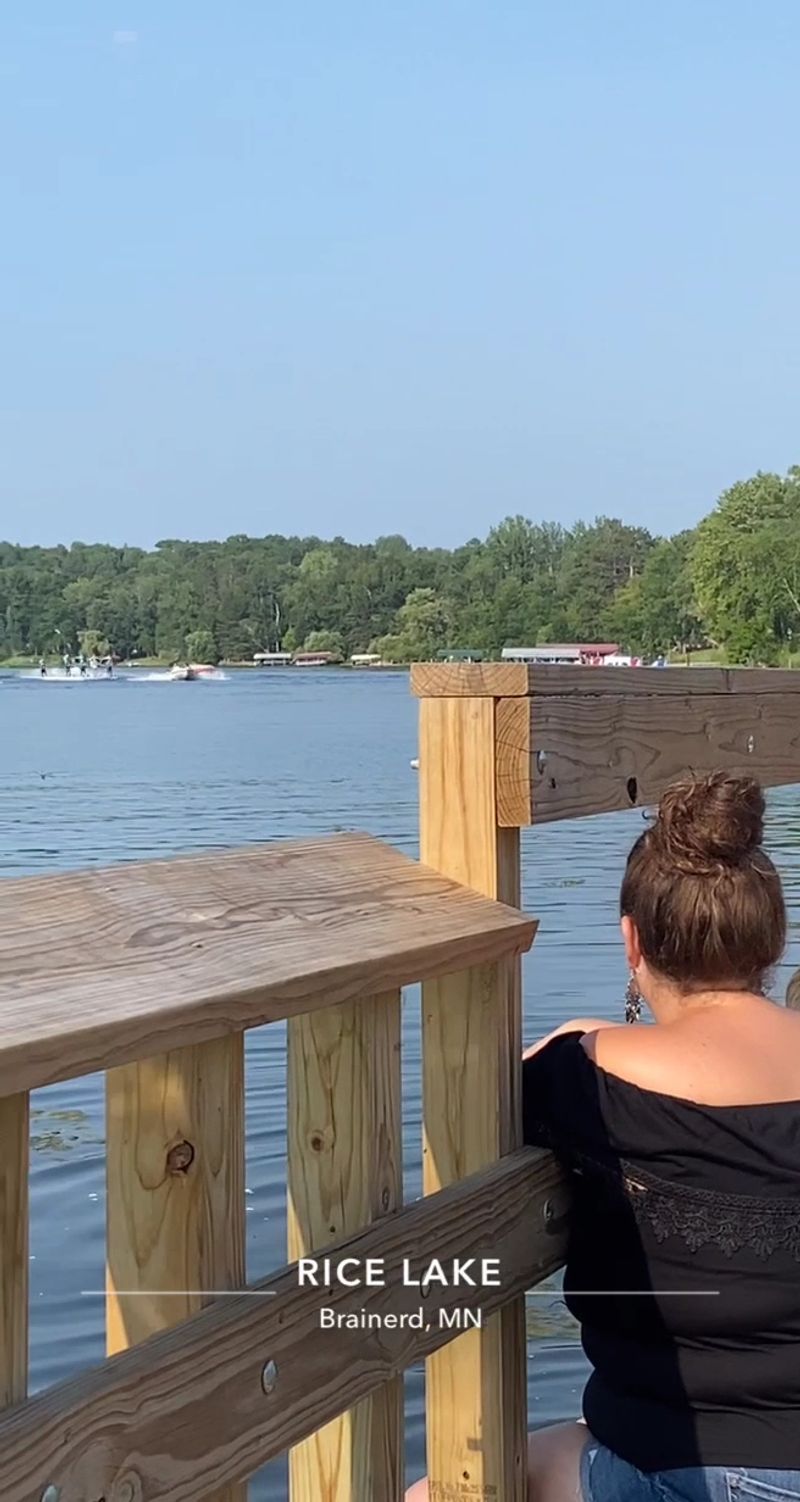
Brainerd serves as a hub for the surrounding lakes region, with numerous resorts, restaurants, and attractions catering to summer and fall visitors.
When winter arrives, many of these seasonal establishments close, transforming the area from a bustling vacation destination to a much quieter place.
The resorts surrounding Brainerd, many of which offer cabin rentals and lake access, shut down completely or operate at drastically reduced capacity.
Golf courses that draw players from across the region sit buried under snow, their clubhouses closed and their fairways unrecognizable.
The Paul Bunyan Land amusement park, a popular family destination in summer, closes for the season, its rides and attractions hidden beneath winter’s white blanket.
While Brainerd itself maintains more year-round activity than smaller lake towns, the shift is still noticeable as tourist-oriented businesses go dark.
The lakes that surround the area freeze solid, and while ice fishing brings some visitors, the numbers pale compared to summer’s crowds.
Many restaurants reduce their hours or close certain days of the week, knowing that winter diners will be primarily locals rather than tourists.
The famous Brainerd International Raceway sits silent and snow-covered, a stark contrast to its roaring summer race days.
This seasonal pattern has defined the region for generations, with businesses and residents alike adapting to the boom-and-bust cycle.
For visitors, winter Brainerd offers a chance to experience the area without crowds, seeing the landscape in its most raw and beautiful state.
9. Park Rapids
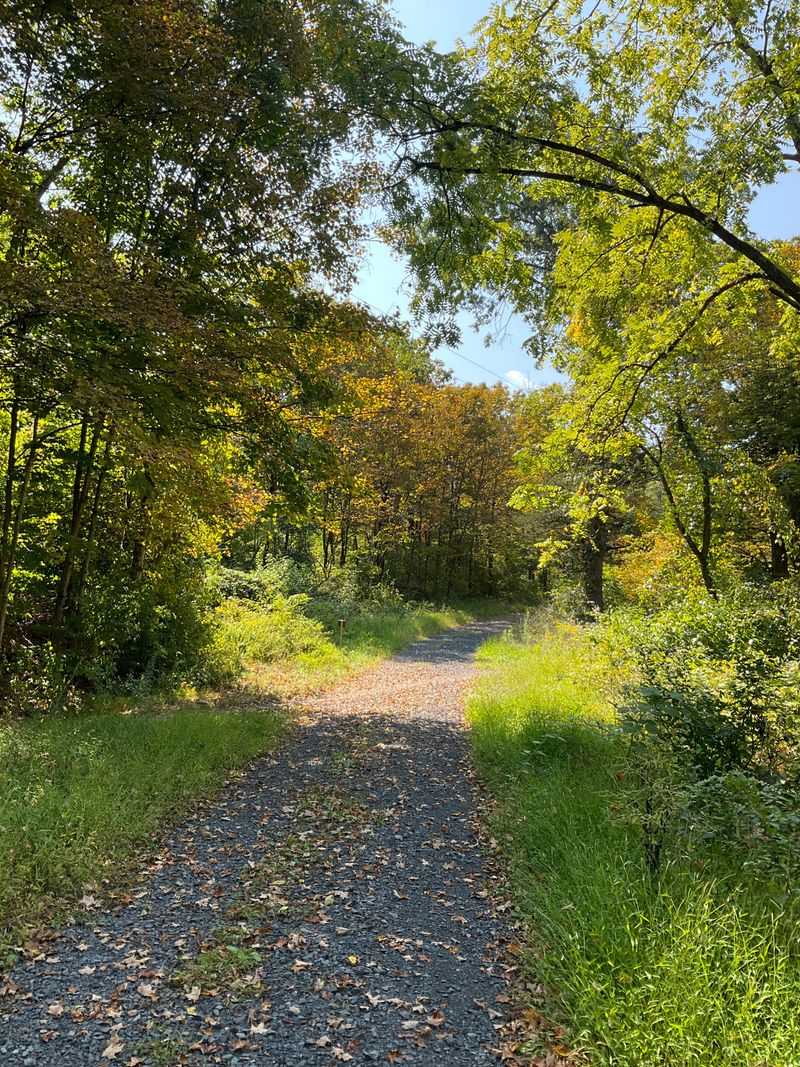
Park Rapids charms summer visitors with its quaint downtown, proximity to Itasca State Park, and access to numerous lakes.
Winter transforms this lively town into a much quieter place as seasonal shops, galleries, and restaurants close their doors.
The town’s economy relies heavily on tourism, and when visitor numbers drop, many businesses cannot justify staying open.
The Heartland Trail, popular with cyclists in warmer months, sees far fewer users once snow covers the path and temperatures plummet.
Many of the unique boutiques and gift shops that give Park Rapids its character shut down completely from November through April.
The lakes surrounding the town freeze solid, their surfaces becoming blank white expanses rather than sparkling blue playgrounds.
Some restaurants remain open to serve the local population, but their hours often shrink and their menus may be reduced.
Walking down main street in January reveals a very different Park Rapids than the bustling summer version, with empty storefronts and minimal foot traffic.
The town’s beautiful historic buildings stand quietly in the snow, their architectural details highlighted by winter’s stark light.
Residents use the winter months to reconnect with their community, freed from the demands of serving tourists.
The seasonal closures reflect the economic reality of a town built on summer appeal, where winter operations simply do not make financial sense for many businesses.
For those who visit during the quiet months, Park Rapids offers peaceful winter beauty and a glimpse into authentic small-town Minnesota life.
10. Walker
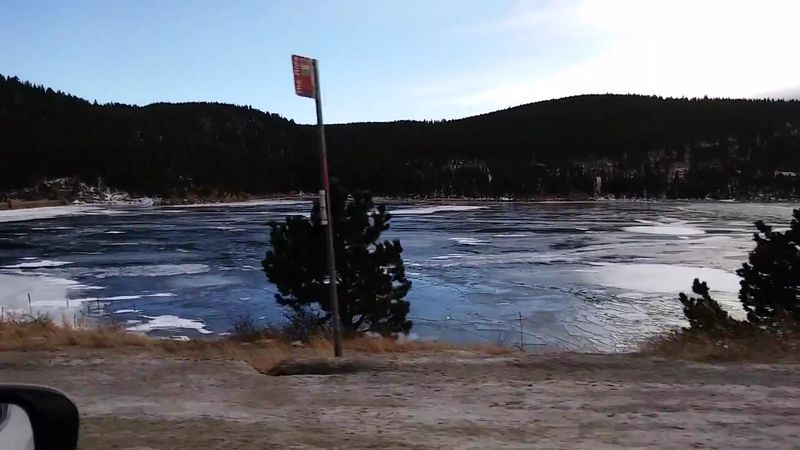
Walker sits on the shores of Leech Lake, one of Minnesota’s largest and most famous fishing destinations.
Summer brings anglers, boaters, and vacationers in droves, filling the town’s restaurants, shops, and resorts to capacity.
Winter changes the equation dramatically, with many seasonal businesses closing and the town’s population shrinking considerably.
While ice fishing does bring some winter visitors to Leech Lake, the numbers cannot compare to summer’s tourist flood.
Many of the bait shops, guide services, and lakeside restaurants that thrive in warm weather shut down when ice forms.
The town’s main street, lively with shoppers and diners in July, grows quiet and empty as winter deepens.
Resorts that stay booked months in advance during fishing season sit largely empty, their cabins dark and their boats stored away.
The Chippewa National Forest surrounds Walker, offering winter recreation opportunities, but the town itself turns inward during cold months.
Some businesses remain open year-round, serving the local community and the handful of winter visitors, but the tourist infrastructure largely shuts down.
The seasonal closure pattern reflects both economic necessity and the physical challenges of operating in such a harsh climate.
For those who venture to Walker in winter, the reward is experiencing Leech Lake in its frozen majesty and seeing the town in its most authentic, unvarnished state.
Dear Reader: This page may contain affiliate links which may earn a commission if you click through and make a purchase. Our independent journalism is not influenced by any advertiser or commercial initiative unless it is clearly marked as sponsored content. As travel products change, please be sure to reconfirm all details and stay up to date with current events to ensure a safe and successful trip.
