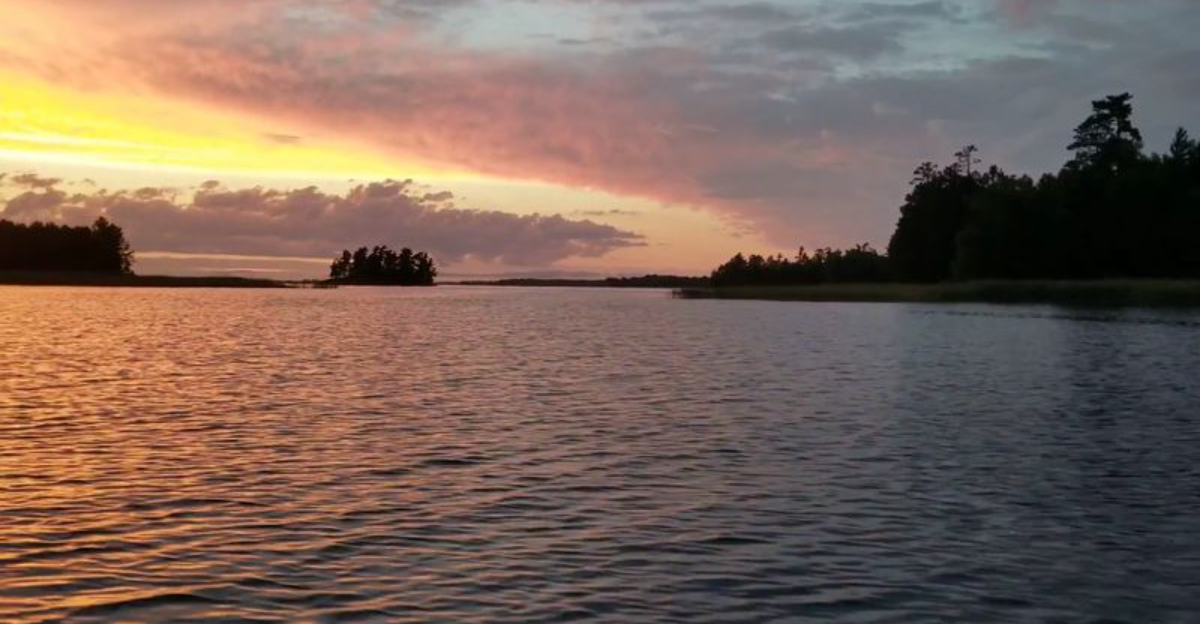
Minnesota holds a special place in the hearts of nature lovers, and it’s easy to see why.
With over 10,000 lakes scattered across the state, there’s always a quiet corner waiting to be discovered.
When life gets too loud and your mind needs a break, these waters offer something rare: true silence.
You don’t need to travel far to find peace when you’re surrounded by so much natural beauty.
Some lakes are famous for their fishing, while others are known for their stunning sunsets.
But the seven we’re sharing today have one thing in common; they help you escape the chaos.
Whether you’re paddling a canoe at dawn or simply sitting on the shore with a good book, these spots remind you what calm feels like.
They’re not the busiest or the most crowded, and that’s exactly the point.
Each one offers a chance to slow down, breathe deeply, and reconnect with yourself.
So grab your gear, pack a lunch, and get ready to explore some of Minnesota’s most peaceful hidden gems.
1. Lake Itasca
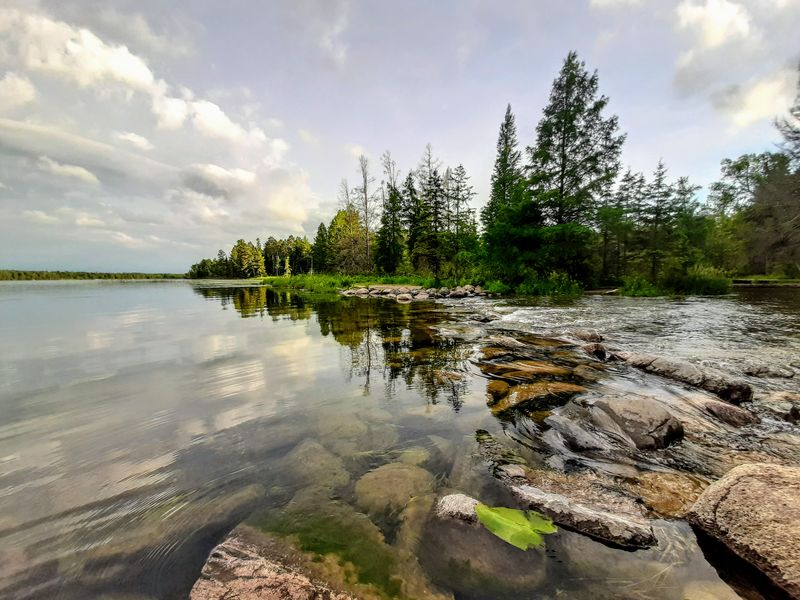
Nestled within Itasca State Park, Lake Itasca is where the mighty Mississippi River begins its 2,300-mile journey to the Gulf of Mexico.
Walking across the rocks at the headwaters feels like stepping into a piece of American history.
The lake itself is calm and clear, reflecting the towering pines that have stood here for generations.
Visitors often describe the area as having a sacred quality, a place where you can hear your own thoughts again.
The park offers over 30 miles of hiking trails that wind through old-growth forests, giving you plenty of space to wander and explore.
Birdwatchers love this spot because it’s home to loons, eagles, and dozens of other species.
In the early morning, mist rises off the water, creating a dreamlike atmosphere that photographers adore.
You can rent a canoe or kayak and glide across the glassy surface, feeling the weight of the world lift with every paddle stroke.
Camping is available throughout the park, with sites tucked under tall trees that provide natural shade and privacy.
The sunsets here are legendary, painting the sky in shades of orange, pink, and purple that reflect across the water.
There’s a small visitor center where you can learn about the lake’s history and the surrounding ecosystem.
Families enjoy picnicking along the shore, while solo travelers find it an ideal place for journaling or meditation.
Lake Itasca reminds you that some places are worth protecting, not just for their beauty, but for the peace they bring to weary souls.
2. Gunflint Lake
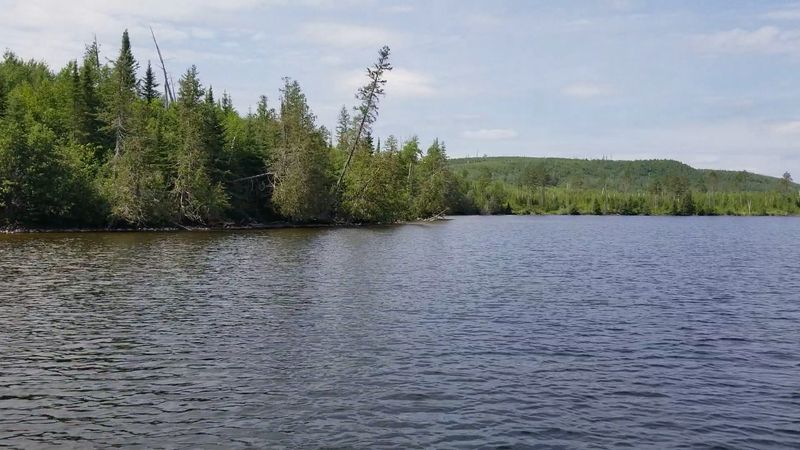
Sitting on the border between Minnesota and Canada, Gunflint Lake is a gateway to true wilderness.
This long, narrow lake stretches for miles, offering endless opportunities to explore without seeing another soul.
The water is so clear you can watch fish swimming below your canoe, and the silence is broken only by the call of a distant loon.
Many visitors arrive via the Gunflint Trail, a scenic byway that winds through dense forests and past smaller lakes.
Once you reach Gunflint, you’ll find several rustic resorts and outfitters ready to help you plan your adventure.
Paddling here feels like traveling back in time, when the land was untouched and the air was pure.
Fishing enthusiasts come for walleye, northern pike, and lake trout, often catching more than they expected.
The surrounding Boundary Waters Canoe Area Wilderness offers even more seclusion, with permit only access to protect its fragile beauty.
Campsites along the shore are primitive but perfect, with fire rings and flat ground for tents.
At night, the stars appear in overwhelming numbers, reminding you just how small your worries really are.
Moose sightings are common, especially in the early morning or late evening when they come to drink from the lake.
Hikers can explore trails that lead to hidden waterfalls and overlooks with panoramic views.
Gunflint Lake isn’t about luxury or convenience, it is about reconnecting with nature in its rawest, most honest form.
3. Lake Bemidji
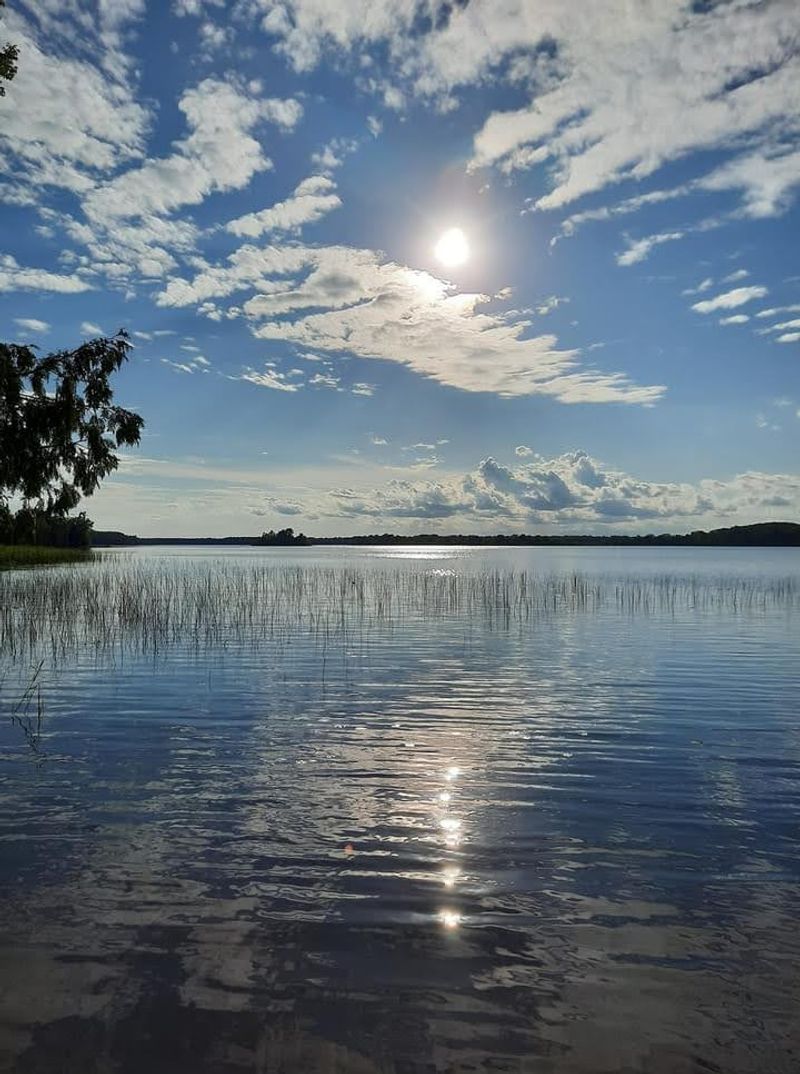
Lake Bemidji sits just north of the town that shares its name, offering a peaceful retreat without requiring a long drive into the backcountry.
The lake is smaller and more intimate than some of Minnesota’s giants, making it perfect for those who want calm without isolation.
A paved walking and biking trail circles much of the lake, giving you a chance to enjoy the scenery at your own pace.
Locals love this spot for morning jogs or evening strolls, often stopping to watch the sun dip below the horizon.
The water is clean and inviting, ideal for swimming, paddleboarding, or simply wading in on a hot summer day.
Bemidji State Park sits on the lake’s northern shore, offering campsites, picnic areas, and a beautiful sandy beach.
Fishing is popular here, with anglers pulling in walleye, perch, and crappie throughout the season.
The nearby Paul Bunyan and Babe the Blue Ox statues add a touch of whimsy to the area, making it a fun stop for families.
In the fall, the trees around the lake explode in color, turning the shoreline into a patchwork of red, gold, and orange.
Winter brings its own magic, as the frozen lake becomes a playground for ice fishing, snowshoeing, and cross-country skiing.
There are several cafes and local shops in town where you can grab a warm drink before heading back out to the water.
Lake Bemidji strikes a rare balance between accessibility and tranquility, proving you don’t have to rough it to find peace.
4. Rainy Lake
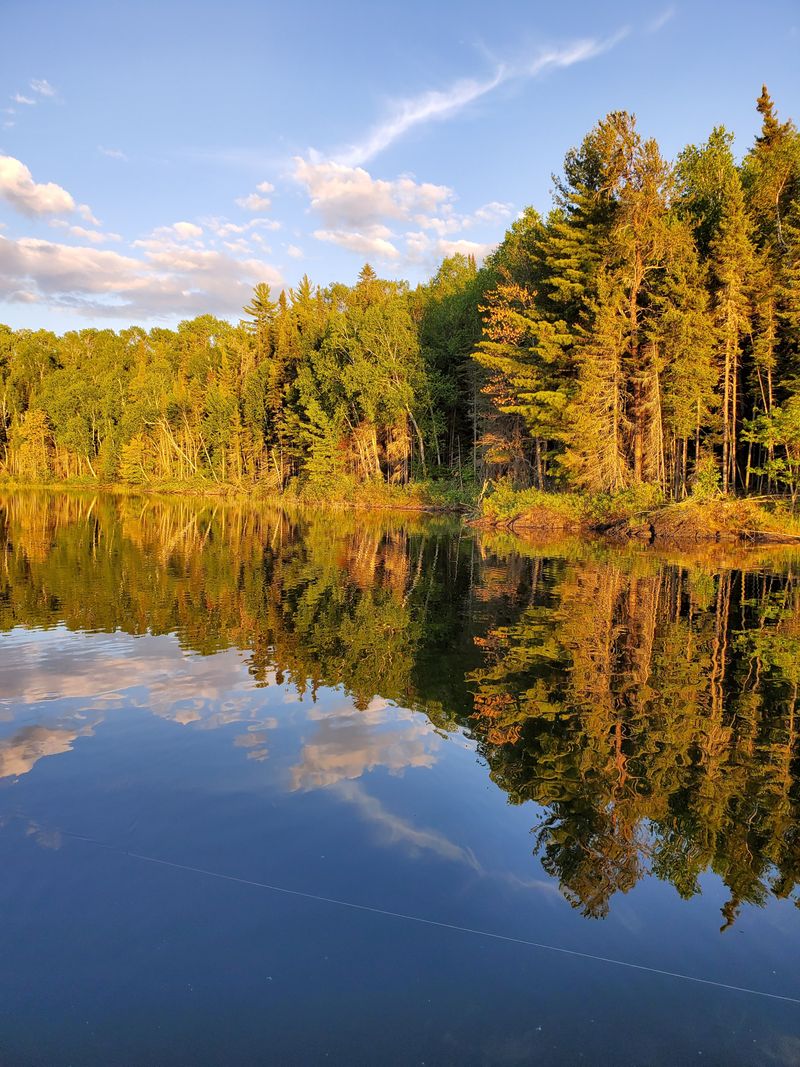
Rainy Lake is a sprawling body of water that straddles the U.S.-Canada border, known for its countless islands and untouched beauty.
It’s part of Voyageurs National Park, a place where water defines the landscape and motorboats are just as common as hiking boots.
Exploring Rainy Lake feels like navigating a maze, with each island offering its own unique character and charm.
Some islands have designated campsites where you can pitch a tent and fall asleep to the sound of waves lapping against the rocks.
The lake is massive, covering over 350 square miles, so there’s always a quiet cove or hidden bay waiting to be discovered.
Fishing here is world-class, with smallmouth bass, walleye, and muskellunge drawing anglers from across the country.
Houseboating is a popular way to experience the lake, allowing you to wake up in a different spot each morning.
Wildlife is abundant, with beavers, otters, and bald eagles making regular appearances.
The park’s visitor center offers educational programs and ranger-led tours that help you appreciate the area’s natural and cultural history.
Sunrises on Rainy Lake are breathtaking, with soft light spilling over the water and illuminating the mist that clings to the surface.
In winter, the lake freezes solid, creating a highway for snowmobilers and ice fishermen seeking adventure.
The remoteness of Rainy Lake ensures that even during peak season, you can find solitude if you’re willing to explore.
It’s a place that rewards curiosity and patience, offering peace to those who seek it.
5. Lake Vermilion
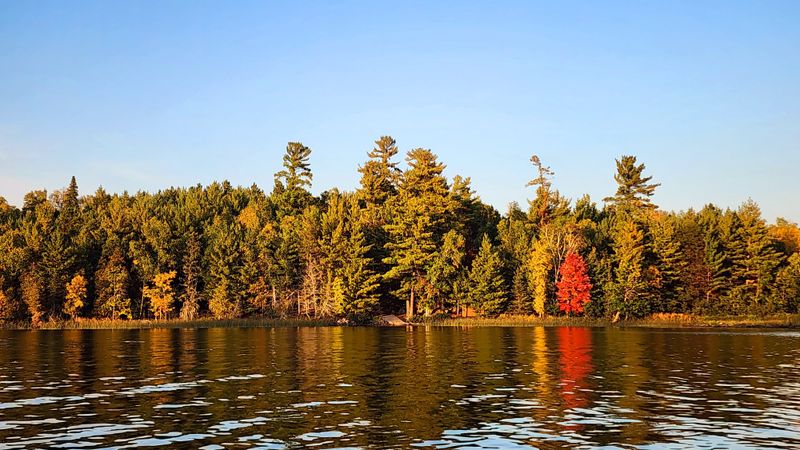
With over 1,200 miles of shoreline and more than 300 islands, Lake Vermilion is a labyrinth of natural wonder.
Located in the heart of northern Minnesota, it’s often called one of the most beautiful lakes in the state.
The water is incredibly clear, and the rocky shores are dotted with pines that seem to grow right out of the stone.
Paddlers love the challenge of exploring the lake’s many bays and inlets, each one offering a new perspective.
Fishing is a major draw, with walleye, muskie, and northern pike keeping anglers busy year-round.
Several resorts line the shore, ranging from rustic cabins to more modern lodges, giving you options depending on your comfort level.
The lake’s name comes from the Ojibwe word for vermilion, reflecting the rich reddish hues of the surrounding rock formations.
Sunset cruises are popular here, with local guides sharing stories about the area’s history and ecology.
Hiking trails around the lake lead to overlooks where you can take in sweeping views of the water and forest below.
In autumn, the landscape transforms into a riot of color, making it a favorite destination for photographers and leaf-peepers.
Winter activities include ice fishing, snowmobiling, and even dog sledding on the frozen lake.
The nearby town of Tower offers supplies, dining, and a glimpse into the region’s iron mining heritage.
Lake Vermilion is a place where adventure and relaxation coexist, giving you the freedom to choose your own pace and find your own slice of quiet.
6. Leech Lake
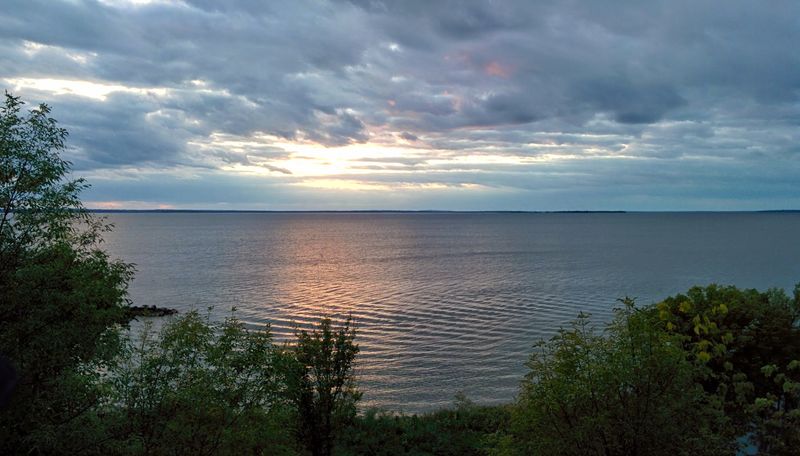
Leech Lake is one of Minnesota’s largest lakes, covering over 110,000 acres and offering a sense of openness that’s hard to find elsewhere.
Despite its size, the lake maintains a peaceful atmosphere, especially if you venture away from the busier resort areas.
The Leech Lake Band of Ojibwe has called this area home for generations, and their cultural presence adds depth to any visit.
Fishing is legendary here, with walleye tournaments drawing competitors from across the Midwest.
But you don’t need to be a pro to enjoy casting a line; the lake is generous with its bounty.
The shoreline is a mix of sandy beaches, marshy wetlands, and wooded points, giving you plenty of variety as you explore.
Birdwatchers flock to the area during migration season, when thousands of waterfowl stop to rest and feed.
Boating is a favorite pastime, with plenty of room to cruise without feeling crowded.
Several state parks and recreation areas surround the lake, offering camping, picnicking, and swimming opportunities.
The town of Walker sits on the lake’s southern shore, providing restaurants, shops, and a welcoming small-town vibe.
In the evening, the lake’s wide expanse makes for stunning sunsets, with colors that seem to stretch on forever.
Winter transforms Leech Lake into an ice fishing paradise, with heated fish houses dotting the frozen surface.
Whether you’re seeking solitude or a bit of adventure, Leech Lake delivers a peaceful escape that feels worlds away from everyday stress.
7. Kabetogama Lake
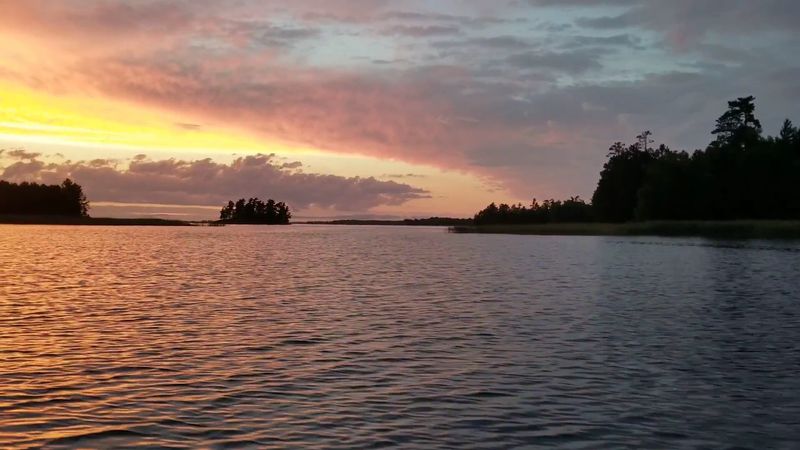
Kabetogama Lake is another jewel within Voyageurs National Park, offering a quieter alternative to its more famous neighbor, Rainy Lake.
The name comes from an Ojibwe word meaning “the lake that lies parallel,” and it perfectly describes the lake’s long, winding shape.
Access is limited, which helps preserve the area’s wild character and ensures that visitors experience true solitude.
Paddling here feels like entering a different world, where the only sounds are your paddle dipping into the water and the wind rustling through the trees.
The lake is dotted with islands, many of which have primitive campsites perfect for overnight stays.
Fishing is excellent, with northern pike, walleye, and smallmouth bass providing plenty of action.
The surrounding forests are home to black bears, wolves, and moose, though sightings are rare and should be respected from a distance.
Several resorts and outfitters near the lake offer boat rentals, guided tours, and supplies for your adventure.
The Ash River Visitor Center provides maps, permits, and information about the park’s natural and cultural history.
In the summer, the lake’s water is warm enough for swimming, and the rocky shores make great spots for sunbathing.
Fall brings a spectacular display of color, with the forest canopy turning brilliant shades of red and gold.
Winter access is possible via snowmobile or ski, and the frozen lake becomes a playground for ice fishing and exploration.
Kabetogama Lake is a place where you can disconnect completely, leaving behind the noise and finding peace in the simplicity of nature.
Dear Reader: This page may contain affiliate links which may earn a commission if you click through and make a purchase. Our independent journalism is not influenced by any advertiser or commercial initiative unless it is clearly marked as sponsored content. As travel products change, please be sure to reconfirm all details and stay up to date with current events to ensure a safe and successful trip.
