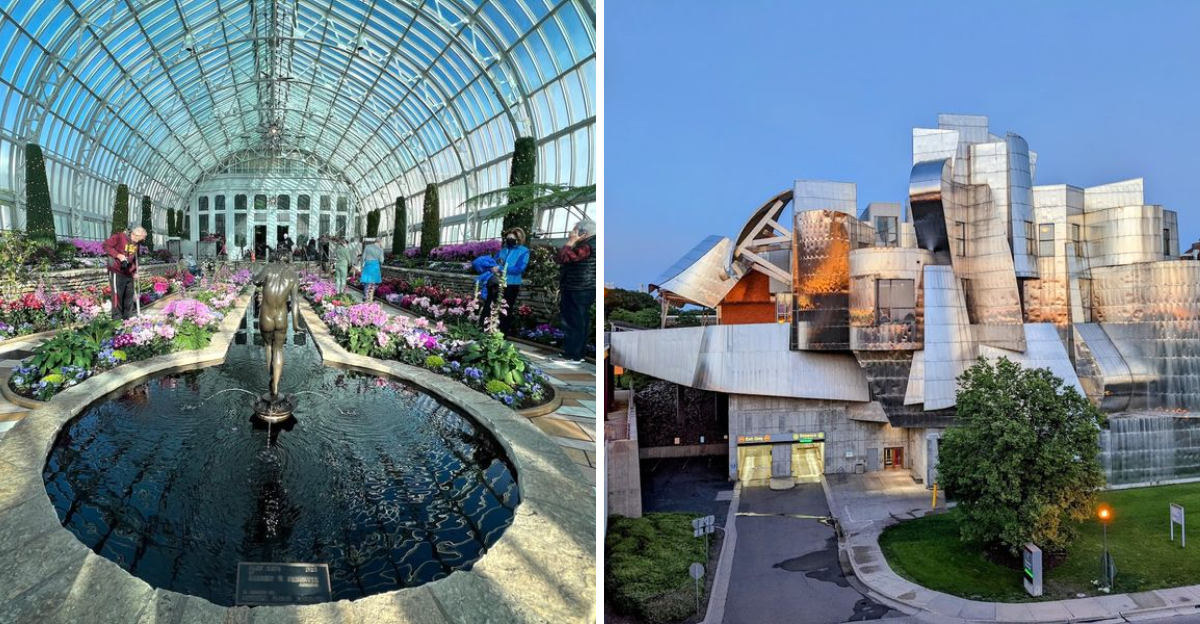
Who says culture has to come with a hefty price tag? Not here, and not at these wonderful places.
The doors are wide open every single day with no admission fees or special passes required. You can wander through galleries filled with local masterpieces and regional history without ever reaching for your wallet.
Kids can explore interactive exhibits without you nervously counting minutes before the ticket price hurts. History buffs will lose themselves in photographs and documents that bring the past vividly to life.
Art lovers can stare at paintings as long as they want without anyone rushing them out. The best part is visiting as often as you like with no financial guilt attached whatsoever.
These places are funded by communities who believe knowledge should belong to everyone equally. Minnesota understands that great museums are not about what they charge but what they offer.
And what they offer is absolutely priceless for exactly zero dollars every day.
1. Minneapolis Institute of Art (Mia), Minneapolis, Minnesota
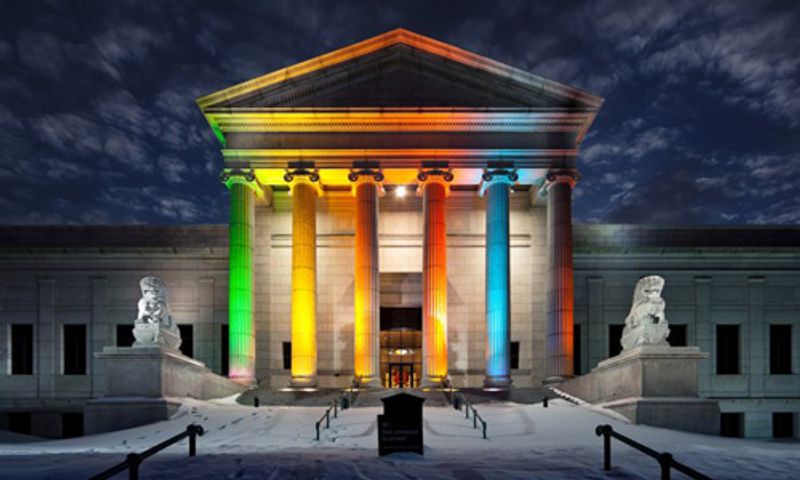
Over 90,000 works of art are waiting for you inside one of the most respected museums in the entire country. The Minneapolis Institute of Art, known as Mia, sits at 2400 Third Avenue South in Minneapolis, Minnesota, and its permanent collection spans a remarkable 5,000 years of human creativity.
You will find everything here, from ancient Egyptian artifacts to contemporary paintings by living artists. The sheer variety of the collection means every single visit feels like a brand new experience.
Mia is especially great for families because the galleries are spacious and well-organized by region and time period. Kids tend to gravitate toward the arms and armor gallery, which is genuinely impressive in person.
The museum also hosts rotating special exhibitions throughout the year, though some of those carry a separate ticket price. The permanent collection, however, is always completely free to the public.
Plan to spend at least two to three hours here on your first visit. Mia rewards slow, curious visitors who take time to read the stories behind each piece.
2. Minneapolis Sculpture Garden, Minneapolis, Minnesota
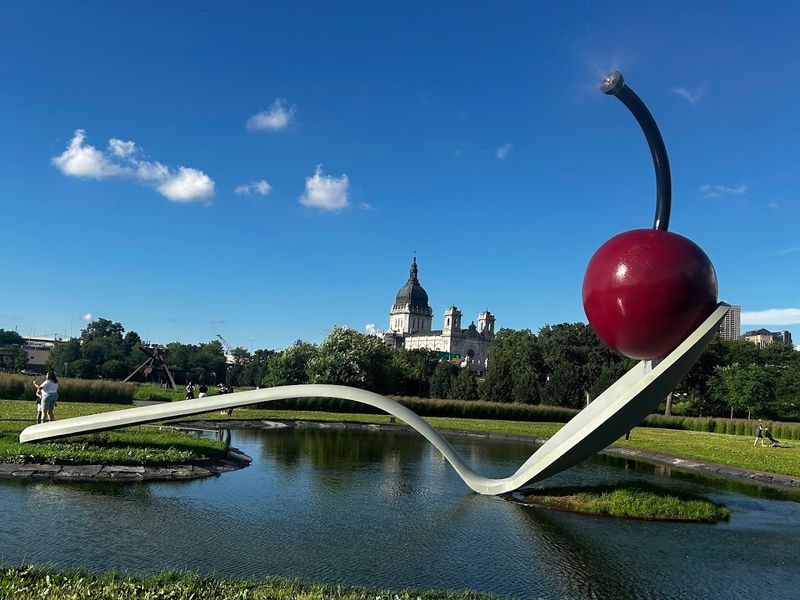
Eleven acres of open air, over 40 works of contemporary art, and zero dollars to get in. The Minneapolis Sculpture Garden at 725 Vineland Place in Minneapolis, Minnesota is one of those rare public spaces that feels both grand and completely relaxed at the same time.
The most famous piece here is the Spoonbridge and Cherry, a giant stainless steel sculpture by Claes Oldenburg and Coosje van Bruggen that has become a true symbol of the city. People travel from across the country just to take a photo next to it.
Beyond the Spoonbridge, the garden features works by artists including Louise Bourgeois, Frank Gehry, and many others whose names carry serious weight in the contemporary art world. Each sculpture has its own personality and invites you to walk around it from multiple angles.
The garden is open daily from 6 AM to midnight, which means early morning visits with soft light and quiet surroundings are absolutely an option. It is also directly connected to Loring Park, extending your stroll even further.
Bring a snack, wear comfortable shoes, and give yourself at least an hour to wander. The garden rewards visitors who slow down and actually sit with the art.
3. Cathedral of Saint Paul, St. Paul, Minnesota
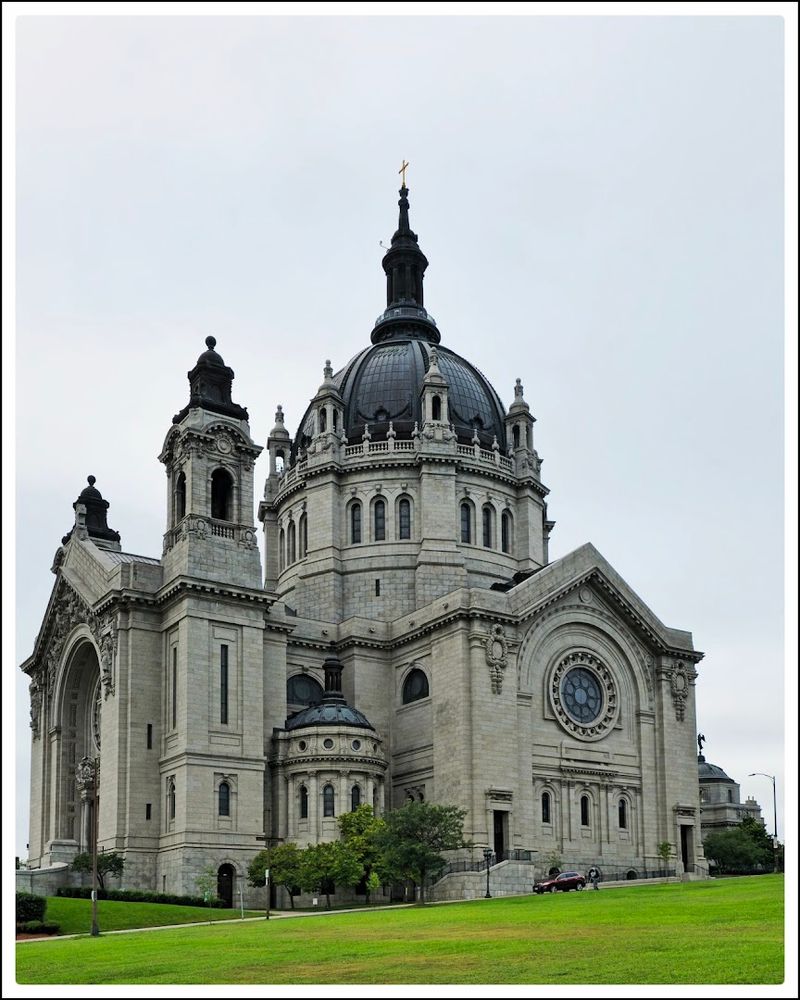
Walking up the steps toward this cathedral, you immediately understand why it dominates the St. Paul skyline. The Cathedral of Saint Paul at 239 Selby Avenue in St. Paul, Minnesota is a Beaux-Arts masterpiece that took over a decade to build and was completed in 1915.
The architecture draws clear inspiration from St. Peter’s Basilica in Rome, and the interior lives up to that ambition completely. The central dome soars to 175 feet above the floor, and the light that filters through the windows creates an atmosphere that is genuinely hard to describe in words.
Visitors are welcome to enter free of charge any day of the week. Whether you are religious or simply someone who appreciates extraordinary architecture, the cathedral is worth every minute of your time.
The bronze doors at the entrance are worth examining up close before you head inside. Details like those remind you that every inch of this building was designed with serious intention.
Guided tours are available on certain days for those who want the full historical context. Even a quiet solo visit, however, leaves a lasting impression that you will find yourself telling other travelers about.
4. Minnesota State Capitol, St. Paul, Minnesota

Few buildings in Minnesota carry as much history, beauty, and civic pride as the State Capitol. Located at 75 Rev Dr Martin Luther King Jr Blvd in St. Paul, Minnesota, this stunning structure was designed by architect Cass Gilbert and completed in 1905.
The dome is one of the largest self-supporting marble domes in the world, and that fact becomes very believable the moment you stand beneath it and look up. The interior is covered in murals, mosaics, and decorative work that took years of skilled craftsmanship to complete.
Free self-guided tours are available during regular visiting hours, and guided tours are also offered at no cost. The guided option is strongly recommended for first-time visitors because the stories behind the art and architecture add so much to the experience.
A major restoration project completed in 2017 brought the building back to its original grandeur, so everything you see today looks remarkably close to what visitors saw over a century ago. The attention to historical detail in that restoration was exceptional.
The Capitol grounds are also worth exploring, especially the outdoor sculptures and the sweeping views of downtown St. Paul.
5. Weisman Art Museum, Minneapolis, Minnesota
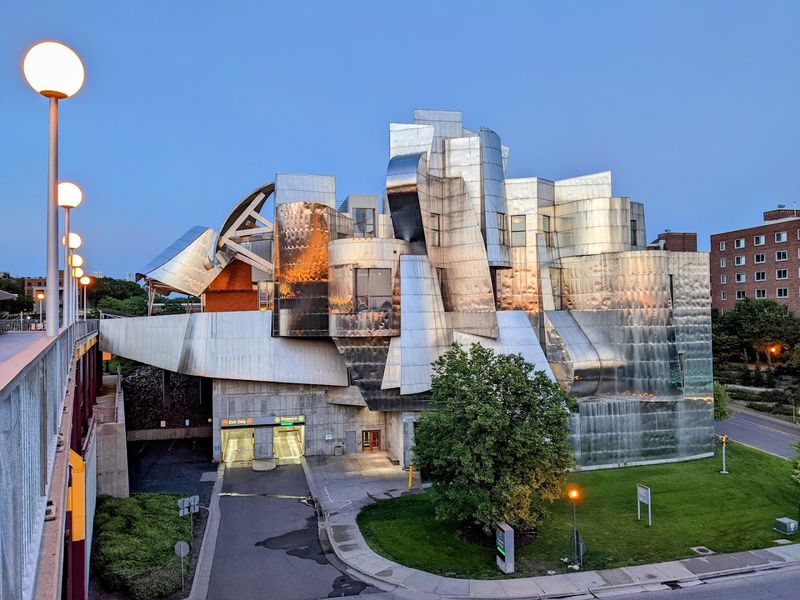
The building itself is half the reason to visit. Frank Gehry designed the Weisman Art Museum at 333 East River Parkway on the University of Minnesota campus in Minneapolis, Minnesota, and the result is a stainless steel structure that looks like something from a science fiction film.
On a sunny day, the curved metallic exterior catches the light in a way that genuinely stops people in their tracks. It sits right along the Mississippi River, so the views from the surrounding area are pretty hard to beat.
Inside, the museum focuses on modern and contemporary art, with a strong emphasis on American modernism and works by living artists. The collection is thoughtfully curated and regularly rotates to keep things fresh.
Because it sits on a college campus, the Weisman has an energy that feels young, open, and intellectually charged. Students, professors, and curious visitors from all over the city mix together in the galleries.
Admission is always free, making it one of the easiest yes decisions in Minneapolis. The gift shop near the entrance also carries some genuinely interesting art books and prints worth browsing.
6. Schubert Club Museum of Musical Instruments, St. Paul, Minnesota
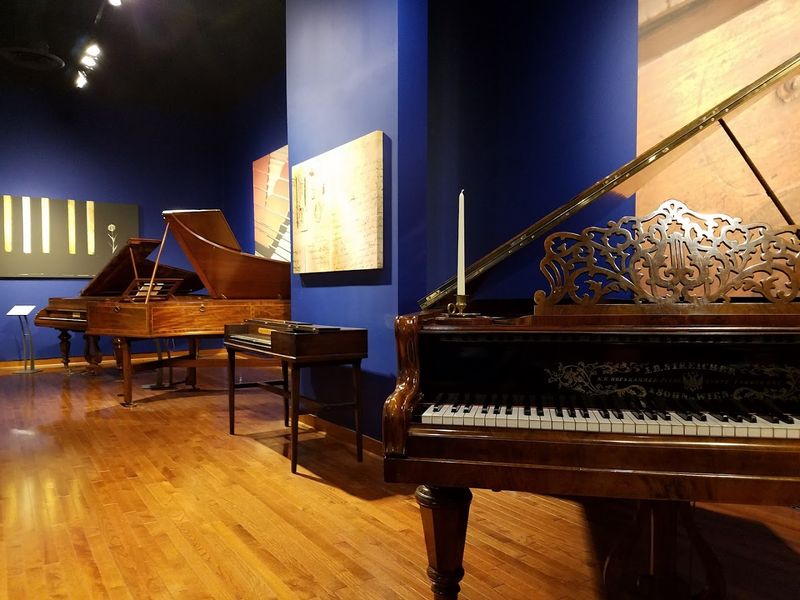
Music history gets a dedicated home inside one of St. Paul’s most beloved historic buildings. The Schubert Club Museum of Musical Instruments is located at 75 5th Street West inside the Landmark Center in St. Paul, Minnesota, and admission is completely free every day it is open.
The collection includes rare and antique instruments from across centuries and continents, including early keyboard instruments, string instruments, and items that most people have never seen outside of a textbook. Each piece tells a story about how music evolved over time.
One of the most fascinating aspects of the museum is how it connects instrument history to the broader cultural moments that shaped musical development. You leave with a much richer understanding of why music sounds the way it does today.
The Schubert Club itself has been a cornerstone of the St. Paul arts community since 1882, making it one of the oldest performing arts organizations in the United States. That long history adds real depth to everything on display in the museum.
The Landmark Center setting is a bonus attraction in itself, with its gorgeous Romanesque Revival architecture surrounding you as you explore.
7. Landmark Center, St. Paul, Minnesota
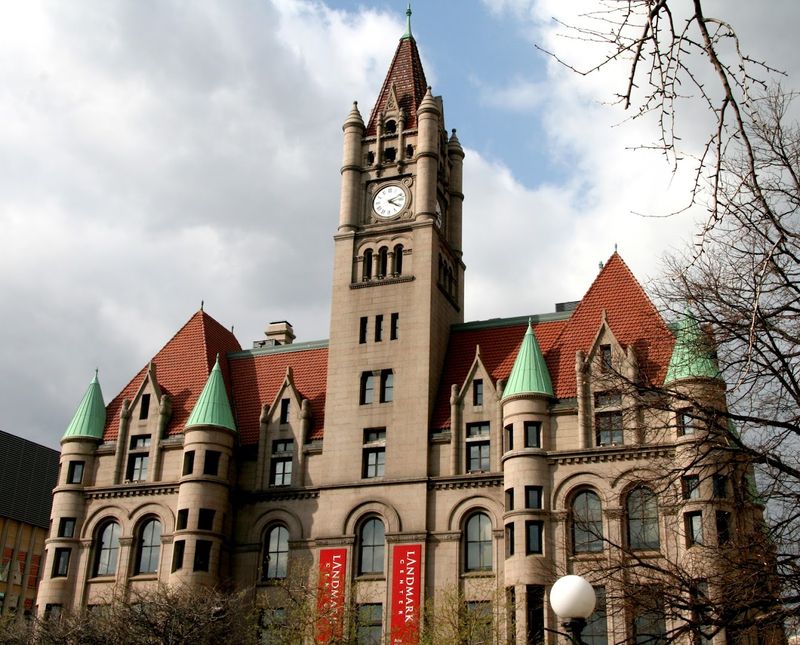
A former federal courthouse turned cultural powerhouse, the Landmark Center at 75 5th Street West in St. Paul, Minnesota is one of the most architecturally stunning buildings in the entire state.
Its Romanesque Revival design features dramatic stone towers, arched windows, and a central courtyard that feels genuinely theatrical.
The building was completed in 1902 and served as a federal courthouse and post office for decades before being transformed into a public cultural center. Gangster-era trials, including proceedings involving figures like John Dillinger, were held here, giving the place a surprisingly colorful backstory.
Today, the public areas are free to explore any time the building is open. Galleries, performance spaces, and the Schubert Club Museum all share the building, creating a layered cultural experience under one roof.
The courtyard area regularly hosts free concerts and community events throughout the year, especially in warmer months. Checking the events calendar before your visit is always a smart move.
8. Como Park Zoo and Conservatory, St. Paul, Minnesota
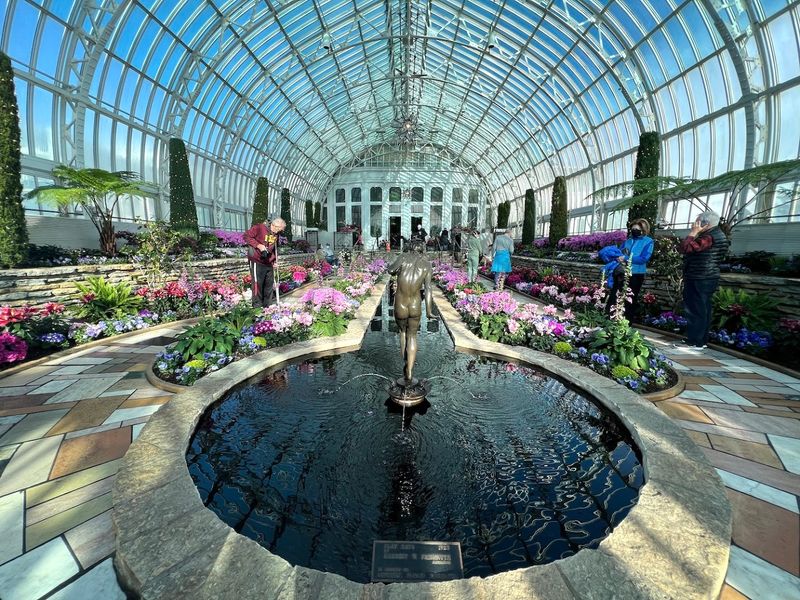
A zoo and a botanical conservatory in the same park, both completely free, every single day of the year. Como Park Zoo and Conservatory at 1225 Estabrook Drive in St. Paul, Minnesota has been a beloved community institution for well over a century.
The zoo is home to animals including giraffes, polar bears, gorillas, and big cats, making it a genuinely impressive collection for a facility that charges nothing at the gate. Families with young children tend to spend three to four hours here without running out of things to see.
The conservatory is a separate treat altogether. Inside its glass-domed structure, you will find tropical plants, seasonal flower shows, and a warmth that feels especially welcome during Minnesota winters.
The Fern Room alone is worth the trip on a cold January afternoon.
Donations are encouraged but never required, and the park itself surrounding the zoo and conservatory is open and free as well. Picnic tables, walking paths, and a small amusement area for kids make this a full-day family destination.
9. Steele County Historical Society, Owatonna, Minnesota
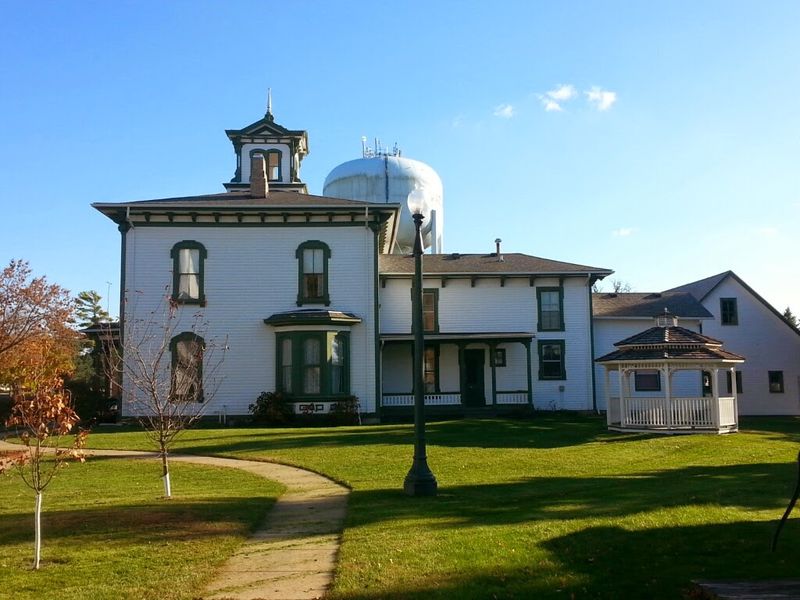
Regional history museums often carry the most personal and unexpected stories, and the Steele County Historical Society in Owatonna, Minnesota is a perfect example of that.
Located at 1700 Austin Road, this museum preserves the history of southern Minnesota with a level of care and detail that is easy to appreciate.
Owatonna sits about 65 miles south of Minneapolis, making it a solid day-trip destination for anyone looking to get out of the Twin Cities and explore a different side of Minnesota. The town itself has a quiet, welcoming character that pairs well with a museum visit.
The collection covers local agriculture, early settler life, Native American history, and the growth of Steele County through the 20th century. Exhibits are thoughtfully arranged and include photographs, artifacts, and personal items donated by local families over many decades.
Admission is free every day the museum is open, which makes it an easy addition to any road trip through southern Minnesota. Staff members tend to be knowledgeable and genuinely enthusiastic about sharing the stories behind the displays.
10. Nyberg Sculpture Park, Vining, Minnesota
Somewhere in rural west-central Minnesota, a small town named Vining has quietly become one of the strangest and most delightful roadside destinations in the entire state.
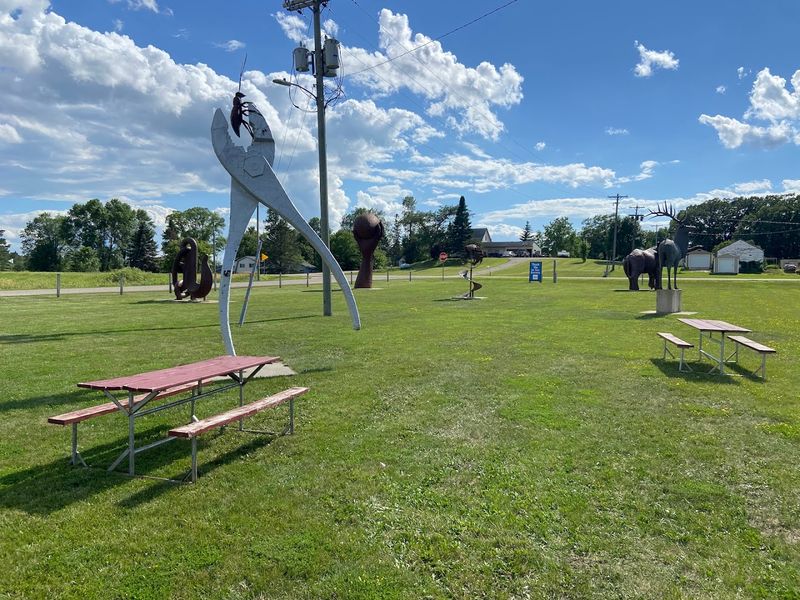
The Nyberg Sculpture Park at 6001 East Front Street in Vining, Minnesota features dozens of large metal sculptures scattered throughout the town. All of them are completely free to see.
Local artist Ken Nyberg created the sculptures. They range from giant human figures to oversized everyday objects rendered in welded steel. A massive foot, a huge coffee cup, a man reading a newspaper – each piece has a playful absurdity that makes you smile the moment you spot it.
Vining has a population of around 70 people. That makes the sheer scale and ambition of this sculpture collection even more surprising. It is the kind of place that reminds you that creativity does not require a big city address.
The park is open to the public at all times with no admission fee. This makes it a perfect stop on a longer road trip through Minnesota. It is especially good if you are heading toward the lakes region in the western part of the state.
11. Lawshe Museum, South St. Paul, Minnesota
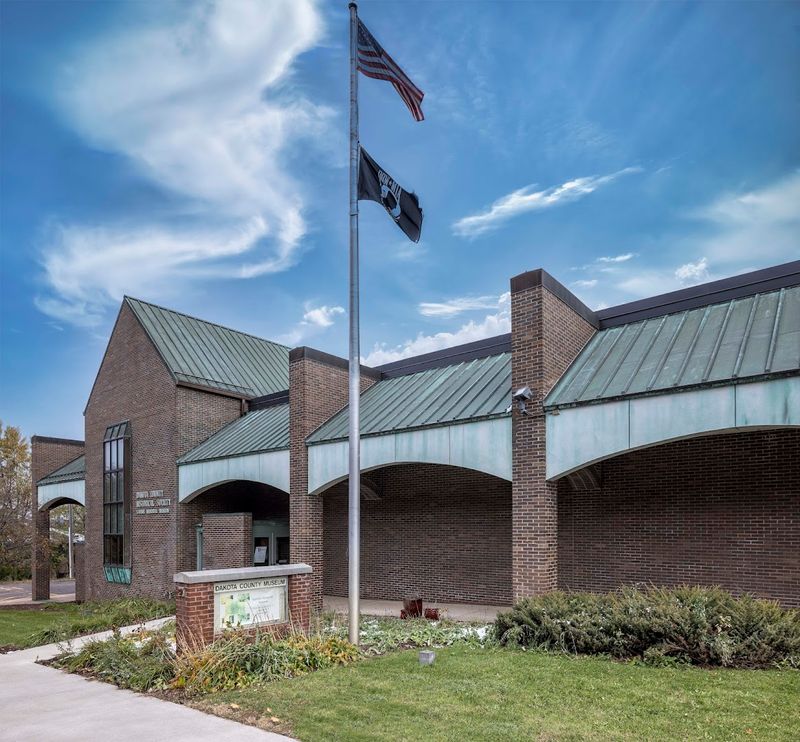
Community museums often fly under the radar. The Lawshe Museum in South St. Paul, Minnesota is exactly the kind of place that rewards curious visitors who seek it out. It is located at 130 3rd Avenue North. This free museum operates under the Dakota County Historical Society and serves as a genuine community resource.
South St. Paul has a rich and layered history. That history ties to the meatpacking industry, the stockyards, and the working-class communities that built the city across the 20th century. The Lawshe Museum captures that story with honesty and respect for the people who lived it.
The exhibits include historical photographs, personal artifacts, and rotating displays that connect Dakota County’s past to its present. The museum is relatively compact, which means a focused visit of 45 minutes to an hour covers the collection thoroughly.
Because admission is always free, there is no pressure to rush or to feel like you need to justify the cost of a ticket. That relaxed atmosphere makes the museum especially welcoming for casual visitors and local families alike.
12. NWA History Centre, St. Paul, Minnesota
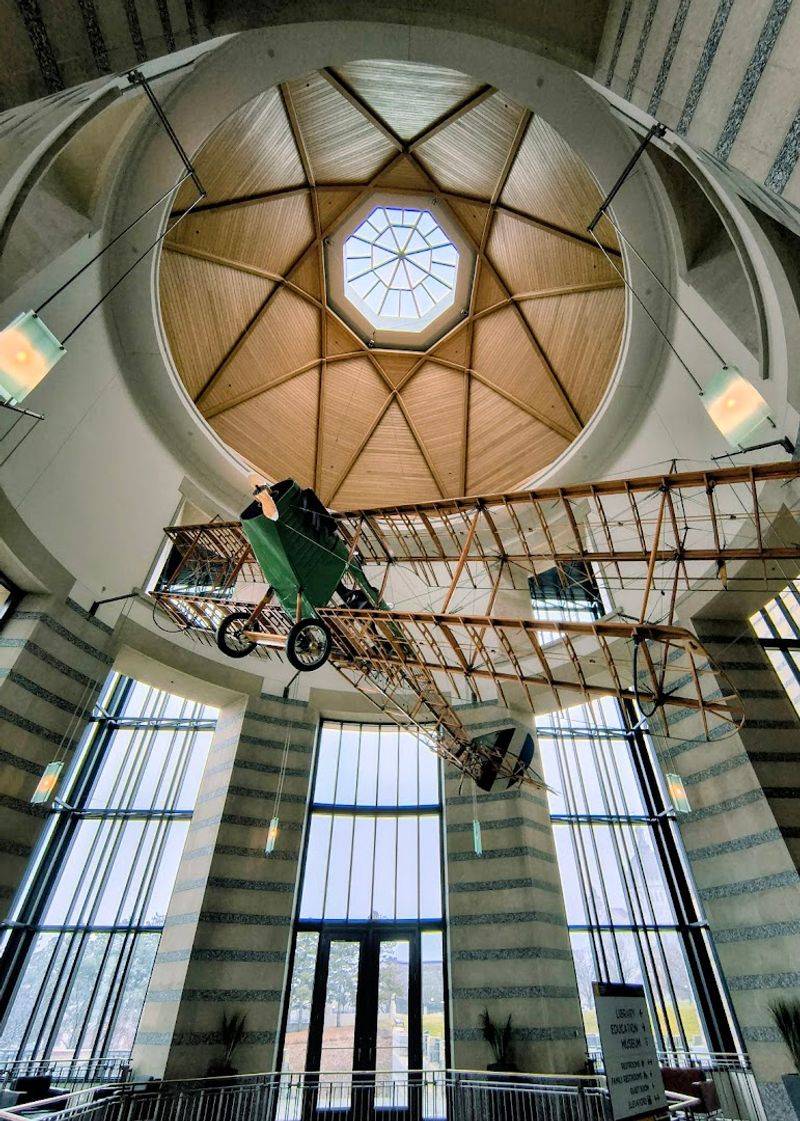
Aviation history fans and nostalgia lovers alike will find a lot to appreciate at the NWA History Centre in St. Paul, Minnesota. This free museum is dedicated entirely to preserving the legacy of Northwest Airlines. Northwest Airlines was one of the most historically significant carriers in American aviation history.
Northwest Airlines was founded in Minnesota in 1926. It grew into a major international carrier before eventually merging with Delta Air Lines in 2010. The NWA History Centre holds the memories of that long journey through photographs, uniforms, model aircraft, signage, and thousands of carefully preserved artifacts.
Former Northwest employees and aviation enthusiasts assembled the collection. They also maintain it today. They wanted to make sure this chapter of Minnesota history was not forgotten. That personal dedication comes through clearly in how the exhibits are organized and presented.
Admission is completely free. The museum operates through the passion of its volunteers rather than ticket revenue. Visiting feels like a genuine act of appreciation for the people who built and sustained that airline across nearly a century.
