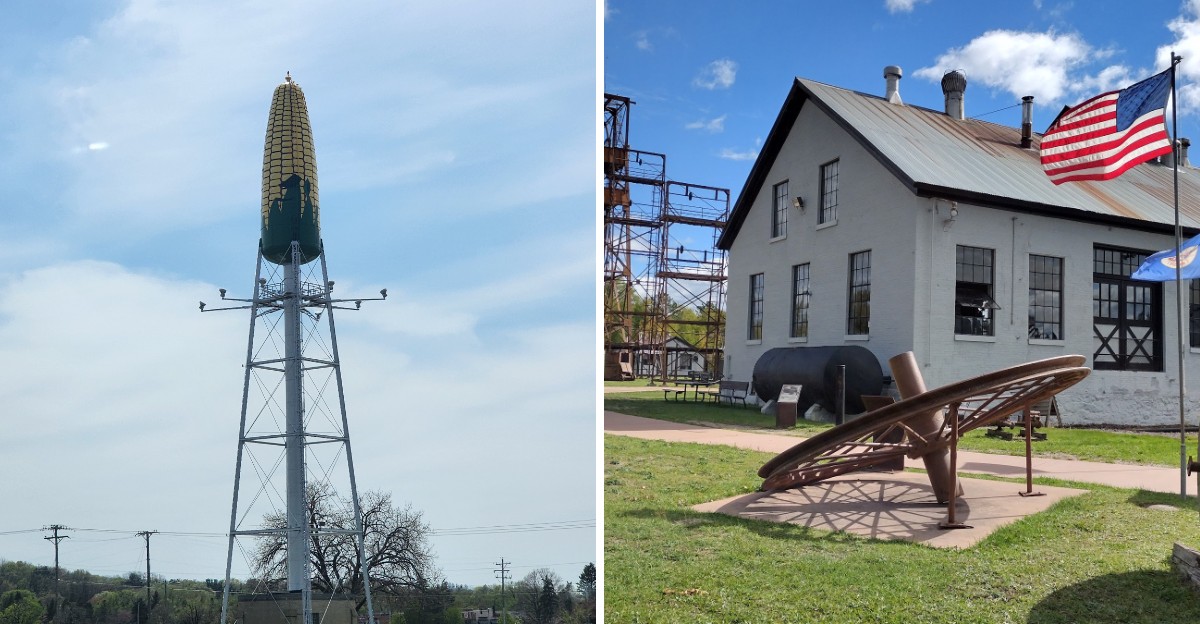
Somebody once built a grain silo, a water tower, or a roadside shed with zero plans for fame. Then the cameras showed up, and the plot changed completely.
Across Minnesota, a handful of buildings started life as practical, forgettable structures and ended up with their own fan clubs. Visitors now hunt them down on purpose, snapping photos and swapping stories like they’ve discovered buried treasure.
Accidental fame suits these places well, because nothing about them feels staged. Weathered paint, quirky shapes, and decades of character do all the talking, and the towns around them wear the attention with a proud grin.
Take the backroads, keep your phone ready, and slow down whenever something looks out of place. Great road trips love a good surprise, and this northern stretch of the Midwest hands them out generously, with Minnesota quietly collecting the weirdest ones.
1. R.W. Lindholm Service Station, Cloquet
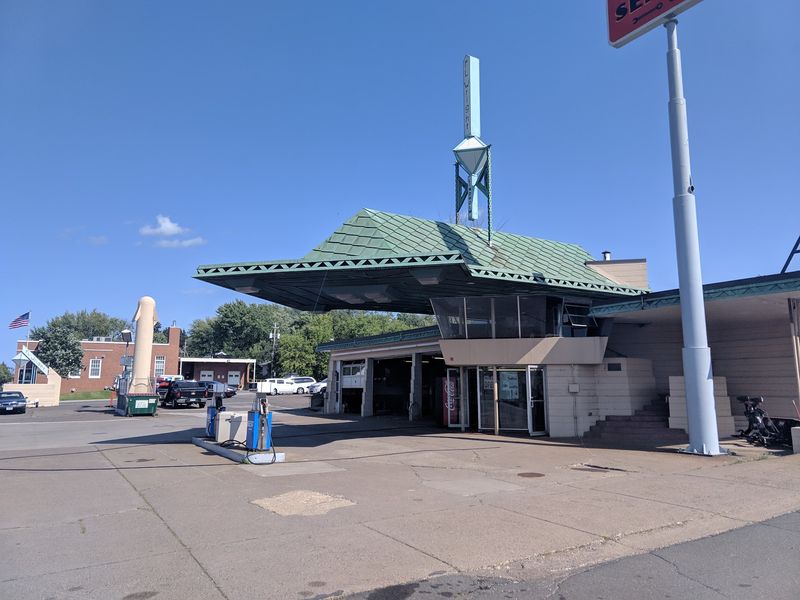
I like a roadside stop that makes you look twice before remembering why it exists. Here, Frank Lloyd Wright’s distinctive design and panoramic canopy give an everyday service station an unexpectedly bold presence.
The building was made for automotive work, not as an architectural exhibit. That distinction still matters: it remains an operating station, so the activity around it is part of the experience rather than a distraction.
Look at how the canopy shapes the space below it and how the exterior changes from different angles. You do not need an architecture degree to notice that someone gave a very ordinary job an extraordinary setting.
Plan your stop during weekday business hours, listed as Monday through Friday, 7:30 a.m. to 5 p.m. The station is closed on weekends, and its practical offerings include diesel, propane exchange, and a restroom.
Keep photographs clear of vehicles and working areas, and avoid treating the property like an open museum. For a northern Minnesota drive, this is a rewarding reminder that useful buildings can carry big ideas without giving up their daily purpose.
Address: 202 Cloquet Ave, Cloquet, MN
2. Prospect Park Water Tower, Minneapolis
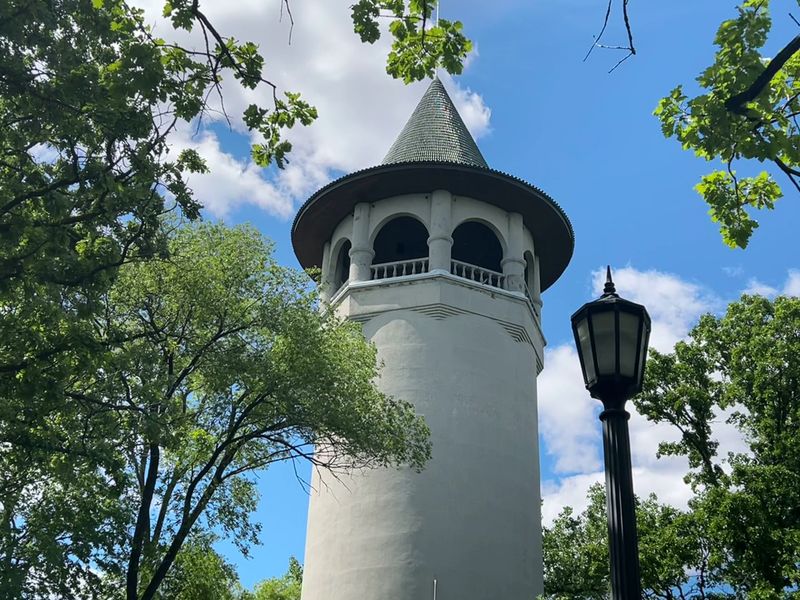
That green pointed roof makes me smile before the skyline even gets my attention. Above a tall white cylinder, it gives this practical water tower the playful outline behind its Witch’s Hat nickname.
Built in 1913, the tower originally helped increase neighborhood water pressure for fighting fires. Its position on the city’s highest natural land area served that purpose long before the hill became a sightseeing stop.
Today, the surrounding park offers space for a picnic and broad views toward the skyline. Sunset is an especially appealing time to settle in and watch the city change color below the hill.
Enjoy the view from the park rather than assuming the tower interior will be accessible. The outdoor setting is the main reason to linger, and the nearby tennis court adds another everyday use to this historic spot.
Street parking is available, but there is no restroom or restaurant. Bring water, pack out your picnic scraps, and give yourself enough daylight to enjoy the hill without rushing. I would save this stop for a quiet pause between busier city attractions.
Address: 55 Malcolm Ave SE, Minneapolis, MN
3. Ear of Corn Water Tower, Rochester
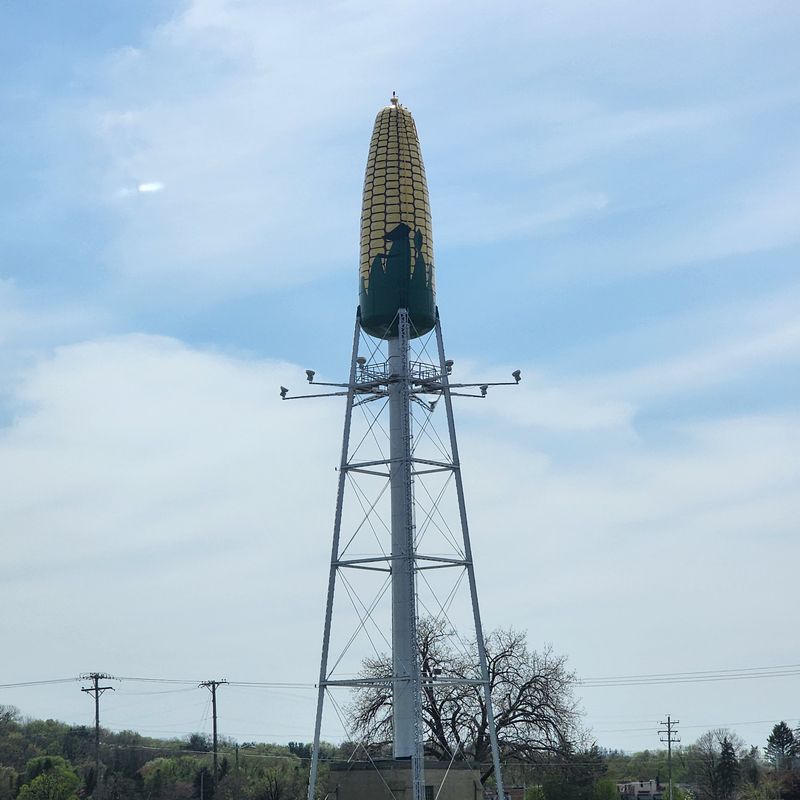
A giant ear of corn is not something I expect to see above a roadside field. Yet the shape makes immediate sense once you learn that this water tower served an adjacent vegetable cannery.
At 151 feet tall, the structure turns a familiar crop into a landmark that is difficult to overlook. Its tank holds 50,000 gallons, giving the playful outline a serious industrial purpose beneath the novelty.
The surroundings keep the experience grounded in everyday life. A busy road, nearby train tracks, and weedy ground make this a quick roadside sight rather than a polished attraction with a long program.
Set aside a few minutes for photographs, and choose a safe viewing position away from traffic and railway property. A wider frame helps show the scale, while a closer composition brings out the unmistakable corn shape.
The landmark is listed as accessible around the clock, but daylight makes viewing and photography simpler. There is no restroom or restaurant, so handle those needs elsewhere. This stop works best as a cheerful break in a longer drive, not an afternoon destination.
Address: 1407 3rd Ave SE, Rochester, MN
4. Mill City Museum, Minneapolis
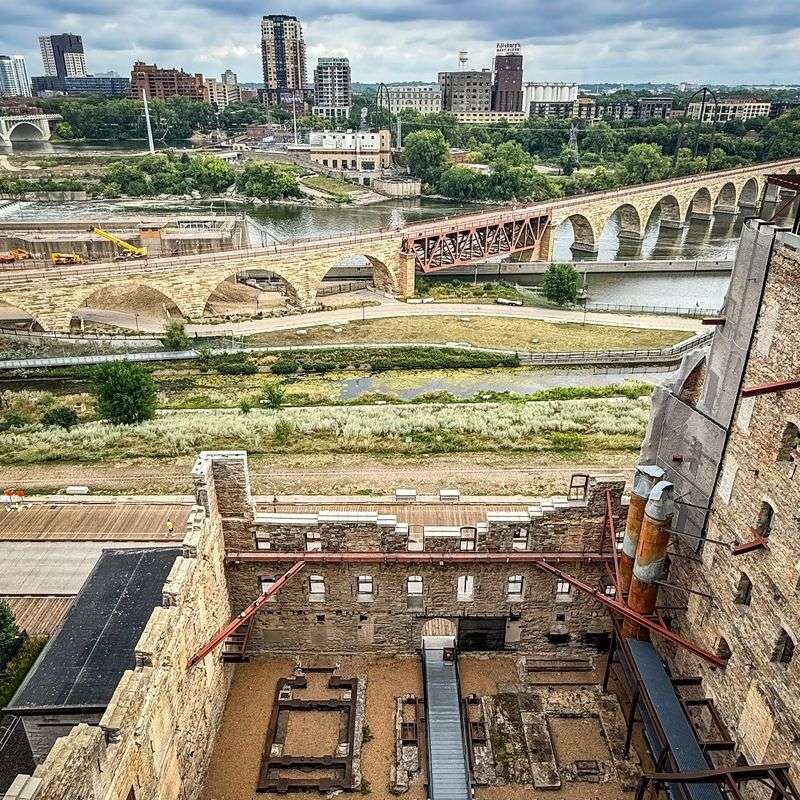
The broken stone shell catches my eye more than a spotless new building ever could. Modern construction sits within the old mill ruins, leaving the industrial past visible instead of smoothing it away.
This was once the Washburn A Mill, built for commercial grain processing. Its story helps explain how flour milling shaped the city and why the Mississippi riverfront became such an important working landscape.
Inside, interactive exhibits, films, and displays connect the machinery to the people and processes behind flour production. The multimedia elevator experience moves through different floors while explaining how wheat became a familiar kitchen ingredient.
Leave time for the observation deck, where river and city views put the history into perspective. After concentrating on equipment and exhibits, looking outward helps connect the building with the landscape that supported its work.
A cafe, restaurant, restrooms, and gift shop make it practical to spend a longer stretch here. Listed hours are Wednesday through Friday, 10 a.m. to 4 p.m., and weekends until 5 p.m.; Monday and Tuesday are closed. Check current schedules before planning your riverfront day.
Address: 704 S 2nd St, Minneapolis, MN
5. Pickwick Mill Inc, Winona
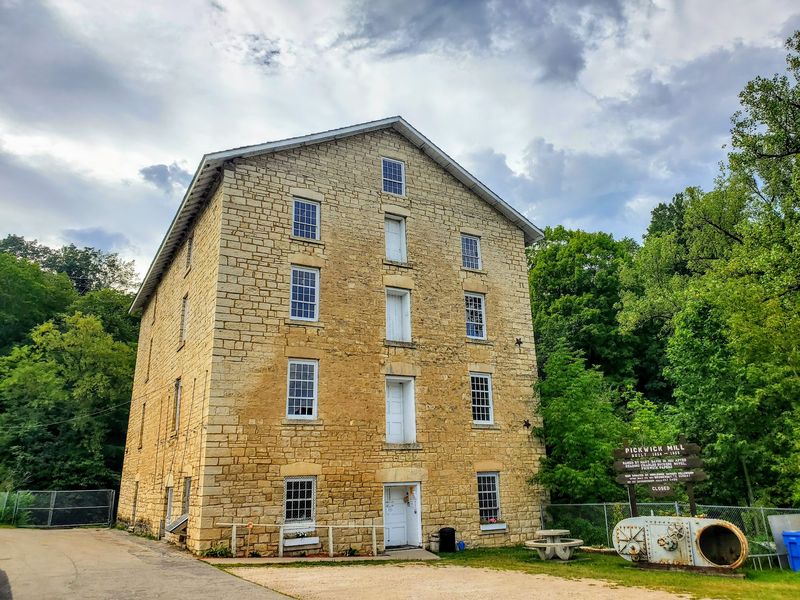
The turning water wheel is the detail I would build this stop around. Seeing movement in an old mill makes its history easier to grasp than simply reading about machinery behind a barrier.
Built during the 1850s for processing grain, the limestone structure rises through six stories. It was a feed and flour mill first, with practical work shaping its size and layout rather than visitor entertainment.
Volunteer-led tours show all six floors and include a video that helps explain the building. The restored wheel can be run during tours, connecting the equipment inside with the power that once kept production moving.
Take your time with the different levels instead of treating the tour as a quick photo stop. A tall working building rewards attention to how its parts fit together, from the wheel to the spaces above.
Listed visiting hours are Wednesday through Sunday, noon to 5 p.m., with Monday and Tuesday closed. A restroom is available, but there is no restaurant, so plan a meal separately. The rural setting makes this a pleasant change of pace from city museums and overlooks.
Address: 24813 County Rd 7, Winona, MN
6. The St. Louis County Depot, Duluth
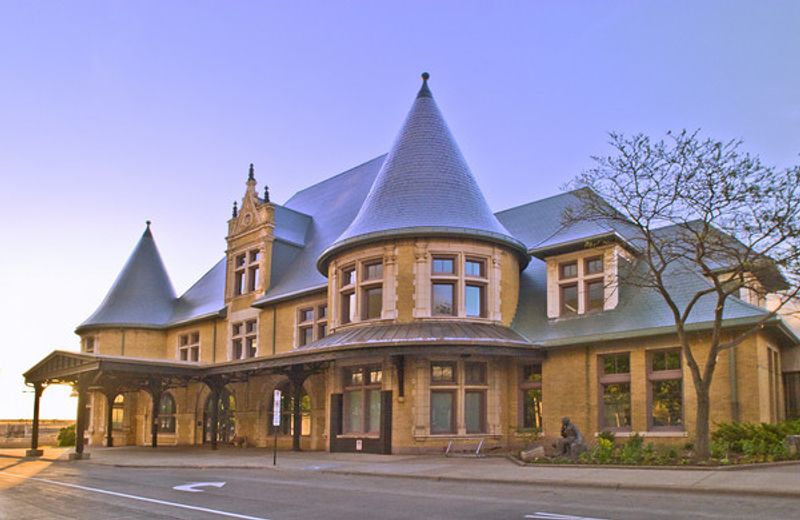
Those historic turrets give a railway stop more drama than I usually expect from a transportation building. The 1892 depot has a French Renaissance design, but its original purpose was straightforward: moving passengers through a busy regional station.
Now the old complex brings together railroad history, art exhibits, and performance spaces. Its change of use preserves the building while giving travelers several reasons to spend time inside rather than simply admire the exterior.
The Lake Superior Railroad Museum is the main draw for train lovers. Historic rolling stock, steam locomotives, videos, and displays make the scale of railway travel feel much more real than a photograph can.
Interactive model train controls add a smaller, playful counterpoint to the full-sized equipment. Some trains can be entered, giving families a closer look at spaces that were designed for actual railway work.
Daily hours are listed as 10 a.m. to 5 p.m. Restrooms, tours, and wireless internet are available, but there is no restaurant. Allow room in your day for both the trains and the building itself; the architecture deserves more than a passing glance.
Address: 506 W Michigan St, Duluth, MN
7. Lake Vermilion-Soudan Underground Mine State Park, Soudan
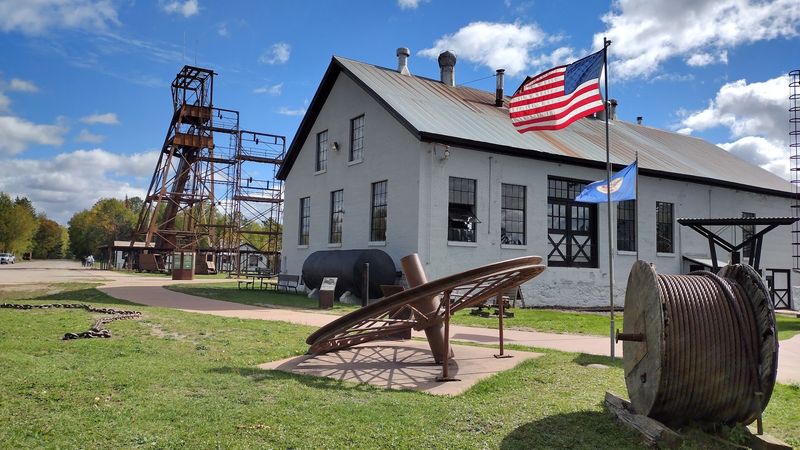
The distance beneath the surface is what holds my attention here. A guided mine tour descends more than 2,000 feet, turning a former industrial workplace into an unusually powerful lesson about where steel begins.
Minnesota’s oldest iron ore mine anchors the complex, with its headframe and surface grounds preserving the practical side of extraction. These structures were built to support hard underground work, not to decorate a vacation route.
The descent takes about two and a half minutes to reach level 27. An underground train then carries the tour through mine shafts toward the last section that remained in operation.
Expect chilly, damp conditions, and bring a layer even when the weather above ground feels warm. Check current tour availability before setting out, since general park hours do not guarantee an underground departure whenever you arrive.
Above ground, trails, picnic tables, and public restrooms offer a gentler way to continue the visit. The park’s listed daily hours are 7 a.m. to 10 p.m. Balance the mine experience with time outdoors, where the northern landscape gives the industrial history a much wider setting.
Address: 1302 McKinley Park Rd, Soudan, MN
8. Split Rock Lighthouse, Two Harbors
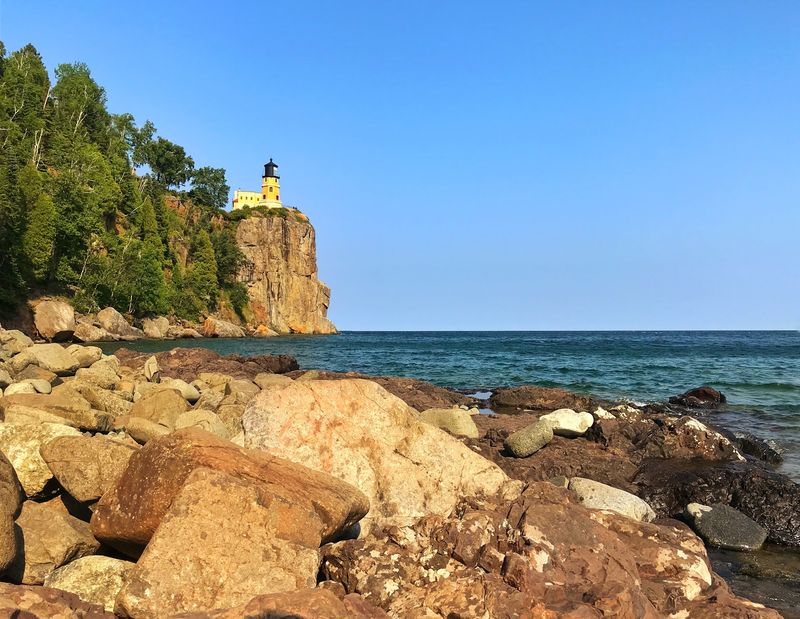
My first instinct here is to look from the shoreline before studying the buildings up close. The octagonal brick tower above the cliff makes its purpose clear: it needed to be seen across a demanding stretch of water.
Built in 1910, the lighthouse followed the devastating 1905 Mataafa Storm, which wrecked or damaged nearly 30 ships. Its beauty grew out of a serious need to help Great Lakes shipping travel more safely.
The tower, fog signal building, and keeper’s home give that history a physical shape. Guided tours introduce the site, while displays and a short museum film explain why the lighthouse was needed.
Views across Lake Superior add another reason to slow down. Shoreline photographs show the relationship between the cliff and tower especially well, rather than isolating the building from the water it once guarded.
Listed hours are daily from 10 a.m. to 6 p.m., and guided tours can be booked ahead. Restrooms and a gift shop are available, but there is no restaurant. Check current arrangements before traveling, and leave time for both the history and the lake views.
Address: 3713 Split Rock Lighthouse Rd, Two Harbors, MN
9. Foshay Museum and Observation Deck, Minneapolis
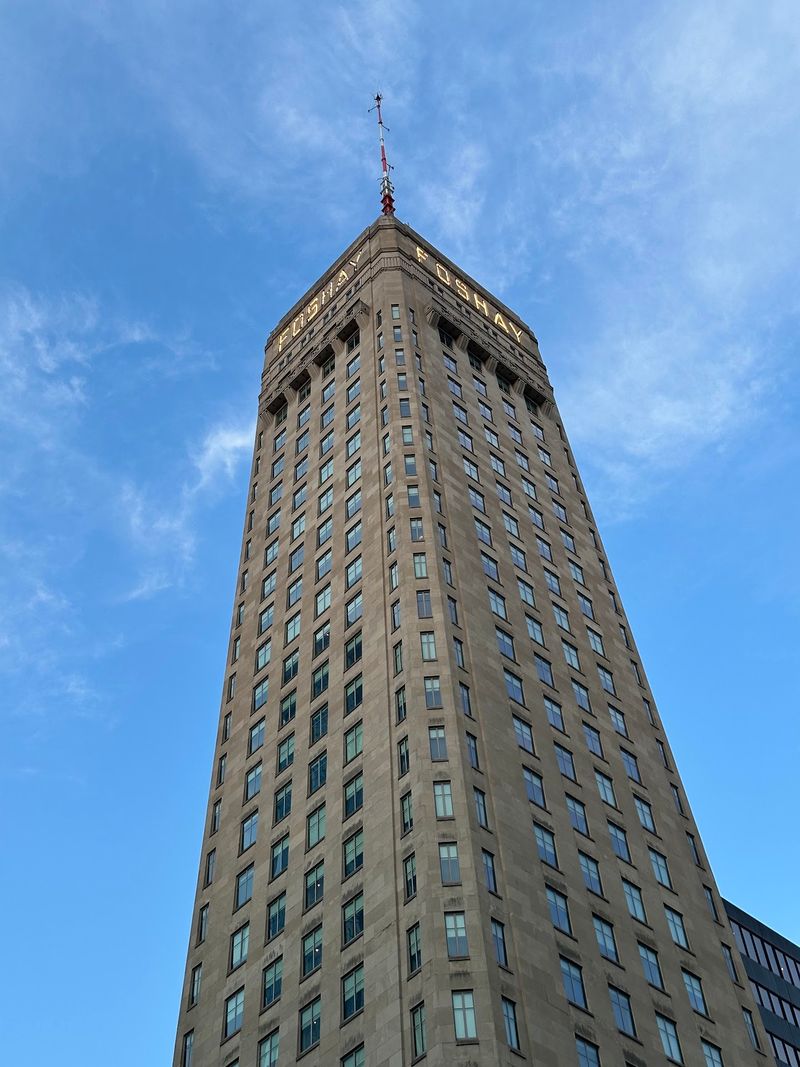
I enjoy a skyline view more when the building beneath my feet has its own strong personality. This tapered tower, shaped after the Washington Monument, offers exactly that combination of unusual design and city perspective.
Completed in 1929, it began as an office tower and corporate headquarters. Although the original building had a business purpose, its distinctive outline makes it stand apart from the surrounding downtown architecture.
The museum on the 30th floor adds context through historic photographs and artifacts. Spend a little time there before heading higher; understanding the tower’s past gives the view something more than height alone.
A short flight of stairs leads to the open-air observation deck on the 31st floor. Its viewing platform wraps around for 360-degree perspectives, with nearby skyscrapers providing plenty of details to pick out.
Clear weather makes the visit especially rewarding, so check the forecast before choosing your moment. Consider the stairs when planning for your group, and save enough time to look in every direction without rushing your photographs.
Address: 821 S Marquette Ave, Minneapolis, MN
10. Fergus Falls Regional Treatment Center, Fergus Falls
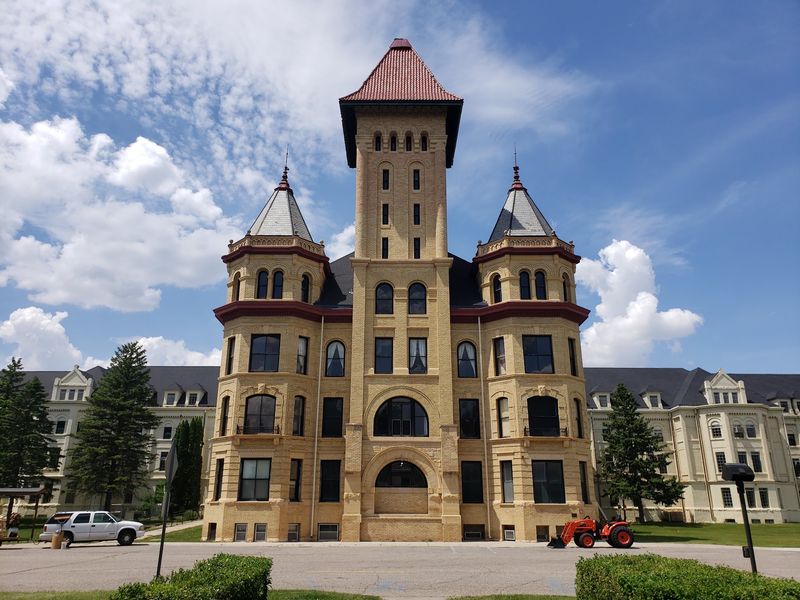
A hospital that looks like a castle is hard to pass without a second glance. Built for mental health care, the former Fergus Falls State Hospital has a tall central tower and long wings arranged in the Kirkbride style.
Its grand exterior draws photographers today, but the site’s medical history deserves respect rather than ghost stories.
Before visiting, check current city guidance about public access and any available tours. Stay outside fenced areas, and never enter closed buildings. From permitted viewpoints, you can appreciate the scale while remembering that real patients and workers once spent their days within these walls.
The architecture itself tells a story about how treatment was once imagined, with light and space treated as part of the cure. That context makes the building more than just a photogenic backdrop. It’s a place where history asks to be handled with care.
Approach it with curiosity and respect, and the visit stays with you long after you leave.
Location: Cottage Dr, Fergus Falls, MN 56537.
11. Pillsbury A Mill, Minneapolis
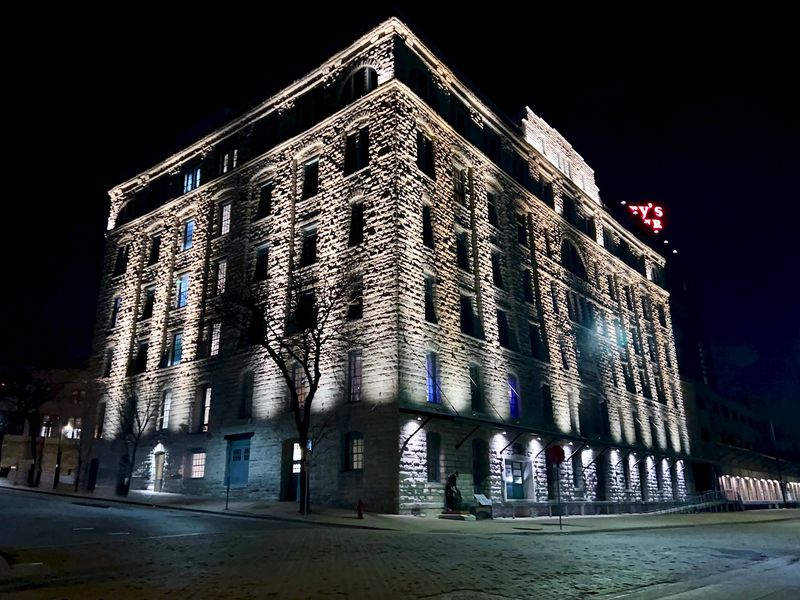
Few apartment buildings can claim they once helped feed a nation. Completed in 1881, Pillsbury A Mill used power from the Mississippi River to grind flour on a massive scale.
The sturdy stone walls were built for industry, not sightseeing. Today, the former mill houses artists, giving its working spaces a very different purpose.
I would pair an exterior look with a walk along nearby Main Street, where river views help explain why mills gathered here. Remember that people live inside, so avoid private entrances. Check for public events if you want a closer look at its creative second chapter.
The building’s silhouette still dominates the riverfront, a reminder of an era when Minneapolis milled more flour than any other city in the country. Standing beside it, you can almost hear the old machinery rumbling through the stone.
It’s a rare example of industrial heritage finding new life without losing its character. History and creativity share the same walls here. That blend makes it one of the more quietly fascinating stops in the city.
Location: 301 SE Main St, Minneapolis, MN 55414.
