Moving away from a place you love is never an easy decision. But when property taxes keep climbing year after year, some families feel like they have no choice left.
Small towns across Minnesota are watching their neighbors pack up and leave. Not because they want to go, but because staying has become too expensive.
The numbers are startling. Record high property taxes are pushing out young families, retired couples, and everyone in between.
One long time resident told me their tax bill has nearly doubled in just a few years. Another person said they are moving to a neighboring state where their money goes further.
The saddest part is that these towns are charming. Quiet streets, good schools, friendly waves from the porch.
Everything you would want in a community except the affordability piece. Minnesota has always been proud of its quality of life, but that promise feels shaky when people cannot keep their homes.
Local leaders are scrambling for solutions while residents pack boxes in the driveway. Until something changes, more “for sale” signs will keep appearing on once happy streets.
1. Fertile, Minnesota
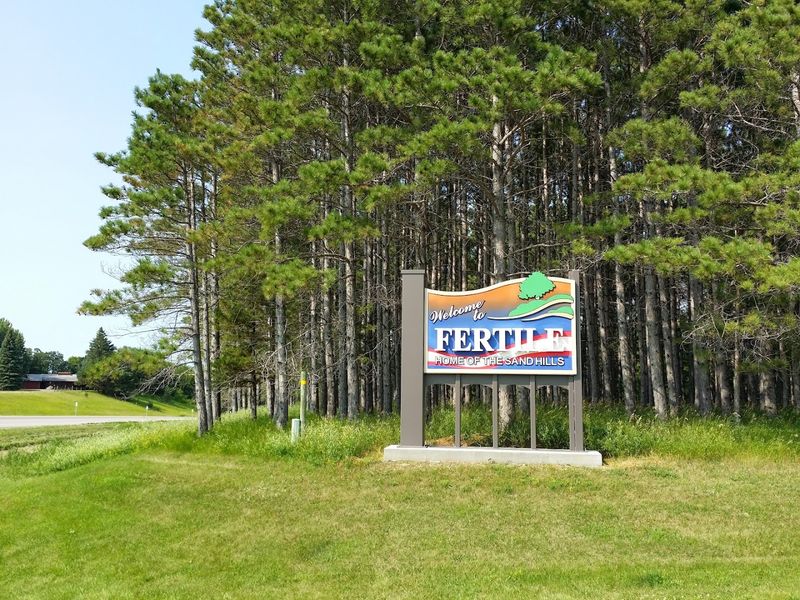
A town called Fertile should be growing, not shrinking. Sadly, that is exactly what is happening in this small Norman County community in northwestern Minnesota.
Property tax bills in Fertile have surged significantly over the past few years. Long-time homeowners report increases of 20 to 30 percent in a single assessment cycle.
For retirees living on fixed incomes, that kind of jump is simply not manageable.
The town sits in a largely agricultural region, where land values have shifted due to rising farm commodity prices. When farm valuations go up, residential properties often follow.
Many residents feel the increases do not reflect the actual services they receive.
Local businesses have also taken a hit. When residents leave, foot traffic drops, and small shops struggle to stay open.
A shrinking customer base makes it harder for any new business to consider setting up in town.
Community leaders have tried to appeal to the county board for reassessment reviews, but progress has been slow. Residents say the process feels frustrating and disconnected from their everyday reality.
What makes Fertile particularly interesting is its tight-knit culture. Neighbors have known each other for decades, and leaving feels like a personal loss, not just a financial decision.
Many who do move away describe feeling guilty about it.
2. Breckenridge, Minnesota
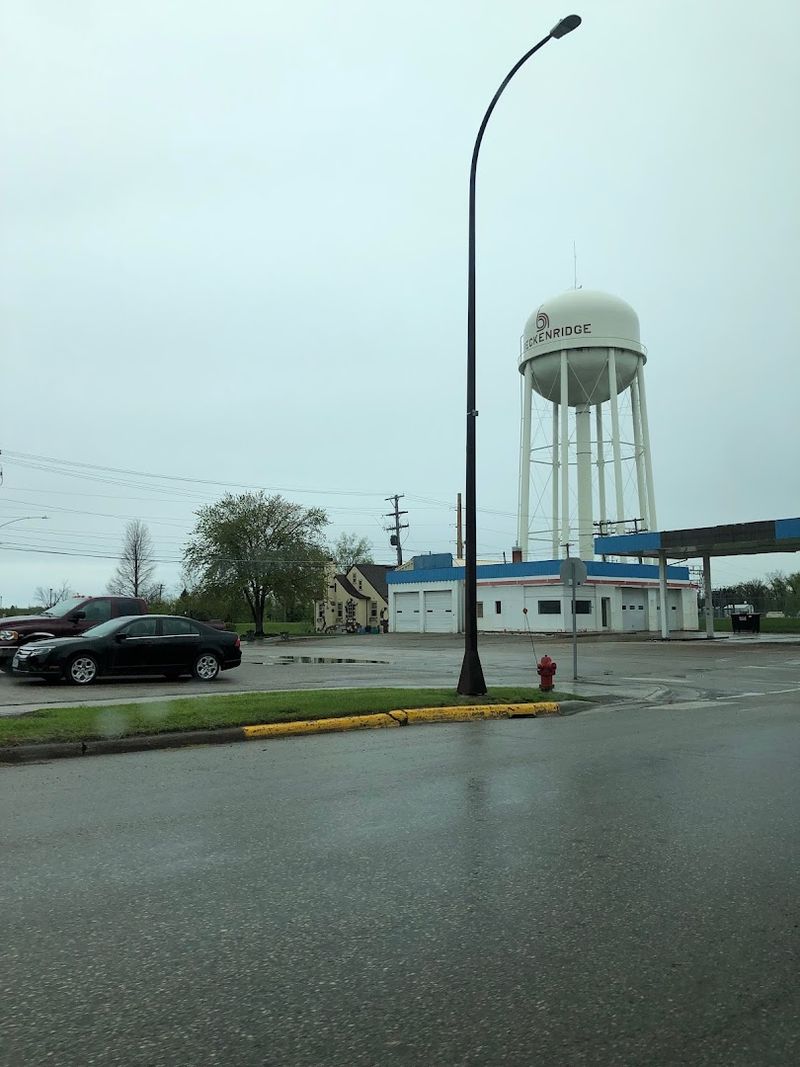
Sitting right on the North Dakota border along the Wilkin County line, Breckenridge has always had a certain border-town charm. But charm does not pay property tax bills, and residents here are feeling that reality hard.
Over the past three years, assessed home values in Breckenridge have climbed faster than local wages. The result is a growing gap between what people earn and what they owe each year just to keep their homes.
Many younger families have started looking across the river into North Dakota, where property tax structures can be more favorable. The irony is not lost on longtime residents who never imagined leaving their Minnesota roots behind.
Breckenridge has a population of roughly 3,000 people, and that number has been trending downward. Schools have noticed declining enrollment, which triggers funding cuts, which then affects the quality of local education.
It becomes a difficult cycle to reverse.
The town does have a solid community foundation. The local fair, seasonal events along the Red River, and a genuine small-town spirit keep people emotionally connected.
But emotion only goes so far when the tax bill arrives.
3. Bagley, Minnesota
Property tax conversations in rural Minnesota often start and end with one word: farmland. In Bagley, the seat of Clearwater County in the state’s northwest, rising agricultural land values have created a ripple effect that is hitting residential homeowners hard.
When surrounding farmland is assessed at higher values, county budgets recalibrate. That recalibration does not always work in favor of the people living in town.
Bagley homeowners have seen their annual tax obligations increase at a pace that feels disconnected from any improvement in local services.
The town has a population of just over 1,300 people, and that number has been quietly shrinking. For a community this size, even the loss of 50 or 60 households has a noticeable impact on schools, local businesses, and the general energy of the place.
One thing that stands out about Bagley is how much residents genuinely love the area. The nearby Clearwater River, the forests, and the peaceful pace of life make it a place people want to stay.
The tax situation feels like an external force working against that desire.
Local leaders have pushed for more transparency in the county assessment process. Some residents have had success appealing individual assessments, but the appeals process is time-consuming and not always accessible to everyone.
4. Crookston, Minnesota

Crookston sits in the Red River Valley in Polk County, and it carries the weight of a town that has been navigating economic headwinds for years. The University of Minnesota Crookston provides some stability, but even that anchor has not been enough to stop a concerning population trend.
Property taxes in Crookston have become a hot-button issue. Residents point to assessments that seem to rise regardless of whether the local economy is doing well or struggling.
That consistency in the wrong direction frustrates homeowners who feel they have little recourse.
The town has a population of around 7,500, but that figure has been declining. Families moving away often cite a combination of limited job growth and rising housing costs, with property taxes being a major driver of the latter.
What makes Crookston’s situation particularly layered is the presence of the university. You might expect a college town to attract young people and keep the population stable.
But many students leave after graduation, and the tax burden discourages them from returning to put down roots.
Local officials have been working with state representatives to explore tax relief programs for lower-income homeowners. Progress has been made, but advocates say it does not go nearly far enough for middle-income families who do not qualify for targeted assistance.
5. Pelican Rapids, Minnesota
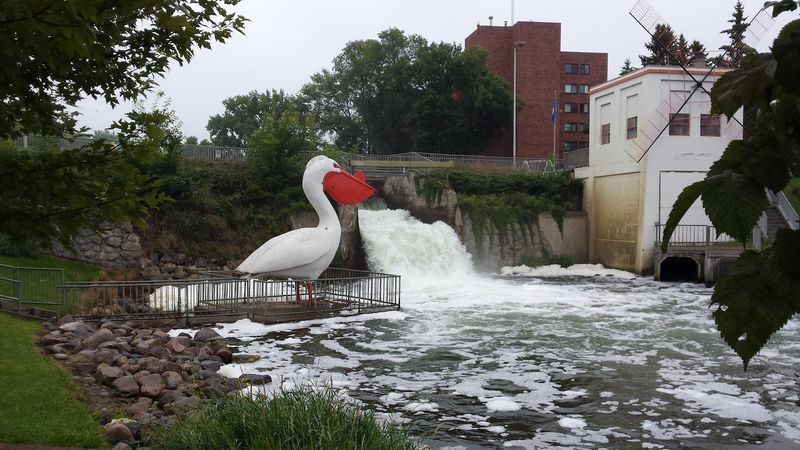
You would not expect a town surrounded by lakes to have trouble keeping residents. Pelican Rapids in Otter Tail County is genuinely beautiful, and yet property tax pressures are pushing people out of this lakeside community at a troubling rate.
The problem is partly a victim of the town’s own appeal. As lake properties have become more desirable statewide, valuations in the area have climbed sharply.
That benefits sellers but creates serious hardship for long-term residents who have no intention of selling.
Many of the people most affected are working-class families and retirees who moved to Pelican Rapids decades ago precisely because it was affordable. The affordability that drew them in is now disappearing, driven by market forces they had no hand in creating.
The town has a notable diversity story as well. Over the past 30 years, Pelican Rapids became home to a significant immigrant and refugee population, adding cultural richness to the community.
These newer residents often face the steepest challenges when tax bills rise unexpectedly.
Community organizations have stepped in to help residents navigate the appeals process and connect with available assistance programs. But the need is outpacing the resources available to meet it.
Pelican Rapids has a population of around 2,500, and local leaders are watching the numbers carefully.
6. Warroad, Minnesota
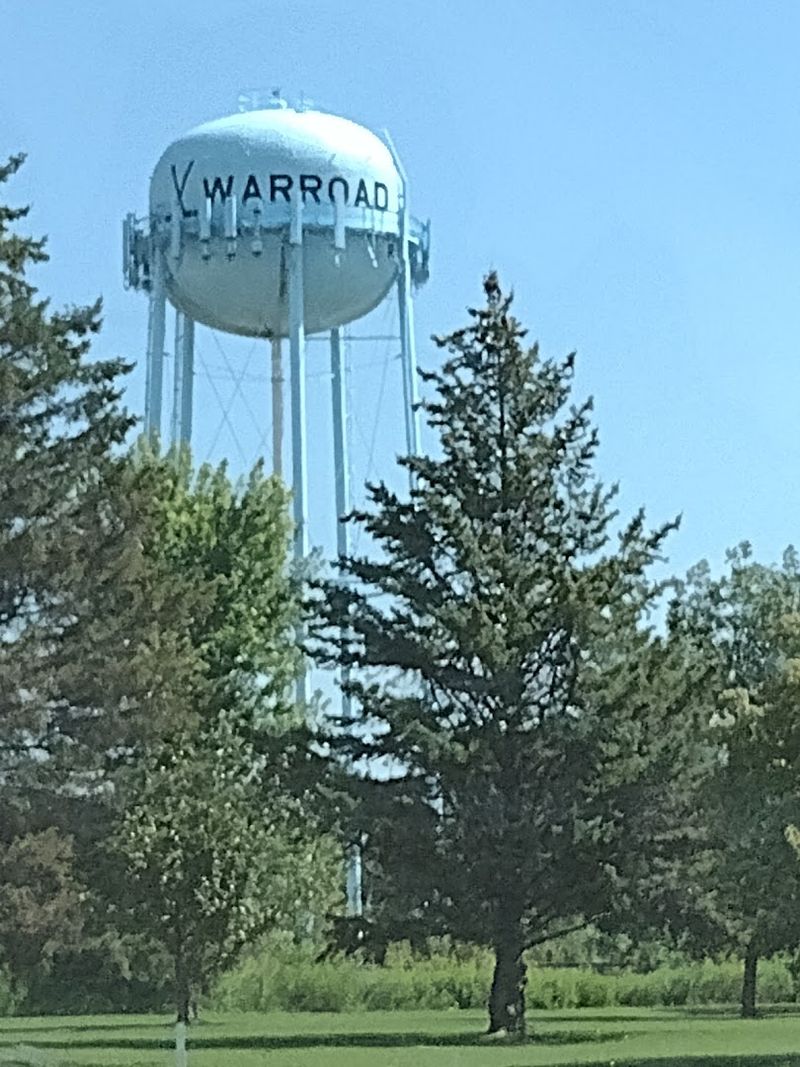
Few places in Minnesota feel as genuinely remote as Warroad, a small town in Roseau County near the Canadian border and the vast shores of Lake of the Woods. Its isolation has always been part of its identity.
But that same isolation makes rising property taxes especially punishing.
When costs go up in a remote community, residents have fewer options for offsetting those costs. There is no nearby city offering higher-paying jobs within a reasonable commute.
Warroad’s economy depends heavily on a few key employers, and when household budgets tighten, the options are limited.
The town has a strong hockey culture and a proud manufacturing history, anchored in part by Marvin Windows, a major local employer. That industrial presence has helped stabilize the community, but it cannot fully counteract the pressure of rising residential assessments.
Warroad’s population sits around 1,800 people. Losing even a small number of families has an outsized effect on a community this size.
Schools, churches, and local organizations all feel the ripple effects quickly.
What is striking about Warroad is how deeply people are attached to it. The fishing culture, the tight community bonds, and the raw northern beauty of the area create a powerful sense of place.
Leaving is not a decision anyone makes lightly.
7. Eveleth, Minnesota
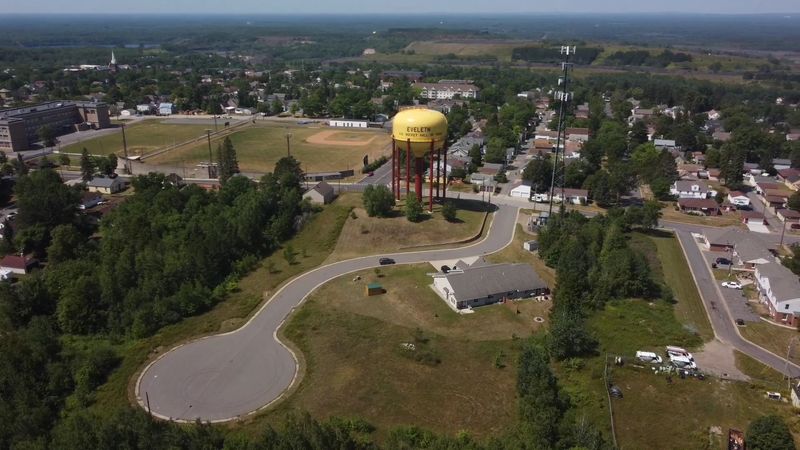
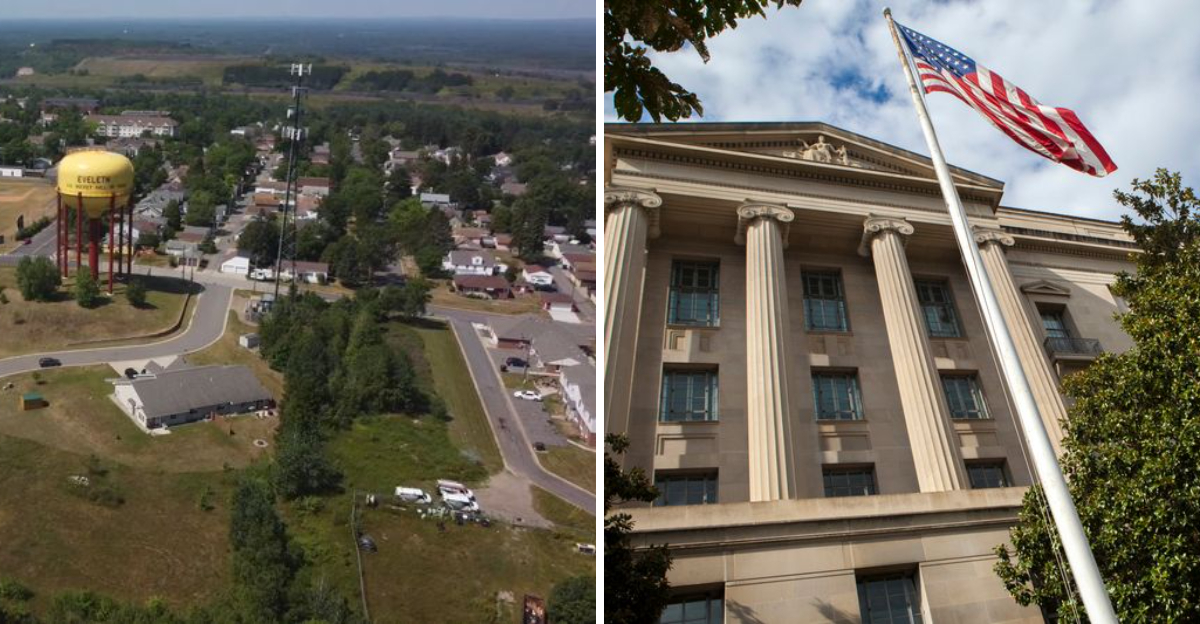
Iron Range towns carry a proud, hardworking identity, and Eveleth is no exception. Known as the birthplace of the U.S.
Hockey Hall of Fame, this St. Louis County town has long punched above its weight culturally. But cultural pride does not offset a property tax bill that keeps rising.
Eveleth has faced a double challenge. As the mining industry has fluctuated, the local tax base has shifted.
When large industrial properties change in value, municipalities often compensate by leaning harder on residential property owners.
The result has been a steady stream of departures, particularly among younger residents. Many are moving to Duluth or the Twin Cities, where job opportunities are stronger and the overall cost-of-living math feels more balanced.
Older residents who own their homes outright are also struggling. A paid-off mortgage does not protect you from a tax bill that climbs year after year.
Some seniors have been forced to sell homes they lived in for 40 or 50 years.
The town’s population has dropped from a peak of over 5,000 to well under 3,500 in recent decades. Tax pressure is not the only factor, but it consistently ranks near the top of reasons people give when they leave.
8. Mora, Minnesota
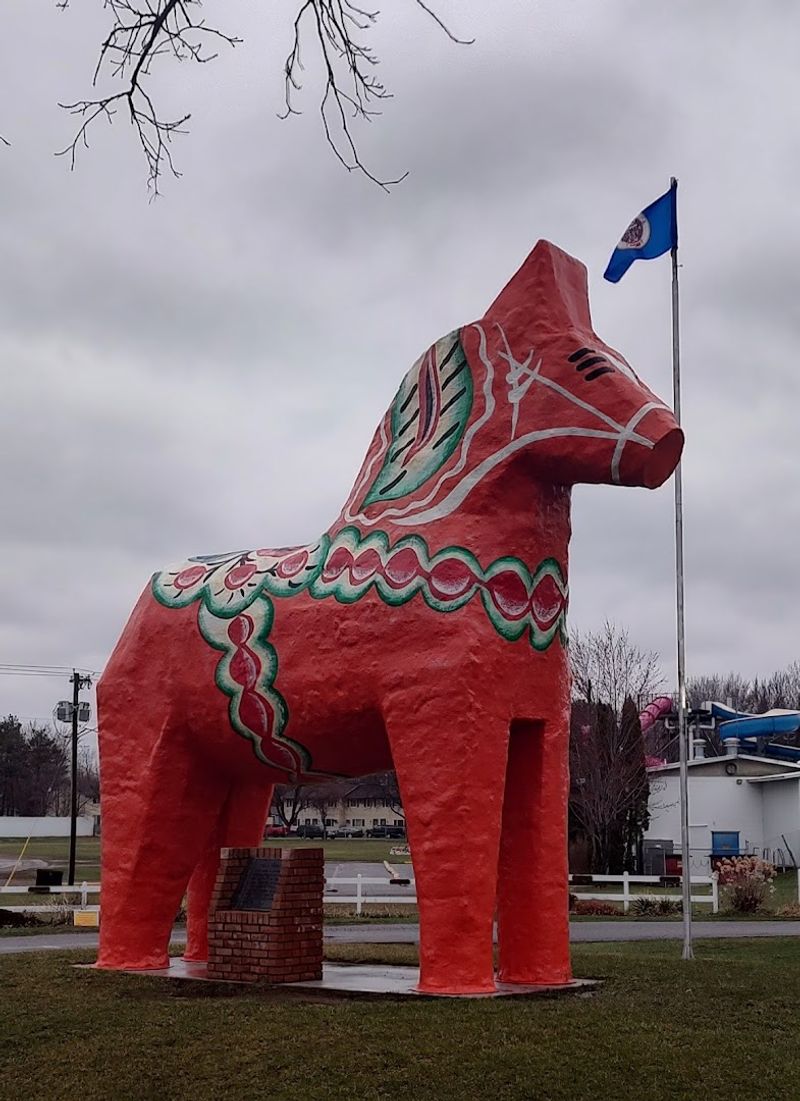
Mora, the seat of Kanabec County in east-central Minnesota, has a fun Scandinavian identity complete with a giant replica of a Dala horse at the city entrance. But behind the colorful cultural branding, a serious property tax story is unfolding that is anything but festive.
Kanabec County has seen property assessments rise substantially as rural land values have climbed across the region. For Mora homeowners, that has translated into tax bills that are growing faster than local incomes.
The disconnect is creating real financial strain for ordinary families.
The town has a population of around 3,500 and serves as a regional service center for surrounding rural communities. That role gives it some economic resilience, but it also means the town must maintain infrastructure and services for a broader area, adding to the cost burden passed on to local taxpayers.
Young families in Mora are particularly vocal about the issue. Many moved to the area seeking affordable small-town living within driving distance of the Twin Cities metro.
Rising property taxes are eroding that value proposition faster than they expected.
There is also a generational dimension to the story. Older homeowners who have lived in Mora for decades are watching their tax bills approach levels that feel unsustainable on retirement income.
Some are choosing to move closer to family in other states rather than fight the system.
9. Appleton, Minnesota
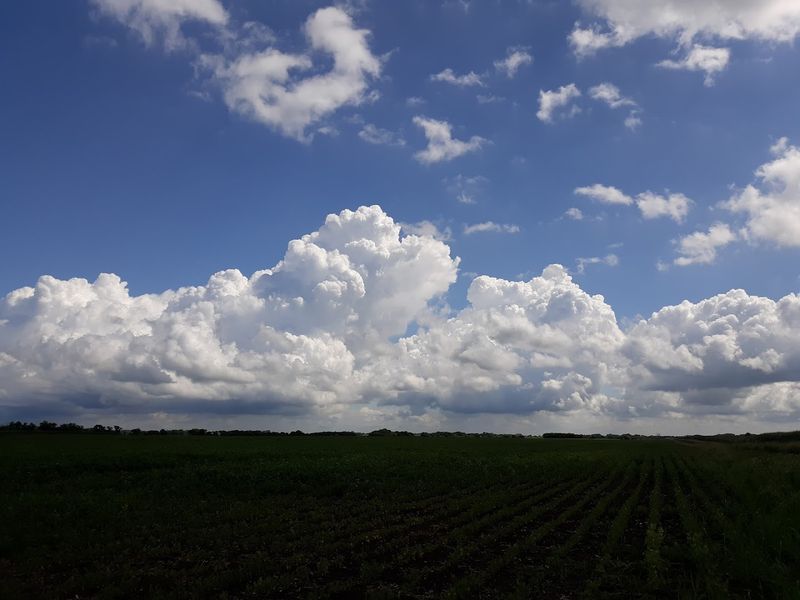
Appleton is a small Swift County town in west-central Minnesota, and it has been dealing with population loss for years. Property taxes have become one of the most frequently cited reasons residents give when explaining why they chose to leave.
The town’s population has fallen to around 900 people, a number that represents a significant decline from earlier decades. At this scale, every household that leaves matters.
A single family moving away can mean one fewer business customer, one fewer child in the school, one fewer volunteer at the fire station.
Swift County has a largely agricultural economy, and land valuations have climbed with commodity markets. Residential property owners in Appleton often feel they are absorbing cost increases driven by factors completely outside their control.
What makes Appleton’s situation particularly poignant is the visible evidence of departure. Vacant homes on residential streets, empty storefronts downtown, and a school system that has had to make painful cuts all tell the story plainly.
The town is not hiding its struggles.
Local officials have been candid about the challenges. They have pursued grants, explored regional partnerships, and advocated for state-level property tax reform.
But the pace of change at the policy level rarely matches the urgency felt on the ground.
10. Baudette, Minnesota
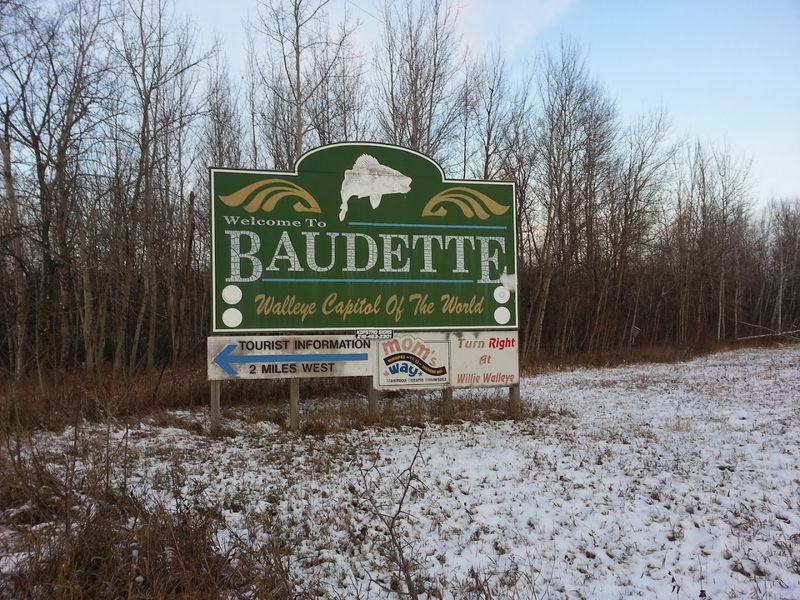
All the way up in Lake of the Woods County, Baudette sits near the Rainy River on the Canadian border. It is one of the most remote county seats in Minnesota, and that remoteness shapes everything about how residents experience rising property taxes.
When you live this far from a major city, your options are genuinely limited. There is no metro area nearby offering better wages to offset higher housing costs.
What you earn in Baudette is largely what you spend in Baudette, and rising tax bills cut directly into that local economic loop.
The town has a population of around 1,000 people, making it one of the smaller county seats in the state. Lake of the Woods County itself is sparsely populated, which means the cost of maintaining county services is spread across a very small tax base.
That reality drives rates higher for everyone.
Fishing and tourism are economic lifelines for Baudette. Lake of the Woods is world-renowned for its walleye fishing, drawing visitors from across North America.
But seasonal tourism income does not always translate into year-round economic stability for local residents.
Property owners near the lake face particularly steep assessments tied to waterfront valuations. For families who have owned cabins or homes near the water for generations, the tax increases feel like being priced out of their own heritage.
