The numbers on the tax bill keep climbing, and for many families, that annual envelope is no longer just a nuisance. It has become the final nudge toward the moving van, a quiet warning that the cost of staying home is now too high.
Statewide, property taxes are set to increase significantly, with city taxes rising nearly 8% over last year. This is not just a rural problem, it is a crisis of affordability that is forcing families out of communities across Minnesota.
When housing costs and taxes both climb, the math for a middle class family stops adding up. Seniors on fixed incomes are being priced out of homes they have owned for decades.
Young families are finding homeownership locked behind an impossible paywall. The problem is so widespread that nearly 100 mayors have formally warned the legislature about a potential fiscal crisis.
Rising operational costs and a shrinking tax base are forcing difficult budget decisions that further strain residents. In Minnesota, the promise of a stable life is being quietly eroded.
It is a struggle that feels increasingly unsustainable for too many families.
1. Fertile, Minnesota
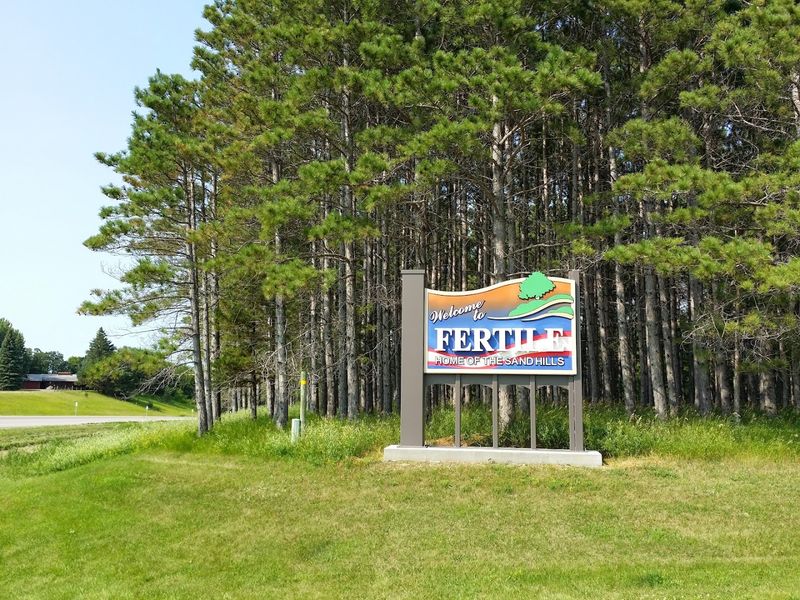
Long before the term “housing crisis” became a buzzword, Fertile was already feeling the squeeze. This Norman County community in northwestern Minnesota has seen property tax bills surge by 20 to 30 percent within a single assessment cycle.
That kind of jump is hard for anyone to absorb. For retirees living on fixed incomes, it can feel like the ground shifting beneath their feet. Many of these homeowners have lived in Fertile for decades and built their lives around modest, predictable budgets.
Rising farm commodity prices have pushed agricultural land valuations higher across the region. When farmland values climb, residential assessments tend to follow right along. Even when the homes themselves have not changed at all.
Residents are frustrated because the increased tax bills rarely come with noticeable improvements to local roads, services, or infrastructure. The math simply does not feel fair to people who have invested their lives in this community.
Younger families are quietly weighing their options, and some have already left for cities where wages are higher. Fertile deserves better than a slow, tax-driven departure of the very people who give it life.
2. Breckenridge, Minnesota
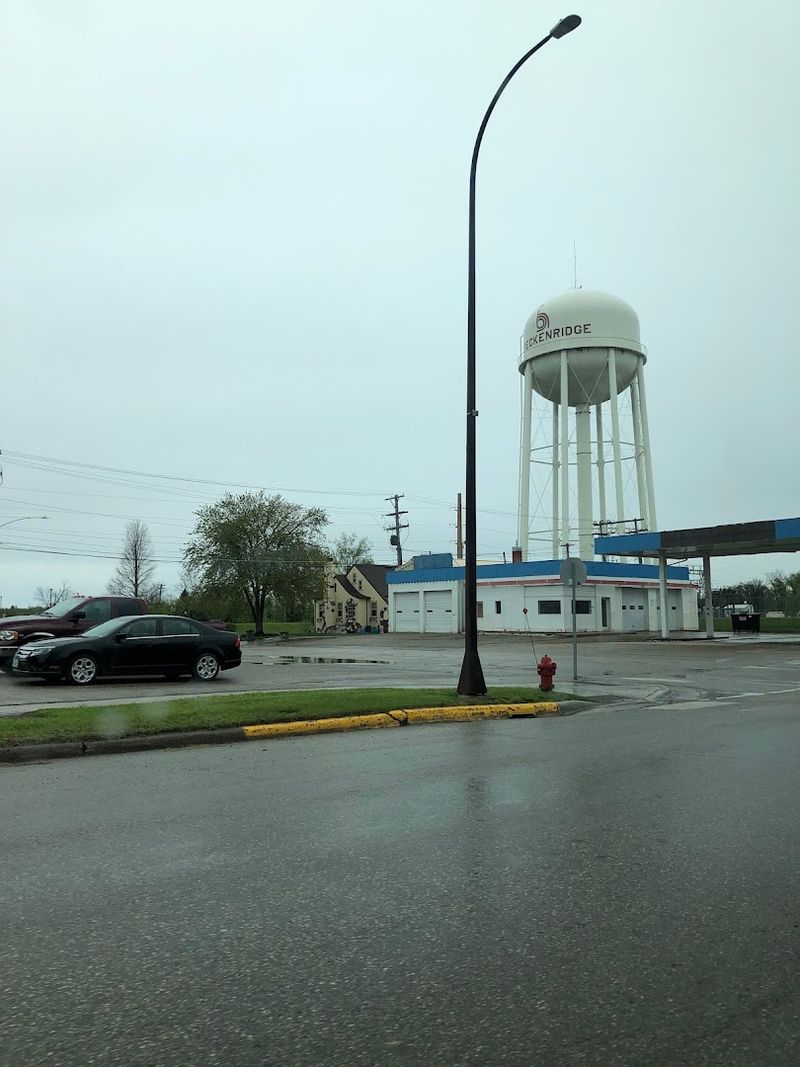
Breckenridge has roughly 3,000 residents who are caught in a frustrating financial gap. Assessed home values here have been climbing faster than local wages for the past three years running.
That gap between what people earn and what they owe just to keep their homes is growing wider every year. Young families in particular are starting to look across the river into North Dakota. There property tax structures can sometimes work in a homeowner’s favor.
Schools in Breckenridge have already begun noticing declining enrollment numbers. Fewer students mean reduced state funding. That affects classroom quality, extracurricular programs, and the overall experience for kids who remain.
The cycle is a painful one to watch unfold. Families leave because costs are too high, and as families leave, the community loses the tax base and the energy needed to keep local services running well.
Breckenridge has a lot going for it, including its river setting and close-knit character. But good character alone cannot offset a tax bill that outpaces what the local economy can reasonably support for working households.
3. Bagley, Minnesota

The seat of Clearwater County sits quietly in northwestern Minnesota, home to just over 1,300 people, and that number has been shrinking for years. Bagley may not make many headlines, but the tax pressures building here are as real as anywhere else on this list.
Rising agricultural land values have created a ripple effect that hits residential homeowners hard and fast. When surrounding farmland gets assessed at higher values, county budgets shift. Those shifts do not always work in favor of the people actually living in town.
Bagley homeowners have watched their annual tax obligations grow at a pace that feels completely disconnected from any visible improvement in roads, parks, or public services. That disconnect breeds frustration, and frustration eventually turns into moving boxes.
The town’s small size means every household matters enormously. Losing a family is not just a statistic here. It is a visible absence that changes the texture of daily life for everyone who stays.
Community members who remain are some of the most resilient people you will ever meet. But resilience can only carry a household so far when the tax bill keeps climbing and the paycheck stays flat.
4. Crookston, Minnesota

Crookston is a Red River Valley town with a university, a proud history, and a property tax problem that has residents talking. Home to the University of Minnesota Crookston, this community of around 7,500 people has been watching its population trend in the wrong direction.
Assessments here seem to rise regardless of whether the local economy is doing well or struggling. That consistency frustrates homeowners who feel their tax burden is not tied to any real-world logic. Families moving away frequently mention the combination of limited job growth and climbing housing costs.
Property taxes are not the only factor, but they are often the final straw. Many students graduate from the university and then choose not to return to put down roots. Partly because the cost of homeownership in the area feels too unpredictable.
A town cannot grow when the people who should be building their futures there keep choosing somewhere else instead. Crookston has real strengths, including its university community and agricultural heritage.
The challenge now is making sure those strengths are not quietly undermined by tax bills that make staying feel financially reckless for young and older residents alike.
5. Pelican Rapids, Minnesota

Being desirable is not always a blessing, and Pelican Rapids is learning that lesson the hard way. This lakeside Otter Tail County community of roughly 2,500 people is being squeezed by its own appeal as lake properties across Minnesota have surged in value.
Higher valuations benefit sellers, but they create serious hardship for long-term residents who have no intention of leaving. These are people who built their lives here long before the lake property market became so competitive.
Pelican Rapids has a notably diverse population, including a significant immigrant and refugee community. That has added real cultural richness to this small town over the years. These newer residents often face the steepest challenges when tax bills rise unexpectedly, because they have fewer financial reserves to draw from.
Community organizations have stepped in to help where they can, but the need is clearly outpacing the resources available. Good intentions and community programs cannot fully replace the structural relief that would come from more equitable assessment practices.
The town’s lake setting, cultural diversity, and community spirit make it genuinely special. Watching families get priced out of a place this vibrant is a loss that goes far beyond any dollar amount on a tax statement.
6. Warroad, Minnesota

Few places in Minnesota feel quite as remote as Warroad, a Roseau County town of roughly 1,800 people sitting just a short distance from the Canadian border. That isolation is part of its charm, but it also makes rising property taxes especially punishing for residents who have limited options.
In a remote community, when costs go up, there is no nearby city offering higher-paying jobs within a reasonable daily commute. The choices are stark: absorb the increase, cut elsewhere in the household budget, or leave.
Warroad’s economy leans heavily on a small number of key employers, with Marvin Windows being one of the most significant. When household budgets tighten, the ripple effects move quickly through a community this interconnected.
Losing even a handful of families has an outsized impact on a town this size. Empty houses, fewer kids in school, and reduced local spending all follow from what might seem like a small number of departures.
Warroad has survived tough winters and economic downturns with stubborn northern Minnesota determination. The question now is whether that determination is enough to hold a community together when the tax burden keeps rising faster than the local economy can match.
7. Eveleth, Minnesota
Eveleth carries a genuinely cool piece of American sports history as the birthplace of the U.S. Hockey Hall of Fame, and that legacy draws visitors from across the country.
But beneath the pride, this St. Louis County Iron Range community is dealing with a financial pressure that no trophy can fix.
As the mining industry has fluctuated over the years, the local tax base has shifted in ways that have not been kind to ordinary homeowners. When large industrial properties change in assessed value, municipalities often compensate by placing a heavier burden on residential property owners to make up the difference.
Younger residents have been leaving at a steady pace, many heading to Duluth or the Twin Cities where job markets are broader and wages are higher. The ones who stay are often older homeowners who have paid off their mortgages but now face climbing annual tax bills with no relief in sight.
A paid-off mortgage is supposed to feel like security. In Eveleth, that security is being quietly eroded by assessments that keep moving upward regardless of what is happening to household incomes.
The town’s hockey heritage is worth preserving, but so are the families whose roots run just as deep as any Hall of Fame inductee’s love for the game.
8. Mora, Minnesota

Mora sits at the heart of Kanabec County in east-central Minnesota, about 70 miles north of the Twin Cities, with a population of around 3,500 people. Its position made it an attractive option for families seeking affordable small-town living within driving distance of the metro area.
That value proposition has been eroding faster than many residents expected. Kanabec County property assessments have risen substantially as rural land values have climbed across the broader region, pushing tax bills higher for homeowners who moved here specifically to escape the high costs of city living.
Young families who made the leap to Mora are now watching their savings plans get quietly derailed by tax increases that outpace local income growth. The deal they thought they were getting is not quite the deal they are living.
Older homeowners on retirement income are also feeling the pressure. When tax bills approach levels that feel unsustainable on a fixed income, the emotional toll of potentially leaving a longtime home is enormous.
Mora has a genuine small-town character that people fall in love with quickly. Keeping that character intact requires making sure the people who chose this community can actually afford to stay in it long-term.
9. Appleton, Minnesota

At around 900 residents, Appleton is one of the smallest communities on this list, and that small scale makes every departure feel immediate and personal. This Swift County town in west-central Minnesota has been dealing with population loss for years, and property taxes have become one of the most frequently cited reasons people give when explaining why they chose to leave.
The math of a shrinking small town is unforgiving. Every household that leaves means one fewer customer for local businesses, one fewer child filling a seat in the school, and one fewer volunteer available to answer a call at the fire station.
When the community contracts, the remaining residents are left carrying a larger share of the total tax burden. That increased burden then pushes more people toward the exit, and the cycle continues in a direction that is very difficult to reverse.
Appleton still has people who care deeply about its future and who show up for their neighbors in ways that larger communities rarely manage. That community spirit is genuinely remarkable given the economic headwinds the town is facing.
But spirit alone cannot balance a budget or keep a young family in a home they can no longer afford to tax. Appleton needs structural relief, and it needs it soon.
10. St. Paul, Minnesota
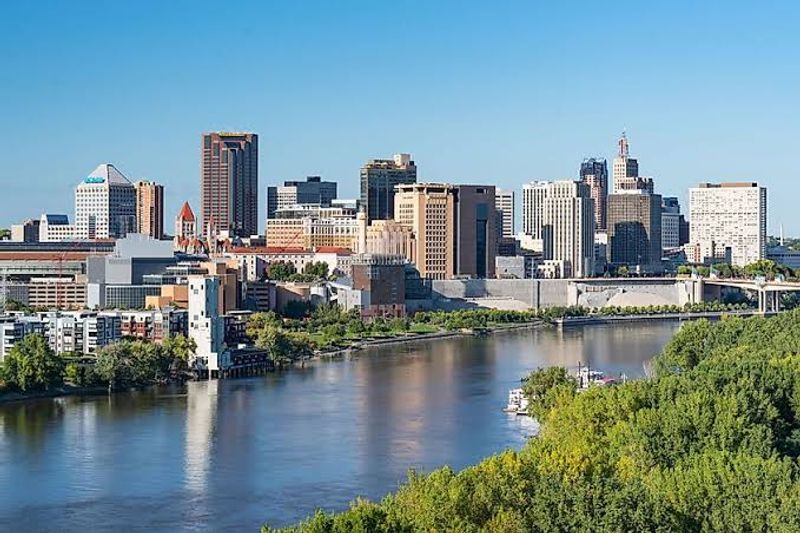
Minnesota’s capital city is not immune to the property tax pressures pushing residents out of smaller towns, and in some ways, the stakes here are even higher because of the sheer number of people affected. Ramsey County Commissioner Rena Moran stated publicly that people are deciding to move out of St. Paul mostly because of high taxes.
The numbers behind that statement are striking. The owner of a median-value home priced around $275,300 could see a property tax increase of $229 in a single year, and that figure jumps to $536 if voters approve a school tax increase on top of it.
Annual tax bills on a median-value St. Paul house have already topped $4,100, a number that hits working-class and middle-income households especially hard. State Rep.
Kaohly Vang Her noted during her mayoral campaign that she regularly speaks with residents who feel they are being priced out of their own homes.
St. Paul has vibrant neighborhoods, strong cultural institutions, and a lot of people who genuinely love living there. The problem is that love for a city does not pay the tax bill.
When a capital city starts losing residents to tax pressure, it sends a signal that something in the system needs serious and honest reconsideration before more families are forced to choose between their community and their financial stability.
