Minnesota holds treasures beyond its famous lakes and bustling cities.
Scattered across the state, charming towns preserve stories of the past through elegant lodges that have welcomed travelers for generations.
These historic buildings stand as monuments to a bygone era, offering cozy fireplaces, handcrafted woodwork, and the kind of hospitality that makes you feel like family.
Pair that with locally-owned restaurants serving everything from hearty Midwestern comfort food to creative farm-to-table cuisine, and you have the perfect recipe for an unforgettable getaway.
Whether you’re seeking a romantic weekend escape, a family adventure, or simply a break from routine, these seven Minnesota towns deliver authentic experiences you won’t find in chain hotels or franchise restaurants.
Each destination combines historical significance with culinary excellence, creating memories that linger long after you’ve returned home.
Pack your bags and prepare to discover Minnesota’s hidden gems where old-world charm meets delicious local flavors.
1. Grand Marais and Naniboujou Lodge
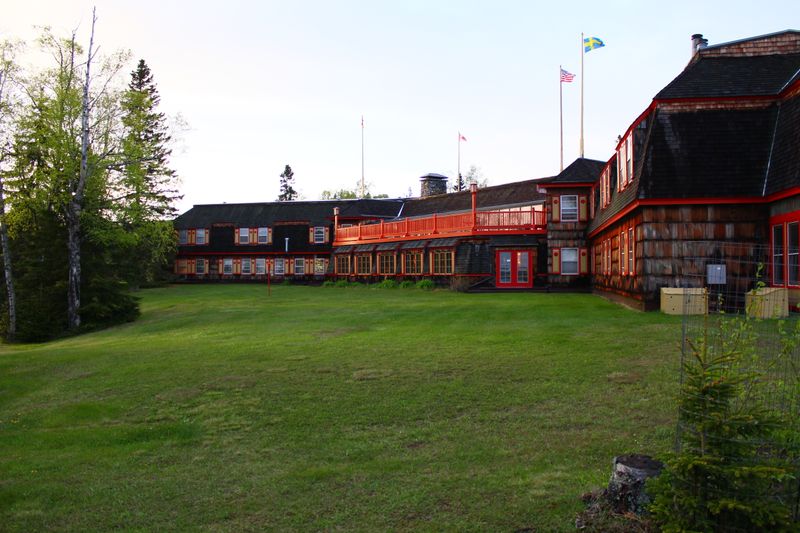
Perched on the rocky shores of Lake Superior, Grand Marais has captivated artists, adventurers, and dreamers since the late 1800s.
The town’s crown jewel, Naniboujou Lodge, opened in 1929 as an exclusive private club where Babe Ruth and Jack Dempsey once planned to vacation.
Today, visitors marvel at the Great Hall’s breathtaking hand-painted Cree Indian designs covering every inch of the 20-foot domed ceiling in vibrant oranges, yellows, and reds.
The massive stone fireplace, believed to be Minnesota’s largest native rock structure, anchors the dining room where guests enjoy fresh Lake Superior trout and wild rice soup.
Walking through the lodge feels like stepping into a time capsule where jazz-age glamour meets North Woods rustic charm.
The building survived financial hardship during the Great Depression and near abandonment, but dedicated preservationists kept this architectural treasure alive.
Beyond the lodge, Grand Marais offers a thriving food scene that celebrates local ingredients.
The Angry Trout Cafe serves sustainably caught fish just steps from the harbor.
World’s Best Donuts has earned its bold name with maple-glazed creations that draw lines out the door.
Sven and Ole’s Pizza delights families with creative pies topped with ingredients from nearby farms.
Art galleries line the main street, showcasing watercolors and photography inspired by Superior’s moody waters.
Hiking trails at Judge C.R. Magney State Park lead to the mysterious Devil’s Kettle waterfall, where half the river disappears into a pothole and nobody knows exactly where it emerges.
Grand Marais combines natural wonder, artistic spirit, and culinary creativity in one unforgettable Lake Superior package.
2. Lanesboro and the Historic Scanlan House
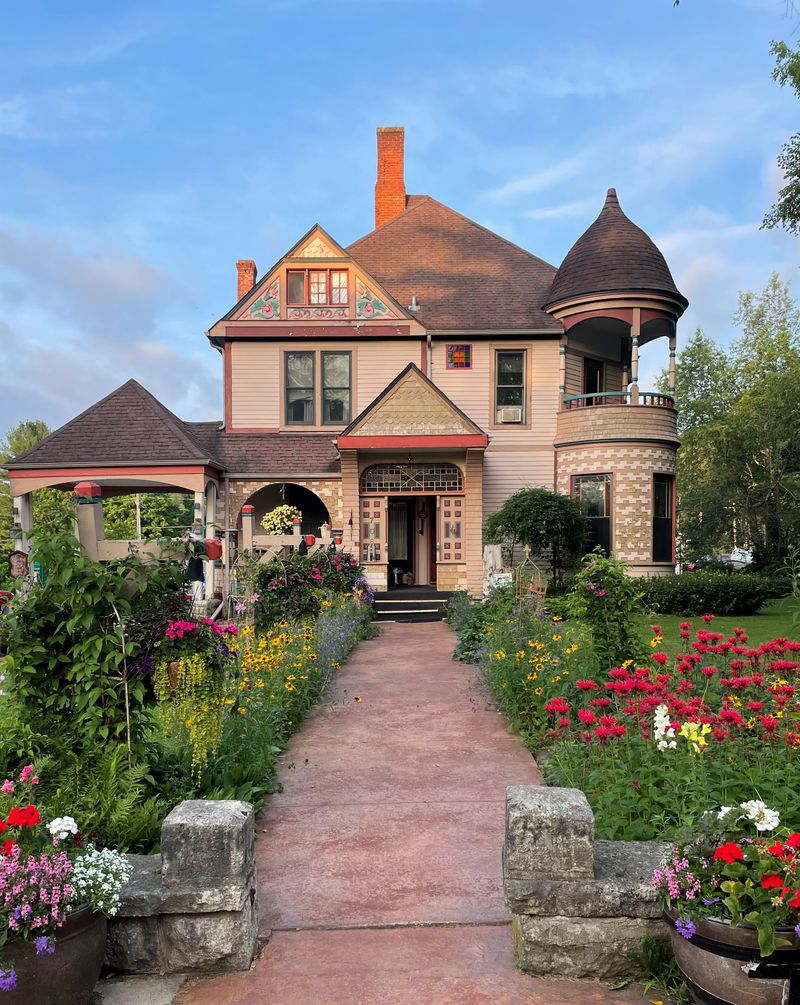
Tucked into the bluffs of southeastern Minnesota, Lanesboro earned the title of Bed and Breakfast Capital of Minnesota, and the Scanlan House stands as its most elegant example.
Built in 1889 by John Scanlan, a local banker and businessman, this Victorian mansion showcases ornate woodwork, original stained glass windows, and period furnishings that transport guests to the Gilded Age.
Each of the five guest rooms tells a different story through antique quilts, claw-foot tubs, and views of the Root River Valley.
Lanesboro itself thrives as an artist community where galleries outnumber gas stations and live theater performances happen year-round at the historic St. Mane Theatre.
The entire downtown district appears on the National Register of Historic Places, with limestone buildings dating to the town’s founding in 1868.
Strolling the brick sidewalks feels like wandering through a living museum where every storefront has been lovingly restored.
The Root River State Trail attracts cyclists from across the Midwest, offering 42 miles of paved paths through tunnels, over bridges, and past limestone bluffs.
After a morning ride, visitors refuel at the Riverside on the Root, where chefs prepare steaks, walleye, and pasta dishes using herbs from their own garden.
Old Village Hall Restaurant and Pub occupies a converted 1876 government building, serving craft beers alongside burgers and Friday night fish fries.
Pedal Pushers Cafe caters specifically to hungry cyclists with hearty breakfasts and packed lunches perfect for trail adventures.
The town’s commitment to preserving history while embracing outdoor recreation creates a unique atmosphere where Victorian elegance meets active modern lifestyles in perfect harmony.
3. Duluth and Fitger’s Brewhouse
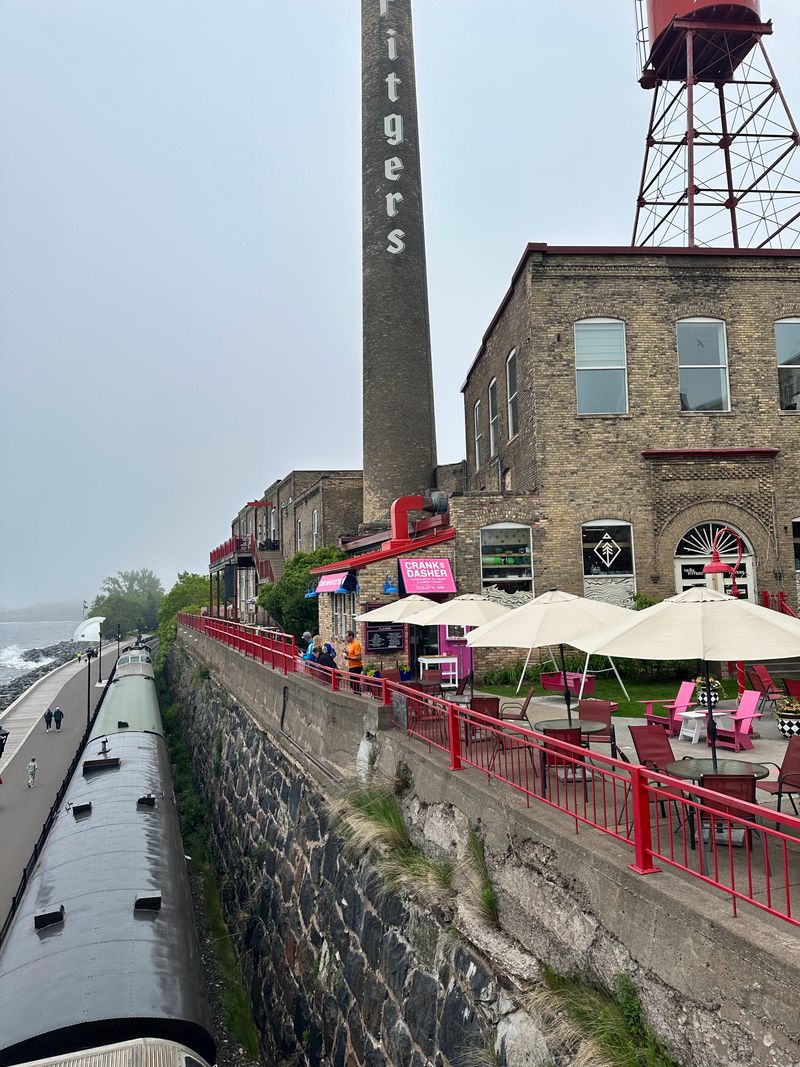
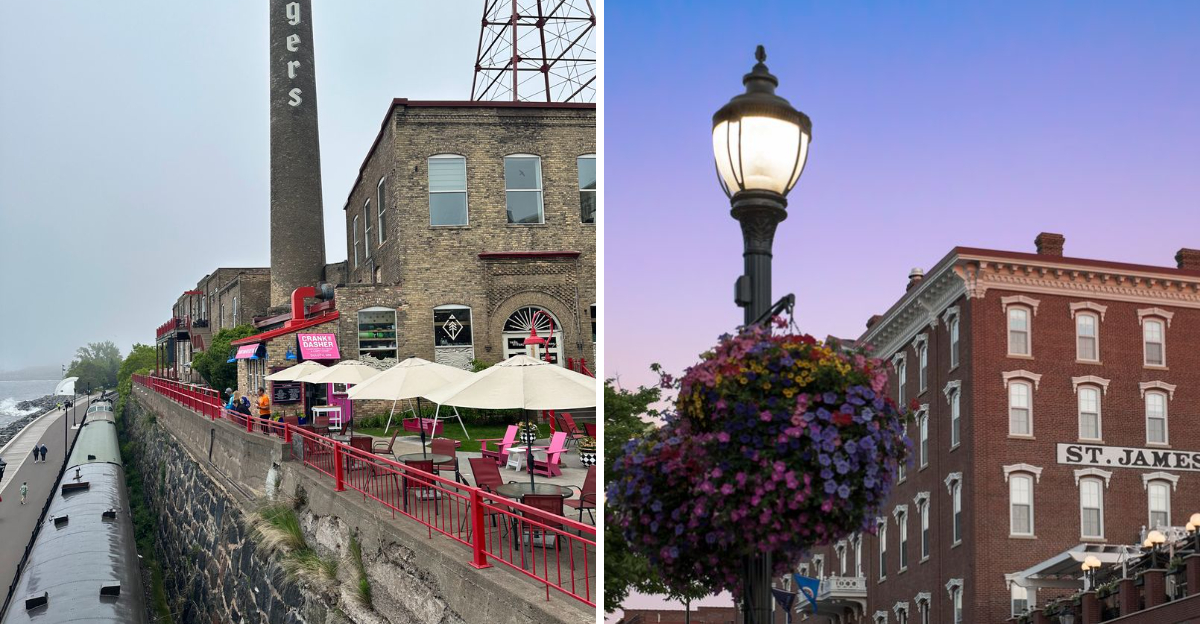
Duluth’s skyline rises dramatically from Lake Superior’s western shore, and within it stands Fitger’s Brewery Complex, a testament to the city’s industrial heritage.
Originally constructed in 1857, this sprawling red brick compound produced beer continuously until 1972, quenching the thirst of loggers, sailors, and iron ore workers.
After sitting vacant for years, visionary developers transformed the brewery into a vibrant mixed-use destination while preserving its historic character.
The Brewhouse restaurant occupies the original brewing floors, where massive copper kettles still gleam under exposed wooden beams.
Diners enjoy handcrafted ales brewed on-site using traditional methods, paired with menu items like beer-battered walleye and brewmaster’s meatloaf.
The attached Fitger’s Inn offers 62 rooms decorated with period photographs and artifacts celebrating Duluth’s brewing legacy.
Walking through the complex’s winding corridors reveals specialty shops, a museum documenting the brewery’s history, and additional dining options.
The building’s architecture tells stories through preserved tile work, original signage, and industrial elements that remind visitors of the skilled craftsmen who once worked here.
Lake Superior’s waves crash against the seawall just outside, providing a dramatic backdrop for meals and evening strolls.
Beyond Fitger’s, Duluth’s dining scene has exploded with creativity.
Northern Waters Smokehaus crafts phenomenal sandwiches using house-smoked fish and meats, while Pickwick Restaurant has served classic American fare in a cozy Tudor-style building since 1914.
The entire Canal Park district offers endless exploration opportunities, from the Aerial Lift Bridge to boutique shops and the Great Lakes Aquarium, making Duluth a perfect blend of industrial history and modern culinary innovation.
4. Winona and the historic Alexander Mansion
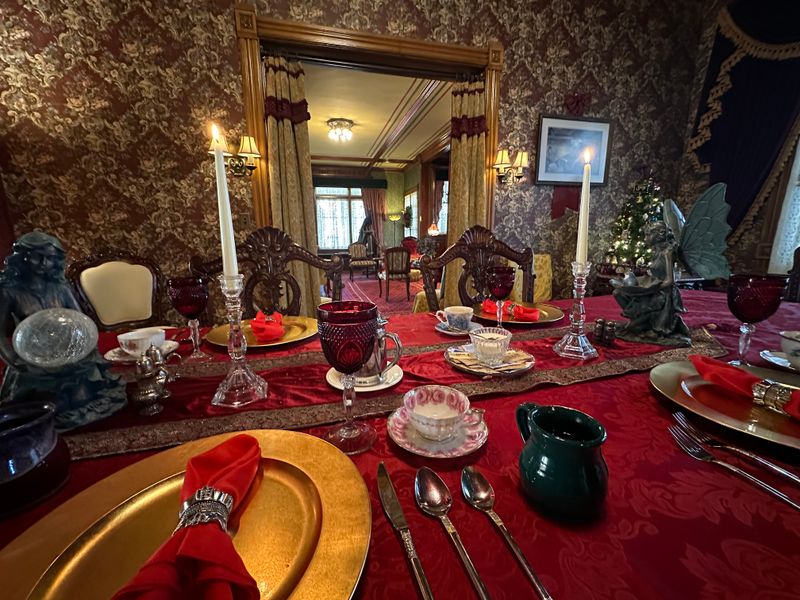
Where the Mississippi River widens between towering bluffs, Winona flourished as a lumber baron’s paradise in the 1850s, and the Alexander Mansion represents the height of that prosperity.
Lumber magnate William Alexander commissioned this Eastlake Victorian masterpiece in 1886, filling it with hand-carved butternut woodwork, nine fireplaces, and a three-story tower offering river views.
Now operating as a bed and breakfast, the mansion invites guests to experience the opulence that timber wealth created.
Staying here means sleeping in rooms where captains of industry once made deals over brandy and cigars.
The attention to architectural detail astounds visitors, from the intricate ceiling medallions to the original pocket doors and brass fixtures.
Breakfast arrives on fine china in the formal dining room, featuring locally sourced ingredients prepared with care.
Winona’s downtown historic district contains over 100 buildings listed on the National Register, creating an architectural wonderland for history enthusiasts.
The Watkins Heritage Museum explores the story of J.R. Watkins Company, which began producing extracts and remedies here in 1868 and still operates today.
Stained glass windows at the Basilica of St. Stanislaus Kostka rank among the finest religious art in the Midwest.
Local restaurants honor both tradition and innovation.
Jefferson’s Pub and Grill occupies a renovated historic building downtown, serving elevated comfort food and craft cocktails.
Blue Heron Coffeehouse roasts beans on-site and bakes pastries fresh each morning, while Island City Brewing Company creates small-batch beers in a welcoming taproom.
Garvin Heights Park provides stunning overlook views of the city and river valley, especially magnificent during fall color season when the bluffs explode in crimson and gold.
5. Ely and the historic Burntside Lodge
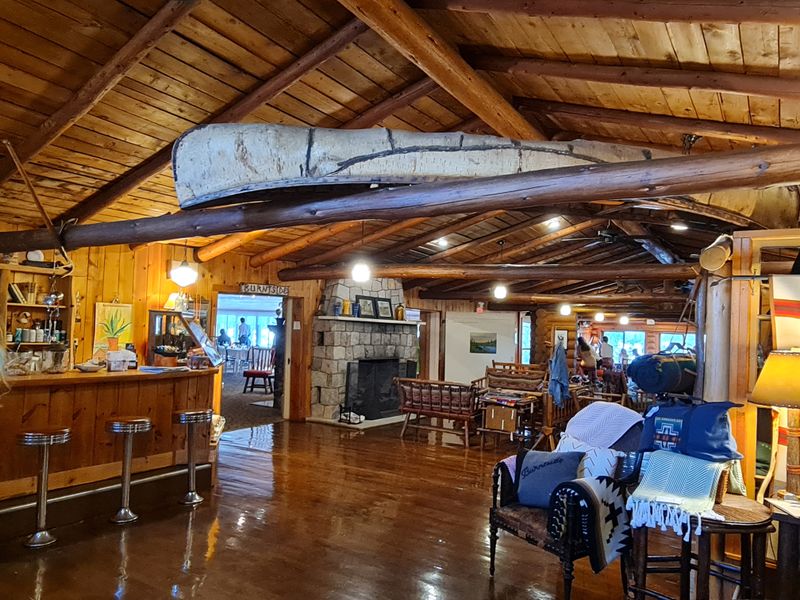
Gateway to the Boundary Waters Canoe Area Wilderness, Ely has served adventurers since prospectors discovered iron ore nearby in the 1880s.
Burntside Lodge, established in 1913, embodies the classic Northwoods resort experience with hand-hewn log cabins scattered along Burntside Lake’s pristine shoreline.
Each cabin features stone fireplaces, knotty pine interiors, and screened porches where loons call across the water at dusk.
The main lodge dining room serves family-style meals that bring guests together around long wooden tables, sharing stories of the day’s fishing adventures or canoe expeditions.
Fresh walleye, wild rice casserole, and homemade pies capture the essence of Minnesota lake country cooking.
The lodge has remained in continuous operation for over a century, with some families returning every summer for four generations.
Ely itself balances wilderness access with surprising cultural offerings.
The International Wolf Center educates visitors about these magnificent predators through exhibits and live wolf observations, while the North American Bear Center does the same for black bears.
Dorothy Molter, the last resident of the Boundary Waters, lived on an island for 56 years making root beer for passing paddlers, and her cabins now form a museum celebrating her remarkable life.
Dining options reflect the town’s outdoor focus.
Rockwood Bar and Grill prepares hearty meals perfect for fueling wilderness adventures, while Northern Grounds Coffee serves espresso drinks and breakfast sandwiches to early-morning paddlers.
Chocolate Moose Restaurant delights families with generous portions and a welcoming atmosphere.
The town’s location at the edge of over one million acres of protected wilderness creates a unique combination of frontier heritage and environmental conservation.
6. Red Wing and the St. James Hotel
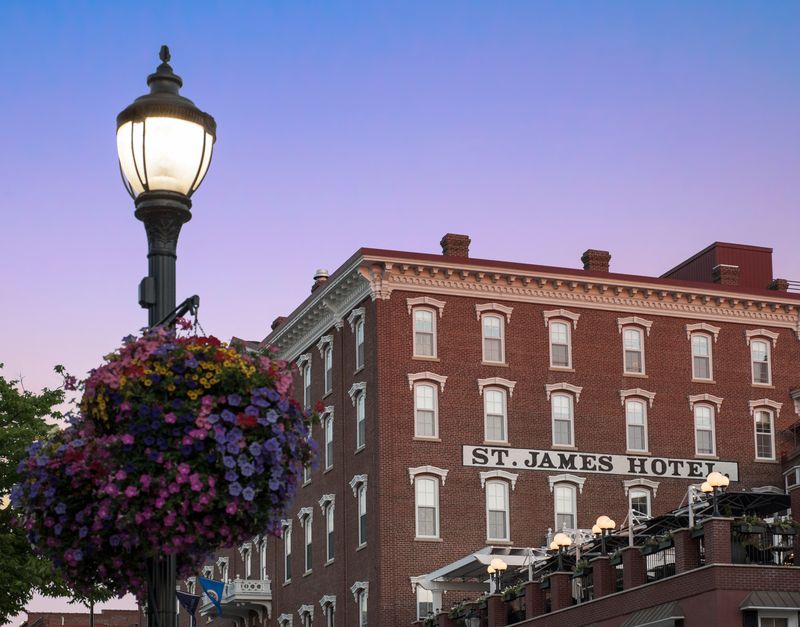
Red Wing’s fortunes rose with Mississippi River commerce, and when the St. James Hotel opened in 1875, it immediately became the region’s premier accommodation.
Riverboat captains, railroad executives, and traveling salesmen checked into rooms appointed with the finest furnishings money could buy.
After falling into disrepair by the 1970s, the Red Wing Shoe Company purchased and meticulously restored the building, returning it to Victorian splendor.
Today’s guests experience that same elegance through antique furniture, period wallpapers, and modern amenities discreetly integrated into historic spaces.
The Port of Red Wing restaurant occupies the main floor, where floor-to-ceiling windows overlook Levee Park and the river beyond.
Menus feature locally raised meats, Mississippi River seafood, and Minnesota-grown produce prepared with contemporary techniques.
Red Wing pottery made this town famous worldwide, and the Pottery Museum showcases stunning examples of the distinctive salt-glazed stoneware produced here from 1878 to 1967.
Collectors hunt for vintage pieces in antique shops lining Main Street, while Red Wing Shoes factory outlet draws visitors seeking the legendary boots crafted locally since 1905.
Barn Bluff, a 350-foot limestone formation, towers over downtown, offering hiking trails and panoramic views that inspired indigenous peoples for centuries.
The dining scene extends beyond the St. James with diverse options.
Bev’s Cafe serves breakfast classics beloved by locals for decades, while Liberty’s Restaurant occupies a converted 1890s flour mill with exposed brick and river views.
Hanisch Bakery has baked German-style breads and pastries since 1949, filling the air with irresistible aromas.
Red Wing’s combination of river heritage, pottery history, and preserved Victorian architecture creates an atmosphere where the past feels vibrantly alive.
7. Walker and the Chase on the Lake Resort
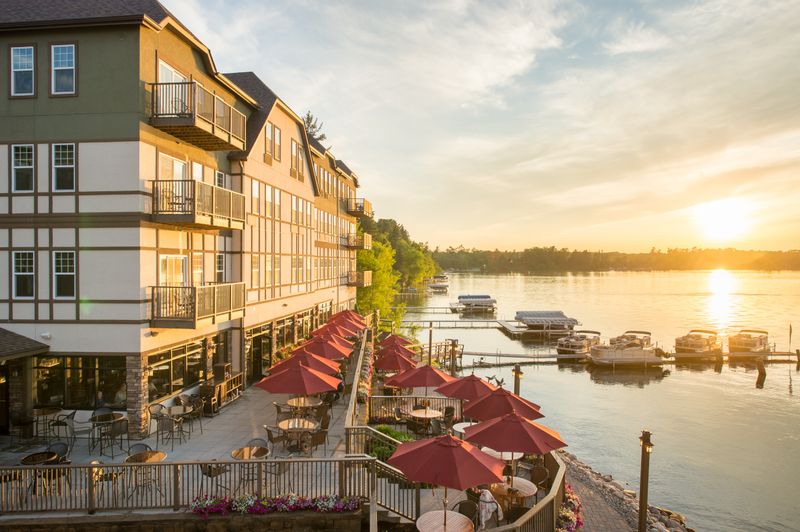
On the shores of Leech Lake, Minnesota’s third-largest body of water, Walker emerged as a fishing and logging center in the late 1800s.
Chase on the Lake Resort traces its roots to 1928 when the original lodge welcomed anglers pursuing the lake’s legendary walleye, northern pike, and muskie.
The current resort maintains that fishing heritage while expanding into a year-round destination with updated accommodations that honor the property’s history.
The main lodge features massive stone fireplaces, log construction details, and windows framing spectacular lake vistas.
Guest rooms blend rustic charm with contemporary comfort, many offering private balconies where morning coffee tastes better with sunrise reflections dancing on the water.
The Timber Bay Grille serves upscale comfort food emphasizing regional ingredients, including fresh-caught fish delivered directly from Leech Lake.
Walker’s compact downtown charms visitors with locally owned shops and the Cass County Museum, which preserves logging-era artifacts and indigenous history.
The town sits within the Leech Lake Indian Reservation, home to the Leech Lake Band of Ojibwe, whose cultural heritage deeply influences the region.
Annual events like the Eelpout Festival celebrate ice fishing with quirky competitions and live music on the frozen lake.
Dining variety surprises first-time visitors to this small town.
Ranch House Supper Club has served steaks and seafood since 1958 in classic Minnesota supper club style with relish trays and Friday fish fries.
Necce’s Restaurant offers Italian specialties and pizza in a casual atmosphere, while Two Inlets Store and Deli provides sandwiches and supplies for day trips.
The combination of excellent fishing, preserved resort heritage, and genuine small-town hospitality makes Walker a destination where relaxation comes naturally.
Dear Reader: This page may contain affiliate links which may earn a commission if you click through and make a purchase. Our independent journalism is not influenced by any advertiser or commercial initiative unless it is clearly marked as sponsored content. As travel products change, please be sure to reconfirm all details and stay up to date with current events to ensure a safe and successful trip.
