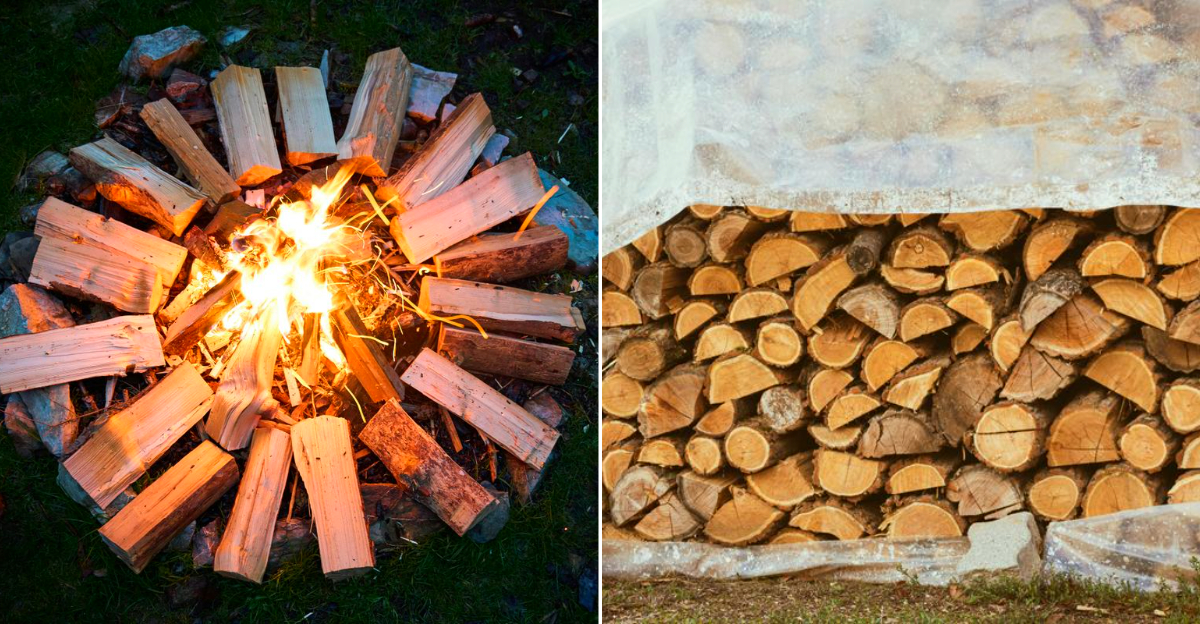
You would think lighting a bonfire at a lakeside cabin is the easiest part of the weekend. In Minnesota, it can be the one thing that quietly derails your whole plan.
Cabin country has a web of rules that feel harmless until you are standing there with a stack of firewood and no idea if you are actually allowed to light it.
Burn permits, seasonal restrictions, wind rules, and local ordinances can all stack up in ways that surprise first-timers and even seasoned visitors.
One minute you are picturing marshmallows and crackling logs, the next you are checking county websites and fire danger maps on your phone.
Locals treat these rules like second nature, but visitors often learn the hard way that “just a small fire” is not always as simple as it sounds.
The “Little Bonfire” That Quietly Crosses The Permit Line
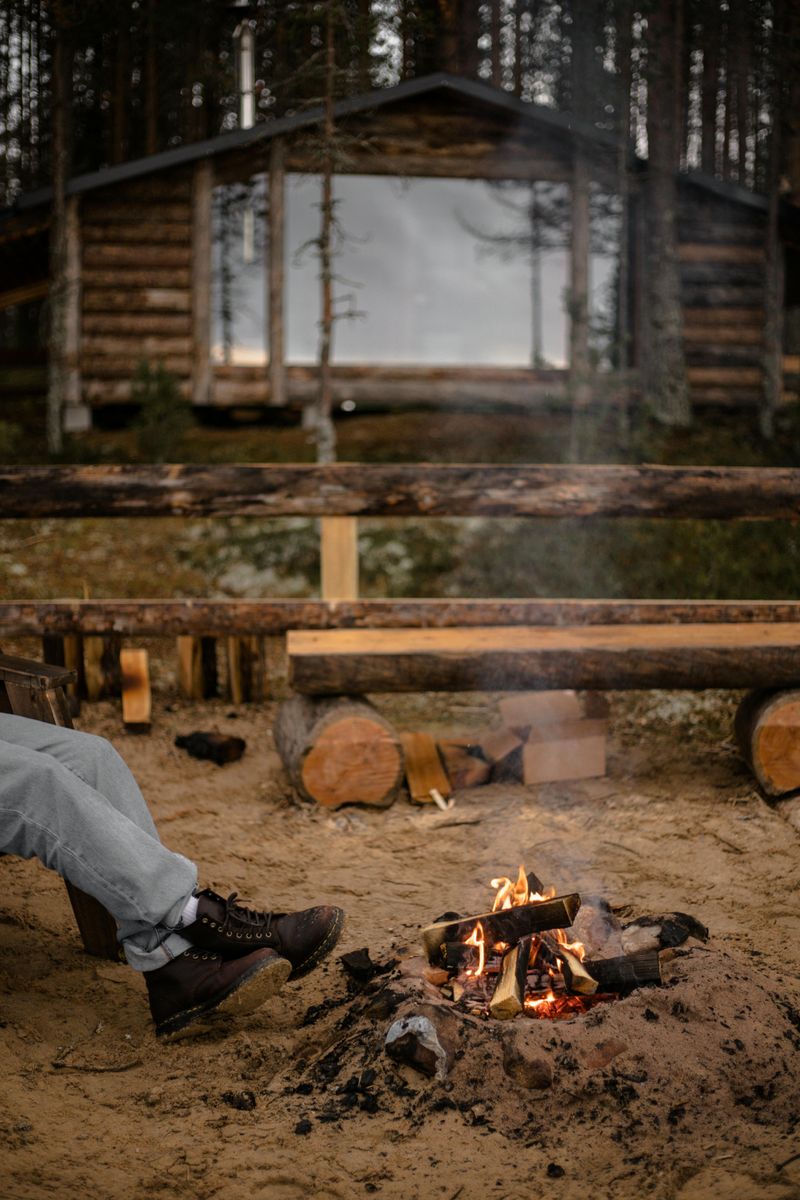
Here is the sneaky part about Minnesota cabin fires that no one mentions during daylight. That cute little blaze can tip into permit territory before you even notice.
The state draws a line between campfires and open burning, and the labels matter when a ranger stops by.
If your fire looks casual but acts bigger, it might not count as casual anymore.
You can keep things simple by treating every small fire like it could be inspected. Bring a tape measure, a metal rake, and a bucket you actually fill.
When wind pops up, a tame flame grows legs. Minnesota does not care that you planned s’mores, it cares where embers land.
I keep the pit small, ringed with mineral soil, and build a knee-high bed. Two armloads of split, dry hardwood are plenty for a long sit.
If you feel tempted to stack higher, pause and think about the burn categories.
A quick check of the DNR guidelines saves more time than an awkward conversation.
Ask yourself a simple question before lighting: would this photo look like a tidy campfire or a mini brush burn? If it is the second, you are heading for permits.
Minnesota’s cabin country feels relaxed until the stars come out and smoke travels. Keep it modest, and the night stays yours.
The Minnesota Size Rule: Three Feet By Three Feet Changes Everything
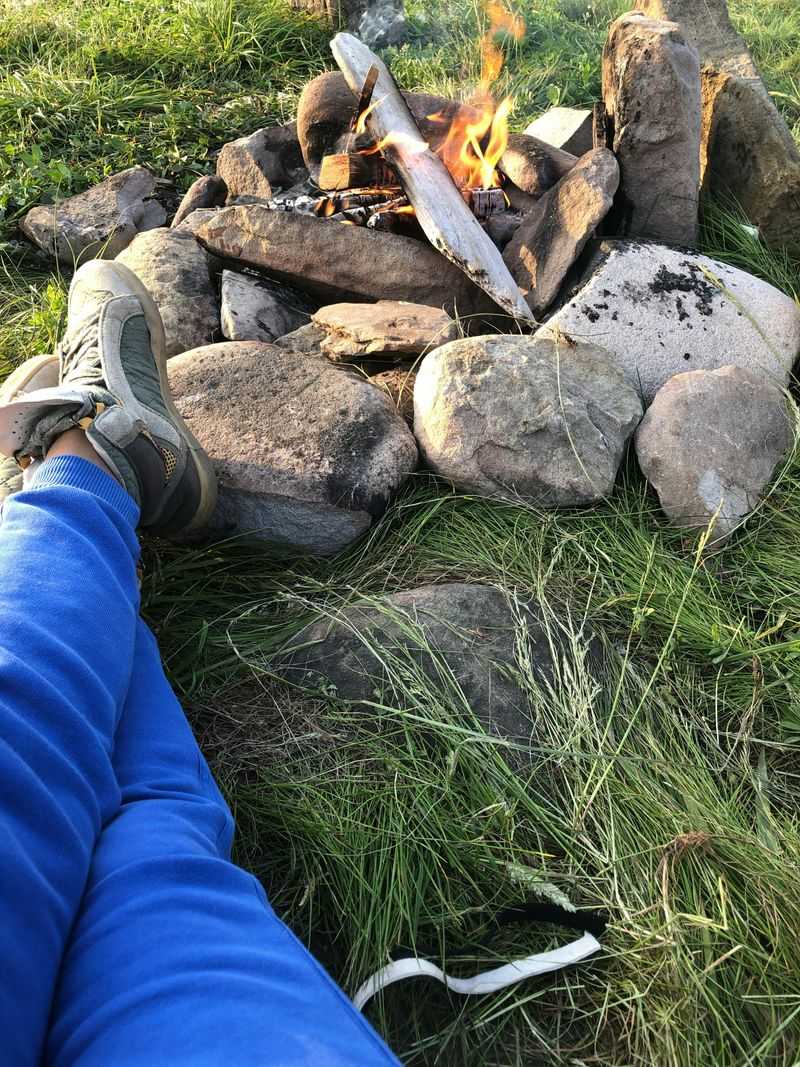
You have probably heard people toss around three by three like a camp joke. It is not a joke, it is the bright line for a legal campfire in Minnesota.
Once your fire grows past that basic cube, you are edging into open burning rules. That means extra permission, and sometimes a hard no until conditions improve.
I keep a folding tape in the tackle box because memory gets generous after dark.
If the pile looks roomy, I trim it down and breathe easier.
Height counts as much as width, which is where folks get tagged. Flames climbing over knee level start to look like a brush problem, not a hangout.
Stack your wood loose, not teepee-tall. A low log cabin style breathes, burns steady, and stays inside the imaginary box.
Why the fuss? In dry stretches, tiny embers can carry surprisingly far across a lake or ridge.
Think about nearby pine duff and that breezy shoreline.
Minnesota’s forests are beautiful, and also quietly flammable.
The magic is realizing small fires sit nicer, warm longer, and bother neighbors less. You still get the glow without courting paperwork.
Snow Cover Matters More Than Cabin Guests Expect
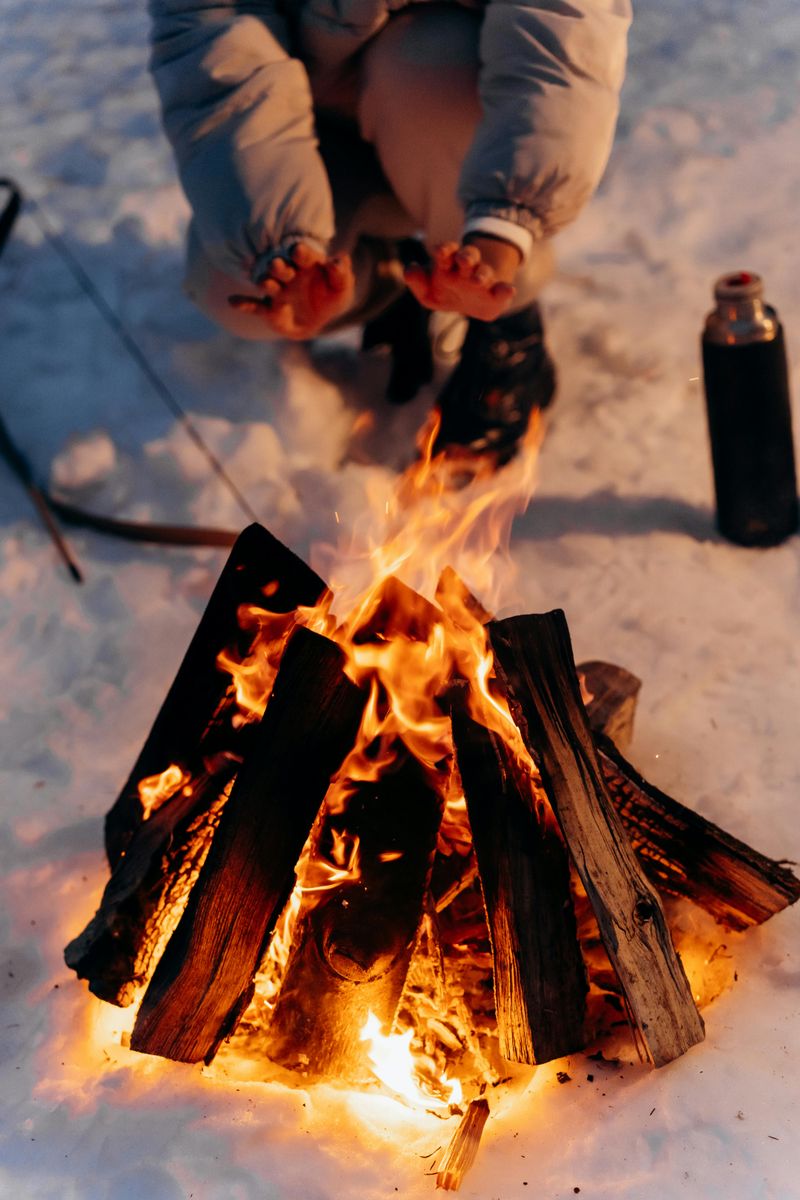
Snow feels like a free pass, right? In Minnesota, it is helpful but not a hall pass.
The DNR looks at continuous snow cover like a lid on fuel.
Patchy snow with brown grass peeking through is basically a starter set for sparks.
I stomp a three boot-width ring down to mineral soil even in deep snow. That gives you clear edges you can see when the wind lifts ash.
Bring a metal shovel, not a plastic one that wilts near heat. You need to push slush and scrape coals without worrying about a melted scoop.
Frozen hoses are a classic cabin surprise. Keep a bucket inside by the mudroom so water is ready, not locked up in the spigot.
Watch the breeze channeling off a frozen lake. It can carry a single ember across your trampled ring and tuck it in the grass by the driveway.
If conditions look sketchy, call it an early night fire and quit while things are calm.
Minnesota winters forgive a lot, just not drifting ash on crunchy grass.
Your friends will thank you when you skip the heroic blaze and keep the fire mellow. Warm hands beat a warm insurance claim every time.
Fire Rings Versus Burn Piles: Not The Same Category
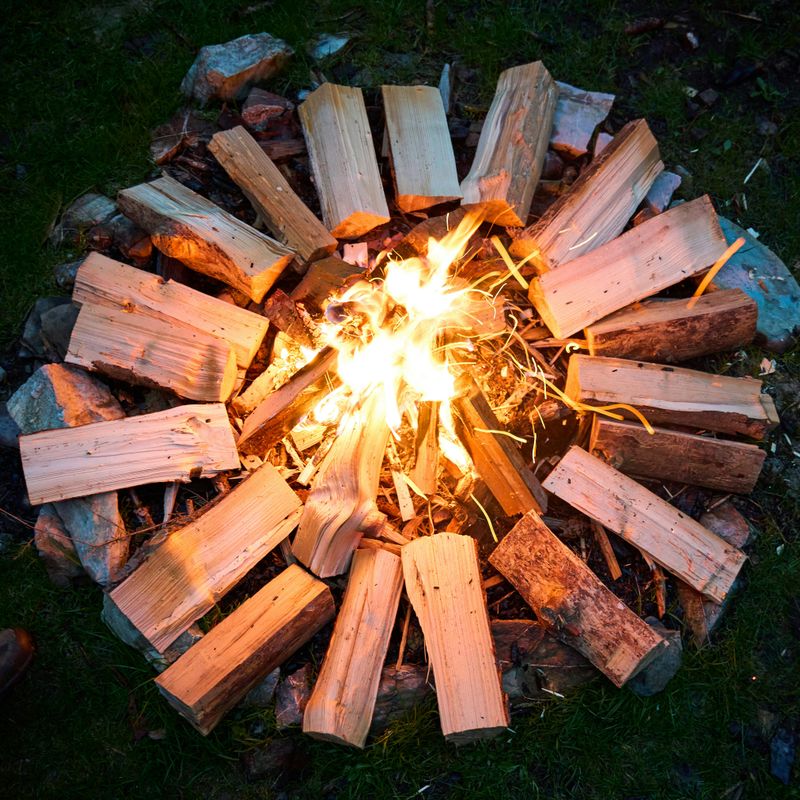
People love to say a fire is a fire. Minnesota says no, not even close.
A campfire sits in a ring or pit with clean, dry firewood meant for ambiance and warmth. A burn pile is brush or slash that changes the rulebook the second you light it.
At the cabin, I separate tidy split logs from storm branches.
When branches stack higher than my knees, that is a burn pile problem, not a chill night.
Burn piles often need a permit and stricter weather windows. Campfires have their own lane, but they still do not get a blank check.
Use a metal ring on bare mineral soil, not on top of leaves. Rings control rollouts, and they give you a visual cue to keep wood inside the circle.
If your guests keep dragging brush closer, hit pause. Point to the ring and say, this is for logs only, brush waits for the permit.
It sounds fussy until the pile tips and sends sparks toward the trees.
Minnesota cabins tuck into woods that do not forgive sloppy choices.
Stay in the campfire category and life stays simple. The marshmallows will not notice the difference, but your stress level will.
The Restrictions Map That Can Cancel Your Plans Overnight
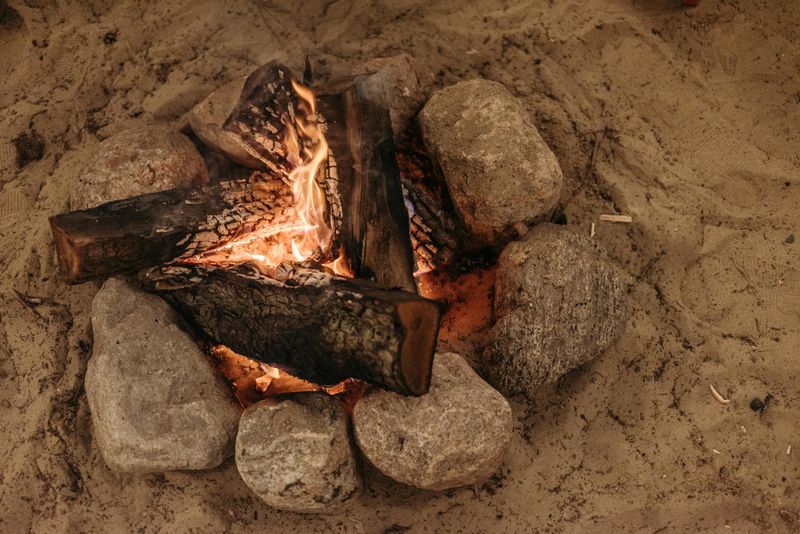
You think you have a green light, then Minnesota flips the map and poof, plans change. That online restrictions map is the boss of your evening.
Counties slide between open, restricted, and no-go based on wind, humidity, and recent fires.
The map updates fast enough to catch people mid-grocery list.
I check it the same way I check the weather radar. If the color shifted, I move the chairs back inside and wait it out.
Some days, campfires in rings are allowed but no brush, which is a sweet spot. Other days, nothing with a flame gets a nod, and that is that.
Bookmark the DNR page and take a screenshot before you start stacking wood. If a neighbor asks, you have proof of what it said that afternoon.
It is not personal, it is risk math across the whole state. Minnesota would rather change your vibe than send a tanker down your gravel road.
When the map loosens, celebrate with a smaller, steadier fire.
Keep your bucket full and your pile low, and you will be fine.
The trick is flexibility, not stubbornness. Cabin country rewards people who read the signs and roll with them.
The Fire Code Distance Rule That Forces A New Fire Pit Spot
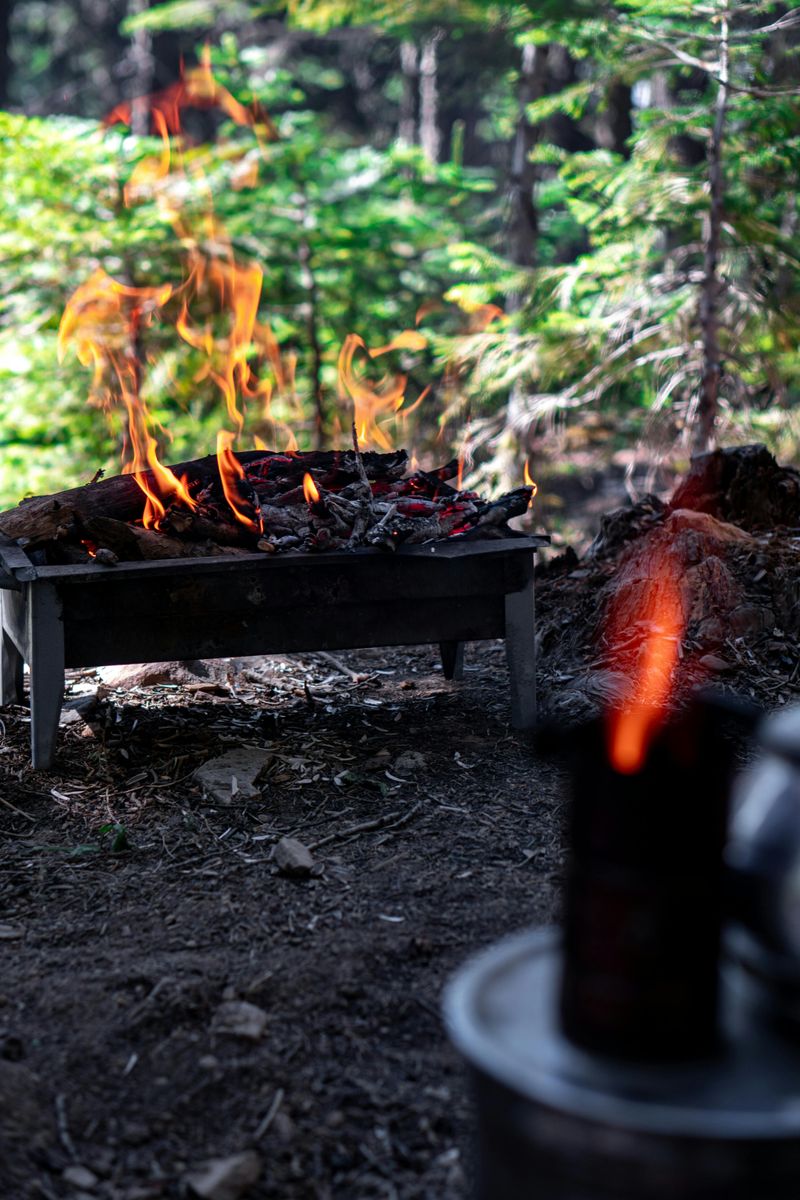
Ever realize your pit is way too cozy with the shed? Minnesota fire code has distance rules that make you shuffle the whole setup.
Different places add their own spin, but the idea is consistent.
Keep flames a healthy stretch from buildings, trees, and anything that goes boom.
I pace it out with full strides and then add a little buffer. That extra space saves you from wondering whether sparks found the roof shingles.
Watch for slope, too. Fires on a downhill grade can lean heat toward the cabin faster than you would think.
Move the ring onto mineral soil with a clear ring scraped to bare ground. Rakes beat style points when embers roll.
If a branch hangs overhead, snip it before you light.
Hot air funnels right into needles, and the result is never peaceful.
Neighbors appreciate smoke that drifts upward, not into windows. Minnesota evenings carry scent farther than city blocks do.
Shift the chairs, rebuild the circle, and settle in. Ten extra steps now buys a quiet, uneventful night by the lake.
What You Can Burn: Clean Wood Only, No “Leftovers”
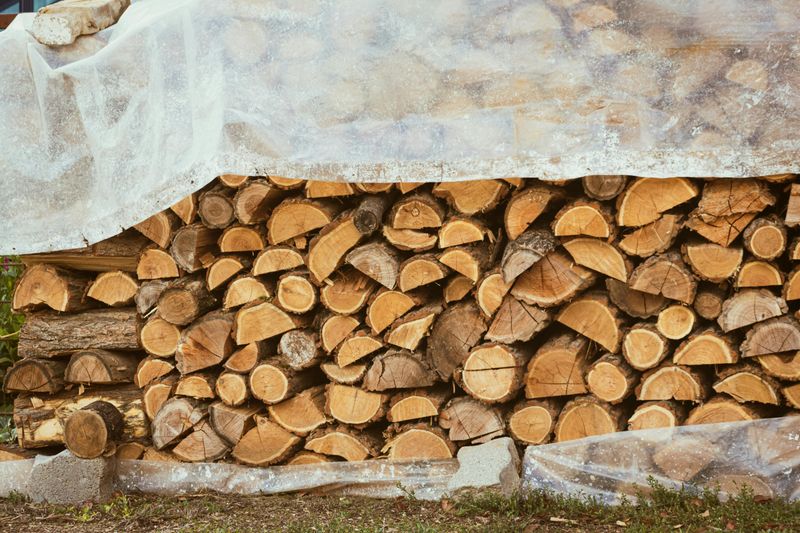
If it smells like a garage, it does not belong in the fire. Minnesota is clear about clean, dry wood and nothing weird.
People try to sneak in cardboard, stained scraps, or busted furniture.
The smoke tells on you, and the rules are not shy about fines.
I keep a separate bin for kindling from natural splits and branches. Anything painted, glued, or mystery-wood goes straight to the dump run.
Pressure-treated boards do not get a farewell blaze. They get a no and a ride to proper disposal because chemistry is not cozy.
Clean hardwood burns quieter, throws steady heat, and drops predictable coals. It also keeps neighbors from shutting their windows and texting you.
Do not forget to check for local bans on yard waste burns.
Leaves and brush can shift your simple night into permit land fast.
When in doubt, burn less and burn better. Minnesota nights smell nicer when the fuel is honest and the fire is small.
You get the crackle without the headache, and your gear will thank you. Ash stays cleaner, and mornings feel simpler.
Constant Attendance: The Rule People Break While Making S’mores
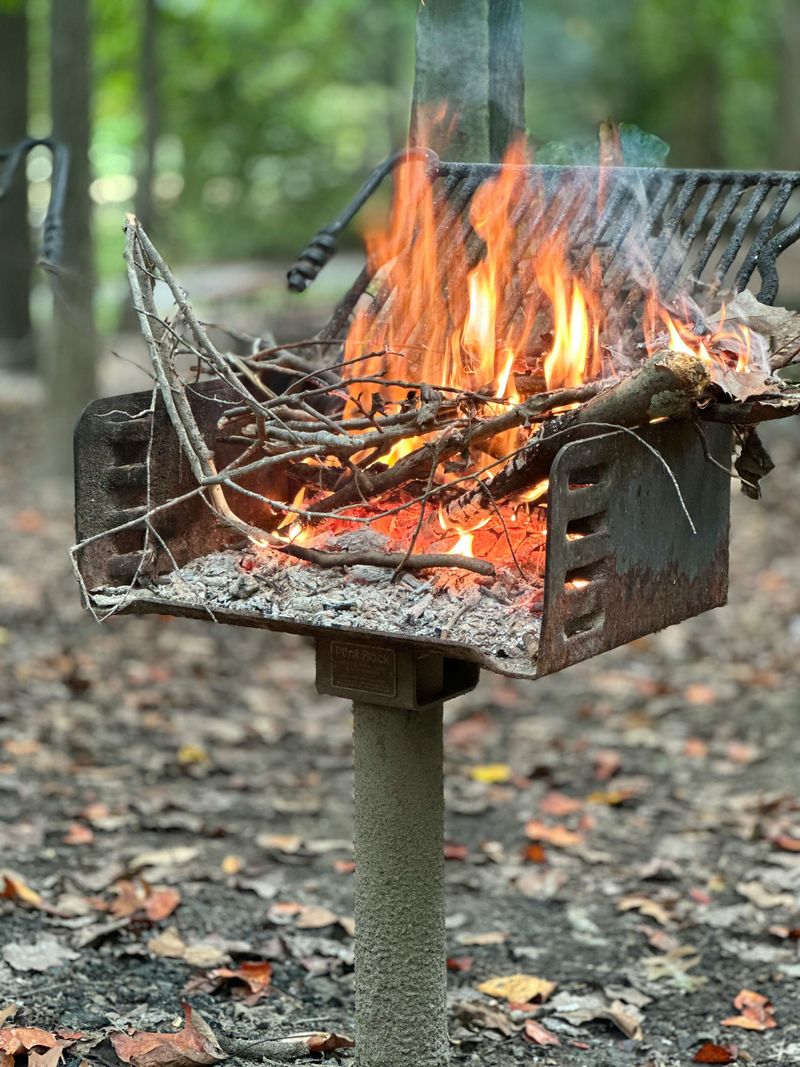
Quick dash to the dock while the fire glows? That is how Minnesota writes citations and how grass catches surprise heat.
Attendance means a real human within reach, not someone listening from the porch.
If you cannot touch it in two strides, you are not attending it.
I rotate fire watch when we play cards. Whoever is on duty keeps the rake, the bucket, and the hose ready.
When the night winds down, drown, stir, and drown again. Coals hide under ash like stubborn little suns.
Give it the back-of-the-hand test for warmth above the pit. If it still radiates, it is not done, no matter how sleepy everyone looks.
Carry the habit to every Minnesota cabin trip. Lakes change, pines change, but embers act the same way every time.
You will sleep better knowing the ring is cold, not just quiet.
Morning coffee tastes nicer when you skipped the midnight panic.
Attendance sounds fussy until you try relaxing without it. Then it feels like common sense wearing work gloves.
The Simple Cabin Checklist That Keeps Bonfires Easy Again
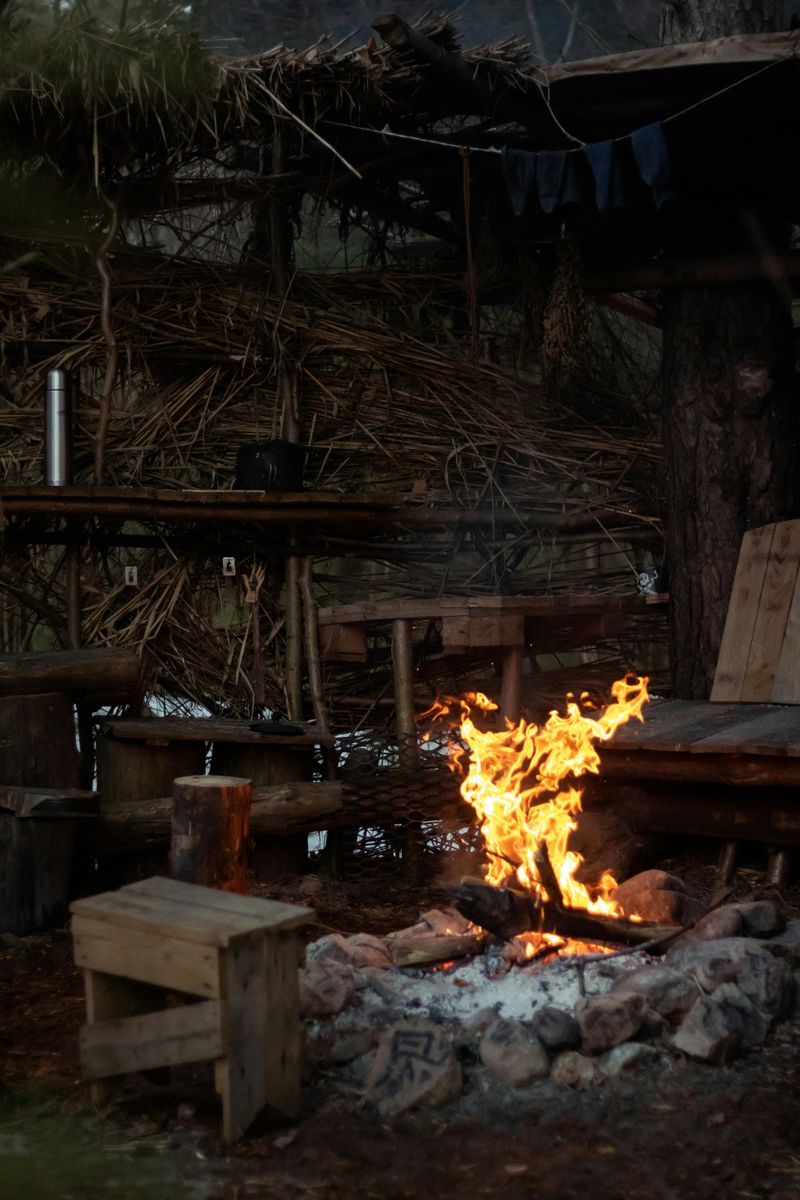
Want the night to feel easy again? Run a tiny checklist before anyone strikes a match.
I start with the DNR restrictions map and a quick look at local ordinances. If both look good, I measure the ring and scrape fresh mineral soil.
Next is gear: metal rake, shovel, and a full bucket set within arm’s reach.
A garden hose is a bonus if it is not frozen or buried.
Wood gets sorted into clean splits and kindling. Anything sketchy sits out for the dump run, not the ring.
I check wind direction so chairs do not sit in a smoke river. Then I set a fire watch rotation, even if it is just two of us trading turns.
Keep a flashlight ready for the final soak. Night ash can look calm while coals glow under a thin gray crust.
Before sleep, drown, stir, and drown again until the pit feels boring. Minnesota rewards boring fires with quiet mornings and happy neighbors.
Write the list on cardboard and tape it inside the shed door.
The habit turns rules into muscle memory, and the fun comes back fast.
Dear Reader: This page may contain affiliate links which may earn a commission if you click through and make a purchase. Our independent journalism is not influenced by any advertiser or commercial initiative unless it is clearly marked as sponsored content. As travel products change, please be sure to reconfirm all details and stay up to date with current events to ensure a safe and successful trip.
