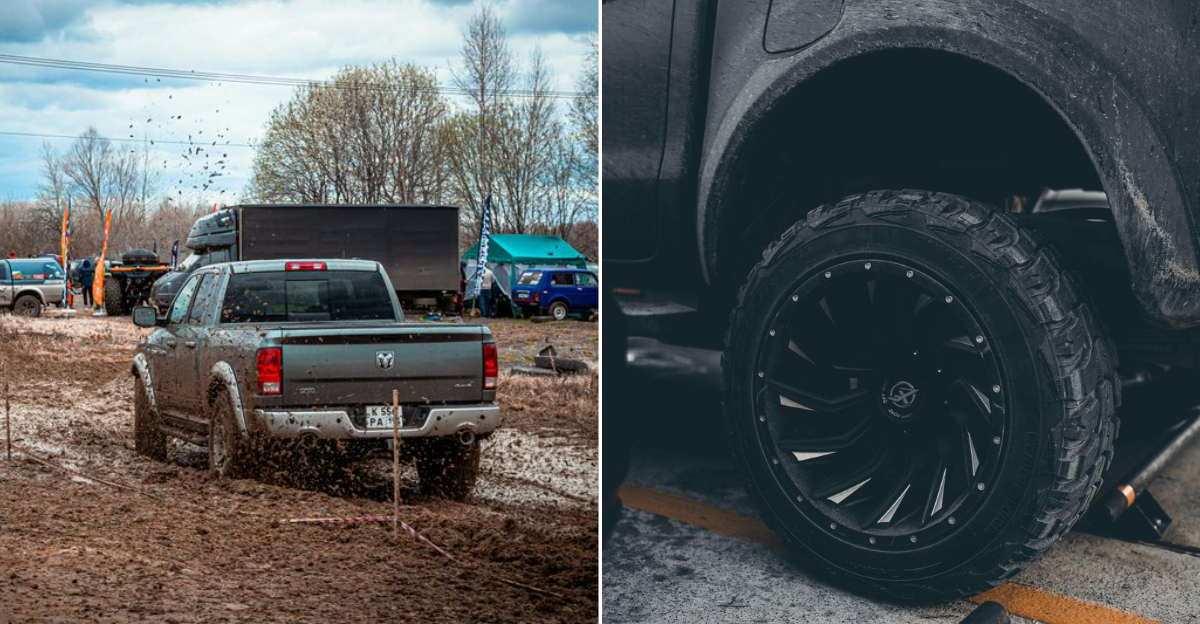
Your tires can get you in trouble in Minnetonka before your speed ever does. Minnesota’s so-called dirty tires rule is basically a keep-the-road-clean ordinance, and it treats vehicles that deposit mud, dirt, sticky substances, litter, or other material onto streets as a public nuisance.
That means if you roll off a muddy jobsite, a sloppy shoulder, or a drenched trailhead and track gunk onto the roadway, you can get flagged. It trips people up because it is not about having dusty tires in general, it is about what your tires leave behind on public roads.
In a place like Minnetonka, where spring thaw and construction season can turn pavement into a mud delivery route, the city is basically saying clean it up before you cruise. So if you are driving in from a dirt lot, rinse the wheels, knock the clumps off, and save yourself the annoying surprise of being the person who got tagged over tire mud.
What Minnetonka Actually Calls A “Dirty Tires” Violation
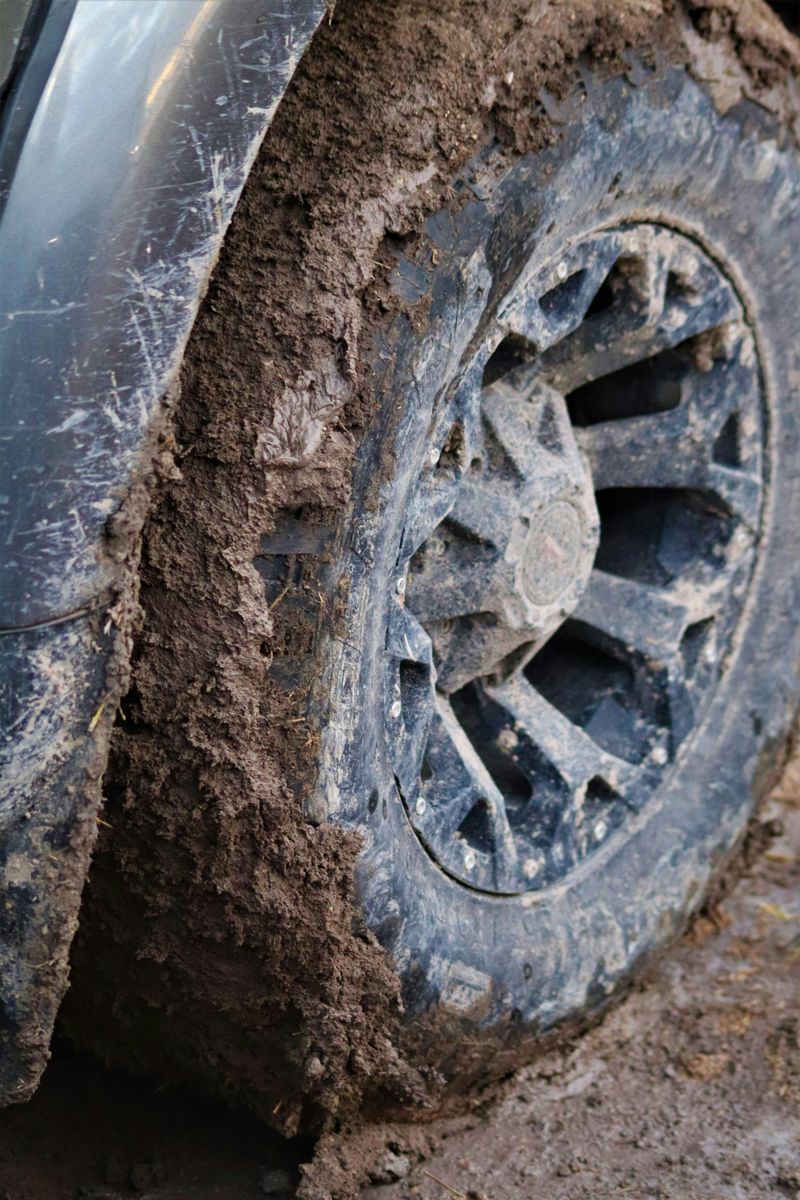
Picture this like a neighborly rule that keeps the street from turning into a construction site, because that is the spirit behind Minnetonka’s take on dirty tires. The city treats it as a public nuisance when a vehicle leaves mud, clay, gravel, or sticky gunk on the pavement, which is less about your car’s appearance and more about what hits the road.
If your treads carry material that actually transfers onto the street, that is where the issue begins.
This is not about a dusty wheel after a gravel ride, since everyone in Minnesota faces that sometimes. The city draws the line when debris drops, smears, or grinds off your tires and ends up where your neighbors drive, walk, and bike.
Think of it like lawn clippings or leftover concrete mix, since once it is on a public surface, it affects traction, drainage, and general tidiness.
So what do they actually call it? The code frames it as a nuisance related to depositing material that interferes with public ways, which sounds formal but it is straightforward once you see the streak.
Minnetonka is not trying to shame muddy adventures, and it is just trying to prevent the mess from spreading. If you can keep the road clean as you roll out, you are in the clear, and your commute stays drama free.
The Exact Trigger, Tires Depositing Mud, Dirt, Or Sticky Stuff On Roads

Here is the crisp line that matters, because the rule wakes up the moment something actually leaves your tires and lands on a public street. We are talking mud, clay, dirt, gravel, sand, or that sticky slurry that forms after a rain on a job site.
If material transfers from your tread to the pavement and leaves a streak or crumbs, that is the trigger.
It does not need to look like a mudslide, since even a repeating series of clumps along your exit path can be enough. Minnesota drivers know spring thaws can turn parking areas sloppy, and that is when the depositing problem shows up fast.
The city is not measuring specks with a ruler, and officers use common sense about visible residue and actual impact.
If you pause and the mess keeps dropping while you roll, assume you are in that zone. Wipe the treads, knock off the chunks, or roll slowly over a brush mat and you will usually stop the deposit before it happens.
The simplest way to frame it is cause and effect, because if your tire leaves something behind that others now have to drive through, you just hit the threshold.
Why It Sits Under Public Nuisance Rules, Not A Typical Traffic Ticket
This lands under nuisance rules because the harm is about community impact rather than how you personally operate a vehicle. Traffic tickets usually target speed, signals, and lane behavior, while nuisance rules target conditions that mess with cleanliness, safety, or comfort.
Deposited mud or gravel changes the street itself, which is why the city reaches for the nuisance toolbox.
That toolbox lets officials get quicker cooperation, since it is about abatement and cleanup instead of courtroom drama. Minnesota cities use similar approaches for weeds, snow left in the wrong place, and materials tracked from construction lots.
The point is to stop the mess, get the surface safe again, and keep storm drains from clogging.
By handling it as a nuisance, Minnetonka can ask you to remove the debris, prevent more from dropping, or coordinate cleanup with a property owner. It is less about punishment and more about restoring the space you share with everyone else.
Think of it like a friendly nudge backed by city code, because it gives room for quick fixes without turning a small oversight into a full traffic case.
Real-Life Scenarios That Can Set It Off, Work Trucks, Job Sites, Gravel Drives
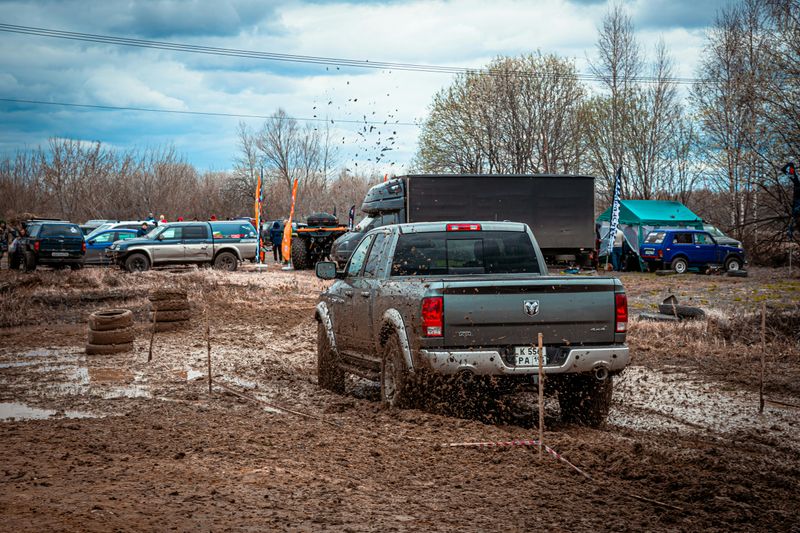
Let me paint a few pictures you will recognize right away, because this is where the rule shows up in real life. You roll a pickup off a soggy construction pad, and clumps flip from the tread right onto the road.
Or you ease out from a lakeside gravel drive after a storm, and the stones rattle off behind you like popcorn.
Another classic is the landscaping stop where the truck noses through wet mulch, since that sticky layer loves to hitch a ride on lugs. Minnesota soils hold moisture longer near shaded lots, and that means deposits linger on the shoulder unless someone cleans them.
Even a quick visit to a community compost site can turn messy on a thaw day when the exit ramps drag residue.
None of these moments feel dramatic from the driver’s seat, and you are mostly thinking about getting back on County Road 101 or hopping to your next errand. But a string of dots across a lane can turn slippery for cyclists and motorcyclists, and that matters.
If you can spot the mess before the street does, you will sidestep the whole nuisance label and keep the neighborhood breeze going.
Quick Ways To Avoid Trouble Before You Leave A Muddy Lot
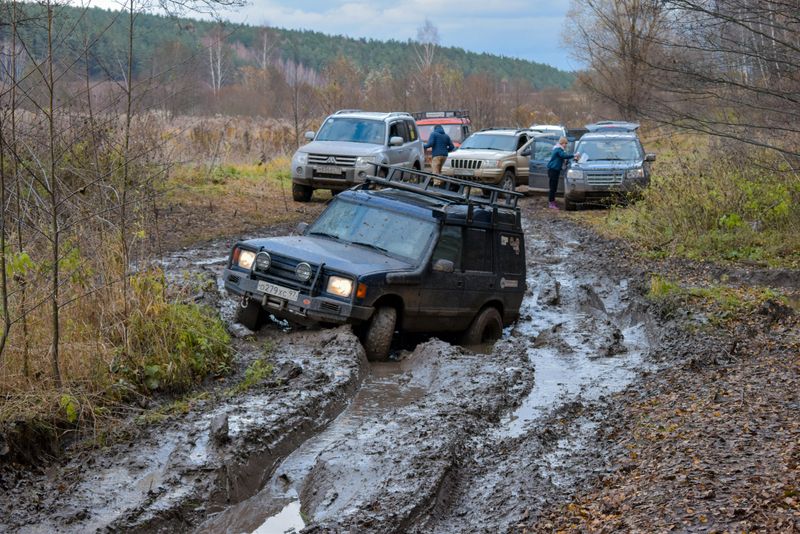
Before you nudge the nose of the car onto the street, do a thirty second pause and scan the treads, because that small check saves headaches. Kick or knock off the big chunks with a boot edge, and if there is a brush handy, run a few passes across the grooves.
Roll slowly over gravel or a scrap plywood sheet to shake loose pieces before they hit public pavement.
Some job sites in Minnesota put down temporary mats or rumble strips near the exit, and they help more than you think when it is wet. If you manage a property, keep a stiff broom and a square of coarse matting where vehicles stage, since people will actually use it when it is obvious.
Under slush or clay conditions, two slow revolutions while stationary can drop the worst of it under the car instead of down the lane.
When you do reach the street, accelerate gently and listen for rattles or slaps under the fenders, because those sounds mean something is still falling. If it is clear, you are good, and if not, circle back and clear the rest.
That tiny routine keeps you off the nuisance radar and keeps Minnetonka’s roads looking like the clean, easy lanes you want to drive.
What Counts As “Depositing” Versus Just Having Dusty Tires
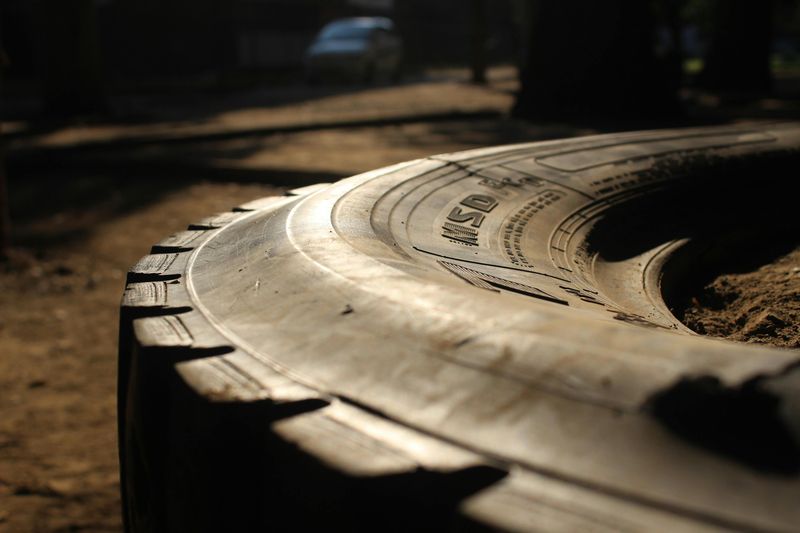
There is a difference between a light powder that stays on your tire and material that falls, smears, or grinds onto the road, and that is the key. Dusty sidewalls after a dry gravel run are normal for Minnesota drivers, and nobody is chasing you for that.
The city cares when the material moves from your vehicle to the shared surface and becomes a mess others must navigate.
If you can see clumps, pebbles, or streaks trailing behind as you roll, you are in deposit territory. If a quick tap leaves a smear on the pavement or you notice a dotted line of little mud pancakes, that is a deposit.
A plain dusty haze that never drops is not what they mean, and you can keep rolling without stress.
The litmus test is visibility and impact, since the point is to protect traction, drainage, and general cleanliness. When the stuff stays stuck and does not transfer, it is basically a cosmetic layer on your own gear.
When it transfers and lingers, the nuisance rule clicks on, and now it is worth a pause, a brush, and maybe a simple cleanup before you head out.
How Enforcement Usually Happens, Complaints, Visible Mess, And Common Sense
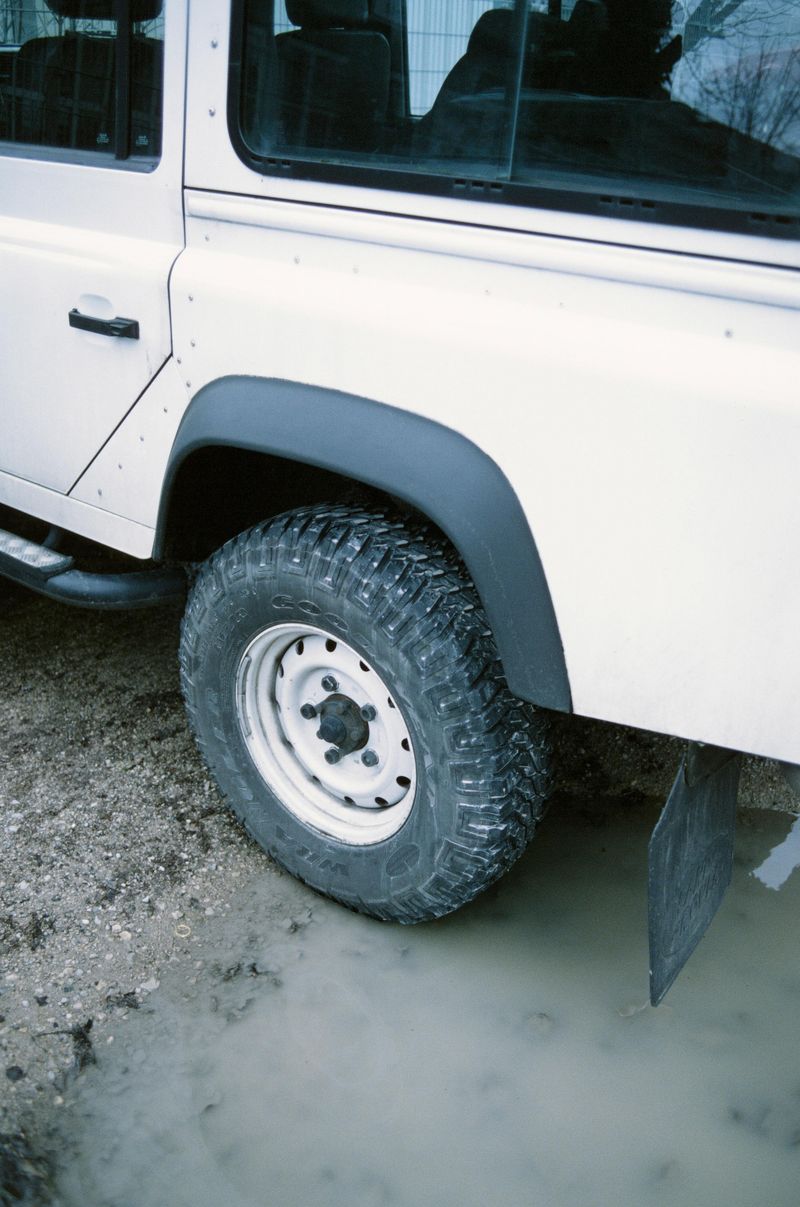
Most of the time this starts with a neighbor or contractor noticing a visible line of mud or gravel where it does not belong, and a call or online report follows. Minnesota communities tend to lean on photos and quick descriptions, since that helps staff sort legit messes from harmless dust.
When an inspector or officer checks it out, they are looking for obvious deposits and an easy way to fix them fast.
Common sense runs the show, and you will feel that if someone reaches out before it becomes formal. Maybe a site manager gets a heads up to sweep the shoulder, or a driver is asked to knock off the clumps.
If the material is fresh, cleanup can happen in minutes with a shovel and a broom, and the story ends there.
If it is heavy or keeps recurring, the city can label it a nuisance and require abatement, which is code speak for clean it up and stop it. Minnetonka is not hunting for gotchas, since it wants clear streets and fewer hazards.
Handle it quickly, document the cleanup, and you will usually find everyone ready to move on with their day.
Other Minnetonka Nuisance Rules Nearby In The Same Section

Right next door to the dirty tires idea you will see the usual cast of nuisance characters that Minnesota cities keep in the same neighborhood of code. We are talking weeds that grow wild in front yards, debris piled where it should not be, and materials left in streets that clog drains.
The theme is shared space being kept clean, safe, and reasonably tidy for everyone.
You might also spot rules about obstructions on sidewalks or snow pushed into the roadway, which messes with both access and visibility. This is where the city prefers quick fixes over long lectures, because a broom or a shovel usually solves it.
When the code groups these together, it makes it easier to point people to one place for friendly solutions.
Once you see that cluster, the tire piece makes more sense, since it is just another way stuff migrates from private property to public space. Minnetonka keeps the language broad enough to cover different materials and seasons.
If you remember the cluster, you will remember the remedy, which is to keep the public parts clean and deal with the mess where it starts.
Simple Takeaway, Keep Streets Clean And Your Drive Stays Drama-Free

Here is the whole thing in a sentence you can remember on a busy morning, because it really is that simple. If your tires are about to drop something onto a Minnetonka street, knock it off before you roll.
Minnesota weather will tempt your treads to carry half the yard, and that is fine as long as it does not end up on the roadway.
Keep a brush in the trunk, pause for a moment when you leave a muddy lot, and listen for those telltale clacks of gravel. If you hear them, loop back and clear the rest so you are not sprinkling the lane behind you.
The city’s rule is not out to catch you, and it just wants the shared stripes to stay clean and safe.
Do that tiny routine and the nuisance part never enters the chat, since the street stays the street and your property keeps its mess. That is less stress for neighbors, cyclists, and your own tires the next time rain hits.
Clean exit, clear mind, and you roll on to your next stop without a second thought.
Dear Reader: This page may contain affiliate links which may earn a commission if you click through and make a purchase. Our independent journalism is not influenced by any advertiser or commercial initiative unless it is clearly marked as sponsored content. As travel products change, please be sure to reconfirm all details and stay up to date with current events to ensure a safe and successful trip.
