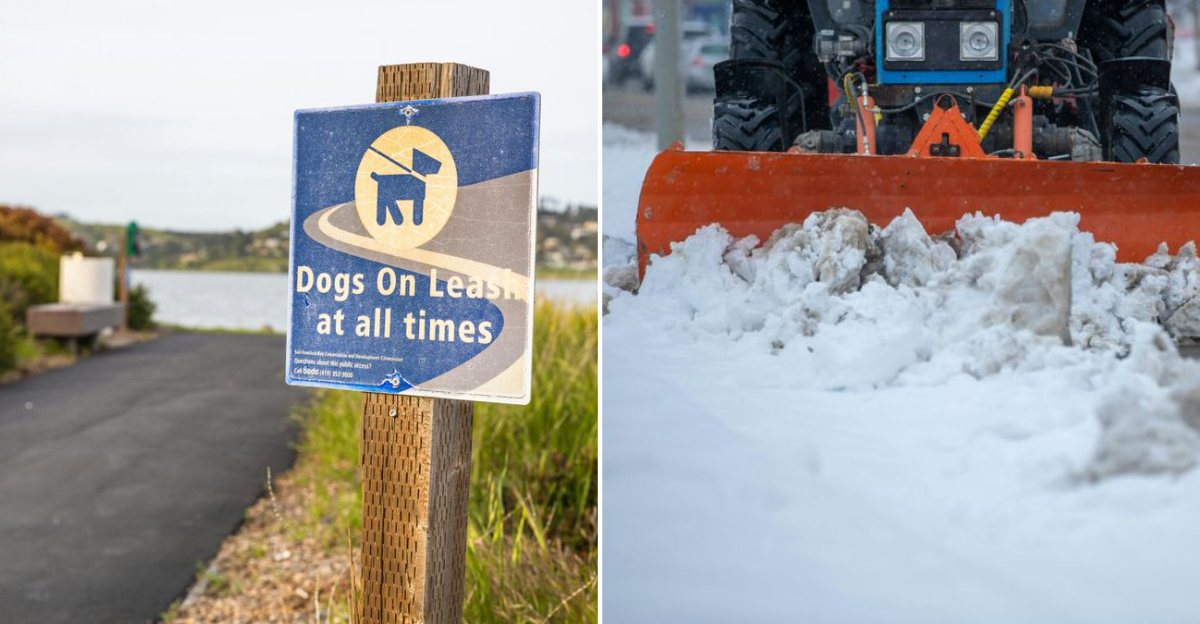
Ever think you might be breaking a rule without even knowing it? In Minnesota, that happens to visitors all the time. The state has some quirky laws and local rules that aren’t exactly obvious, and tourists often stumble into them without meaning to.
It’s not about major crimes, it’s the little things. From fishing regulations that change depending on the lake, to rules about where you can and can’t cross the street, Minnesota has its own way of doing things.
Even something as simple as buying alcohol can catch outsiders off guard, since sales are restricted in certain places and times. Locals are used to it, but for visitors, it can feel confusing.
I’ve heard plenty of stories of tourists laughing after realizing they broke a rule they didn’t even know existed. It’s usually harmless, but it’s a reminder that every state has its quirks.
So if you’re heading to Minnesota, keep your eyes open, you might just learn the hard way that odd rules are part of the experience.
1. Failing To Yield To Pedestrians At Every Crosswalk
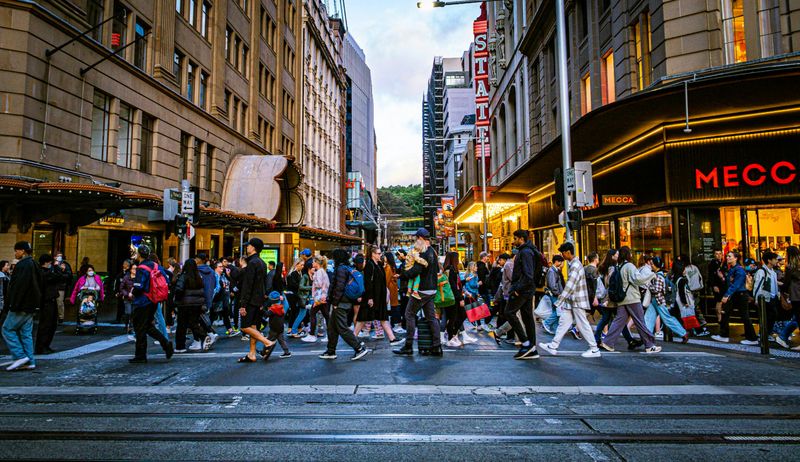
This one catches so many visitors because it feels extra strict at first. In Minnesota, once a person steps into a marked or unmarked crosswalk, drivers must stop fully.
You cannot inch by or slow-roll past them while they are crossing, and locals will notice if you try.
The trick is understanding unmarked crosswalks at intersections without painted lines.
If there is a corner-to-corner path across the street, treat it like a crosswalk even if you do not see stripes.
Visitors sometimes stop midway or wave people through in confusing ways, which creates chaos.
You will feel the Minnesota rhythm after a day. Drive steady, watch the corners, and keep your foot ready to brake well before the line.
It is not about being perfect, just predictable.
Use eye contact, but do not overdo the friendly wave that sends mixed signals. If you accidentally pull too far into the walk, back up carefully and reset.
People on foot have the right-of-way here, and the state is serious about it.
One more helpful tip: snowbanks can hide pedestrians near curb cuts, so slow earlier than you think in winter.
That little pause shows respect, keeps everyone safe, and keeps your trip smooth.
2. Holding A Phone While Driving, Even At A Stoplight
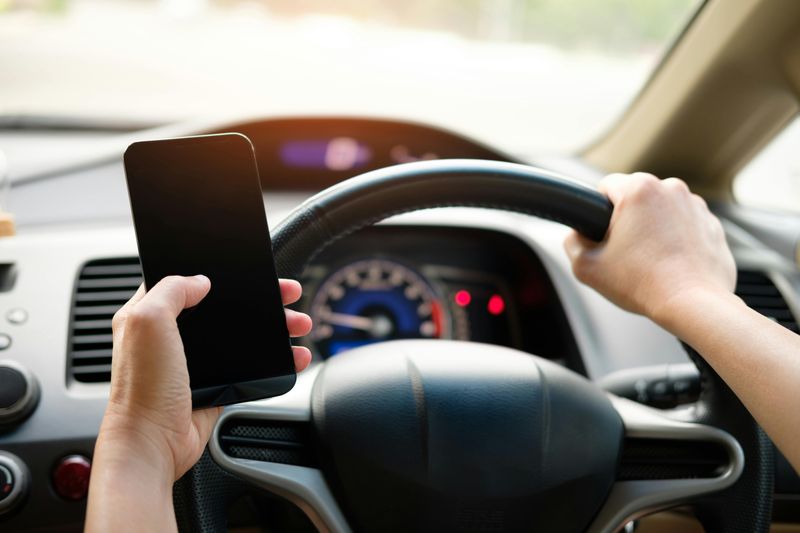
You know that quick glance at your phone at a red light? Here, it still counts as holding while driving and it can earn a citation.
The state is hands-free, which means mount it, use voice, or wait until you park safely.
I have seen people get tripped up leaving downtown St. Paul lights near the Capitol area.
They think stopped means safe, but officers enforce the rule because distraction lingers even when the car is not rolling. It is about attention, not just motion.
I think the best move is to set your route before starting and let your voice assistant handle the rest. If you need to tweak directions or pick a new playlist, pull into a lot, then adjust.
That quick pause saves trouble and keeps your mind clean for the next turn.
Mounts are easy to find, and most rental cars already have a decent spot around the dash. Keep swipes minimal and let the prompts talk.
It feels strict on day one and natural by day two.
If your phone drops in the footwell, leave it until you can stop safely. Fishing for it while rolling is exactly the kind of moment this rule tries to prevent.
It is a small habit shift that makes a big difference. Treat the red light like active driving time.
Eyes up, hands free, and you will blend in with local drivers right away.
3. Driving With Snow Or Ice Left On The Car
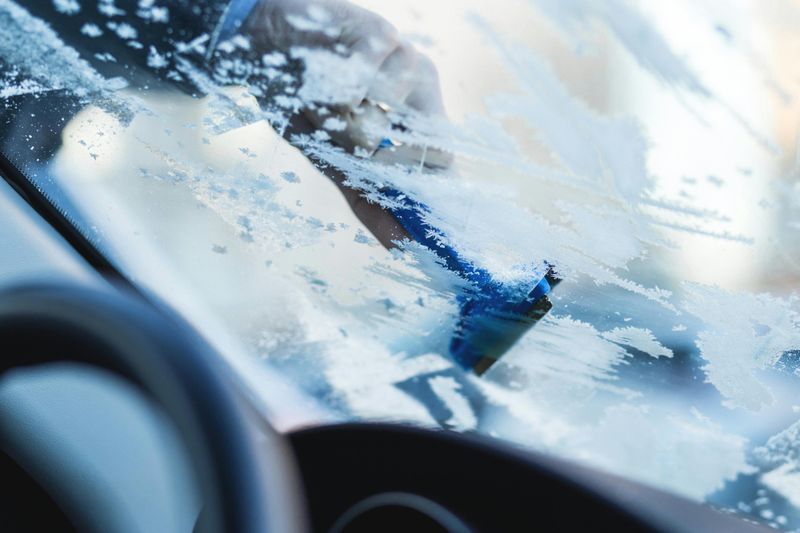
This rule starts the minute the flakes hit. Minnesota expects you to clear windows, mirrors, lights, and any loose snow that could blow off in traffic.
It is both courtesy and safety, and people here appreciate it when you take a few extra minutes.
Think about a quick morning leaving Duluth after lake-effect snow. If you skip the roof, that sheet can slide forward on the brakes and cover the windshield.
Worse, it can fly off and blind the car behind you, which turns into trouble fast.
Brush the lights, scrape the glass, and tap around the wipers to free them. Knock snow from the hood and trunk so nothing turns into a whiteout the first time you accelerate.
If the car was parked outside, check that exhaust area is clear too.
It is easy to rush when a nice sunrise hits the frozen harbor. Still, a clean car drives better and keeps everyone calmer in traffic.
Locals quietly judge the rolling snow fort, and enforcement backs them up.
In heavy storms, expect wind to pack ice along door frames and mirrors. Pull slowly at first so nothing cracks, then find a safe spot to finish the job.
I always carry a good scraper, a brush with reach, and a little patience, and I suggest doing the same. You will thank yourself on the highway.
4. Parking Facing The Wrong Direction On A Street
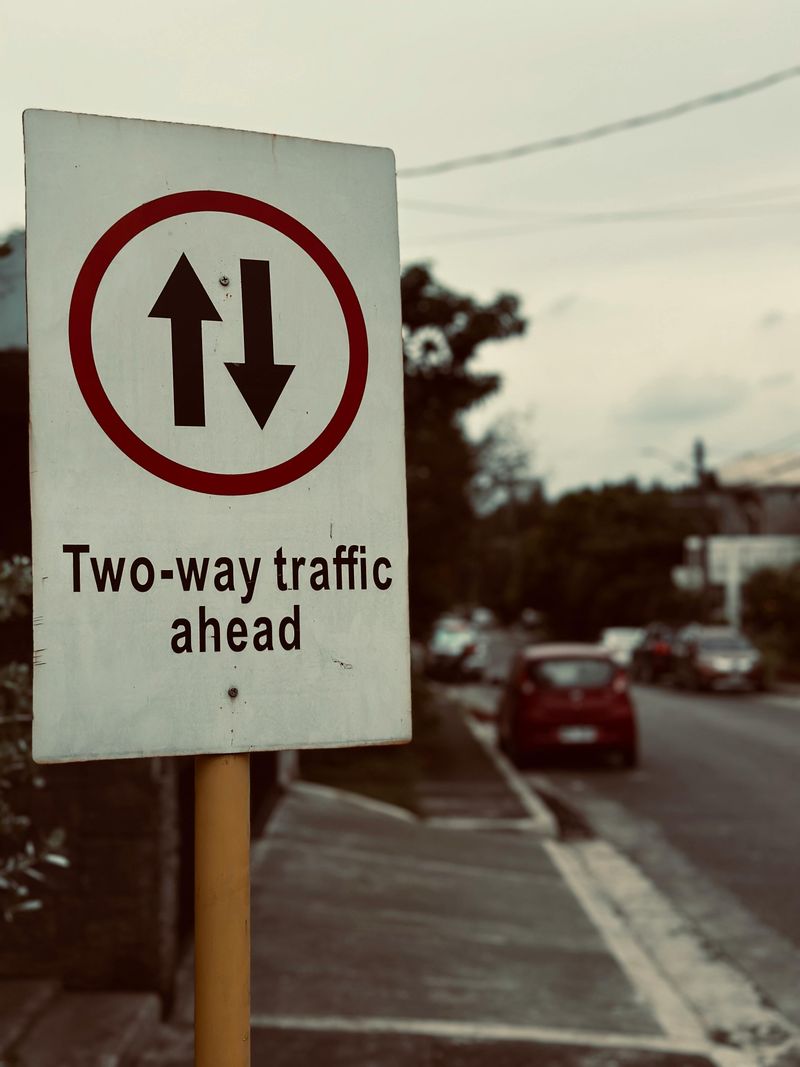
This one sneaks up on people in quiet neighborhoods. In Minnesota, you need to park facing the direction of traffic on that side of the street.
Pulling in nose-first against traffic seems harmless, but it is a quick ticket.
Picture a calm block in St. Louis Park or a side street in Rochester. You spot a space on the left and swing across to tuck in without flipping around.
Locals notice instantly because the flow looks off, and it signals you might pull out the wrong way later.
The fix is simple, even if it takes a bit longer. Drive past, loop the block, and come back aligned with traffic.
Your bumper will thank you when you re-enter the lane safely without a weird angle.
Winter makes this more important with narrowed lanes and banked snow. Facing the right way gives you a clear view when you pull out.
It also keeps your taillights visible to cars coming from behind.
Watch for signed exceptions, but assume the standard holds across most cities. Residential areas get patrolled more than you would think, especially after snowfall.
The order keeps plows, buses, and deliveries running without sudden stops. It is a tiny habit that tells locals you get how things work here.
5. Blocking A Snowplow Route Without Realizing It
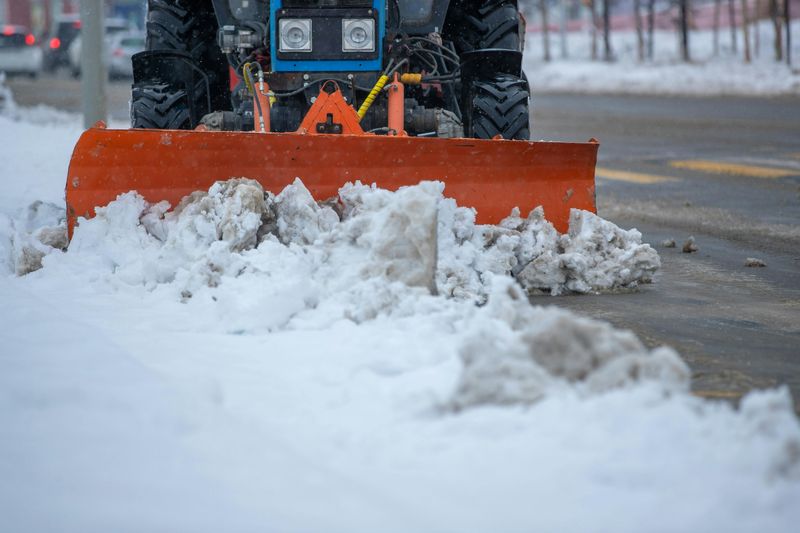
Snow emergencies have their own rhythm here, and missing a notice can bite fast. Cities in this state mark special routes and alternate side rules so plows can clear lanes.
Park wrong during a declared emergency and you might return to an empty space.
Minneapolis and St. Paul post alerts across apps, city sites, and signs. When those lights start flashing, the schedule matters more than usual.
One night it is one side, next time it is the other, and certain routes stay clear completely.
If you are visiting, ask your host or hotel how they track it. They usually have a go-to app or text alert that keeps things simple.
Move the car on time and the plows will treat you kindly.
Snow banks pile up quick and shrink parking options. That is exactly why the system is strict, because emergency lanes and buses need space.
You can usually find temporary lots that open for the duration.
Look for street signs that spell out the route rules even in good weather. They will make more sense after your first alert.
The goal is a clean curb-to-curb pass so the road does not turn into a frozen maze.
6. Ignoring Right-Turn-On-Red Restrictions
Here is a tricky one because habits travel with you.
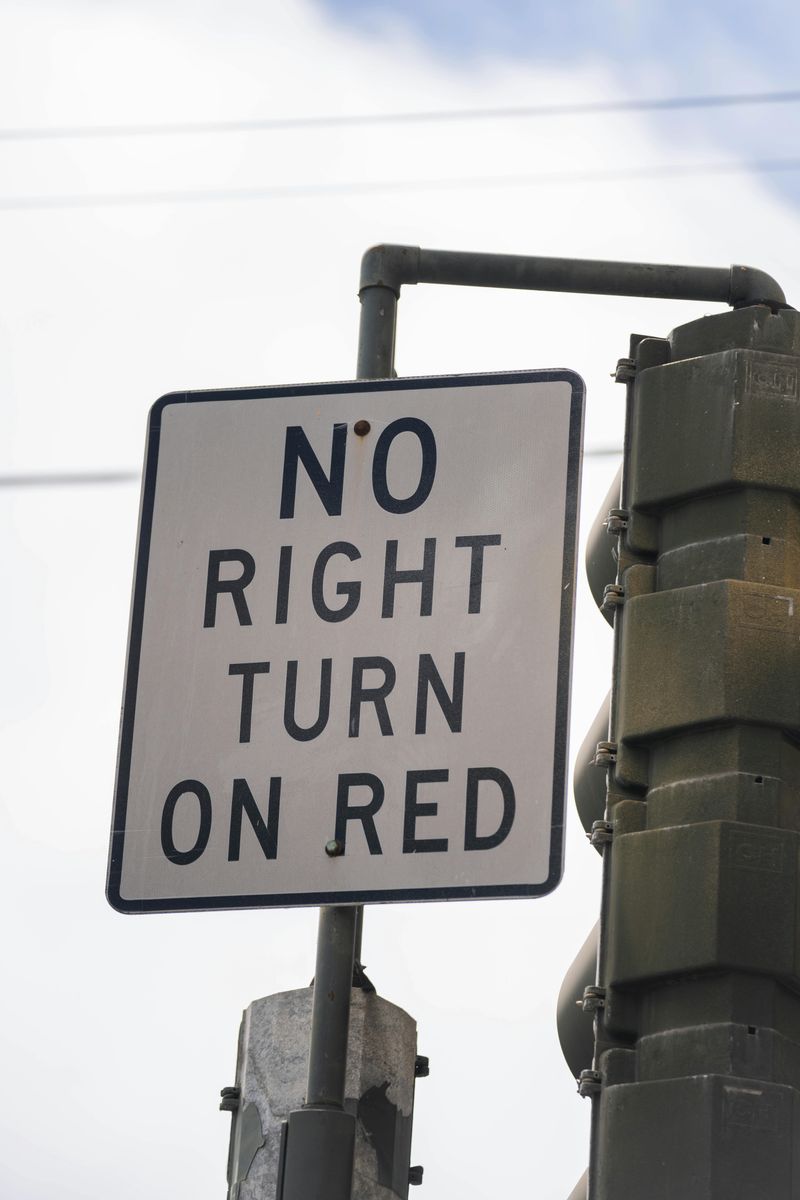
Right on red is common, sure, but Minnesota posts plenty of intersections where it is not allowed. If the sign says no turn on red, believe it and wait.
Busy corners around the University of Minnesota or near major bike corridors often carry that restriction.
The timing protects people stepping off the curb and riders crossing with a dedicated phase. It is not a suggestion, and cameras or patrols keep an eye on it.
I think your best bet is to sweep for signs early as you roll to the line. They can sit high on the pole or hang beside the signal head.
If you are unsure, do not push it, because that quick roll can become an unwanted stop.
It is amazing how relaxing it becomes once you adjust. You sit calmly, the light flips, and you flow with everyone else.
The whole state runs smoother when intersections do not have surprise turns.
Expect tighter rules near schools, stadiums, and transit hubs. Special phasing helps keep the crosswalks calm.
Even downtown, it is posted clearly if you take a second to look up.
Make it a game: spot the sign early and call it out, then enjoy the smooth turn when the green gives you the go. That small pause keeps the trip easy and friendly.
7. Walking Or Standing In Bike Lanes
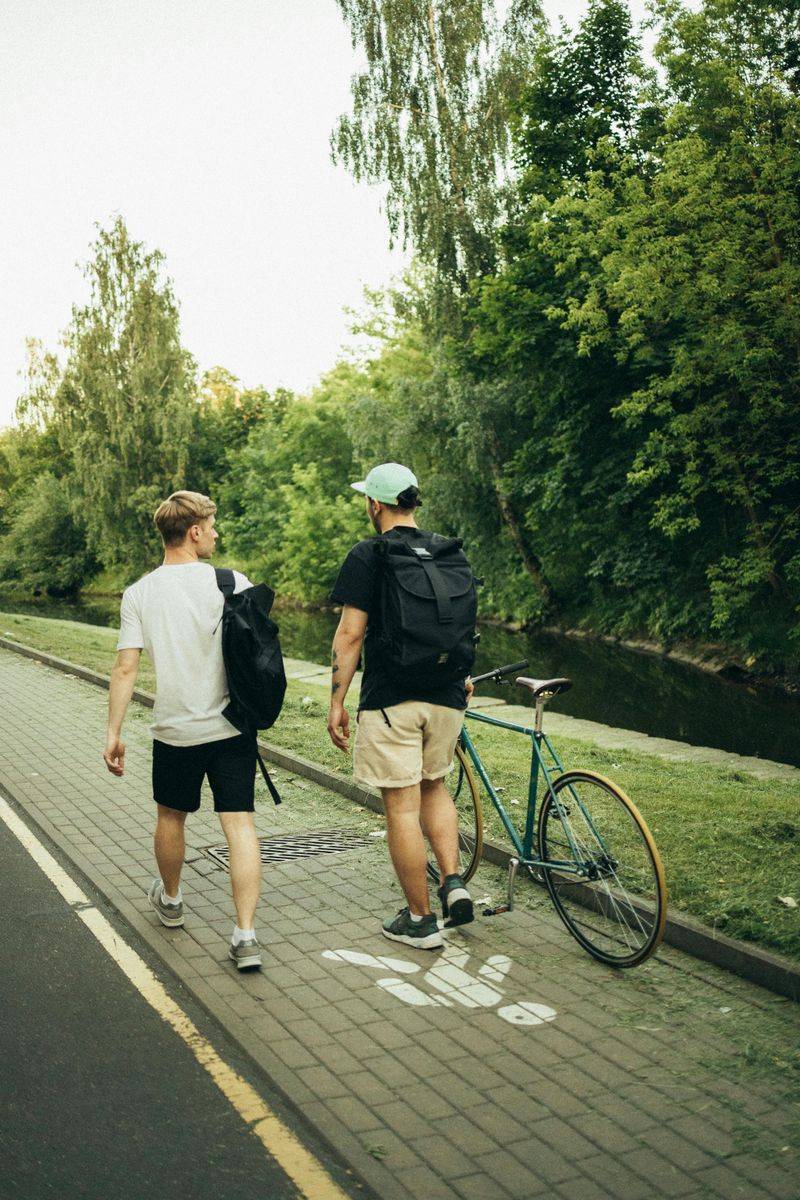
Bike lanes here act like real travel lanes, not extra sidewalk. If you stand, unload, or wander in them, you can run into local ordinances.
The people riding expect clear space, and it keeps everyone calmer when the stripe stays open.
Minneapolis has protected lanes along key corridors, and St. Paul has them too. Some are buffered or marked with green paint near intersections.
If you need to step out for a photo, find the curb or a safe spot off the lane.
Drivers should plan loading zones and never block the bike path for a quick stop. It is tempting, I know, especially on narrow streets with snow narrowing the curb.
A short move around the block is worth it to keep riders predictable.
Walking with a group, take a second to point out the lane so no one drifts. It helps at night when the paint blends with wet pavement.
Lights and reflective posts do their part, but awareness matters most.
You will notice how smoothly it all moves when each piece stays in its place. Sidewalks for feet, lanes for wheels, and the whole line keeps rolling.
The state invests in this network, so respect goes a long way.
If you cannot avoid crossing, look, signal with your body, and step quickly. Offer a friendly nod to riders.
That little courtesy is pure Minnesota and it changes the vibe immediately.
8. Letting A Dog Off-Leash Outside Designated Areas
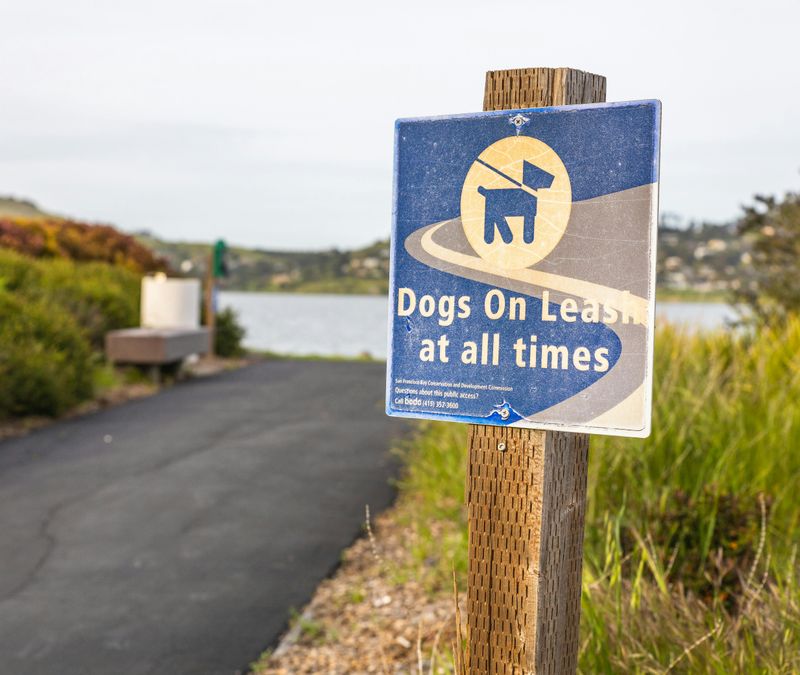
Dog lovers, this one is for you. Most Minnesota cities expect leashes unless you are inside a signed off-leash area.
Parks look wide open, but the rules stay tight to keep people and pets calm.
In Minneapolis, regional parks often post clear signs at trailheads. St. Paul and the suburbs follow similar patterns with fenced zones.
If you do not see a marker, assume leashes are required and you will be fine.
Wildlife and cyclists share a lot of space here. An off-leash sprint can spiral quickly on a busy path.
The leash rule keeps surprises down and protects your dog from sudden traffic.
Bring a spare clip and a short lead for crowded areas. If snow piles narrow the path, keep the line closer so people can pass.
Most folks will give a friendly nod when they see you are paying attention.
When in doubt, check the city website for that specific park. Know that rules can vary a bit, especially around lakes with swimming areas and restored habitats.
Local signage always wins in the moment in my opinion.
You will still find great spots to run and play. Just look for the designated fields or fenced parks and let the energy fly there.
Minnesota loves dogs, and a little structure makes that love easy.
9. Not Using Headlights In Poor Weather Conditions
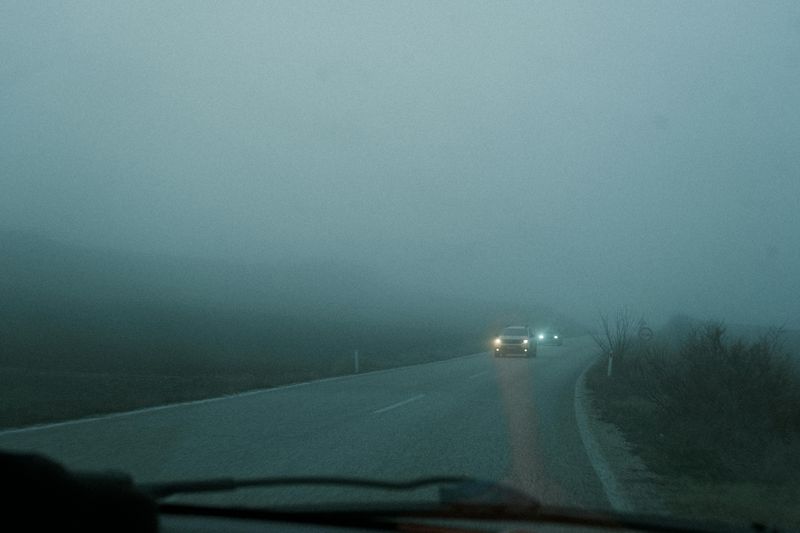
Daytime can be deceiving up here. Minnesota expects headlights when visibility drops from snow, fog, or heavy rain.
The idea is simple: be seen early so others have time to react.
On a gray morning near Moorhead, a light snow can turn the highway into a soft blur. Running lights are not enough because they often skip the taillights.
Flip the full headlights so your car shows up from every angle.
Snow spray and slush create a mist that lingers behind traffic. Without lights, your car blends into the road and clouds.
Good drivers in this state turn them on before things look bad.
Even in a city, the reflections off wet streets make signals harder to judge. Headlights sharpen your position and speed.
You will feel the whole drive relax when your car stands out just a bit.
On long two-lane routes, lights help oncoming traffic gauge distance. That matters when conditions change mile to mile.
It is not about rules for rules’ sake, it is a safe habit that sticks.
Make it automatic: if you hit the wipers, you hit the lights. Minnesota drivers will nod silently, and you will blend right in wherever you go.
Dear Reader: This page may contain affiliate links which may earn a commission if you click through and make a purchase. Our independent journalism is not influenced by any advertiser or commercial initiative unless it is clearly marked as sponsored content. As travel products change, please be sure to reconfirm all details and stay up to date with current events to ensure a safe and successful trip.
