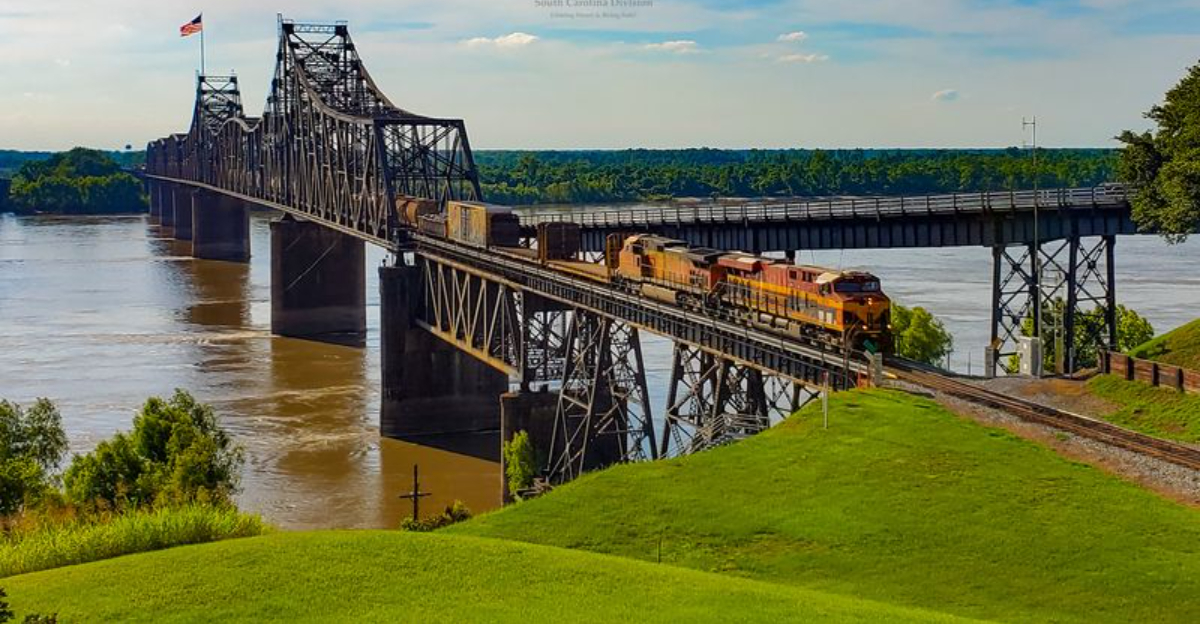
The Mississippi River winds through the heart of America like a liquid timeline, carrying stories of steamboats, cotton trade, and centuries of Southern charm.
Along its banks sit forgotten treasures that resist the frantic pace of modern life, where front porches still serve as gathering places and neighbors greet each other by name.
These river towns offer travelers something increasingly rare: a chance to step off the treadmill of constant motion and simply breathe.
From historic mansions perched on ancient bluffs to quiet main streets lined with antique shops, these communities preserve a way of life that values connection over convenience and stories over speed.
1. Natchez, Mississippi
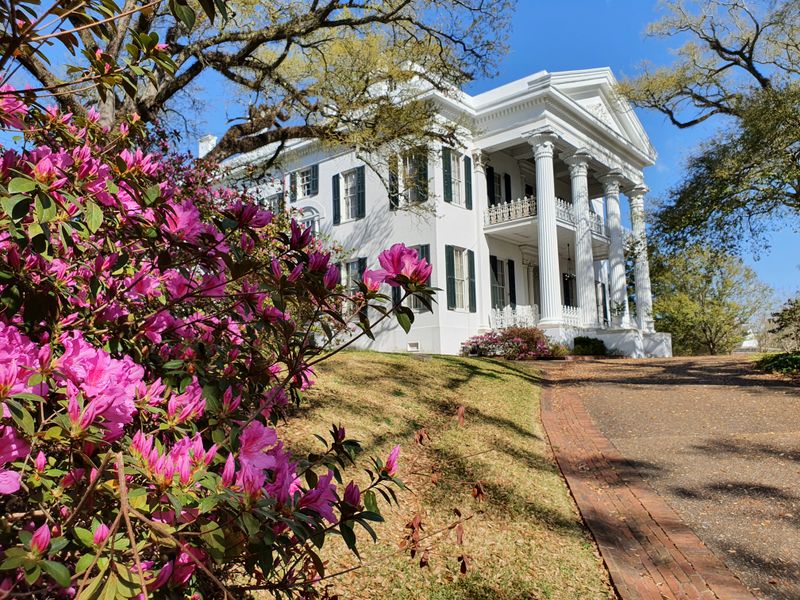
Perched high on limestone bluffs that tower over the mighty Mississippi, Natchez holds the distinction of being one of the oldest European settlements along the entire river.
The town preserves more antebellum homes than anywhere else in America, creating a living museum where history breathes through every columned porch and wrought-iron gate.
Walking through the Garden District feels like stepping onto a movie set, except the grandeur is authentic, built by cotton wealth before the Civil War changed everything.
Stanton Hall and Longwood mansion tell stories of ambition, prosperity, and the complicated legacy of the Old South through their architecture alone.
The Natchez Trace Parkway begins here, connecting this river town to centuries of travel routes used by Native Americans, traders, and pioneers.
Spring pilgrimage season transforms the town into a celebration of heritage, when private estates open their doors to visitors eager to glimpse behind the magnolia-scented curtains of history.
Beyond the mansions, the bluff overlooking the river provides panoramic views that have captivated travelers for generations.
Local restaurants serve Southern comfort food that honors family recipes passed down through multiple generations.
The pace here refuses to accelerate, despite modern pressures.
Residents still pause for conversation on sidewalks, and businesses close on Sundays without apology.
Antique shops line downtown streets, their windows displaying treasures that connect present-day browsers to the hands that once cherished these objects.
Evening brings a particular magic, when gas lamps flicker to life and the river reflects the fading daylight like liquid bronze.
Natchez proves that preservation can be a living practice, not just a museum exercise, keeping the past accessible while allowing contemporary life to unfold at a human scale.
2. Canton, Mississippi
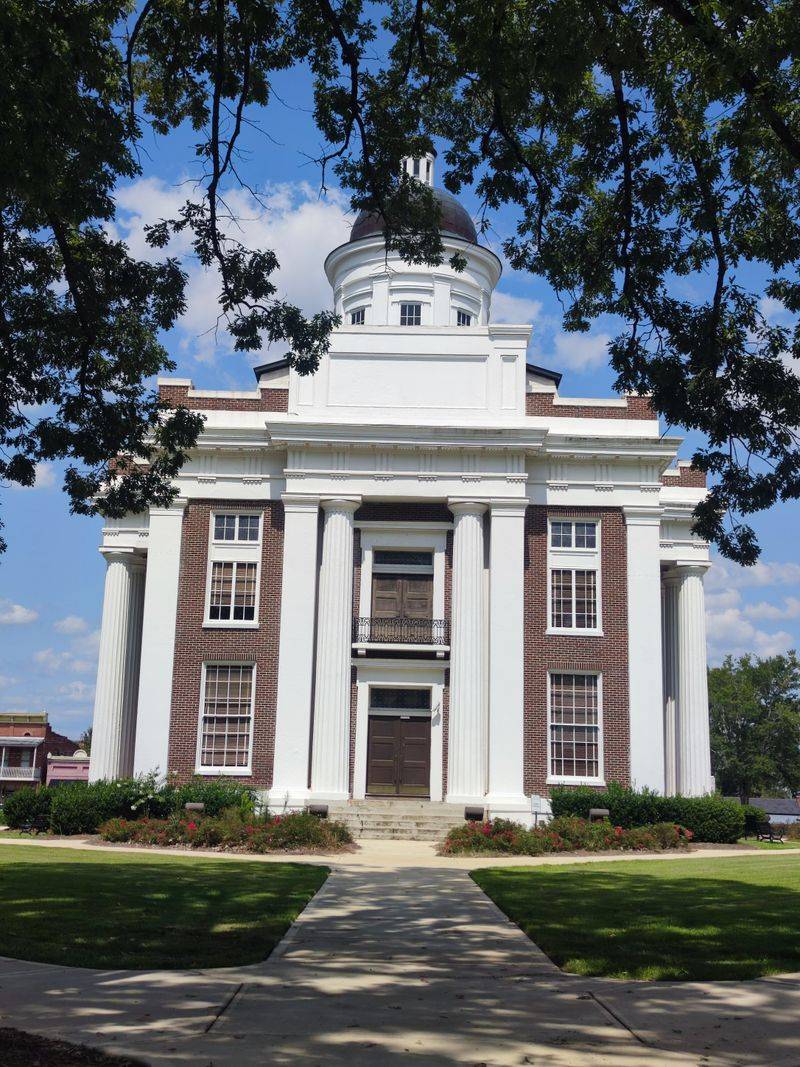
Situated between the Pearl River and Big Black River, Canton offers a quieter alternative to the capital city bustle just thirty minutes away.
This courthouse town became famous as a filming location for movies seeking authentic Southern atmosphere, including scenes from the adaptation of John Grisham’s legal thriller.
The town square remains the heart of community life, where seasonal festivals draw crowds without overwhelming the intimate scale of downtown.
Canton’s Flea Market has achieved legendary status among treasure hunters, transforming the courthouse square into a sprawling marketplace several times yearly.
Vendors travel from across the region to sell everything from handcrafted furniture to vintage linens, creating a shopping experience that prioritizes discovery over convenience.
Beyond the commercial attractions, Canton maintains a residential character that feels genuinely lived-in rather than preserved for tourists.
Antebellum homes line shaded streets, their architecture speaking to prosperity built on agriculture and river commerce.
The Mississippi Petrified Forest lies just outside town, offering a geological wonder where ancient trees turned to stone millions of years ago.
Walking trails through this prehistoric landscape provide perspective on timescales that dwarf human concerns about rushing and deadlines.
Local diners serve plate lunches that follow the traditional Southern rhythm of meat-and-three vegetables, with sweet tea flowing freely and servers who remember your order after just one visit.
The Natchez Trace Parkway passes nearby, connecting Canton to a historic travel corridor that predates European settlement.
Evening settles gently here, with front porch sitting still practiced as both recreation and social connection.
Canton demonstrates how a town can welcome visitors without losing its essential character or sacrificing the slower pace that makes it worth visiting in the first place.
3. Port Gibson, Mississippi
General Ulysses S. Grant famously declared Port Gibson too beautiful to burn during the Civil War, sparing this river town from the destruction that consumed so many Southern communities.
That decision preserved a architectural treasure trove that continues to enchant visitors more than 150 years later.
The First Presbyterian Church stands as the town’s most recognizable landmark, its steeple crowned with a golden hand pointing heavenward instead of a traditional cross.
Port Gibson sits along the Natchez Trace Parkway, positioning it perfectly for travelers seeking authentic encounters with Southern history rather than tourist-trap experiences.
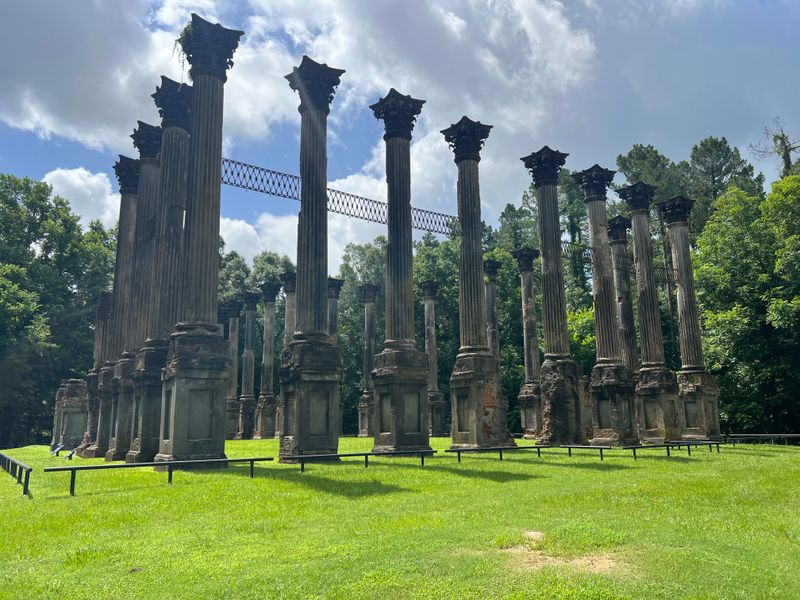
The ruins of Windsor mansion haunt the surrounding countryside, twenty-three towering Corinthian columns standing sentinel over what was once the largest antebellum home in Mississippi.
Fire consumed the mansion in 1890, but the columns endure as a romantic ruin that photographers and history enthusiasts seek out for its melancholy beauty.
Grand Gulf Military State Park lies nearby, preserving a ghost town and Civil War battlefield where interpretive trails explain the strategic importance of this stretch of river.
Downtown Port Gibson moves at a pace determined by conversation rather than clocks.
Local shops close when the owners feel ready, and lunch breaks extend as long as the stories being shared around tables demand.
Bayou Pierre winds through the landscape, creating wetland habitats where cypress trees grow directly from the water and herons fish in patient stillness.
The town celebrates its heritage without turning history into mere entertainment.
Residents genuinely live here, maintaining homes and businesses that serve local needs first and visitor curiosity second.
Port Gibson rewards slow exploration, revealing layers of history and natural beauty to those willing to wander without rigid itineraries or constant smartphone consultation.
4. Friars Point, Mississippi
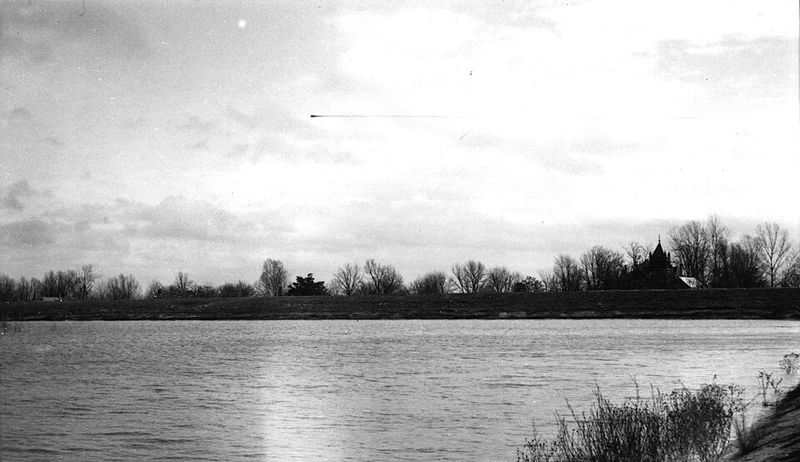
Once a thriving port where steamboats loaded cotton bales bound for distant markets, Friars Point now stands as the only public access point to the Mississippi River in all of Coahoma County.
This distinction gives the town an importance that transcends its tiny population.
The river remains central to identity here, visible from the main street and constantly present in conversation.
Locals remember when the town bustled with commerce, when warehouses lined the waterfront and the sound of boat whistles punctuated daily life.
Those days have passed, but the community maintains a connection to the river that feels more authentic than the manufactured nostalgia found in more developed tourist destinations.
The Delta surrounds Friars Point with impossibly flat agricultural land stretching to distant horizons, creating landscapes where sky dominates every view.
This geography produces spectacular sunsets that paint the heavens in colors that seem too vivid to be real.
Blues history runs deep here, with connections to the musical tradition that emerged from Delta plantations and juke joints.
Though no major music venues operate currently, the cultural memory persists in stories shared by longtime residents who remember legendary performers passing through town.
Fishing dominates recreational activity, with the river providing catfish, bass, and the occasional massive gar that fights like a prehistoric monster.
Anglers gather at the riverfront to swap tales and techniques, their patience matching the unhurried flow of the current.
Friars Point offers no boutique hotels or farm-to-table restaurants, just an unvarnished glimpse of Delta life where the river still matters and time follows natural rhythms rather than digital alerts.
Visiting requires accepting the town on its own terms, which means embracing simplicity and finding beauty in what remains rather than mourning what has disappeared.
5. Vicksburg, Mississippi
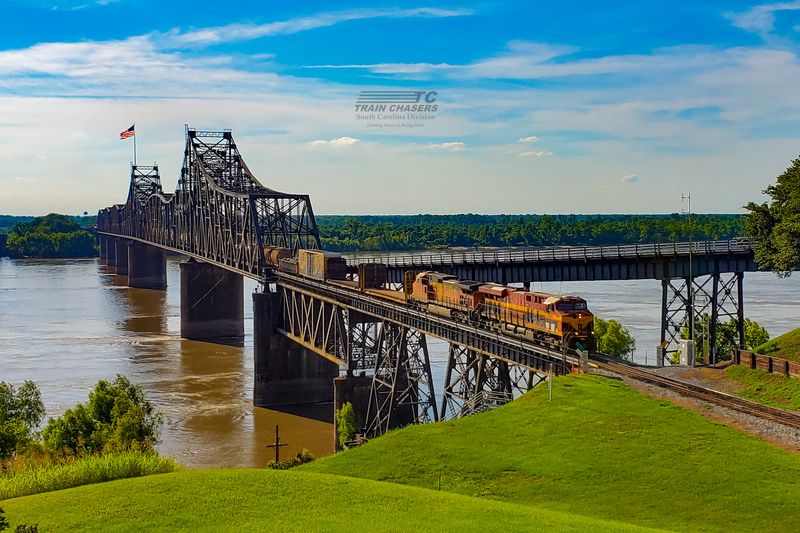
The Siege of Vicksburg in 1863 determined the outcome of the Civil War, giving Union forces control of the Mississippi River and splitting the Confederacy in two.
This military history dominates the town’s identity, with the National Military Park preserving the battlefield where thousands fought and died during forty-seven days of bombardment.
Driving the sixteen-mile tour route through the park reveals the tactical complexity of the siege through preserved trenches, artillery positions, and more than 1,300 monuments.
Beyond the battlefield, Vicksburg perches on high bluffs that command sweeping views of the river below.
These strategic heights made the city invaluable to both armies and created the dramatic topography that gives modern Vicksburg its distinctive character.
Downtown streets slope steeply toward the waterfront, lined with buildings that span architectural styles from antebellum to art deco.
The Waterways Experiment Station contributes to the local economy while maintaining connections to the river through hydraulic engineering research.
Casinos occupy the riverfront now, floating on barges to comply with gambling laws while providing entertainment that would have shocked nineteenth-century residents.
Despite these modern additions, Vicksburg retains neighborhoods where Victorian homes display the ornate craftsmanship of an earlier era.
The McRaven House claims the title of most haunted home in Mississippi, offering tours that blend architecture, history, and supernatural tales.
Local restaurants serve tamales alongside traditional Southern fare, a culinary tradition brought by Mexican workers who came to the Delta in the early twentieth century.
The Yazoo and Mississippi Valley Railroad depot stands restored, reminding visitors that river towns depended on multiple transportation networks.
Vicksburg balances its heavy historical legacy with contemporary life, creating a community where the past informs but does not dominate daily existence.
6. Greenville, Mississippi
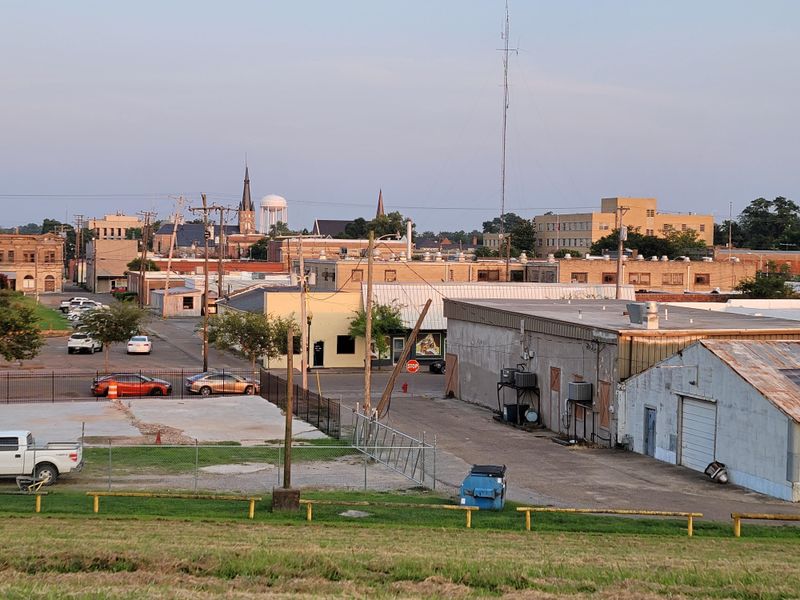
The largest city on the Mississippi River between Memphis and Vicksburg, Greenville maintains a Delta identity shaped by cotton, flooding, and the constant presence of the river.
The levee system that protects the city creates an elevated walkway where residents gather to watch the river and catch cooling breezes that provide relief from Delta heat.
From this vantage point, the Mississippi appears as a working river, with towboats pushing massive barge trains loaded with grain, coal, and containers toward distant ports.
Greenville’s literary heritage runs surprisingly deep for a river town, having produced writers including Walker Percy and Shelby Foote.
The local library and community college maintain this intellectual tradition through programs that honor both regional storytelling and broader literary culture.
Downtown struggles with the same challenges facing many Mississippi Delta communities, as economic shifts have emptied storefronts and changed the commercial landscape.
Yet the historic buildings remain, their architecture testifying to prosperity built on agriculture when cotton was king and river transport was essential.
Lake Ferguson, an oxbow lake created when the river changed course, provides recreational opportunities that draw fishermen and boaters seeking calm water near the unpredictable main channel.
The lake represents the river’s power to reshape geography, cutting new channels and abandoning old ones according to hydraulic forces beyond human control.
Blues music echoes through Greenville’s history, with connections to the broader Delta tradition that transformed American music.
While Memphis gets more attention, the Delta communities like Greenville provided the cultural soil where blues grew from field hollers and work songs into a distinct art form.
Flooding remains a constant concern, with the great flood of 1927 still remembered as a catastrophe that reshaped Delta society.
Living beside the river means accepting both its gifts and its dangers, maintaining vigilance while appreciating the beauty and economic opportunities that flowing water provides.
7. Rosedale, Mississippi
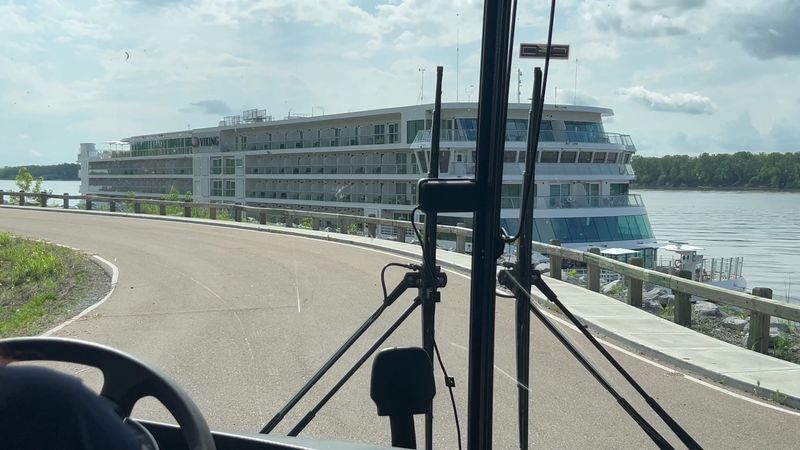
Highway 1 runs through Rosedale like a main artery, connecting this small Delta town to the broader network of communities that dot the flatlands between Memphis and Vicksburg.
The Great River Road designation brings occasional travelers seeking authentic Delta experiences, though most traffic consists of locals going about daily business.
Rosedale sits close enough to the Mississippi River to maintain identity as a river town, though levees and changing channels mean the water no longer flows directly past downtown.
This separation reflects the complicated relationship between Delta communities and the river that created their land through millennia of flooding and sediment deposition.
Agriculture dominates the economy and landscape, with cotton and soybeans growing in fields that stretch unbroken to distant treelines.
During harvest season, cotton modules line roadsides like massive white building blocks waiting for processing.
The scale of Delta farming operations dwarfs traditional family farms, with equipment costing hundreds of thousands of dollars working thousands of acres.
Yet small-town rhythms persist, with cafes serving as gathering places where farmers discuss weather, crop prices, and local news over coffee that flows continuously from early morning through lunch.
The Delta Blues Museum operates in nearby Clarksdale, but Rosedale maintains its own connections to musical heritage through community members who remember juke joints and traveling performers.
These memories exist primarily in oral tradition now, shared in conversations rather than preserved in formal exhibitions.
Rosedale offers no major tourist attractions or historic sites that draw crowds.
Instead, the town provides a window into contemporary Delta life, where economic challenges meet cultural resilience and the landscape itself becomes the main attraction.
Watching sunset paint the western sky in impossible colors while standing beside fields ready for harvest creates moments of beauty that require no admission fee or guided tour.
8. Tunica, Mississippi
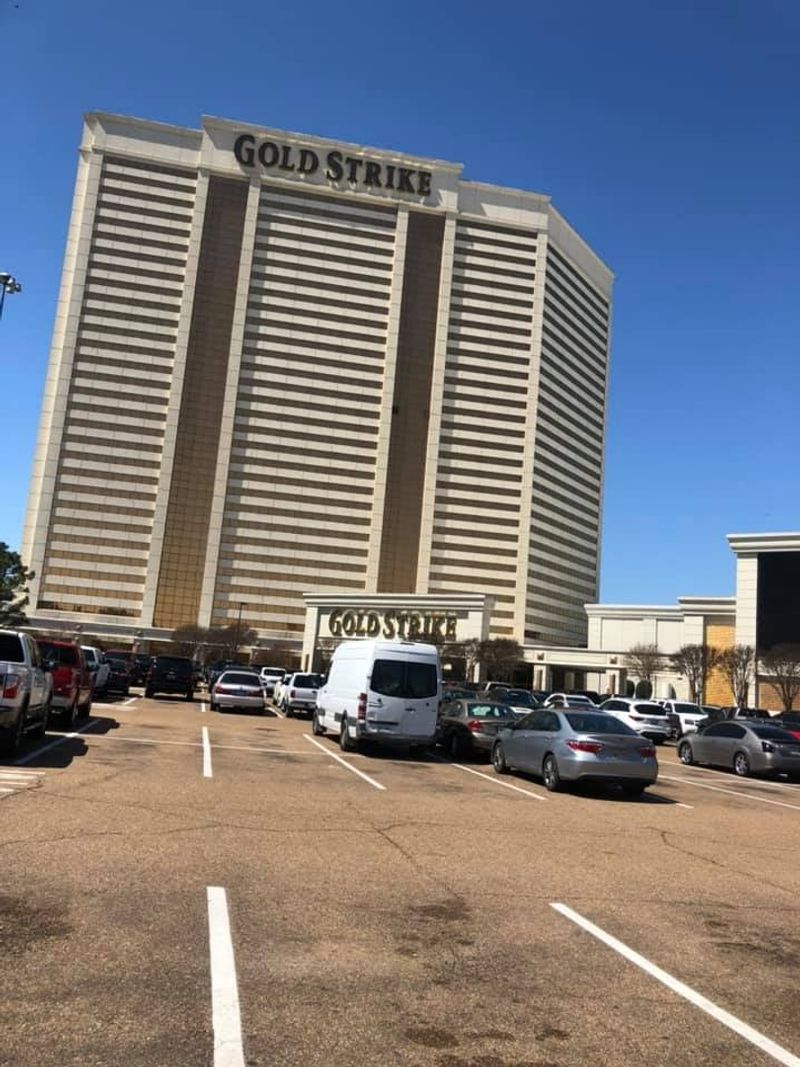
Tunica transformed itself from one of America’s poorest counties into a casino destination during the 1990s, when gambling legislation allowed riverboat casinos to anchor themselves permanently to the Mississippi shoreline.
This economic revolution changed everything about the community, bringing jobs, tax revenue, and visitors who previously had no reason to exit the highway between Memphis and Jackson.
The casino corridor along Highway 61 creates a surreal landscape where massive resort hotels rise from Delta cotton fields like monuments to entertainment and chance.
Inside these climate-controlled palaces, the timeless quality comes from deliberate design rather than isolation from modern life.
Casinos famously avoid clocks and windows, creating environments where hours disappear while slot machines chime and cards shuffle.
Beyond the gaming floors, Tunica has developed golf courses, restaurants, and entertainment venues that serve visitors seeking diversions besides gambling.
The Tunica RiverPark and Museum preserves and interprets the natural and cultural history of the Mississippi River, offering educational programming that contrasts sharply with casino excess.
Exhibits explore river ecology, Native American heritage, and the blues tradition that emerged from Delta communities.
An aquarium displays fish species that inhabit the Mississippi, from tiny minnows to prehistoric-looking paddlefish with their distinctive elongated snouts.
The museum provides context for visitors who might otherwise experience Tunica only through casino marketing and slot machine lights.
Old Highway 61, the legendary Blues Highway, runs parallel to the newer four-lane route, passing through communities that predate the casino boom.
These neighborhoods maintain connections to agricultural heritage and blues culture that tourists often miss while focused on gaming tables.
Tunica proves that river towns can reinvent themselves dramatically while still maintaining threads of continuity with deeper histories that shaped their character long before the first casino opened its doors.
9. Clarksdale, Mississippi
At the crossroads where Highway 61 meets Highway 49, legend claims Robert Johnson sold his soul to the devil in exchange for supernatural guitar skills.
Whether or not you believe in such bargains, Clarksdale undeniably sits at the spiritual crossroads of Delta blues, having produced or nurtured more influential musicians than seems possible for a town of its size.
Muddy Waters, John Lee Hooker, Ike Turner, and Sam Cooke all have connections to Clarksdale, their musical innovations transforming American culture far beyond the Delta.
The Delta Blues Museum occupies the historic freight depot, displaying guitars, stage costumes, and recordings that document the genre’s evolution from field hollers to electric Chicago blues.
Muddy Waters’ actual cabin from Stovall Plantation stands inside the museum, relocated and preserved as a shrine to his genius and the harsh circumstances that shaped his art.
Ground Zero Blues Club, co-owned by actor Morgan Freeman, keeps live music traditions alive, hosting performances that range from local veterans to touring acts keeping blues relevant for new generations.
The club occupies a renovated cotton warehouse, its industrial bones providing authentic atmosphere that no themed chain restaurant could replicate.
Red’s Lounge offers an even more raw blues experience, a tiny juke joint where musicians play for tips and beer in surroundings that have changed little in decades.
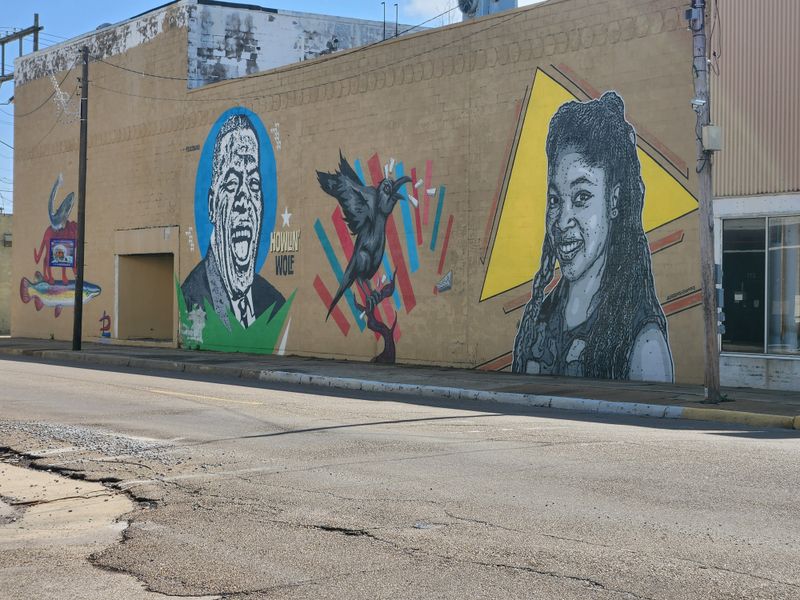
Walking Clarksdale’s streets reveals murals celebrating musical heritage, with portraits of blues legends watching over intersections and parking lots.
The town embraces its identity as blues capital, hosting festivals that draw international visitors seeking authentic experiences in the genre’s birthplace.
Beyond music, Clarksdale maintains the agricultural economy that has sustained Delta communities for generations, with cotton gins still operating during harvest season.
Time moves differently here, following rhythms established by crops, weather, and music rather than corporate schedules or digital notifications.
10. Belzoni, Mississippi
Proclaiming itself the Catfish Capital of the World, Belzoni celebrates the aquaculture industry that transformed Delta agriculture when cotton prices declined and farmers sought alternative crops.
Catfish ponds surround the town, their rectangular shapes visible from any elevated vantage point, creating a landscape that resembles nothing so much as an enormous checkerboard of water and levees.
These ponds produce millions of pounds of catfish annually, feeding appetites across America for the mild white fish that fries up crispy in cornmeal batter.
The Catfish Museum and Welcome Center explains the industry’s history and techniques, displaying equipment and photographs that document how Delta farmers adapted to changing economic realities.
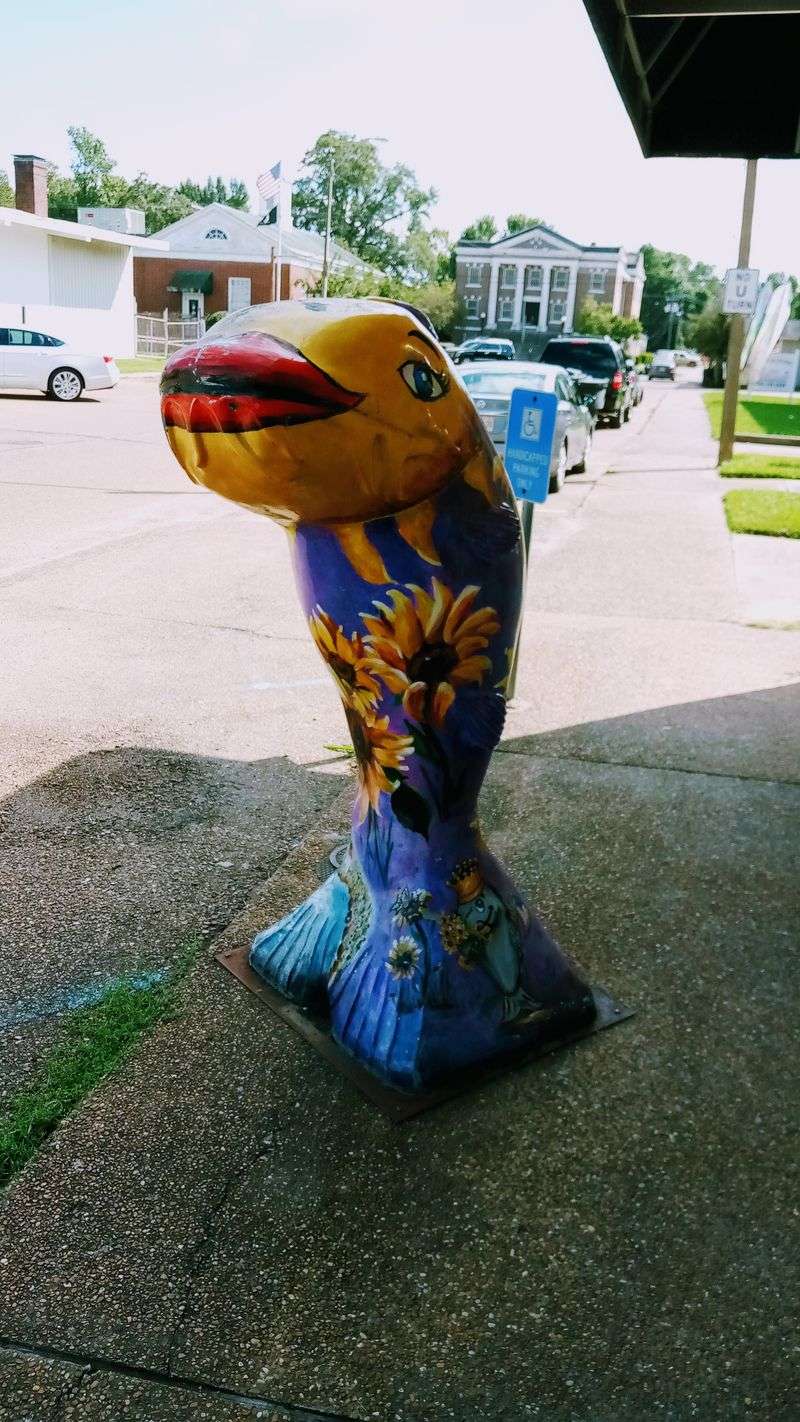
A giant catfish statue greets visitors downtown, providing the obligatory photo opportunity while celebrating the species that saved the local economy.
The World Catfish Festival each April draws crowds for eating contests, live music, and celebrations of a fish that might seem humble but represents innovation and resilience.
Beyond aquaculture, Belzoni maintains connections to broader Delta culture, with blues heritage and agricultural traditions shaping community identity.
The Humphreys County Museum preserves local history, from Native American artifacts to exhibits explaining how the Mississippi River created the Delta through millennia of flooding.
Downtown moves at a pace that accommodates conversation, with business owners who remember customers by name and take time to inquire about family members.
This personal scale of commerce contrasts sharply with impersonal big-box retail, creating shopping experiences where relationships matter as much as transactions.
The surrounding Delta landscape provides its own attractions, with vast skies and long views that urban residents find both unsettling and liberating.
Standing beside a catfish pond at sunset, watching herons hunt and listening to frogs begin their evening chorus, creates moments of tranquility that no spa treatment or meditation app can replicate.
Belzoni demonstrates how small towns survive by adapting while maintaining core values of community, hard work, and finding joy in simple pleasures.
Dear Reader: This page may contain affiliate links which may earn a commission if you click through and make a purchase. Our independent journalism is not influenced by any advertiser or commercial initiative unless it is clearly marked as sponsored content. As travel products change, please be sure to reconfirm all details and stay up to date with current events to ensure a safe and successful trip.
