Small towns along the Missouri River have seen their share of history. Some prospered as river ports when steamboats were the lifeblood of American commerce, others faded into the background when the river changed course or the railroads bypassed them.
A few of them never quite got the memo that the world moved on. Take a drive through these towns and you will find main streets lined with brick buildings that have not seen a major renovation in seventy years, diners where the coffee is still a dollar, and hardware stores that still sell the same goods they did when your grandparents were young.
There is no manufactured nostalgia here, just real places where the clock seems to run a little slower.
Whether it is the German influence, the antebellum architecture, or the simple fact that the interstate passed them by, these river towns feel caught in a time warp, and that is exactly what makes them worth the visit.
1. Weston
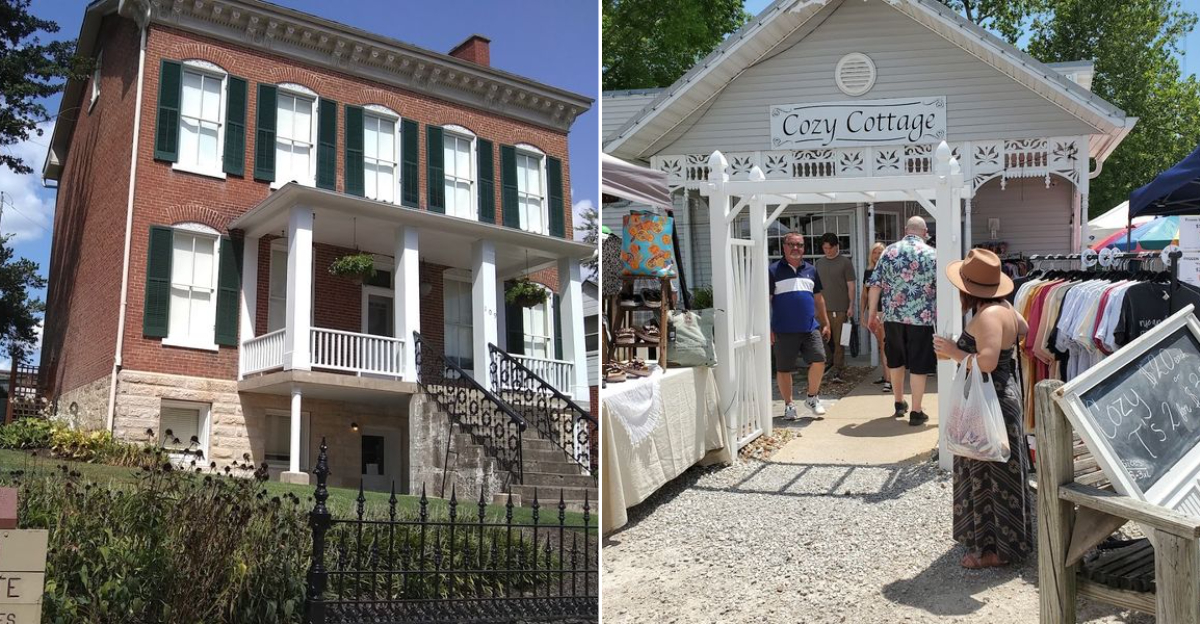
You know that rare feeling when a town seems to have politely ignored the last several decades? That is Weston.
The whole downtown carries itself with this easy confidence, like it never needed to chase trends because it was already interesting enough.
What gets me here is how complete it feels. So many places have one historic block and then the spell breaks, but in Weston the storefronts, sidewalks, and old facades keep the mood going long enough that you stop checking your phone and start looking up.
Being just outside Kansas City somehow makes the contrast even sweeter, because the shift into quiet happens fast.
The reason it feels so intact is part luck and part geography, since the railroad skipped past and the river changed course. That left the town with an older skeleton, and you can still see it in the tightly packed buildings that predate the usual waves of modernization.
It feels preserved without being precious, which is harder to pull off than people think.
Walk a little, linger a little, and Weston starts to feel less like a destination and more like a rhythm. Missouri has a few places that still know how to slow your breathing, and this is absolutely one of them.
2. Arrow Rock
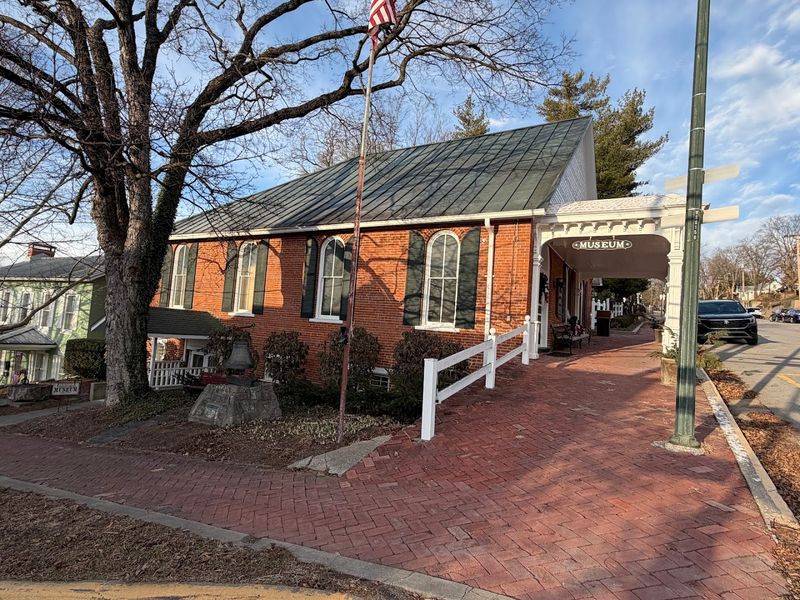
Have you ever pulled into a place and immediately felt like your voice should get a little softer? That is the mood in Arrow Rock.
It is tiny, quiet, and so deeply rooted in its own past that the whole town feels like it settled into itself and decided to stay there.
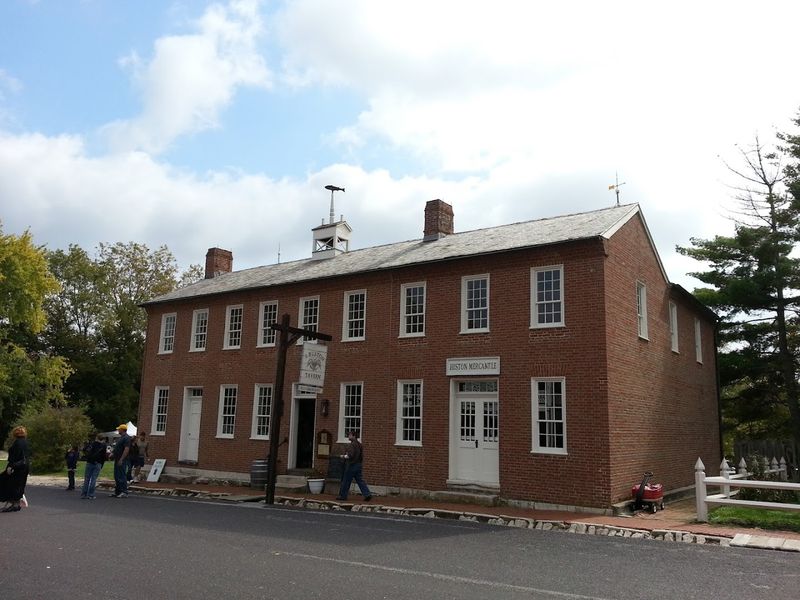
This was once a jumping off point on the Santa Fe Trail, and you can feel that history without anyone needing to oversell it. The preserved buildings do most of the talking, with their measured proportions and old materials that look better because time has touched them.
Nothing seems rushed, and that calm gives the whole place a kind of gravity.
I like that Arrow Rock does not try to be cute. It simply exists, and that honesty is what makes it memorable.
The scale helps too, because when a place is this small, every porch, walkway, and weathered wall becomes part of one continuous scene instead of separate attractions.
There is also something about the surrounding landscape that makes the town feel gently protected from modern noise. Missouri has several historic places, but Arrow Rock feels especially complete, like a page left open on purpose so you can sit beside it and keep reading.
3. Ste. Genevieve
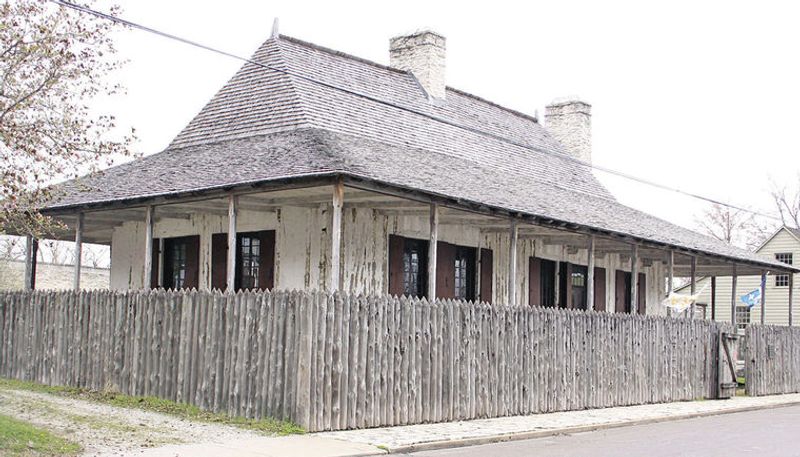
Some towns feel old, and then some towns feel removed from modern time altogether. Ste.
Genevieve lands in that second category for me. The moment you start noticing the French Colonial buildings and the slower pace, it feels like the rest of Missouri faded into the background for a while.
This place has deep roots, and you can sense that in the layout, the architecture, and the way the streets still encourage wandering instead of rushing. The historic district is full of structures that look unlike most American towns, especially if you are used to standard brick main streets and courthouse squares.
Here, the details feel softer, older, and tied to a different cultural rhythm.
What I love most is that the town does not feel frozen in a stiff museum way. It feels lived in, which makes the history easier to connect with.
You are not just looking at old houses, you are moving through a place where daily life still happens around them.
That balance is hard to fake, and Ste. Genevieve never seems interested in trying.
It simply keeps its own pace and lets you adjust. If you want a town that makes the modern world seem far away without trying too hard, this one does it beautifully.
4. Hermann
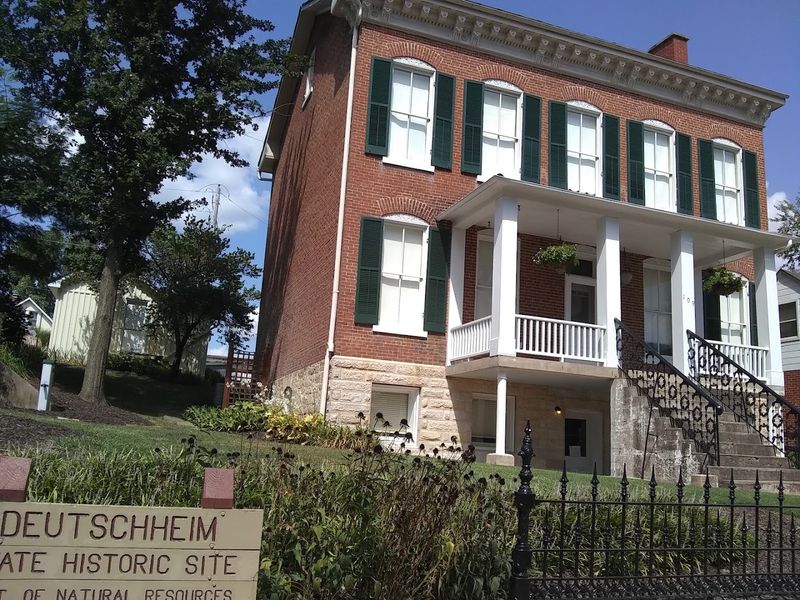
There is something instantly comforting about a town where the buildings still look dressed for another era. Hermann has that feeling all over it.
The brick facades, the old detailing, and the river valley setting make it feel like someone preserved a whole mood instead of just a few landmarks.
You can tell the town grew from a strong cultural identity, and that gives it more texture than places that only lean on nostalgia. The German heritage still shapes the look of the streets, especially in the ornate storefronts and sturdy older buildings that line the center of town.
Even when visitors arrive, Hermann somehow keeps its dignity and never feels like it is performing for applause.
I think that is why it works so well as a step back in time. It has life in it, but not the frantic kind.
You walk around and feel the town holding onto traditions, habits, and architecture that still make everyday life look a little more intentional.
Missouri can surprise you with how varied its river towns are, and Hermann proves that history does not have to look plain to feel authentic. It feels layered, settled, and very sure of itself, which is exactly the kind of old fashioned energy that stays with you.
5. Rocheport
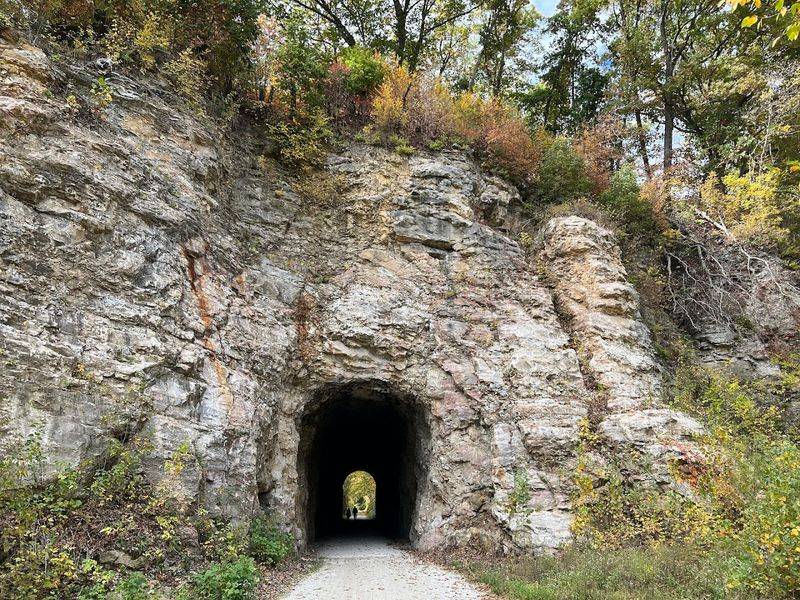
If your idea of a good afternoon involves hearing almost nothing but your own footsteps, Rocheport will make immediate sense. It is small in a way that feels restorative instead of sleepy.
The town sits quietly among bluffs and river scenery, and everything about it encourages you to ease up a little.
One of the nicest things here is how naturally the landscape and downtown fit together. The Katy Trail passes through nearby, and the limestone surroundings give the whole place a grounded, almost tucked away quality.
You are never far from the sense that nature and town life have agreed not to crowd each other.
I also like that Rocheport does not overcomplicate itself. There is no pressure to optimize your time or chase a checklist.
You can simply walk, look around, and let the older buildings, shaded streets, and quiet rhythm do their thing without demanding a big reaction from you.
That may be why it leaves such a strong impression. The place feels genuinely unhurried, which is rarer than people admit.
Along this stretch of Missouri, Rocheport stands out because it does not need noise, novelty, or spectacle to hold your attention. It just trusts the river, the bluffs, and its own pace.
6. Doniphan
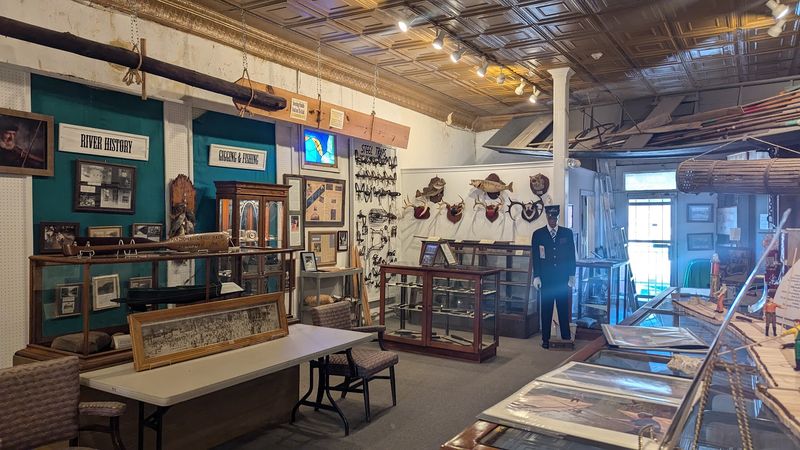
Sometimes a town wins you over because it feels honest from the first block, and that is exactly how Doniphan comes across. There is no polished nostalgia act here.
The historic stretch along Washington Street feels sturdy, familiar, and shaped by the kind of daily life that leaves real marks behind.
The older buildings give the downtown its backbone, and they have enough age and texture to make the place feel grounded without turning it into a stage set. You can walk through and sense that this is a town with memory, not just architecture.
That feeling gets deeper once you spend time with the local history and realize how much of the story is tied to ordinary people building lives in this corner of Missouri.
I especially appreciate the way Doniphan lets its past stay practical. It is not trying to impress you with grandeur.
Instead, it shows you a version of endurance through streets that have kept going and collections that preserve pioneer life in a direct, human way.
Set near the Current River, the town also carries that slower water shaped tempo that changes how you move through a day. Doniphan feels less like a dramatic time capsule and more like a place where the past never really packed up and left.
7. Clarksville
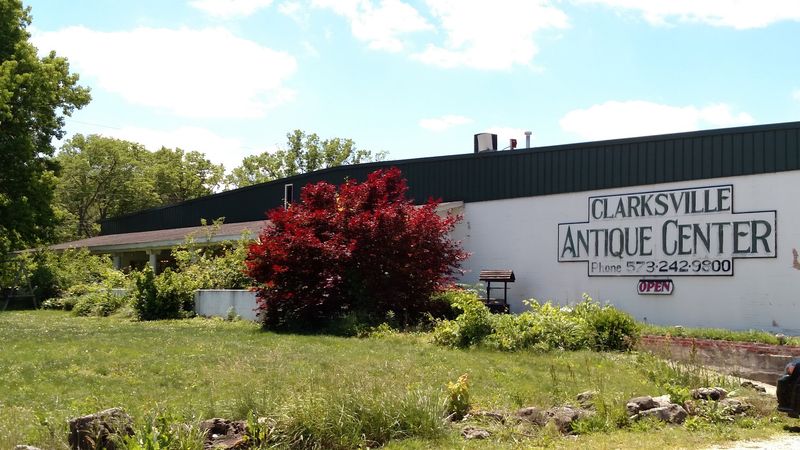
You can tell a lot about a place by how it handles silence, and Clarksville handles it beautifully. The riverfront feels easygoing in a way that almost resets your pace without asking permission.
Nothing seems hurried, and that alone makes the town feel like it belongs to another decade.
The antique shops along the street add to that mood, not because they are trying to be whimsical, but because each one seems to carry its own personality. Walking past them feels pleasantly analog, like browsing with no agenda and no timer running in the back of your mind.
The Mississippi beside town only strengthens that feeling, since the water moves with the same patient confidence as the place itself.
I think Clarksville works because its charm is spread out across ordinary details. It is in the storefronts, the river views, the pauses between conversations, and the sense that nobody is trying to turn the volume up.
You are simply allowed to be there, which is more inviting than any loud attraction could ever be.
By the time you leave, the town has usually done something subtle to your mood. It reminds you that a slower day can still feel full.
That is a very old fashioned lesson, and Clarksville delivers it without making a fuss.
8. Lexington
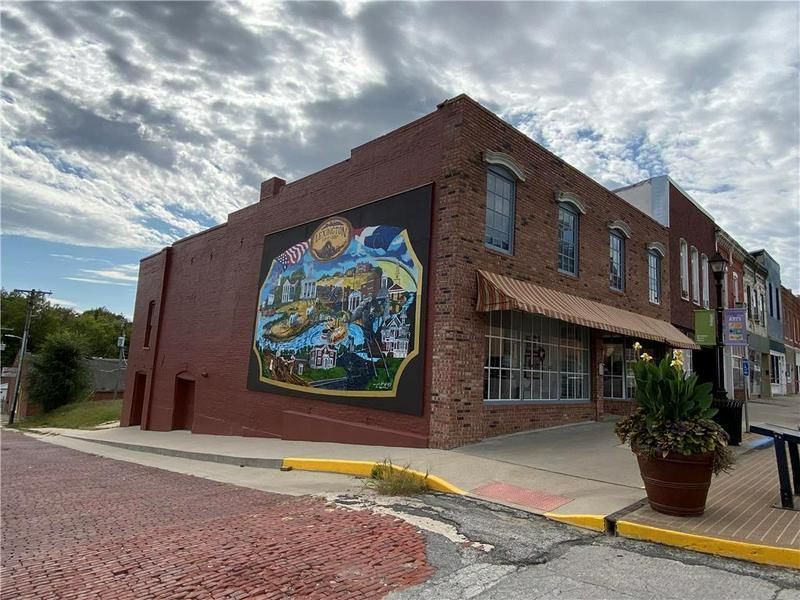
If you are the kind of person who looks up at old houses and immediately starts wondering about everyone who stood there before you, Lexington is going to pull you right in. The place has presence.
Its streets, homes, and public buildings all carry that older Missouri sense of permanence that feels hard to come by now.
The nickname about columns makes sense the second you arrive, because the architecture here gives the town a stately, settled look without feeling cold. Then there is the courthouse detail everyone talks about, with the cannonball still lodged in a column from the Battle of Lexington.
It sounds almost too dramatic to be true until you see it and realize the past is not abstract here at all.
What I enjoy most is that Lexington balances grandeur with everyday calm. The historic homes are impressive, but the town itself does not feel stiff or formal.
You can wander through it like a regular person and still feel the weight of the stories built into the streets.
That combination keeps the place from becoming a history lesson on legs. It stays human.
Lexington feels like one of those towns where the old American habit of building beautifully and remembering deeply never quite went out of style.
9. Kimmswick
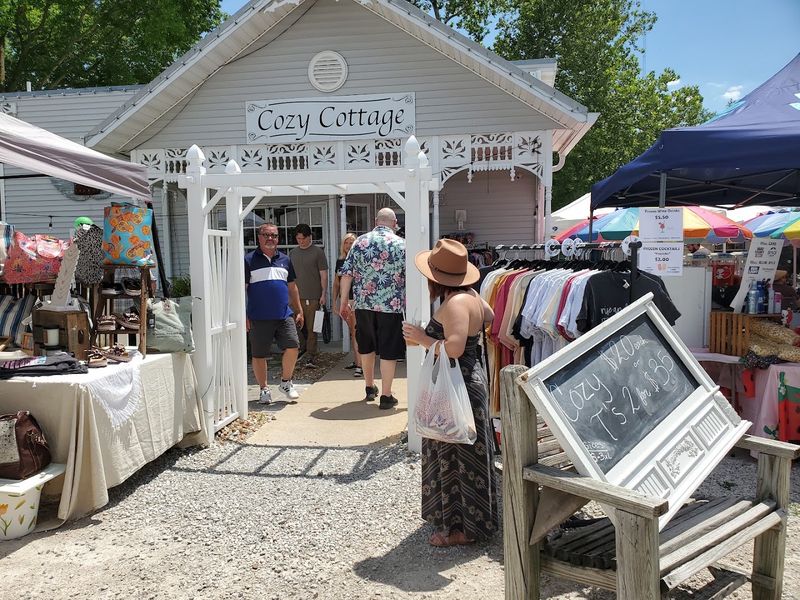
Some places lean so naturally into their old fashioned charm that resisting them feels unnecessary, and Kimmswick absolutely falls into that category. The Victorian homes, the tidy streets, and the local shops all give it a storybook look, but the town still feels lived in rather than staged.
That difference matters more than people think.
I like how conversational the place feels. You walk around and get the sense that people actually know the rhythms of the street, the houses, and the seasons that shape town life.
Even when the big annual festival brings in a lot of attention, Kimmswick keeps that neighborly tone that makes the whole experience feel grounded instead of commercial.
There is also a softness to the setting that fits the title of this list perfectly. The older homes look carefully kept without seeming fussy, and the downtown invites wandering at a pace that feels almost stubbornly relaxed.
You are not being dazzled so much as gently won over.
That is probably why Kimmswick sticks with people. It captures the kind of warm, familiar Americana that many towns try to recreate and rarely nail.
Here, the old time feeling seems to rise naturally from the architecture, the traditions, and the way the town carries itself.
10. Portage Des Sioux
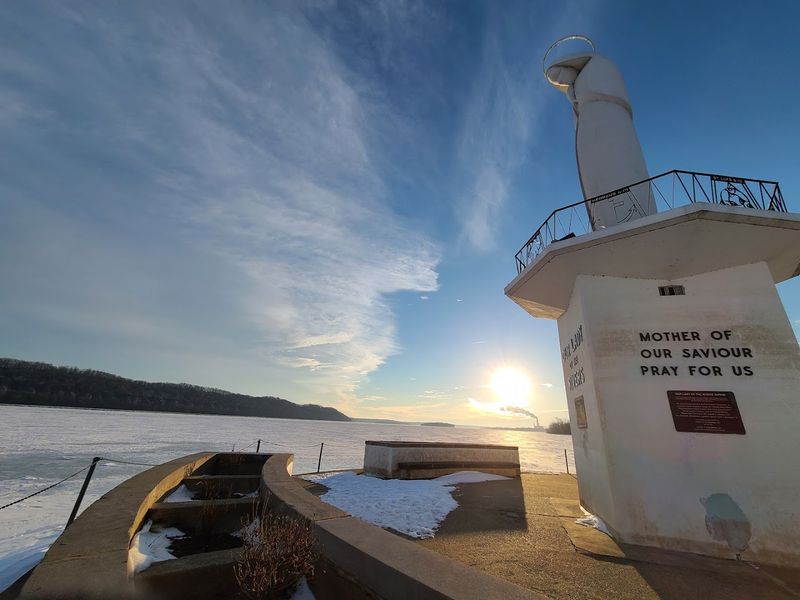
You know those towns that seem to sit quietly inside a landscape, as if they understand exactly where they belong? Portage Des Sioux feels like that.
Set along a bend in the Missouri River, it has a peaceful, tucked away quality that makes modern life feel a little less urgent the minute you arrive.
The preserved homes are a big part of the mood. They give the streets a settled dignity and help the town hold onto its older identity without turning rigid or self conscious.
Walking through, you get that nice sense of continuity, where the buildings still seem connected to the life around them instead of separated from it.
Then there is the Our Lady of the Rivers statue, which adds another layer to the place. It stands as a reminder of hardship, protection, and community memory, and somehow that makes the town feel even more grounded.
You are not just seeing attractive old houses here, you are stepping into a place that remembers what it has been through.
I find that especially moving in a small river town. Portage Des Sioux does not need grand gestures to stay with you.
Its quiet streets, strong sense of place, and connection to the river do the work with a calm confidence that feels wonderfully old school.
11. New Haven
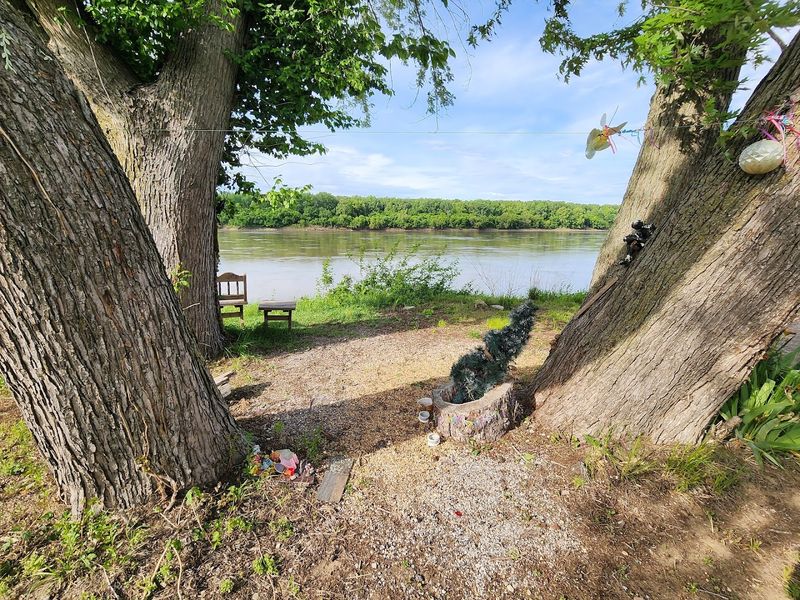
Every now and then, the quietest town on your route ends up being the one you think about longest, and New Haven really has that effect. It does not announce itself loudly.
Instead, it eases you in with a modest Main Street, older buildings, and a calm that feels completely unforced.
What I enjoy here is the understatement. The shops and historic details do not compete for attention, and that makes wandering around feel more personal, like you are discovering the place at your own pace instead of being directed through it.
Tucked along the Missouri River, the town also carries that slightly removed feeling that river places do so well, where the geography itself seems to encourage patience.
The John Colter connection adds a nice thread of exploration and early American lore without overwhelming the present day mood. It is just another reminder that New Haven has deeper roots than it first lets on.
That little bit of restraint is part of its charm, because the town never feels eager to prove itself.
By the end of a visit, that reserved personality starts to feel like the point. New Haven keeps a few secrets, and honestly, I like it better for that.
Not every memorable place needs to be loud to make an impression.
