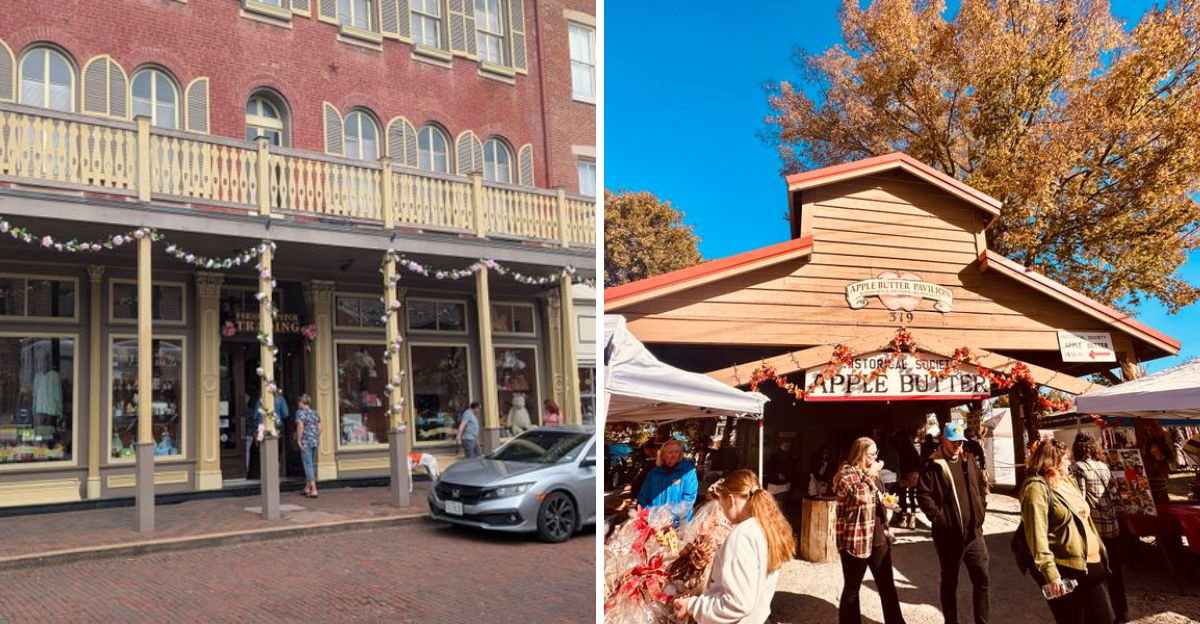
Missouri’s small towns hold stories that stretch back generations, preserved not just in museums but through lively festivals that bring history to life.
These celebrations offer more than entertainment.
They connect visitors to the traditions, struggles, and triumphs of the people who shaped the heartland.
From German heritage in wine country to Civil War remembrances and literary legends, each festival reflects the unique character of its community.
Walking through brick streets during these events feels like stepping into another era, where costumed interpreters, traditional crafts, and authentic demonstrations transport you back in time.
Families gather for seasonal harvests, music fills historic downtown squares, and local pride shines through every parade and performance.
Missouri takes its heritage seriously, and these ten small towns prove that history doesn’t have to gather dust.
Instead, it dances, sings, and invites everyone to join the celebration.
Whether you’re drawn to ragtime rhythms, autumn foliage, or frontier reenactments, these towns offer unforgettable experiences rooted in authenticity.
Get ready to explore the Show Me State’s most cherished historic festivals.
1. Hermann’s German Heritage Celebrations
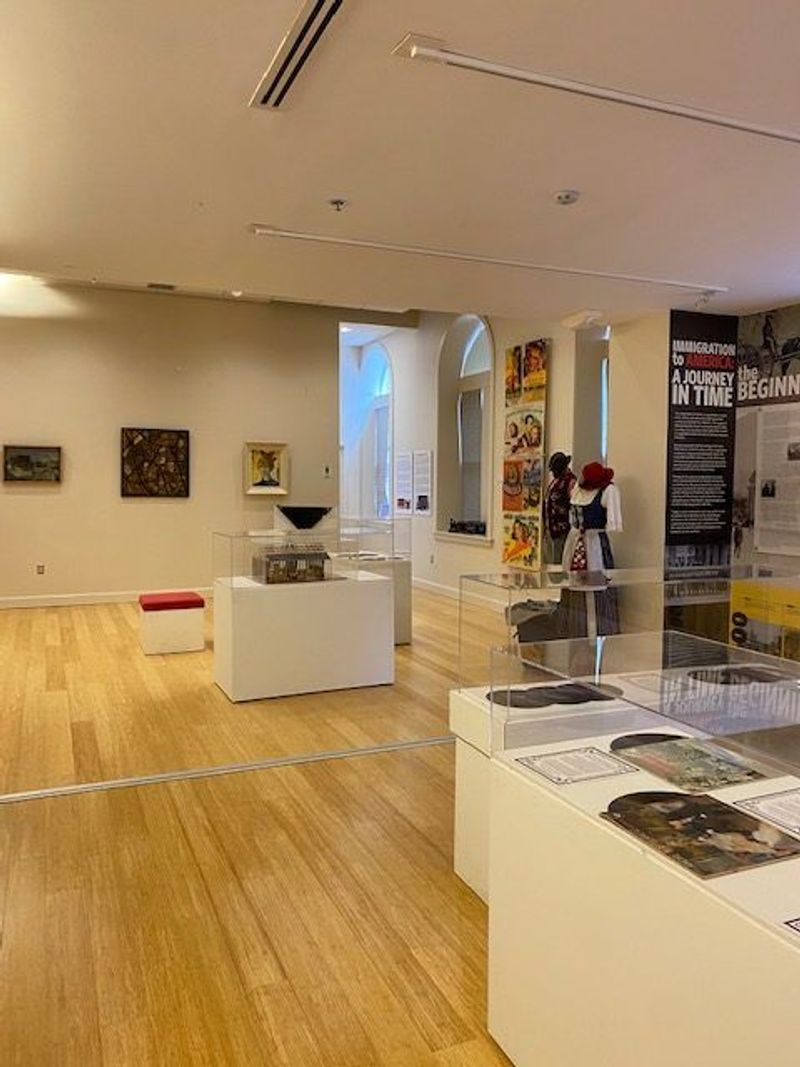
Founded by German settlers who sought to preserve their culture in the New World, Hermann stands as a living testament to immigrant determination and pride.
The town’s architecture reflects its roots, with sturdy brick buildings and Old World charm lining the streets.
Oktoberfest transforms Hermann into a bustling celebration every fall, drawing visitors from across the region.
Traditional music fills the air while craftspeople demonstrate skills passed down through generations.
Maifest arrives in spring, welcoming warmer weather with equally vibrant festivities that honor the town’s agricultural traditions.
Both events showcase Hermann’s position at the heart of Missouri wine country, where vineyards stretch across rolling hills.
Visitors stroll past historic storefronts and gather in public squares where the atmosphere buzzes with energy.
The festivals aren’t just tourist attractions but genuine community celebrations where locals share their heritage proudly.
Costumed performers add authenticity to the experience, transporting attendees back to the town’s founding era.
Hermann’s commitment to preserving its German identity makes these festivals feel wonderfully authentic rather than commercialized.
The town itself becomes the main attraction, with every corner revealing another piece of its immigrant story.
Located at 312 Market Street, Hermann, MO 65041, the visitor center provides maps and historical context for exploring during festival weekends.
2. Arrow Rock’s Living History Weekend
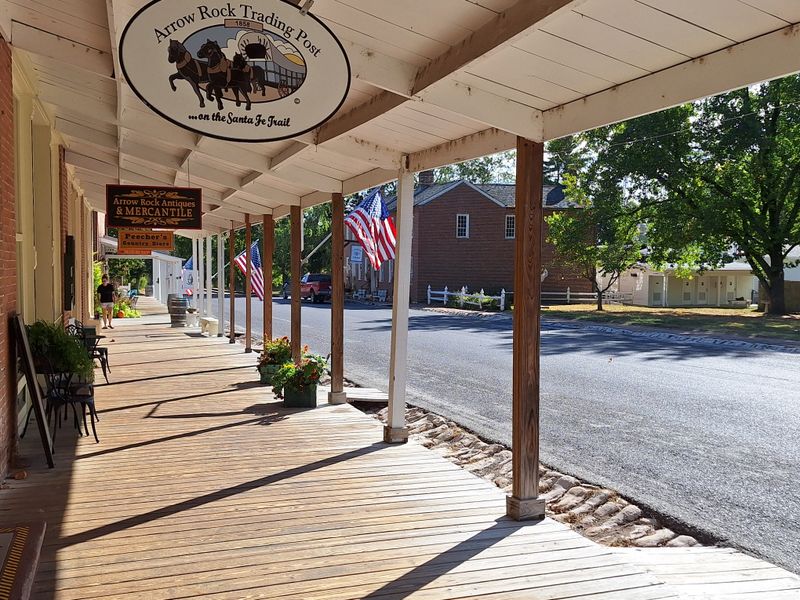
Entire neighborhoods frozen in time make Arrow Rock exceptional among Missouri’s historic treasures.
This tiny village earned its place on the National Register of Historic Places thanks to remarkably preserved structures from the frontier era.
Westward expansion depended on trails that passed directly through here, making it a crucial stop for pioneers heading toward new lives.
The Heritage Festival breathes life into this history each year, turning quiet streets into bustling demonstrations of 19th-century skills.
Blacksmiths hammer metal into tools while weavers work looms exactly as their ancestors did generations ago.
Children watch wide-eyed as interpreters explain how frontier families survived without modern conveniences.
Arrow Rock’s small size actually enhances the experience, allowing visitors to explore every historic building without feeling rushed.
Wooden boardwalks creak underfoot just as they did when this was a thriving river port.
The festival committee takes historical accuracy seriously, ensuring demonstrations reflect genuine period practices rather than simplified versions.
Missouri’s role in westward expansion becomes tangible here, not just dates in textbooks but real stories of courage and hardship.
Walking these streets during the festival feels like visiting relatives in another century who welcome you warmly into their daily routines.
Find the visitor center at Main Street, Arrow Rock, MO 65320 for festival schedules and guided tour information.
3. St. Charles First Capital Traditions
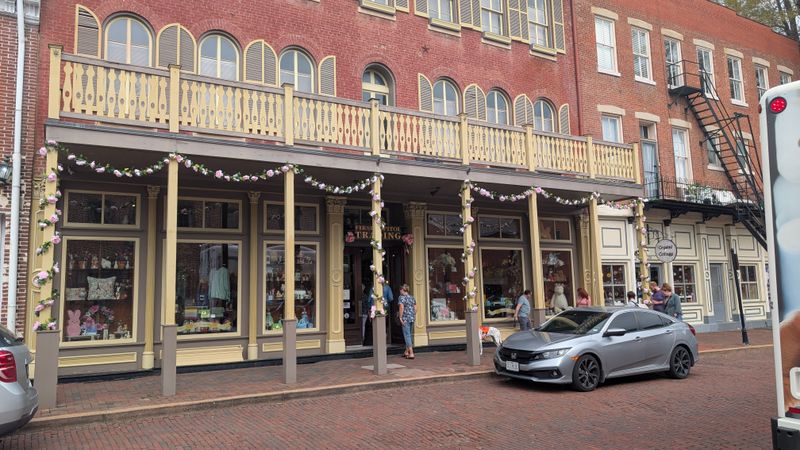
Before Jefferson City became Missouri’s capital, St. Charles held that honor, and the town hasn’t forgotten its prestigious past.
Brick-paved streets and flickering gas lamps create an atmosphere that modern cities can’t replicate, no matter how hard they try.
The Missouri River Irish Fest brings Celtic traditions to this thoroughly American historic district each spring.
Music spills from stages while dancers perform intricate steps that connect modern audiences to ancient traditions.
Christmas Traditions transforms St. Charles into a Victorian wonderland when cold weather arrives.
Costumed interpreters populate the historic district, portraying actual figures from the town’s pioneering days.
Their carefully researched presentations reveal how early Missourians celebrated holidays and managed daily life.
Visitors bundle up and wander past decorated storefronts that look remarkably similar to how they appeared generations ago.
St. Charles maintains its historic character year-round, but festivals amplify the time-travel effect considerably.
The town’s commitment to preservation means authentic details abound, from architectural features to street layouts.
Missouri’s first capital deserves its reputation as one of the state’s most historically significant communities.
Both festivals draw substantial crowds yet manage to maintain an intimate, welcoming atmosphere that makes everyone feel like locals.
The Greater St. Charles Convention & Visitors Bureau at 230 South Main Street, St. Charles, MO 63301 offers detailed festival information and historic walking tour maps.
4. Carthage Maple Leaf Celebration
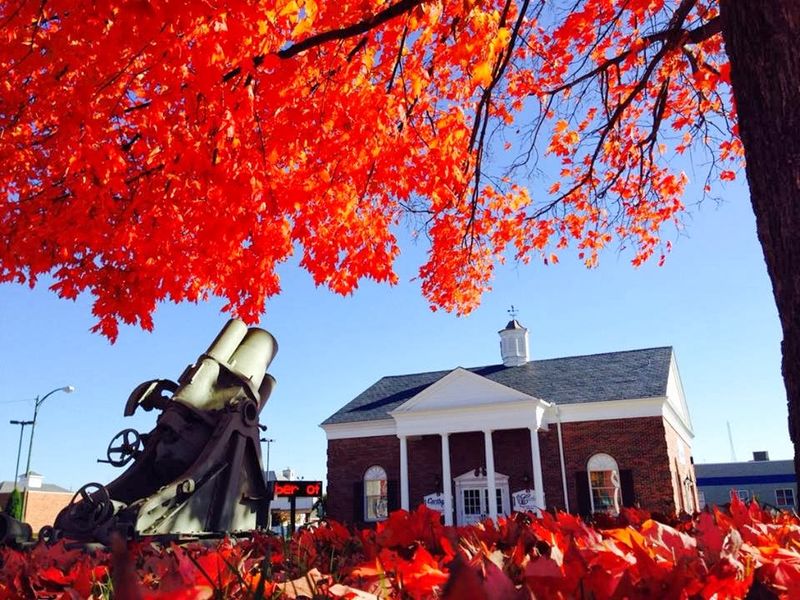
Civil War battles scarred this region, but Carthage rebuilt and eventually earned a nickname celebrating natural beauty rather than conflict.
America’s Maple Leaf City transforms each October when thousands of trees burst into brilliant autumn colors.
The Maple Leaf Festival capitalizes on this natural spectacle while honoring the town’s complicated history.
Live performances fill multiple stages as visitors wander beneath canopies of gold, orange, and crimson leaves.
Local artisans display crafts that range from traditional to contemporary, all against the backdrop of fall’s finest show.
Carthage’s historic square becomes the festival’s heart, where families gather and community pride reaches its annual peak.
The event celebrates resilience as much as seasonal beauty, acknowledging how this town overcame tremendous hardship.
Activities cater to all ages, ensuring grandparents and grandchildren find equally engaging experiences.
Missouri’s autumn weather cooperates beautifully, usually providing crisp temperatures perfect for outdoor exploration.
Historic buildings surrounding the square remind visitors that beauty and history intertwine here.
The festival committee works year-round to ensure each October celebration tops the previous one.
Carthage proves that small towns can host major events without losing their authentic character or overwhelming their infrastructure.
Contact the Carthage Convention & Visitors Bureau at 402 South Garrison Avenue, Carthage, MO 64836 for current festival dates and parking information.
5. Sedalia’s Ragtime Music Legacy
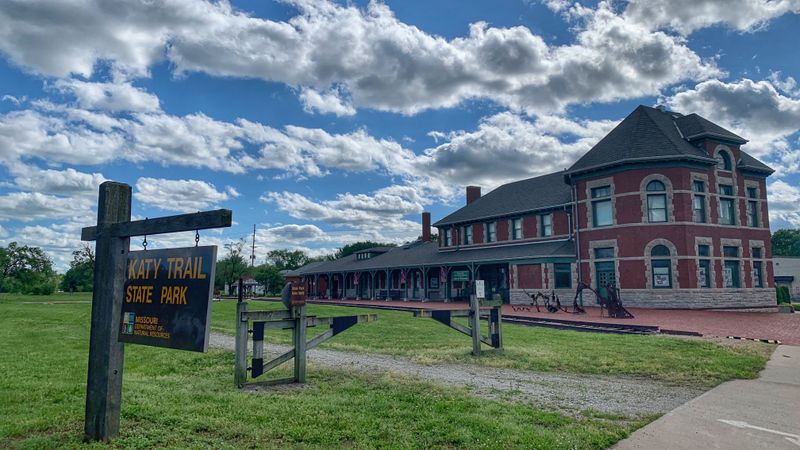
Ragtime music was born in Missouri, and Sedalia claims the title of its cradle with justifiable pride.
Scott Joplin lived and composed here, creating the syncopated rhythms that would influence generations of musicians.
The Scott Joplin International Ragtime Festival honors this legacy annually, bringing together performers and enthusiasts from across the globe.
Piano keys dance under expert fingers as competitors and veterans alike showcase this uniquely American art form.
Educational sessions dive deep into ragtime’s history, revealing how this music reflected and shaped its era.
Vintage fashion shows add visual flair, with participants dressed in period-appropriate attire that matches the music’s golden age.
Sedalia’s downtown becomes a living museum during festival days, where history echoes from every performance.
Historians present research findings while musicians demonstrate how ragtime evolved from earlier musical traditions.
The festival attracts serious scholars alongside casual fans who simply enjoy toe-tapping rhythms.
Missouri’s contribution to American music gets its proper recognition through these carefully curated events.
Sedalia maintains Scott Joplin’s memory year-round, but the festival represents the pinnacle of these preservation efforts.
Young musicians discover ragtime’s complexity and joy, ensuring this musical tradition survives for future generations.
The Sedalia Convention & Visitors Bureau at 600 East 3rd Street, Sedalia, MO 65301 provides festival schedules and information about Joplin-related historic sites throughout town.
6. Defiance Frontier Life Demonstrations

Daniel Boone spent his final years in Missouri, and his home near Defiance now serves as a window into frontier existence.
The Maple Sugar Festival teaches visitors how pioneers extracted sweetness from trees when refined sugar remained a luxury.
Demonstrations show both historic hand-drilling methods and modern tapping techniques, illustrating how traditions adapt across time.
Participants taste the results, experiencing flavors that sustained families through long winters generations ago.
The Greenwood Festival shifts focus to timber harvesting, explaining why wood meant survival on the frontier.
Costumed interpreters wield period-appropriate tools, showing the backbreaking labor required to build shelter and warmth.
Children try their hands at splitting logs and hauling water, gaining appreciation for modern conveniences.
These festivals avoid romanticizing frontier life, instead presenting honest portrayals of its challenges and triumphs.
The Boone Home itself stands as testimony to one family’s determination to thrive in wilderness conditions.
Missouri’s frontier heritage becomes tangible through these hands-on experiences that engage all senses.
Visitors leave understanding that survival required knowledge, strength, and community cooperation.
Defiance’s festivals prove that history education works best when people can touch, smell, and experience rather than just read.
The Historic Daniel Boone Home & Heritage Center at 1868 Highway F, Defiance, MO 63341 hosts these seasonal festivals and offers guided tours of the homestead throughout the year.
7. Fulton’s Kingdom of Callaway Stories
Cleverness sometimes wins battles more effectively than weapons, as Fulton’s Civil War story demonstrates beautifully.
Local residents tricked approaching forces into negotiating by painting logs to resemble powerful artillery.
This ingenious deception earned the region its Kingdom of Callaway nickname, celebrating brains over brute force.
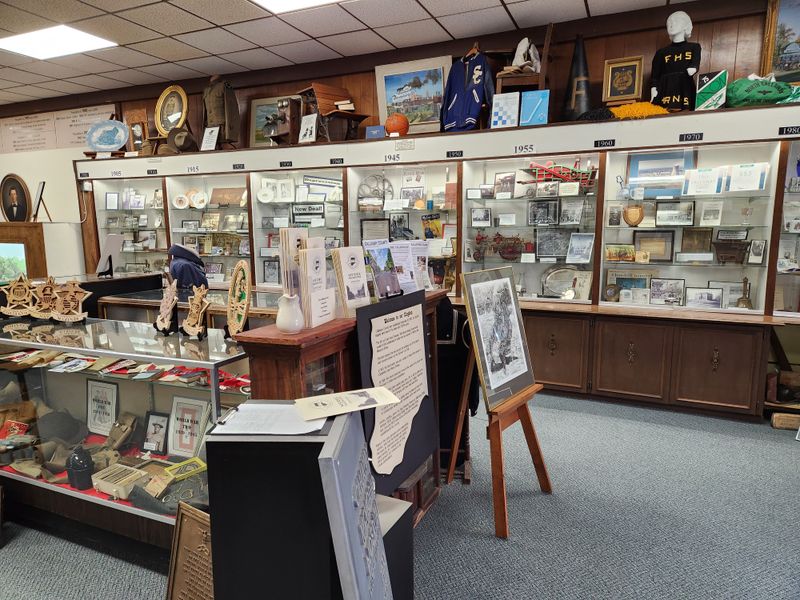
The Kingdom of Callaway Historical Museum preserves this tale and countless others through exhibits and special events.
Museum programming brings local history alive, ensuring younger generations understand their community’s unique heritage.
Winston Churchill’s famous Iron Curtain speech adds another layer to Fulton’s historical significance.
The speech’s location here wasn’t random but reflected the town’s educational institutions and international connections.
A reconstructed church from London now stands in Fulton, relocated stone by stone as a memorial to Churchill’s visit.
Museum events explore both the Civil War ingenuity and Cold War significance that mark Fulton’s timeline.
Visitors discover how small towns sometimes find themselves at the center of world-changing moments.
Fulton’s pride in its history shines through every carefully preserved artifact and enthusiastically told story.
The museum staff’s passion for local heritage proves contagious, inspiring visitors to explore their own communities’ hidden histories.
Find the Kingdom of Callaway Historical Museum at 513 Court Street, Fulton, MO 65251 for current exhibit information and event schedules celebrating this remarkable community’s past.
8. Kimmswick’s Seasonal Harvest Festivals
Rivers shaped Missouri’s settlement patterns, and Kimmswick grew along the water as a vital trading post.
Today this charming community preserves its 19th-century character through careful restoration and thoughtful development limits.
The Strawberry Festival arrives when spring reaches its sweetest moment, celebrating the season’s first major harvest.
Craftspeople line the streets displaying handmade goods that range from practical to whimsical.
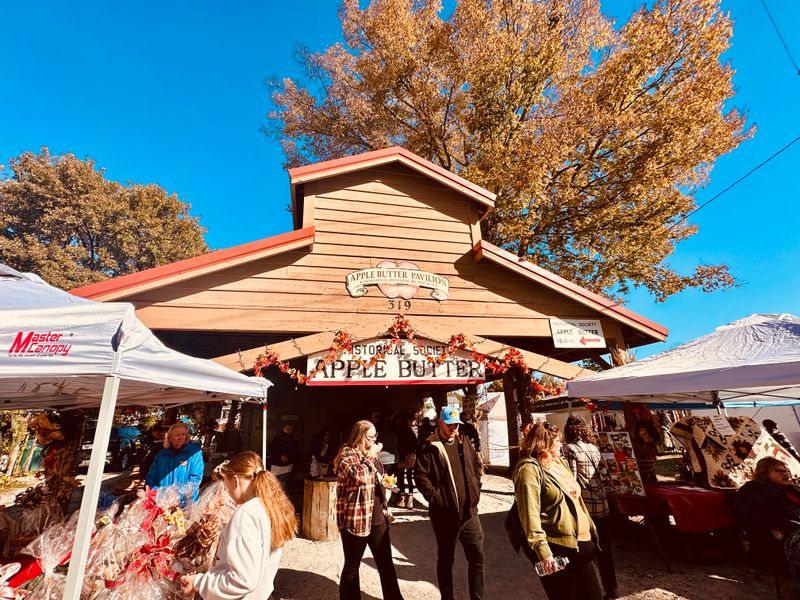
Apple Butter Festival takes over when autumn arrives, honoring traditional preservation methods that kept families fed through winter.
Both events draw impressive crowds to this tiny town, testament to their reputation for quality and authenticity.
Kimmswick’s well-preserved buildings provide the perfect backdrop for festivals celebrating simpler times.
Wooden boardwalks and historic storefronts transport visitors backward even before festival activities begin.
Local businesses embrace these events enthusiastically, many operating in buildings that have housed shops for over a century.
The festivals balance nostalgia with accessibility, welcoming modern families while honoring traditional crafts and methods.
Missouri’s small-town hospitality reaches peak expression here, where strangers receive genuine warmth from residents.
Seasonal celebrations remind us that harvest festivals weren’t just fun but essential community gatherings marking survival through another year.
The City of Kimmswick offices at 6001 Third Street, Kimmswick, MO 63053 provide festival dates, parking details, and information about the town’s historic preservation efforts that make these celebrations possible.
9. Weston’s Agricultural Heritage Events
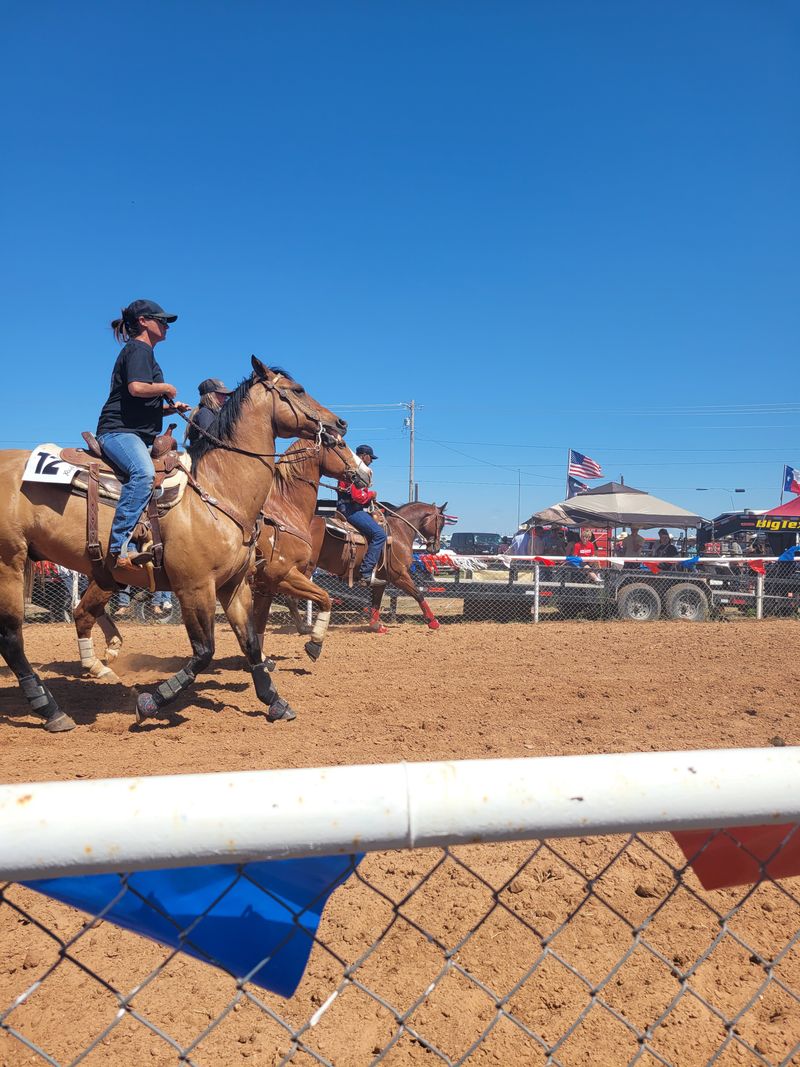
Prohibition couldn’t kill Weston’s oldest distillery, though it certainly tried.
This operation west of the Mississippi survived by adapting, and today it stands as both working facility and historic landmark.
Weston’s natural beauty combines with its preserved downtown to create an exceptionally appealing destination.
Weston Bend State Park offers stunning river views and outdoor recreation just minutes from the historic commercial district.
Applefest celebrates the region’s orchards and agricultural traditions when fall colors reach their peak.
Visitors sample seasonal treats while exploring shops housed in buildings that have served the community for generations.
The festival highlights connections between land, labor, and community that sustained small towns throughout Missouri’s history.
Weston’s commitment to preservation extends beyond individual buildings to encompass entire streetscapes and landscapes.
Walking these sidewalks feels like visiting a particularly well-maintained movie set, except everything is authentically historic.
Seasonal events bring crowds without overwhelming the town’s character or infrastructure.
Local businesses thrive partly because Weston offers experiences that chain stores and modern developments cannot replicate.
Agricultural heritage matters here not as abstract concept but as living tradition connecting present residents to founding families.
The Weston Historical Museum at 601 Main Street, Weston, MO 64098 offers context for understanding how this remarkable town preserved its character while neighboring communities modernized beyond recognition.
10. Hannibal’s Literary Heritage Celebration
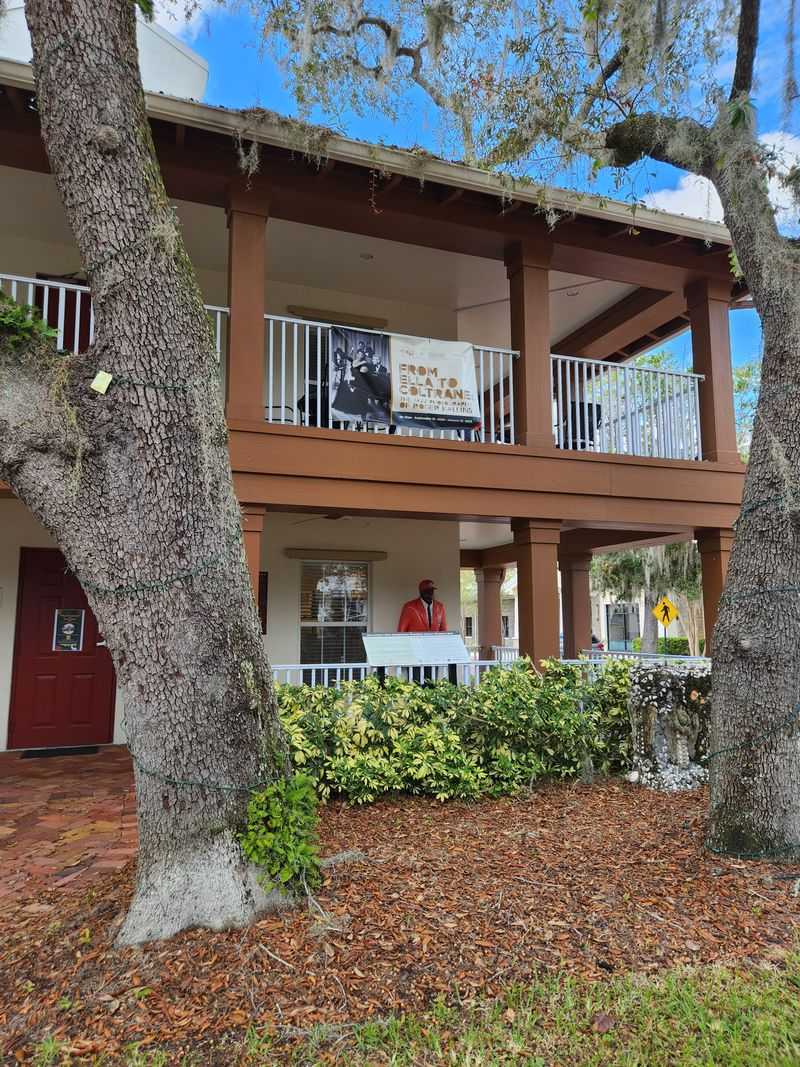
Mark Twain transformed his boyhood hometown into literature’s most famous fictional setting.
Hannibal sits along the Mississippi River, which flows through Twain’s novels as both character and stage.
Tom Sawyer Days brings Twain’s stories to life through competitions, performances, and activities inspired by his books.
Fence-painting contests recreate Tom’s famous scheme, delighting children who suddenly understand the story’s humor.
The festival balances literary celebration with genuine historical exploration of life in 19th-century river towns.
Hannibal preserves numerous sites connected to Twain’s childhood, allowing visitors to walk where the author once played.
His boyhood home stands carefully maintained, its rooms arranged to reflect the period when young Samuel Clemens lived there.
River views from downtown remain remarkably similar to those Twain described, despite more than a century passing.
The festival attracts literature enthusiasts alongside families simply seeking wholesome entertainment rooted in classic stories.
Missouri claims many famous residents, but few achieved Twain’s level of international recognition and enduring influence.
Hannibal wears its literary legacy proudly without becoming a theme park caricature of itself.
The town succeeds in honoring Twain while maintaining identity as a real community where people live and work year-round.
Visit the Hannibal Convention & Visitors Bureau at 505 North Third Street, Hannibal, MO 63401 for Tom Sawyer Days schedules and information about year-round Twain-related tours and attractions throughout this literary landmark town.
Dear Reader: This page may contain affiliate links which may earn a commission if you click through and make a purchase. Our independent journalism is not influenced by any advertiser or commercial initiative unless it is clearly marked as sponsored content. As travel products change, please be sure to reconfirm all details and stay up to date with current events to ensure a safe and successful trip.
