Missouri holds countless hidden gems tucked away in rolling hills and along quiet rivers, where small-town life moves at a slower, more peaceful pace.
These charming communities have long been sanctuaries for locals who value quiet streets, friendly neighbors, and the simple pleasures of rural living.
But recently, something has changed dramatically across the Show-Me State.
Tourism has exploded in many of these once-sleepy towns, bringing waves of visitors seeking authentic experiences and escapes from city life.
While the economic boost is welcome, the sudden influx of outsiders is creating unexpected challenges for residents.
Traffic jams now clog Main Street on weekends, parking becomes impossible near popular attractions, and the cost of living rises as property values skyrocket.
Local businesses struggle to balance serving tourists while maintaining relationships with longtime customers.
Noise levels increase, trash accumulates faster, and the intimate community feeling that made these places special begins to fade.
Residents find themselves caught between gratitude for new opportunities and nostalgia for the tranquility they once knew.
These seven Missouri towns represent a growing trend across America, where social media fame and travel blogs transform quiet communities overnight into must-visit destinations.
1. Kimmswick
Perched along the Mississippi River about thirty miles south of St. Louis, this historic village has become a weekend destination that sometimes feels overwhelmed by its own success.
Kimmswick started as a German settlement in the 1850s, and its carefully preserved Victorian architecture draws antique lovers and history buffs from across the Midwest.
The Blue Owl Restaurant and Bakery, famous for its Levee High Apple Pie, attracts lines that stretch down the block every Saturday and Sunday.
Local residents remember when they could stroll downtown any day without navigating crowds or searching endlessly for parking spots.
Now, tour buses arrive regularly, disgorging dozens of visitors who fill the narrow sidewalks and pack into the small shops.
The Anheuser Estate and Gardens, a beautifully restored mansion, has become so popular that neighbors complain about traffic congestion on residential streets.
Property taxes have climbed as home values increase, pushing some longtime families to consider moving to even smaller communities nearby.
Shop owners appreciate the business but miss the personal connections they once had with regular customers.
During peak season, the town’s infrastructure strains under the weight of thousands of weekly visitors.
Kimmswick’s charm lies in its authenticity, yet that very quality attracts attention that threatens to transform it into something more commercial.
City officials now wrestle with zoning decisions that pit economic development against preservation of small-town character.
Residents attend town hall meetings to voice concerns about maintaining the peaceful atmosphere that made Kimmswick special in the first place.
The challenge remains finding balance between welcoming guests and protecting the intimate community spirit that defines this riverside gem.
2. Weston

Weston sits tucked into the bluffs overlooking the Missouri River in Platte County, where rolling hills create perfect conditions for vineyards and orchards.
This town once served as a major port during westward expansion, and its antebellum architecture remains remarkably intact.
What began as a quiet agricultural community has transformed into wine country, with multiple wineries and distilleries drawing crowds every weekend from Kansas City, just forty minutes away.
The transformation accelerated after travel magazines featured Weston as a romantic getaway destination and social media influencers posted photos of scenic vineyard views.
Holladay Distillery, the oldest distillery west of the Mississippi, now hosts constant tours and tastings that bring buses full of visitors.
Pirtle Winery and Snow Creek Ski Area add to the appeal, creating year-round tourism that never gives the town a quiet season.
Longtime residents notice the changes most acutely on beautiful autumn weekends when leaf-peepers and wine enthusiasts descend simultaneously.
Main Street becomes gridlocked, restaurant wait times stretch to two hours, and the peaceful atmosphere evaporates under the pressure of thousands of visitors.
Housing costs have risen dramatically as Kansas City residents purchase vacation homes and investment properties.
Local families who farmed these hills for generations now find themselves priced out of the real estate market.
The character of community events has shifted too, with festivals growing larger and more commercialized to accommodate tourist expectations.
Weston residents love sharing their town’s beauty and history, but they worry about losing the neighborly connections that made this place feel like home.
City planners face difficult decisions about infrastructure improvements, parking solutions, and growth management that will determine whether Weston retains its authentic small-town soul.
3. Hermann
Founded by German immigrants in 1837, Hermann was designed to be a new Fatherland in America, preserving German culture, language, and winemaking traditions.
The town succeeded beyond imagination, becoming Missouri’s wine capital before Prohibition devastated the industry.
After decades of quiet obscurity, Hermann’s wineries roared back to life in recent years, attracting massive crowds that completely transform this riverside community.
Every weekend from spring through fall, thousands of visitors pour into Hermann, a town with fewer than 2,500 permanent residents.
Stone Hill Winery, Hermannhof Winery, and Adam Puchta Winery anchor a tourism industry that now dominates the local economy.
Oktoberfest celebrations draw over 50,000 people across multiple weekends, creating chaos on streets designed for horse-drawn wagons.
The economic benefits are undeniable, with restaurants, bed-and-breakfasts, and shops thriving during peak season.
However, residents describe feeling like strangers in their own town when tourist season hits full swing.
Noise from outdoor concerts and wine-tasting events echoes through residential neighborhoods late into the evening.
Trash accumulates faster than the small public works department can manage, and public restrooms struggle to handle the volume.
Perhaps most concerning is the loss of everyday services as businesses shift focus entirely toward tourists.
The hardware store became a gift shop, the grocery store reduced hours, and finding a plumber or electrician during Oktoberfest proves nearly impossible.
Young families move away because housing costs have skyrocketed and the schools struggle with funding despite the tourism revenue.
Hermann illustrates the double-edged sword of tourism success, where economic prosperity comes at the cost of community cohesion and the peaceful German village atmosphere that attracted visitors initially.
4. Rocheport
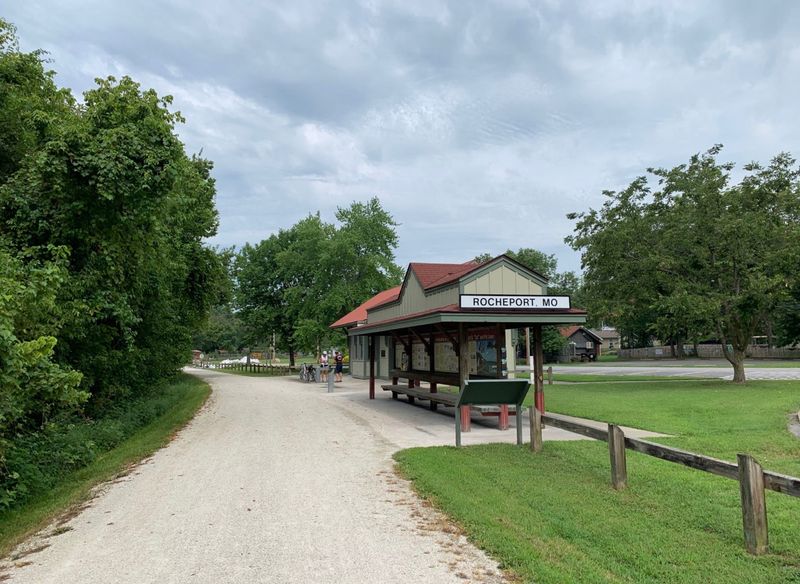
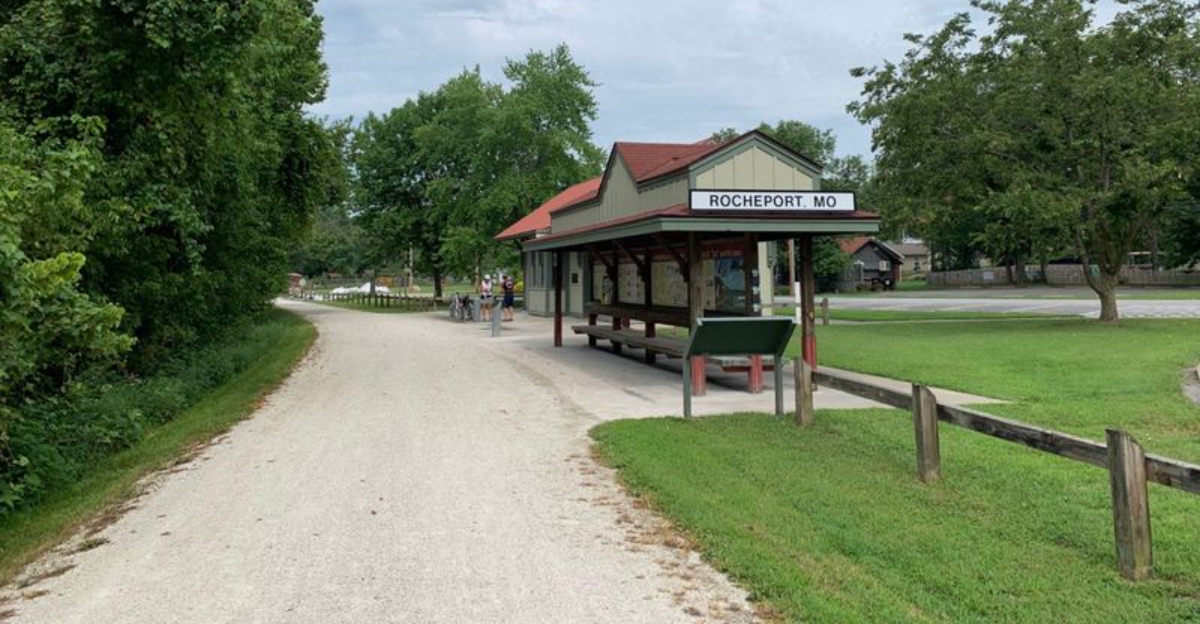
With a population hovering around 250 people, Rocheport qualifies as one of Missouri’s tiniest incorporated towns, yet it punches far above its weight in attracting visitors.
Situated along the Katy Trail State Park, America’s longest rails-to-trails project, this picturesque village sees thousands of cyclists pass through annually.
The Missouri River flows past dramatic limestone bluffs, creating postcard-perfect scenery that has made Rocheport a magnet for photographers, artists, and weekend warriors seeking outdoor adventure.
Les Bourgeois Vineyards perches on the bluffs above town, offering wine tastings with sweeping river views that have earned countless five-star reviews online.
The exposure has brought unprecedented numbers of visitors to a community with limited infrastructure and services.
On summer weekends, the handful of parking spaces fills by mid-morning, forcing visitors to park on residential streets and lawns.
The town’s few restaurants become overwhelmed during lunch rushes when hungry cyclists converge simultaneously.
Residents who once enjoyed quiet morning walks along the Katy Trail now navigate crowds of spandex-clad bicyclists and their support vehicles.
The bed-and-breakfast boom has transformed several historic homes, raising property values but changing neighborhood dynamics.
Some longtime residents feel their tiny community has become a stage set for other people’s vacations rather than a living, breathing town.
The volunteer fire department struggles because many newer residents are weekend-only property owners with no investment in community institutions.
Rocheport’s beauty and trail access make it naturally attractive, but the sheer volume of visitors threatens to overwhelm the delicate balance that makes small-town life sustainable.
Local leaders debate whether to encourage more tourism development or implement measures to preserve the intimate scale that defines Rocheport’s essential character and appeal to those who call it home year-round.
5. Ste. Genevieve
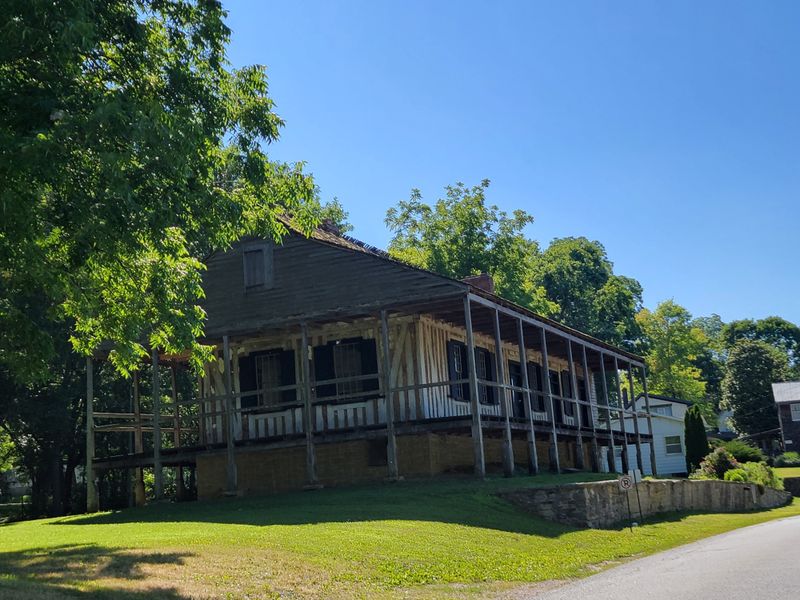
As Missouri’s oldest permanent European settlement, established around 1735, Ste. Genevieve possesses historical significance that few American towns can match.
The town features the largest collection of French Creole architecture in North America, with vertical log houses that predate the Louisiana Purchase.
For generations, this Mississippi River community quietly preserved its heritage while most Americans remained unaware of its existence.
That obscurity ended when UNESCO designated Ste. Genevieve as a World Heritage Site candidate and travel publications highlighted its unique architecture.
Suddenly, history enthusiasts, architecture students, and curious tourists began arriving in numbers that strain the town’s capacity.
The Bolduc House Museum, built in the 1770s, now requires timed entry tickets during peak season because too many visitors were damaging the historic structure.
Crown Pointe Golf Club and Resort brought additional visitors seeking recreation rather than history, diversifying but intensifying tourism pressure.
Main Street has gentrified rapidly, with antique shops and galleries replacing hardware stores and pharmacies that served daily resident needs.
Real estate speculation has driven up home prices in a community where many families have lived for eight or nine generations.
The annual Jour de Fete festival, once an intimate community celebration, now attracts tens of thousands of outsiders who overwhelm the small downtown area.
Parking becomes impossible, noise levels spike, and the authentic French-American culture that makes Ste. Genevieve special risks becoming a sanitized tourist performance.
Longtime residents appreciate recognition of their town’s historical importance but worry that commercialization will destroy the authenticity that historians came to document.
Preserving centuries-old buildings proves easier than preserving the living community and cultural traditions that give those structures meaning beyond their architectural significance in American history.
6. Arrow Rock
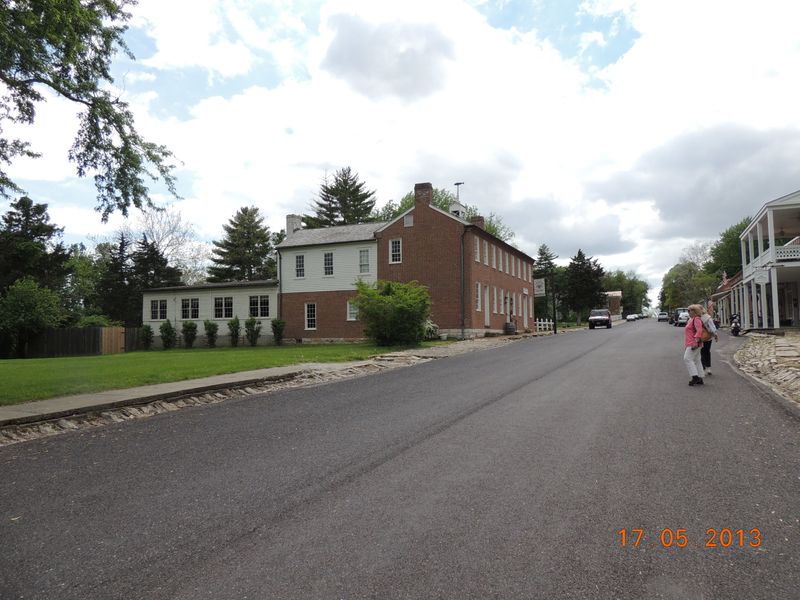
Designated as a National Historic Landmark, Arrow Rock represents one of the best-preserved frontier towns in America, frozen in time along the Missouri River.
This village of fewer than 60 permanent residents once served as a critical stop on the Santa Fe Trail, where pioneers outfitted for the dangerous journey west.
The entire town operates essentially as a living history museum, with restored buildings and period demonstrations that transport visitors back to the 1800s.
The Lyceum Theatre draws theater lovers from across the region for summer productions in a beautifully restored historic venue.
J. Huston Tavern, Missouri’s oldest continuously operating restaurant, serves period-inspired meals that have earned rave reviews and long wait times.
What was once a quiet place for history buffs to explore has become a popular destination that sees thousands of visitors during summer months and fall weekends.
The challenge for Arrow Rock is unique because the entire community exists primarily as a historic site rather than a typical functioning town.
Residents who live here year-round find themselves constantly surrounded by tourists peering into windows, photographing their homes, and treating the village as a theme park.
Privacy becomes nearly impossible when your front porch is considered a public attraction.
The economic model is equally challenging because most tourism revenue flows to the state historic site rather than private residents.
Maintaining historic buildings requires constant investment, yet property owners face strict preservation guidelines that limit renovation options and increase costs.
Young families rarely move to Arrow Rock because it lacks schools, grocery stores, and other essential services.
The town faces an existential question about whether it can remain a living community or will inevitably become an outdoor museum staffed by park rangers rather than actual residents.
Balancing historical preservation with sustainable community life requires creativity and resources that tiny Arrow Rock struggles to muster despite its national significance.
7. Hannibal
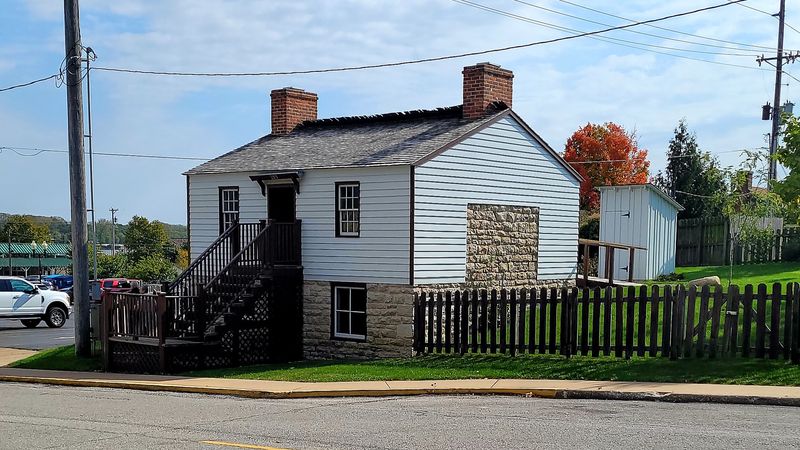
Mark Twain’s boyhood home has defined Hannibal’s identity since the author achieved fame in the late 1800s, transforming this Mississippi River town into a literary pilgrimage site.
For decades, Hannibal maintained a comfortable balance between honoring its famous native son and serving as a functional community for its 17,000 residents.
Recent years have seen tourism explode as Mark Twain’s works remain popular and visitors seek authentic American experiences.
The Mark Twain Boyhood Home and Museum complex now attracts over 200,000 visitors annually, creating constant traffic through downtown residential areas.
Summer brings additional crowds for Tom Sawyer Days, featuring fence-painting contests and frog-jumping competitions that draw tens of thousands of participants.
The Mark Twain Cave, where Tom and Becky got lost in the famous novel, requires advance reservations because walk-in visitors would overwhelm the guides.
Downtown Hannibal has transformed into a tourist district where gift shops outnumber businesses serving everyday resident needs.
Restaurant prices have increased to tourist-market levels, making casual dining expensive for locals with average Missouri incomes.
The historic downtown, once affordable for young entrepreneurs and artists, now features real estate prices driven by investors seeking to capitalize on tourism traffic.
Residents describe a growing disconnect between the Hannibal that tourists experience during brief visits and the year-round reality of living in a town where infrastructure and services are strained.
Schools struggle with funding despite tourism revenue because much of that money flows to private businesses rather than public coffers.
The Mississippi River waterfront, once a peaceful place for locals to fish and relax, now features constant tour boat activity and tourist crowds.
Hannibal illustrates how even medium-sized towns can lose their peaceful character when tourism becomes the dominant economic force, overshadowing the diverse community life that makes a place truly livable for families beyond the souvenir shops and historical markers.
Dear Reader: This page may contain affiliate links which may earn a commission if you click through and make a purchase. Our independent journalism is not influenced by any advertiser or commercial initiative unless it is clearly marked as sponsored content. As travel products change, please be sure to reconfirm all details and stay up to date with current events to ensure a safe and successful trip.
