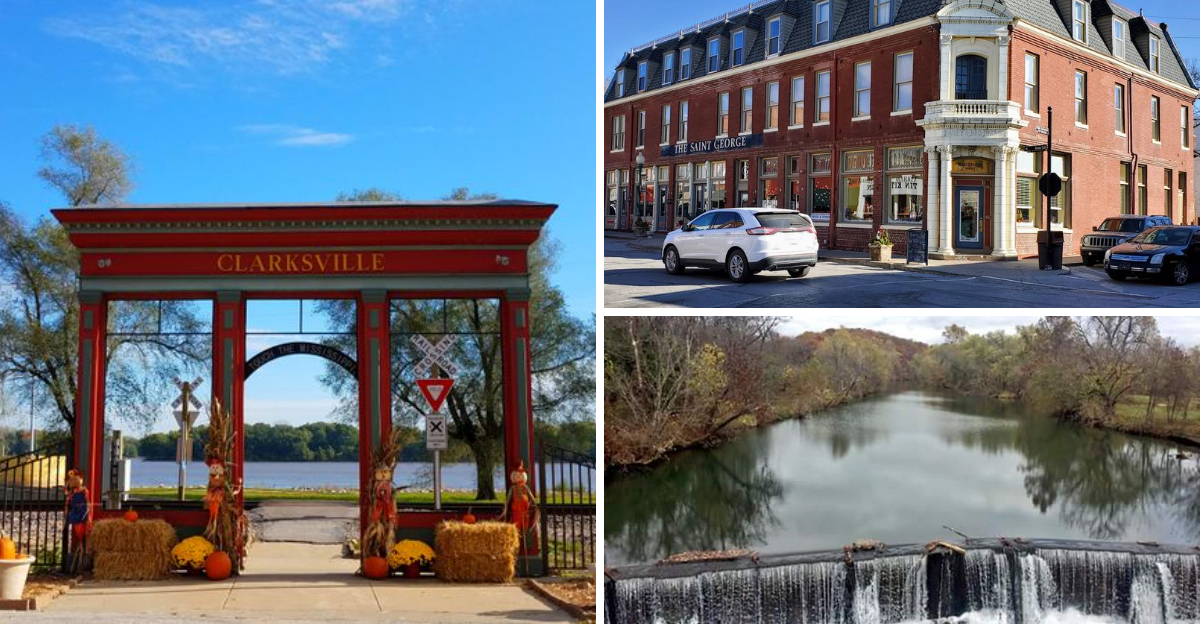
Missouri holds treasures far beyond its bustling cities, tucked away in river valleys, perched on bluffs, and nestled among rolling hills.
These small towns carry stories of frontier days, European settlers, and American innovation, yet they remain wonderfully undiscovered by most travelers.
From wine country hideaways to historic villages frozen in time, Missouri’s lesser-known destinations offer authentic experiences, stunning scenery, and warmth that bigger tourist spots simply cannot match.
1. Hermann
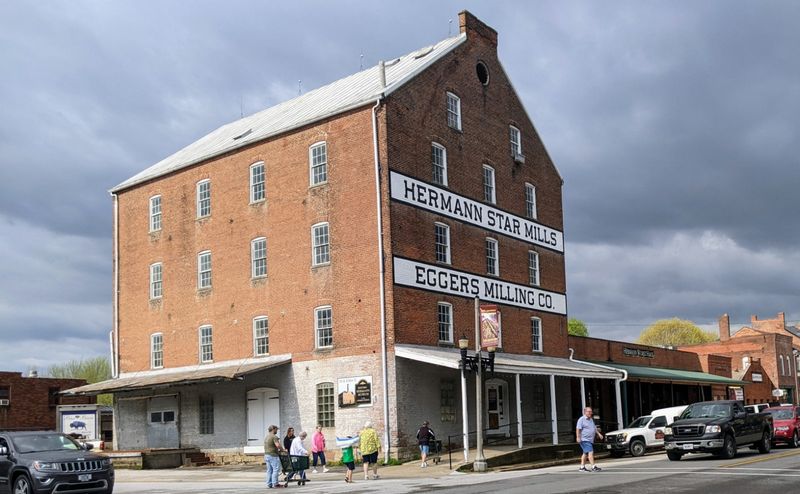
Nestled among rolling hills and terraced vineyards, Hermann feels more like a Bavarian village than a Missouri river town.
German immigrants founded this community in 1837 with the specific intention of preserving their language, customs, and traditions in the American heartland.
They succeeded spectacularly, creating a wine-producing region that rivals much more famous destinations while maintaining authentic cultural character.
The town’s German heritage shines through in its architecture, with brick buildings featuring ornate details and European proportions lining the historic downtown.
Hermann’s wineries gained international recognition in the 19th century before Prohibition devastated the industry, but dedicated families revived the tradition starting in the 1960s.
Today, award-winning wines flow from family-owned establishments where tasting rooms occupy historic stone cellars built by those original German settlers.
The Missouri River curves majestically below the town, providing breathtaking views from overlooks and vineyard terraces that photographers dream about capturing.
Oktoberfest and Maifest celebrations transform Hermann into a joyous party where German music, dancing, food, and beer create unforgettable experiences.
Beyond festivals, the town offers year-round appeal through its museums, including the Deutschheim State Historic Site that preserves two 1840s German homes.
Bed and breakfasts occupy restored Victorian mansions where guests wake to homemade strudel and other traditional breakfast treats.
The Katy Trail, Missouri’s premier rail-trail, passes directly through Hermann, bringing cyclists who stop to explore and often stay longer than planned.
Local shops sell German imports, handcrafted items, and specialty foods that reflect the town’s enduring connection to its European roots.
Hermann proves that cultural preservation and modern vitality can coexist beautifully.
2. Kimmswick
Cobblestone memories line the streets of this Mississippi River gem where history whispers from every Victorian porch.
Kimmswick transports visitors straight into the 1850s with its impeccably preserved architecture and old-world charm that feels almost too perfect to be real.
The town emerged as a river port settlement founded by German immigrant Theodore Kimm, who envisioned a European-style village along America’s greatest waterway.
Today, that vision thrives in boutique shops housed within buildings that have weathered over 170 years of seasons, floods, and change.
Wandering these streets feels like stepping onto a movie set, except the tea rooms serve actual homemade treats and the antique stores overflow with genuine treasures from bygone eras.
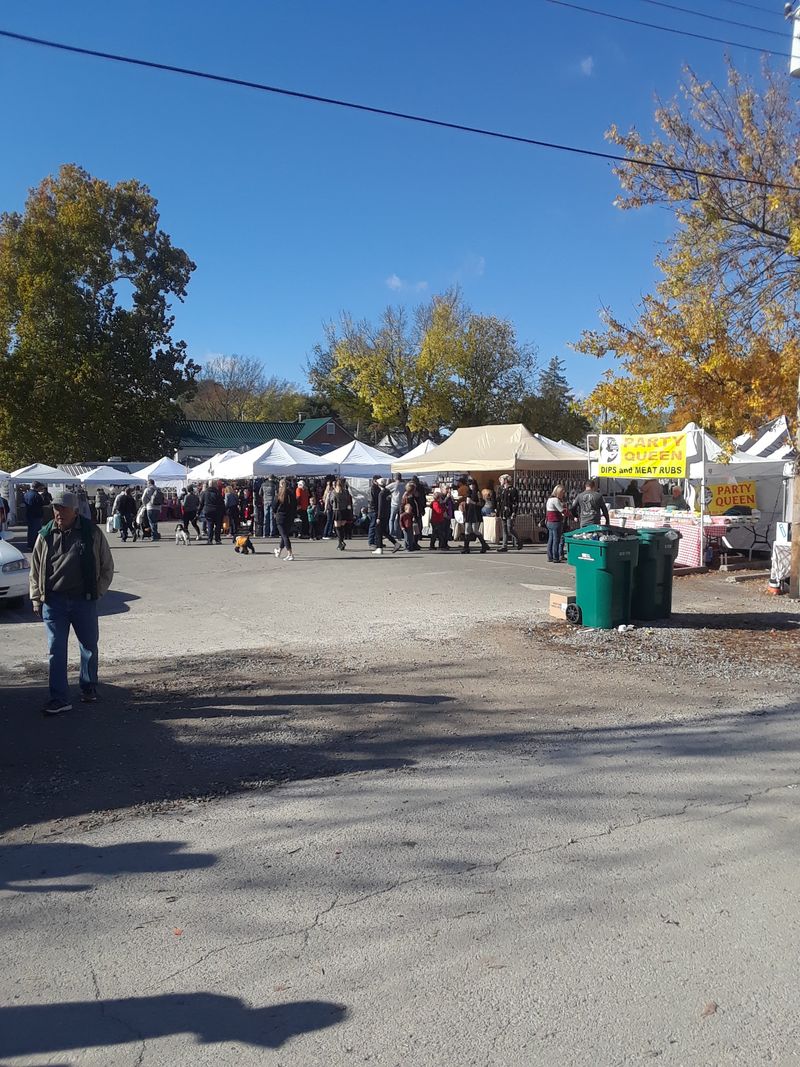
The annual Apple Butter Festival transforms the town each October into a celebration of traditional crafts, live music, and community spirit that draws thousands.
Beyond festivals, Kimmswick offers year-round appeal through its remarkable dining scene, particularly the famous Blue Owl Restaurant known for levee-high pies that have achieved near-legendary status.
The Anheuser Estate and Burgess-How House provide fascinating glimpses into 19th-century life along the Mississippi.
Riverside parks offer peaceful spots to watch barges drift past while imagining the steamboat era when this waterway bustled with commerce and adventure.
Art galleries showcase local talent, and specialty shops sell everything from handcrafted soaps to vintage clothing.
What makes Kimmswick truly special is how it balances preservation with vitality, maintaining authentic character while welcoming visitors with genuine Midwestern hospitality.
This is not a town stuck in the past but one that honors its heritage while creating new memories for every generation.
3. Arrow Rock
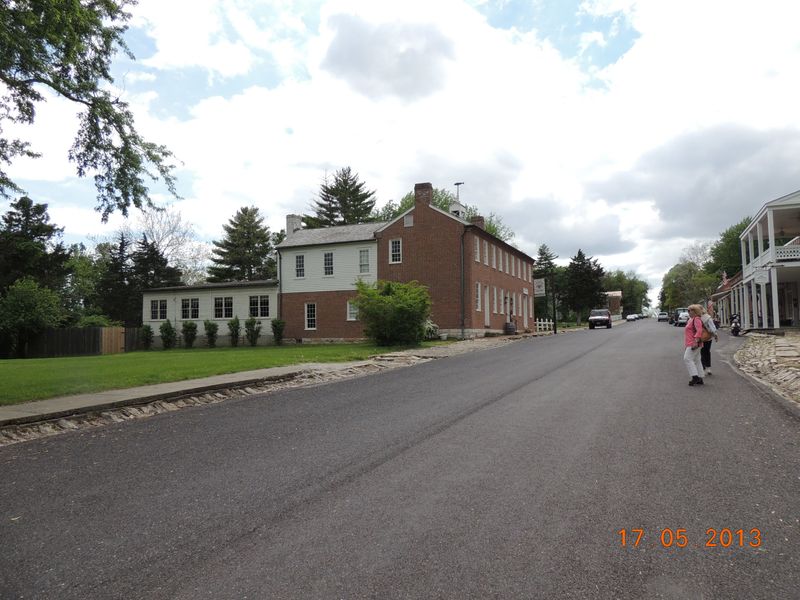
Perched dramatically above the Missouri River, this frontier village once served as a critical waypoint for pioneers heading west on the Santa Fe Trail.
Arrow Rock earned its name from the flint deposits Native Americans used to craft arrowheads, and its strategic location made it a natural gathering place for centuries.
Walking down Main Street feels like traveling through a living history book where nearly every structure dates to the 1800s and tells stories of expansion, hardship, and hope.
The entire town operates as a National Historic Landmark, with preservation efforts ensuring that future generations can experience authentic frontier architecture.
The Lyceum Theatre, Missouri’s oldest regional theater, has entertained audiences since 1961 in a beautifully restored 1872 Baptist church.
Summer evenings bring professional productions that draw theater lovers from across the state to this unlikely cultural outpost.
Historic homes open their doors for tours, revealing how families lived during the westward expansion era with period furnishings and fascinating artifacts.
The J. Huston Tavern, operating since 1834, serves meals in rooms where travelers once rested before continuing their dangerous journeys westward.
Arrow Rock State Historic Site encompasses much of the town, offering interpretive programs that bring frontier life into vivid focus through demonstrations and storytelling.
Hiking trails wind along the river bluffs, providing spectacular views that inspired countless pioneers to pause and marvel at the landscape’s beauty.
Despite its small population of fewer than 100 residents, Arrow Rock pulses with energy during special events and festivals celebrating its remarkable heritage.
This town proves that significance is not measured by size but by the depth of stories contained within its borders.
4. Ste. Genevieve
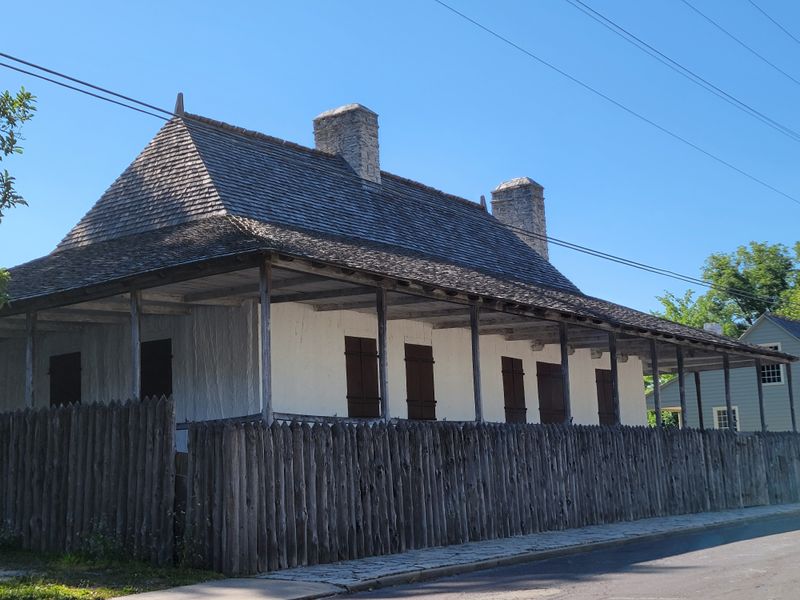
Missouri’s oldest permanent European settlement carries an unmistakably French soul that sets it apart from every other town in the state.
Founded in the 1730s by French Canadian colonists, Ste. Genevieve flourished as a Mississippi River trading center long before Missouri became American territory.
The town’s architectural treasures include rare vertical log houses built using poteaux-sur-solle construction, a French colonial technique virtually unseen elsewhere in the United States.
These structures, with their steep roofs and wraparound porches, transport visitors to a time when this region belonged to France and then briefly to Spain.
The Felix Valle House State Historic Site showcases a beautifully restored Federal-style home filled with period furnishings that illustrate the transition from French to American culture.
Wandering the historic district reveals layers of history in every direction, from the 1792 Bolduc House to the imposing 1880s brick buildings along Main Street.
The annual Jour de Fête festival each August explodes with French-inspired music, food, crafts, and celebrations that honor the town’s unique heritage.
Local restaurants serve traditional dishes with French influences, and bakeries produce crusty bread that would not seem out of place in a Parisian neighborhood.
Beyond history, Ste. Genevieve offers access to beautiful natural areas including nearby Hawn State Park with its stunning sandstone canyons and clear streams.
Antique shops overflow with treasures, and art galleries showcase regional talent inspired by the town’s timeless beauty.
The community takes tremendous pride in preservation, with residents actively maintaining historic properties and sharing stories with curious visitors.
Ste. Genevieve demonstrates how a small town can honor its past while remaining vibrant and welcoming to new generations.
5. Weston
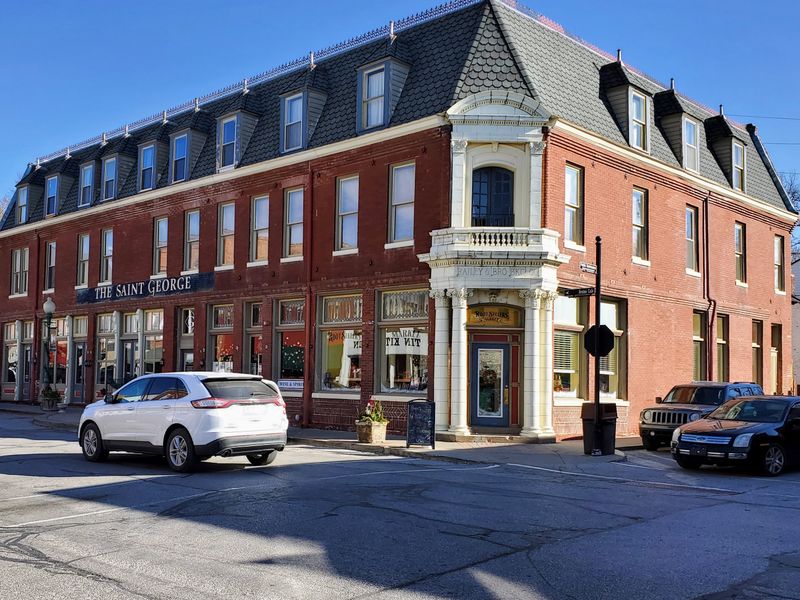
Time moves differently in Weston, where brick sidewalks lead past buildings that have witnessed nearly two centuries of American history.
This river town once rivaled Kansas City in importance, serving as a major tobacco market and outfitting point for westbound wagon trains.
Today, Weston’s remarkably intact 19th-century downtown creates an atmosphere that feels both nostalgic and refreshingly authentic.
The Weston Brewing Company operates in a building constructed in 1842, making it one of America’s oldest continuously operating breweries and a pilgrimage site for craft beer enthusiasts.
Underground cellars carved into limestone bluffs once stored beer and still maintain perfect temperatures for aging, creating unique tasting experiences.
Antique shops occupy historic storefronts where treasures range from Victorian furniture to vintage advertising signs, attracting collectors from across the region.
Cozy cafes serve homemade pies and comfort food in dining rooms decorated with local history photographs and memorabilia.
The Weston Red Barn Farm features U-pick orchards where families gather apples in autumn while enjoying hayrides and seasonal festivities.
Pirtle Winery, housed in a former Lutheran church, offers tastings in one of Missouri’s most unusual and charming settings.
The annual Fall Festival transforms Main Street into a celebration of crafts, food, and community spirit that draws thousands of visitors.
Beyond downtown, beautiful homes showcase architectural styles from Greek Revival to Victorian, many lovingly restored by residents who value preservation.
The nearby Lewis and Clark expedition campsite reminds visitors of Weston’s place in westward expansion history.
What distinguishes Weston is how it balances tourism with authentic small-town life, where locals genuinely welcome visitors without losing their community’s soul.
6. Boonville
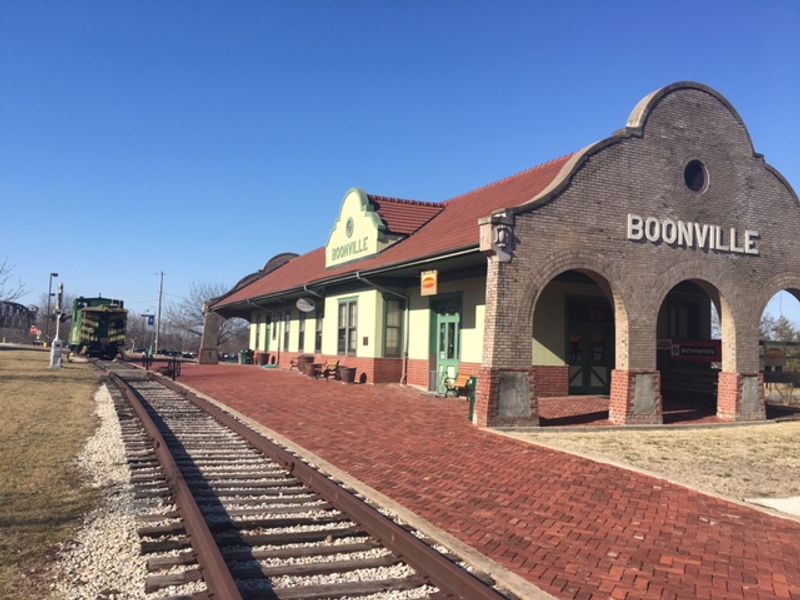
Sophistication blooms unexpectedly in this river town where beautifully restored buildings house galleries, boutiques, and restaurants that would impress much larger cities.
Boonville’s strategic position on bluffs overlooking the Missouri River made it a Civil War battleground and later a thriving commercial center.
The historic downtown district showcases architectural gems from the 1800s, with ornate cornices, detailed brickwork, and grand proportions reflecting former prosperity.
Local business owners have invested tremendous energy into restoration, creating a downtown that feels both historic and vibrantly contemporary.
The Thespian Hall, built in 1857, stands as one of the oldest theaters west of the Mississippi and still hosts performances in its beautifully preserved interior.
Art galleries feature regional artists whose work captures the beauty of Missouri’s river valleys, forests, and small-town life.
Unique shops sell everything from handcrafted jewelry to gourmet foods, offering browsing experiences that reward curious exploration.
Restaurants serve sophisticated cuisine using local ingredients, with menus that change seasonally to showcase the region’s agricultural bounty.
The Katy Trail passes through Boonville, making it a popular stop for cyclists who appreciate the town’s amenities and welcoming atmosphere.
Historic homes tour events allow visitors inside stunning residences that reveal how wealthy river traders lived during Boonville’s golden age.
The Boonslick region surrounding the town offers outdoor recreation including hiking, fishing, and wildlife watching in scenic natural areas.
Local wineries produce excellent vintages from grapes grown in Missouri River valley vineyards that benefit from the area’s unique microclimate.
Boonville demonstrates how small towns can cultivate cultural sophistication while maintaining the friendliness and authenticity that make them special.
7. Parkville
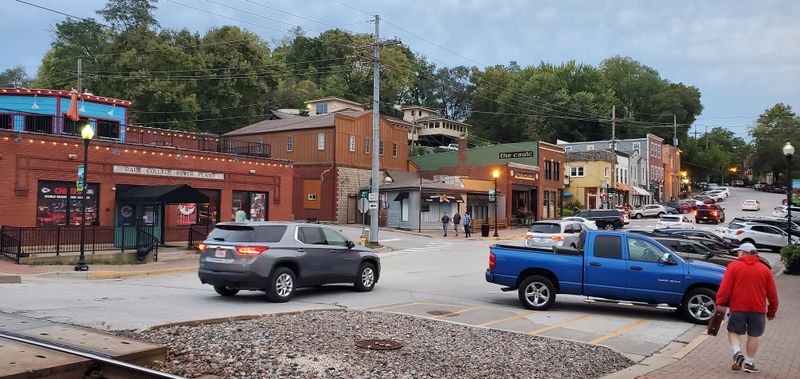
Just minutes from Kansas City’s urban sprawl, Parkville exists as a pocket of small-town charm that feels worlds away from metropolitan hustle.
The town cascades down wooded bluffs toward the Missouri River, with winding streets revealing Victorian homes, specialty shops, and scenic overlooks.
Downtown Parkville packs remarkable variety into a compact area where visitors can browse art galleries, antique stores, boutiques, and cafes without moving their car.
Park University crowns the bluff, its historic campus adding youthful energy and cultural programming to the community.
English Landing Park along the riverfront provides trails, playgrounds, and event spaces where festivals and concerts draw crowds throughout warmer months.
The annual Parkville Days celebration each June features parades, live music, craft vendors, and activities that showcase community spirit.
Christmas on the River transforms the town into a holiday wonderland with elaborate decorations, special events, and a festive atmosphere that attracts visitors from across the metro area.
Local restaurants range from casual cafes to upscale dining, with outdoor patios offering pleasant spots to watch the world pass by.
The Parkville Nature Sanctuary preserves wooded ravines and trails where hikers can spot wildlife and enjoy peaceful natural settings.
Specialty shops sell unique items difficult to find elsewhere, from handcrafted soaps to imported European goods.
Bed and breakfasts occupy historic homes where guests enjoy personalized service and home-cooked breakfasts.
What makes Parkville exceptional is its accessibility combined with authentic small-town character that has not been diluted by proximity to the city.
Residents have successfully preserved what makes their town special while welcoming visitors who appreciate quality over quantity.
8. Clarksville
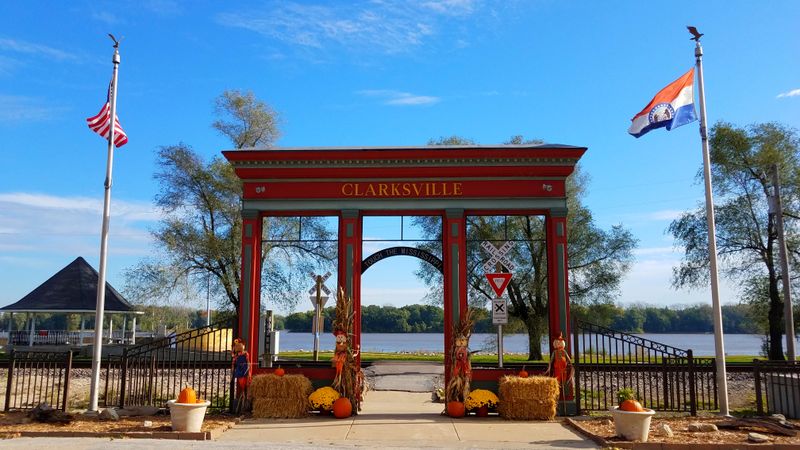
Eagles soar above this Mississippi River town where antiques overflow from historic buildings and natural beauty surrounds every view.
Clarksville clings to steep bluffs that provide dramatic vantage points for observing one of nature’s most magnificent spectacles.
Each winter, bald eagles migrate to this area in impressive numbers, fishing the open waters below Lock and Dam 24 where the river remains ice-free.
The annual Eagle Days festival in January celebrates these majestic birds with viewing opportunities, educational programs, and community events that have gained national recognition.
Spotting scopes line the riverfront observation areas where visitors can watch eagles hunt, soar, and interact in their natural habitat.
Beyond eagles, Clarksville has built a reputation as an antiques destination where serious collectors hunt for treasures in shops packed with everything imaginable.
Multi-story buildings overflow with furniture, glassware, vintage clothing, books, and curiosities that require hours to properly explore.
Art galleries showcase regional artists inspired by the river valley’s beauty, with paintings, sculptures, and crafts reflecting local landscapes and culture.
The Clarksville Overlook provides breathtaking panoramic views across the Mississippi River valley that photographers and nature lovers find irresistible.
Local restaurants serve hearty Midwestern fare with river views, and cafes offer pleasant spots to rest between antique hunting expeditions.
The town’s compact downtown encourages walking, with most attractions within easy distance of each other.
Historic buildings tell stories of river commerce and 19th-century prosperity when steamboats made towns like Clarksville vital commercial centers.
Clarksville combines natural wonders with cultural attractions in ways that create memorable experiences regardless of the season.
9. Marceline
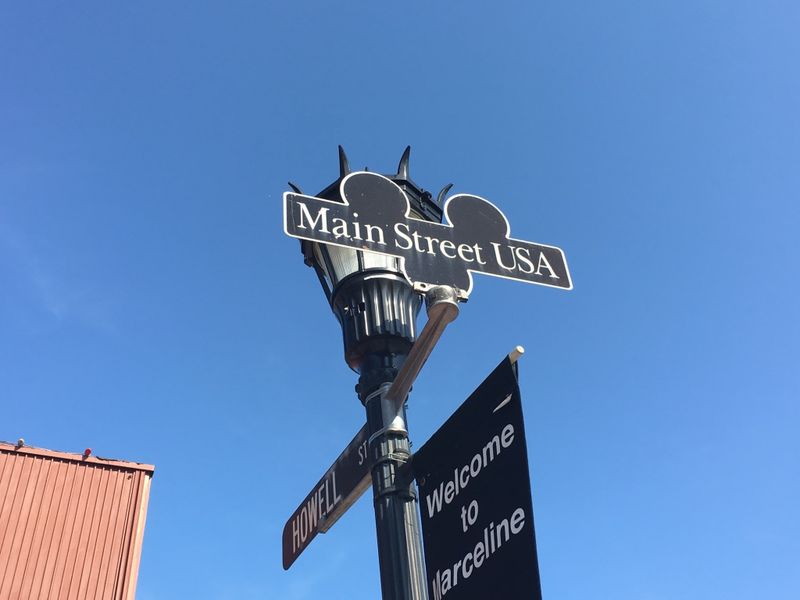
Magic lingers in the air of this small town that shaped the imagination of America’s most famous storyteller and dreamer.
Walt Disney spent his formative childhood years in Marceline, and those experiences profoundly influenced the themes, settings, and values that would define his creative legacy.
Main Street USA in Disney theme parks worldwide draws direct inspiration from Marceline’s downtown, making this town a pilgrimage site for Disney enthusiasts.
The Walt Disney Hometown Museum occupies the restored Santa Fe Railroad depot where young Walt watched trains and dreamed of distant places.
Inside, artifacts, photographs, and exhibits trace Disney’s connection to Marceline and how small-town Missouri life influenced his revolutionary entertainment empire.
The E.P. Ripley Park features a steam locomotive similar to ones Walt observed as a child, along with a swimming pool he helped fund for the community.
Murals depicting Disney characters decorate downtown buildings, creating photo opportunities that delight visitors of all ages.
The restored Walt Disney Post Office operates as a working post office where special Disney-themed postmarks make mailed items into collectible souvenirs.
Local shops embrace the Disney connection while maintaining authentic small-town character that is not overly commercialized or theme-park-like.
The Uptown Theatre, where Walt attended movies as a child, has been restored and occasionally screens classic Disney films.
Annual events including Toonfest celebrate Marceline’s unique heritage with parades, contests, and activities that blend Disney magic with hometown hospitality.
Beyond Disney attractions, Marceline offers a glimpse into rural Missouri life with its agricultural roots, friendly residents, and unhurried pace.
This town proves that greatness can emerge from the most humble beginnings and that childhood experiences in small towns shape extraordinary destinies.
10. Salem
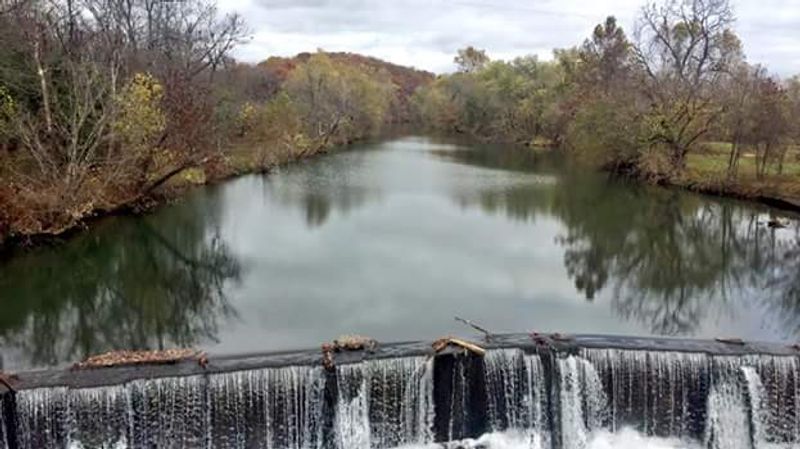
Creativity flourishes in this Ozark Mountain town where trails outnumber stoplights and artistic spirit infuses everyday life.
Salem sits at the crossroads of outdoor adventure and cultural vitality, offering experiences that satisfy both body and soul.
The surrounding landscape features the rugged beauty characteristic of the Ozarks, with forested hills, clear streams, and rock formations that beckon hikers and nature lovers.
Montauk State Park lies just minutes away, where one of Missouri’s largest springs produces millions of gallons daily and creates exceptional trout fishing opportunities.
The Current River, renowned for floating and designated as one of America’s first National Scenic Riverways, flows within easy reach for paddling adventures.
Back in town, the historic downtown district maintains authentic character with locally owned businesses that reflect community values rather than corporate formulas.
An unexpected arts scene thrives here, with galleries, studios, and performance spaces showcasing regional talent and hosting events throughout the year.
Local artists draw inspiration from the surrounding natural beauty, creating works that capture the Ozarks’ unique atmosphere and character.
The Dent County Museum preserves local history through exhibits covering everything from pioneer life to the area’s mining heritage.
Salem’s welcoming atmosphere extends to visitors through friendly locals who genuinely enjoy sharing recommendations and stories about their beloved town.
Cafes and restaurants serve comfort food with generous portions, and local bakeries produce treats that taste like home.
What distinguishes Salem is how it balances outdoor recreation with cultural offerings, creating a destination where adventurers and art lovers both find fulfillment.
This town represents the best of rural Missouri, where natural beauty, creative energy, and authentic community combine into something truly special.
Dear Reader: This page may contain affiliate links which may earn a commission if you click through and make a purchase. Our independent journalism is not influenced by any advertiser or commercial initiative unless it is clearly marked as sponsored content. As travel products change, please be sure to reconfirm all details and stay up to date with current events to ensure a safe and successful trip.
