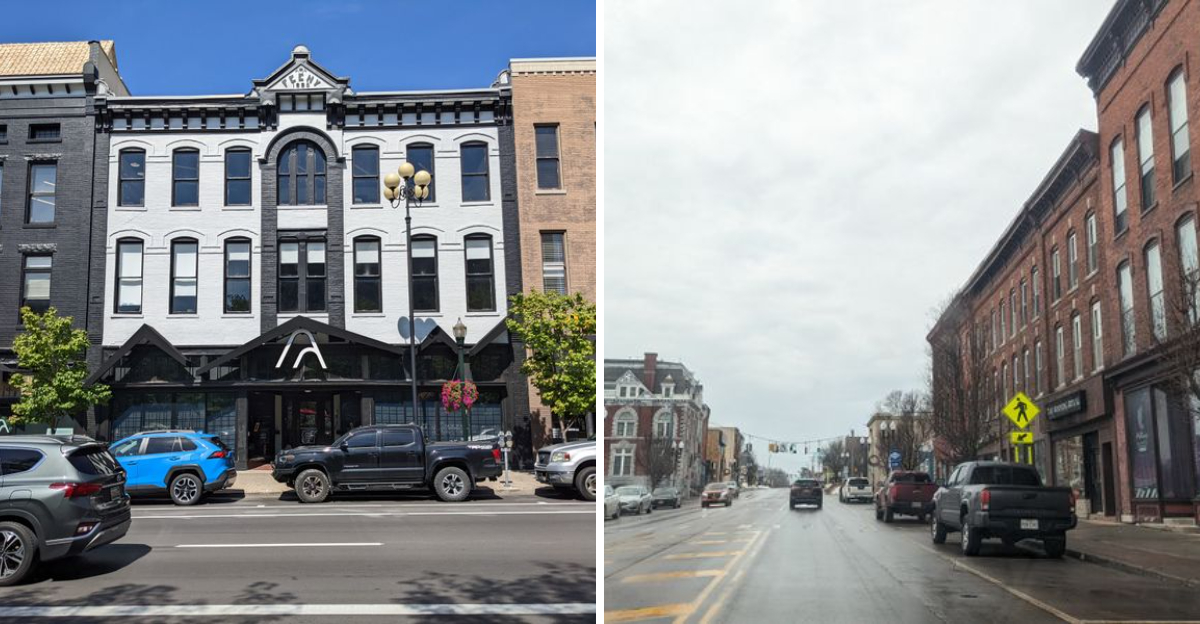
Missouri is packed with small towns where history is not just preserved, it is lived on every corner.
You can stroll brick sidewalks, peek into restored storefronts, and feel the cadence of the past without stepping into a museum.
These districts surprise with depth, variety, and a welcoming rhythm that invites slow exploration.
Plan a gentle road trip, because each stop reveals another chapter of the state’s story.
1. Arrow Rock
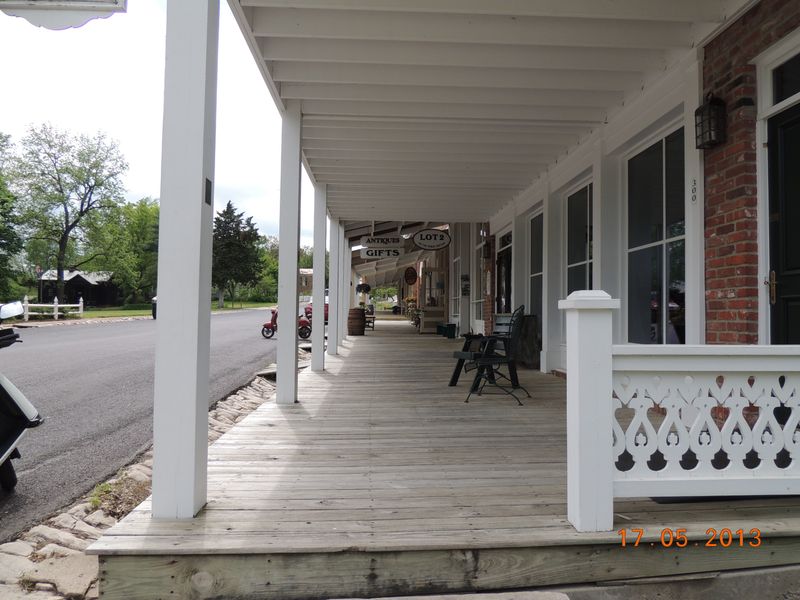
Main Street, Arrow Rock, MO 65320.
The historic district in Arrow Rock feels like a perfectly paused scene, with boardwalks, brick walks, and wood clapboard facades lining a gentle curve of road.
You move at a slow pace here, hearing birds and footsteps instead of traffic.
The Arrow Rock State Historic Site anchors the village with interpretive buildings and trails that trace the community’s frontier origins.
Many structures retain original proportions, with low rooflines, simple trim, and period windows that frame quiet interiors.
Information plaques dot the sidewalks, offering context without crowding the scenery.
Shops occupy restored storefronts, yet the signage stays modest, so the streetscape reads as one cohesive story.
The Lyceum Theatre building stands as a cultural beacon, its exterior blending with the district’s restrained palette.
Brick sidewalks lead to small greens where shade trees create cool pockets for a quick break.
You can trace the village grid in a few blocks, which keeps the walk intimate and easy to follow.
Porches with rocking chairs hint at the slower rhythms that defined this Missouri river corridor.
Interpretive markers connect Arrow Rock to regional trade and migration routes that shaped the state.
Photographers love the soft light on weathered clapboard and hand laid brick.
Benches face historic homes, giving you time to notice details like limestone foundations and handmade hinges.
Even at midday, the streets feel calm, and the quiet amplifies each architectural line.
Come for the preserved setting, stay for the sense of place that lingers long after you leave.
2. Sainte Genevieve
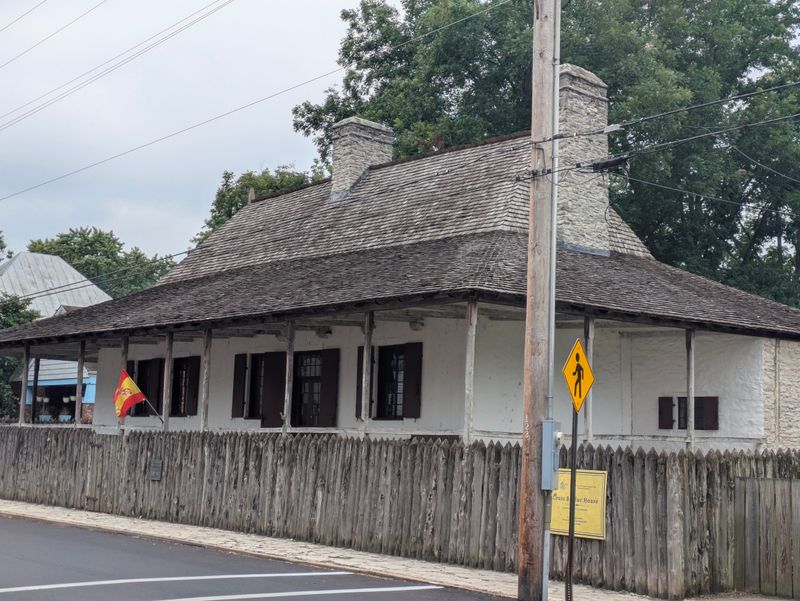
Main Street, Sainte Genevieve, MO 63670.
Ste. Genevieve reveals rare French colonial vertical log houses that sit low and sturdy behind picket fences.
Boarded galleries and broad porches create a rhythm of shade and light along the streets.
The district stretches across tidy blocks where interpretive signs explain poteaux en terre and poteaux sur solle construction.
You can step from a church yard to a museum entry within a few minutes, and the architectural language remains consistent.
The visitor center orients you to walking routes so you can connect sites without driving.
Many façades feature limewashed walls and timber patterns that tell their own story.
Shutters swing on forged hardware, and low rooflines frame glimpses of gardens.
Courtyards hide behind gates, giving the town a layered, European feel in southeast Missouri.
Side streets hold small galleries and studios where artisans work in restored structures.
The sidewalks feel relaxed, and crossings are short, which makes exploring simple.
At the district’s edges, newer buildings defer in scale and color to the older core.
Interpretation links settlements along the Mississippi River to trade routes that shaped the region.
Every corner feels documented, yet the place never reads like a stage set.
You come to see unusual architecture, and you leave with a clearer sense of the state’s earliest chapters.
Give yourself time to linger, because the details reward slow looking.
3. Hermann
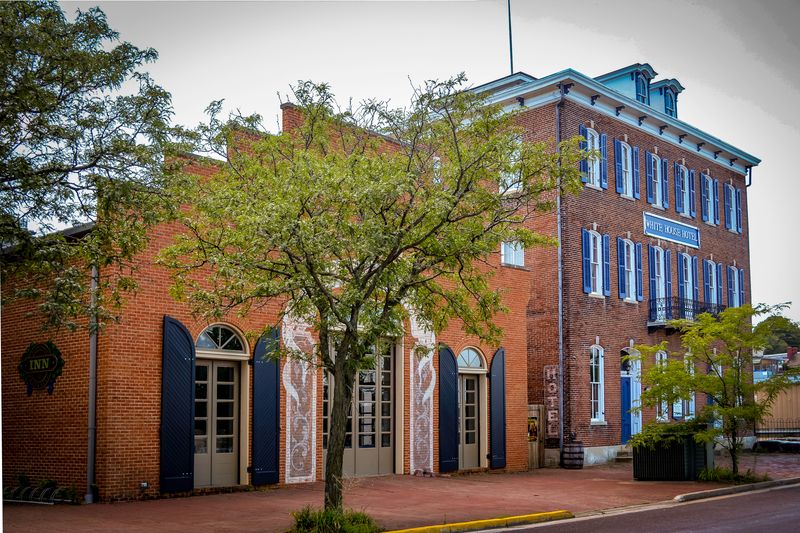
East and West Second Street, Hermann, MO 65041.
Hermann’s historic core climbs gentle slopes where brick buildings sit tight to the sidewalk.
Steep roofs and gabled ends echo settlements from the Rhine Valley, translated to central Missouri.
Museums and cultural halls occupy handsome brick blocks that glow warm in afternoon light.
Second Street forms a spine that is easy to follow, with cross streets offering river views.
Windows carry simple lintels, and cornices step neatly along the roofline.
You can duck into courtyards to find calm seating areas and glimpses of stone retaining walls.
Interpretive panels trace immigrant stories and trades that sustained the town.
Rail lines and riverfront paths connect the district to the broader landscape without crowding the streets.
The sidewalks feel safe and compact, so a full loop fits nicely into a relaxed stroll.
Brick textures, painted shutters, and narrow alleys make strong photographs from any angle.
Historic churches punctuate the skyline with spires that help with navigation.
Public squares and pocket parks provide rest under shade trees near the district’s core.
Restored interiors often feature exposed brick and wood beams that reinforce the town’s character.
The overall impression is cohesive, carefully maintained, and welcoming to visitors.
You leave with a sense that Old World design found a lasting home in this Missouri valley.
4. Weston
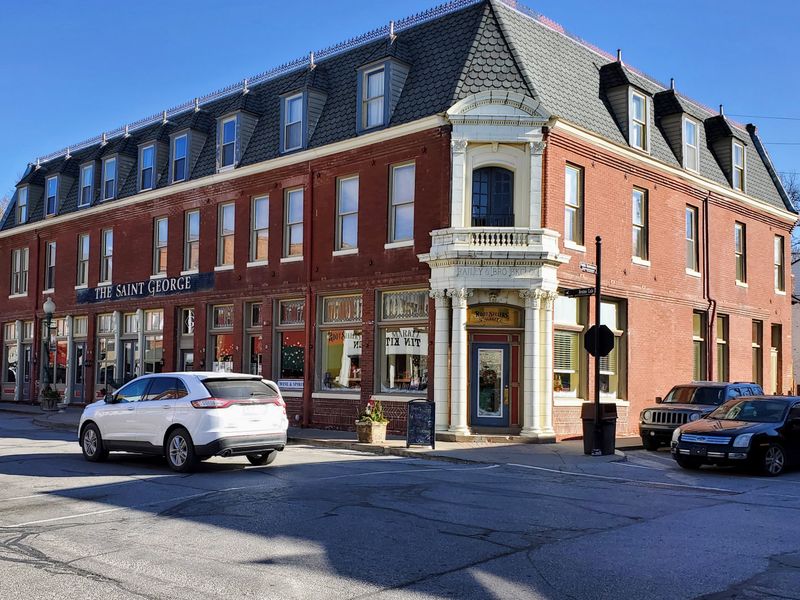
Main Street, Weston, MO 64098.
Weston’s commercial strip reads like a living ledger of a river town that thrived on movement and trade.
Brick storefronts keep their proportions and cast iron accents, creating a strong line of color and texture.
The National Register listing covers an intact sequence of blocks that remains walkable and compact.
Side streets reveal shaded neighborhoods where frame houses sit on limestone foundations.
Window transoms, narrow cornices, and painted signage offer crisp period details.
You can cover the main district without rushing, thanks to short blocks and frequent benches.
The Missouri River sits nearby, and the elevation grants long views on clear days.
Antique stores and galleries use restored interiors that echo the brick rhythm outside.
Historic photographs in display windows help you compare past and present as you stroll.
The courthouse lawn gives a green counterpoint to the red brick palette.
Porches on nearby homes show spindlework that glows beautifully in late light.
The overall experience feels authentic, steady, and well tended by locals.
Wayfinding signs keep first time visitors oriented without cluttering the view.
Every corner reinforces how this Missouri community held onto its core while evolving.
It is easy to imagine steamboat era traffic while standing on these quiet sidewalks.
5. Carthage
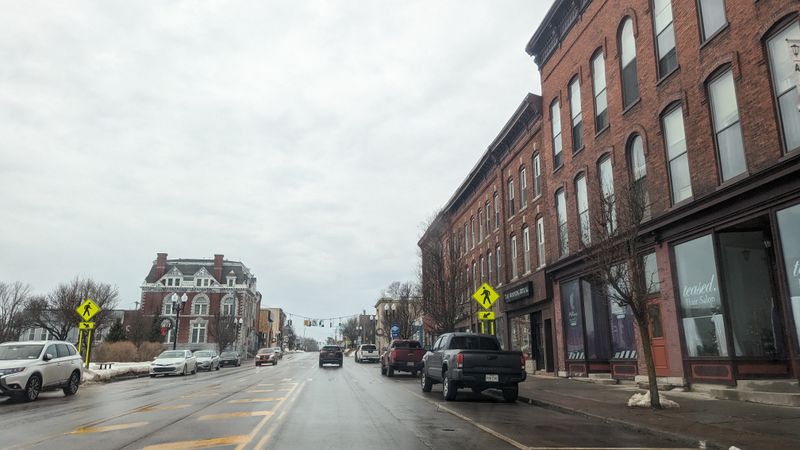
Central Avenue, Carthage, MO 64836.
The Carthage courthouse rises with ornate stonework, anchoring a square that feels stately and calm.
From this center, streets radiate toward neighborhoods where large Victorian homes line wide avenues.
The residential district holds towers, wraparound porches, and stained glass that sparkles in angled light.
Commercial blocks near the square carry tall windows and careful brick patterns.
Interpretive signs outline the city’s role in Civil War history and recovery.
Sidewalks are broad and well kept, making it simple to loop the square and continue into nearby streets.
Tree canopies soften the scale of the homes while framing long views to the courthouse.
Many houses retain original masonry, with limestone steps and carved trim in excellent shape.
Community buildings and theaters add civic energy without breaking the historic scale.
You feel the district’s strength in the way details align from block to block.
Porch columns and brackets reveal craftsmanship that rewards a slower pace.
Photographers will find balanced compositions on nearly every corner.
The city maintains clear crosswalks and lighting that respects the setting.
This slice of Missouri shows how a courthouse square can hold both memory and daily life.
Plan time for a full loop, then a second pass to catch what you missed.
6. Rocheport
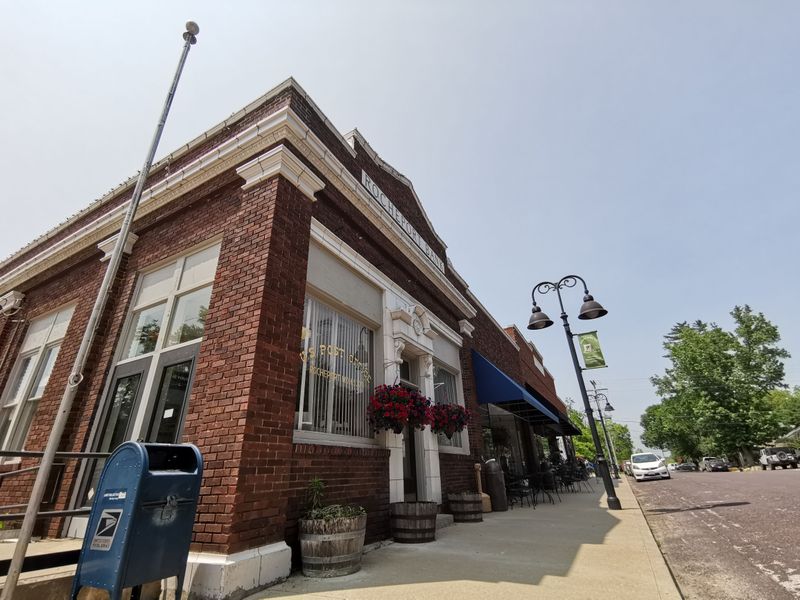
Main Street, Rocheport, MO 65279.
Rocheport sits close to the Missouri River, tucked between bluffs and the popular Katy Trail.
The historic core feels intimate, with low storefronts and porches that gaze toward tree lined streets.
Artists’ studios and small inns occupy cared for buildings with brick and wood facades.
Side yards hold garden seating that invites a pause during a leisurely walk.
Trail access near the river allows you to pair a ride with a calm village stroll.
Windows display local work, and interiors favor exposed beams and simple finishes.
The scale keeps conversation at a hush, and foot traffic moves gently through the day.
Historic markers tie the town to river commerce and regional exploration routes.
The bluffs add drama that contrasts with the small footprints of the buildings.
Lighting at dusk brings a warm glow to clapboard and brick, ideal for photos.
Benches along Main Street give steady views of passing cyclists and quiet storefronts.
Everything sits close together, so you can see a lot without covering long distances.
The mood is restorative, and the details feel honest to place.
This Missouri stop blends nature and history in a way that feels effortless.
You leave refreshed, with the river’s calm still in your ears.
7. Boonville
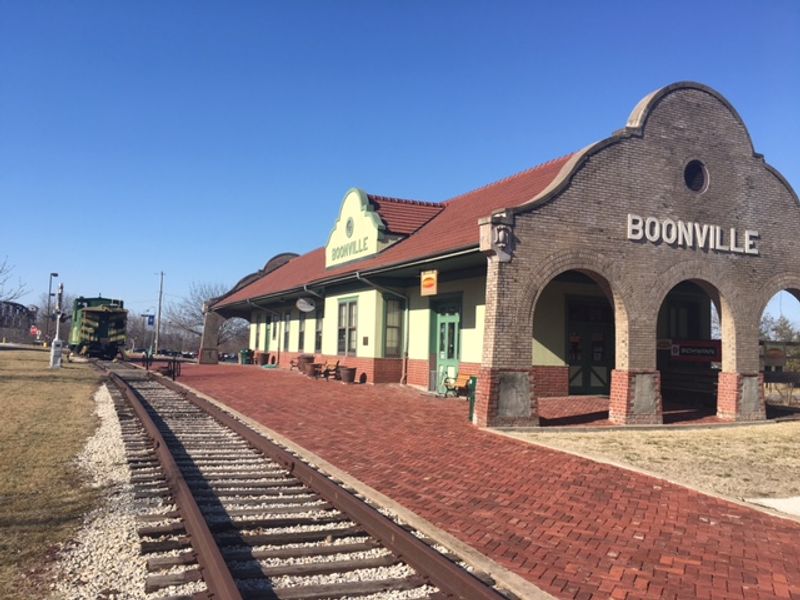
Main Street, Boonville, MO 65233.
Boonville’s district stretches along a gentle rise above the Missouri River, where brick blocks hold steady lines.
The Old Lamine Jail stands as a compact stone landmark with a stark, memorable profile.
A short walk away, the Lyric Theater adds a marquee flourish to a row of dignified façades.
Sidewalks flow past storefronts that keep their historic proportions and transom windows.
Interpretation links the town to the Santa Fe Trail and regional trade corridors.
Pocket parks introduce shade and seating for quick breathers between stops.
Residential streets near the core carry tidy porches and mature trees.
Material palettes range from red brick to painted clapboard, all within a consistent scale.
Wayfinding maps make it simple to plan a loop that hits the highlights.
Historic bridges and river views remind you how the landscape shaped the economy.
Local museums add depth without overpowering the outdoor experience.
The walk remains pleasant in all seasons, thanks to sheltering trees and modest grades.
Even small details, like metal grates and stone curbs, speak to long term care.
This slice of Missouri captures a river town’s balance of grit and grace.
Give yourself time to listen, because the bricks seem to hold a quiet echo.
8. Fulton
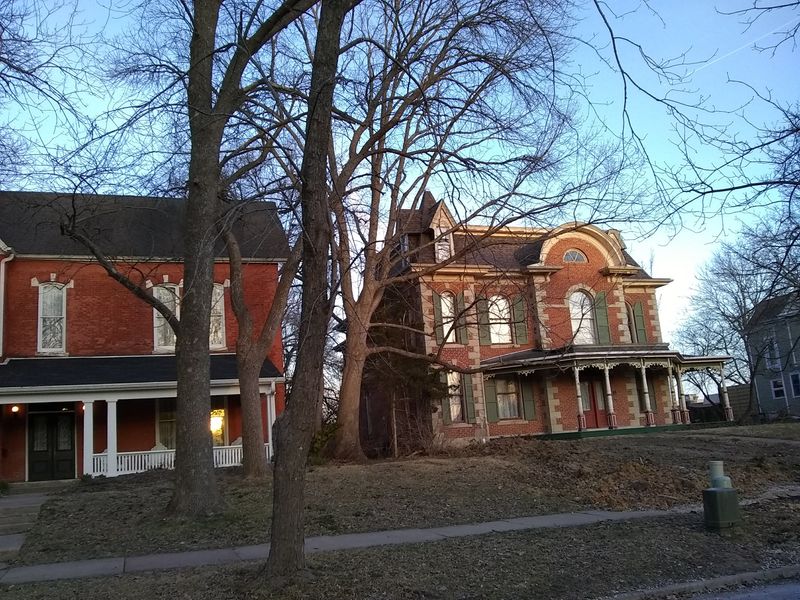
Court Street, Fulton, MO 65251.
Fulton’s historic fabric wraps around Westminster College and extends into a compact downtown.
The church associated with the Iron Curtain speech anchors a green pocket that invites quiet reflection.
Brick storefronts along Court Street keep tidy cornices and large display windows.
Side paths connect campus edges to the commercial core in a few minutes.
Interpretive displays highlight the speech’s legacy and the town’s broader story.
Tree canopies cast patterned shade on benches and crosswalks throughout the district.
Residential blocks show pre war styles with porches made for conversation.
Public art and plaques guide you without crowding the sidewalks.
The pace feels thoughtful, and the architecture reads as measured and precise.
Quiet interiors feature brick walls and simple trim that feels timeless.
You can loop the highlights easily, thanks to clear sightlines and short distances.
Museums and galleries fit neatly into the older building stock.
Every corner supports the sense of a town that values memory and civility.
Missouri’s history feels personal here, brought close by the scale of the streets.
Leave time to sit under the trees and let the story settle.
9. Kimmswick
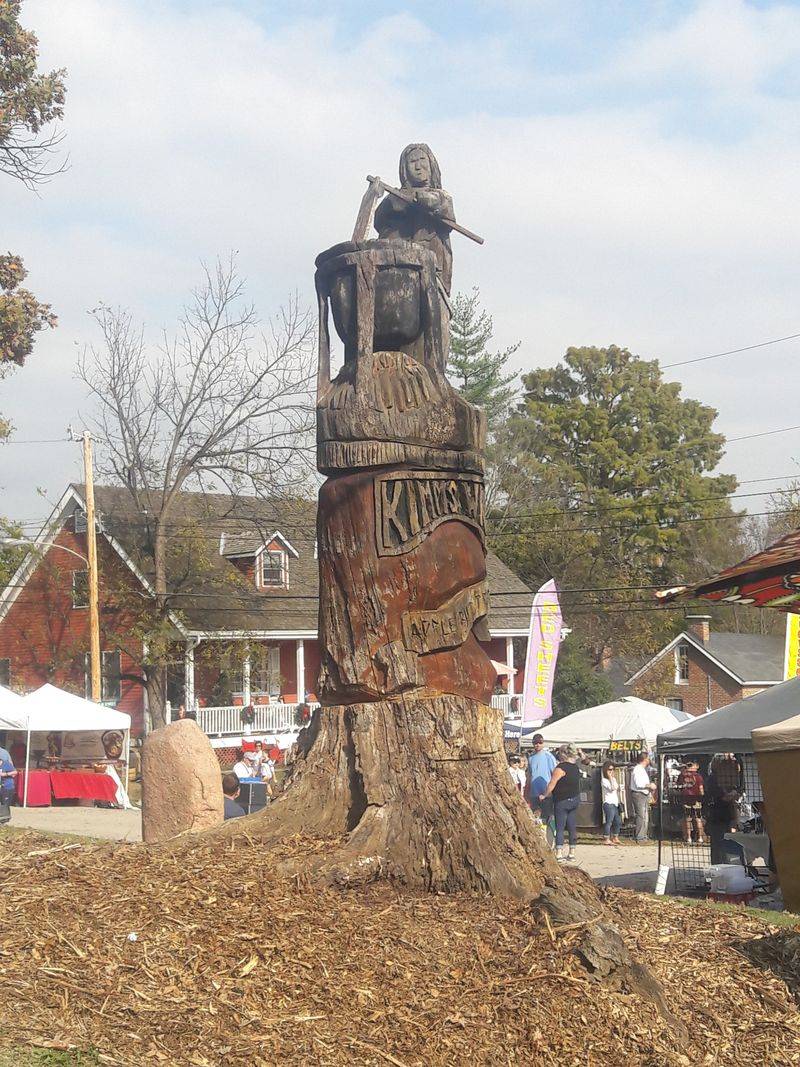
Front Street, Kimmswick, MO 63053.
Kimmswick unfolds as a small grid of walkable blocks near the river, with tidy storefronts and porches.
The district’s charm comes from compact Victorian and brick buildings framed by mature trees.
Shops display handcrafted goods in windows that glow warmly in afternoon light.
During festival days, the streets hum, yet the architecture remains the main attraction.
Benches and pocket patios offer places to pause between stops.
Historic signs explain how the town grew with local trade routes and river access.
Front Street carries the most energy, though side streets feel pleasantly quiet.
Gingerbread trim and contrasting paint bring a cheerful rhythm to facades.
Crosswalks are short, which makes the loop friendly for families.
Many interiors reveal wood floors and beams that speak to careful restoration.
Window boxes and planters add seasonal color without clutter.
The river’s presence is felt in breezes that slip through the streets on warm days.
This corner of Missouri offers a simple, happy stroll with a strong sense of heritage.
You will likely linger, since each storefront carries its own personality.
Leave with photos of porches, brackets, and the calm curve of the street.
10. Lexington
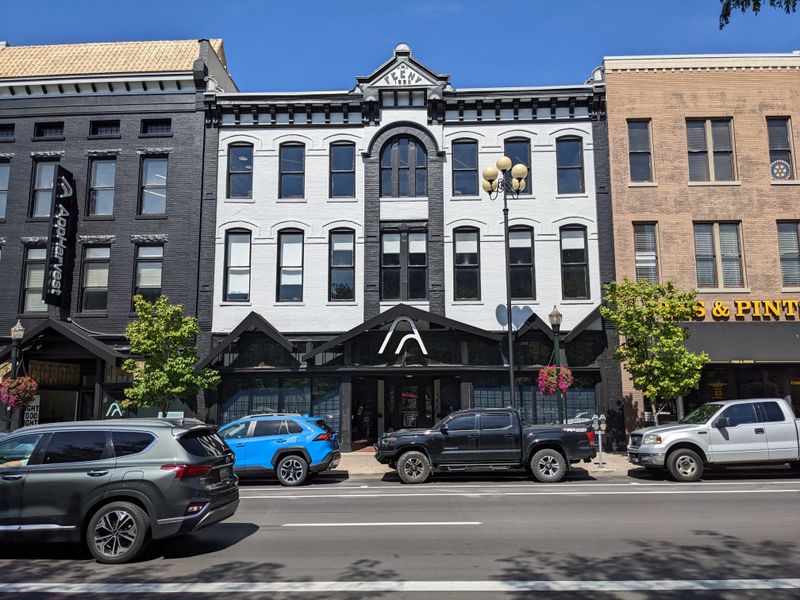
Main Street, Lexington, MO 64067.
Lexington’s courthouse draws attention with a visible cannonball that turns history into a tangible moment.
Main Street flows past measured brick facades that keep their cornices and pressed tin details.
Sidewalks are wide, and storefronts feel evenly spaced, which leads to an easy rhythm.
Interpretive panels tie the square to battle sites and river trade patterns.
Residential streets nearby hold stately homes with deep porches and tall windows.
From certain corners, you can catch glimpses of the Missouri River below the bluffs.
Small museums and civic buildings fit neatly into the scale of the district.
Shade trees temper summer heat and give the brickwork a rich tone.
Benches face public buildings so you can study the architectural details at leisure.
Historic lamps give soft light that photographs beautifully at dusk.
The overall impression is of a town that honors a complex story without fanfare.
Wayfinding signs help first time visitors map a loop that covers major highlights.
This is Missouri told through brick, stone, and careful preservation.
You leave with a feeling of quiet resilience that suits the river valley setting.
Plan a return visit when leaves change and the streets glow with color.
Dear Reader: This page may contain affiliate links which may earn a commission if you click through and make a purchase. Our independent journalism is not influenced by any advertiser or commercial initiative unless it is clearly marked as sponsored content. As travel products change, please be sure to reconfirm all details and stay up to date with current events to ensure a safe and successful trip.
