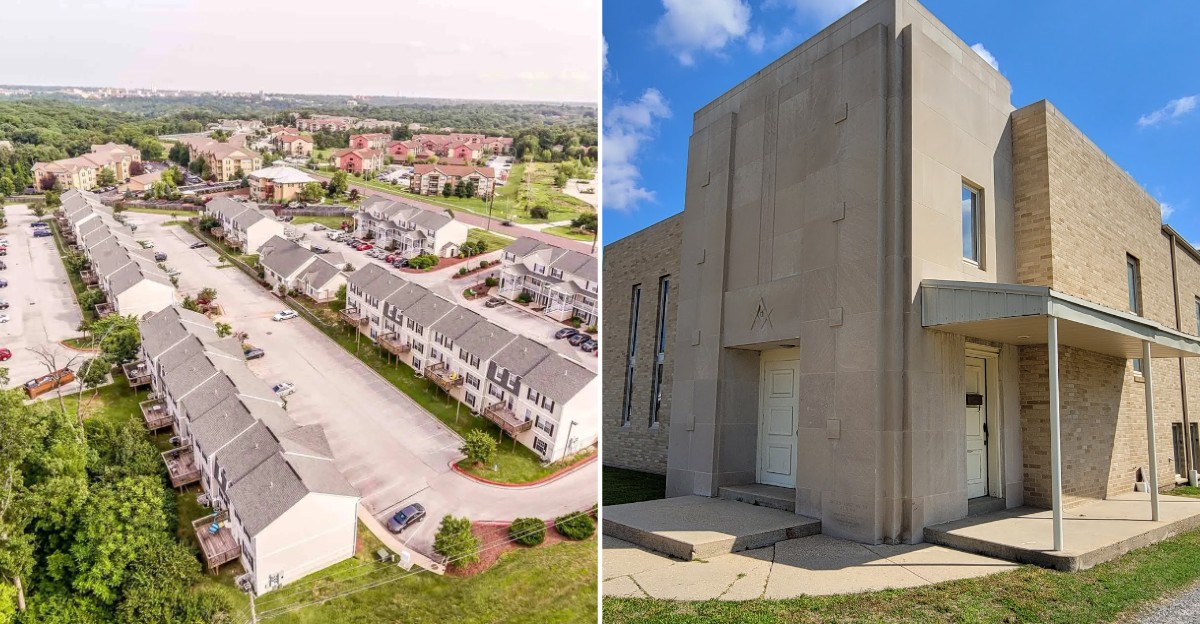
Missouri’s housing market is seeing a shift that is easy to miss until you look closer. Investors are buying properties in towns across the state, adding more rental homes and changing who owns a growing share of local housing.
The trend is not limited to major cities, either. Smaller communities are also seeing investment activity, particularly where homes are relatively affordable and rental demand creates opportunities for buyers.
For longtime residents, that can bring changes to the local housing landscape as more properties move from individual ownership into investment portfolios.
The effects can vary from one community to another, and investor activity is only one factor shaping Missouri’s housing market.
Still, it is a trend worth watching. Looking at where investors are buying, what they are purchasing, and how that activity is affecting local communities offers a clearer picture of a quieter shift happening across the state.
1. St. Louis, Missouri
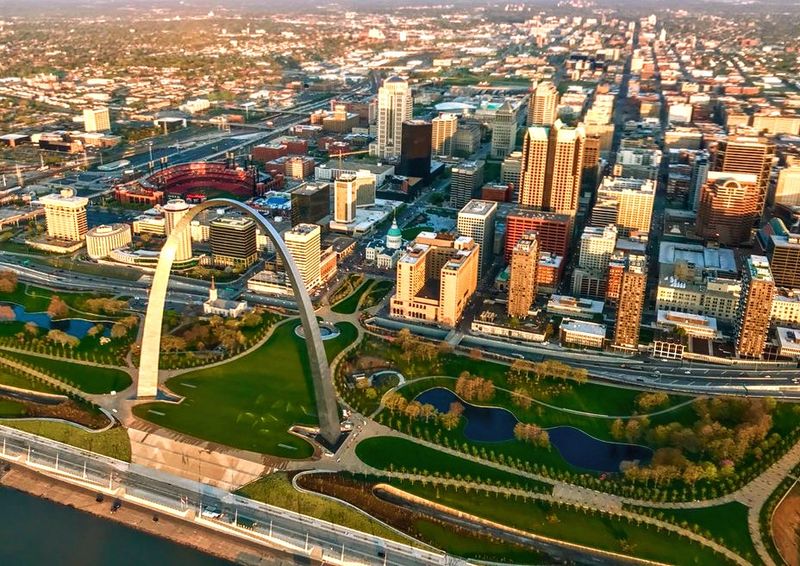
Roughly one out of every five homes sold around this metro went to an investor rather than a family, which is a pretty stunning thing to sit with. That kind of number puts the city near the top of the list for the whole state, and it has stayed that way for a while now.
What makes it happen here is the mix of old brick housing stock, steady rental demand, and neighborhoods that have room to grow in value. Investors love anything with good bones and a reasonable entry point, and this place has plenty of both.
If you want to actually see the heart of it, park yourself near the old courthouse at 11 North 4th Street, St. Louis, Missouri, and just walk a few blocks in any direction. You will notice buildings getting facelifts right next to ones that have not been touched in decades, and that contrast tells you almost everything.
Here is a fun bit of history for you. The city was laid out as a fur trading post long before it became a river shipping powerhouse, and that trading instinct never really left.
Honestly, Missouri has always had a bit of a dealmaker streak running through it.
2. Kansas City, Missouri
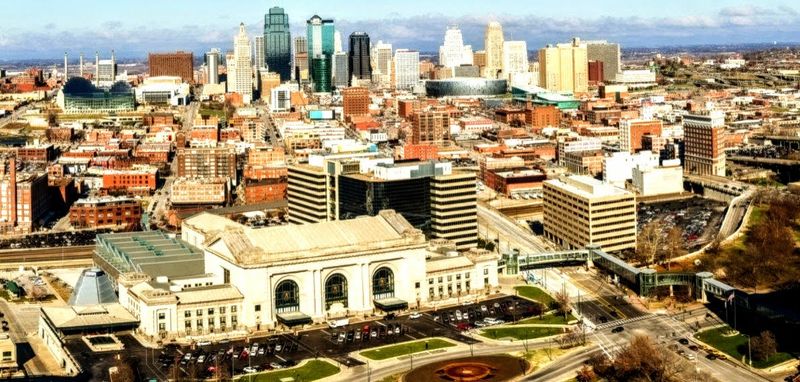
Guess which Missouri city actually edged out its bigger-name rival in investor share? It was this one, and by a hair, which I think is kind of hilarious given how those two cities love to compare themselves to each other.
That share puts the metro among the most investor-heavy major markets anywhere in the country, not just in the state. When you see a number like that in a city of this size, it usually means houses are still affordable enough to buy and rent out without stretching the math too far.
The thing that surprised me is how spread out the activity is. It is not just downtown lofts getting scooped up, it is whole stretches of bungalow neighborhoods on both sides of the river.
You can get a feel for the older residential fabric by heading over toward the Country Club Plaza area around 4750 Broadway Boulevard, Kansas City, Missouri, where the architecture alone is worth the walk. The Spanish-inspired towers and tilework there have been drawing people in since the place first opened as one of the earliest shopping districts built for cars.
It is a fascinating place to think about growth and who exactly gets to own a piece of it.
3. Springfield, Missouri
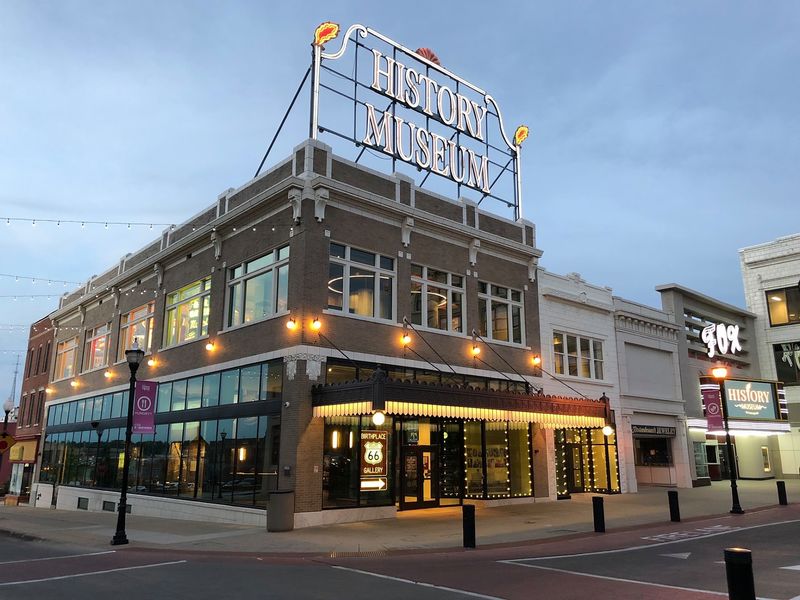
Ever notice how some cities just quietly grow while nobody outside the state pays attention? That is pretty much the story here, and the investor numbers back it up in a big way.
Investor buyers made up right around a fifth of purchases in this metro, which keeps it firmly among the largest investor markets anywhere in Missouri. A big university, a steady stream of new residents, and home prices that have not gone completely sideways all feed into that.
What I like about this place is that it still feels like a real working city rather than a showpiece. You get wide streets, older neighborhoods with mature trees, and a downtown square that has been slowly waking up over the last stretch of time.
Head to the historic square at 100 Park Central Square, Springfield, Missouri, if you want to see where the energy is concentrated. The brick buildings around the square have been repurposed more times than anyone can count, and that adaptability is exactly what draws investor money.
Here is something neat. The old Route 66 was officially named right here in this city, which means people have been passing through and putting down roots for generations.
4. Joplin, Missouri
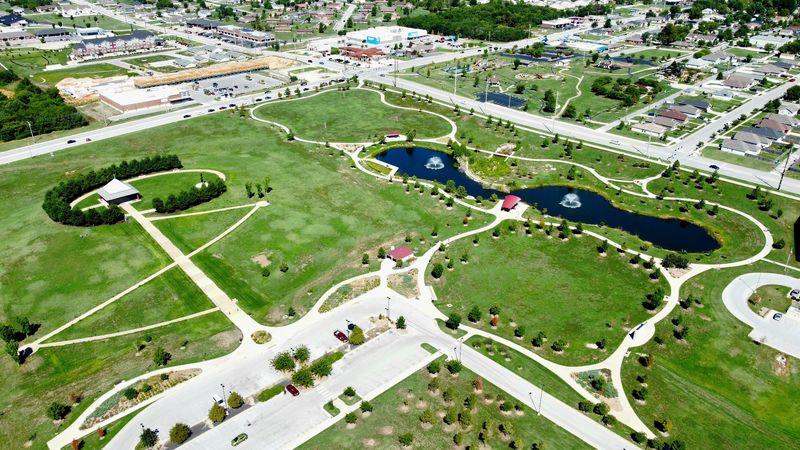
More than seven hundred investors are active in this metro, which honestly feels like a lot for a town most people only know as a stop on the way to somewhere else. That number caught me off guard when I first read it.
Part of what is happening here is the rebuilding that has reshaped whole neighborhoods, plus a location that sits right where several highways and state lines converge. Investors tend to like places where jobs and traffic pass through constantly.
The housing here is a mix of older cottages and newer construction, which gives buyers a lot of different price points to work with. That variety is exactly why the investor count climbs the way it does.
If you find yourself passing through, take a slow drive down Main Street and stop near 602 South Main Street, Joplin, Missouri, where the restored storefronts and murals give you a sense of how much pride people put into this place.
The town grew up on lead and zinc mining, and there are still underground reminders of that scattered around the region. Missouri has a lot of these mining towns that reinvented themselves, and this one did it more than once.
5. Columbia, Missouri
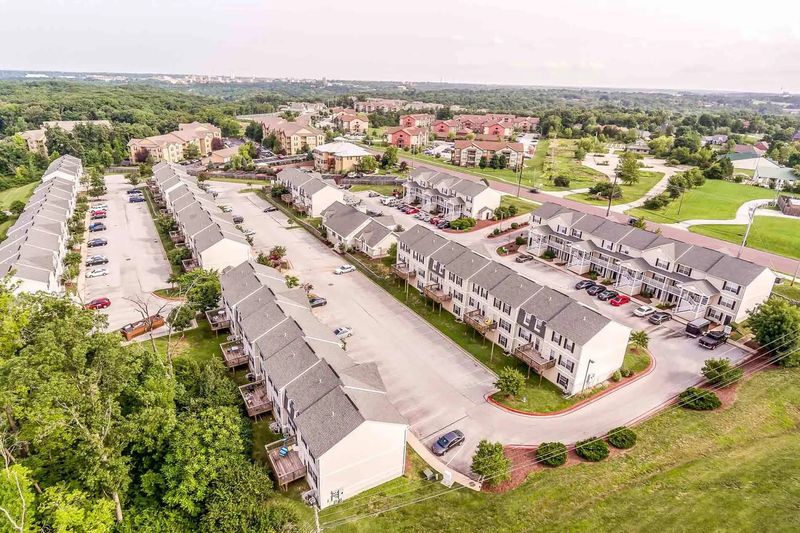
College towns almost always attract investors, and this one has more than six hundred of them showing up in current tracking data. When you have a constant flow of renters cycling through every year, the math gets very appealing very fast.
The interesting part is that it is not only student housing driving things. Hospitals, insurance companies, and state offices employ a huge number of people here, so there is a whole second layer of long-term renters underneath the campus crowd.
Walking around the older neighborhoods, you can spot the pattern pretty easily. Houses get split into units, porches get rebuilt, and driveways get widened, all signs that someone is thinking about tenants rather than a single family.
The downtown district around 1000 East Broadway, Columbia, Missouri, is where the town really shows off, with brick sidewalks and a steady hum of people moving between shops and campus.
A small piece of trivia that always sticks with me is that the famous columns standing on the quad are the remains of the university’s original main building, which burned down long ago. They left them standing, and now they are the symbol of the whole town.
6. St. Joseph, Missouri
Hundreds of investors show up in the data for this river town, which surprised me because it does not get talked about much outside of Missouri. It has been an established market for a while though, not some sudden trend.
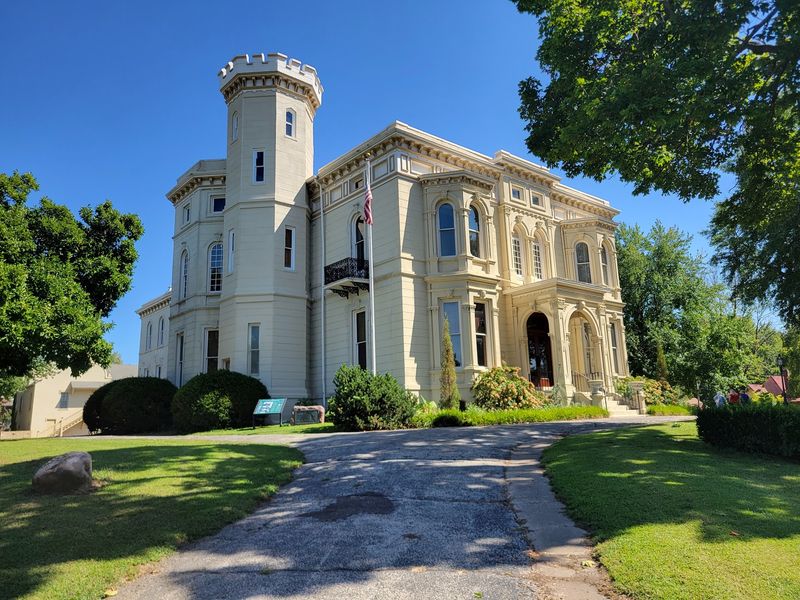
The appeal makes sense once you see the housing. There are gorgeous old Victorian homes here that were built when this was one of the wealthiest cities in the region, and many of them sell for far less than comparable places elsewhere.
That gap between the quality of the architecture and the cost of entry is exactly the kind of thing that pulls in buyers looking for rentals or renovation projects. Some of those houses have turrets, stained glass, and carved staircases that you simply cannot build anymore.
You can see it clearly if you drive through the mansion district and stop near 1100 Frederick Avenue, St. Joseph, Missouri, where the street is lined with big stone and brick homes sitting behind old shade trees.
Here is the piece of history everybody knows. The Pony Express started its westward run from this very city, which tells you it has been a launching point for ambitious people since the beginning.
7. Branson, Missouri
Now this one plays by completely different rules than the rest of the list. Over four hundred investors are active here, but a big chunk of them are not chasing regular long-term rentals at all.
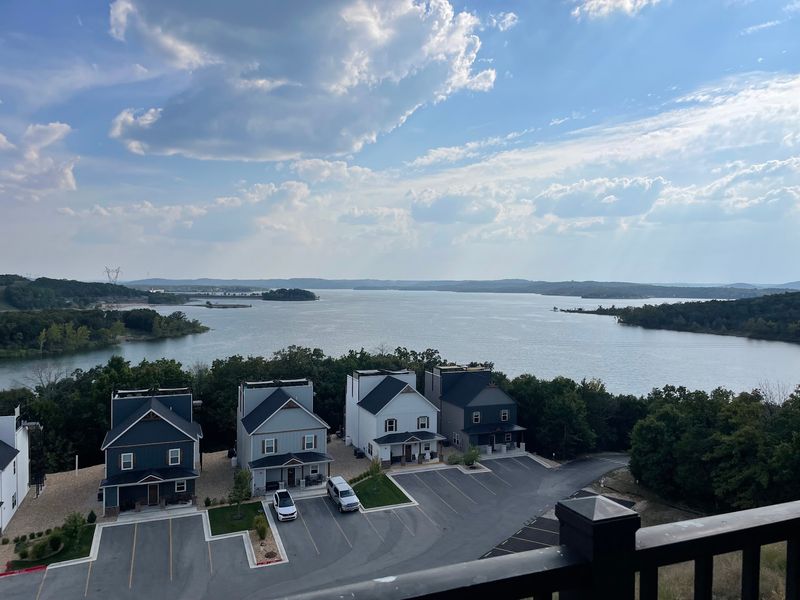
The vacation and second-home market is what drives things in this corner of the Ozarks, and that changes the whole calculation. People buy cabins and lakefront condos with the idea of renting them out to visitors for short stays, which makes the seasons matter enormously.
You see the effect everywhere, from hillside neighborhoods full of nearly identical vacation homes to older resort properties getting refreshed and relisted. It is a market built entirely around people coming and going.
The Branson Landing area at 100 Branson Landing Boulevard, Branson, Missouri, sits right on the water and gives you a clear look at how much development has filled in along the lakefront over the years.
Something I did not expect to learn is that the town’s tourism roots go back to a novel set in these hills that drew curious readers to the area long before any theaters existed. That book basically invented the place as a destination, which is a wild origin story for a real estate market.
8. Jefferson City, Missouri
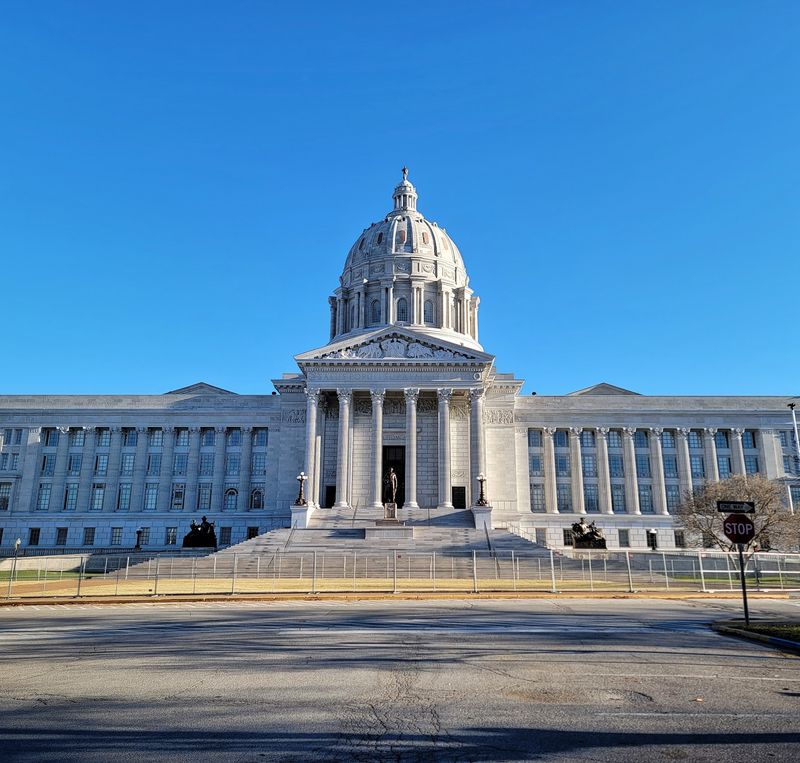
State capitals have a quiet advantage that people often overlook, and that is a workforce that never really goes away. Government jobs keep humming along no matter what the rest of the economy is doing, and investors notice that kind of stability.
Documented investor activity here is steady enough to earn the town a spot on this list, even though it is nowhere near the size of the bigger metros. Legislators, staffers, and agency workers all need places to live, and plenty of them rent.
The housing sits on hills above the river, with older homes tucked into streets that wind more than you would expect for a planned capital city. It gives the whole place a slightly tumbled, lived-in feeling.
The Capitol itself at 201 West Capitol Avenue, Jefferson City, Missouri, is genuinely worth stopping for, with its huge dome sitting right on the bluff above the water.
One detail I love is that the city was built from scratch specifically to be the capital, chosen for its spot near the middle of the state. Missouri picked a piece of wilderness and just decided a city would go there, which is a bold way to do things.
9. Cape Girardeau, Missouri
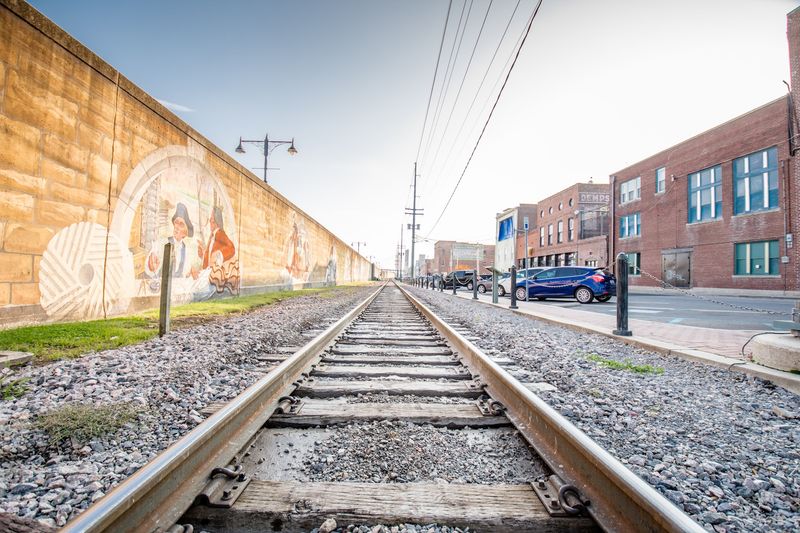
Small river towns do not usually make lists like this, yet here we are. Current tracking data shows a notable investor presence in this market, which tells you the trend is reaching well beyond the big metros.
A regional university and a hospital system give the town more economic depth than its size would suggest, and that combination creates real rental demand year round. Investors tend to follow anywhere that has both students and steady medical jobs.
The older parts of town have a lot of character, with brick buildings stepping down toward the river and neighborhoods full of modest homes that are easy to fix up and rent.
Head down to the riverfront near 400 Broadway, Cape Girardeau, Missouri, where the floodwall murals stretch along the water and tell the history of the region in painted panels. It is one of those things you do not expect in a town this size.
The name goes back to a French trading post established on a rocky point above the Mississippi, and locals just call it the Cape. Hearing that shorthand the first time is a little confusing when you are hundreds of miles from any ocean.
10. Sikeston, Missouri
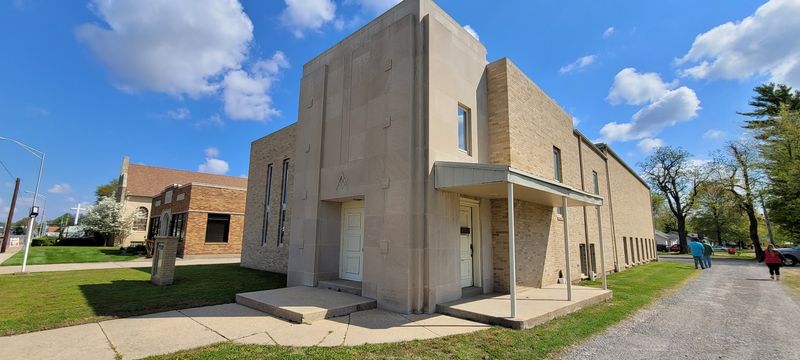
Two hundred investors in a town this size is genuinely surprising when you stop and think about the scale. That is not a big city number, but for a community out in the flatlands of southeast Missouri, it says something real.
Location does a lot of the heavy lifting here. The town sits where two major interstates cross, which means trucking, warehousing, and agriculture all keep people employed and living nearby.
Homes here are generally modest and affordable, which is exactly the profile that attracts buyers looking for rentals that cash flow without a huge upfront commitment. When prices stay reasonable, the math works even in small markets.
The central part of town around 105 East Center Street, Sikeston, Missouri, gives you the classic Main Street look, with low brick buildings and wide parking along the curb.
What surprised me most is that the surrounding farmland here is part of a region once covered by swamp before it was drained generations ago. That soil is some of the richest in the country now, and the whole local economy grew out of that transformation.
It is a reminder that this part of the state has always been reshaped by people making bets.
11. Poplar Bluff, Missouri
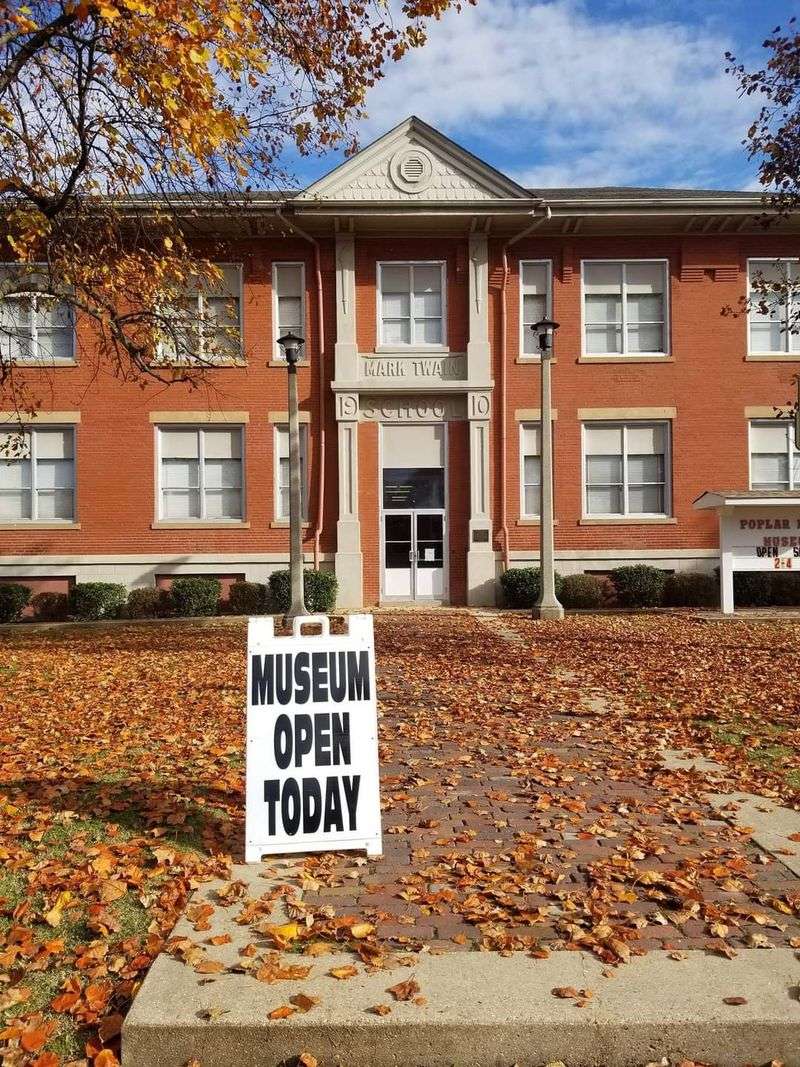
Tucked down where the Ozark foothills start flattening out, this community has more documented investor activity than you would ever guess from driving through it. That is what makes it such a fitting way to close out the list.
The town works as a regional hub for a big stretch of rural southeast Missouri, with a hospital, schools, and retail that pull people in from surrounding counties. Anywhere that serves as a service center for a wide area tends to hold its rental demand.
Housing costs here are low compared to almost anywhere else in the state, and that is precisely the draw. Buyers can pick up a place, put some work into it, and rent it without taking on much risk.
Downtown near 200 South Broadway Street, Poplar Bluff, Missouri, has older brick buildings that hint at how busy the railroad years must have been.
The name comes from the yellow poplar trees that once covered the bluff above the river, though most of those were logged out long ago. Knowing that changes how you look at the treeline, and it sums up how much these quiet places have already changed hands before.
