Missouri is full of towns that once revolved around a single attraction, only to reinvent themselves when the crowds moved on.
You can still read the past in brick depots, empty quarries, and quiet riverfronts if you know where to look.
Follow this road trip to places that exchanged boomtime fame for quieter futures, yet kept their character intact.
The stories here prove that a lost attraction can spark a new identity, and that is exactly why these stops deserve your time.
1. Eminence and the Vanished Railroad Boom
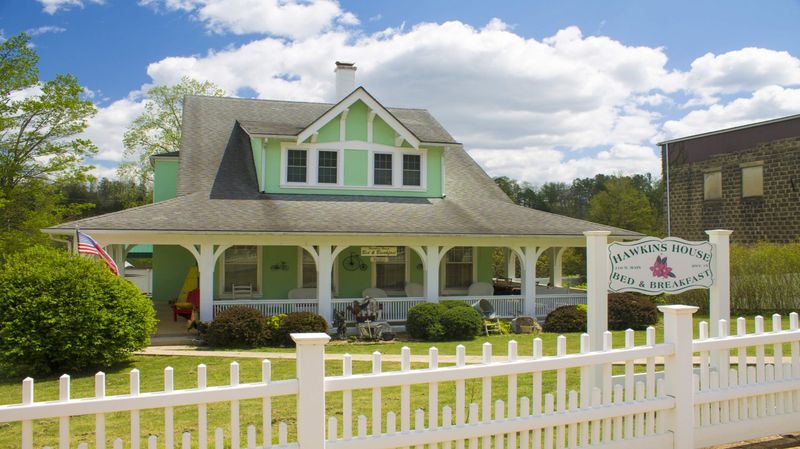
Eminence once pulsed with the rhythm of rail cars, and the station was the town’s proud front door at 170 Main St, Eminence, Missouri.
When the line faded and service disappeared, platforms quieted and storefronts shifted their gaze to the forested hills that press against town.
You feel that change in the hush around the old corridor, where the path to the depot now points toward water and woods.
Today the hum centers on the Current and Jacks Fork rivers, and the streets funnel visitors to outfitters, cabins, and trailheads that radiate from downtown.
The timbered bluffs stand like guardians over a place that chose nature once the timetable stopped clicking.
Walk the sidewalks near Court St and you can trace the old supply route in building lines, yet your eyes drift to the green edge.
Historic storefronts hold outfitters and small inns that greet paddlers at dawn, and their porches glow with porchlight in the evening.
Even without whistles, the town still marks time by the river’s mood and the shifting color of the Ozarks sky.
If you start at City Hall on Broadway, the route to the former depot site becomes a short storytelling stroll.
Landmarks whisper of freight and mail, then yield to canoes stacked neatly and shuttle vans facing the water.
You will not find a working station, but you will find a community comfortable in its new rhythm.
Eminence proves that a missing track can become a trailhead, and that is a path worth following.
2. Excelsior Springs and the Lost Mineral Water Industry
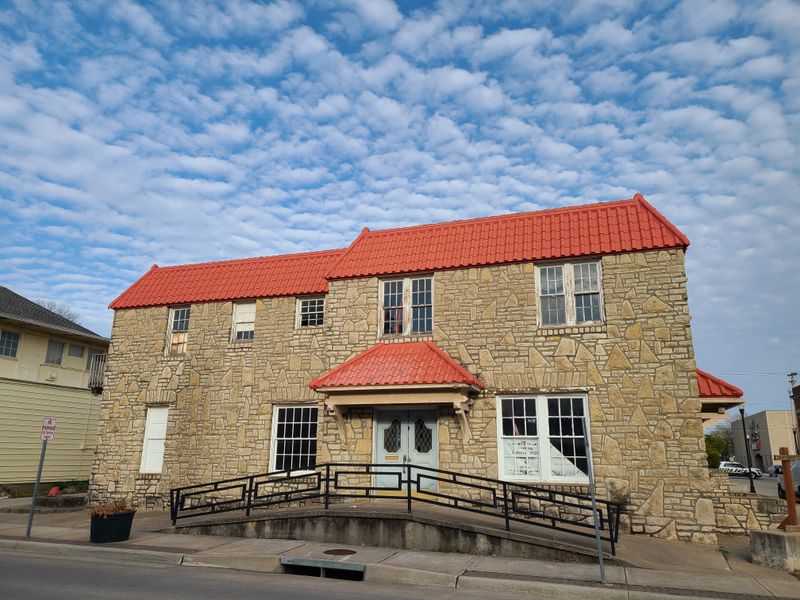
Excelsior Springs grew famous for mineral wells that drew health seekers to the Hall of Waters at 201 E Broadway, Excelsior Springs, Missouri.
As medical ideas moved on and spa tourism cooled, the fountains quieted and the industry that built grand lobbies slipped into memory.
Stand by the tiled corridors and you can feel the echo of appointments and the gentle shuffle of visitors searching for cures.
The city adapted by celebrating architecture, events, and walkable blocks that frame the Art Deco civic jewel.
Parks link to storefronts where local makers fill display windows with crafts, maps, and guides to the downtown district.
Inside the Hall, interpretive displays outline the well field that once ran beneath these streets.
Start your stroll at the Visitor Center on 426 S Thompson Ave, then follow signs toward Broadway to admire the limestone details.
The calm of the lobby contrasts with the energetic festivals that spill onto sidewalks through the year.
Hotels and galleries reuse historic spaces, trading prescriptions for design and storytelling.
You can feel the city’s pride in preservation with each polished brass rail and carefully restored tile panel.
Even without the mineral rush, the town offers a gentle pace, strong community arts, and architecture worth a detour in Missouri.
Excelsior Springs shows how a place can stop serving water yet keep serving travelers, and that balance feels just right.
3. Laclede and the Faded River Port Era
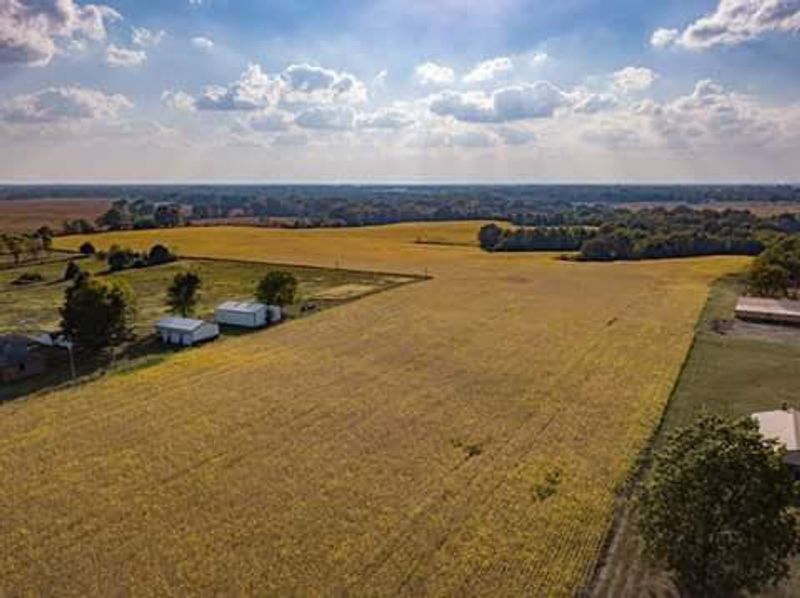
Once a modest river port, Laclede found its footing along water routes that linked farms to regional markets near N Chestnut St, Laclede, Missouri.
As shipping corridors shifted and rail favored other paths, the river landing lost its urgency and the town settled into slower cycles.
Walk the grid of streets and the spacing of homes still hints at freight wagons and storage sheds that faced the water.
The General Pershing Memorial Museum at 900 Ausmus St anchors local history, and it frames the civic pride that replaced maritime work.
You can pair that stop with a look at the parkland that edges the former trade routes, where grass covers what once was bustle.
Today the pace suits quiet travelers who value small museums, shaded porches, and conversations on the sidewalk.
The river no longer dictates life here, yet the town’s plan still points toward distant docks like a compass that keeps true.
Parking by City Hall on 103 S Chestnut St is a good starting point for a loop that connects markers and modest landmarks.
The scale is human, the blocks are short, and the stories unfold with each corner.
Listen for birds and the faint rustle of cottonwoods, not the clatter of cargo being sorted by lantern light.
Missouri travelers who enjoy heritage without crowds will appreciate this measured calm.
Laclede’s river age has passed, but its sense of place remains on every porch step and along every fence line.
4. Rolla and the Route 66 Bypass
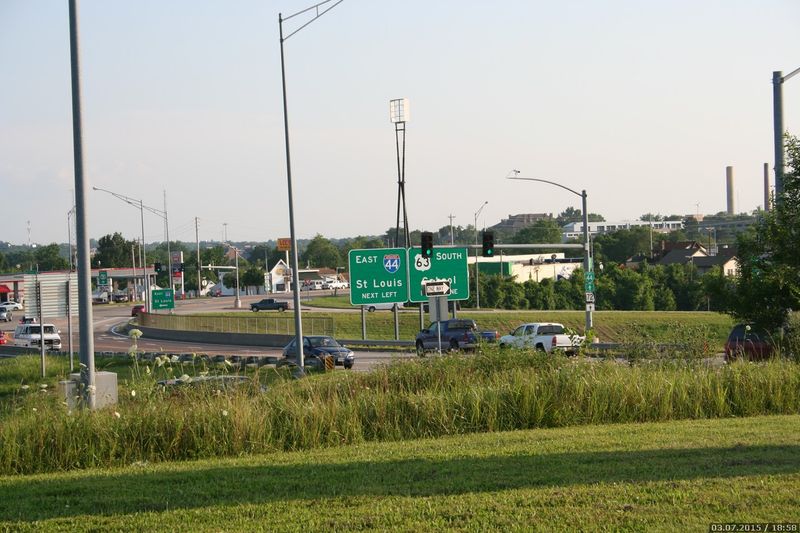
Rolla once lived by the rhythm of Route 66, and traffic funneled past motels and service courts along Kingshighway and N Bishop Ave, Rolla, Missouri.
When interstate lanes pulled cars away, many roadside businesses dimmed and a new chapter began for the college town.
You can still trace the Mother Road by following vintage signs and preserved facades that line the old corridor.
Start at the Route 66 Mural Park area near 719 N Pine St and then work outward to cross streets with classic angles.
The Missouri University of Science and Technology campus adds steady energy that balances the shift from car culture to research and learning.
Shops and studios occupy spaces that once promised vacancy lights, giving the strip a new rhythm.
Markers explain how detours reshaped commerce and pushed travelers to newer exits.
Stand by an old marquee and you can almost hear the hum that once guided families to motor courts at dusk.
Now the experience is about history walks, campus architecture, and a compact downtown with public art.
Parking near City Hall at 901 N Elm St sets up an easy stroll to see the layers.
Missouri road trippers can collect stamps of the past without relying on a steady stream of headlights.
Rolla’s bypass story feels instructive, because the road that left also left room for reinvention.
5. Carthage and the Decline of Marble Mining
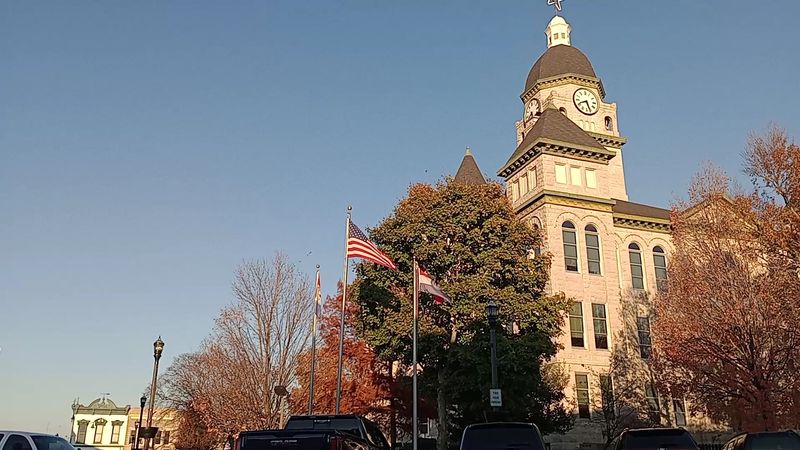
Carthage matured around quarries that supplied Carthage stone, and the courthouse at 302 S Main St, Carthage, Missouri, still wears the legacy on its walls.
When demand fell and operations slowed, the town learned to lean on arts, preservation, and a striking square.
Walk the perimeter and the stone textures tell you why builders once ordered blocks from here.
Galleries and studios fill upper floors where industrial offices once planned shipments and payrolls.
The square’s arcading storefronts hold small businesses that treat the courthouse lawn as a daily meeting room.
Interpretive panels describe quarry pits that now read as blue water and limestone scars along county roads.
Start your visit at City Hall, 326 Grant St, then loop to Main to take in the courthouse and the steady rhythm of traffic.
The design details in lintels and cornices reward slow looking, and the color shifts with each cloud.
Missouri travelers who love architecture will linger here to watch shadows move across carved stone.
The lost extraction era still frames conversations, yet the town’s energy comes from festivals and local makers.
Courthouse steps double as seating, and the square feels like a living room surrounded by craft and history.
Carthage proves a quarry can close while the craftsmanship it inspired stays in full view.
6. Old Mines and the End of Lead Extraction
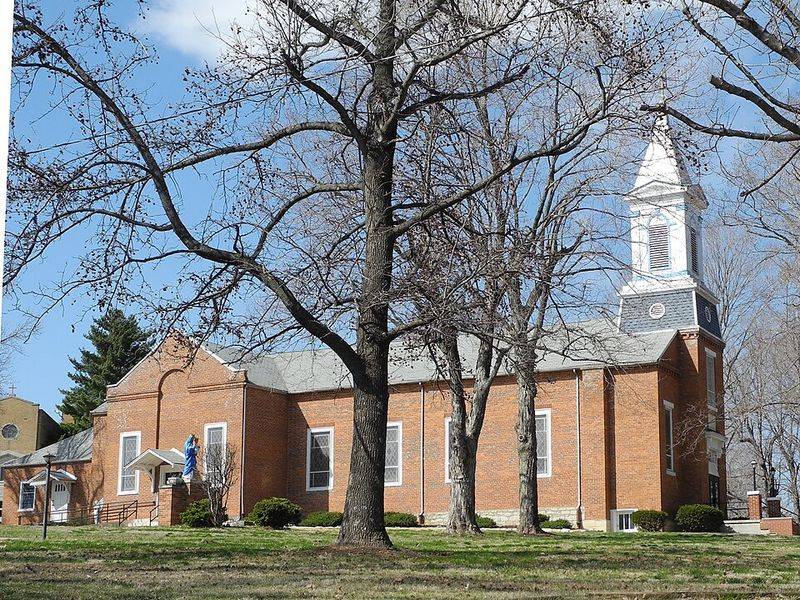
Old Mines formed around lead diggings that once dotted the hills, and the parish grounds at 11397 Highway 21, Old Mines, Missouri, center the community today.
When mining ceased, the village kept its Creole French culture and a landscape marked by pits and gently rolling woods.
You can walk among modest buildings that speak in weathered wood rather than ore carts.
The church and community hall anchor festivals, language programs, and heritage gatherings that replace the mine whistle.
Interpretive signs explain the practices that shaped the soil and the families who worked it.
Start at the cultural center on State Highway CC, then follow the loop roads that tie homes to chapels and cemeteries.
It is quiet here, and the stillness lets you notice porch details and hand cut fences.
The ground itself holds memory, from small depressions to mounded earth along tree lines.
Missouri visitors find a different kind of attraction, one built on tradition and story rather than machines.
The absence of heavy industry has preserved a rural pace that feels unhurried and welcoming.
Local custodians maintain archives and host events that keep the dialect and songs alive.
Old Mines shows how a town can retire its tools yet keep its identity stronger than ever.
7. Ste. Genevieve and the Disappearance of River Trade
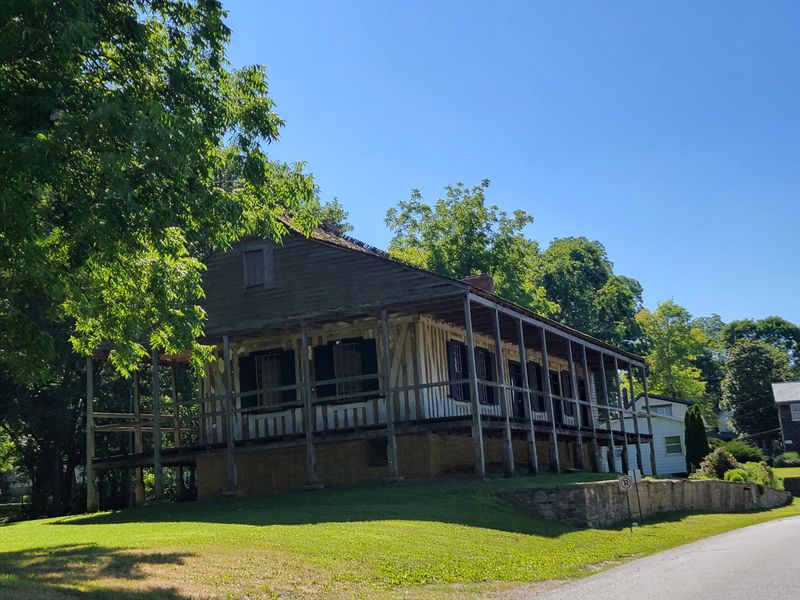
Ste. Genevieve prospered with Mississippi River trade, and its preserved district near 66 S Main St, Ste. Genevieve, Missouri, tells the story in timber and brick.
As channels changed and modern shipping centralized elsewhere, the daily bustle shifted away from the waterfront.
Today the focus is on colonial architecture and careful restoration that turns streets into an open air museum.
The Bolduc House complex anchors tours that explain vertical log construction and early settlement life.
Interpretive markers tie river change to household routines, markets, and migration.
Start at the Welcome Center at 66 S Main St for maps, then wander alleys that reveal gardens and outbuildings.
It feels intimate, with courtyards tucked behind gates and low rooflines catching sunlight.
Shops favor crafts and books that draw from local history rather than river freight.
Missouri road trippers will appreciate the contrast between quiet streets and the broad levee just beyond.
The town’s economy now leans on heritage tourism and careful stewardship of rare building forms.
You sense resilience in each restored sill and in the patience required to preserve hand hewn timbers.
Ste. Genevieve shows how losing a trade can spark devotion to place, and that devotion reads beautifully.
8. Boonville and the Lost Ferry Economy
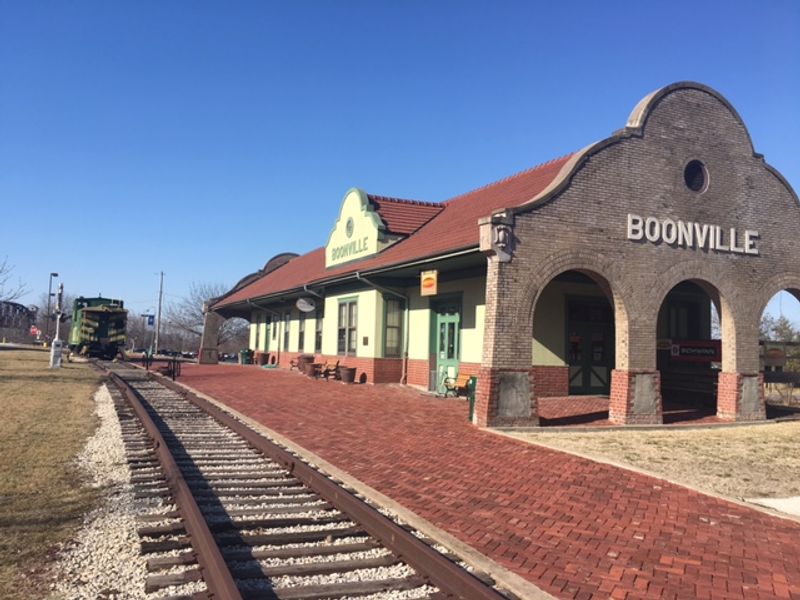
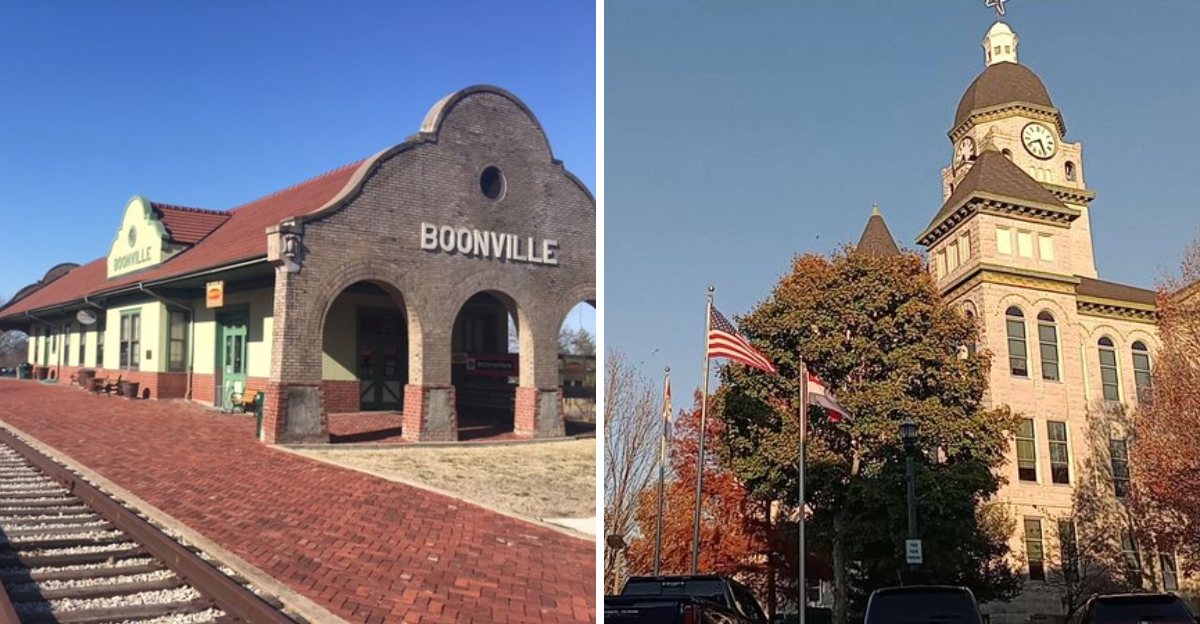
Boonville thrived when ferries carried wagons and riders across the Missouri River, and the riverfront near 320 1st St, Boonville, Missouri, still frames that story.
Permanent bridges ended the crossing hustle, and the shoreline settled into a park like calm.
Trails follow the old approaches so you can picture queues of travelers waiting for the deckhand’s nod.
Main Street storefronts, set a few blocks back, hold outfitters and galleries that face morning sun across brick sidewalks.
The bridge arches in the distance, a reminder of how technology rewrote the map and the town’s job.
Start at the Boonville Visitor Center at 100 E Spring St for riverwalk directions.
The path threads beneath cottonwoods where wind carries the smell of water and damp soil.
Markers explain ferry operations and the logistics that once kept teams moving hour by hour.
Now the pace favors cyclists, walkers, and history curious travelers who read plaques and scan horizons.
Missouri’s big river sets a steady backdrop that lends the town a quiet confidence.
Benches face the current, and brick facades glow warmly at sunset.
Boonville proves that when a ferry retires, the landing can become a front porch for everyone.
9. Cuba and the Fall of the Motor Court Era
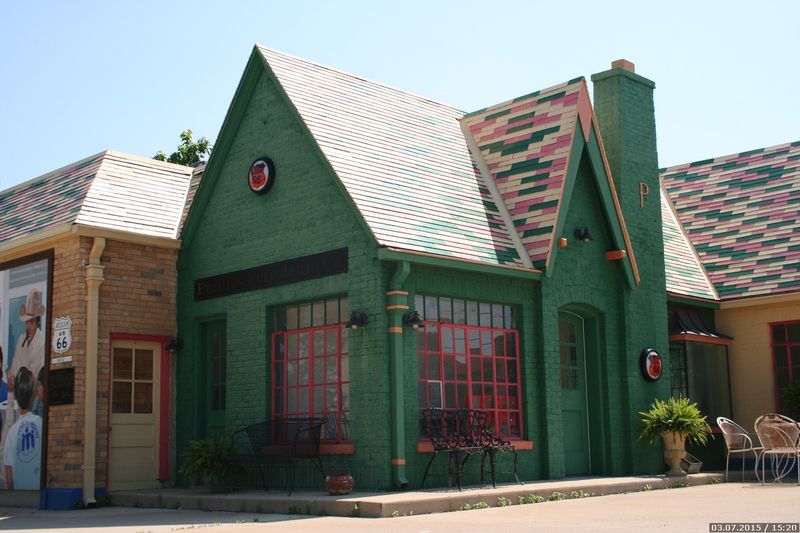
Cuba surged with the motor court boom, and murals now color the Route 66 corridor around W Washington St, Cuba, Missouri.
When newer highways drew cars away, vacancy signs dimmed and many courts fell silent.
What remains is a streetscape that celebrates art, roadside nostalgia, and community pride.
The Viva Cuba Mural Project turned blank walls into a narrative that guides you block by block.
Start at the Cuba Visitor Center at 71 Highway P for maps, then follow the mural trail along the old alignment.
Classic L shaped courts still outline parking bays, and their office roofs carry jaunty angles.
Shops and studios reuse former lodgings, offering creative workspaces where travelers once checked in.
Interpretive signs tie each painting to local stories that step beyond car culture into everyday life.
The town feels open and walkable, with sightlines that move between brick, paint, and sky.
Missouri road fans will find thoughtful preservation that leaves room for fresh ideas.
Even without steady highway flow, the district buzzes gently with visitors tracing the murals at an easy pace.
Cuba shows that when an era ends, a blank wall can become a canvas, and that canvas can carry a town forward.
Dear Reader: This page may contain affiliate links which may earn a commission if you click through and make a purchase. Our independent journalism is not influenced by any advertiser or commercial initiative unless it is clearly marked as sponsored content. As travel products change, please be sure to reconfirm all details and stay up to date with current events to ensure a safe and successful trip.
