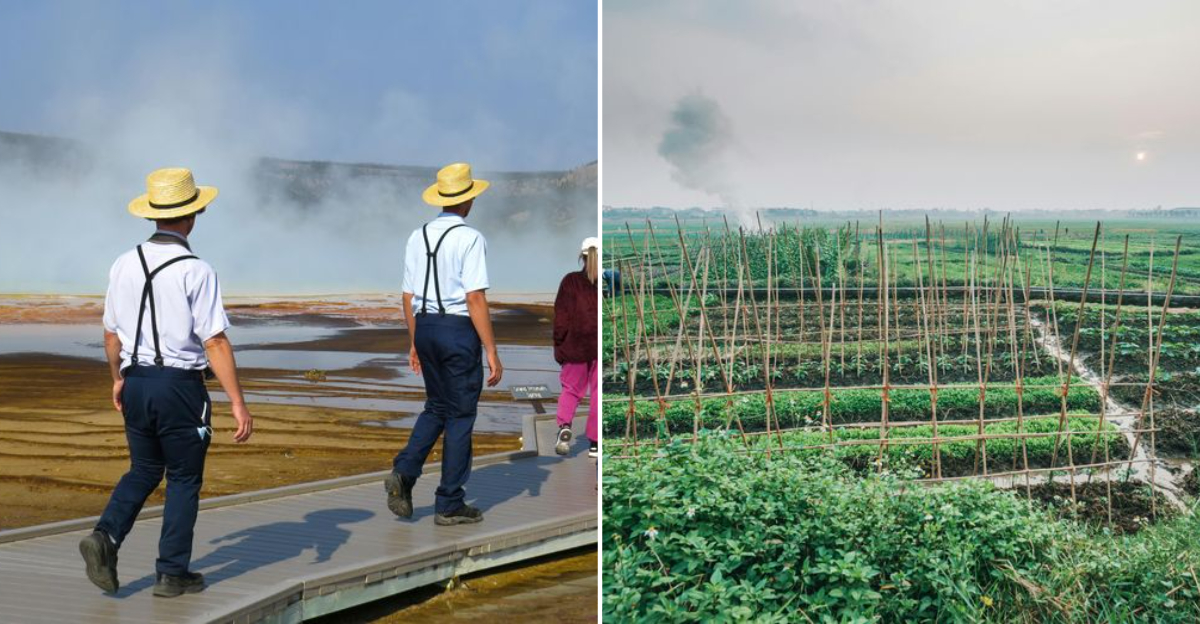
Have you ever thought you “knew” the Amish, only to realize most of it came from TV or tourist brochures? That’s the tricky part, so many of us carry around half-true ideas about Pennsylvania’s Amish communities, and those myths tend to stick.
Maybe you’ve heard they completely reject technology, or that they all live the same way. The reality is far more layered, and honestly, more interesting.
I remember my first visit to Lancaster County. I expected horse-drawn buggies and quiet farms, but I was surprised by how diverse Amish life really is. Some groups allow certain tools, others don’t.
Some are more open to outsiders, while others keep to themselves. It’s not a one-size-fits-all culture, and reducing it to stereotypes misses the point.
We’ll break down some of the most common mistaken beliefs and look at what’s actually true. By the end, you might see the Amish in a new light, and maybe even question what other “facts” you’ve been carrying around without realizing. So make sure to keep on reading!
They Reject All Technology

Here is the thing you notice once you slow down in Pennsylvania Amish country. Technology is not a blanket no, it is a careful maybe that gets weighed against family, faith, and community.
You will spot battery lights on buggies, fenced phones in sheds, and power tools run by compressed air at small shops.
It helps to think of it like choosing what stays at the table and what waits on the porch. Some folks hire drivers for business, medical trips, or deliveries, because distance and safety matter.
Others use simple cell phones for work contacts, kept out of the house so home life stays calm.
None of this feels sneaky in my opinion. It is practical and openly discussed within each church district, with the goal of keeping people close and grounded.
If a gadget pulls attention away from the community, it gets limited or dropped.
But if it helps a family keep the lights on, reach a doctor, or manage a growing shop, then it might be allowed in a precise way.
I think that balance is the point. So when you see a buggy parked near a hardware store in Pennsylvania, do not assume you are spotting a contradiction.
All Amish People Live The Same Way
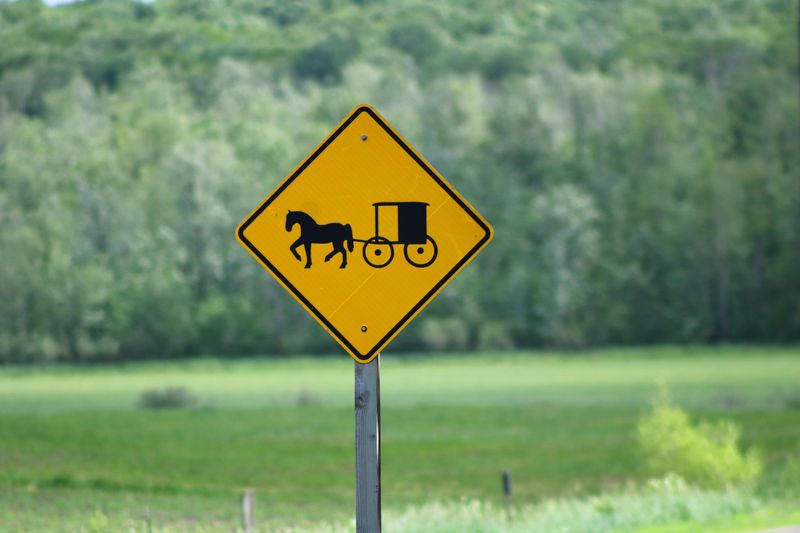
Want a quick reality check before you hit the back roads? There is no single Amish lifestyle, even inside the same county in Pennsylvania.
Church districts set their own rules, and those rules are discussed, voted on, and revisited slowly.
You might notice one group allowing scooters while another prefers walking, or one letting shop owners use pneumatic tools while another keeps it simpler.
I noticed that clothing details can change across a short drive. Even buggy styles vary, and that is before you reach the next settlement.
These differences are not chaos. They come from leaders guiding their community toward unity and shared values, with small adjustments that fit local needs.
Tradition stays steady, but it is not identical copy and paste.
So on your drive, make sure to not assume one sight explains everything.
Ask a friendly question at a roadside stand and you will get a thoughtful answer about why a choice was made. The nuance is the story, and it is rooted in people deciding together.
They Are Completely Cut Off From The Modern World

This one falls apart the minute you watch a weekday morning in Lancaster County. Amish and non-Amish share the same roads, hardware stores, and auction barns.
Work takes people across those lines every single day.
I think that awareness is not the issue here. Separation is chosen and selective, meant to keep community life steady, not to block out knowledge.
Folks know what is happening, they just do not invite every trend into the house.
You will see neighbors greeting each other, trading supplies, and talking shop like anywhere in the state.
There is ease to it, built from years of living side by side. If you are respectful, you will feel that ease too.
So when someone says the Amish are cut off, picture instead a community using fences like guides rather than walls.
Boundaries protect priorities, and that is a very different thing than isolation.
The Amish Do Not Pay Taxes

Okay, let’s retire this one before lunch. Amish households in Pennsylvania pay property taxes, sales taxes, and income taxes like anybody else.
What changes is Social Security, because communities provide for their own elderly and disabled under a long-standing federal exemption.
That exemption is not a free pass. It reflects a system of mutual aid that has been operating for generations, where needs are met inside the church network.
It is a responsibility, not a loophole. If you chat with a shop owner, taxes come up like they do for every small business.
Receipts, filings, and the normal paper shuffle are part of life, nothing mysterious there.
When someone tosses out the taxes myth, remember the difference between common obligations and one specific carve-out tied to community care.
I think it makes sense in context. And it fits the practical streak you keep seeing around Pennsylvania Amish towns.
Children Are Not Educated Properly

Let’s stop by a one-room schoolhouse and you will get the picture.
Amish children attend school through eighth grade, which is allowed under U.S. law, and the curriculum leans into literacy, math, and practical skills.
The focus is on useful knowledge and community values.
Classrooms are calm, with plenty of reading and neat handwriting. Lessons tie into real life, like measuring lumber or balancing a shop order.
It is not flashy, but it works, and that’s what matters.
Studies show strong functional literacy into adulthood, and you can hear it when someone quotes a passage or tallies a bill without fuss.
I feel like that practical confidence shows up in businesses across Pennsylvania. You notice it in how work gets done.
So this idea that education is lacking does not fit what you will see from the road, or at a market stall, or in a woodshop office.
It is a different model that aims at steady competence. And it delivers.
Rumspringa Means Wild Rebellion
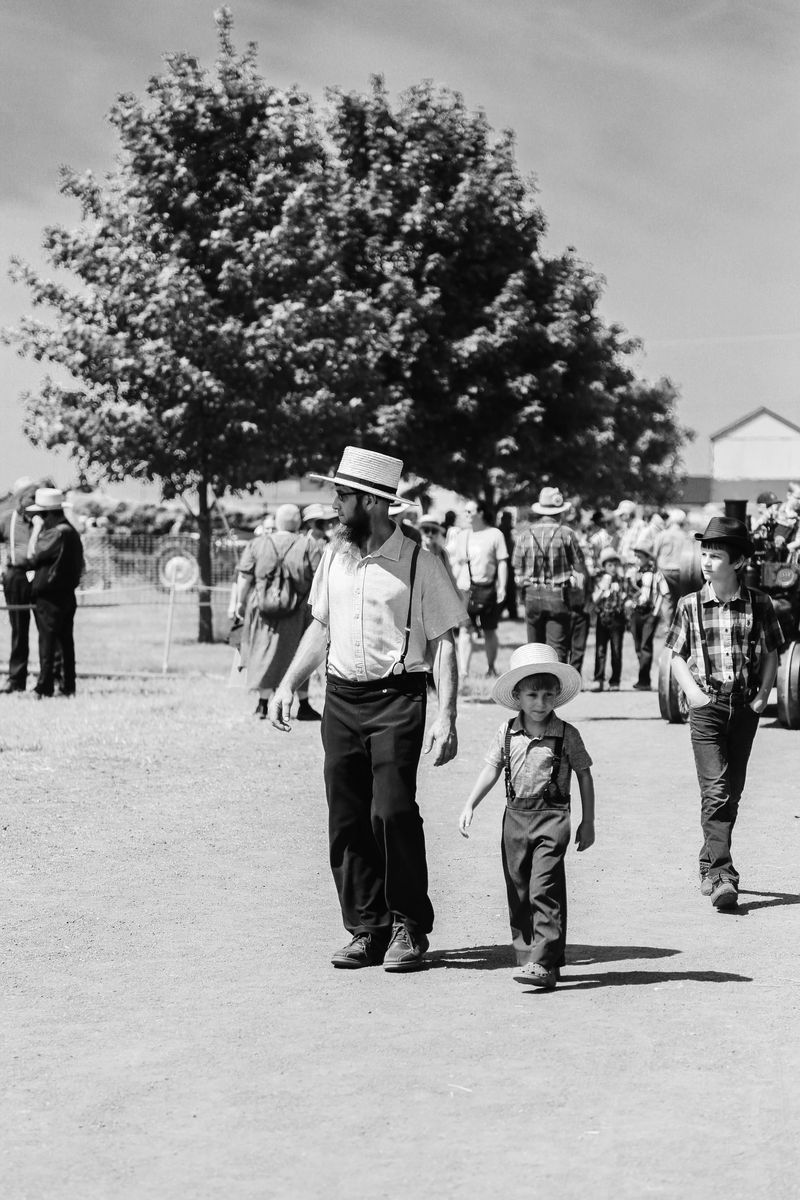
You hear that word and think chaos, right? The reality is quieter, trust me.
Rumspringa usually means a bit more independence while teens still live at home and attend church activities.
There might be new clothes, extra visits with friends, or a ride with a hired driver to a gathering. Some try a phone for work.
Most choices are mild, and conversations with parents and peers continue the whole time.
The key point is that the majority choose to be baptized and join the church as adults. That decision carries weight and is made carefully.
You can feel the seriousness of it when you talk to families in this state.
I like to think of it as a guided step into adulthood, shaped by trust and boundaries. It is not a movie plot, it is a steady path that many have walked before.
Amish Women Have No Authority

Spend an hour at a roadside market and you will read this myth differently.
Amish women manage households, finances, schedules, and often run businesses across Pennsylvania communities. Their authority looks different than corporate ladders, but it is real.
You will see bookwork handled with sharp attention, hiring coordinated with relatives, and supply chains balanced across seasons.
In shops, women direct orders and keep timelines moving. At home, decisions about spending, care, and planning flow through skilled hands.
Community roles matter too. Advice carries weight, and experience gets listened to.
You can hear it in quick conversations that keep things running smoothly. When someone says there is no authority, they are missing how influence works in this setting.
It is shared and steady rather than loud. Watch the day unfold in Pennsylvania and the picture clears right up.
They All Ride In Horse-Drawn Buggies Only
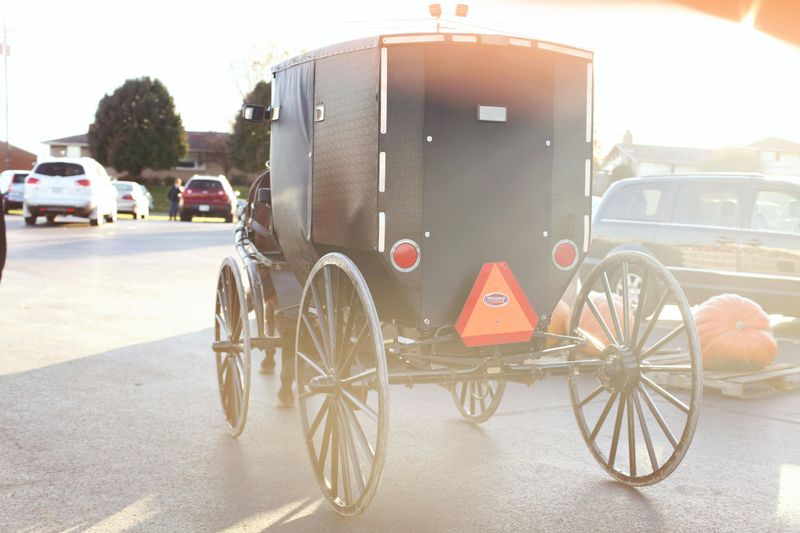
Sure, buggies are iconic, and you will spot plenty on Pennsylvania back roads. But they are mainly for local travel, not long distances.
When miles stretch out or timing matters, many families hire drivers.
It is a practical solution, not a shortcut. Medical visits, business deliveries, or reaching a distant relative sometimes need a car.
That choice fits the larger goal of safety and responsibility.
Watch a weekday morning near Lancaster and you will see both wheels on the same map. Buggies clip along to shops and schools, while a hired van handles a run into town.
Everything is deliberate, so the myth of buggies only misses the plan behind the travel.
Transportation lines are drawn with care, and they shift with needs that come up across Pennsylvania seasons.
Amish Communities Are Stuck In The Past
If you listen closely, you can hear change happening at a measured pace. Church leadership revisits rules, debates them, and adjusts when a shift seems wise.
I think the timeline is slow by design, not frozen.
New tools might enter a workshop through air power instead of grid electricity. A phone may sit in a booth rather than a pocket.
These moves keep tradition intact while solving real problems in Pennsylvania workplaces.
That mix is not nostalgic acting, it is practical stewardship. Change is judged by what it does to families and neighbors, not by the newest release, and I like that.
So call it intentional evolution. The past is respected, and the present is filtered.
On a drive through these towns, you will see yesterday and today share space without a fight.
They Avoid Outsiders Completely

Let us swing by a farm stand and you will see how off this one is. Many Amish businesses depend on non-Amish customers.
Carpentry shops, markets, and greenhouses thrive on steady interaction in Pennsylvania towns.
Hospitality shows up in practical ways. A clear sign, a tidy counter, and simple conversation that gets you what you need.
Social boundaries stay, but friendliness is normal. If you ask a question, you will likely get a direct answer.
People are busy, not distant, and the exchange feels like any small community where neighbors trust each other.
So no, outsiders are not shut out. The door is open in the spaces where trade and daily life meet.
Bring respect, and you will be more than fine.
They Don’t Use Any Modern Medicine

Here is what actually happens when health is on the line: Amish families visit doctors, hospitals, and specialists across Pennsylvania, making practical choices that fit their values.
Elective procedures may be avoided, but care is not rejected.
Community support helps with logistics and costs. Hired drivers get people to appointments.
Decisions are talked through with family and church leaders, aiming for clarity and peace.
You will hear stories about surgeries, therapies, and routine checkups handled without drama.
Preventive steps are common, too, though they might look simple from the outside. The point is staying healthy enough to live and work well.
The idea that modern medicine is off the table does not hold. It is used thoughtfully, with attention to outcomes and conscience.
That is a practical path you can recognize anywhere in this state.
They Are All Farmers
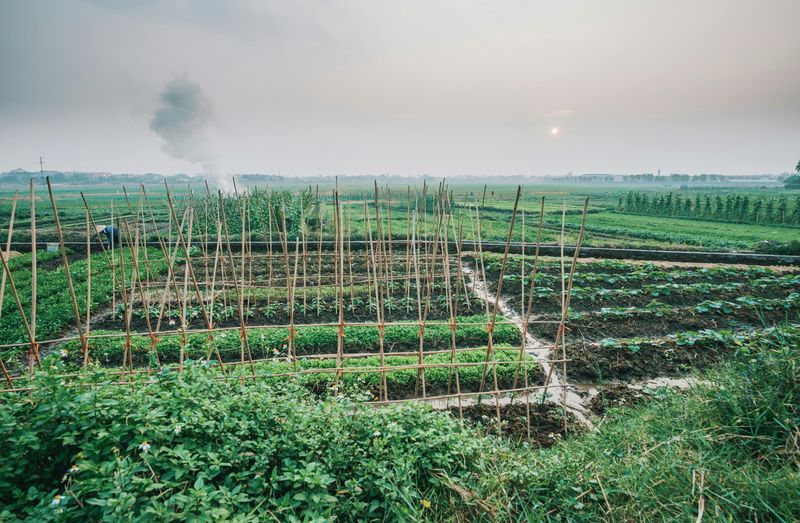
You still picture every Amish family on a big farm, but that picture is really old.
Rising land costs make full-time farming tough, so many households turn to trades like woodworking, construction, and manufacturing in Pennsylvania.
Shops cluster near homes, and skills pass through families.
On your drive you might spot a sawmill, a quilt room, and a cabinet shop within a short stretch of road. Work hums without much noise from the grid.
Orders arrive by word of mouth or a simple phone setup.
Farming remains important, but it is not the only path. Plenty of people garden, keep animals, and join harvests with neighbors.
The economy is broader than most visitors realize, and it keeps communities stable.
When someone says everyone farms, think of the small factories and tidy workshops you will pass in this state.
The landscape has changed with care, and Pennsylvania keeps that energy moving, one family trade at a time.
Dear Reader: This page may contain affiliate links which may earn a commission if you click through and make a purchase. Our independent journalism is not influenced by any advertiser or commercial initiative unless it is clearly marked as sponsored content. As travel products change, please be sure to reconfirm all details and stay up to date with current events to ensure a safe and successful trip.
