
Ever think you’re following the rules, only to find out you’re not? That’s the reality for many visitors in Oklahoma.
The state has a set of laws that aren’t exactly straightforward, and tourists often get tripped up simply because they don’t know the details.
Some of these rules sound unusual, others just feel outdated, but they’re still on the books.
Whether it’s how certain items can be used, where specific activities are allowed, or limits that don’t match what outsiders are used to, the confusion is real.
Locals usually shrug it off because they’ve grown up with these quirks, but for someone new to the area, it can feel like stepping into a maze of “dos and don’ts.”
The funny part is that most visitors don’t even realize they’ve broken a rule until someone points it out. It’s rarely intentional, it’s just easy to miss.
So if Oklahoma is on your travel list, keep in mind: the laws might not be what you expect, and knowing them could save you from an awkward surprise.
1. You Must Signal Even If Blinkers Don’t Work
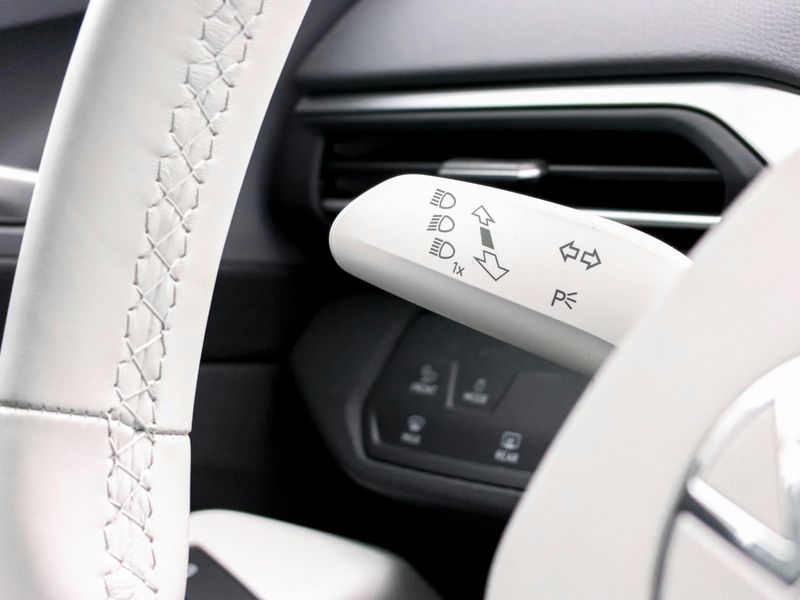
Let’s say your blinker dies mid trip. In Oklahoma, you still have to signal, and that means hand signals out the window.
Drivers around you should see your arm straight out for a left turn, bent up for a right, and bent down for slowing or stopping.
This is not optional just because the bulbs gave up. State rules treat hand signals as the legal backup, and officers expect you to use them.
If your window is up, roll it down and make the signal clear and steady.
I like to think of it as speaking loudly when your mic cuts out. You are telling nearby drivers what you plan to do, and that keeps everyone calm.
It also shows you are trying to be safe even when the car is being stubborn.
Visitors sometimes shrug off signaling when equipment fails, but that is where tickets start. This state emphasizes predictability on the road, and this one is simple to follow.
Just plan your move a bit earlier so your arm signal is obvious.
One more tip that helps in Oklahoma wind: keep your arm firm and hold the signal long enough for trailing traffic to notice.
You will feel slightly old school, but you will be square with the law and far less likely to spook anyone.
2. Left Lane Isn’t A Speed Lane, It’s A Passing Lane
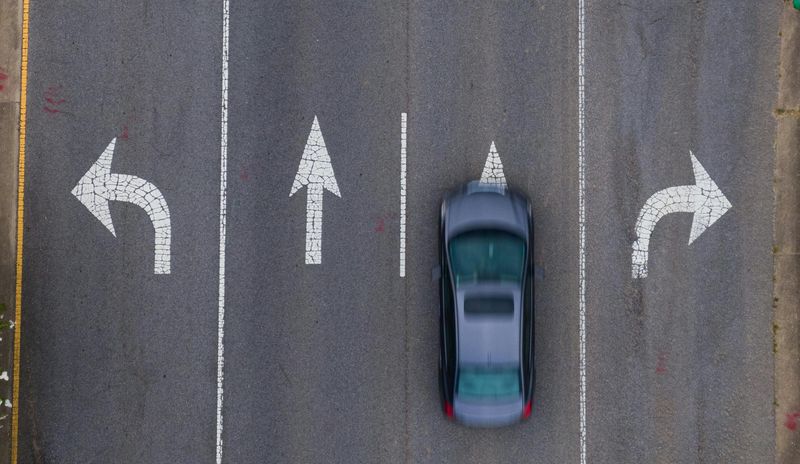
Here is one that surprises a lot of visitors: in this state, the left lane is for passing, not cruising.
It feels like the fast lane, but camping there without passing can get you stopped for impeding traffic.
Think of the left lane like a doorway. You move through it, then you get back to the right when safe.
If you hang out there, you create a rolling wall that stacks up cars and sparks frustration.
When traffic is thick or road conditions demand it, sure, you can stay left temporarily. But if it opens up, slide back over and give the flow some breathing room.
That rhythm is what the law is pushing for.
Visitors from states with looser habits can miss the vibe and cruise left for miles. That is where trouble starts, because troopers read it as blocking.
Just pass, signal, and return to the right; do that and the highway suddenly runs smoother. You will notice fewer tailgaters and less horn drama.
It is a small mindset shift that makes long stretches way less tense.
3. Bicyclists Have Full Rights On The Road
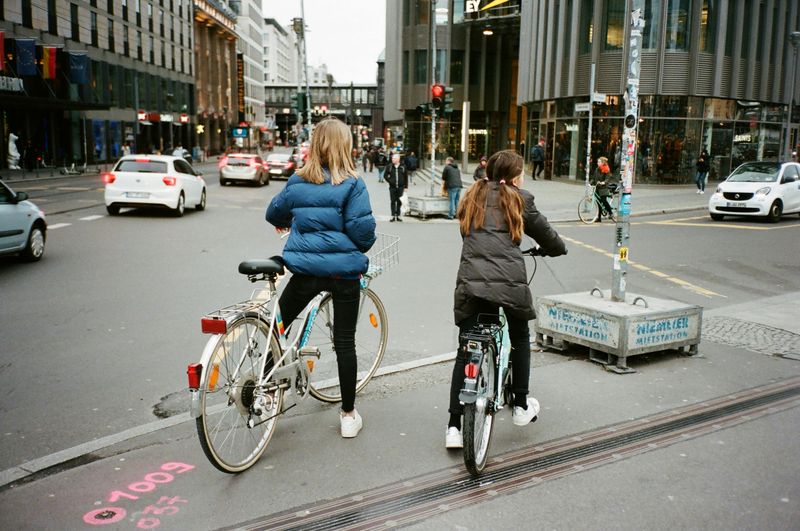
This one matters in towns around this state. Cyclists are treated like vehicles with the same rights and duties, and that means they belong in lanes and get space when you pass.
Do not squeeze by or buzz past at the last second. Give them room, wait for a clear moment, and complete the pass with confidence.
When a rider takes the lane, it is usually for safety around parked cars or rough pavement.
Visitors often picture bikes as sidewalk traffic and try to nudge them over. Oklahoma law says treat them like any other road user.
That mindset keeps everyone calmer and prevents close calls.
Signals and stops still apply to cyclists, so expect them to follow the same pattern you do. You may even see hand signals from riders.
Read those just like you would from any vehicle.
Bottom line, if you would not crowd a small car, do not crowd a bike. Give a comfortable buffer and finish the pass without lingering alongside.
You will earn a wave more often than not, and you will be in the clear legally.
4. Texting Behind The Wheel Isn’t Just A Suggestion
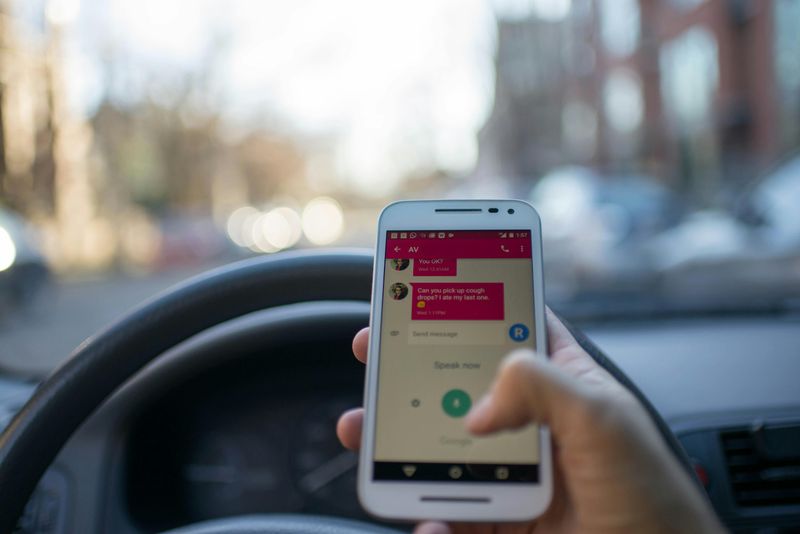
You know that quick glance at a text? In Oklahoma, that quick glance can still count as using the phone while operating a vehicle.
Even at a red light, if you are in traffic, you are considered in control of the car.
The rule is simple: do not compose, read, or send texts with your hands while driving. If you need to handle the phone, pull over safely and park.
Visitors assume a brief stop makes it fine, but the law does not split hairs there. Officers see the phone in your hand and that is a problem.
Voice commands and mounted navigation are the safer route.
Think of it as protecting your own trip. One distracted moment can throw off the whole day.
Make sure to keep your eyes up, your phone docked, and your mind on the road.
Once you get used to that habit, it feels easy. Music and maps can be set before you roll.
The drive through the state gets quieter, simpler, and a lot less stressful.
5. 80 MPH Zones Aren’t Everywhere, They’re Specific
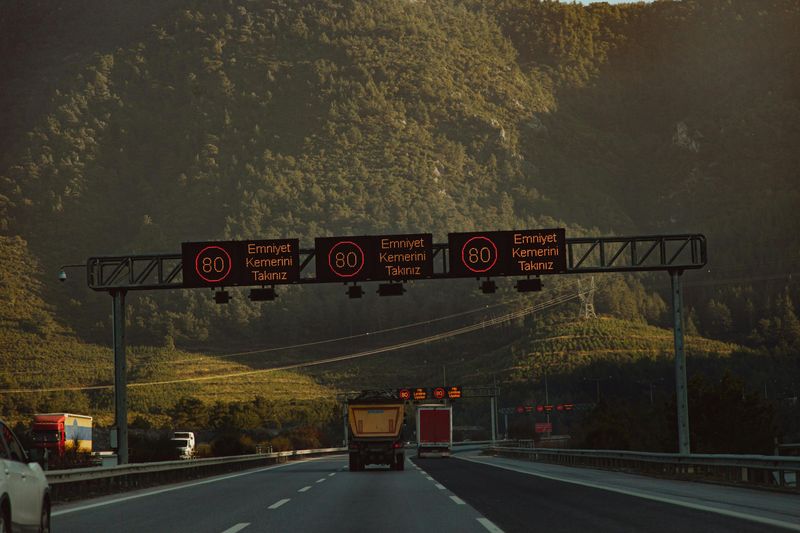
Those high speed signs look exciting, right? Just know they are not all over the state.
Only certain turnpike and interstate stretches allow the higher limit, and they are clearly posted.
Do not assume every wide highway supports the same speed. Limits change with terrain, exits, and safety studies.
I always keep an eye on the signs and match the number I see, not the one I remember.
Visitors sometimes lock in a high number after a long open segment, then they roll into a new area and forget to adjust. That is when a friendly trip turns into an awkward shoulder chat.
Let the road tell you what it wants. Every fresh sign is a nudge to check your speed.
If you miss one, the next will show up soon enough.
It is a simple system once you pay attention: read the sign, set the cruise, and relax. The miles slip by, and you stay square with the rules the whole way.
6. Blocking A Road During A Protest Can Be A Misdemeanor
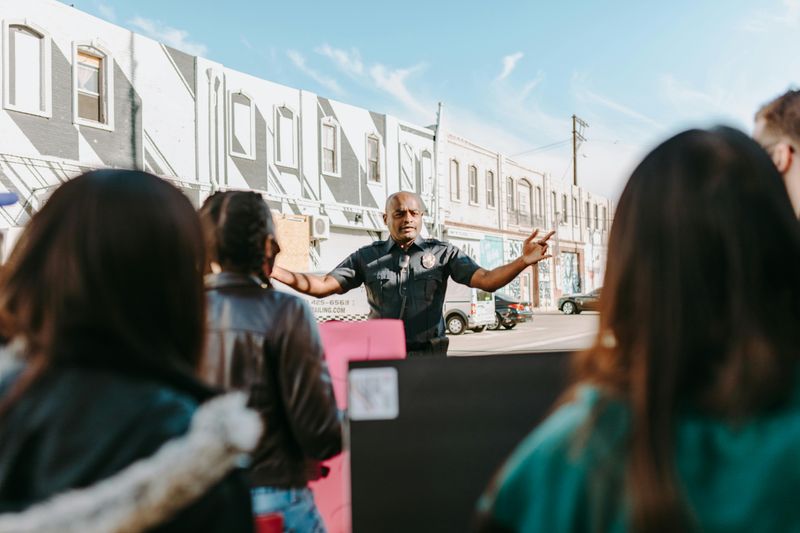
Planning to join a demonstration on your trip? Keep this in mind, Oklahoma treats intentional road blocking as a misdemeanor in many cases.
The idea is to protect traffic and emergency access while still allowing gatherings.
Sidewalks, parks, and permitted areas are the safer bet. March routes that close lanes are typically coordinated ahead of time.
If a crowd spills into open traffic without permission, citations can follow.
Visitors sometimes assume peaceful energy makes everything okay. The law focuses on obstruction, not mood.
Stay aware of where the group is allowed and watch for directions from officials. It helps to think about ambulances and buses trying to move through.
Keep a lane open and follow designated zones. That small choice keeps everyone safe and still lets voices be heard.
Before you join, check local notices for permits and routes, it takes a minute and saves a lot of stress. You get to participate and head back to your plans without a messy detour.
7. Making Ugly Faces At A Dog Isn’t Just Pet Humor

This one sounds like a joke until someone gets warned. Oklahoma’s animal cruelty rules can include harassment or intimidation, not just physical harm.
That means taunting or threatening behavior toward a dog can be taken seriously.
No one is checking for silly faces, but intent matters a lot. If your behavior causes distress or looks threatening, authorities can respond.
It is about protecting animals from targeted agitation.
Visitors sometimes clown around near pets and forget how it reads. Owners get defensive, dogs get anxious, and the situation turns sour fast.
Give animals space and keep interactions low-key.
I read the room like I would with kids. If the dog looks tense, back off and let the walk continue.
A friendly nod is plenty in most cases.
The easy rule is respect. You do not need to be a trainer to sense when a pet needs calm.
Keep it kind, and you stay aligned with the state’s approach to animal welfare.
8. Spitting On A Sidewalk Can Really Be Illegal

It feels old fashioned, but yes, spitting can get you in trouble in parts of the state. Cities treat it like a nuisance or littering issue, especially in busy districts.
The idea is to keep public walkways clean and sanitary.
Visitors from places with looser norms might not think twice. In downtown areas, officers can cite it under local ordinances.
It is an easy habit to skip and a ticket you will never miss.
If you are unsure, look around for signs or just play it safe. Use a tissue and a bin, or wait until you find a restroom.
People appreciate it, and so do city crews.
The rule is less about policing manners and more about shared space. Sidewalks are crowded and nobody wants to dodge that.
Keep it tidy and keep walking. It is a small courtesy that travels well.
In Oklahoma, it also lines up with the law in many towns. Your shoes, and everyone else’s, will thank you.
9. Eavesdropping With Intent Is A Misunderstood Violation
Here is a quiet one that trips people. Oklahoma treats eavesdropping with intent as a crime, even without gadgets.
Loitering to overhear private talk and then sharing it can cross the line.
The key word is intent, not accidental hearing. If you are hanging near doors or vents to catch details, that looks suspicious.
The law aims at privacy, not honest mistakes in public noise.
Visitors sometimes confuse this with recording laws only. This is older and a bit broader, it covers behavior that targets a private conversation on purpose.
Keep it simple and move along if a chat is clearly not for you. Step away, give space, and mind your own business.
You avoid drama and stay on the right side of Oklahoma statutes.
It is a good travel habit anyway. Respecting boundaries makes locals more welcoming, and you will feel that difference in every small stop and lobby.
10. Some Laws You Hear About Aren’t Actually On The Books

You have seen the lists online. They claim Oklahoma bans all kinds of goofy stuff.
Most of those bits are myths or outdated rumors that never had legal teeth.
The fix is easy: check official state statutes or a city code site and confirm. If you cannot find it in current law, it is probably not enforceable.
Visitors repeat these stories and get anxious over nothing, and that steals the fun from a road trip. Do a quick search and move on with confidence.
It also helps when you swap plans with friends. You can correct the tall tales and focus on real rules like signals and lanes.
The trip feels lighter when you stop worrying about fake bans.
Let the facts lead the way. Oklahoma’s actual laws are clear once you look, then you can enjoy the drive without side quests into urban legend country.
11. Local Fireworks Rules Vary By City And Date

Fireworks feel simple until you cross a city line. In this state, local rules set the schedule and hours, not a single statewide calendar.
One town may allow certain days while the next town keeps it quiet.
Visitors often pack the same plan for every stop and get mixed results. The safe bet is to check the city code or a local notice.
You will see where, when, and how it is allowed.
It is less fun to read fine print, I know. But it saves you the awkward chat with a neighbor or an officer.
Respect the local window and everyone sleeps better. Also, be mindful of parks and dry areas too.
Cities may set buffers that shift with weather. If officials say pause, it is usually for safety.
Once you match the local rhythm, the show feels smoother. You enjoy the sparkle without stepping on rules.
Oklahoma towns appreciate that kind of care from visitors.
12. Some Laws Are On The Books But Aren’t Enforced

Old laws stick around in this state like vintage signs. They exist, but people rarely see them used.
Prosecutors and officers focus on safety and clear priorities.
Visitors read an ancient rule online and expect it to jump out at them. In real life, enforcement follows current needs.
That is why you hear more about phones and lanes than dusty language.
Think of the code as a big attic. Some items are antiques, not daily tools.
The presence of a rule does not mean it will shape your trip.
If something sounds odd, make sure to check recent references. You will quickly learn whether it is active practice or history, and that context keeps expectations grounded.
Stay tuned to the basics and you are golden. Signal, share space, follow posted signs, and respect local notices.
The rest is mostly interesting trivia for the drive.
Dear Reader: This page may contain affiliate links which may earn a commission if you click through and make a purchase. Our independent journalism is not influenced by any advertiser or commercial initiative unless it is clearly marked as sponsored content. As travel products change, please be sure to reconfirm all details and stay up to date with current events to ensure a safe and successful trip.
