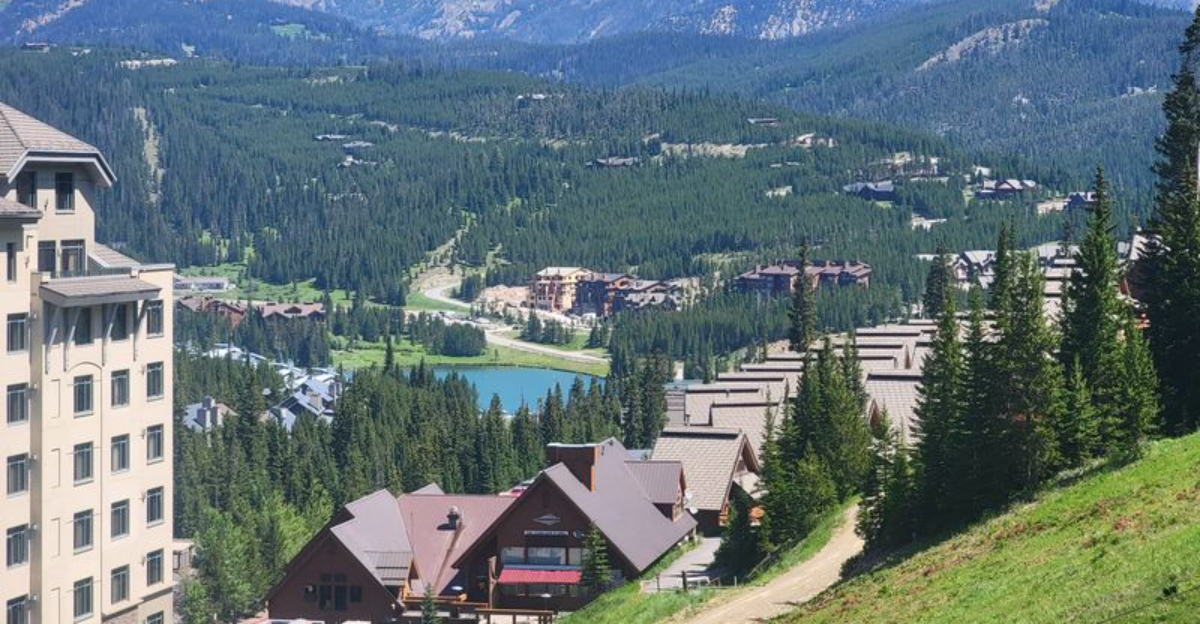
Montana feels different when the crowds arrive, and locals will tell you exactly where the changes show up first. You can sense it on the sidewalks, in the trailhead parking lots, and around beloved main streets that used to feel sleepy. This guide walks you through 11 places where tourism has reshaped the rhythm of daily life, for better and for busier. If you love the Treasure State, you will want to see what changed and why it matters.
1. Whitefish
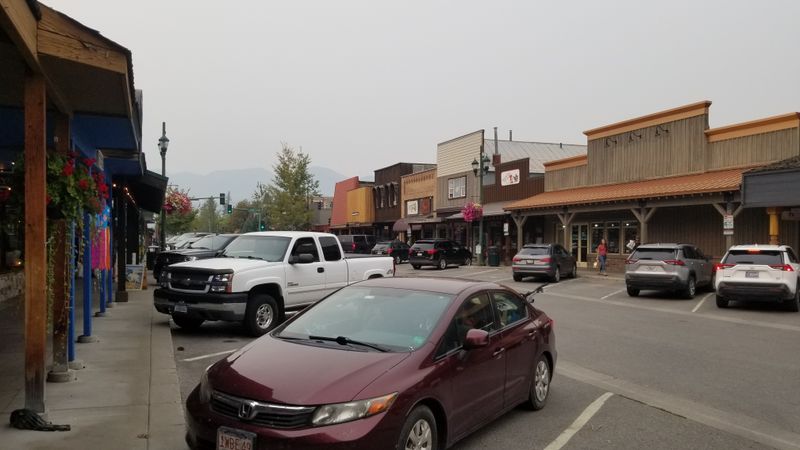
Whitefish used to move at the speed of a whistle from the rail yard, and now it flows with lift lines and trail traffic instead.
The mountains called in winter, then the town answered in summer with lake walks, patios, and bike racks everywhere.
Along Central Avenue, boutiques gleam and outfitters talk weather like a second language, always with an eye on the next storm.
It is still friendly, though parking gets competitive near the Whitefish Depot at 500 Depot Street, Whitefish, MT 59937.
Locals plan errands around race days and late sunsets, carving out quiet hours before visitors lace up boots.
Hotels feel booked, yet side streets hold the small town details, like flower boxes and porch benches that invite a pause.
At Whitefish Mountain Resort, chairlifts frame the skyline, and trail maps flare open like sails on a breezy day.
Singletrack climbs carry a chorus of accents now, a reminder that this corner of Montana has a global following.
The lakefront grows lively, and paddleboards sketch thin lines on the water that fade behind the wake.
Festivals stack the calendar, which keeps the sidewalks buzzing and the storefront doors swinging wide.
You can still slip into a quiet pocket, usually near the tracks, where a freight horn muffles everything.
That contrast defines today’s Whitefish, at once a postcard and a working town that keeps moving forward.
2. Bozeman
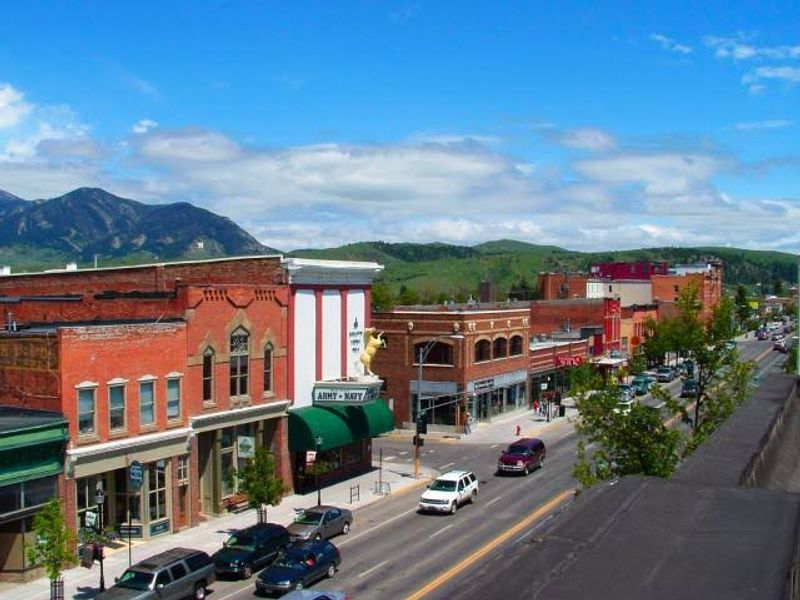
Bozeman once felt like a campus with a town wrapped around it, and now it reads like a city with classrooms in the mix.
Main Street sparkles after dusk, and the sidewalks near 33 E Main Street, Bozeman, MT 59715 hum with steady foot traffic.
Cranes trace arcs over new builds, while older brick storefronts hold their lines and their stories.
Trailheads on the edges fill quickly, pushing early risers to set alarms that used to belong to bakers.
The Museum of the Rockies anchors curiosity, and the university powers the rhythm with ideas that spill downtown.
Housing pressure became a daily conversation, reshaping blocks and nudging long timers toward side streets.
Cafes host laptop camps, and gear shops feel like community centers where snow reports guide small talk.
The airport arrival gate now feels like a foyer to the valley, not just a stop on the way to somewhere else.
Winter brings a crisp, bright calm to campus, then spring opens the doors and the sidewalks fill again.
Summer markets pull neighbors out as visitors fold in, creating a blend that feels energetic and crowded.
You notice Montana pride on murals and in mountain silhouettes etched into windows and logos.
Even with the bustle, Bozeman keeps its trail dust, its wide sky, and the steady heartbeat of a college town.
3. Big Sky

Big Sky grew from a base village into a sprawling alpine hub where the lifts, lodges, and plazas feel like a small city.
At Town Center Avenue, Big Sky, MT 59716, the plaza stones warm under sun as people weave between shops and shuttles.
Winter crowds trace tidy lines at the lifts, then fan out across groomers that cut long arcs beneath the ridges.
Summer shifts the focus to ridgeline hikes, bike trails, and broad lawns that host concerts beneath wide skies.
Construction trucks share the road with shuttle buses, a sign of projects that keep unfolding as seasons turn.
Locals talk about pace and scale, weighing convenience against the quiet that drew them here in the first place.
Parking strategy became a skill, and timing a kind of art practiced before sunrise and after last chair.
The mountains still dominate, casting cool shadows across timber facades and balconies with sturdy railings.
Public spaces invite lingering, with benches that turn plazas into living rooms for booted feet and trail dust.
The terrain remains the star, and that keeps the energy grounded despite the swelling calendar.
Montana pride comes through in trail stewardship days and polite trailhead chats that smooth the edges.
You feel the growth everywhere, yet the peaks hold steady and keep Big Sky honest about why people came.
4. Flathead Lake
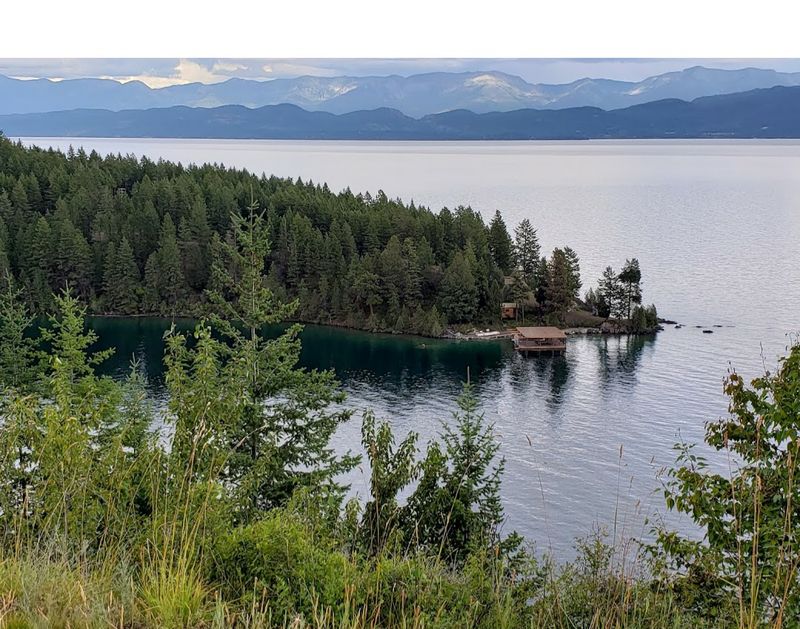
Flathead Lake spreads out like a polished stone, and in summer the edges fill with beach towels and camera straps.
At Wayfarers State Park, 8600 MT-35, Bigfork, MT 59911, the shoreline path threads through pines and smooth rock.
Water access points draw steady lines of cars, and the docks click softly under steady footsteps.
Paddle noise blends with gull calls, while marinas juggle slips and day visitors who chase glassy morning water.
The orchards nearby scent the air when the wind shifts, and roadside stands pull steady attention.
Local towns feel the pulse, as Bigfork and Lakeside brighten their storefronts for long evenings.
You can still slip into quiet coves, usually with a short walk and a careful read of the map.
Montana sunsets paint the lake a soft copper, and the hills hold that color like a secret for a minute.
Parking teaches patience, and early starts become a friendly habit that rewards with calm water.
The path network around parks keeps growing, which helps people spread out without losing the view.
Signs remind everyone to clean gear and protect the water, a shared promise that feels practical and proud.
Flathead remains generous, even when busy, because the horizon is wide and the shoreline keeps giving.
5. Livingston
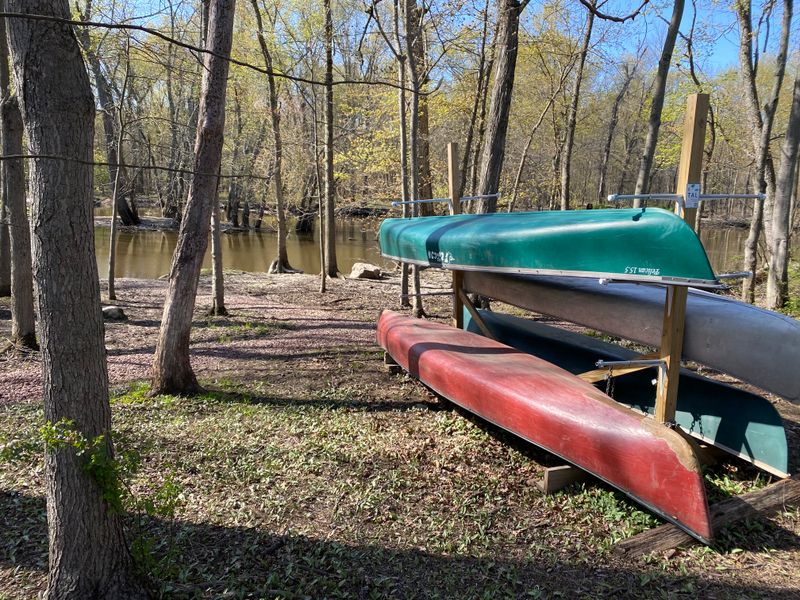
Livingston holds its railroad bones with a painter’s care, even as Yellowstone traffic threads through town all season.
Park Street glows at 200 W Park Street, Livingston, MT 59047, where storefronts keep their trim and neon lettering.
The depot anchors a sense of place, and you hear train echoes in conversations on corner benches.
Visitors pause for maps, then drift toward river walks while locals time errands before the caravans arrive.
The mountains stand close, and their shade cools the sidewalks when the wind settles.
Art galleries open doors wide, and small theaters tuck show posters into bright window frames.
The Yellowstone River gives the town a steady beat, and anglers fold into its rhythm like regulars.
Parking grows tight near bridges, which nudges people toward side streets that still feel quiet.
Montana pride shows up in hand painted signs and the patient way directions get delivered.
Historic hotels and storefronts keep the story visible, with cornices that trace the skyline in brick.
Tourism brings a pulse that feeds events and keeps sidewalks lively well past sunset.
Even with the flow, Livingston protects its small town voice, steady and clear like the river beside it.
6. Red Lodge
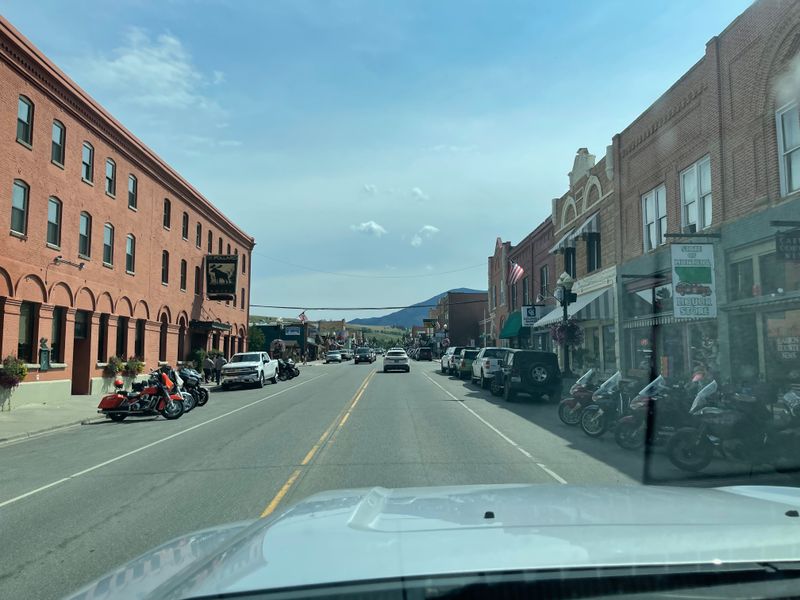
Red Lodge sits at the base of big country, a gateway that gathers momentum as the Beartooth Highway opens.
Broadway Avenue near 305 N Broadway Ave, Red Lodge, MT 59068 turns lively, with window boxes and bikes leaning on rails.
Seasonal swings define the calendar, and the sidewalks shift from quiet crunch to festival chatter.
Historic brick holds the line, keeping the town’s silhouette familiar even as foot traffic rises.
Ski season adds a brisk clip, then summer brings classic car rumble and trail dust on boots.
Shops curate local craft with care, and gallery doors sit open to catch the mountain breeze.
Parking gets snug on bluebird days, pushing folks to walk a few extra blocks under that big sky.
Montana roots show in friendly greetings and practical advice about the next turn on the pass.
The civic heartbeat is strong, with banners that announce events without drowning the street.
Street corners become meeting spots where plans shift with clouds and road reports.
Tourism brings energy that funds improvements, and the town shapes that flow without losing itself.
Red Lodge remains itself, sturdy and inviting, framed by peaks that steady every decision.
7. Ennis

Ennis keeps a handshake vibe, even as the Madison Valley draws anglers, hikers, and camera ready road trippers.
Main Street near 124 W Main St, Ennis, MT 59729 carries a restful look, with wooden facades and clear sightlines.
The river shapes the schedule, and people measure time by shadows on riffles and the feel of cool mornings.
Tourism brings steady motion that supports outfitters and keeps storefront lights glowing after dusk.
Sidewalk benches fill with trip planning, and trail reports pass between strangers like neighborly notes.
Parking stays manageable if you start early, which fits the rhythm of the valley just fine.
Montana hospitality shows up in clear directions and patient nods that send people the right way.
Public spaces favor conversation, and the wide street welcomes a slow walk across.
Seasonal events pull the town together, then everyone returns to the steady pace that suits daily life.
The surrounding hills hold the horizon in a calm grip, and that keeps the mood grounded.
Tourism has grown, yet the Old School feel survives in careful details and simple storefront lines.
Ennis shows how a small town can stay itself while sharing what makes the valley special.
8. Virginia City and Nevada City
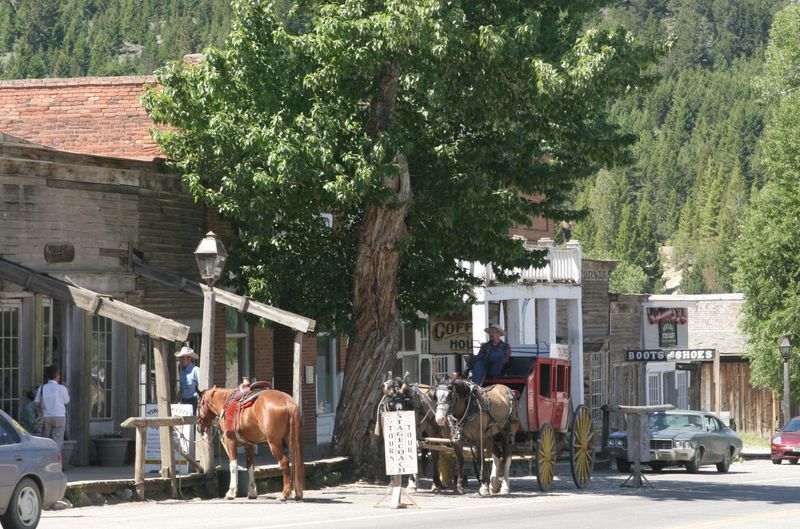
Virginia City and Nevada City preserve a layered story, and tourism turns those pages aloud all summer.
Along 300 Wallace Street, Virginia City, MT 59755, boardwalks creak under steady footsteps that move at museum speed.
False fronts cast neat shadows, and the air carries traces of wagon history and fresh sawdust from careful repairs.
Docent tours cluster near corners, while families drift toward theaters and small stages that pop to life.
Nevada City’s restored buildings sit like a time capsule, and the streetcar connects the dots with a gentle clang.
Displays shape a timeline you can walk, and every porch rail tells a detail if you look closely.
Montana heritage feels close here, mapped in wood grain, nails, and brass letters that still shine.
Parking lines fill, so early arrivals find easy boardwalk photos without a crowd in the frame.
Shops favor handcrafted goods, and windows reflect sky and hills that keep the setting honest.
Events bring music and storytellers, then the towns settle back into quiet evenings.
Tourism provides the means to protect and interpret, and locals watch the balance with steady care.
The result is a living classroom that stays rooted while welcoming curious feet.
9. Butte
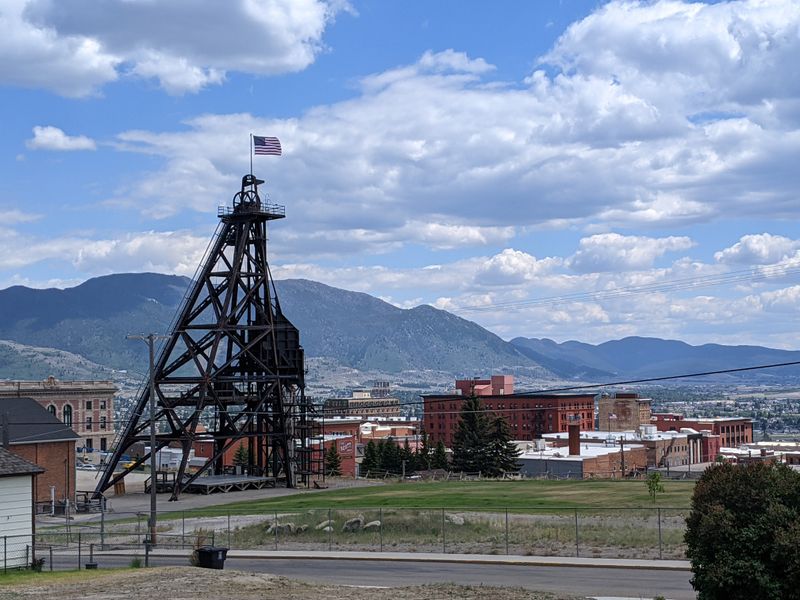
Butte stands on a hill with iron memory, and today the story draws visitors who walk the grid with intent.
Uptown streets around 100 N Main St, Butte, MT 59701 carry brick weight and the outline of headframes against the sky.
Museums translate the mining era into rooms, photos, and careful exhibits that guide the narrative.
Murals fill blank walls with color, adding new chapters without repainting the past.
Tour groups pause at corners where stories layered in stone meet fresh restoration work.
The sidewalks feel wide, and benches invite a moment to look out over the valley and breathe.
Montana history sits in the open here, visible in facades and in the way streets align with the slope.
Events bring a steady crowd that moves easily between landmarks and small galleries.
Cafes and shops inhabit old spaces with care, keeping tin ceilings and narrow staircases intact.
Parking remains workable, especially if you loop once and choose a block with a gentler grade.
Tourism has become a quiet engine, funding preservation and drawing attention to new projects.
Butte holds fast, resilient and proud, a place that teaches by standing exactly where it started.
10. West Glacier and Columbia Falls

West Glacier and Columbia Falls act as a hinge between everyday life and the sweep of Glacier National Park.
At 125 Going-to-the-Sun Rd, West Glacier, MT 59936, signs point visitors toward the gate and the river bend.
Columbia Falls holds steady along Nucleus Avenue, where planters and benches soften the curb.
The park’s draw sets the pace, and traffic bunches early as people chase first light at trailheads.
Shops lean into rentals and maps, while lodging fills quickly during peak weeks under big sky weather.
Locals count on early mornings and shoulder seasons to keep errands smooth and streets calm.
Montana stewardship threads through conversations about permits, shuttles, and Leave No Trace basics.
Sidewalks offer clear wayfinding, and crosswalks help families move safely between storefronts.
Valley views widen quickly once you step off the main drag and follow the river upstream.
Parking strategy matters, and shuttles lighten the load when the lots brim before midday.
Tourism presses on the edges, yet the towns work to guide the flow without fraying.
The result feels like a helpful threshold, busy yet calm enough to start and end a big park day.
11. Glacier National Park
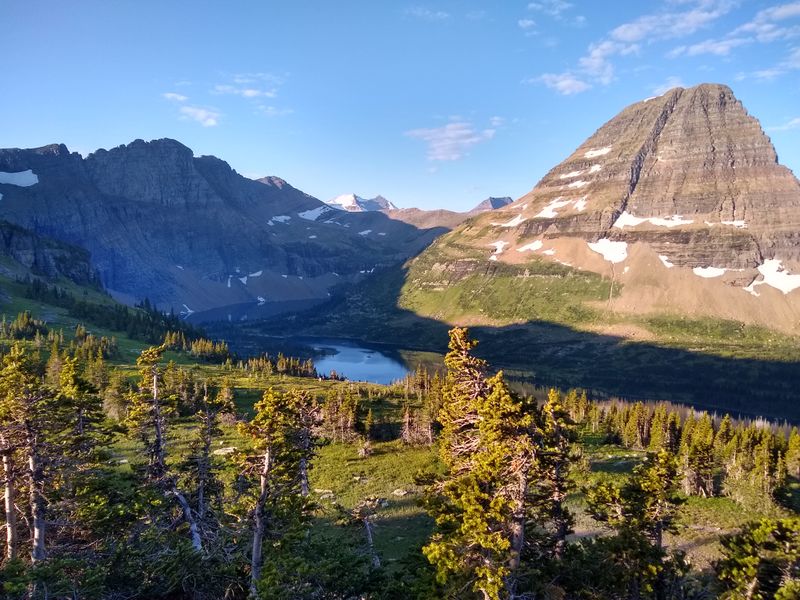
Glacier National Park carries a reputation that draws people from everywhere, and the numbers show up at every bend.
The Apgar Visitor Center at 214 Apgar Loop Rd, West Glacier, MT 59936 funnels questions into clear plans.
Going to the Sun Road concentrates traffic, then releases visitors into pullouts with views that stop conversation.
Trailheads fill fast, and rangers use calm voices to guide expectations toward safety and stewardship.
The permit system helps spread the load, which keeps some shoulders and valleys breathing easier.
Shuttles move quietly, and the stops become small plazas where maps flip and hats tilt against light.
Montana weather writes the script, and quick changes teach respect better than any sign could do.
Even in the bustle, a mile of walking can bring the hush that defines this place.
Boardwalks protect fragile ground, and handrails hold a chill that lingers even at midday.
Parking takes patience, and early starts turn into a welcome habit after the first day.
Tourism funds trail work and education, which helps the park stay resilient under steady attention.
Glacier remains itself, immense and precise, and it asks everyone to meet it with care and time.
Dear Reader: This page may contain affiliate links which may earn a commission if you click through and make a purchase. Our independent journalism is not influenced by any advertiser or commercial initiative unless it is clearly marked as sponsored content. As travel products change, please be sure to reconfirm all details and stay up to date with current events to ensure a safe and successful trip.
