One wrong parking move and suddenly your Montana stop comes with a lesson you were not planning on. This park and walk rule has a way of catching visitors off guard, mostly because it sounds like the kind of thing people assume they will figure out as they go.
Then the reality hits. What seems simple at first can turn into an unexpected little shock once people realize the state takes this rule more seriously than they expected.
That is exactly what makes it such an interesting detail. It says a lot about how local laws can sneak up on travelers, especially when the setting feels relaxed enough to make you think nothing complicated is waiting.
In a place known for big scenery and open space, this kind of surprise feels even more memorable. For anyone who enjoys the strange little rules that can shape a trip without warning, Montana delivers one that feels minor at first and a lot more important once you understand it.
The Montana Parking Rule That Sounds Simple Until You Read It
This one sounds obvious at first, right, like just park and walk, but in Montana it means two connected things that matter more than you expect. You need to use a designated spot and you need to leave the vehicle fully secured so it cannot creep toward the roadway.
The second part surprises visitors, because it feels like overkill until you picture a gentle grade, a light breeze, and a car inching the wrong way.
What makes this rule feel different is how it links courtesy for the landscape with basic road safety. Parks and wildlife areas want people on foot beyond the lot, because tires chew up fragile edges and spook animals that nest close to the ground.
Road crews and rangers also want cars neutralized, because a rolling bumper can turn a quiet pull-off into a roadside mess very fast.
You will see it most at trailheads and riverside stops where shoulders are narrow and the ground stays soft after rain. Signs keep it plain, and the vibe is not scolding, more like a friendly reminder that you are a guest here.
When you park, cut the habit of casual idling, point the wheels thoughtfully, and give the vehicle a final second glance. You show respect for Montana, and you save yourself a headache later.
What The State Actually Means By Safely Securing Your Vehicle
When Montana says safely secure, it is not asking you to perform a ritual, it is nudging you to make gravity your friend. Think about placement on a grade, the direction your front wheels are angled, and whether the surface is dirt, gravel, or slick grass.
The goal is simple, which is stopping any chance of slow movement toward the roadway or down a slope.
In practice, that means finding a stable pad in a designated space and setting the vehicle so it stays put without fuss. You angle the wheels toward a curb or a gentle berm when that makes sense, and you avoid leaving it perched on a crown where a tire might slide.
If the lot is uneven, you pick the flattest pocket and give yourself a little extra room.
Rangers talk about this with a calm tone, because it is less about citations and more about preventing a chain reaction. One unattended car that shifts can nudge a second, which can push another into a travel lane, and then everyone is having a bad afternoon.
Take a breath, make the small adjustments, and you will walk away feeling confident. It sounds fussy when you read it, but out here it is just practical.
Why This Law Is Really About Preventing Rollaways
Rollaways sound dramatic until you realize they often start as a quiet inch. In Montana, small slopes are everywhere, from river benches to valley sides, and a car can move even when it looks settled.
Add loose gravel or melting snow, and you have that slow, sneaky slide that nobody hears until it is too late.
The rule targets that exact moment, which is the hush between parking and walking off toward the view. You think you are set, you turn to grab a jacket, and the vehicle drifts just enough to cross a line.
If it reaches a roadway or clips another bumper, a mellow stop becomes paperwork and apologies.
It is not meant to make you nervous, it is meant to change tiny habits that matter on the margins. Choose a proper spot, center the vehicle, set it so it can rest without any help, and then step out.
You protect the people behind you, the car next to you, and the shoulder that keeps the road intact. Montana leans on common sense here, because a still car and a short walk beat trouble every time.
The Park-And-Walk Detail That Can Catch Visitors Off Guard
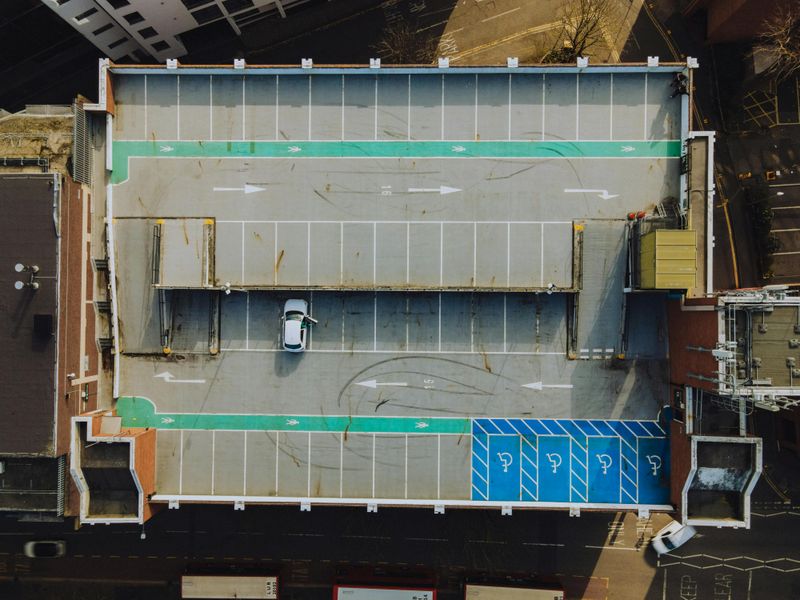
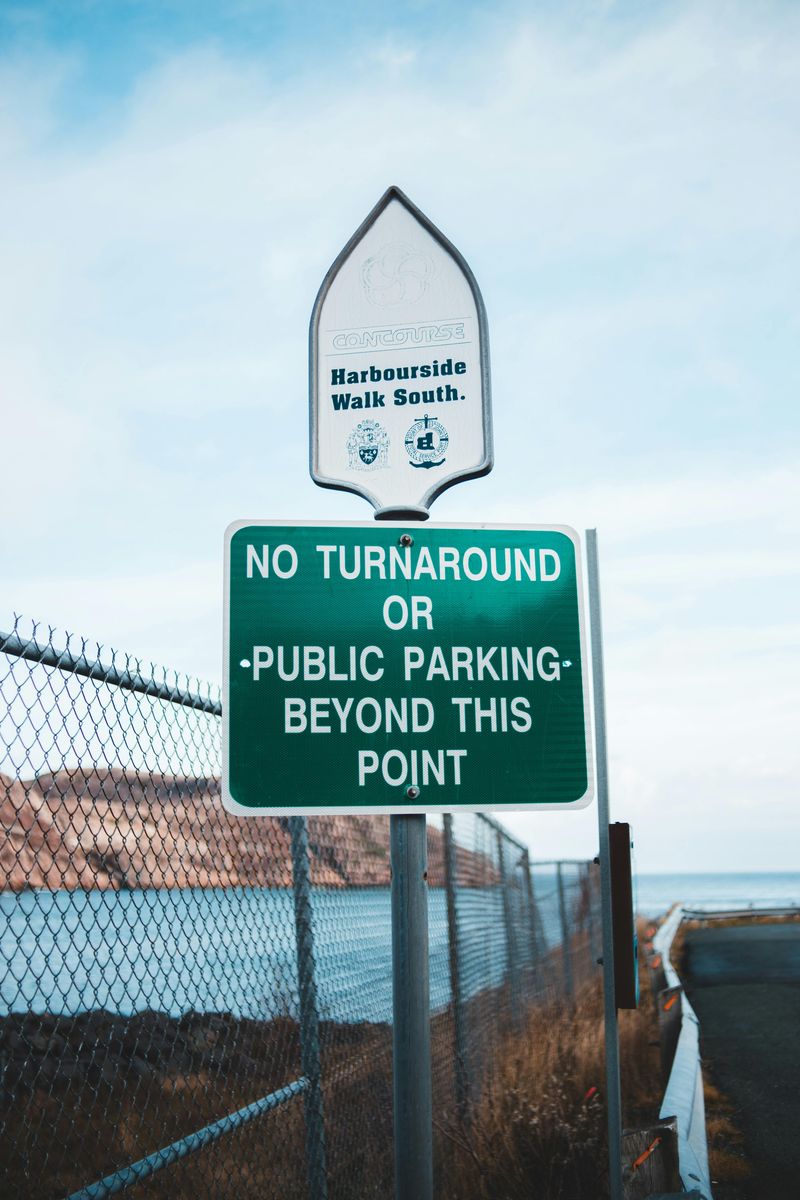
The curveball is that park and walk really means stop driving sooner than you planned. You roll into a scenic area, expect to cruise right up to the riverbank, and then the sign tells you the road ends at the lot.
From there, the scenery is all yours, but you are finishing the approach on foot with everyone else.
It feels abrupt the first time, because road culture usually says closer is better. In Montana, closer by car can mean deeper ruts, trammeled grass, and nesting spots disrupted by tires and doors.
The rule flips the script, asking you to trade a short drive for a brief, calm walk that keeps the edges wild.
The payoff lands fast once you step past the fence. You hear water sooner, smell the pines, and move at a speed that makes the place feel bigger.
The car disappears behind you, and the landscape suddenly sets the rhythm. That surprise on the sign becomes a tiny reset, and honestly, it is part of the charm out here.
How Montana Quietly Modernized The Older Version Of The Rule
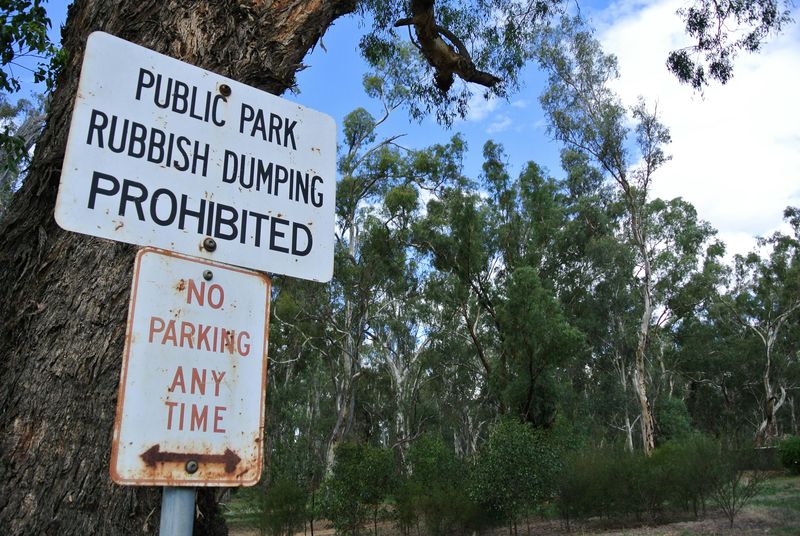
The older language used to spell out little mechanical steps that sounded fussy on paper. Montana moved away from that vibe and kept the heart of the idea, which is secure the vehicle so it does not roll and keep motorized travel where it belongs.
The updated tone feels cleaner, and it trusts drivers to match the solution to the situation.
That shift matters in parks and along scenic byways where parking zones vary a lot. One lot is gravel with a gentle lip, the next is paved with no curb, and the next is just a marked pull-out tucked beside a meadow.
The modern wording lets rangers teach principles instead of reciting a checklist that might not fit.
You still get clarity, just without the jargon that trips people up. The message is please stop in the designated space, set the vehicle so it stays put, and walk from there on marked paths.
It is flexible enough to work on a windy ridge and a quiet riverbank. Montana chose less clutter and more common sense, and the day feels smoother because of it.
Why Hills, Grades, And Pull-Offs Make This Law Matter More
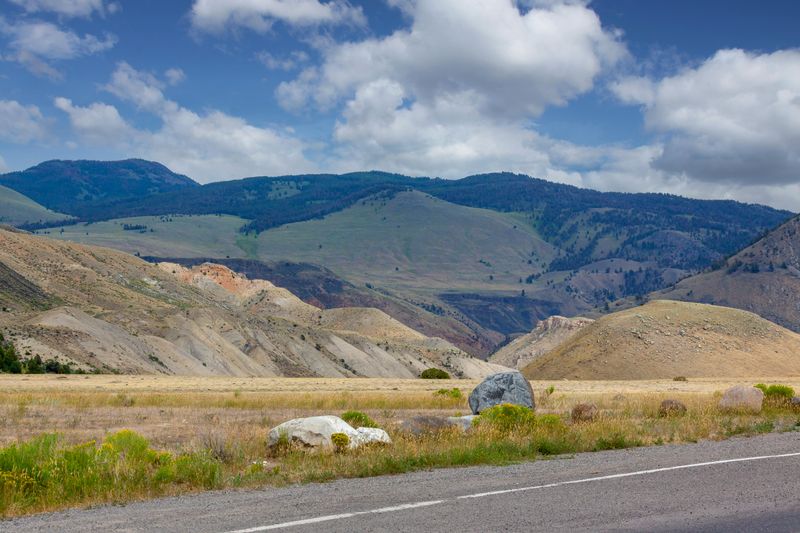
Drive a few miles in Montana and the road rolls like water, which is why this whole thing matters. Even tiny grades can make a parked car wander if the surface is loose or the shoulder is crowned.
Pull-offs are there to give you space, but they are not built like city curbs with predictable edges.
Think about river roads where the bank drops quickly beyond the gravel. A parking angle that feels harmless in town suddenly looks risky next to a sweep of current.
If the vehicle shifts, it can nose toward traffic or bump the only safe exit for everyone lined up behind you.
That is the practical side of park and walk, and it is why the rule shows up at scenic overlooks and trailheads. You set yourself up in a designated spot that was chosen for stability, then you continue on foot where boots do less harm.
The whole place flows better when cars quit early and people spread out at walking speed. Montana keeps it simple so you can focus on the view and not the what if of a rolling tire.
The Kind Of State Rule That Feels Small Until You Picture The Risk
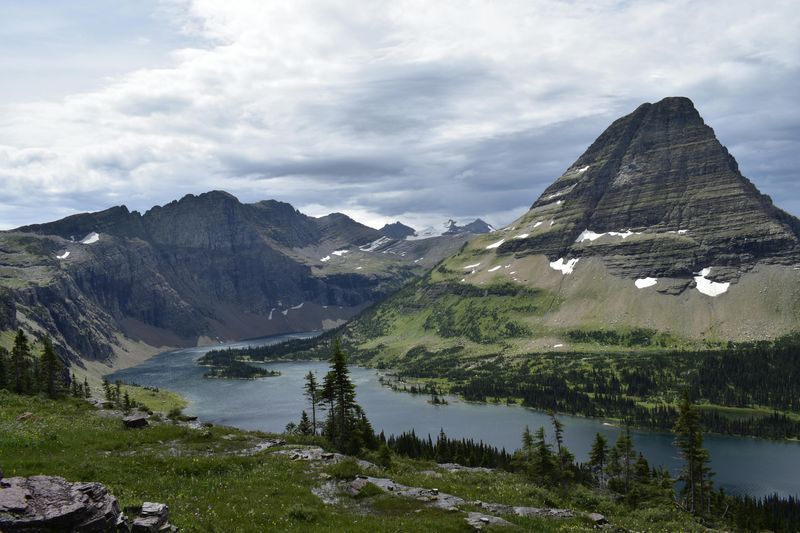
On paper, this rule reads tiny, like a footnote you skim past. Then you imagine one unpinned car creeping across a lot and nudging another toward the lane, and suddenly it is the only rule that matters.
The stakes are not dramatic every day, but the potential ripple is always there on a slope.
Montana leans on prevention instead of aftermath, and it shows in these little asks. Designated lots keep heavy wheels off soft edges, and the secure-your-ride bit keeps motion where you left it.
Those two moves guard the shoulder, the view, and the calm of everyone sipping the scenery with you.
It helps to rehearse the steps in your head before you swing into a turnout. Choose the marked space, square up, settle the car so it is fully at rest, and then you can wander.
With that, you turn a fine-print line into muscle memory. The place stays safe, and your day stays easy, which is the entire point of visiting Montana in the first place.
How A Practical Safety Law Turned Into A Weirdly Memorable Travel Detail
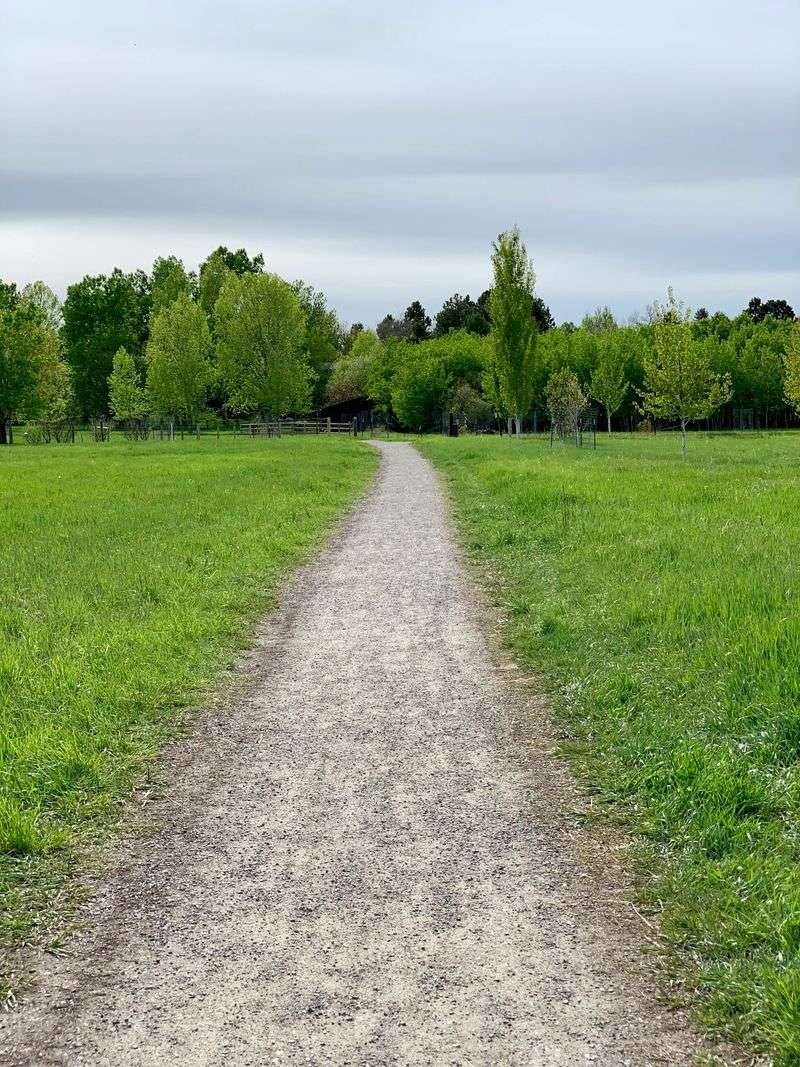
I did not plan to remember a parking rule from a road trip, but here we are, because Montana has a way of making small things stick. You keep seeing the same sign at sweet little overlooks and quiet trailheads, and pretty soon it becomes part of the rhythm.
Park here, secure the car, walk from this point, breathe deeper.
It turns into a story you tell later, which is funny, because it is just a rule that keeps trouble out of the picture. The repetition makes the logic feel friendly instead of strict.
You realize the walk is usually short and the view gets better with each step, and the car fades from your mind.
That combination of safety and ritual gives the memory some texture. You recall where the gravel crunched, where the path opened, and where the wind picked up on the ridge.
The sign is not the highlight, but it becomes the nudge that set the mood. By the end, Montana feels a little wiser for insisting on it.
Why This Rule Makes More Sense Once You Think Like A Local Driver
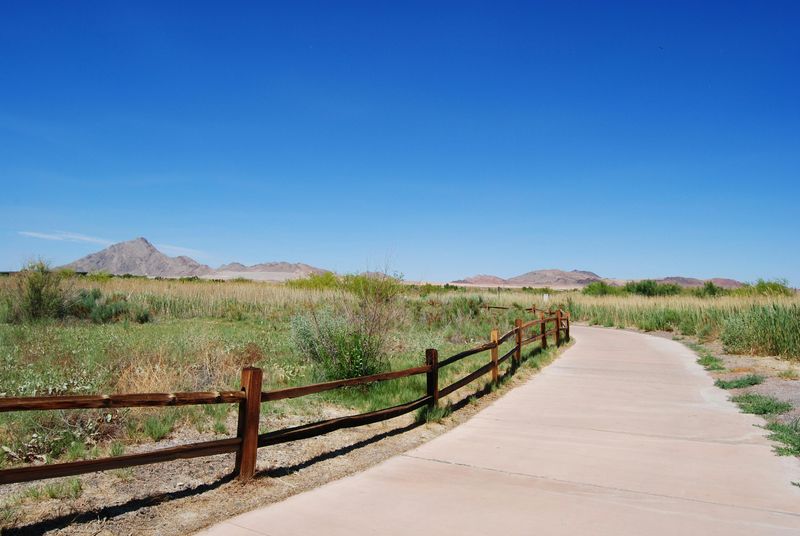
Watch how locals slide into a turnout and you will see the habit in action. They aim for the designated space, square the truck, turn the wheels with intention, and then they are already out walking at a steady pace.
It is not fussy, it is just routine, built from seasons of mixed weather and changing surfaces.
Thinking like a local means accepting that roads and shoulders move a little out here. A freeze-thaw cycle can heave a corner, a rain squall can grease up gravel, and a sunny hour can soften a dirt edge.
The simple response is to leave the vehicle in a spot meant to hold it, then carry on by foot.
You pick it up quickly because the pattern feels calm and efficient. There is no nose-to-the-view scramble, just a shared understanding that quiet steps protect the place and keep the road tidy.
When you mirror that, you fit the flow and avoid the gotcha of a car that shifts behind you. Montana drivers are not being formal, they are being practical, and it rubs off fast.
The Montana Law That Makes A Quick Stop Slightly Less Casual
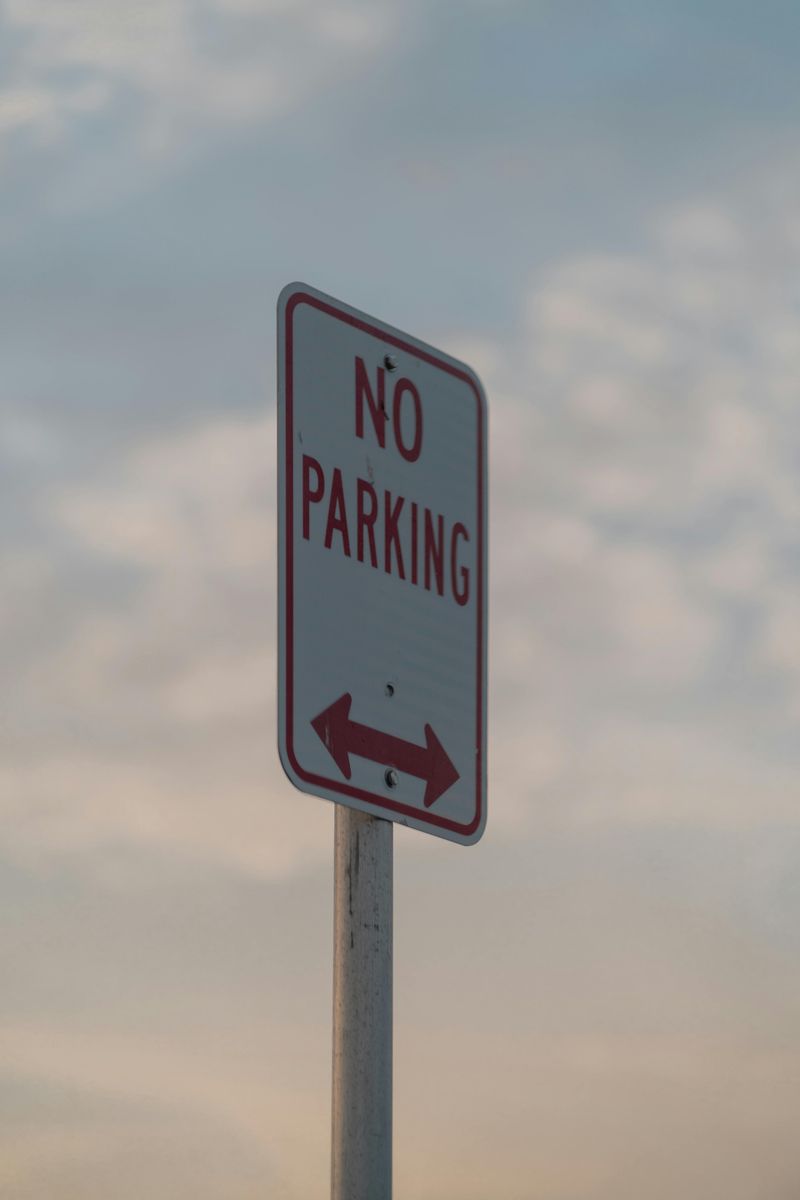
That quick-stop instinct we all have gets a little tweak in Montana. Instead of sliding half onto the shoulder to snap a photo, you look for the marked lot and commit to a tiny bit more time on foot.
It changes the pace by a beat, which can feel inconvenient until you notice how much smoother everything runs.
With cars anchored in one place, the shoulder stays open for actual driving and emergency space. People sort themselves onto a path instead of milling around bumpers where visibility is rough.
What looks like a small courtesy adds up fast, especially on winding roads and along river bends.
It is not about making you earn the view, it is about keeping the day from getting weird for the folks behind you. A short walk turns the scene into a shared space instead of a scramble of metal and doors.
Once you expect the pause, you start planning for it, and the trip feels calmer. That is a trade I will take every time, especially in a place as big and beautiful as Montana.
Dear Reader: This page may contain affiliate links which may earn a commission if you click through and make a purchase. Our independent journalism is not influenced by any advertiser or commercial initiative unless it is clearly marked as sponsored content. As travel products change, please be sure to reconfirm all details and stay up to date with current events to ensure a safe and successful trip.
