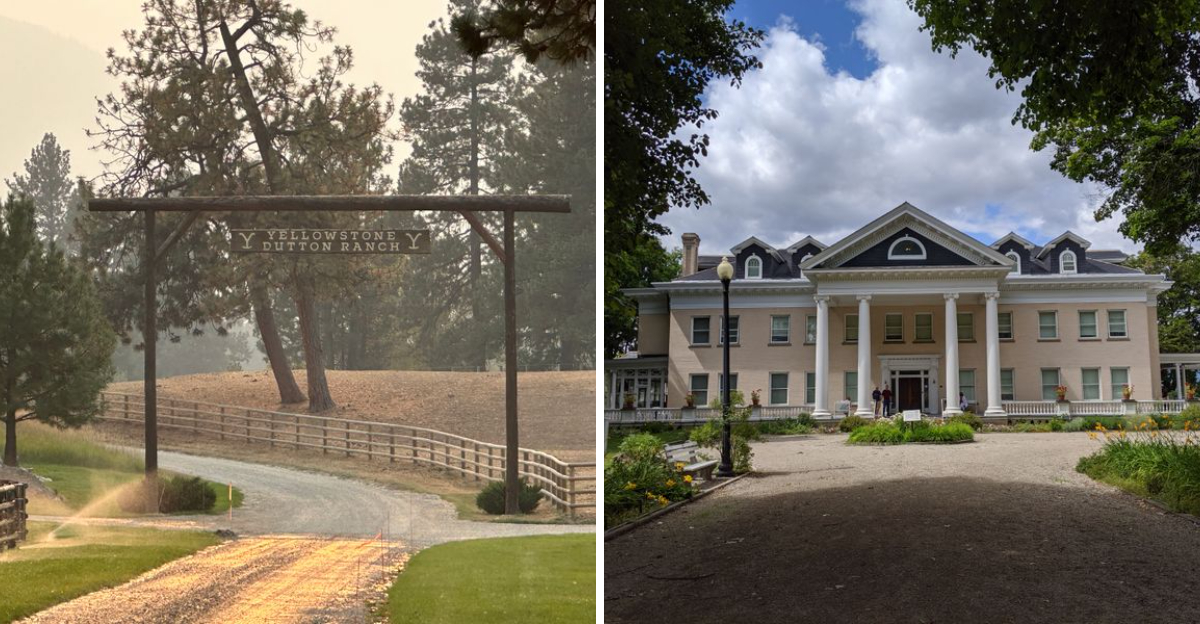
Montana’s rugged landscapes and authentic western charm serve as the perfect backdrop for the hit show Yellowstone.
From sprawling ranches to historic buildings, the state offers viewers a genuine glimpse into cowboy country.
Many fans of the series don’t realize that real Montana locations play starring roles in their favorite episodes.
These actual places bring the Dutton family’s dramatic story to life with stunning scenery and true western atmosphere.
Exploring where the cameras rolled reveals fascinating connections between fiction and reality.
Each location chosen by the show’s creators adds depth and authenticity to the storytelling.
Montana’s natural beauty and historical sites make the show’s world feel incredibly real and immersive.
Whether you’re planning a trip or simply curious about the show’s settings, these ten spots showcase Montana’s role in creating television magic.
Discovering these filming locations helps fans appreciate how the state’s character shapes the entire series.
1. Chief Joseph Ranch (Yellowstone Dutton Ranch)
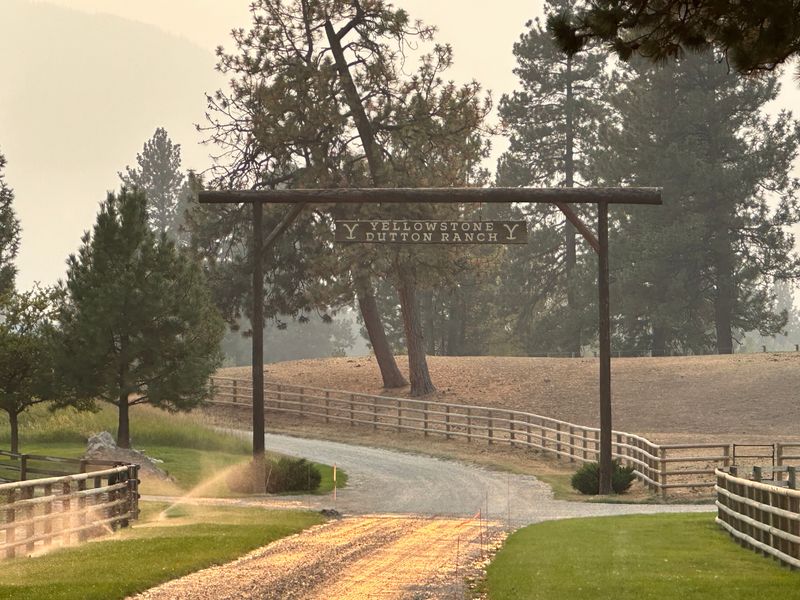
Chief Joseph Ranch stands as the most recognizable location from the entire series.
Located at 125 Appaloosa Trail in Darby, this working ranch doubles as the Dutton family home.
Every exterior shot of the iconic lodge where the family gathers was filmed right here.
The property stretches across breathtaking Montana countryside with mountain views that steal every scene.
Visitors immediately recognize the distinctive log architecture and sprawling grounds from countless episodes.
This isn’t just a set but an actual functioning ranch that embodies authentic western living.
The production team chose this location for its genuine ranch atmosphere and stunning natural surroundings.
Rolling pastures and distant peaks create the perfect visual representation of the Dutton empire.
Fans traveling to Montana often make this their first stop to see where television magic happens.
The ranch captures everything viewers imagine when they think about big sky country.
Standing before the main lodge feels like stepping directly into the show’s world.
Montana’s ranching heritage comes alive through this remarkable property that defines the series visually.
The location perfectly balances beauty with the rugged practicality required for actual ranch operations.
Chief Joseph Ranch proves that sometimes reality provides better scenery than any studio could create.
2. The Train Station (Highway Pullout Near Sula)
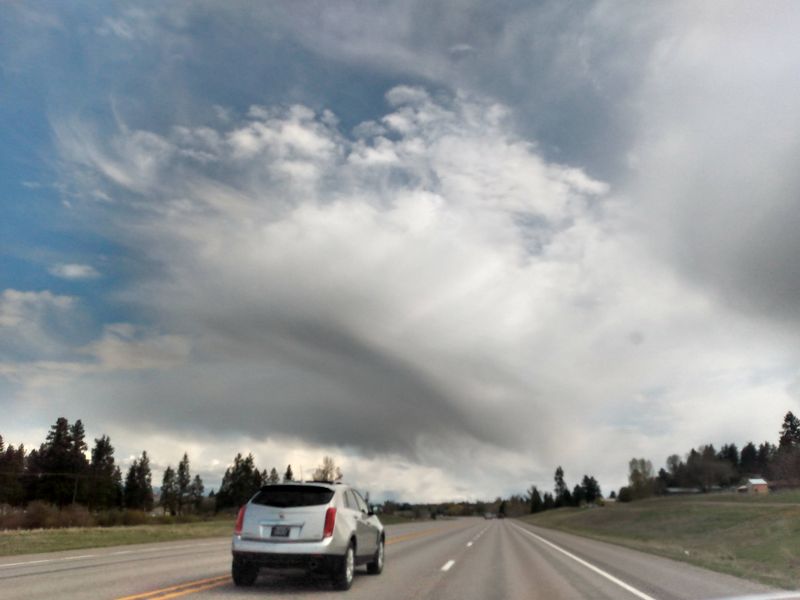
A seemingly ordinary highway turnout hides one of the show’s darkest secrets.
Located along US Highway 93 south of Darby near Sula Peak Road 5727 in Sula, this spot gained infamous recognition.
The production team transformed this remote pullout into the chilling location known as the Train Station.
Sharp cliffs and isolated wilderness make this the perfect setting for the Duttons’ most secretive activities.
Viewers recognize this location as where characters meet their final fate in the series.
The dramatic drop and surrounding Montana wilderness create an atmosphere of isolation and danger.
Driving past this turnout, few would guess its significance to the show’s most intense moments.
The location’s remoteness adds authenticity to scenes requiring absolute privacy and concealment.
Montana’s vast unpopulated areas provide countless spots like this where civilization feels far away.
This particular cliff became central to understanding how far the Dutton family will go.
The natural landscape required minimal set dressing to achieve the desired ominous effect.
Fans debate whether they’d actually visit this location given its dark fictional purpose.
The spot demonstrates how Montana’s geography shapes the show’s storytelling possibilities.
Remote highway pullouts like this one pepper the state, offering both beauty and solitude.
3. Ruby’s Cafe (Shootout Diner)
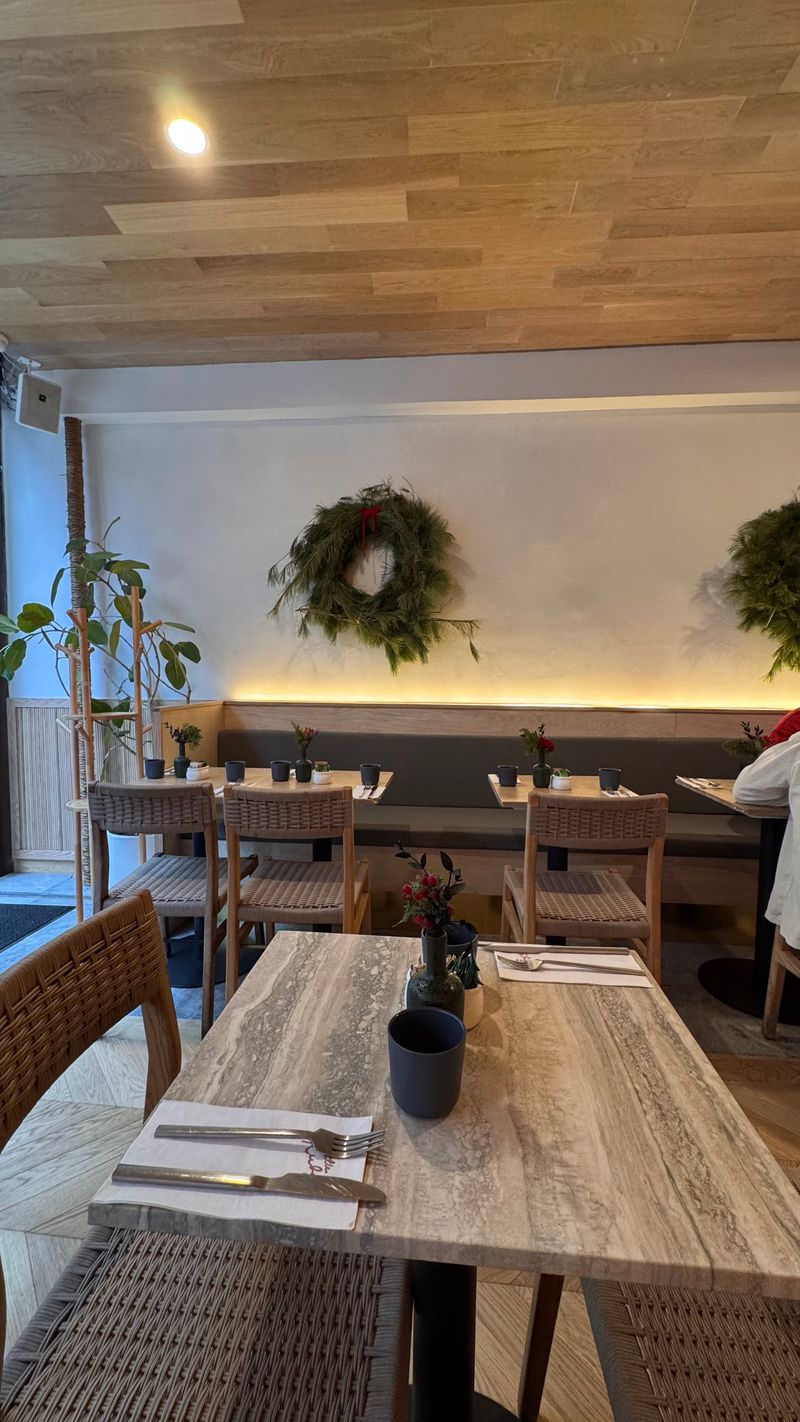
Ruby’s Cafe in Missoula became the setting for one of the series’ most explosive confrontations.
Found at 2101 Regent Street, this real working diner served as the backdrop for a memorable shootout scene.
The cafe’s authentic small-town atmosphere made it perfect for the tense dramatic sequence.
Local residents still talk about when production crews took over their neighborhood breakfast spot.
The interior’s classic diner layout provided everything filmmakers needed for the action-packed scene.
Missoula’s charm shines through locations like this that blend seamlessly into the show’s narrative.
Visitors can actually eat at the same tables where fictional characters faced life-threatening danger.
The cafe continues operating normally, serving customers who appreciate its television fame.
Montana’s small businesses often become characters themselves within the show’s storylines.
Ruby’s represents the kind of community gathering place found throughout the state.
The production chose this spot for its genuine Montana character and practical filming layout.
Fans stopping by can imagine the chaos that unfolded during that pivotal episode.
The cafe’s continued operation proves that filming locations don’t exist only for cameras.
These real places maintain their community role while occasionally hosting Hollywood productions.
4. Glen’s Cafe (John Dutton’s Steak Dinner Spot)
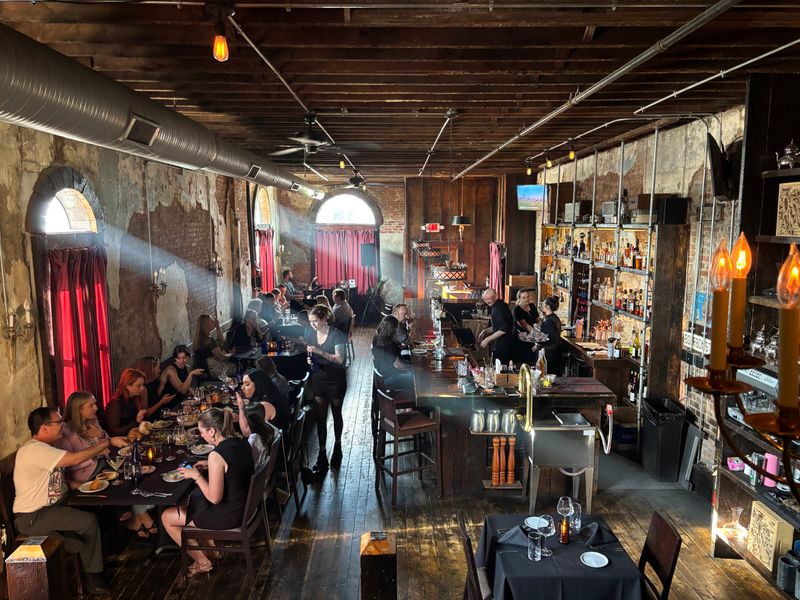
Glen’s Cafe in Florence provided the setting for a crucial father-son confrontation.
Located at 10895 US Highway 93 North, this unassuming spot witnessed John Dutton meeting Jamie’s biological father.
The scene’s emotional weight needed a location that felt authentic and unpretentious.
Florence’s small-town setting perfectly captured the tension of that uncomfortable dinner conversation.
Cafes like Glen’s represent Montana’s network of local restaurants serving travelers and residents alike.
The production valued how these genuine establishments add realism impossible to recreate on soundstages.
Customers dining here now sit where fictional family drama unfolded over steak dinners.
The cafe’s straightforward, no-frills interior matched the scene’s raw emotional honesty.
Montana’s highway cafes have witnessed countless real conversations similar to the scripted ones.
Glen’s continues welcoming guests who appreciate both good food and television history.
The location demonstrates how ordinary places become extraordinary through storytelling.
Filmmakers seek out spots like this that already possess the character they need.
Florence’s position along Highway 93 makes it a natural stop for both travelers and film crews.
The cafe proves that sometimes the best locations are simply real places doing what they’ve always done.
5. Missoula County Courthouse (Gubernatorial Swearing-In)
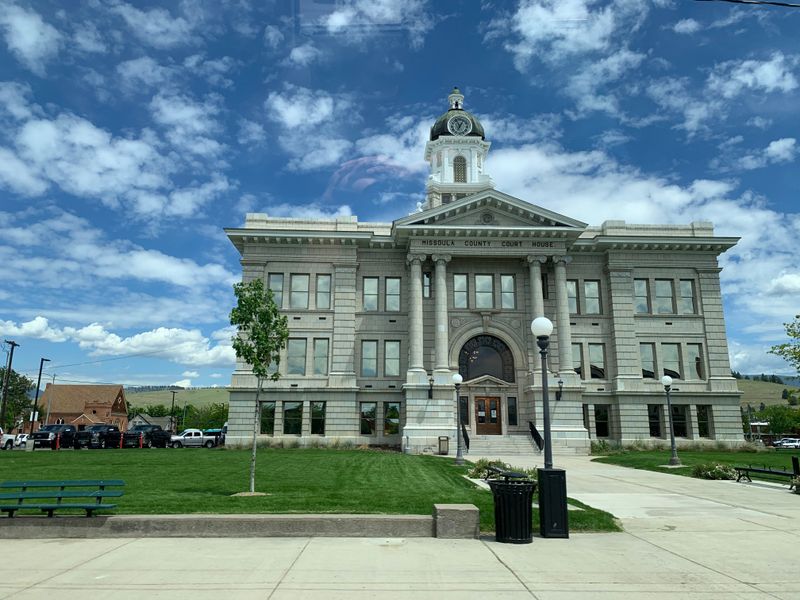
Missoula County Courthouse provided the impressive backdrop for John Dutton’s gubernatorial swearing-in ceremony.
Situated at 200 West Broadway Street, the building’s stately architecture conveyed appropriate governmental authority.
Season five viewers watched this location transform into the site of a pivotal power transition.
The courthouse’s classic design represents Montana’s civic heritage and institutional dignity.
Production designers chose this building for its photogenic qualities and symbolic significance.
Missoula’s downtown architecture offers numerous historically significant buildings perfect for filming.
The courthouse steps became the stage where John Dutton officially assumed political power.
Real Montana government buildings lend authenticity that sets cannot match.
The location’s grandeur emphasized the magnitude of the character’s new responsibilities.
Missoula residents recognized their courthouse playing a starring role in the dramatic ceremony.
The building continues its actual function while occasionally serving Hollywood productions.
These dual purposes showcase how Montana locations maintain their real-world importance.
The courthouse’s exterior perfectly captured the solemnity required for the swearing-in scene.
Montana’s civic buildings carry architectural weight that enhances storytelling about power and responsibility.
6. Montana State Capitol (Governor’s Office)
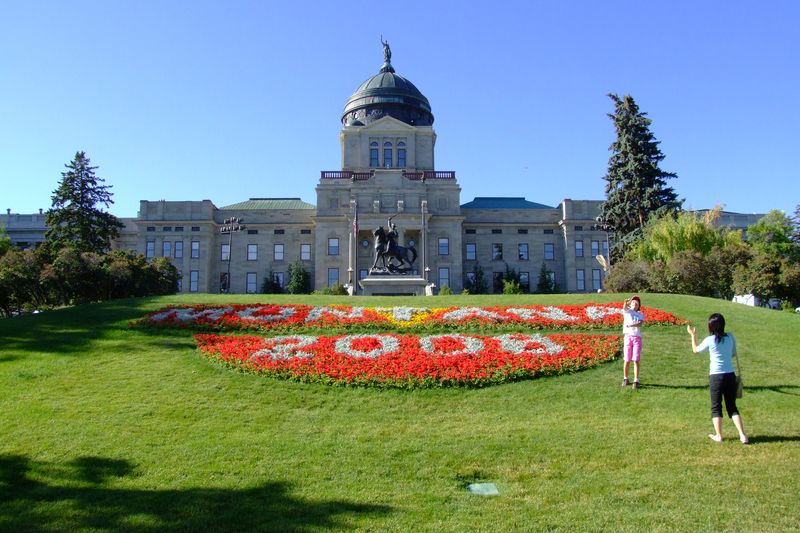
Helena’s Montana State Capitol brought undeniable authenticity to the Governor’s office scenes.
Located at 1301 East 6th Avenue, the actual capitol building appeared in early season episodes.
Using the real seat of Montana government added layers of legitimacy to the fictional political storylines.
The capitol’s distinctive architecture and interior spaces provided ready-made governmental settings.
Production teams appreciated accessing genuine offices where real Montana governors actually work.
Helena’s capitol represents the state’s political heart, making it the logical choice for these scenes.
The building’s historical significance resonates through every frame shot within its walls.
Viewers see actual Montana governmental spaces when watching John Dutton navigate political waters.
The capitol’s impressive interiors required minimal set dressing to appear camera-ready.
Montana’s willingness to open its capitol for filming demonstrates the state’s support for the production.
These authentic locations help the show maintain its grounded, realistic atmosphere.
The capitol building carries weight and authority that fictional sets struggle to replicate.
Helena’s position as state capital makes it central to any Montana political narrative.
The production’s use of real governmental spaces reinforces the show’s commitment to authenticity.
7. Daly Mansion (Governor’s House in Season Five)
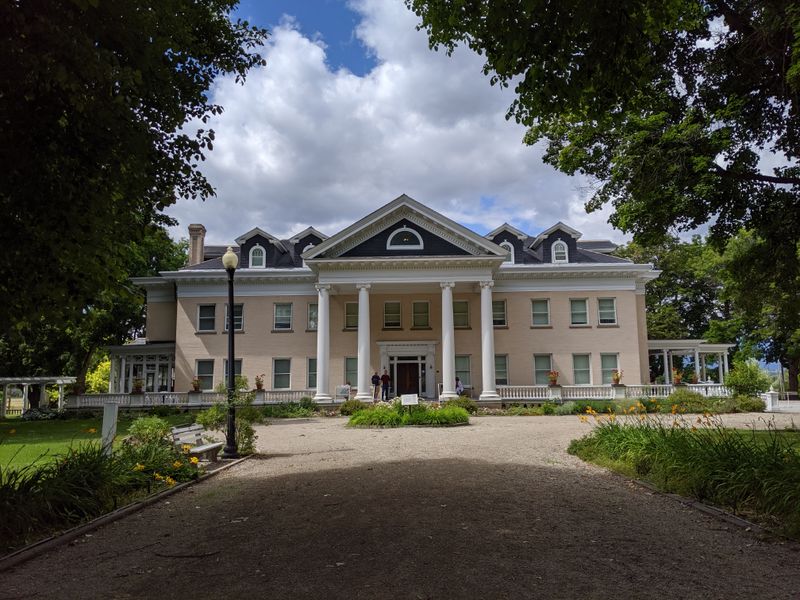
The historic Daly Mansion outside Hamilton became the Governor’s residence in season five.
Found at 2519 Daly Mansion Drive, this elegant property provided the perfect executive residence setting.
The mansion’s grandeur reflects the status and responsibilities of Montana’s highest office.
Built with copper fortune wealth, the Daly Mansion represents Montana’s colorful historical legacy.
Production designers recognized how the mansion’s architecture conveyed power and tradition.
Hamilton’s proximity to other filming locations made this choice practical as well as aesthetic.
The grounds and exterior spaces offered multiple filming opportunities for various scenes.
Montana preserves historic properties like this that tell stories about the state’s development.
The mansion’s elegance contrasts beautifully with the rugged ranch settings elsewhere in the show.
Visitors touring the mansion now see it through the lens of its television fame.
The location demonstrates how Montana’s historical architecture serves contemporary storytelling.
Season five required a residence that matched John Dutton’s elevated political position.
The Daly Mansion’s stately presence fulfilled that need while maintaining Montana authenticity.
Historic preservation efforts ensure properties like this remain available for future generations and productions.
8. Crow Indian Reservation (Broken Rock Reservation)
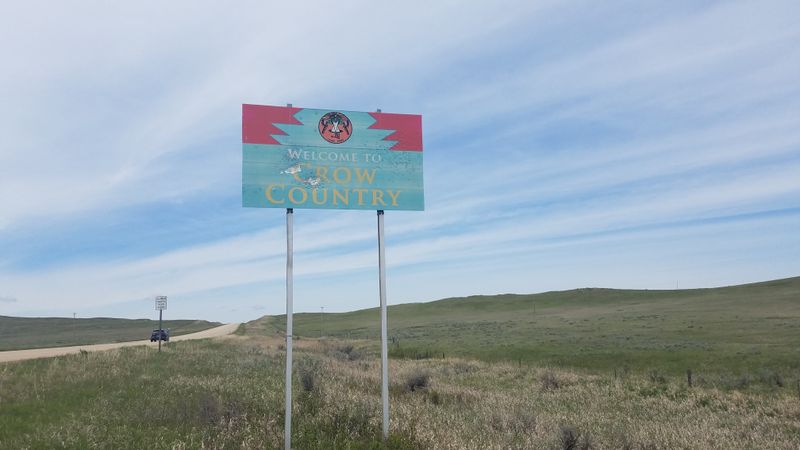
The Crow Indian Reservation near Billings provided authentic settings for Broken Rock Reservation scenes.
Using an actual Montana reservation added crucial authenticity to the show’s Native American storylines.
The production team recognized the importance of filming on real tribal lands.
Montana’s reservation communities play significant roles in the state’s cultural landscape.
The Crow Reservation’s terrain and atmosphere brought genuine character to these important scenes.
Respectful collaboration with tribal communities ensured accurate representation of reservation life.
The location’s authenticity helps the show address complex issues surrounding land and sovereignty.
Montana’s Indigenous communities maintain distinct identities and territories throughout the state.
Filming on actual reservation land demonstrates commitment to authentic storytelling.
The Crow Reservation’s landscape differs from surrounding areas in ways cameras capture.
These scenes required locations that reflected real reservation communities rather than stereotypical depictions.
The production’s choice to film here shows respect for the stories being told.
Montana’s reservations represent living communities with contemporary concerns and rich histories.
The show’s portrayal benefits enormously from using genuine reservation settings and consulting with tribal members.
9. Community Medical Center (John Dutton’s Recovery Hospital)
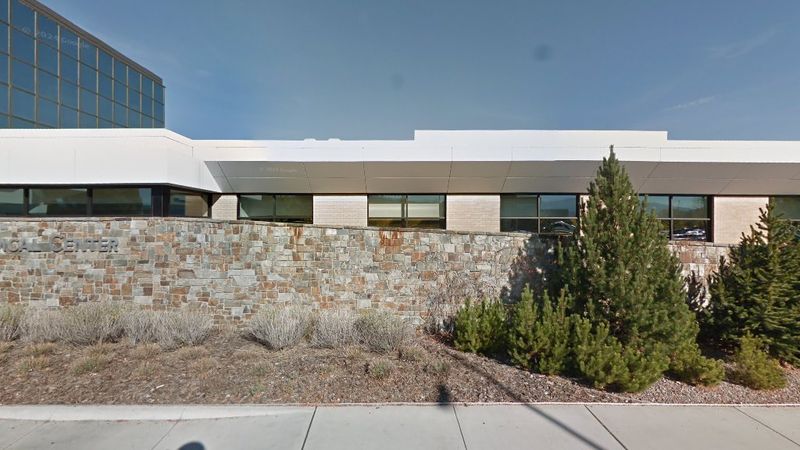
Community Medical Center in Missoula became the setting for John Dutton’s hospital recovery.
Located at 2827 Fort Missoula Road, this actual medical facility provided realistic hospital scenes.
The production required authentic medical environments for the aftermath of the assassination attempt.
Using a real hospital added urgency and realism to these critical storyline moments.
Missoula’s medical facilities serve communities throughout western Montana with modern healthcare.
The hospital’s contemporary appearance matched what viewers expect from current medical settings.
Filming in actual healthcare facilities presents logistical challenges that production teams carefully navigate.
The location’s authenticity helped actors and viewers connect with the character’s vulnerable state.
Montana’s hospitals provide essential services while occasionally accommodating film productions.
Community Medical Center’s participation demonstrates local support for the show’s production.
The facility’s real-world function as a hospital brought undeniable authenticity to recovery scenes.
Medical settings require particular attention to detail that real facilities naturally provide.
The hospital’s modern equipment and spaces met all production needs for these intense sequences.
Missoula’s willingness to share its medical facility helped create some of the season’s most gripping moments.
10. Montana Livestock Association Building (Protest Location)
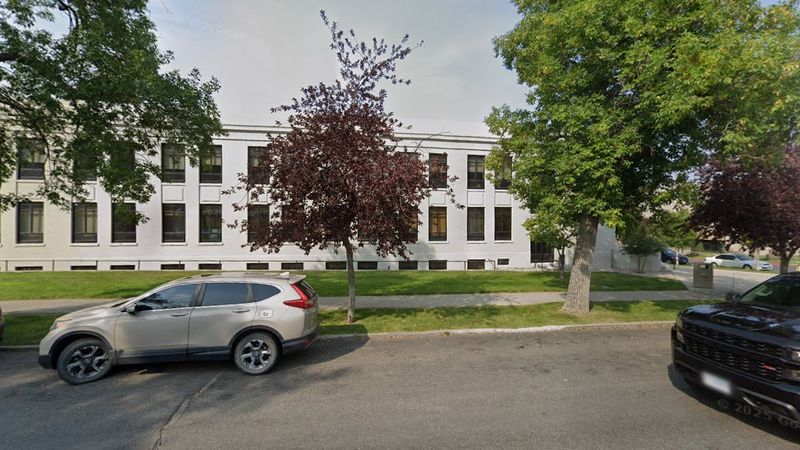
The building at 163 South Second Street in Hamilton served as the Livestock Association office.
This location became the focal point for protest scenes highlighting agricultural conflicts.
Hamilton’s downtown provided the perfect small-town setting for these tense confrontations.
The building’s modest appearance reflects real Montana agricultural organizations throughout the state.
Production teams valued how the location naturally conveyed the show’s ranching industry themes.
Montana’s livestock industry remains central to the state’s economy and cultural identity.
The association building represents institutions that have shaped Montana’s development for generations.
Protest scenes required a location that felt authentic to Montana’s agricultural communities.
Hamilton’s main street architecture provided ready-made settings for multiple production needs.
The building’s position in downtown Hamilton made it accessible for filming complex crowd scenes.
Montana’s small towns maintain distinct character that larger cities cannot replicate.
The Livestock Association setting grounds the show’s conflicts in real industry concerns.
Hamilton appears repeatedly throughout the series, becoming almost a character itself.
The town’s cooperation with production demonstrates how Montana communities embrace the show’s presence and economic impact.
Dear Reader: This page may contain affiliate links which may earn a commission if you click through and make a purchase. Our independent journalism is not influenced by any advertiser or commercial initiative unless it is clearly marked as sponsored content. As travel products change, please be sure to reconfirm all details and stay up to date with current events to ensure a safe and successful trip.
