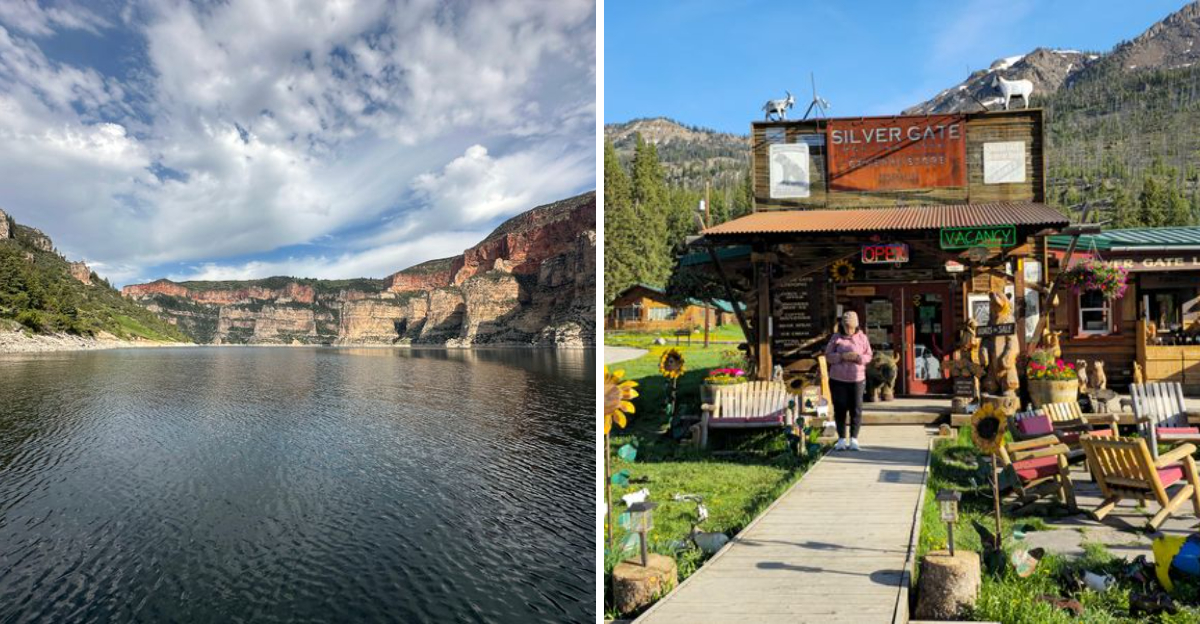
Montana’s vast wilderness and remote terrain naturally create zones where cellular signals fail.
These disconnected spaces offer travelers a rare chance to unplug and find a deep sense of calm.
From towering mountain passes to historic ghost towns, the state’s rugged landscape serves as a natural barrier to modern technology.
Whether you’re seeking solitude in the backcountry or simply craving a break from constant notifications, these locations provide the perfect escape.
Montana has become a destination for those who want to experience true silence and reconnect with nature.
The absence of cell service isn’t a drawback here but rather a feature that enhances the adventure.
Below are ten remarkable places across Montana where digital distractions vanish and tranquility reigns supreme.
1. Polebridge
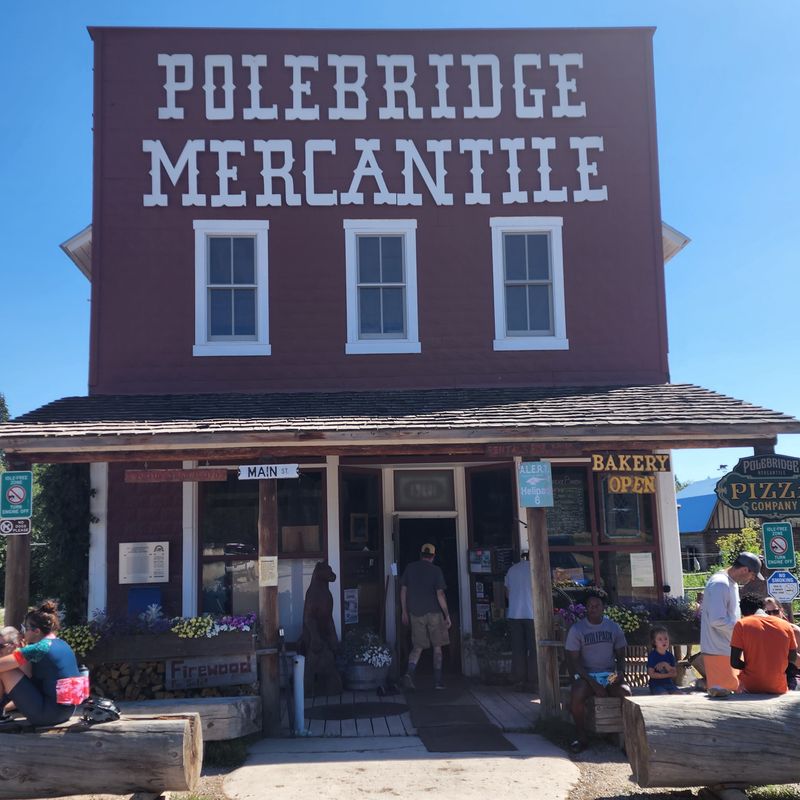
Nestled at the northwest edge of Glacier National Park, Polebridge stands as a testament to off-grid living.
This tiny community has no cell towers, no power lines, and no connection to the outside digital world.
Visitors arrive here not despite the lack of infrastructure, but because of it.
The Polebridge Mercantile draws travelers from across the country with its legendary huckleberry bear claws and rustic charm.
Solar panels and generators power the few buildings that dot this remote outpost.
Gravel roads lead into some of the most pristine wilderness Montana has to offer.
Without the distraction of phones or internet, conversations flow more freely among strangers gathered on wooden porches.
The North Fork of the Flathead River runs nearby, providing a soundtrack of rushing water instead of notification pings.
Nights here reveal star-filled skies unobscured by light pollution or the glow of screens.
Many who visit Polebridge describe it as stepping back in time to a simpler era.
The lack of connectivity forces a slower pace and a deeper appreciation for the surrounding beauty.
Address: North Fork Road, Polebridge, MT 59928.
Plan to arrive with cash, as card readers don’t work without signal.
2. Bob Marshall Wilderness Complex
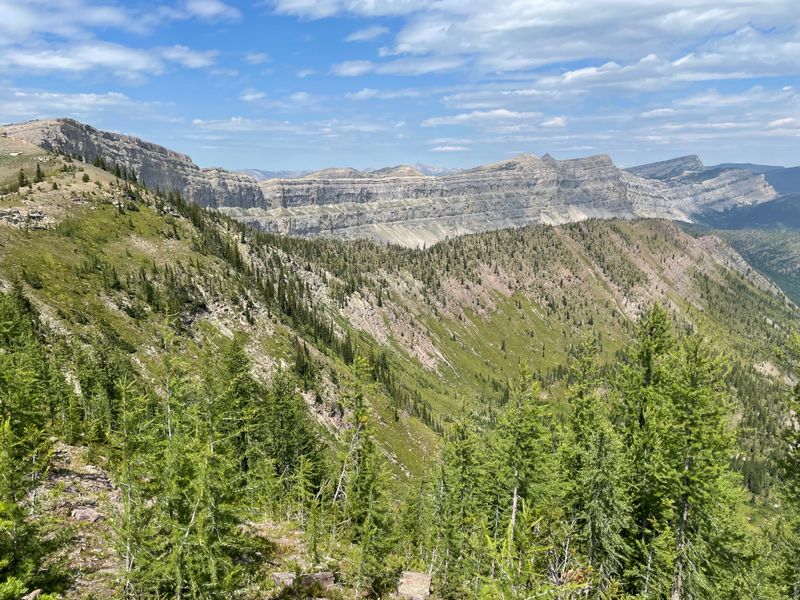
Known affectionately as The Bob, this wilderness complex spans over 1.5 million acres of untamed forest.
It ranks among the largest roadless areas in the entire United States.
Once you move past the trailheads, cellular reception vanishes completely.
Hikers and horseback riders venture deep into valleys where grizzly bears outnumber people.
The Continental Divide runs through this protected landscape, carving dramatic ridgelines and alpine meadows.
Rivers like the South Fork of the Flathead flow cold and clear through ancient forests.
Without phone service, navigation relies on topographic maps and compass skills.
This forces adventurers to engage fully with their surroundings and traveling companions.
The silence here is profound, broken only by wind through pines or the distant bugle of an elk.
Multi-day backpacking trips become true journeys of self-reliance and reflection.
Wildlife sightings are common, from mountain goats perched on cliffs to moose wading through wetlands.
Address: Trailheads accessible near Ovando, MT and surrounding areas.
Permits are required for overnight stays, and visitors should prepare for complete self-sufficiency.
3. Cooke City and Silver Gate
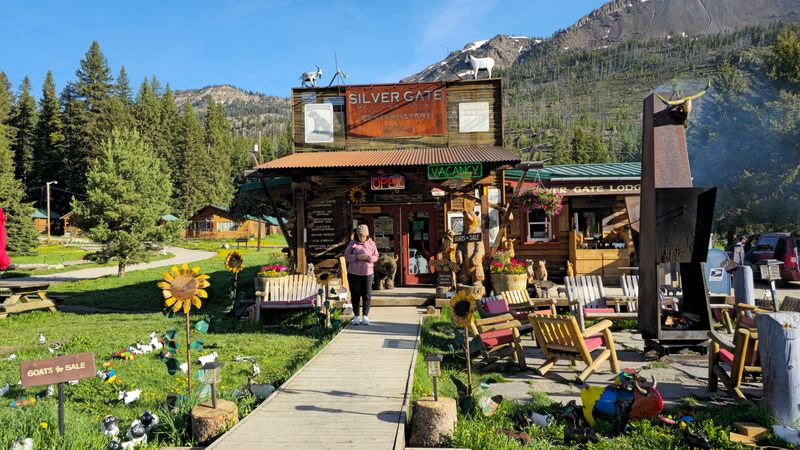
Tucked between the rugged Beartooth Mountains and the northeast entrance of Yellowstone, these twin towns exist in splendid isolation.
Cooke City and Silver Gate officially report no reliable cell service for any carrier.
Winter snows close the Beartooth Highway, leaving only one road open through Yellowstone.
This seasonal isolation adds to the sense of remoteness that defines the area year-round.
Visitors come here to snowmobile, hike, and fish in waters teeming with cutthroat trout.
The lack of connectivity means evenings are spent around wood stoves swapping stories with locals.
Historic cabins and lodges retain their frontier character, untouched by modern upgrades.
Wildlife passes through town regularly, with moose browsing willows and wolves occasionally spotted on nearby ridges.
The high elevation and surrounding peaks create a natural fortress against cellular signals.
Photographers treasure the uninterrupted focus this environment provides for capturing alpine sunrises.
Address: Main Street, Cooke City, MT 59020.
Gas stations and small shops operate here, but credit card machines often fail without signal.
Bring cash and a sense of adventure when visiting these timeless mountain communities.
4. Many Glacier
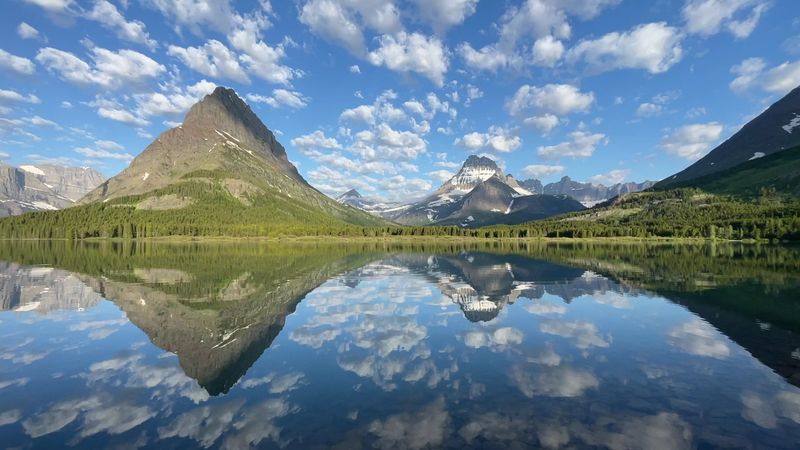
Situated within Glacier National Park, Many Glacier draws visitors with its stunning alpine scenery.
The dramatic valley walls that define this area also block most cellular signals.
Towering peaks like Mount Grinnell and Mount Wilbur rise thousands of feet, creating natural barriers to communication towers.
Grizzly bears roam freely here, often visible from trails or the shores of Swiftcurrent Lake.
The absence of phone service heightens awareness of surroundings and encourages vigilance in bear country.
Turquoise glacial lakes reflect jagged summits, offering scenes that demand full attention without digital distractions.
Hiking trails like Grinnell Glacier and Iceberg Lake lead into backcountry where silence reigns.
The historic Many Glacier Hotel stands as a monument to early park tourism, built before the age of WiFi.
Guests gather in the lobby to share trail reports and wildlife sightings instead of scrolling through feeds.
Sunrise over the valley paints the mountains in shades of pink and gold, a spectacle best experienced without screens.
Address: Many Glacier Road, Babb, MT 59411.
Park entry requires a vehicle pass, and visitors should prepare for limited services.
The deep silence and frequent grizzly encounters define this area more than connectivity ever could.
5. The Yaak Valley
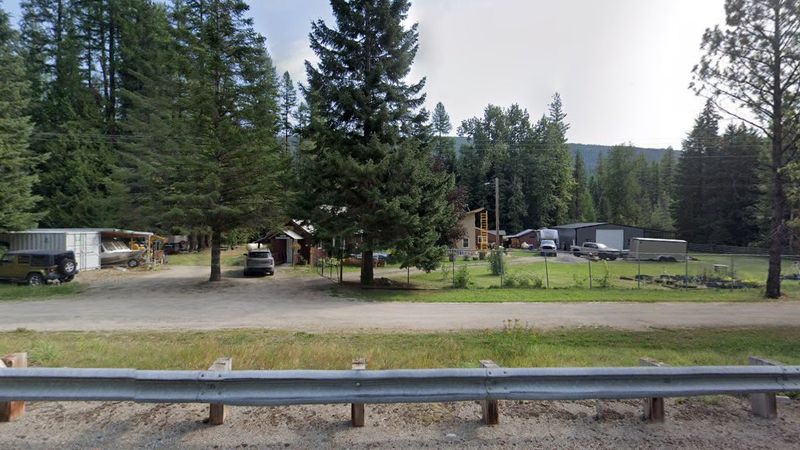
Positioned in the far northwest corner of Montana, the Yaak Valley ranks among the most remote regions in the lower 48 states.
Dense forests of cedar and hemlock blanket the landscape, creating a green cathedral untouched by modern infrastructure.
Off-grid cabin rentals here are intentionally unplugged, prioritizing the sounds of the Yaak River over digital noise.
Gravel roads wind through the valley, often requiring four-wheel drive and a spirit of adventure.
The nearest town with services lies miles away, making self-sufficiency essential.
Wildlife thrives in this protected corridor, with lynx, wolverines, and woodland caribou calling it home.
Cellular signals simply don’t reach into these deep valleys, leaving visitors completely disconnected.
Fishermen cast lines into cold streams, guided by instinct and experience rather than GPS coordinates.
Evening campfires provide the only light, with conversation replacing the usual glow of screens.
The rhythm of life here follows natural cycles, from dawn birdsong to the howl of distant wolves.
Address: Yaak River Road, Troy, MT 59935.
Supplies should be gathered before arrival, as stores are few and far between.
Solitude seekers find exactly what they’re looking for in this intentionally isolated haven.
6. Beartooth Highway
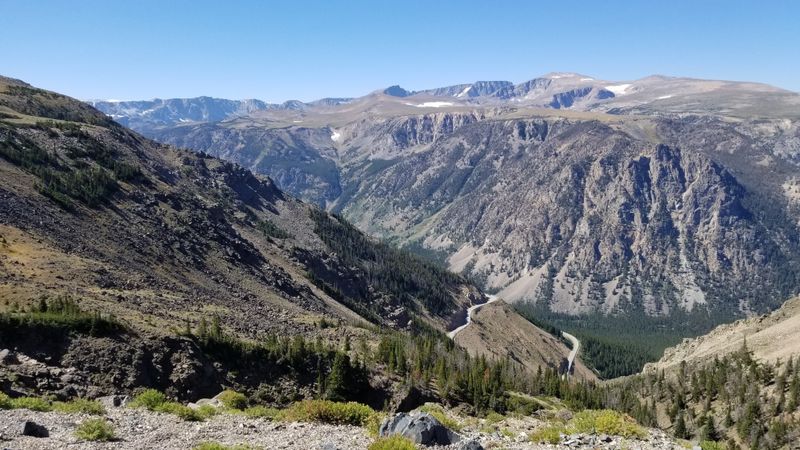
Climbing above 10,000 feet, the Beartooth Highway earns its reputation as one of America’s most beautiful drives.
As elevation increases, cellular signals fade and eventually vanish entirely.
Alpine tundra stretches in all directions, dotted with snowfields that persist through summer.
The highway traverses a landscape that feels more like Alaska than the lower 48 states.
Travelers are advised to download maps and directions beforehand, as the high-altitude terrain offers no digital safety net.
Switchbacks carved into granite cliffs provide breathtaking views but no cell service.
Lakes formed by glacial melt sparkle impossibly blue against gray rock and green moss.
Bighorn sheep navigate steep slopes with ease, often pausing to watch passing vehicles.
The thin air and vast horizons create a sense of being on top of the world, literally and figuratively.
Without the ability to check phones, passengers engage fully with the dramatic scenery unfolding around every curve.
Address: US Highway 212, connecting Red Lodge, MT to Cooke City, MT.
The highway typically opens in late May and closes with the first heavy snows of fall.
Prepare for rapidly changing weather and complete disconnection from the digital world.
7. Holland Lake
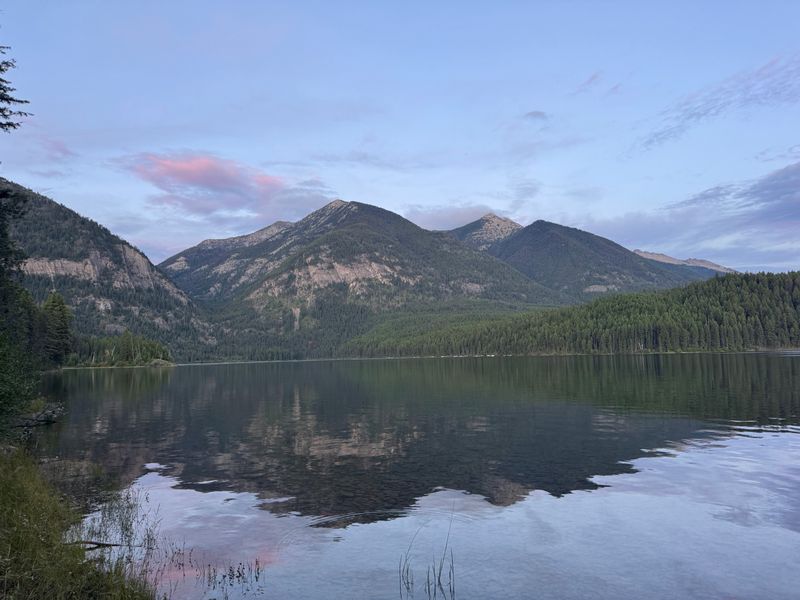
Located in a quiet corridor between the Mission and Swan Mountains, Holland Lake offers a peaceful retreat.
This area is frequently cited as a top digital detox zone where cell and internet service are non-existent.
Clear waters reflect surrounding peaks, creating mirror images that photographers dream about capturing.
A waterfall tumbles down the mountainside at the lake’s far end, accessible by a gentle forest trail.
The historic Holland Lake Lodge provides rustic accommodations without the distraction of WiFi.
Guests spend evenings on the deck watching osprey dive for fish as the sun sets behind jagged summits.
Canoes and kayaks glide silently across the glassy surface, propelled by paddles instead of motors.
The Bob Marshall Wilderness borders the area, ensuring that development remains minimal and solitude abundant.
Hiking trails lead into old-growth forests where the only sounds are wind and birdsong.
Without cell service, visitors reconnect with companions and nature in equal measure.
Address: Holland Lake Road, Condon, MT 59826.
The lodge operates seasonally, and reservations are recommended for peak summer months.
This location proves that some of Montana’s best experiences happen when technology takes a backseat to natural beauty.
8. Makoshika State Park
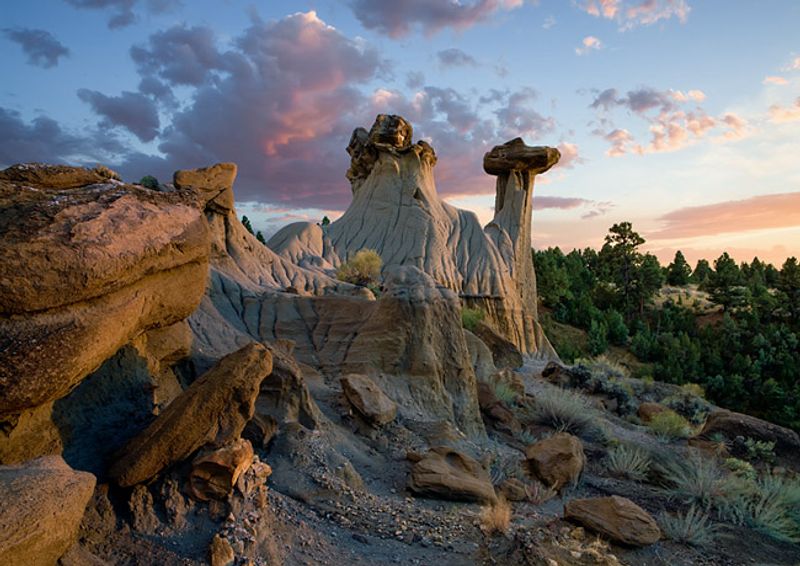
Situated in the eastern badlands near Glendive, Makoshika State Park showcases a landscape sculpted by wind and water.
Deep coulees and rugged ridgelines naturally disrupt cellular signals, leaving visitors with only the sound of wind.
The park’s name comes from a Lakota word meaning bad earth, referencing the challenging terrain.
Dinosaur fossils embedded in the rock layers tell stories millions of years old.
Hiking trails wind through hoodoos and pinnacles that glow orange and red during sunrise and sunset.
The remote location and geological features combine to create a natural dead zone for modern technology.
Visitors explore twisted canyons where shadows dance across striated rock faces.
Raptors soar overhead, riding thermals that rise from the sun-baked earth below.
Without cell service, the focus shifts entirely to the otherworldly landscape and its ancient history.
Camping here means nights filled with stars and the occasional howl of a coyote.
Address: 1301 Snyder Avenue, Glendive, MT 59330.
The park offers interpretive displays about the area’s paleontological significance.
Bring plenty of water and sun protection, as the badlands offer little shade and no digital lifelines.
9. Bighorn Canyon National Recreation Area
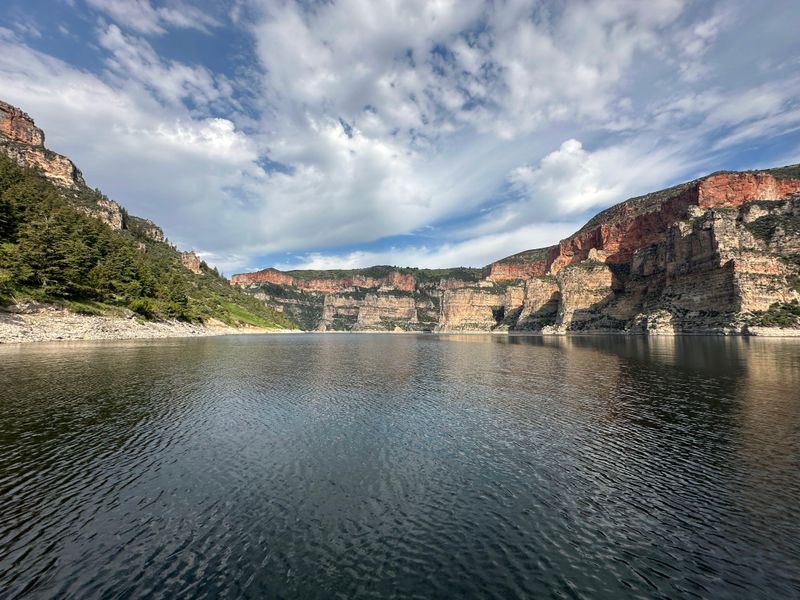
Straddling the Montana-Wyoming border, Bighorn Canyon features sheer limestone walls rising over 1,000 feet.
These dramatic cliffs create a natural barrier to cell towers, ensuring complete disconnection.
The deep blue waters of Bighorn Lake wind through the canyon, offering exceptional boating and kayaking opportunities.
Paddling beneath towering rock faces, visitors experience solitude rarely found in modern recreation areas.
Wild horses roam the Pryor Mountain range above the canyon, descendants of Spanish mustangs.
Hiking trails lead to overlooks where the scale of the landscape becomes overwhelming.
Without cell service, navigation relies on printed maps and careful observation of landmarks.
The remoteness of the area means encounters with other people are infrequent, adding to the sense of isolation.
Fishing for walleye and trout becomes a meditative practice without the interruption of phone calls.
Address: Fort Smith, MT 59035.
Visitor centers provide information, but once on the water or trails, you’re truly on your own.
The canyon’s depth and the surrounding high plains create conditions where signals simply cannot penetrate.
This completely disconnected experience allows for genuine immersion in one of Montana’s most stunning landscapes.
10. Bannack State Park
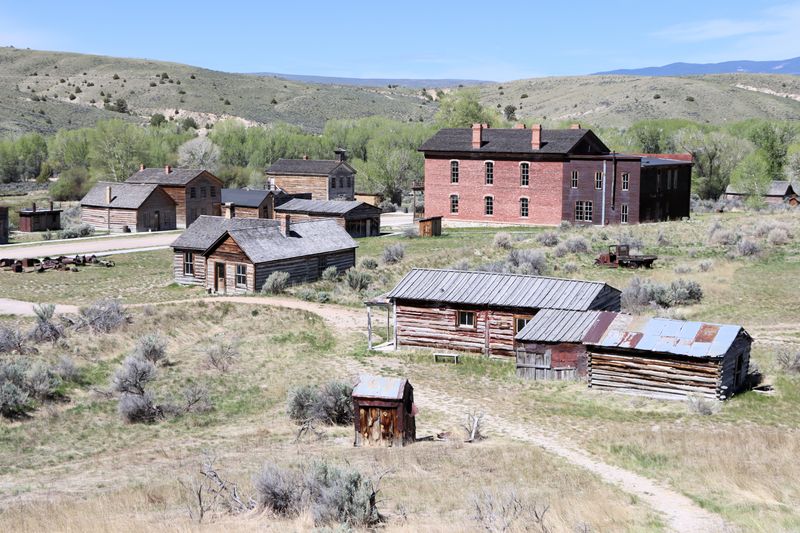
Preserved as Montana’s first territorial capital, Bannack sits frozen in time within the remote Grasshopper Valley.
This ghost town from the gold rush era maintains its historic atmosphere partly because modern technology doesn’t reach here.
Over 60 weathered structures stand along the dusty main street, telling stories of boom and bust.
The remote location ensures that cell service doesn’t interfere with the journey back to the 1860s.
Visitors wander through abandoned schoolhouses, hotels, and homes, imagining life before electricity.
Grasshopper Creek still flows through town, the same waterway that yielded gold and sparked a rush of fortune seekers.
Without cell reception, the experience becomes more immersive and authentic.
Guided tours share tales of vigilante justice and frontier hardship without digital distractions.
The surrounding sagebrush hills remain largely unchanged since prospectors first arrived here.
Photography enthusiasts appreciate the undisturbed setting and the quality of light at this elevation.
Address: 721 Bannack Road, Dillon, MT 59725.
The park hosts special events throughout the year, recreating moments from Montana’s colorful past.
Camping is available nearby, offering a chance to sleep under the same stars that guided miners and settlers generations ago.
Dear Reader: This page may contain affiliate links which may earn a commission if you click through and make a purchase. Our independent journalism is not influenced by any advertiser or commercial initiative unless it is clearly marked as sponsored content. As travel products change, please be sure to reconfirm all details and stay up to date with current events to ensure a safe and successful trip.
